Updated July 20, 2026 05:34AM
Anti-Doping Agency Defends Controversial 2 A.M. Tour de France Tests
ITA says surprise anti-doping controls protect testing integrity after Pogačar and Vingegaard were woken overnight at the Tour de France.
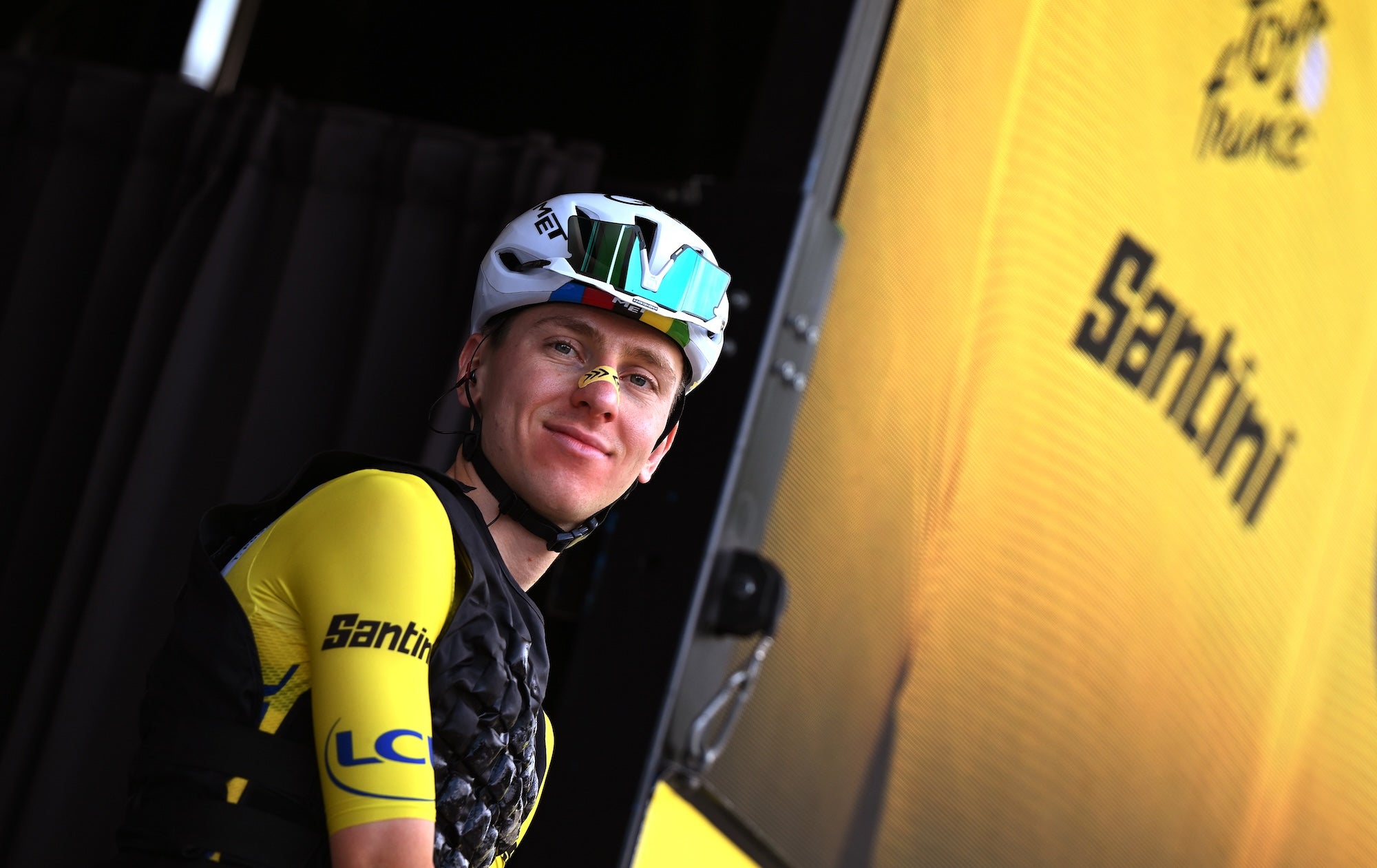
ITA defended its surprise anti-doping controls on riders like Pogačar and Vingegaard at the Tour de France. (Photo: Dario Belingheri/Getty Images)
The International Testing Agency defended its controversial overnight anti-doping controls at the Tour de France after riders blasted being woken up in the middle of the night before Sunday’s key mountain stage.
Tour favorites Tadej Pogačar and Jonas Vingegaard were both tested, saying the surprise visits disrupted their sleep before the Tour’s first major summit in the French Alps.
The agency insisted the ability to test at any hour is allowed under rules and remains an essential tool in modern anti-doping efforts.
“Effective testing must, in limited and justified circumstances, be capable of occurring outside standard daytime hours,” the ITA said in a statement.
The statement marks the ITA’s first public response after Tour de France riders and teams questioned the timing and fairness of Sunday’s overnight anti-doping controls.
The middle-of-the-night visits on the eve of Sunday’s first major summit finish in the French Alps struck a nerve across the peloton.
Yellow jersey rivals Pogačar and Vingegaard were among the Tour riders tested before the grueling climb to Plateau de Solaison.
ADVERTISEMENT
Vingegaard said officials came knocking around 2 a.m. He later crashed out of Stage 15 with a broken clavicle, saying his tire slipped out in a traffic circle.
Pogačar, who said he was tested around 5 a.m., wondered whether the disrupted sleep could have contributed to the crash. Pogačar also revealed he has been target-tested several times already this season.
Surprise controls are a key tool in anti-doping efforts
Visma-Lease a Bike rider Matteo Jorgenson called the timing “a complete lack of respect” for riders’ recovery after more than two weeks of racing.
The ITA said the surprise testing is permitted under the World Anti-Doping Code, UCI regulations and French law, with safeguards designed to protect “riders’ welfare, equity and fundamental rights.”
“The ITA is conscious that night-time testing may be disruptive to riders’ rest and recovery,” the statement read. “Due consideration has therefore been given to minimize as much as possible the impact testing activities have on riders.”
Anti-doping experts say off-hour surprise controls make it harder to exploit predictable testing schedules and can help deter practices such as micro-dosing and blood doping.
ADVERTISEMENT
The ITA has independently managed the UCI’s anti-doping program since 2021. It has more than 40 staff working at this year’s Tour and expects to collect about 600 in-competition samples during the three-week race.
The 2026 Tour enters its decisive final week Tuesday with an individual time trial following Monday’s final rest day.