Published November 1, 2026 08:37AM
The Four-Hour Training Week: How to Get Faster as a Time-Crunched Cyclist
Make the most of your limited training time and see results.
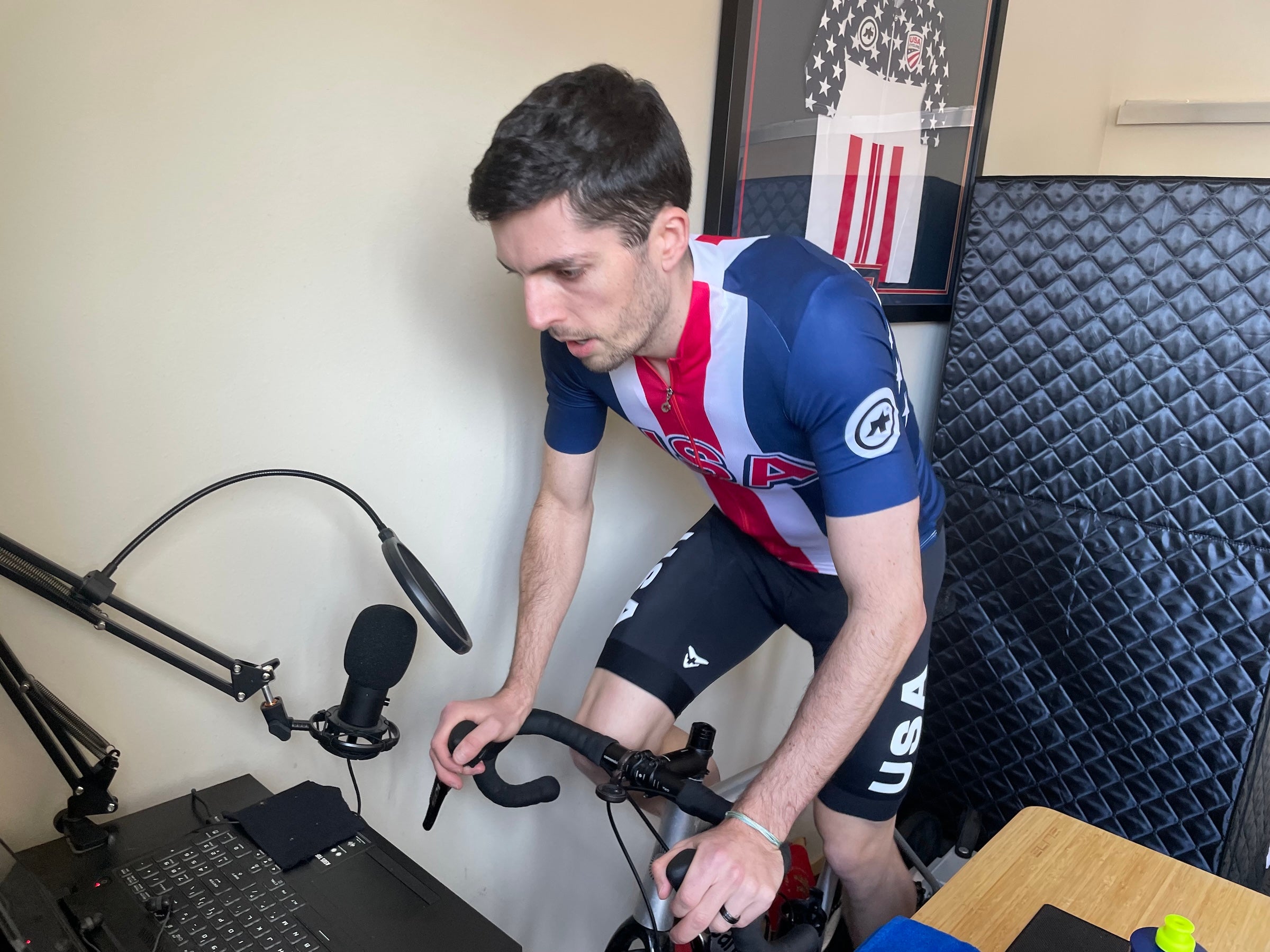
It's possible to get fit with just four hours of training per week (Photo: Zach Nehr)
One of the biggest rabbit holes that cyclists go down is extreme training volume. We learn that amateurs train a few hours per week, elite riders train 10-20 hours per week, and pros train up to 30 hours per week. There have even been stories of pros racking up 40-hour training weeks at pre-season camps. But those historical training weeks are beginning to fade away.
I’ve already written about the reduction of weekly volume amongst many professional cyclists, but few amateurs apply the same principles to themselves. A pro going from 25 hours per week to 18 doesn’t seem like a big deal to us regular folk. They are still training more than twice the volume that most cyclists do, maybe even three or four times more volume in a single week.
But you don’t need double-digit volume to get fit. In fact, you can improve your fitness with as little as four hours of training per week. If you’re a complete beginner, it only takes one or two 30-minute rides each week to start making fitness gains. But once you have your baseline fitness established, it’s time to take it up a notch and build a training plan that gives you consistent and steady progress.
ADVERTISEMENT
This is the four-hour training week, a guide to getting faster for time-crunched cyclists.
You don’t need to ride every day to get fit
There is a common misconception that cyclists need to ride every day to get faster. But it’s actually taking time off the bike that makes you stronger. Rest days are wonderful, especially when they are done right with your feet up and food in your belly. Recovery spins are a luxury that time-crunched cyclists cannot afford, so skip the coffee rides and go straight to Zone 2.
If you’re only training four hours per week, you only need Zone 2 rides and high-intensity sessions in your training plan. During the Zone 2 sessions, ride at 60-70% of your FTP after a quick warm-up, keeping the power steady and controlled for 30-40 minutes. Finish with a short cool-down, and there you have a high-quality endurance session done in less than an hour.
ADVERTISEMENT
Once you have some sort of baseline fitness established, you can start adding high-intensity intervals to your training plan. This is where the real fitness gains are made, but it’s easy to overdo it, and this is why even time-crunched riders can experience burnout. Let’s look at how to build a time-crunched training plan.
Building a 4-Hour training plan
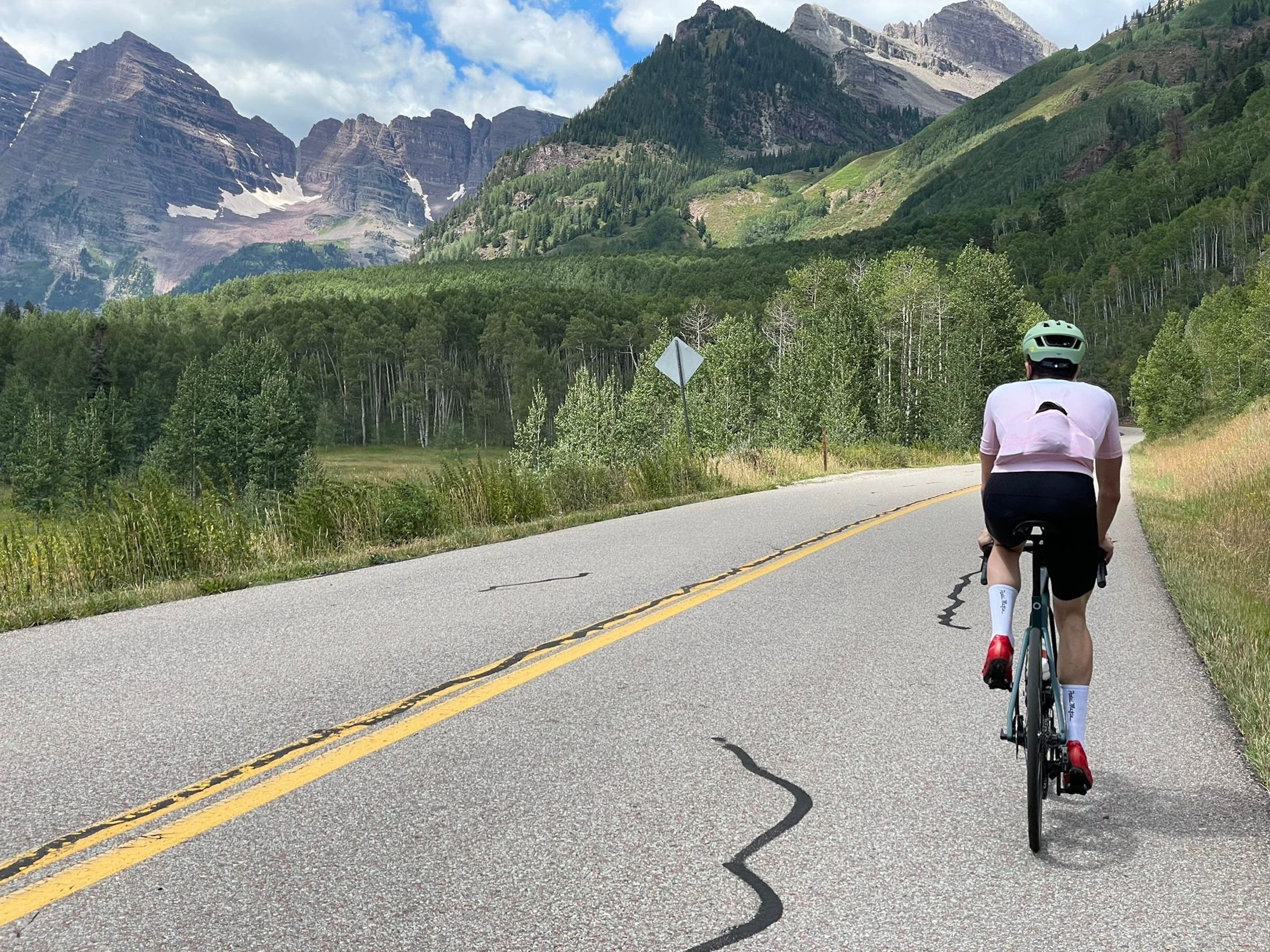
Based on work, travel, and family commitments, are you someone who prefers riding five days per week, or three days per week? A busy 9-5er might prefer going big on the weekends when they have time off of work, while someone with a flexible schedule might prefer to do a shorter ride each weekday, and reserving that weekend time for family activities.
Let’s start with those of us who have fewer days to ride. If you’re only training two or three times per week, it’s worth planning 60 to 90-minute rides on each of those training days. These could be group rides on the weekends, or a morning spin before work.
ADVERTISEMENT
For those who prefer to ride more often, you can plan 20 to 45-minute rides throughout your week, with perhaps a longer ride of 60-75 minutes depending on your schedule. When it comes to physiological gains, there isn’t really a point to riding your bike for less than 15-20 minutes. But when it comes to destressing and mental health, it is always worth it to go for a spin around the block on a beautiful summer day.
Once you’re ready to start building your training plan, it’s important to remember this: The lower your training volume, the more value there is to each and every pedal stroke. Pros can afford to add two hours of junk miles to their training plan because they have nothing else to do during the day. But those of us with only a few spare hours per week have to make every pedal stroke count.
On a low-volume training plan, your number one priority is high-quality training. That means that every interval has a purpose, and every second on the bike helps bring you closer to your goals. If you only have an hour to train, you don’t want to waste 15 minutes weaving through traffic until you get to your favorite road. That is a popular reason that so many cyclists turn to indoor training. Not only is it safer and logistically easier, but it maximizes high-quality training time without a single wasted pedal stroke.
Strength training versus torque work
You’re probably wondering how strength training and gym work fits into all of this – the truth is, it is really up to you, your body, and your goals. If you enjoy strength training and know that it truly helps you (e.g. eliminates back pain, stabilizes your core, improves your sprint), then by all means, replace 30 minutes of ride time with 30 minutes of strength work.
ADVERTISEMENT
But if you’re on the fence about strength training and extremely time-limited, I recommend just doing torque work on the bike, not as a direct replacement for the gym, but more of a sufficient substitute. If time is limited, torque work on the bike is your best option because it’s effective, sport-specific, and it will make you faster regardless of whether you are a sprinter or climber.
Now it’s time to build your weekly training plan. Start by adding two high-intensity sessions per week, with the rest of your training being Zone 1 recovery rides, or Zone 2 endurance rides. “High-intensity” covers a broad spectrum of intervals, but I define it as anything Zone 3 or above.
The type of high-intensity intervals you do should be directly related to your goals and training phase. If you’re just building your fitness in the middle of winter, high-intensity sessions could include short sprints, tempo, and torque workouts.
If you’re preparing for a race, high-intensity intervals could include VO2 Max, threshold, and race simulation intervals. There are a million different ways to design a high-intensity training session, but it’s always best to morph them around your goals.
ADVERTISEMENT
For general fitness gains, I love doing one VO2 Max session per week coupled with Zone 1 and Zone 2 rides. If you’re really feeling good, you can add a second VO2 Max or threshold session to the week. Or if you’re tired, just take a day off.
Now let’s get into the nitty gritty.
The specifics
What workouts should you actually be doing when you only have four hours per week to train?
We’re talking about 30 to 60-minute workouts here, maybe 90 minutes if you are going long on the weekend. That means that every minute counts, and we don’t want to spend any time lollygagging between intervals.
Here is a golden rule that you can apply to threshold and VO2 Max workouts: if you’re still building your fitness, do workouts with a 1:1 work-to-rest ratio (easier). If your fitness is already quite high but you still want to get stronger: do workouts with a 2:1 work-to-rest ratio (harder).
An example of this would be 30/30s, or 30 seconds on followed by 30 seconds off. In a typical VO2 Max workout, you could do two sets of eight reps of 30/30s at 130% FTP with the recovery periods done at 50% FTP. If you’re a beginner-level rider, this is a hard workout, but not impossible. But if you’re a fit and experienced rider, you can take the intensity up a notch.
ADVERTISEMENT
Instead of doing 30/30s with a 1:1 work-to-rest ratio, you could do 30/15s with a 2:1 work-to-rest ratio. This slashes the recovery period and forces you to operate at a higher overall output for the entirety of the interval. Translated: 30/15s are harder than 30/30s.
You can use the same principle for a threshold workout, say, 4×8 minutes at 100% FTP. Take eight minutes of recovery between each interval, and you should be able to get through the session without chewing your stem. Now shorten that recovery period to four minutes and the workout becomes much harder. You can apply this principle to a million different workouts, but there are a few key sessions that I recommend for the time-crunched cyclist.
Sample Training Plan for a Time-Crunched Cyclist
Note: All workouts include a 10min warm-up and cool down period
ADVERTISEMENT
Monday: Rest
Tuesday: 1hr with 6x3min VO2 Max intervals at 120% FTP with 3min recoveries
Wednesday: Rest
Thursday: 1hr with 5x4min Tempo Torque intervals at 85% FTP (50-60 rpm) with 4min recoveries
Friday: Rest
Saturday: 1hr with VO2 Max intervals: 8×40/20s at 125% FTP, 10×30/15s at 128% FTP, and 10×30/30s at 130% FTP with 5min recoveries between each set
Sunday: 1hr steady Zone 2 at 60-70% FTP
Total weekly volume: 4 hours
Remember that increasing your weekly volume is just one way that you can improve your fitness. It’s extremely unlikely that you’ve maxed out every other way that you could possibly improve, so don’t worry about forcibly adding training hours unless you’ve been at it for a decade without seeing any progress.
If you’re still looking for a way to make your workouts harder, try adding spikes to the beginning of each interval. Instead of 4×8 minutes at a steady output of 100% FTP, begin each interval with 1min at 120% FTP before settling into the 100% FTP target. This will spike the lactate production and force your body to work at a higher output for the interval overall. But believe me when I say it makes each interval a whole lot harder.
ADVERTISEMENT
These are race simulation intervals that help you prepare for high-intensity events, so I don’t recommend doing them year-round. But in the right dosage, these types of intervals will help you fly.