Updated October 1, 2026 04:26AM
Dial Your Diet for Training and Recovery: The Ultimate Guide from 52 Cycling Nutrition Experts
Macronutrient targets, nutrition timing, supplements, and more: Everything cyclists need to know to optimize their diet for performance and health.
(Photo: Getty Images)
Does your daily diet properly support your cycling training and recovery?
Are you getting enough carbs to sustain your biggest rides? But what about when you’re slaving at the 9-to-5?
What about protein – how much should cyclists really be getting?
And honestly, do you need that shelf of a dozen different supplements?
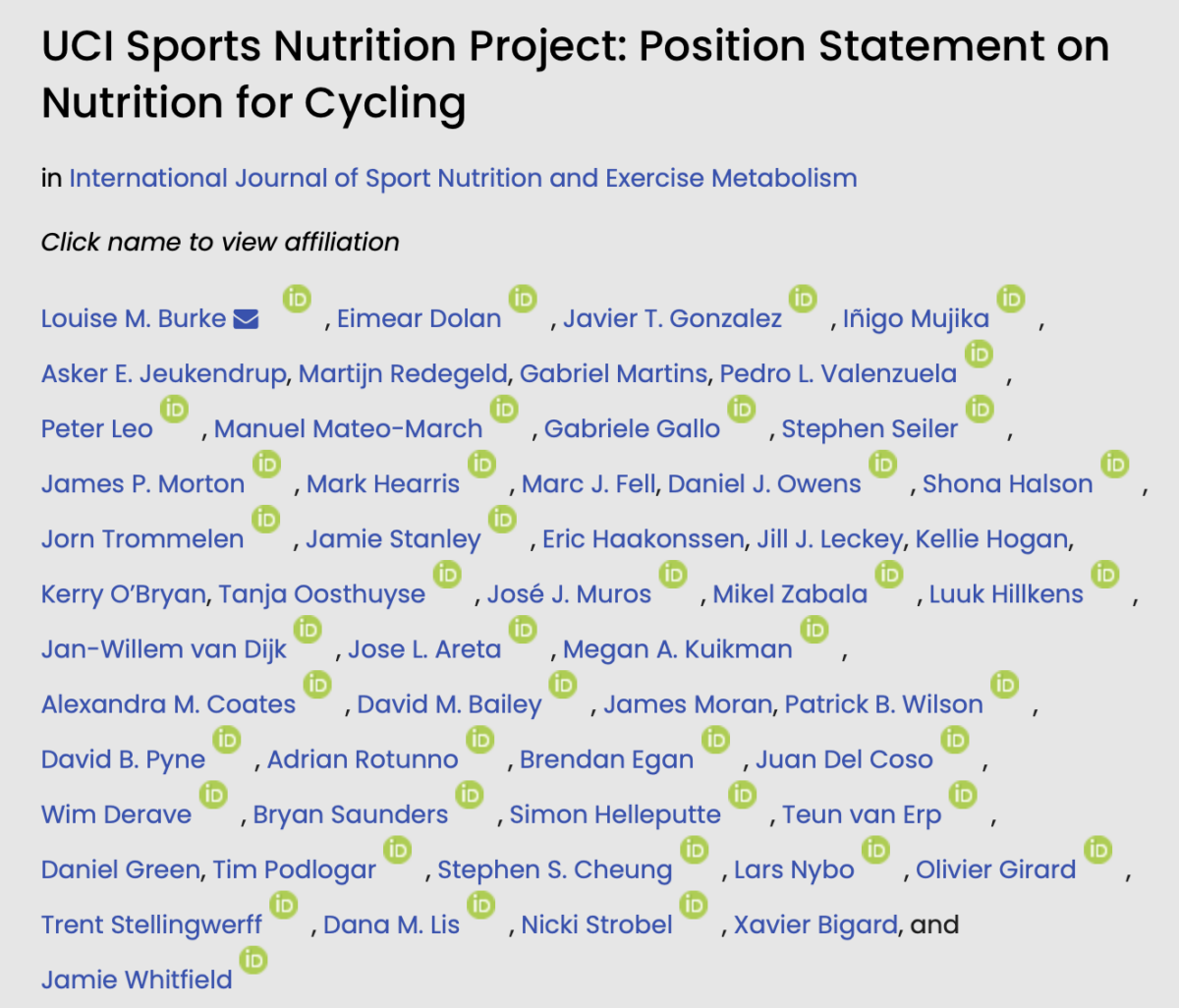
All these questions – and many more – have been answered by 52 of the world’s leading sport and nutrition scientists in a newly published “Position Statement on Nutrition for Cycling.”
The weighty 18,000-word tome tells you everything you could possibly want to know about nutrition, on and off the bike.
It speaks to training, recovery, illness, female health, training at altitude … everything.
Big brains from WorldTour superteams, national federations, and research laboratories collaborated on the authorship. The UCI commissioned and rubber-stamped it.
There’s no bro science or social media “fact” here.
ADVERTISEMENT
Building the best diet for bike riders
The paper is an epic encyclopedia of information for hard-training amateurs who balance biking ambitions with pesky real life. And we read every single word of it, so you don’t have to.
Why?
To give you the ultimate guide to dialing in your diet for training, recovery, and health.
What follows is based on information directly from the UCI bible, supported by Velo‘s own research and calls with pro cycling team staff.
Note that we haven’t included on-bike nutrition or performance supplements here. Those are very deep rabbit holes that require separate exploration.
In the meantime, here are Velo’s guides on supplements and fueling.
And before we start: One important caveat.
There is no such thing as a “perfect” diet. Don’t get bogged down tracking calories and measuring skin folds. Use your health, happiness, and trends in blood markers, body mass, and power output as your guiding stars.
ADVERTISEMENT
Take the below as guiding principles, not strict “rules.”
1. How much in total? Total daily intake
Overall intake and energy availability is the base of the nutritional pyramid. There’s no point finessing macro- and micro- nutrients if these are out of line.
The UCI paper recommends that daily energy availability should be 40 to 45 calories per kilo of fat-free mass, per day.
This calculation gives athletes a good ballpark figure for how many calories riders should eat every day, according to their training volume.
Don’t know your fat-free mass?
Don’t worry, basically nobody outside the sporting elite knows theirs either. We’ve laid out in the appendix below how you can calculate your own fat-free mass.
However, the UCI’s basic message regarding energy availability is that cyclists need to eat enough, all the time. Otherwise, all that training is a waste of time.
ADVERTISEMENT
And trust us, you probably need significantly more food than you think. Run the numbers through the energy availability equation below, and you’ll be surprised.
Things to note on energy availability
1. The UCI paper is keen to enforce that lighter is not always better. That stance reflects how the WorldTour is increasingly focusing on power before weight in its quest to optimize the watts-per-kilo equation.
Amateurs should follow suit. Health and power output should be prioritized before any weight loss goals, unless medically advised.
2. Short periods of low energy availability (LEA) are “unlikely to be problematic” if the athlete allows full recovery time, and doesn’t fall into LEA regularly. However, prolonged LEA, or repeat bouts of short-term LEA, leaves athletes flirting with relative energy deficiency in sport (RED-S).
Athletes need to pay particular attention to pre- and post-ride nutrition to safeguard against this damaging condition.
3. For female athletes: There are currently no generalized recommendations for how to alter dietary intake around hormonal fluctuations. The current consensus is that athletes track their cycles and adjust nutrition based on their personal experience and symptoms.
ADVERTISEMENT
2. Carbohydrate: How much, and when
Carbs. The kings.
Carbohydrates must be the foundation of any athlete’s food plan. Forget the fad for Atkins and carnivore diets, and turn down the pre-pandemic hype for low-carb training.
Carbohydrates fuel the engine, support muscular repair, and play a crucial role in bone metabolism and immune function.
Carbs should be up- and down-scaled according to training.
Remember the saying “fuel for the work required”? Exactly.
The UCI provided useful daily carbohydrate targets for athletes at four activity levels.
We worked the recommendations through some example athletes to give you a quick guide.
ADVERTISEMENT
Carbohydrate targets
| Activity level | Carbohydrate target | At 50kg / 110lb | At 70kg / 154lb | At 90kg / 198lb |
| Light endurance | 5-7g/kg | 300g | 420g | 450g |
| Moderate endurance (<3 hr/day) | 6-10g/kg | 400g | 560g | 720g |
| Intensified training (>4 hr/day) | >8g/kg | 400g+ | 560g+ | 720g+ |
| Extreme racing (>6+ hr single races and stage events) | 10-25g/kg, according to rider and event | 500g+ | 700g+ | 900g+ |
Things to note
1. The guidance above includes all the crap you eat on the bike. So, a 70kg rider who trained for more than four hours should include the glut of candies, gels, and café stop cookies in their recommended total of 560 grams of carbohydrate.
2. Carbohydrate targets look different for riders who are “carb loading” ahead of a big race or fondo. In those cases, athletes should eat 10 to 12g carbohydrate per day for two days before rollout. And this time, that’s on top of any carbs eaten in training on those days.
3. Prioritize carbohydrates in the immediate post-workout daze. Glycogen replenishment should be considered the first priority, with protein – contrary to popular belief – being second.
Target 1-1.2 grams of carbs per kilo of bodyweight within the first hour of training, and continue carbing at that rate for 3 to 4 hours thereafter.
ADVERTISEMENT
4. The UCI’s panel of experts advises caution over “fasted” training. Training on empty should be applied strategically and sparingly, and shouldn’t be seen as a route toward body composition goals. Athletes should ensure full energy availability at the end of a day of lower-carb training.
Carbohydrate cheat sheet
| Carb source | Portion | Carb content |
| Oats – uncooked | 100g | 60g |
| White bread | 1 x average slice | 20g |
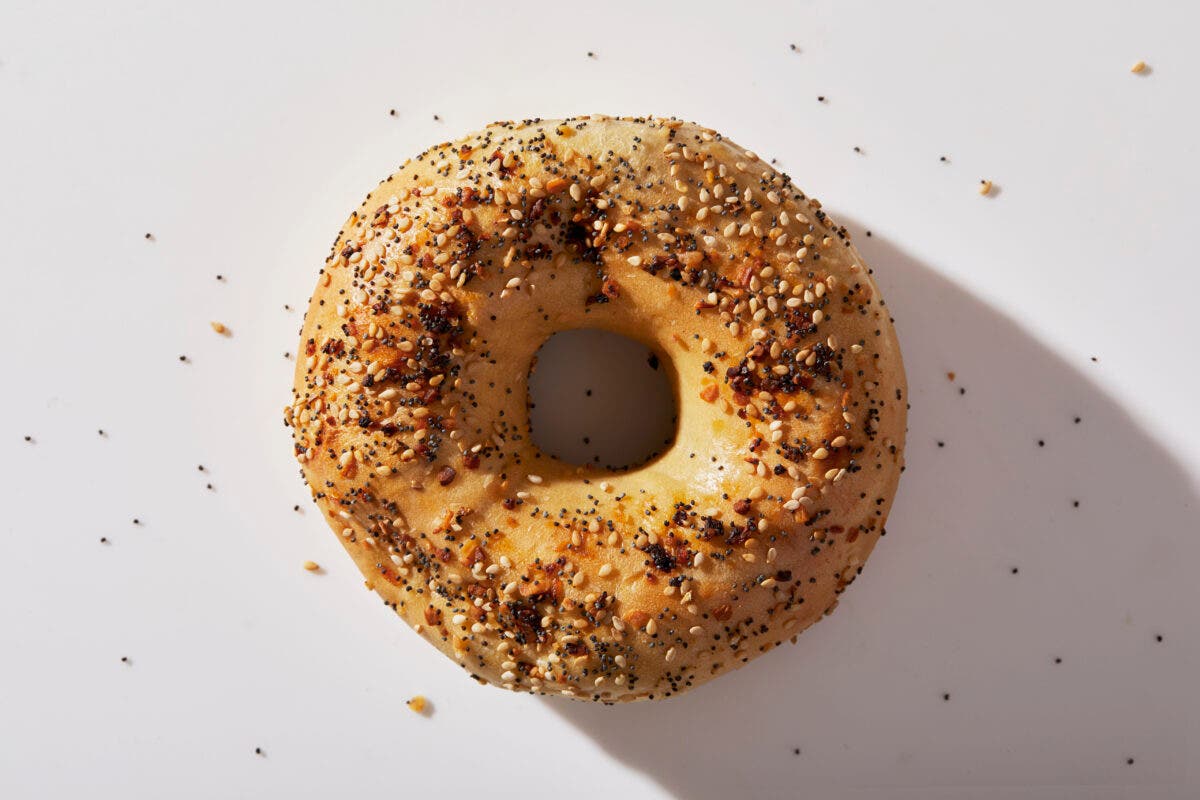
| White bagel | 1 bagel | 40g |
| Pasta – uncooked | 100g | 75g |
| Pasta – cooked | 100g (weight after cooking) | 25g |
| White rice – uncooked | 100g | 80g |
| White rice – cooked | 100g (weight after cooking) | 30g |
| White potato – uncooked | 100g | 20g |
| White potato – boiled | 100g (weight after boiling) | 20g |
| Banana | Average size / 110g | 25g |
3. Protein: More than you think
Cyclists should eat protein like they’re bodybuilders. That is, they need a lot of it, spread relatively evenly throughout the day.
Protein supports repair and regrowth. Athletes can’t progress without it, whether they want to bench press 200 kilos or ride 200 miles of Kansan gravel. And for higher-volume riders, protein is crucial for protecting against muscle wastage.
The UCI recommends that hard-training athletes eat around 1.6 to 2.1 grams per kilo per day. That’s at least 50 percent more than what many sources prescribe for the sedentary population.
And while 140g protein for a 70kg rider sounds a lot, it’s really not – provided you do it right.
Protein intake should be spread throughout the day to give yourself the best chance to hit the 1.6 to 2.1g recommendation. This protein drip should stretch from breakfast to bedtime.
ADVERTISEMENT
Sorry, but a morning espresso and late-night cookie won’t cut it.
Also, try to avoid the tempting trap of regularly relying on one 32oz sirloin to meet your goal.
Yes, it’s satisfying as heck, but conventional wisdom suggests muscle synthesis might top out before you can make use of all those beefy aminos. However, research on this is somewhat mixed, so don’t sweat it too much.
Protein cheat sheet
Note that different cooking methods (grilling vs. frying, etc.) will alter macronutrient profiles. The below should act as a strong, but not perfect, guide.
| Protein source | Portion | Protein content |
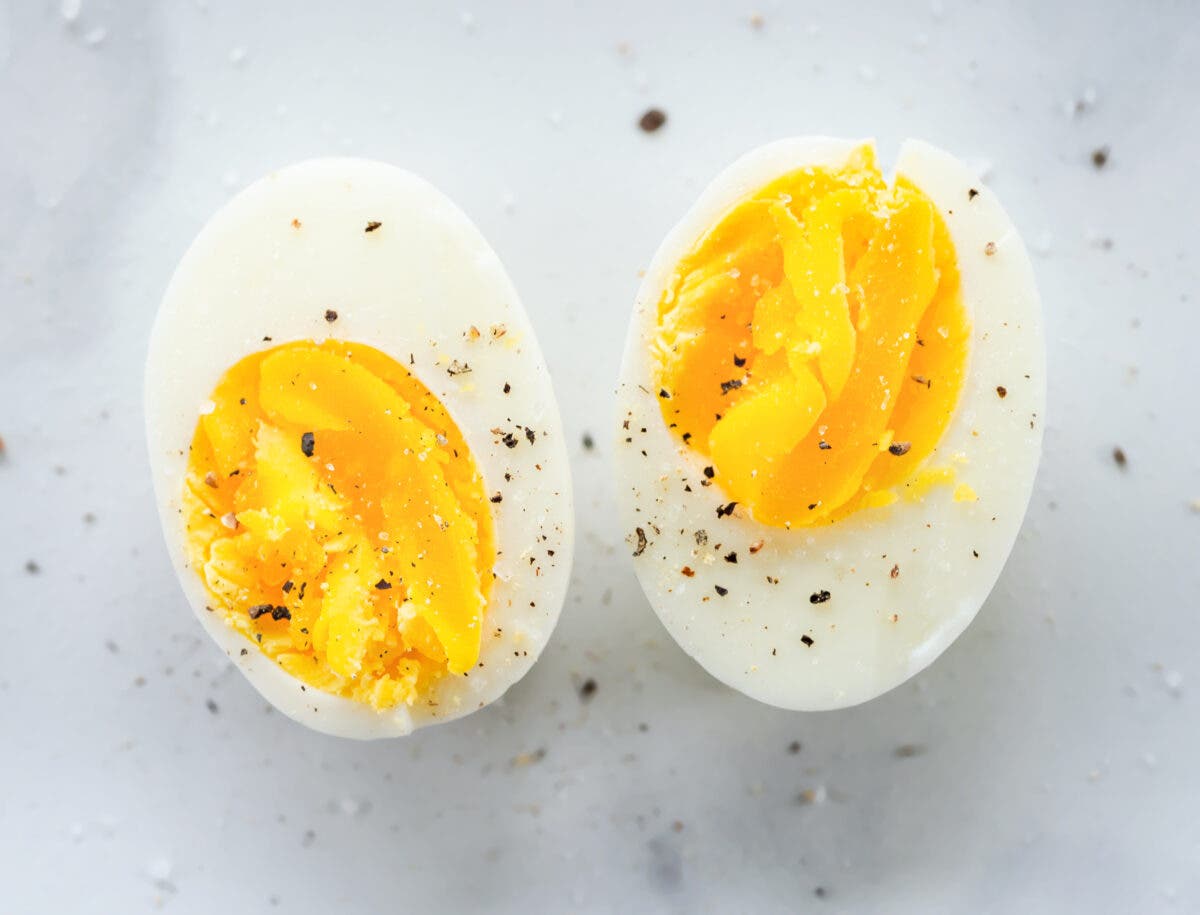
| Whole egg | Average size / 60g | 7g |
| Greek yogurt 5% fat | 100g | 9g |
| Cottage cheese | 100g | 10g |
| Tofu cooked | 100g | 10g |
| Lentils – uncooked | 100g | 65g |
| Lentils – cooked | 100g | 9g |
| Chicken breast, cooked, skinless | 100g | 31g |
| Chicken breast, cooked, skinless | Average size / 170g | 53g |
| Beef sirloin steak, grilled | 100g | 26g |
| Beef sirloin steak, grilled, typical size | 8oz / 225g | 58g |
ADVERTISEMENT
Things to note on protein
1. Protein intake should be at the top of the recommended range during periods of lower carbohydrate training or controlled weight loss.
A super-protein approach should also be followed on rest days or in the aftermath of a mammoth ride. This can help “compensate” for any protein shortfalls during grueling training days where carbohydrate governs the macronutrient mix, and promote positive energy balance.
2. As mentioned above, protein is vital for recovery after a workout, but carbs should come first. The UCI paper doesn’t make a specific recommendation for post-workout protein intake, but studies mostly suggest that athletes should aim for 0.3 to 0.4 grams of protein per kilo of body weight soon after a ride.
3. Masters athletes should pay particular attention to their protein. A higher intake can help counteract the losses in bone density and muscle mass typically associated with aging.
ADVERTISEMENT
4. For plant-based athletes: The UCI experts specifically advocated for the use of protein blends for vegan and vegetarian riders. Vegan protein shakes can help ensure athletes intake the full range of amino acids that are more readily available in animal proteins.
4. Fats: Not always the bad guys
Don’t think fats are the bad guys. Embrace this most delectable of food groups.
Fats are a rich source of energy, they boost the uptake of vitamins and essential fatty acids, and are essential to immune, metabolic, and skeletal health.
But of course, all the caveats apply. Fried and junk foods dripping in trans and saturated fats should be eaten in moderation.
The good news? Fats from oils, nuts, seeds, oily fish, and avocados always get the green light.
And that’s just as well, because what bike rider doesn’t exist on peanut butter?
Experts recommend fat makes up around 25 to 30 percent of daily caloric intake.
Eat 3,000 calories a day? Fat should work out to around 750 to 900 calories. At nine calories per gram of fat, that’s around 80 to 100 grams of fat.
ADVERTISEMENT
Fats cheat sheet
| Fat source | Portion | Fat content |
| Greek yogurt 5% fat | 100g | 5g |
| Peanut butter | Tablespoon / 16g | 8g |
| Pumpkin seeds | Tablespoon / 8g | 4g |
| Avocado | Half average-size fruit (~80g) | 15g |
| Olive oil | Teaspoon / 4g | 4g |
Something to note on fats
It can be easiest for athletes to think of fat as a balancing figure in achieving their caloric total. So, whatever’s left after hitting carbohydrate and then protein targets goes to fats.
This might mean fats are proportionately lower on days when heavy training pushes carbohydrates higher in the overall dietary mix. This also reduces the risk of GI distress.
Conversely, fats may be slightly higher in the mix on rest days, where carbohydrate requirements are lower.
ADVERTISEMENT
5a. Micronutrients
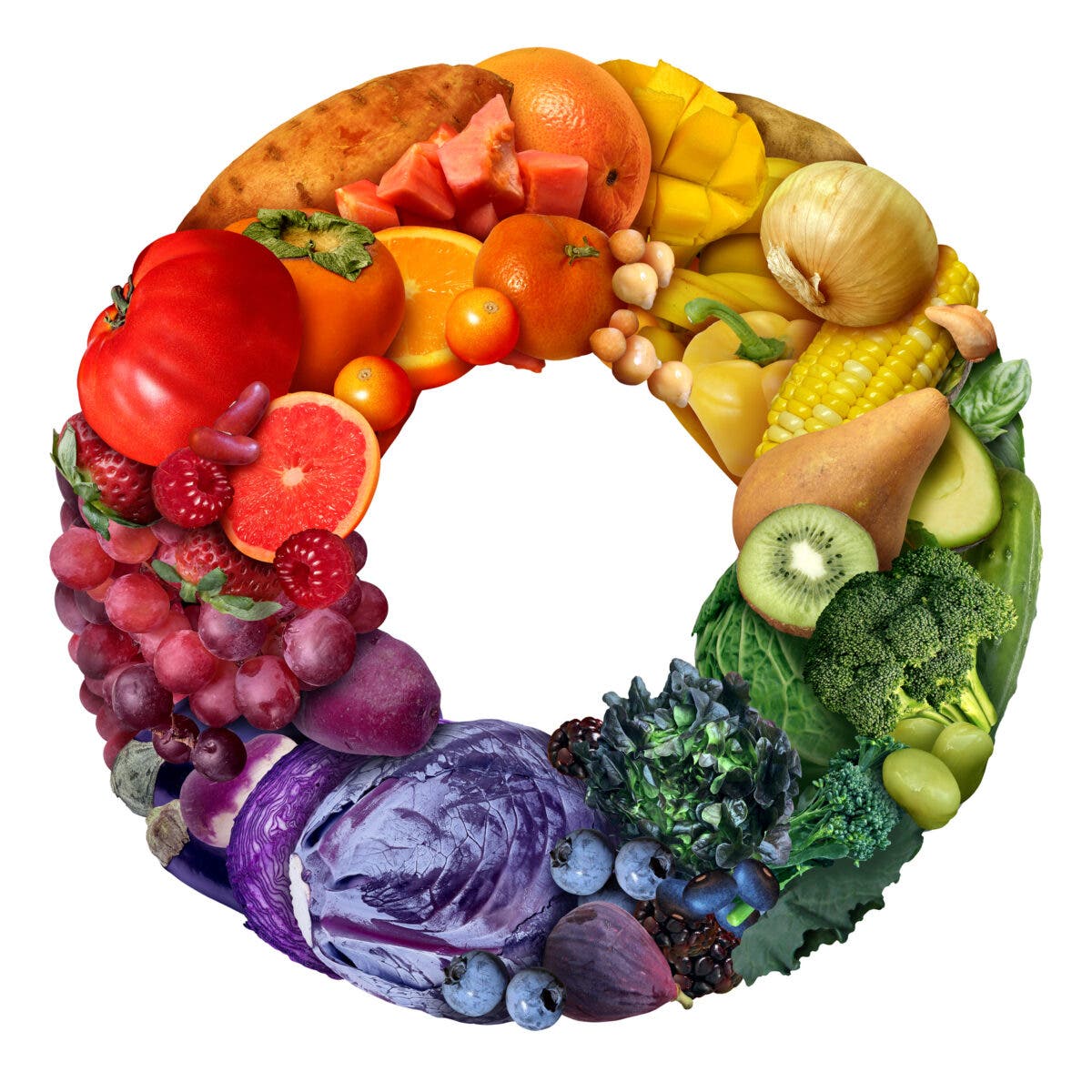
The UCI paper didn’t lay out hyper-specific guidance for micronutrients the way it did for the three major macros.
However, as a daily principle, any of the 52 experts who contributed to the paper will tell you the same thing: Eat the rainbow.
Making an effort to eat a full color palette of fruits, veg, pulses, and seeds will ensure you get the wide range of vitamins and minerals required for healing, health, immunity, and strength.
Try to mix the palette as often as possible – don’t eat the same spinach, tomato, and sweet potatoes every day. And while the new “30 plants per week” trend has been judged excessive, the message is on-point: incorporate as much diversity into your diet as possible.
And no, a multivitamin a day is not an acceptable shortcut. Real food first.
ADVERTISEMENT
That said, the UCI does suggest some specific supplementation may be required. Cyclists are notoriously prone to micronutrient shortfalls due to the energy-intensive nature of the sport.
5b. Supplements: Some to consider
Vitamin D
Vitamin D – the so-called sunshine vitamin – is a near-essential one to supplement. Even riders who are baking in the Andorran sun for 30 hours a week can be deficient in this powerhouse of bone and immune health. Vit.D can also provide support for premenstrual or menstrual-related symptoms.
How to get it: WorldTour experts widely recommend supplementing vitamin D. Follow their advice. An extra 10 micrograms (400 IU) per day is thought to be sufficient.
Calcium
Calcium is the core scaffolding of bone. Given the prevalence of low bone density in cyclists, pro nutritionists are bullish on ensuring athletes get enough of it. Athletes should target a daily dose of 1,200mg of calcium, ideally from “real food.”
How to get it: Dairy, green leafy vegetables, nuts, seeds, tofu. If you are found to be at risk of low bone density, follow your medic’s advice on supplementation.
ADVERTISEMENT
Iron
Female athletes and those who live or regularly train at altitude can be at risk of iron deficiency. Those at risk should pay close attention to getting an iron-rich diet and periodically monitoring their iron levels. If choosing to supplement, the UCI recommends 100 to 200mg per day.
How to get it: Dark leafy greens, red meats, fortified cereals, or supplement at 100 to 200mg/day. If found to be deficient in iron, follow your medic’s advice.
Creatine
Creatine is more widely considered as a “performance supplement,” but we’re also including it here. It’s proven to enhance cognitive function and can play an important role in recovery from concussion.
How to get it: Supplement with 5g per day.
ADVERTISEMENT
Collagen
Collagen is pretty hip in the beauty and health industry right now. But it’s not just some anti-aging treatment. For athletes, it supports joint and connective tissue health, and might help stimulate tendon repair pathways.
How to get it: Supplement with 10 g per day. Make sure to use bovine, not marine, collagen. The former is best for tendons and joints, the latter for skin and hair.
Note that the UCI emphasizes that evidence for the healing powers of creatine and collagen is still limited, but does view them as “promising.”
ADVERTISEMENT
Omega-3, Zinc, Magnesium
Omega-3, zinc, and magnesium contribute to a range of functions including immune support, cardiovascular health, healing, and can help with menstrual-related symptoms. They’re regulars in the pro cyclist supplement stack, but not deemed essential.
How to get them: Oily fish (for omega-3), nuts, seeds, dairy (for all three), and a random one – oysters are the best source of zinc, apparently.
Appendix: Calculating Fat-Free Mass
Circling back to section 1 on energy availability: As a reminder, the UCI recommends daily energy availability of 40 to 45 calories/kg of fat-free mass per day.
So what’s your fat-free mass?
The most accurate way to calculate fat-free mass first requires a measurement of your body fat. In the WorldTour, body fat percentages are tracked with skinfold calipers and DEXA scans. For us at home, smart scales might have to suffice.
ADVERTISEMENT
Once you have your body fat percentage, you can apply it to your total bodyweight to calculate both fat mass and fat-free mass.
As an example:
A 70kg rider with 15% body fat has 10.5kg fat mass (70kg x 15%) and 59.5kg fat-free mass (70 kg – 10.5 kg).
Next step: Calculate energy availability.
Here’s the equation: Energy availability = (Energy intake – Energy expenditure) / fat-free mass.
So again, let’s run some numbers, as an example.
If the above 70kg rider with 15% body fat eats 3,500 calories per day and burns 1,000 calories, their energy availability is as follows:
Energy availability: (3,500cal – 1,000cal)/59.5kg = 42.
This falls within the recommended 40 to 45 calories/kilo recommendation.
That rider is golden.