Updated September 23, 2026 09:59AM
Opinion: Why Worlds Week Is Cycling at Its Wildest
The Tour is bigger and Roubaix is more brutal. So why are the world championships the best week in cycling? Andrew Hood makes the case.
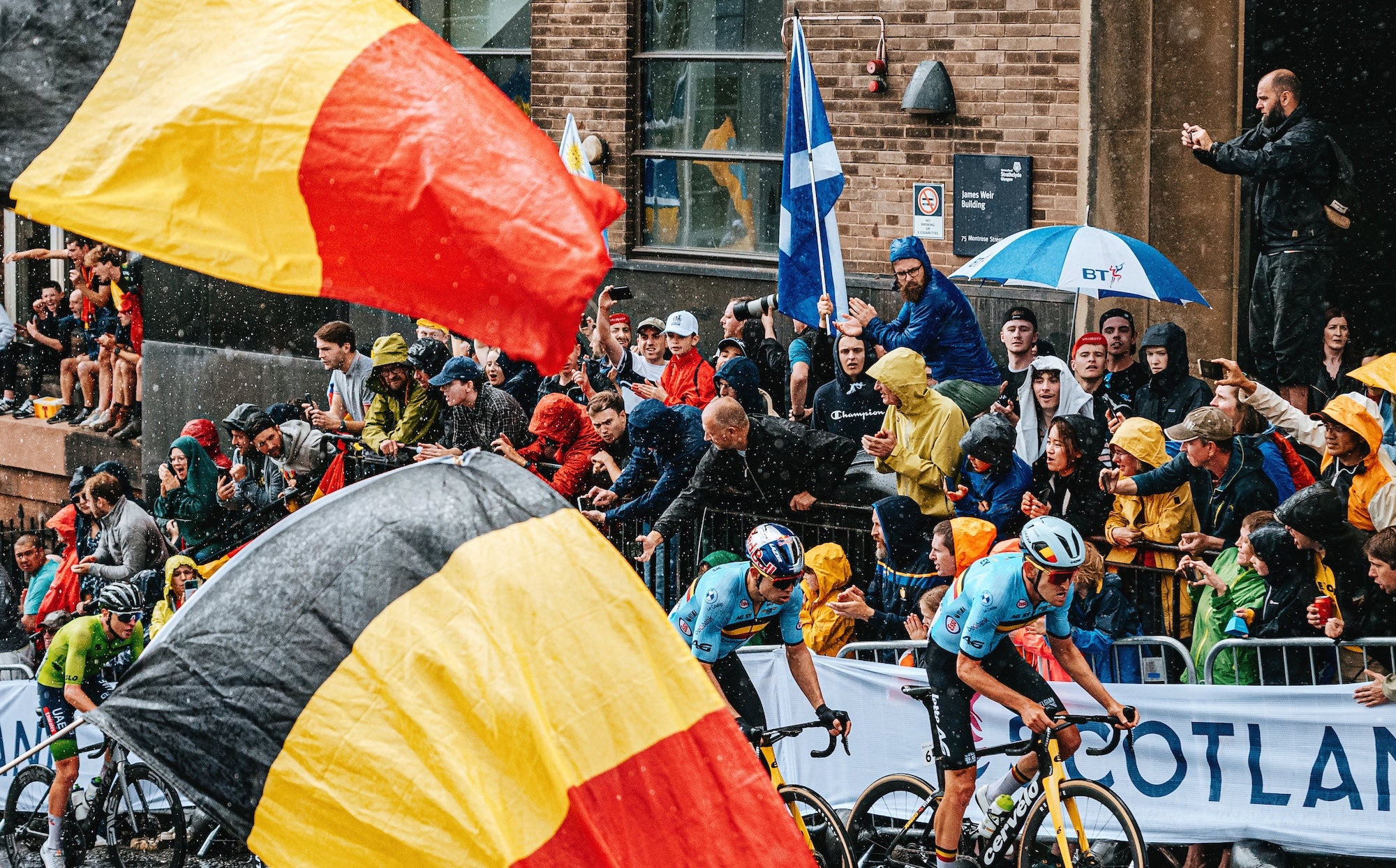
Worlds week, shown here in Scotland in 2023, is unlike anything else on the calendar. (Photo: Gruber Images)
I’ll admit it. I’m watching the UCI Road World Championships in Montréal this week with a severe case of FOMO.
Nothing in cycling matches the scale of the Tour de France. There’s nothing quite like standing on the Oude Kwaremont during the Tour of Flanders or hearing the roar inside the Roubaix velodrome.
But for the best single week of bike racing on the calendar, give me the world championships.
Why? Because worlds is the one week when cycling loses control.
Modern cycling spends most of the season trying to manage every variable.
Worlds week reminds us that sometimes the best racing can happen when that control unravels.
Superteams and their endless eight-figure budgets dominate the narrative in modern pro racing today.
It’s Tadej Pogačar and UAE Emirates-XRG and Visma-Lease a Bike hogging up the stage races. Or SD Worx-Protime and FDJ United-Suez taking the flowers in nearly every race in the Women’s WorldTour.
Worlds blow all that up.
ADVERTISEMENT
For one wild week, the usual rules of professional cycling no longer apply.
Trade-team allies become both rivals and teammates under national banners. Some stars have seven riders working for them. Other nations start alone and are just happy to be there.
There’s no race radio, alliances form and disappear on the day, and after 250km ending on a finishing circuit, the peloton is reduced to strongest, bravest, and sometimes luckiest.
That chaos is the magic of the world championships.
Add cycling’s most famous jersey, festering rivalries, and national pride, and no other week packs in quite as much of what makes this sport so beautiful, raw, and occasionally ridiculous.
OK, three straight days of time trials might be a little much for even the hardest core fans.
But once the road races begin this week, the world championships become cycling at its unfiltered best.
I’m stuck in Spain this week while some of my friends are making the trip to Montréal. I wish I was there.
ADVERTISEMENT
The rainbow jersey still means something
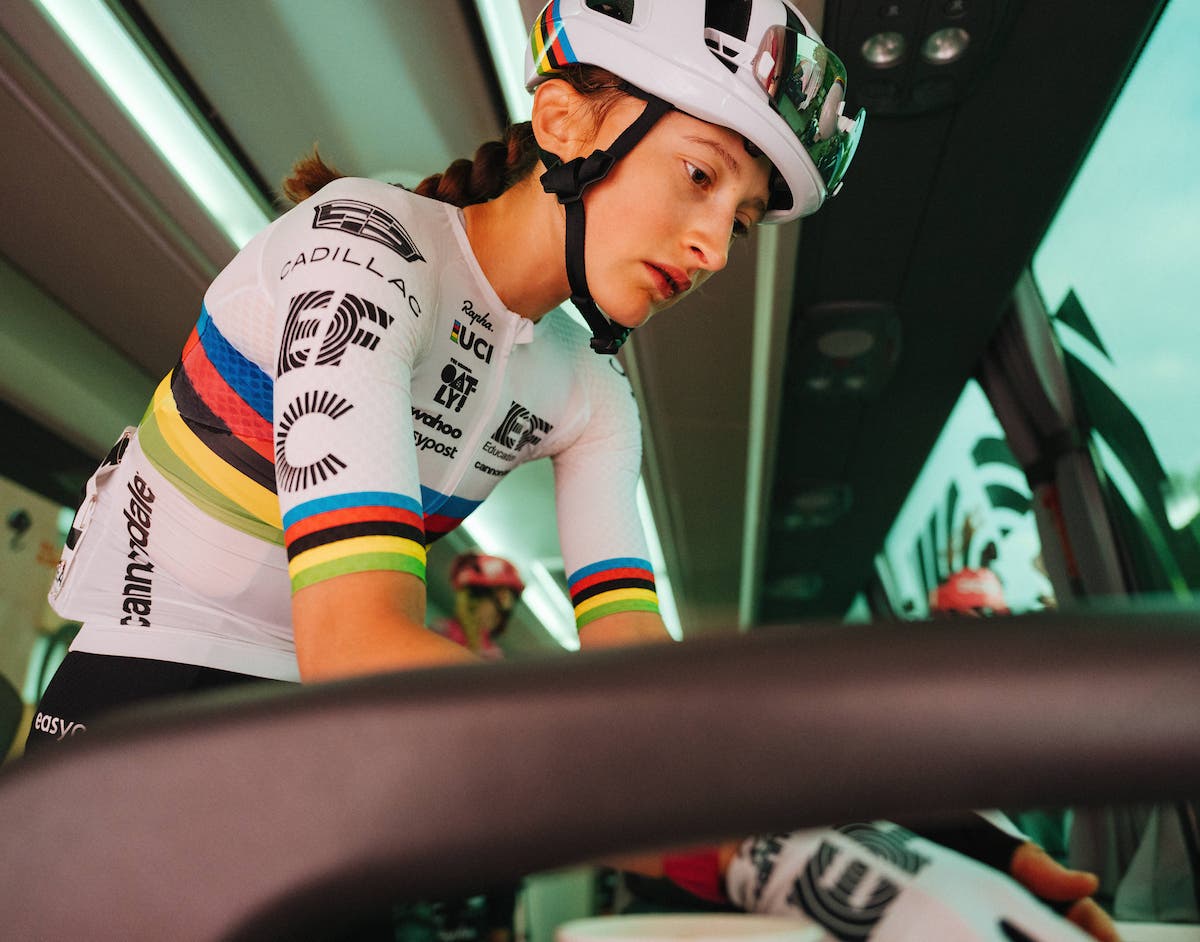
First off, there’s what everyone is racing for: the rainbow stripes.
The winner doesn’t receive a leader’s jersey that must be defended the next morning. And there is no huge prize money check or weird trophy destined for a shelf.
The winner gets to wear the rainbow jersey for an entire season.
That alone makes the worlds unique.
Think the green jacket at The Masters or a championship belt buckle at a rodeo.
Cycling has evolved over the ages, but since its inception in 1927, those five bands remain synonymous with what a champion means.
It’s the one title every pro rider dreams of winning.
Pro cycling is a weird, almost organic creature. Sponsors come and go. Riders swap teams like mercenaries for the highest paycheck. Allegiances are transactional, based on the next race or a new contract.
The le maillot arc-en-ciel transcends all of that.
Former winners often say wearing the world champion’s jersey for a full season was the highlight of their racing careers.
ADVERTISEMENT
The world title also connects each winner to the legends of the past: Eddy Merckx, Bernard Hinault, Nicole Cooke, Greg LeMond, and Marianne Vos.
Coming into Montréal, only 91 men and 44 women have won the elite world crown. That’s quite an exclusive club.
Those stripes also come huge expectations and what some even call a curse.
Every move is watched, and every loss becomes a story until that first win. No one wants to be that world champion who cannot defend and honor the jersey.
A big win in the junior or U23 ranks can catapult a rider into the WorldTour.
It’s that combination of prestige and pressure that gives the road races their edge.
One magical day can define a rider’s career, and its absence can leave a huge hole in even a great rider’s palmarès.
ADVERTISEMENT
Monument distance, championship pressure
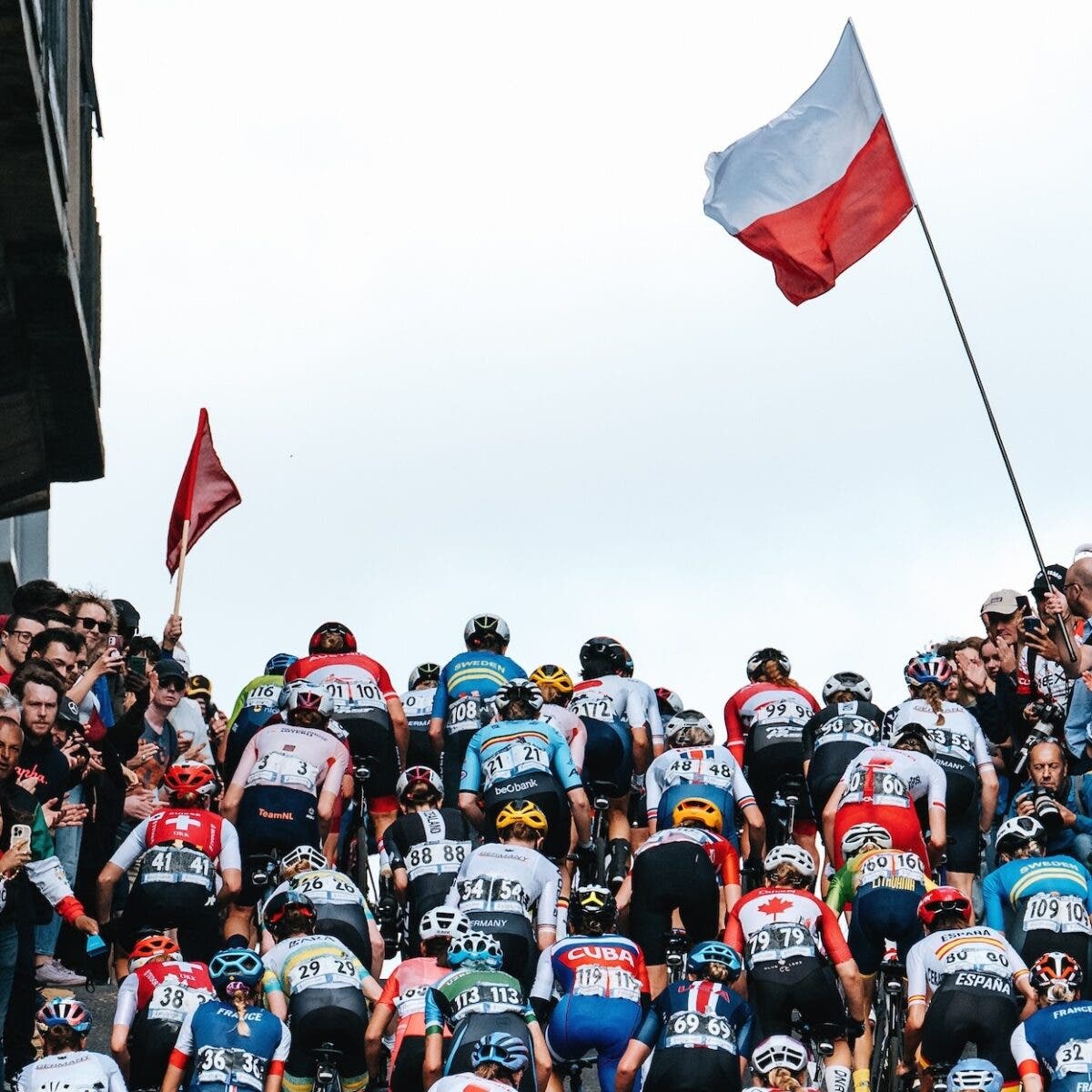
Worlds is not a dressed-up crit with a fancy name. This is the real deal.
The elite men routinely race 250km or more. The women face their own long and demanding test.
Add repeated climbs, constant fights for positioning, and the tightening noose of racing on a circuit, and the worlds are unlike any race on the calendar.
It’s in that final hour that worlds earns its reputation.
There’s no tomorrow at worlds, and the favorites only truly emerge after 200-plus kilometers in the saddle.
If there are five monuments on the racing calendar, the worlds should be considered the sixth.
The worlds also bring together riders who rarely meet on equal terms during the season. Classics specialists often have the upper hand, but the sprinters try to hang on and time trialists can transform into a rogue rouleur.
Opportunists gamble with no-hope attacks because waiting means there’s no chance at all, and grand tour winners even show up to chase cycling’s most prized tunic.
ADVERTISEMENT
Every worlds has its signature flavor, and this year we get maple syrup, poutine, crisp autumn weather, and just the fifth time worlds has been contested on North American roads.
The routes change every year, but everyone knows there is no tomorrow and one roll of the dice can make them a legend.
Trade teams vanish and old grudges resurface
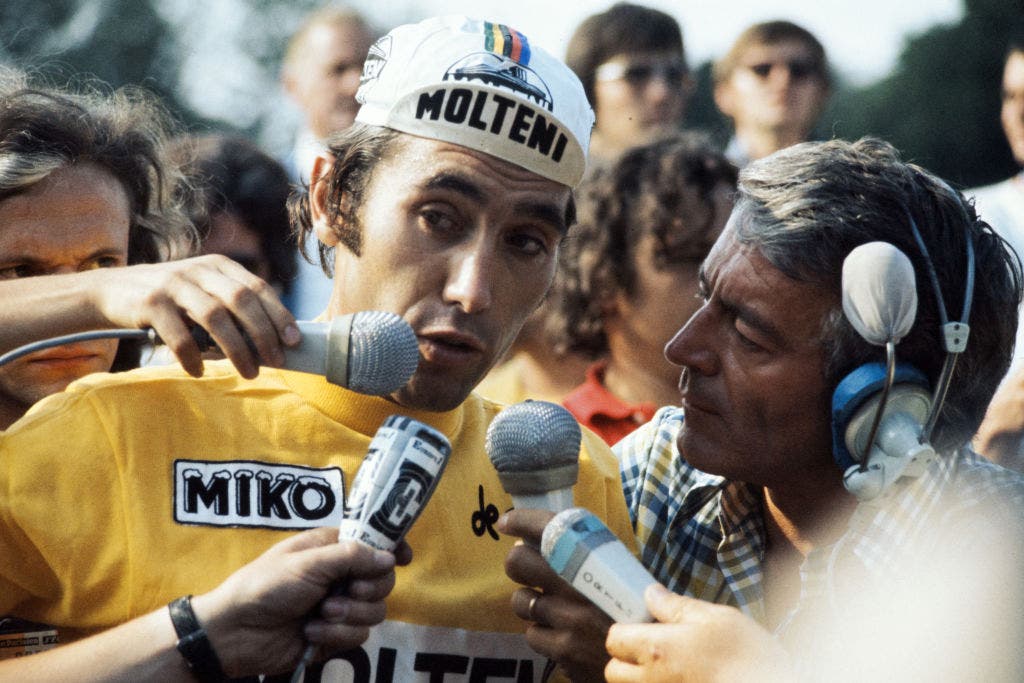
For one unruly week, riders race for nations, not their trade teams.
And that can deliver some delicious surprises and spicy plot twists.
For most of the season, sponsors and big-money contracts drive the pace and narrative of the WorldTour.
Then worlds arrives and everyone is racing for national pride and unbridled personal ambition.
One of the more interesting subplots this week is how Remco Evenepoel and Wout van Aert will split responsibilities on the powerhouse Belgian team. Any hiccup that sees the title slip away will create a national scandal back home.
There’s been some famous blowups over the decades of riders blatantly riding for a trade-team teammate or refusing to support their national leader. Think Roche chasing down Kelly, or Vandenbroucke refusing to work for Museeuw.
ADVERTISEMENT
At the 2005 Madrid worlds, Italian-born U.S. dual citizen Guido Trenti rode in Team USA colors. But he spent much of the race controlling the peloton for Quick-Step teammate Tom Boonen, who won the rainbow jersey, as Trenti seemingly abandoned helping U.S. team leader Fred Rodríguez, and finished as the top American in 22nd.
Deals can be hatched on the road — or these days in WhatsApp groups — but nobody knows how long they will hold.
Don’t be surprised if you see a big team without a clear favorite suddenly working at the front. They’re pulling, but for someone else.
The smaller nations face the opposite problem. Isaac del Toro of Mexico is this year’s prime example of a rider who will have to win without the same support as the Belgian, Dutch, or French riders.
Worlds is also one of the few races contested without race radio, so often times, no one knows what’s going on up the road anyway.
Worlds is a chaotic, one-off race of delirium. And that’s why I love it.
ADVERTISEMENT
The politics never stop
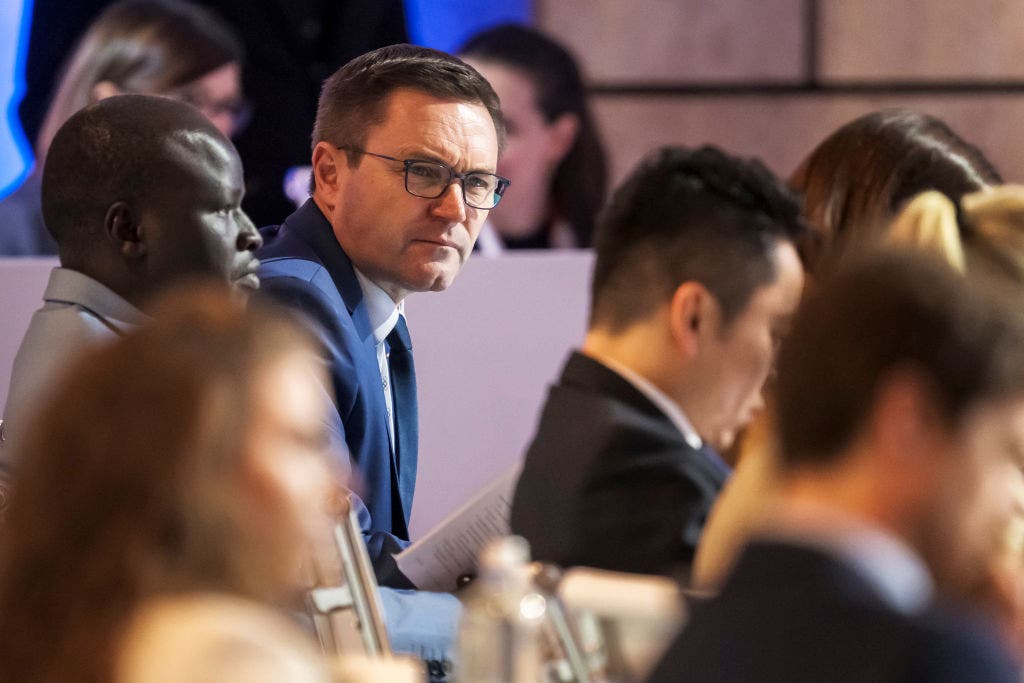
Worlds is also cycling’s version of an annual political convention.
This is the UCI’s big show — Montréal is paying an estimated $9 million to host the worlds this week — and much of the drama happens behind closed doors.
Everyone who is anyone in cycling usually shows up to kiss the ring of UCI president David Lappartient.
The UCI also holds its annual congress during each worlds, where a new slew of rules and regulations are rolled out.
There’s already ongoing debate about a proposed new national jersey at grand tours as well as heavy pressure to improve racing safety following a string of high-profile racing deaths.
Sometimes, the drama is real, like in 2013 when Pat McQuaid and Brian Cookson’s bitter UCI presidential showdown unfolded like a Machiavellian coup inside Florence’s Palazzo Vecchio.
Fans might often roll their eyes at UCI bureaucracy, but worlds week is when many of the key decisions are debated, rubber-stamped, and officially put on the books.
All behind closed doors, of course.
ADVERTISEMENT
An atmosphere the WorldTour cannot reproduce
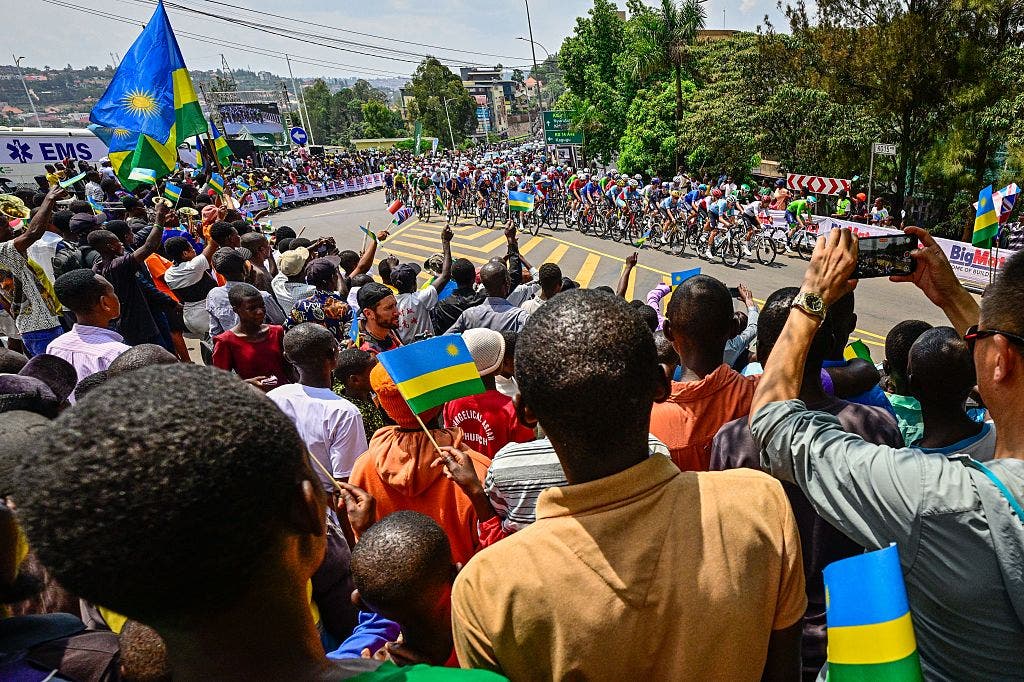
A casual fan might not know what XDS sells or what AlUla is.
Everyone understands a flag.
At worlds week is cycling’s biggest block party. They’ll be fans from Colombia, Eritrea, France, Australia, Canada, and the United States all pressed up against the barriers this week.
Some fans travel halfway around the world each year for the best seat, and the Belgians are everywhere.
That mix gives worlds a different feel than even the grand tours.
At the Tour, it’s often the race caravan that many people show up for, or cycling’s biggest mountain rave party on Alpe d’Huez.
Make no mistake, the event remains commercial and it’s one of the UCI’s biggest money-earners of the year. There are sponsors, VIP areas, and $3,500 hospitality packages that are already sold out, but most viewing areas are free.
Another great worlds feature is the national jerseys.
ADVERTISEMENT
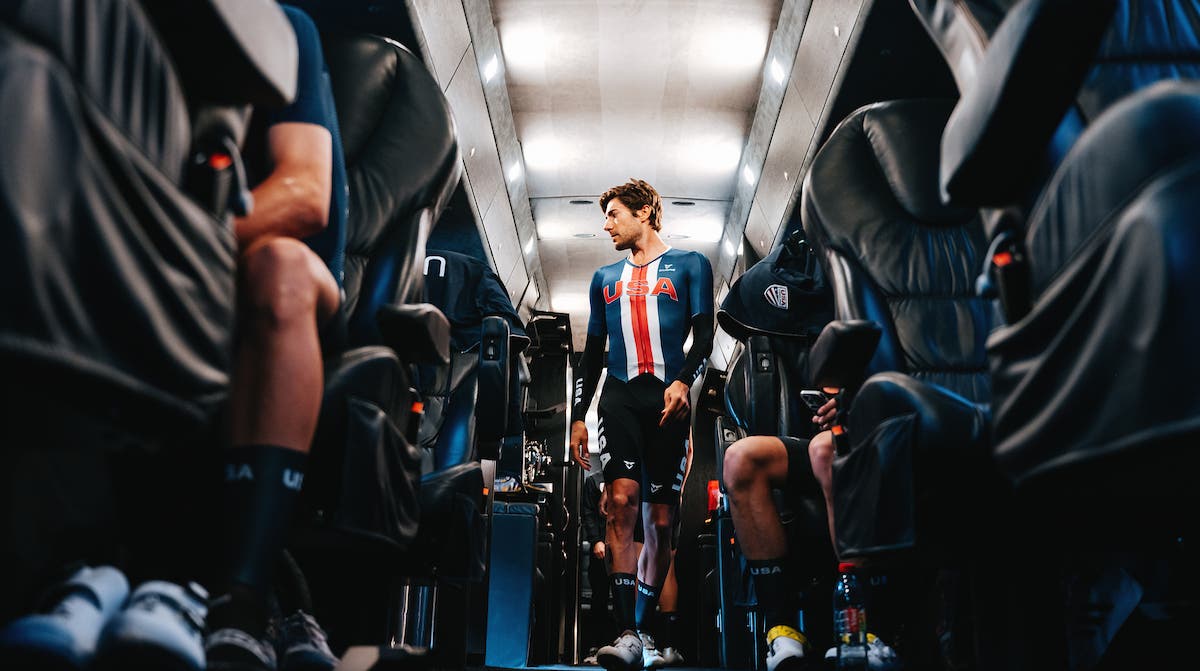
Some kits are incredibly ugly and uninspired. Others truly capture their nation’s vibe. Italy’s azzurro blue and Dutch oranje are instantly recognizable.
This year, Team USA unveiled a radical redesign that ditched the traditional stars and stripes and, well, it’s kind of growing on me.
Why worlds week wins
That is why worlds gets my vote as cycling’s best week.
The Tour de France is bigger, and Flanders and Roubaix are more brutal.
But no other week rips up the peloton’s usual script quite like worlds and gives us something different.
And that is why, wherever worlds lands next, I’ll want to be there.
And next year?
It’s the second iteration of “super worlds” — set for August 24 to September 5 in Haute-Savoie, France — when 20 separate UCI World Championships bundled into a single mega-event.
If you’re like me watching from the couch, it’s time to break out the popcorn. The racing is about to get wild.