Updated September 28, 2026 01:06PM
McNulty's Rainbow Jersey Was No Miracle—It Was a Decade in the Making for USA Cycling
Team USA's selfless victory for McNulty marks the arrival of American Cycling's golden generation on the world stage.
(Photo: Getty Images)
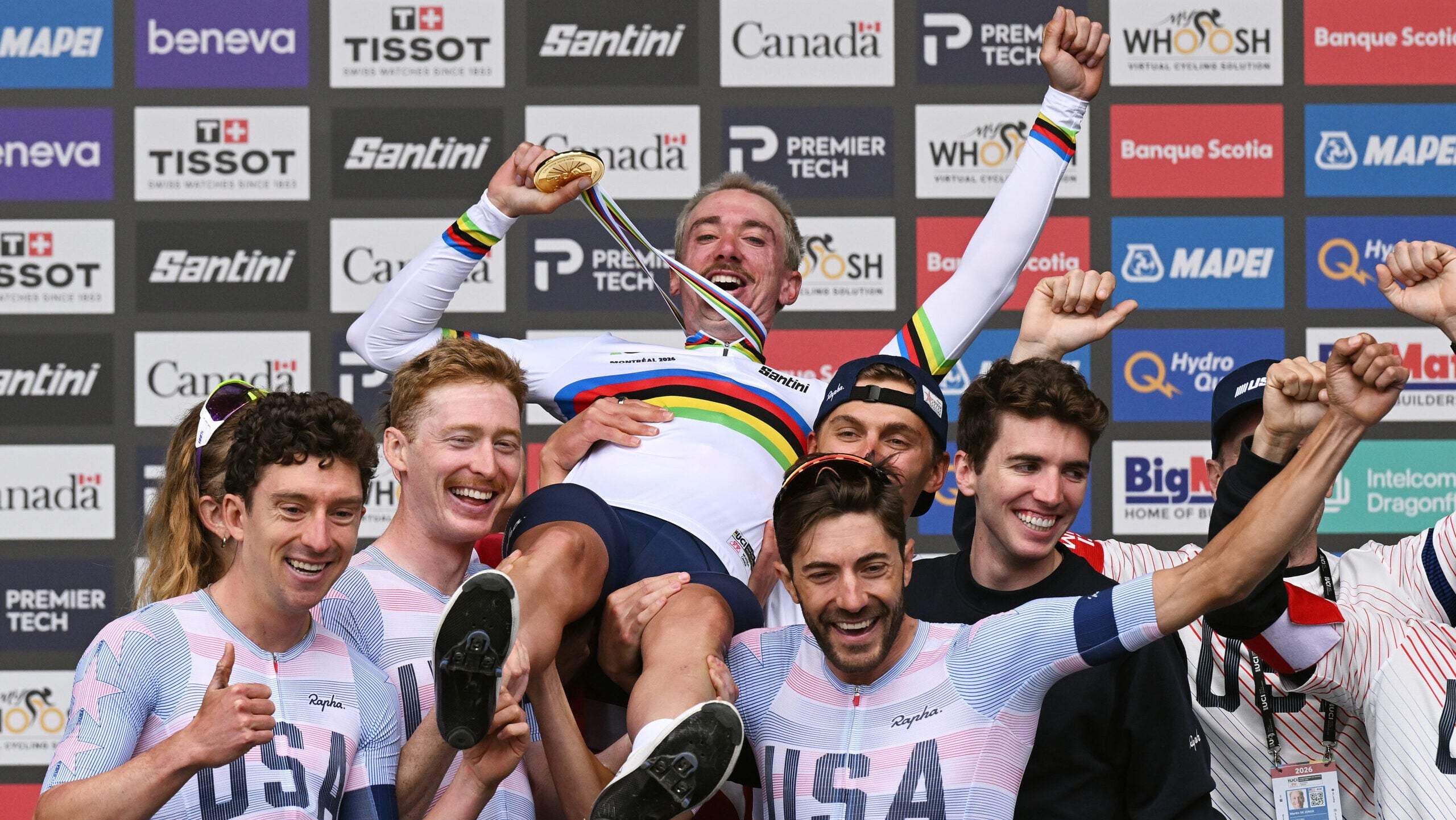
When Brandon McNulty rolled across the line to win the 2026 UCI Road World Championships, it marked the end of a journey. Over the past decade, the United States men’s riders have been building momentum.
It started slowly at first, with promising results like McNulty winning bronze in the junior time trial at Richmond in 2015, and then accelerated with Quinn Simmons’ junior worlds road race title in 2019, Sepp Kuss winning the Vuelta a España in 2023 and Matteo Jorgenson taking back to back titles at Paris-Nice in 2024 and 2025.
Yet, the rainbow jersey that McNulty will take into 2027 is a whole different milestone. The U.S’s last men’s elite world championship was 33 years ago, when 21-year-old Lance Armstrong won in Oslo. The only other American man to wear the rainbow jersey before that was Greg LeMond.
ADVERTISEMENT
“I’ve been in the USAC organization since I was 16 years old,” McNulty said after the race. “I was a child when I first met a lot of the people that are still involved in the organization. I’ve been to almost every World Championships since then.
“I was able to win the TT as a junior at the 2016 worlds, and then Quinn Simmons won the junior road race a few years later, so there’s been success. But I think the men’s road race has always been the dream for everyone in the organization. It’s super special to do with people that I’ve known since I was really a kid.”
McNulty’s Worlds win has been over a decade in the making
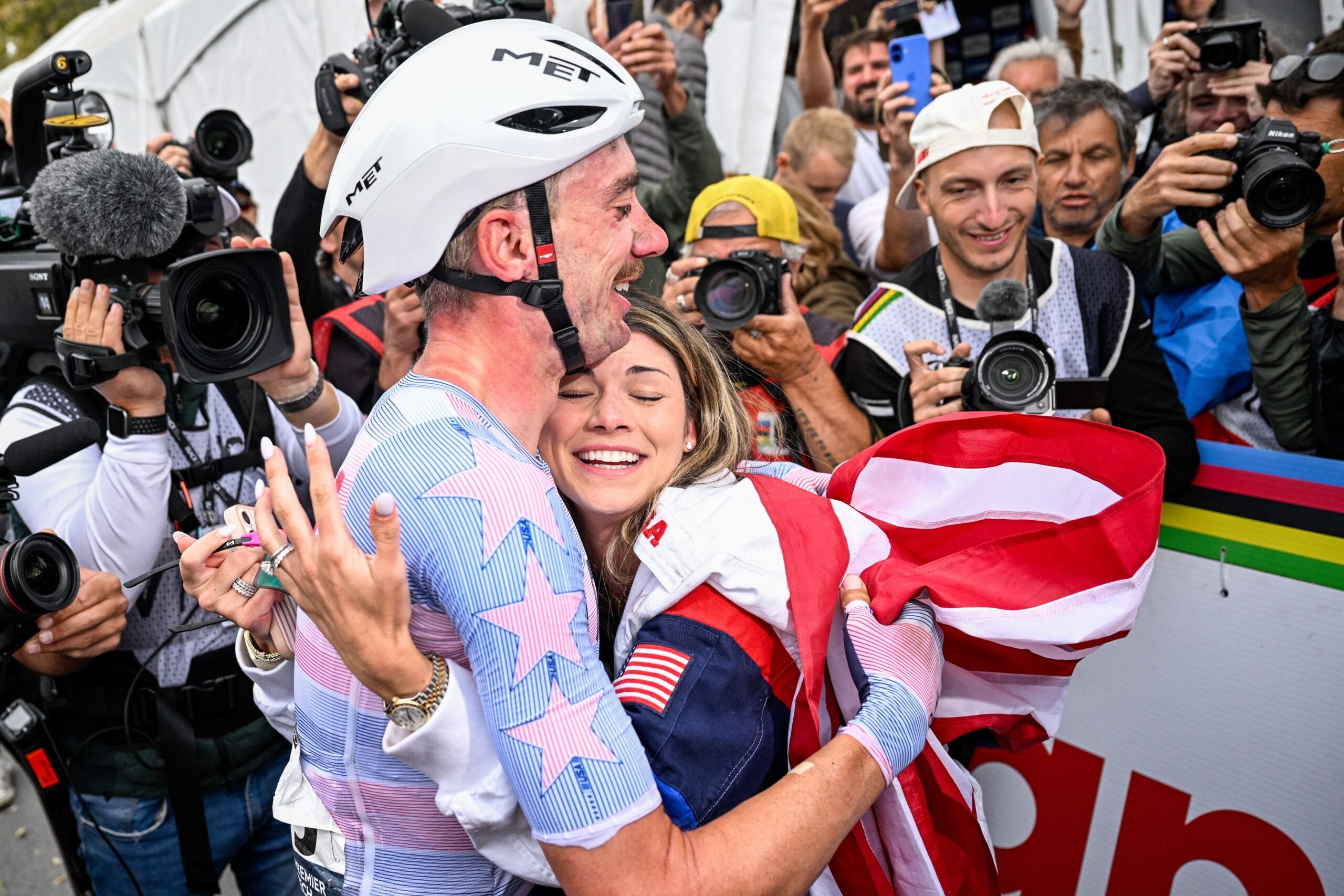
McNulty is the leader of this generation that has elevated American cycling to near the top of the world rankings. While Sepp Kuss and Neilson Powless are both older and winners on the WorldTour level, McNulty was so talented as a junior that he became a model for what Americans could do starting at this younger level.
ADVERTISEMENT
Both Kuss and Powless really found their success at cycling’s top level gradually as established professionals rather than from the jump as development projects. McNulty was different. At just 17, he was not only already racing in Europe, but he was also strong enough of a time trialist to set a course record at pro-level races in the United States—on junior gears. He was about as hyped as a junior cyclist could be.
It was during those junior years that the rest of the core of this generation also started to elevate their level. Matteo Jorgenson, who is a year younger than McNulty, is a key example of this.
When they raced in America, the two were rivals, as McNulty was the best rider on the Lux Cycling Team and Jorgenson was the top rider at Hot Tubes. Yet, in the summer, the two would come together for long European race blocks where they learned to race together as much as they competed against one another.
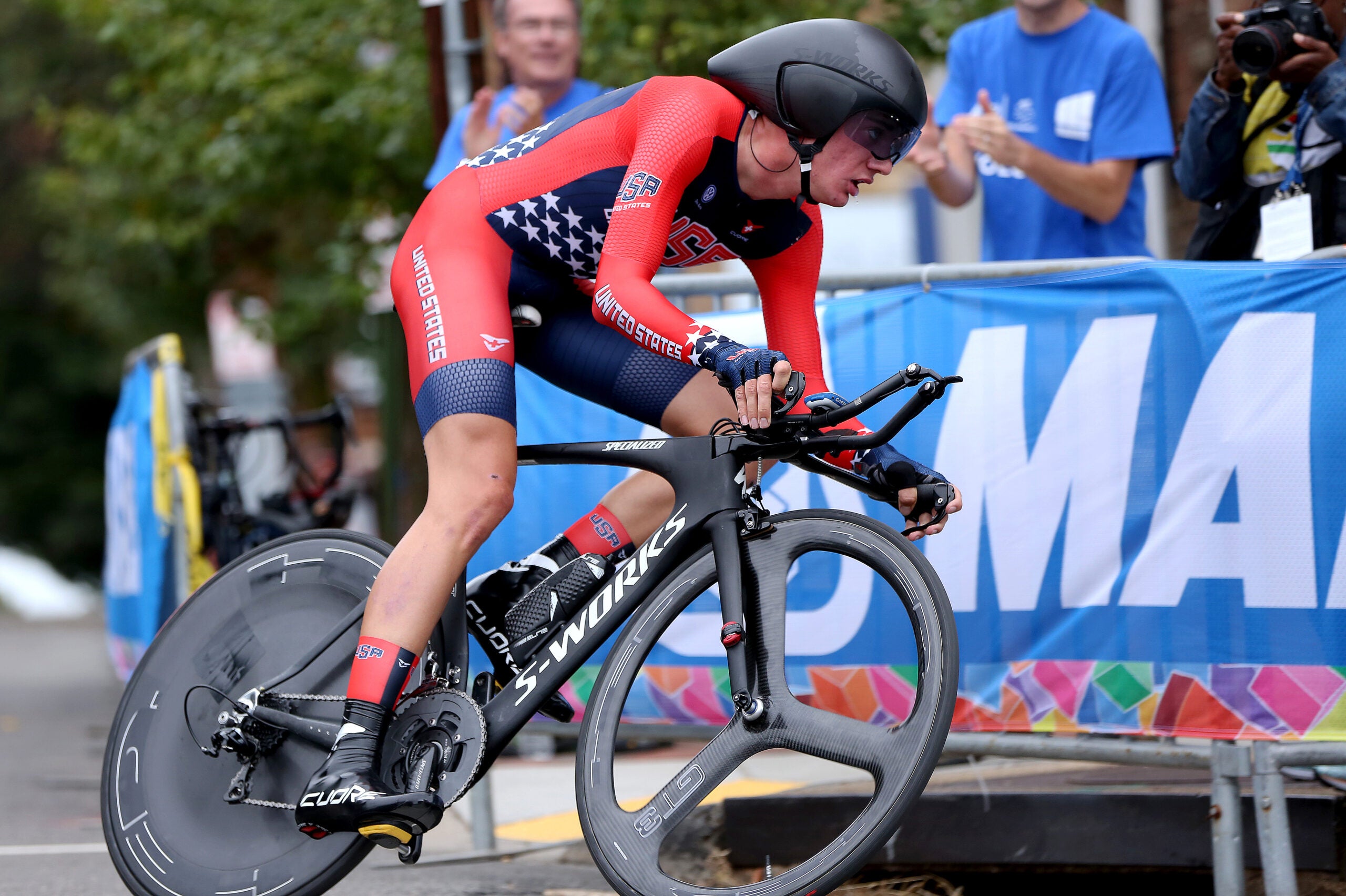
“I started racing with USA Cycling in Belgium when I was 16, just doing Kermesses for three weeks,” McNulty said of his time in the junior ranks. “At the time, it was a dream to be a pro, but you have no idea what that would have meant.
ADVERTISEMENT
“I found success which, at the time, felt huge. Winning in Europe as an American felt crazy, so that confidence was the foundation. It’s special because Matteo [Jorgenson] was also on that trip. To know we’ve been doing this together for that long…it’s cool to grow up like that all together.”
That dynamic, the very friendly rivalry, started what effectively became a chain of talent. The mix of the US Junior National Team and the two dominant junior teams kept putting the most talented riders in scenarios of competition and collaboration. It was McNulty racing Jorgenson; then it was Jorgenson racing Sean Quinn, Kevin Vermaerke, and Riley Sheehan; and so on and so forth. That chain extends all the way to Ashlin Barry, who managed to do something that McNulty, Jorgenson, or Simmons couldn’t when he won America’s first U23 World Championship on Friday.
A chain of development success that runs from McNulty to Barry
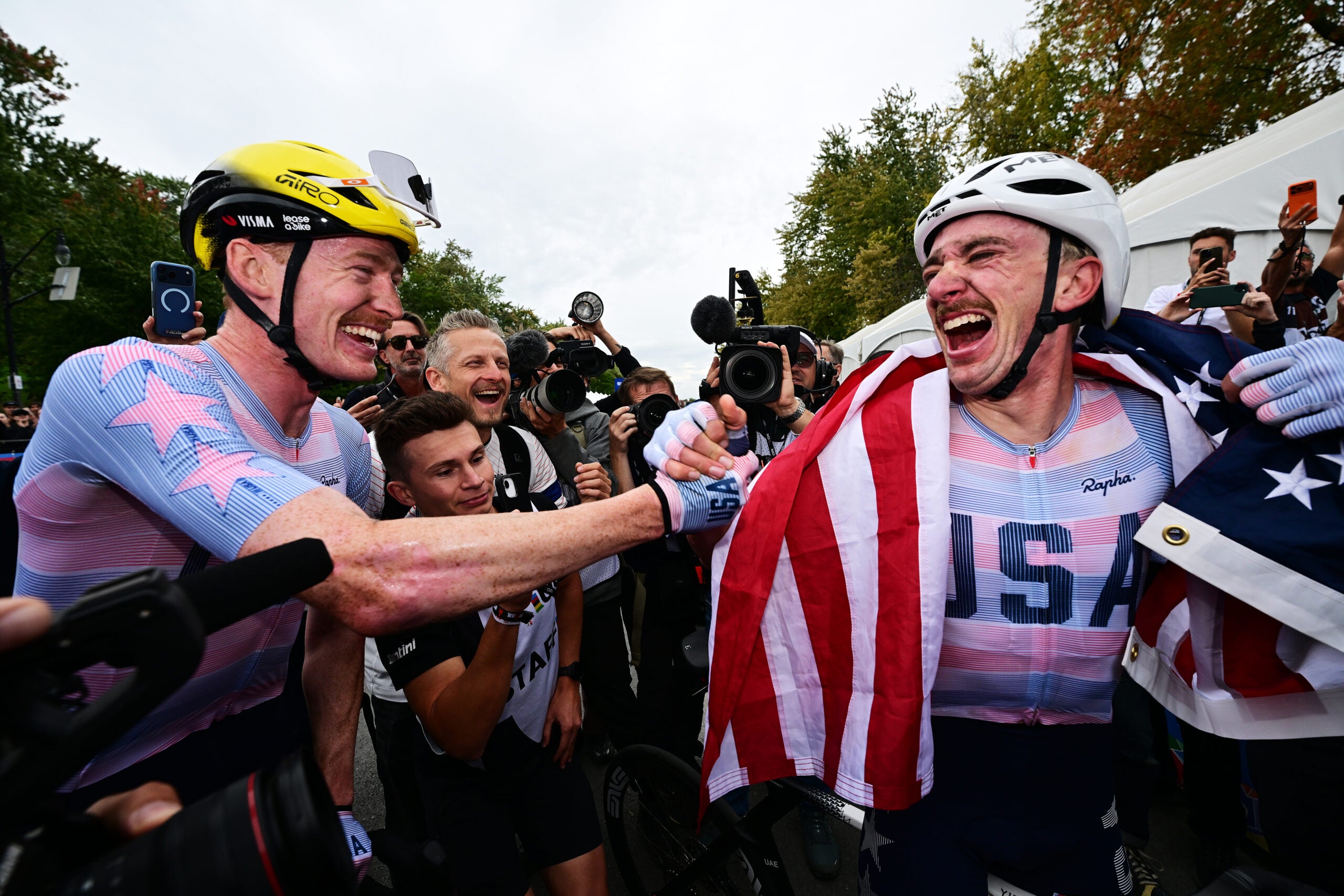
Altogether, it was that collective energy that built through the years that cemented the victory in Montreal. It was the interwoven story of those riders working to make the big junior teams, to beat out other juniors for the national team race blocks, and to work together to challenge European talent on their home turf. All of that set the table for the team performance that was remarkably cohesive for a national team performance.
ADVERTISEMENT
“I think those guys were really lucky that in their junior and under-23 careers they got to be a part of those teams,” Michael Creed, the DS for the US team, told Velo about the power of the development structure that the US team created. “I run a devo team, so I know and appreciate what they do, because I know how hard it can be.”
According to Creed, that challenge—that grind—could have a direct relationship to the way they raced together when it mattered most.
“They raced like the US has won the world championship a lot of times, but maybe they raced that way because they knew how rare it was.”
Ultimately, the United States has always had riders capable of a top result in certain races. Before this generation, there was a strong cohort of riders like Tejay van Garderen, Ian Boswell, Ben King, and Taylor Phinney.
Yet, even with their success, having three Americans in the top 10 at Worlds, let alone winning the race, has never happened.
“There was a fundamental change in the psyche of American cyclists,” Boswell told Velo after the race. “My generation was very influenced by the previous generation. Almost every rider was a kind of GC type stage racer.
“That’s all what we wanted to be because that’s what we saw ahead of us. This generation hasn’t put themselves in that same box.”
ADVERTISEMENT
For riders like Boswell, the inspiration was the likes of Lance Armstrong, Tyler Hamilton, and Levi Leipheimer. With that kind of legacy, and with the reckoning from the fallout of that generation’s doping hitting home after those riders already were well on their way to professional careers, that line of thinking makes sense.
Yet, with McNulty and Matteo Jorgenson, Armstrong’s 2012 confession happened well before they had any conception of what type of pro rider they wanted to be. In one way, that kind of revelation can be devastating. But it also can be freeing. Whatever this generation of riders were going to do, there was no expectation of what that would look like as the bottom fell out of the US cycling structure.
“You do see some of them who are GC riders like Matteo, but they are also classic riders,” Boswell said. “You even have someone like Riley [Sheehan] going after the sprints. For whatever reason, this younger generation hasn’t put limiters or governors on what they should be. They’ve actually identified their ability and riding style that best suits their physiology. I think there’s such a fundamental change from what I was racing to now.”
Racing with confidence earned from building their own path
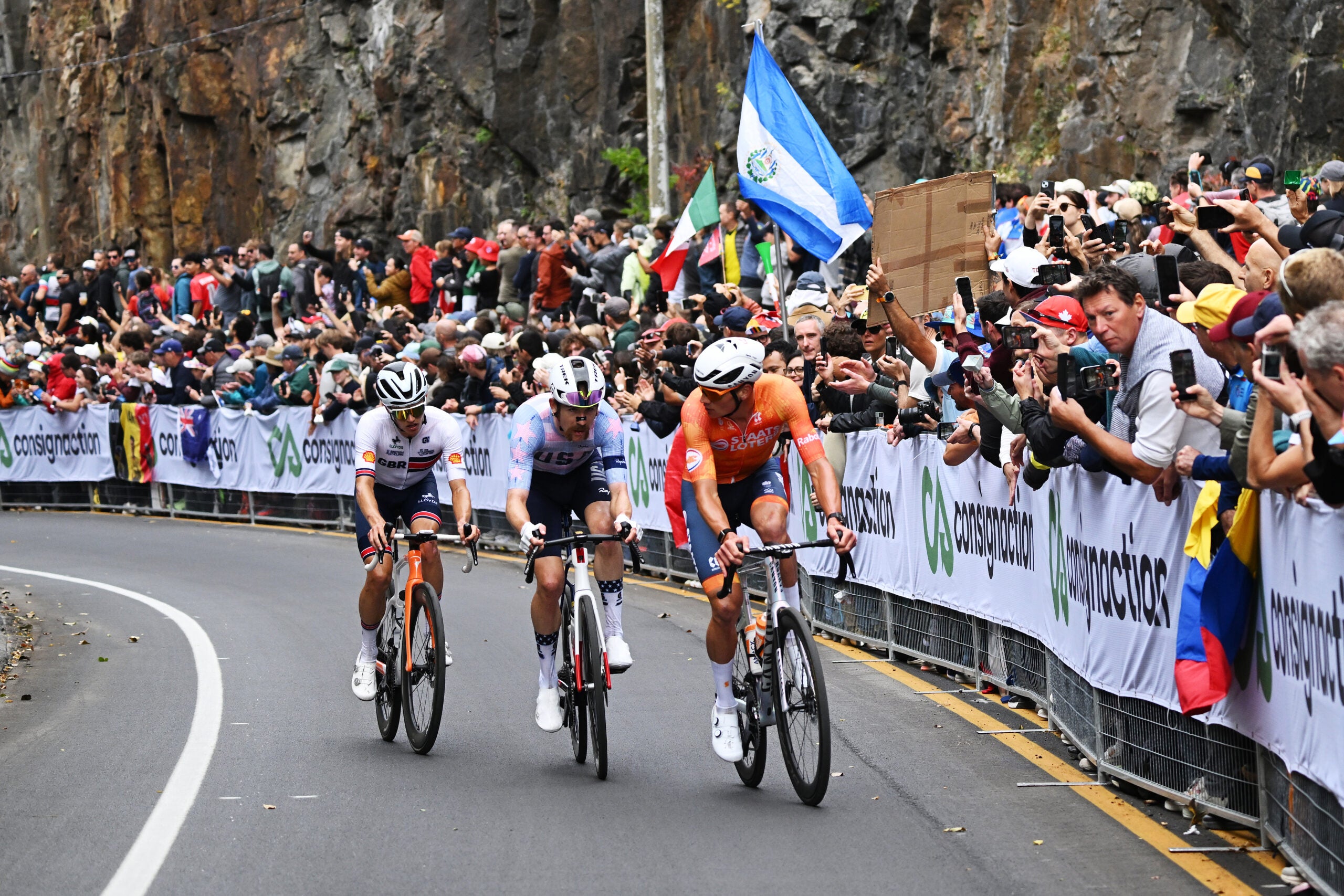
What the whole American team demonstrated at the 2026 world championship was not only the fruition of that new belief, but also the validation that the United States is capable of producing some of the best road racers in the world.
ADVERTISEMENT
Even with an ocean separating young riders from the best development racing in the world, good talent can shine through, especially when the right group of riders is put in the right position. Nobody knows this as much as the riders.
“It means the world, literally,” Riley Sheehan told Velo after the race. “We’ve all raced with each other since juniors, we all know each other so well, and we know we have all put everything into this race. It’s incredible to have a guy like Brandon win, I couldn’t be happier.”
For Sheehan, this opportunity to race Worlds meant even more because he had to fight for it. Initially, he was left off the selection and had to push to be included. Why? Because he believed this win was possible with this group.
ADVERTISEMENT
“I really put in so much this year, and I knew I could be a big support for this team. I love this race, and this course is incredible. I saw that we have a winning team, and I wanted to be a part of this. It meant everything. We have the Olympics in the U.S. as our next big thing. It’s onwards and upwards—let’s keep going.”
Who can say how long this success will last or what future success could look like? On one hand, McNulty was the second-oldest rider on Team USA, and he is only 27. On the other hand, Lux folded up shop a few years ago, and the opportunities for juniors to race are fewer and far between.
Nevertheless, Montreal will not be the end for these riders. This generation of Americans aren’t the underdogs anymore; they are part of the gold standard.