Published November 17, 2026 07:05AM
Time for Tour de France Hommes? Marlen Reusser Thinks So
'I don’t want to be a decoration of a male sport': Marlen Reusser explains why the men's Tour de France needs to add 'Hommes' to its name.
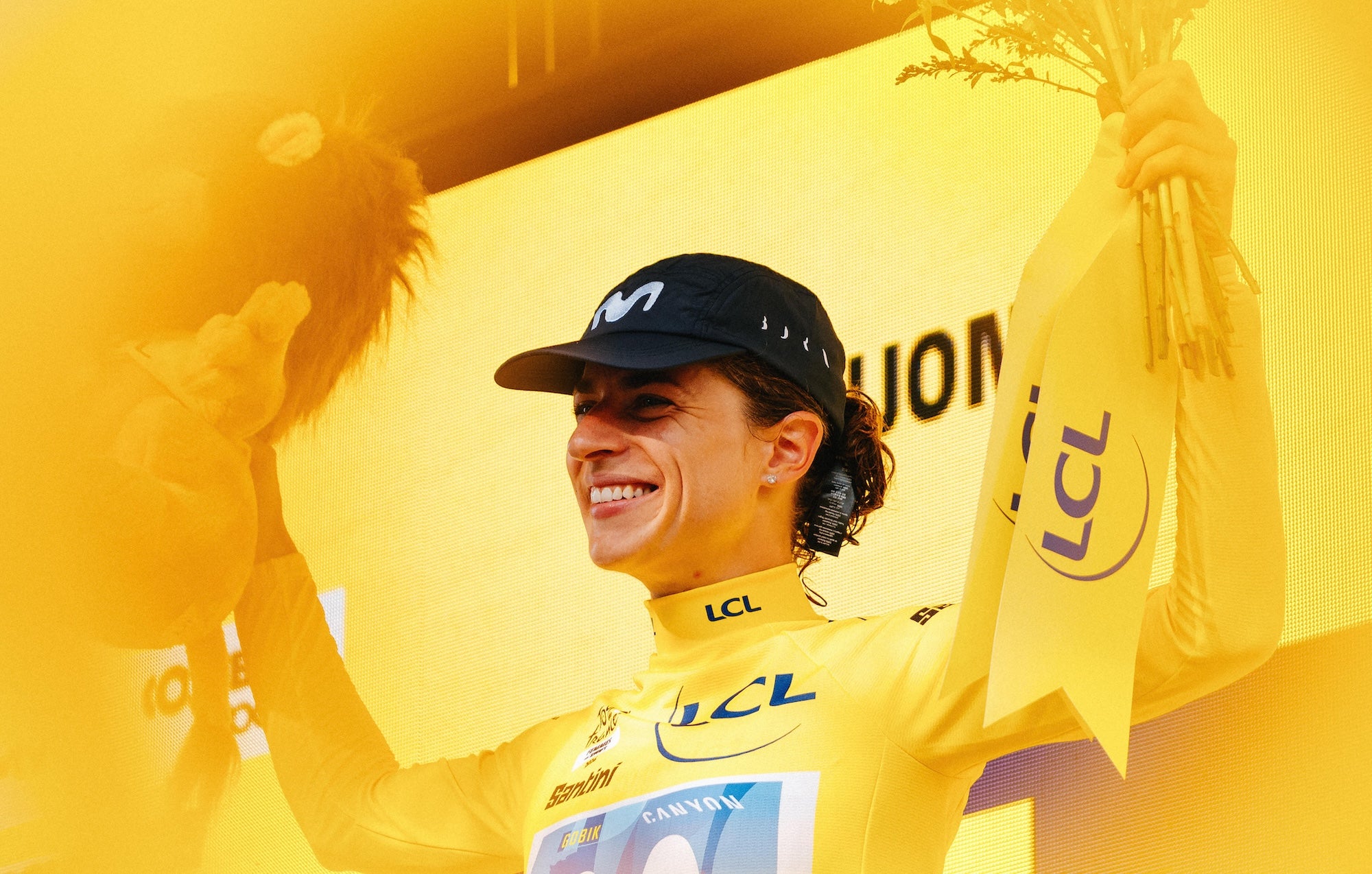
Marlen Reusser says it's time to call the men's race the Tour de France Hommes. (Photo: Gruber Images)
Marlen Reusser says it’s time for cycling to rethink how it brands races by gender.
Instead of having the Tour de France and the Tour de France Femmes, the Swiss star suggests adding “Hommes” to the men’s race, all in the name of fairness.
Speaking on the Domestique Hotseat podcast, the Movistar rider said her frustration peaked at October’s presentation of the 2027 routes in Paris, where Tour director Christian Prudhomme and Tour de France Femmes director Marion Rousse shared the stage.
“The Tour director comes on the stage and introduces the women’s Tour director, Marion Rousse, at his side. You feel like he’s ruling it all, that it’s his Tour, the men’s Tour, and we are guests there,” Reusser told Domestique. “Marion is also allowed to say something, to say hello, but we’re the guests.”
Reusser first raised the subject with Cycling Weekly in October, first saying she thinks “Hommes” should be part of the conversation.
Prudhomme has said the Tour de France is the traditional name for the men’s race, which dates to 1903.
ADVERTISEMENT
Speaking to Cycling Weekly after last month’s route presentation, he said that “the Tour is the Tour, and we’re absolutely delighted that there’s another race.”
In French, “femmes” translates to women, and “hommes” is men.
‘I don’t want to be decoration in a men’s race’
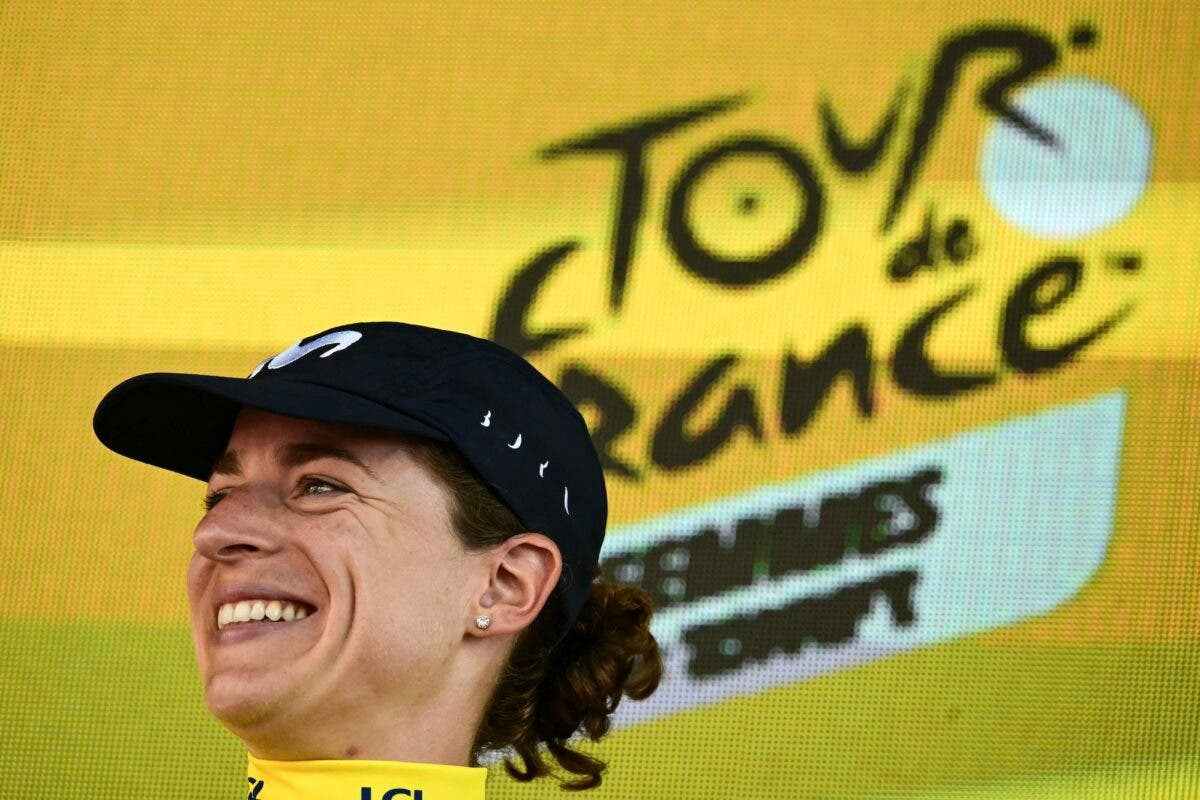
Reusser was quick to credit organizers for the growth of the women’s race since its launch in its current form in 2022.
But she also wants that progress to extend to the language surrounding cycling’s races.
“But I wish that very soon it’s not the Tour, it’s the men’s Tour. And we are guests that can have a little Tour also, but it’s the Tour,” she said. “And you can check the dates, from this to this is the women’s, from this to this is the men’s.
“And it doesn’t matter, and it can be just as interesting, just as cool,” she said. “I don’t want to be a decoration of a male sport.”
The issue is becoming a talking point as more races and teams have both men’s and women’s events and squads.
ADVERTISEMENT
Many of the major teams, like Lidl-Trek and Movistar, do not differentiate between the two genders.
Some races that have both men’s and women’s editions follow the pattern used by ASO. Other examples are the Giro d’Italia and Giro d’Italia Women or the Vuelta a España and La Vuelta Femenina.
Reusser told Domestique that tradition shouldn’t prevent change.
“Let’s say the UCI decided there is a rule that you cannot put ‘women’ or ‘femmes’ in the name of a race when you don’t have the same in the name of the men’s race. Then you could not say it’s tradition,” she said. “You would just have to change it, and I think it would go fast. It’s a matter of how much people really want to change stuff.”
Right now, there are no official UCI rules outlining how race organizers name their events.
Reusser — who cited her background in medicine — said words help establish the hierarchy.
ADVERTISEMENT
“If we word things as standard men, we think standard men,” she said. “So if we want to have it different, we need to start wording things different.”