Published August 8, 2026 11:31AM
Racing the Tour de France Femmes on a Quarter of the Budget
The women's peloton is seeing massive financial growth, but the wealth isn't spread evenly. Here is a closer look at the technical corners small teams have to cut just to stay in the race.
I think it’s fair to say that the women’s side of professional sports has come a long way in a few short years. It wasn’t long ago when the idea of a million-dollar women’s team seemed slightly alien, let alone a single rider earning that, as Demi Vollering reportedly did this past winter.
The increased professionalization of women’s cycling is long overdue, but that shift is finally starting to take shape. We’re now seeing teams with both male and female squads, in some cases offering equal pay to staff and riders. Admittedly, it’s still not all sunshine and rainbows; the sport, unfortunately, like many women’s sports, still lags considerably behind the men’s side in recognition, funding, infrastructure, and coverage.
Women’s WorldTour powerhouses like FDJ-Suez, Visma-Lease a Bike, and Lidl-Trek might look like massive operations, but their financial backing is still dwarfed by even second-tier men’s UCI ProTeams. For context, FDJ-Suez operates on a reported budget of around €5 million, while men’s WorldTour teams boast budgets in the €40 to €50 million range. So what does that mean for the smaller squads lining up at the TdFF, and what do their budgets actually look like?
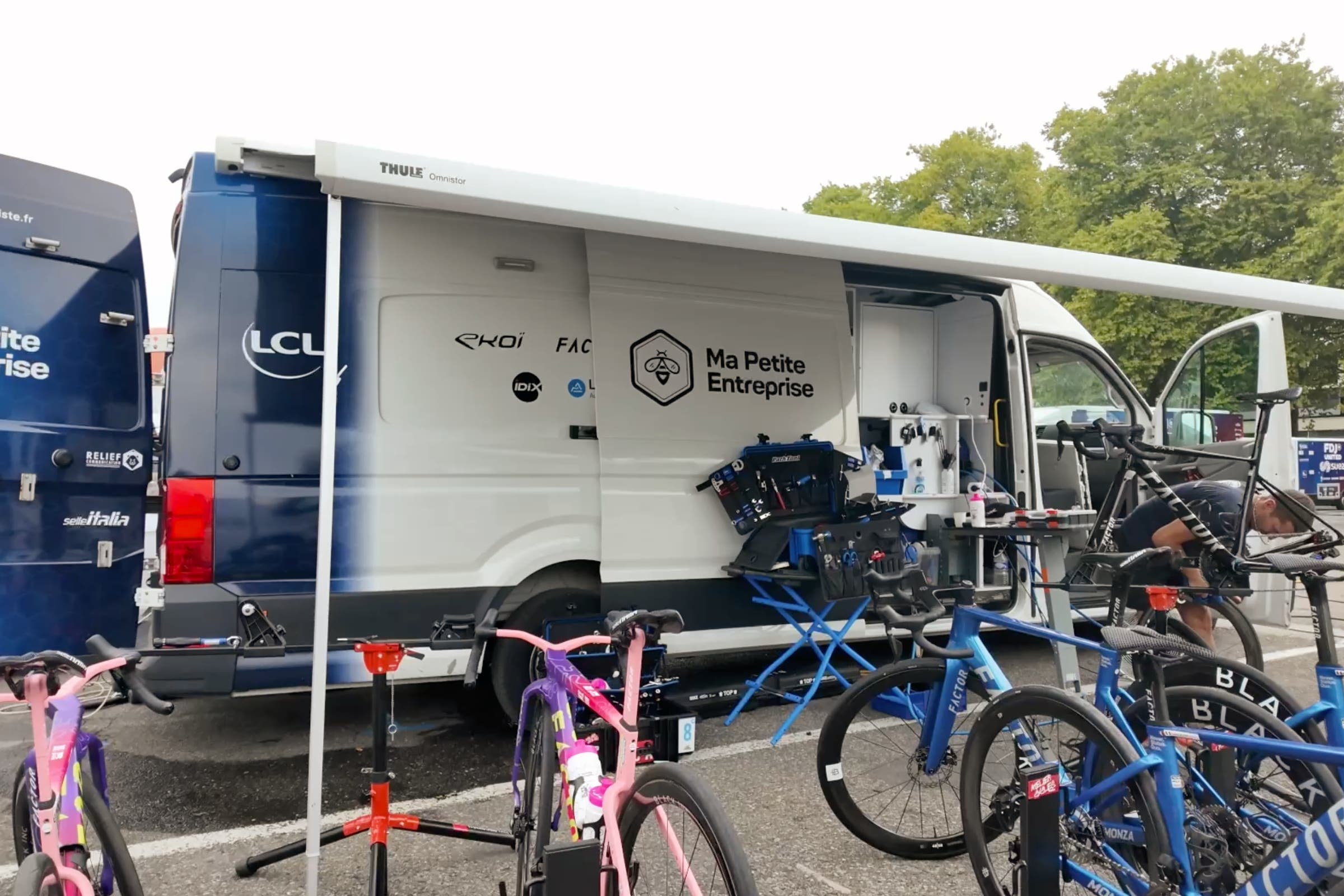
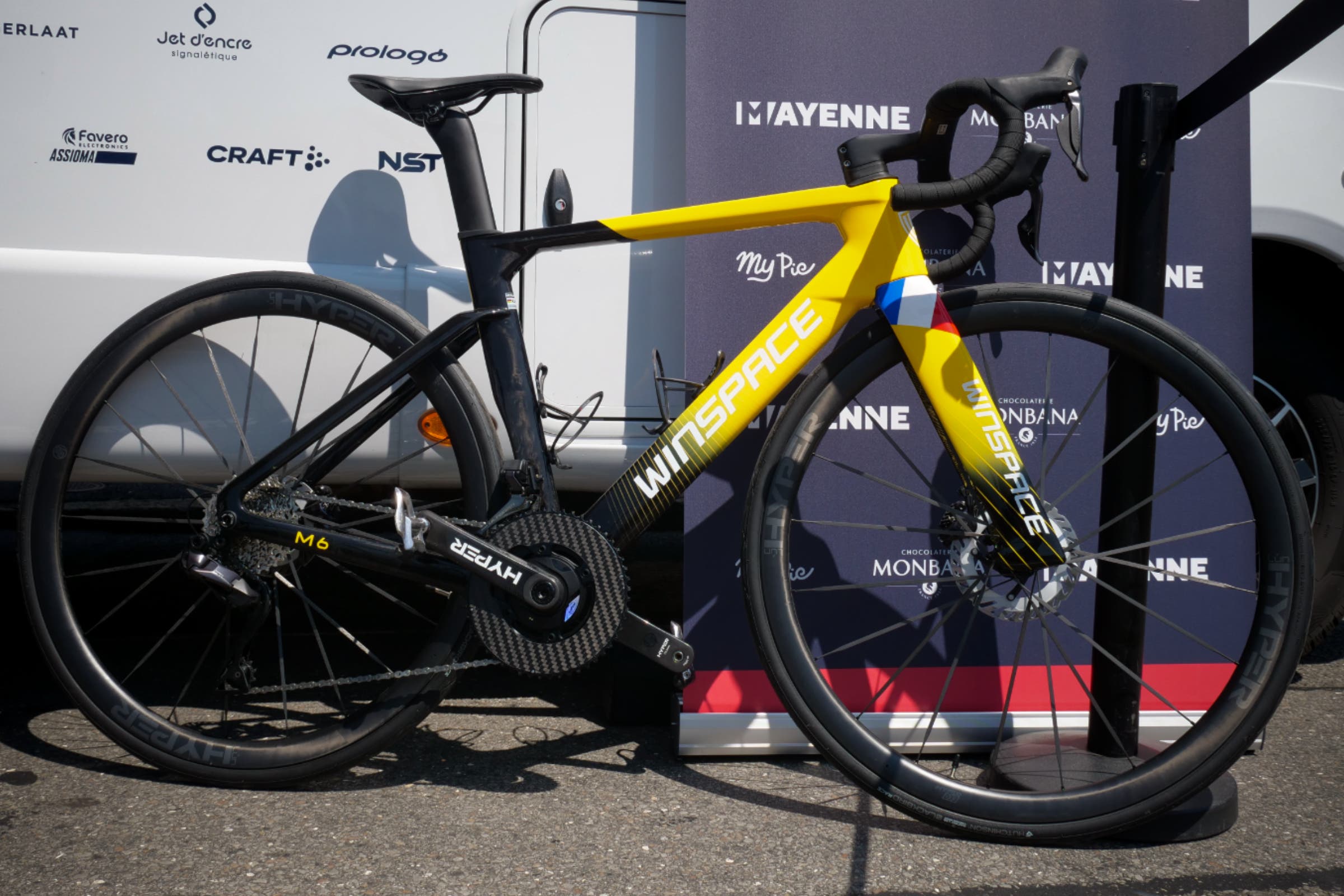
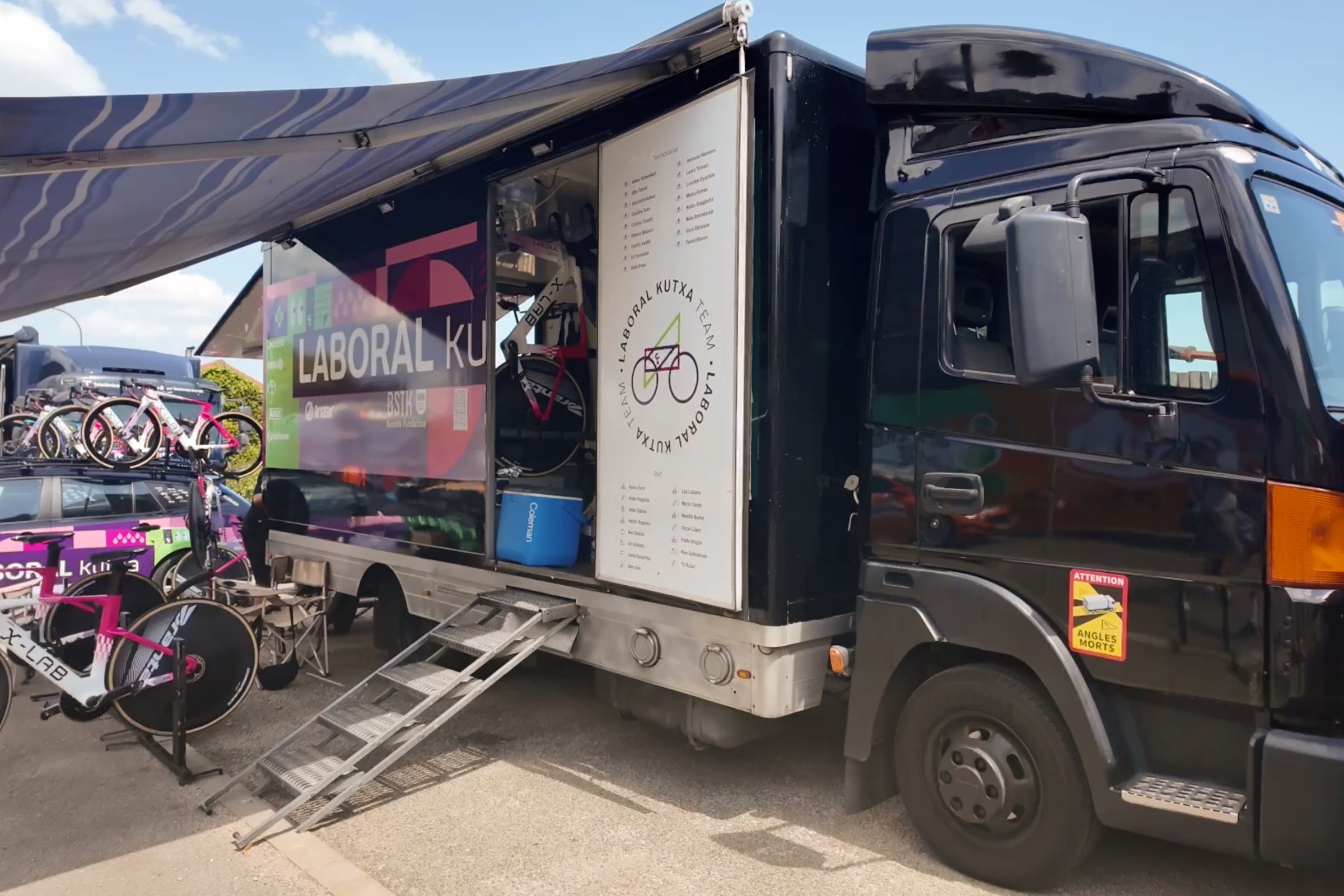
I wanted to find out how the smaller teams at the Tour de France Femmes, such as Ma Petite Entreprise and Mayenne Monbana My Pie, plus mid-sized squads like Laboral Kutxa, can compete with the larger teams in the biggest race of the season. Funding for these teams can easily come in at a quarter of what FDJ-Suez runs on annually. So, what technical corners, if any, must be cut to make sure they can still line up at the Tour, and how much does this hinder the riders going up against the best in the world?
This is the last video from this year’s Tour de France Femmes avec Zwift. I’ve been on the ground at what has easily been my highlight race of the year, and it has quickly become the event I look forward to covering most each season. The access to riders and staff, the atmosphere, and the colleagues I get to work alongside are just a joy. From a technology geek’s standpoint, I feel that it’s far and away the most interesting race to cover. This year we’ve seen the first sightings of LTWOO groupsets being used in the pro peloton, and the custom bikes look far less conservative than what we see in the men’s peloton (hello, SpongeBob and Patrick). Plus, with many of the race bikes sitting right at the UCI weight limit of 6.8kg, weight weenies can actually get excited. The race is, without a doubt, a blast to attend, and I hope the five videos I’ve published this year convey that.
Cheers
Dave