Updated August 6, 2026 09:11AM
Enormous Desire for Full TV Coverage of Tour de France Femmes Stages Says Race Director
TV company talks and 'enormous number' of messages from cycling fans means more start-to-finish coverage could be coming soon.
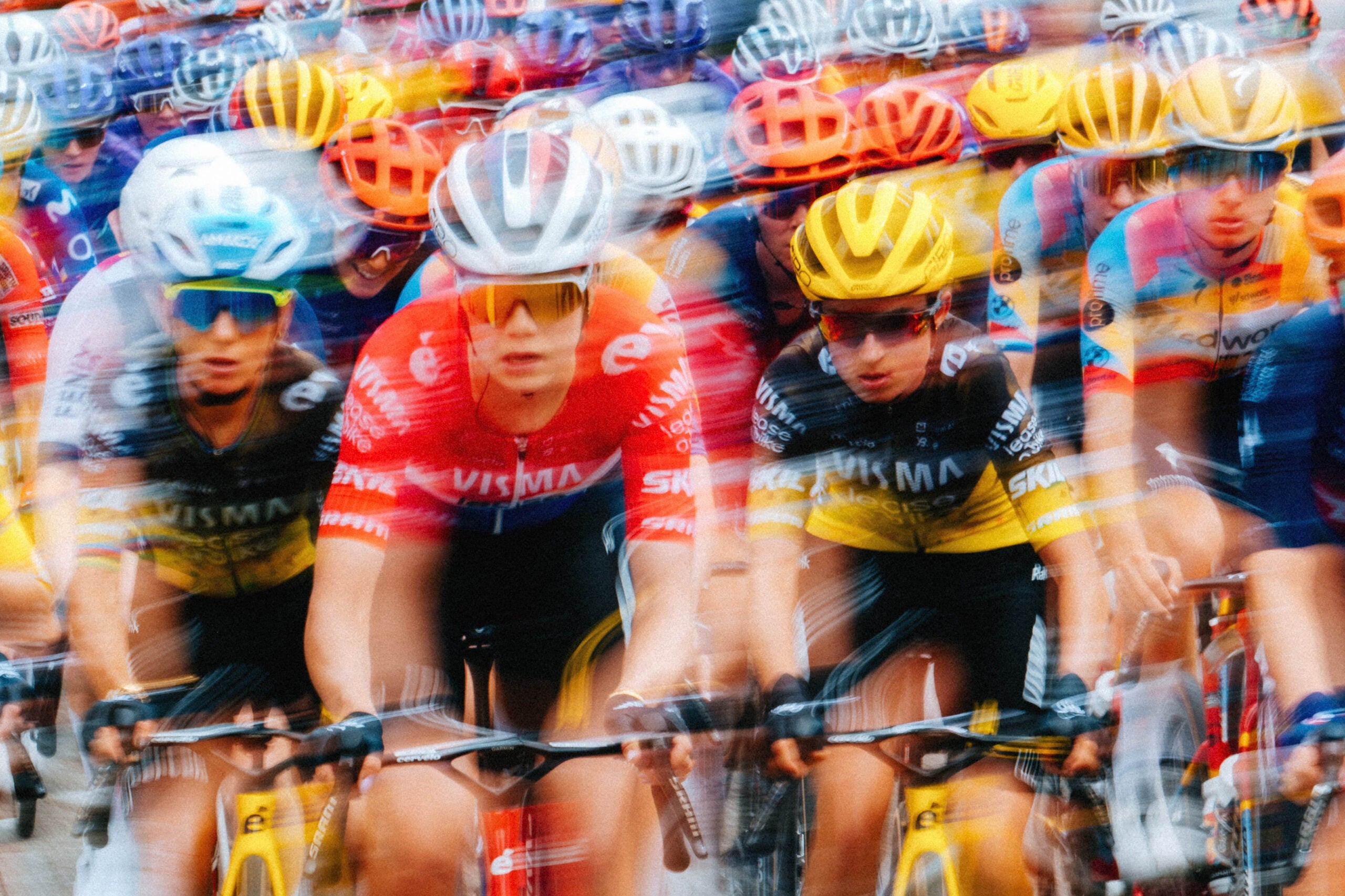
Photo: Gruber Images (Photo: Gruber Images)
Watch the Femmes is a Tour de France Femmes’ tagline and a movement by the race’s title sponsor Zwift. It is on posters and printed on cycling caps.
The only problem is, it is not possible for anyone to sit on their couch and see the race fully.
Not even close, in fact.
Only three of the 2026 edition’s nine stages are being broadcast in full: stages 1, 5 and 9. French coverage did not start Thursday until 3.50pm local time, by which time 75 of the 153.4 kilometers of stage six had already been raced.
In the dead time, viewers have missed events like an early-stage crash for Demi Vollering on day three and today, an opening two hours of early attacks on constant up-and-down roads, Anna van der Breggen being dropped and riders abandoning.
Compared to start-to-finish coverage of the men’s Tour every single day, it feels like a jarring throwback.
ADVERTISEMENT
Without moving pictures, race followers are driven to their cycling websites of choice, the Tour’s website or social media to try and seek out snippets of information.
Considering showing stages in full in the future
As the race’s fifth edition heads towards its conclusion in Nice, the desire for gun-to-tape coverage appears to be growing.
Ahead of the race, independent labor organization The Cyclists’ Alliance (TCA) slammed the current status quo. “For the biggest race in women’s cycling, partial coverage is no longer enough,” they wrote.
“The demand is undeniable and we are asking for the coverage to catch up.”
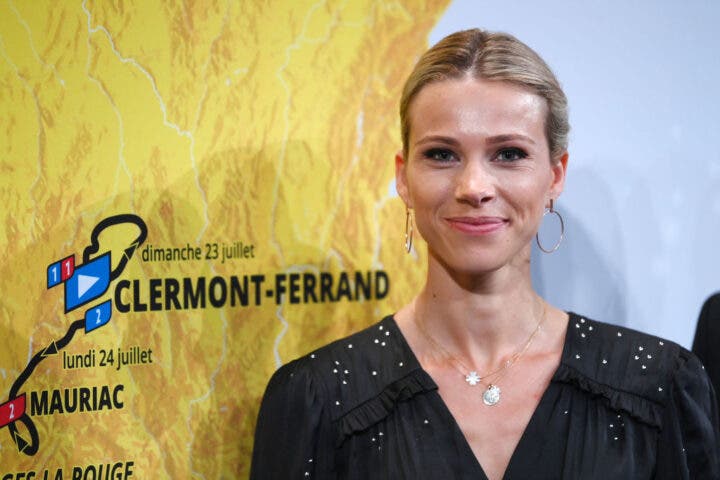
“I’ve talked a lot with France Télévisions [who produce the race broadcast] and we’re giving real consideration to show stages in their totality in the future,” race director Marion Rousse told Velo, Cycling Weekly and numerous French media Wednesday before stage 5 in Mâcon.
“Because the women deserve it and because it works well in terms of audience numbers. It’s moving in the right direc.”
Over two million watch opening stages of 2026 race
2.17 million people watched the race opener Sunday on leading channel France 2, a 27.6% audience share. 2.17 million viewers to France 2 on Saturday, only 533,000 fewer than the men’s first stage.
ADVERTISEMENT
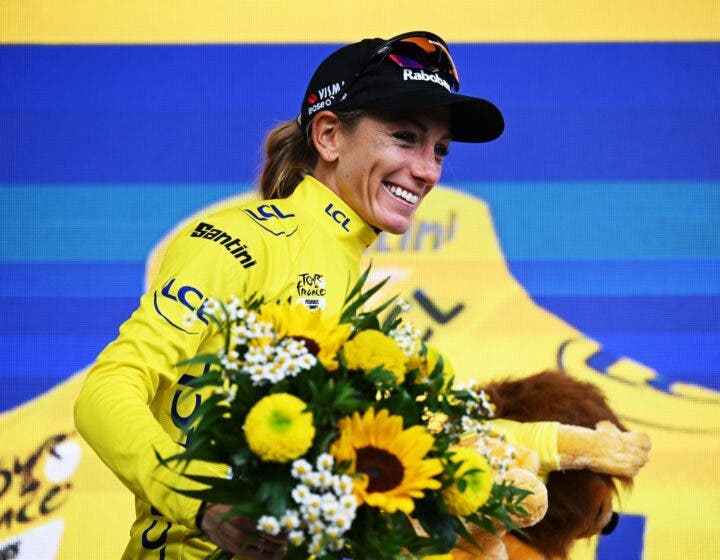
Last year, the race averaged a viewership of 2.7 million in its home country. A peak of 7.7 million tuned in on the race’s final day to watch Pauline Ferrand-Prévot win.
The race director called the grand départ “spectacular”, adding that “there’s a real reflection to be had” about extending TV coverage.
Desire from the cycling community
“It makes me happy because in the first edition, the question was if the Tour de France Femmes avec Zwift would work or not,” Rousse says.
“And now, within five years, everyone wants stages broadcast in full. I’ve received an enormous number of messages from cycling fans who want to see that.”
“Also, we already know that it has happened for a short time in the men’s race, and there were years and years without start-to-finish coverage.”
In line what she has also talked about in recent days in terms of growing the race’s number of stages, Rousse does not want to rush things.
“We needed to get settled in [as a race] and to not move too fast.”