Updated October 29, 2026 05:13AM
You Cannot Pogačar-Proof the Tour de France: Winners and Losers of the 2027 Route Reveal
Vingegaard is in trouble, Seixas wins and loses, and why we all lose without gravel. What the divisive 2027 Tour de France course means for the key players.
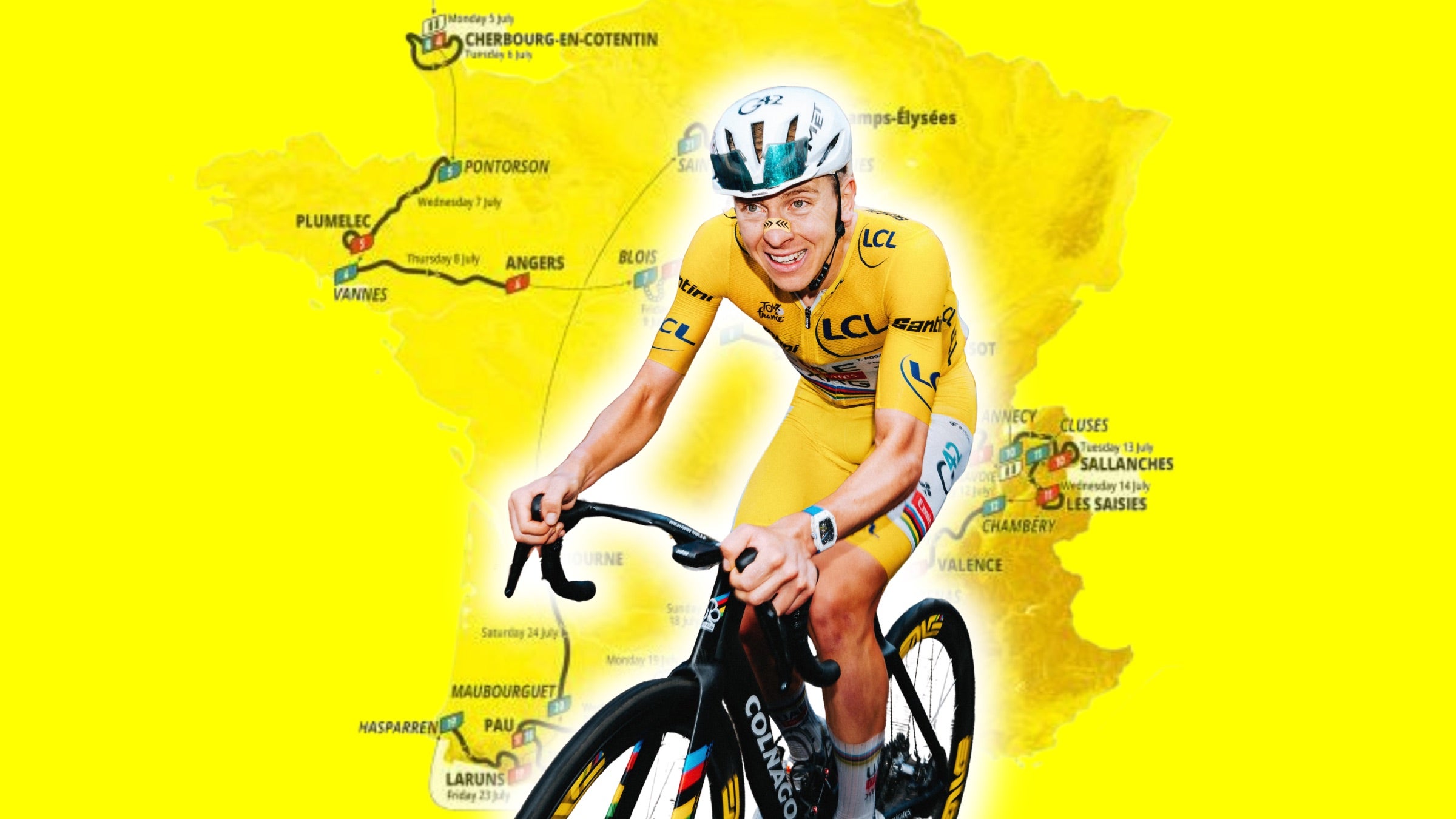
(Photo: Gruber Images + ASO)
The Tour de France threw a curveball at the peloton last week when it revealed its route for 2027.
The most time trial kilometers in 15 years. The fewest summit finishes in recent memory. Too many very long stages.
And definitely no Gen-Z gimmicks.
The route for the 2027 Tour de France is about as old-school as you can get, and one that’s already been labeled anti-Pogačar, pro-Remco, and designed to delight great French hope Paul Seixas.
But is Pogačar’s chance at a historic sixth yellow jersey really in peril?
Is Evenepoel winning already?
And can we on the couch really count ourselves lucky that the Montmartre finale returns to stage 21 in Paris? We’ve got to sit through one of the most featureless parcours of the Pogi era to see the Tour’s monumental modern ending.
Here are some of the biggest winners and losers from the 2027 Tour de France course reveal.
ADVERTISEMENT
Tadej Pogačar: Winner

The 2027 Tour de France has been called the “anti-Pog” Tour de France.
But there’s no such thing. You cannot Pogačar-proof Le Tour.
The controversial inclusion of 71km of flat time trialing won’t have Tadej Pogačar in a fluster as he plans his shot at a record-breaking sixth maillot jaune.
What’s he got to be worried about?
At the 2026 Tour de France, time trial topper Remco Evenepoel finished more than six minutes back on Pogačar. Assuming they both hold form into next July, Evenepoel will need to gain five seconds per kilometer to level with King Pog.
If you think that’s going to happen, I want some of what you’ve been smoking.
ADVERTISEMENT
Jonas Vingegaard: Loser
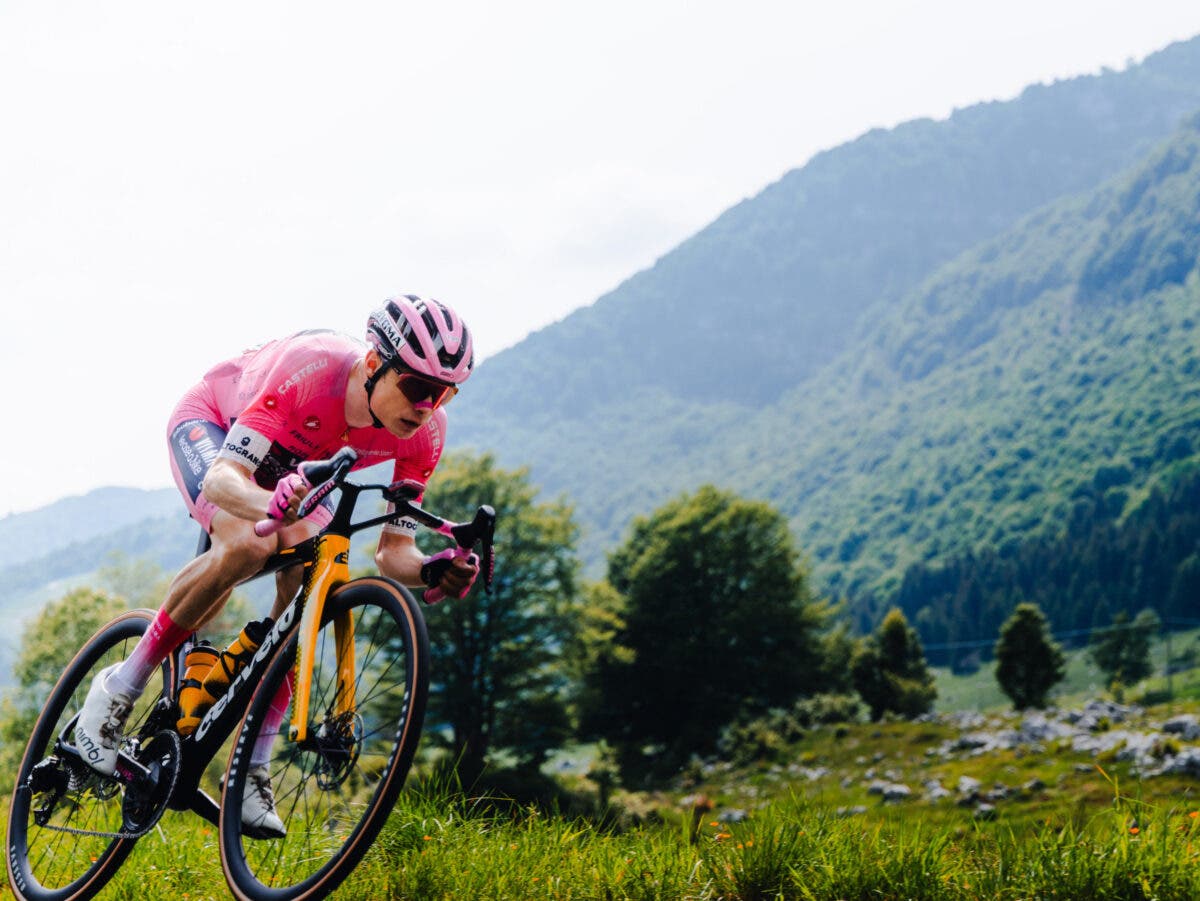
Jonas Vingegaard and Visma-Lease a Bike’s Killer Bees were stung by the Tour route presentation. The 2027 parcours does not suit the two-time winner, not one bit.
With just three high-summit finishes, next year’s race looks more like an “anti-Jonas” Tour than an “anti-Pog” Tour.
And that’s not all.
The course includes only one of the high-altitude, multi-mountain monster stages where Vingegaard typically thrives. The 18th “Queen Stage” in the Pyrénées is the only obvious place where the Scandi climbing goat might drop his punchier rivals.
Vingegaard can’t rely on making much time in the Alps and Pyrénées, and he’s not likely to take time on the TT bike, either.
The 29-year-old’s three-year wait to reclaim the yellow jersey might see a new anniversary next year in Paris.
ADVERTISEMENT
Us on the couch: Winners
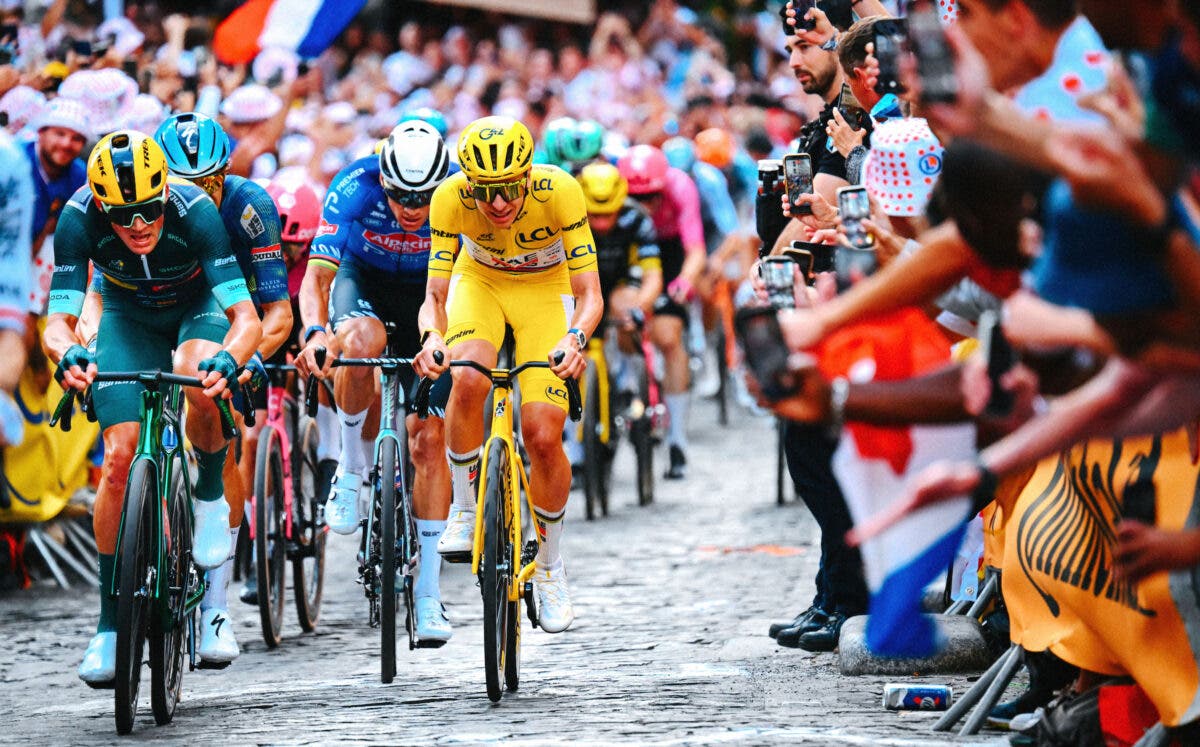
Everybody except a handful of heavy sprinters won when ASO confirmed the showstopper Montmartre would return to stage 21 of the Tour de France.
After two breathless thrillers won by Wout van Aert and Mathieu van der Poel – two of the biggest names in world cycling – in 2025 and 2026, nobody wanted to see a return of the fusty old bunch sprint format in 2027.
Sunday, July 25th, 2027.
Go block it out of your calendar right now.
ADVERTISEMENT
Us on the couch: Losers
ASO didn’t let us have it all our own way by putting Montmartre back on the parcours for 2027.
Next year’s Tour de France is one of the longest of the past decade.
Three stages nudge past 220km, three are close to 200km, and only the finale in Paris clocks in at under 150km.
Strip the two time trials from the total distance of 3,479km, and the remaining road stages average 179km in length. That’s too long.
What happened to the trend toward always-entertaining, super-digestible three-hour stages? Bite-sized packages of 120-160km seemed like the future for a sport struggling to find a new audience.
And that’s not all.
The weekend stages 8, 15, and 20 – the days where the couch, your snack supply, and the Tour de France are the only things that matter – are all set up as sprints or breakaways.
ADVERTISEMENT
Oh, and that nothing-burger 20th stage? Don’t get us started.
Remco Evenepoel: Winner
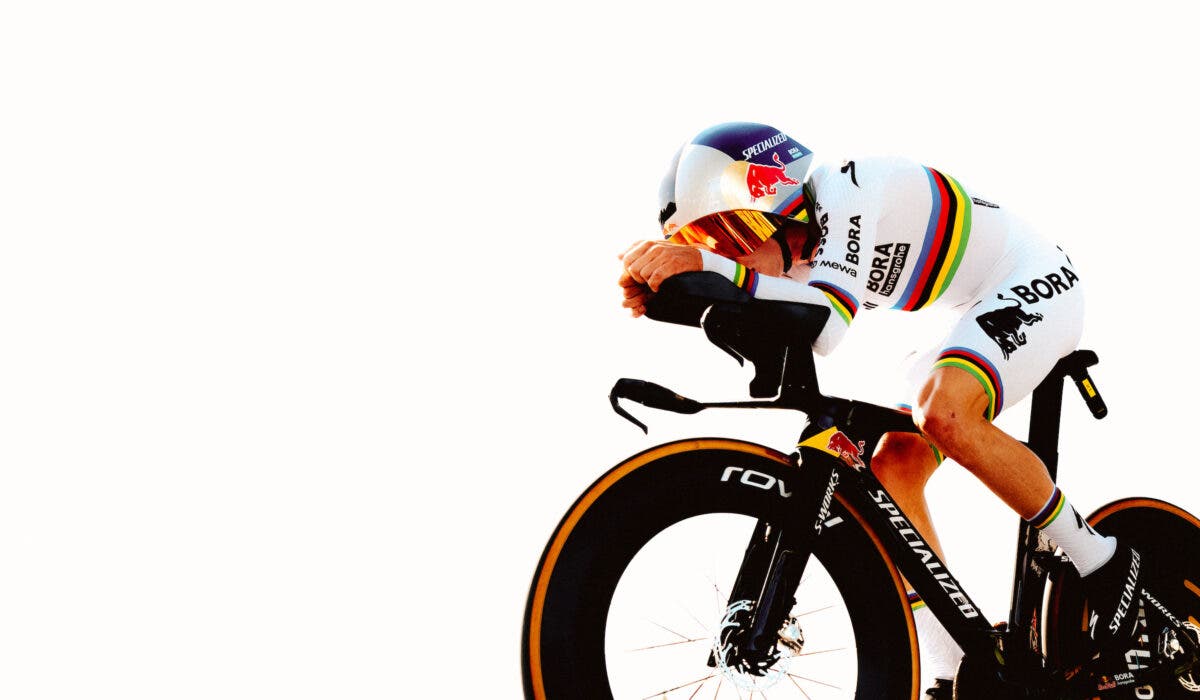
Remco Evenepoel isn’t any more likely to beat Tadej Pogačar at the 2027 Tour de France than he was in the 2026 Tour de France. He’d need an act of god or some mid-90s “preparation” to make that happen.
But Red Bull’s “aero bullet” is without doubt in pole position for second on the podium.
Evenepoel hasn’t seen a route this favorable in his entire career. In fact, he was some teenage football player the last time the Tour de France was so clearly designed for a time trialist. “The Wiggins Tour” included a mind-numbing 101km against the clock in 2012.
Evenepoel should gain more than enough advantage over 71km of time trialing to offset any potential losses in the mountains. He further benefits from the lack of multi-mountain stages and high summit finishes that have proven his kryptonite in the past.
ADVERTISEMENT
There had been rumor that Evenepoel will target a Giro-Tour double in 2027.
There’s surely no way he’s considering messing around with such a risky schedule now.
Pure sprinters: Losers
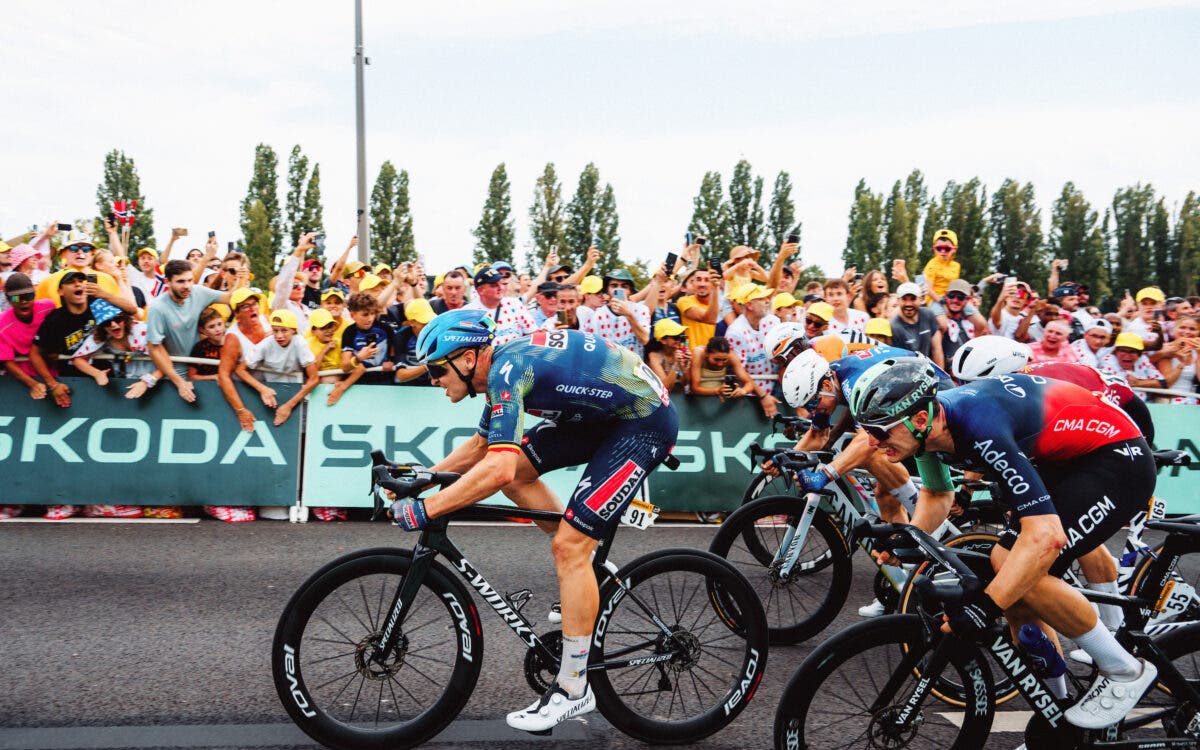
The Tour de France promo spiel suggests there are seven sprint stages on tap for 2027, but the peloton’s reigning sprint king ain’t so sure.
Tim Merlier has grumbled that heavyweights like himself and Jonathan Milan might see as few as four chances next year. And given the return of the Montmartre, there’s not even the lure of the Champs-Élysées.
Indeed, the 2027 route is tilted in favor of “modern,” versatile sprinters like Matthew Brennan or Merlier’s rising teammate, Paul Magnier. Accumulated climbing or late obstacles could cook the carthorses before they see some of the “sprint finishes” promised them in next year’s Tour de France.
The only consolation for the biggest, “purest” sprinters?
A strong chance at winning the first yellow jersey at the stage 1 grand départ into Carlisle.
ADVERTISEMENT
Paul Seixas: Winner … or not?
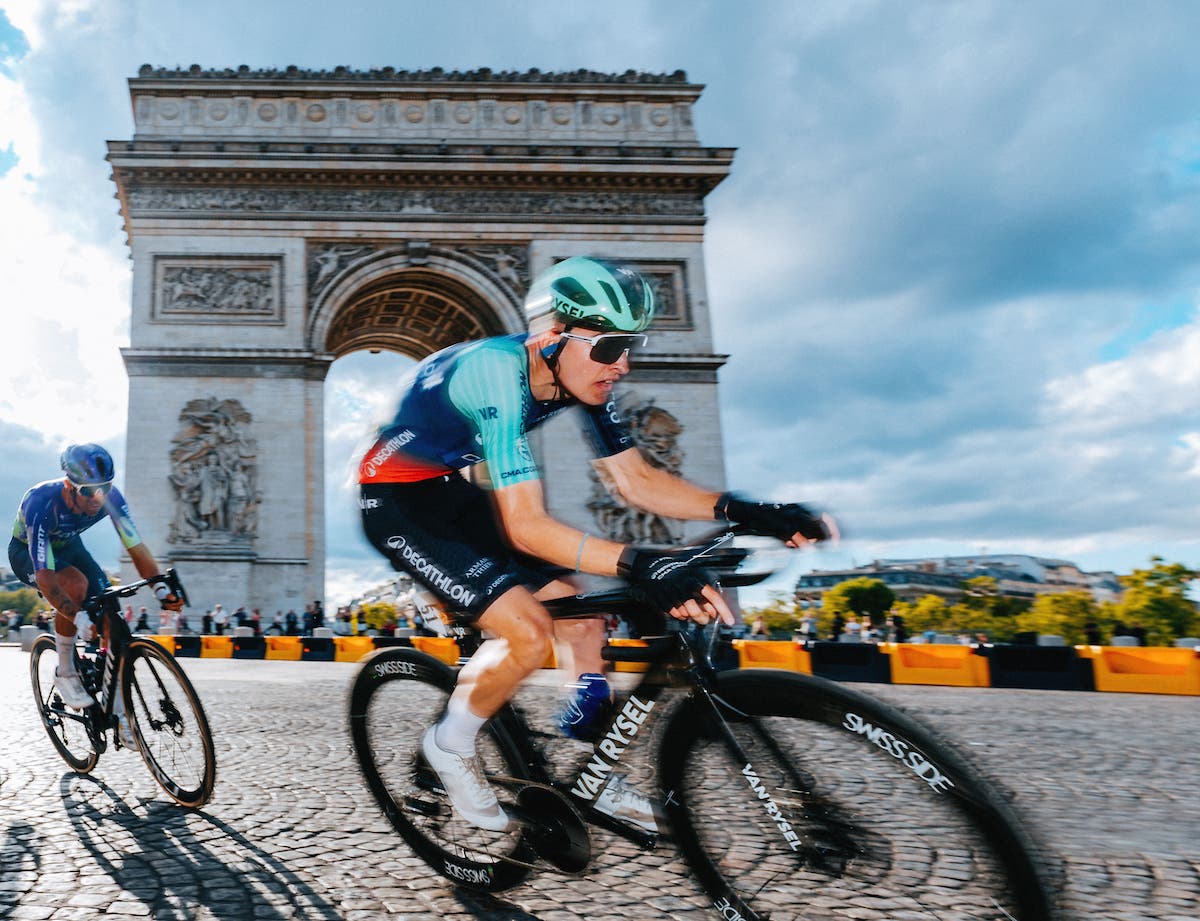
The French nation breathed a collective sigh of relief last week when Christian Prudhomme released the route for the 2027 Tour de France.
This course is kind to Paul Seixas.
The kid’s a monster on the time trial bike, and he’ll have plenty of opportunity to reinforce that fact next July. He also seems better on smaller, punchier climbs than towering high Alps. How convenient then, that there are relatively few of those.
Tour organizers ASO have a habit of weighting the Tour’s parcours in favor of its rider du jour.
And while we’re not suggesting that’s the case in 2027 – how dare we?! – there’s nothing on the parcours that might stop Seixas from bettering his debut fourth-place finish from 2026 next July.
But is that really a good thing for the 20-year-old?
ADVERTISEMENT
Seixas’ incredible rise – and the endless speculation about his future – has filled the headlines all year. The wild hype that surrounds him will only intensify in 2027. The pressure for him to go to a Tour de France that suits him well will be huge.
Seixas has already hinted he might have ambitions away from the Tour de France next year. But it’s a burden he might struggle to escape.
Off-road lovers: Losers
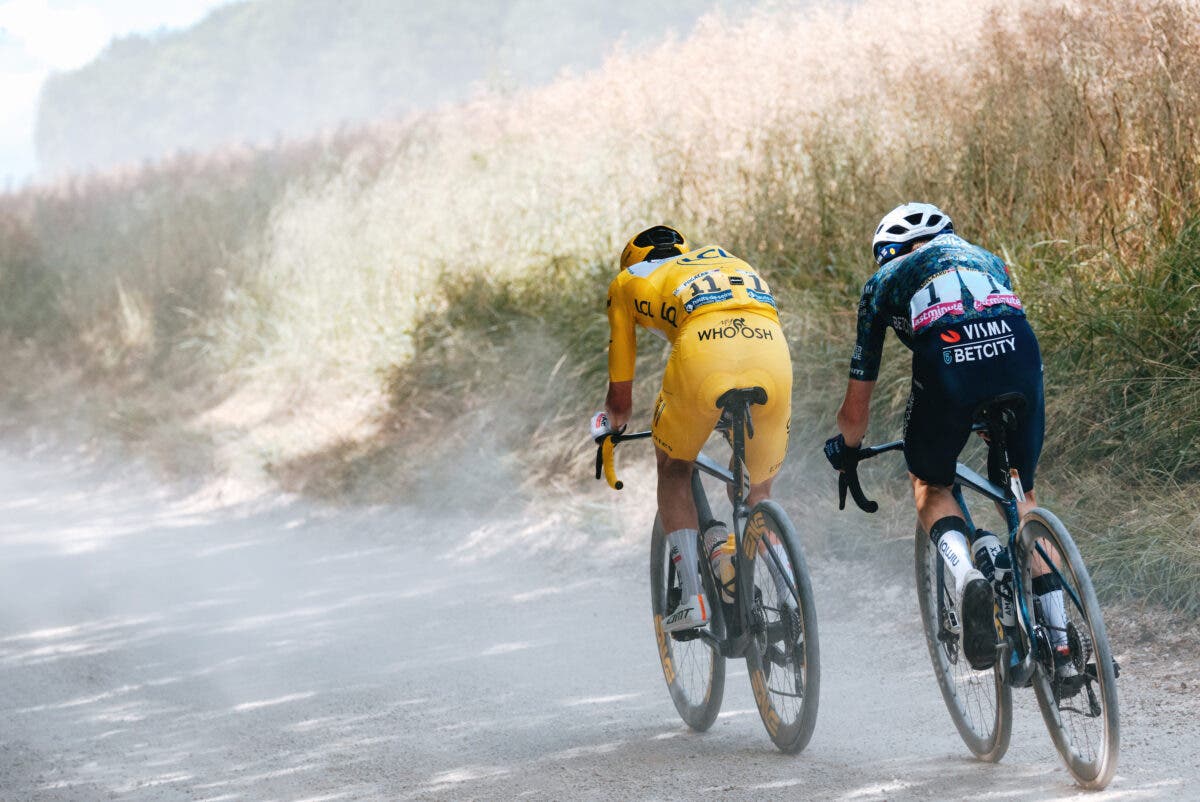
Where’s all the fun stuff on the 2027 Tour de France route?
There’s not a sniff of a gravel road or dirt track, and there are certainly no cobblestones. The only rough surface the peloton will have to handle next summer is the UK’s torn-up, heavy tarmac [trust me on this one – ed].
The Tour hasn’t taken an off-road diversion since when Tadej Pogačar attacked everybody on the gravel roads of Troyes in 2024. It’s time to bring back some non-traditional surfaces.
Sure, grumpy old sport directors and old-school purists hate off-road “gimmicks.” But on a Tour parcours this underwhelming, the race needs them.
Gravel, cobbles, and dirt roads guarantee tension and nearly always deliver action. If we gotta sit through 71km of time trialing, there’s got to be a payoff.