Updated September 28, 2026 03:14PM
9 Reasons the Montréal Road Worlds Will Be Remembered as One of the Best Ever
Tour de Hoody: The 2026 UCI Road World Championships in Montréal may be the best we’ll ever see, with wide-open races that kept turning inside out until the finish.
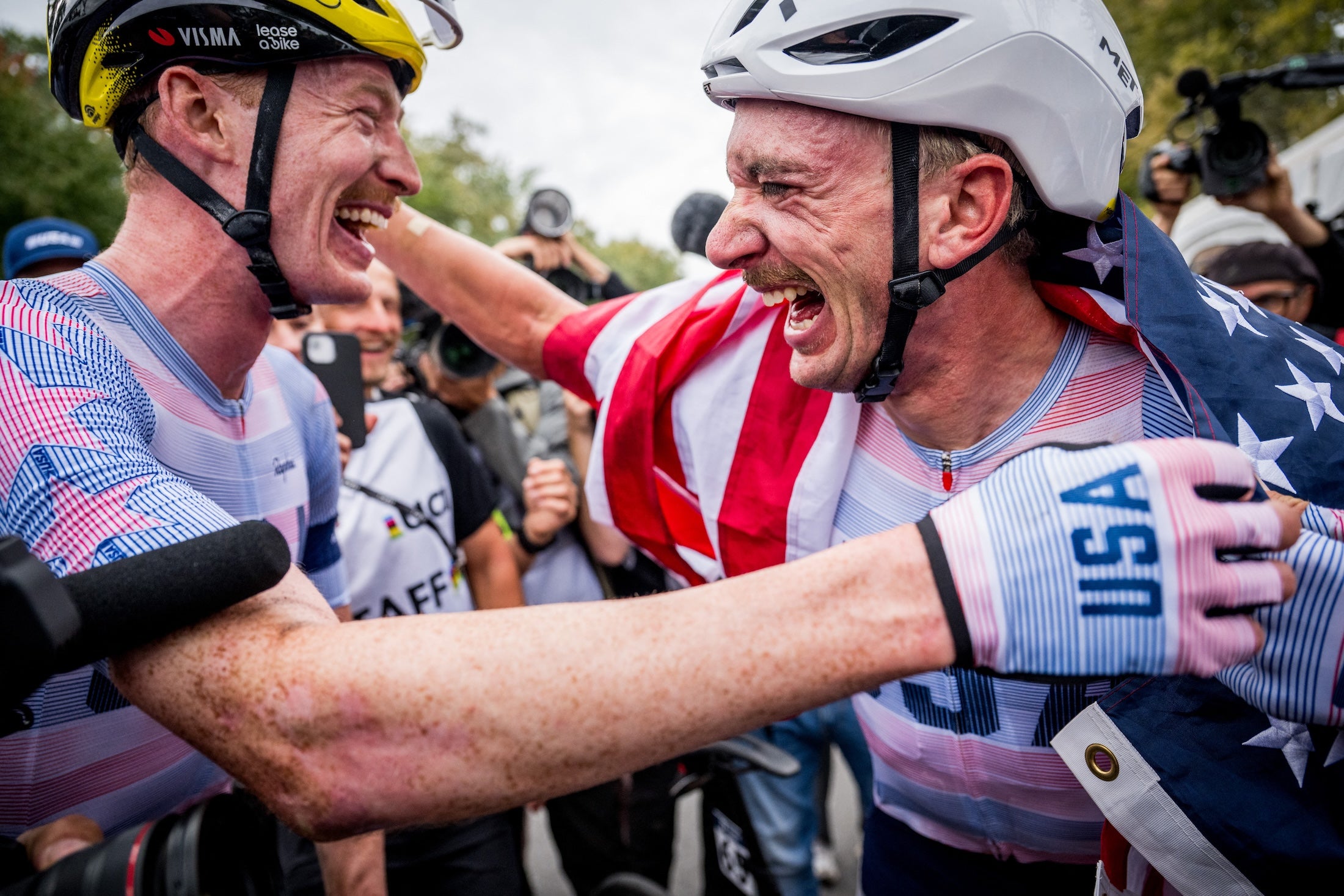
Jorgenson and McNulty celebrate victory Sunday to close the Montréal worlds. (Photo: JASPER JACOBS / BELGA MAG / Belga via AFP)
The 2026 UCI Road World Championships were a week of second chances and never-give-up dogged determination.
And delivered perhaps one of the best road world championships we’ll ever see.
Riders got dropped and clawed their way back. Moves that looked decisive unraveled. Favorites cracked, recovered, cracked again, and then attacked.
This was the worlds of resurrection.
The action never ended and no one stopped believing on a course made for no one.
By the time Brandon McNulty rode away with the men’s rainbow jersey, Montréal had delivered the kind of racing you hope for at worlds once a decade.
Was this the 2026 road worlds the best ever?
That argument could keep a bar full of Moosehead-guzzling cycling fans arguing until last call.
But Montréal belongs in the conversation of all-time-greatest worlds because it gave us two stunning elite races that nobody could control.
ADVERTISEMENT
1. Pogačar’s absence changed the calculus
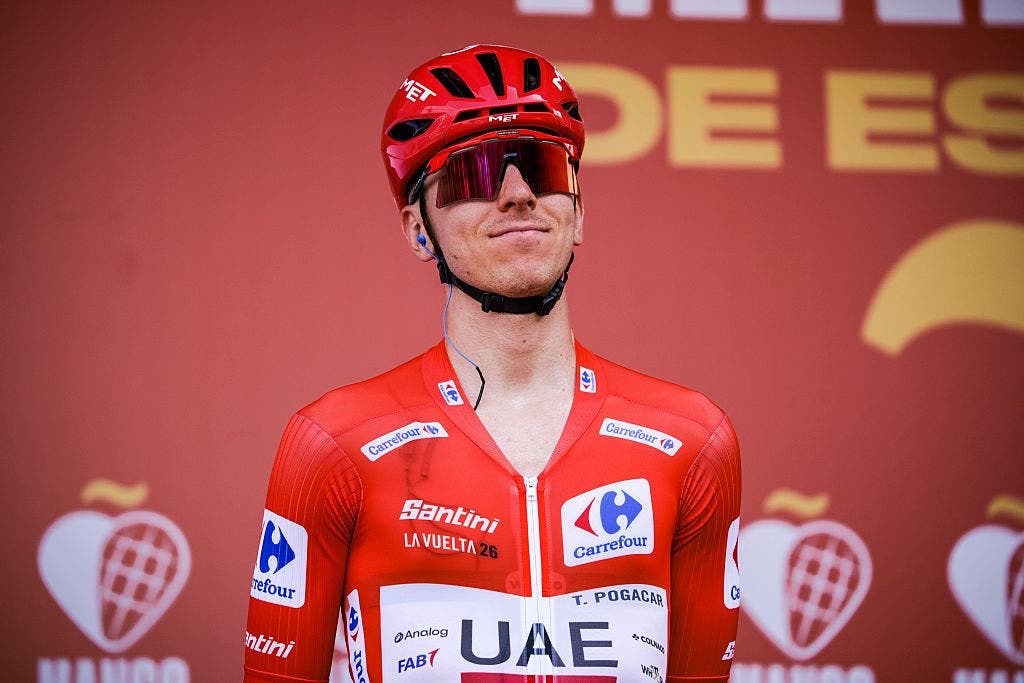
Let’s face it. A big part of what made elite men’s road worlds so wide open was the rider who wasn’t there — Tadej Pogačar.
Of course, counterfactual history is never fair, and it’s impossible to say what would have happened had the world No. 1 been in Montréal.
We can certainly guess. A healthy and hungry Pogačar probably would have done what he always does, go long, go hard, and crush anyone who dares to try to follow his wheel.
Before his Vuelta crash, everyone’s mentality coming into Montréal was bracing for another inevitable Pogi storm.
After the Vuelta, everyone believed they could win.
That belief played out for six glorious hours across the lumpy and bumpy roads of Montréal in Sunday’s one-for-the-ages road race.
Were these worlds better because Pogačar wasn’t racing?
No one will say that out loud in the peloton, but everyone knew his absence changed everything in the men’s race.
ADVERTISEMENT
2. The distance crushed everyone
This weekend proved that road worlds need to be a long, hard, old-school attritional day out to deliver the magic.
Montréal’s 273.4km in the men’s and 180.1km in the women’s didn’t just reward the riders with the best five-minute effort.
This was monument-long, no-holds-barred racing, and it was a beautiful thing to watch.
Montréal’s sneaky-hard circuit forced everyone to empty the tank after nearly five or more than six hours of chasing, attacking, recovering, and doing it all over again.
The bigs started swinging early and went down to the wire.
Mathieu van der Poel went long. Wout van Aert followed and lost contact. Remco Evenepoel was dropped, returned, attacked, and suffered again.
ADVERTISEMENT
Paul Seixas and Isaac del Toro spent precious matches chasing the race-breaking move they missed, and it cost the Gen-Next stars their best and perhaps last chance to win the stripes in years if Pogačar comes back at full power.
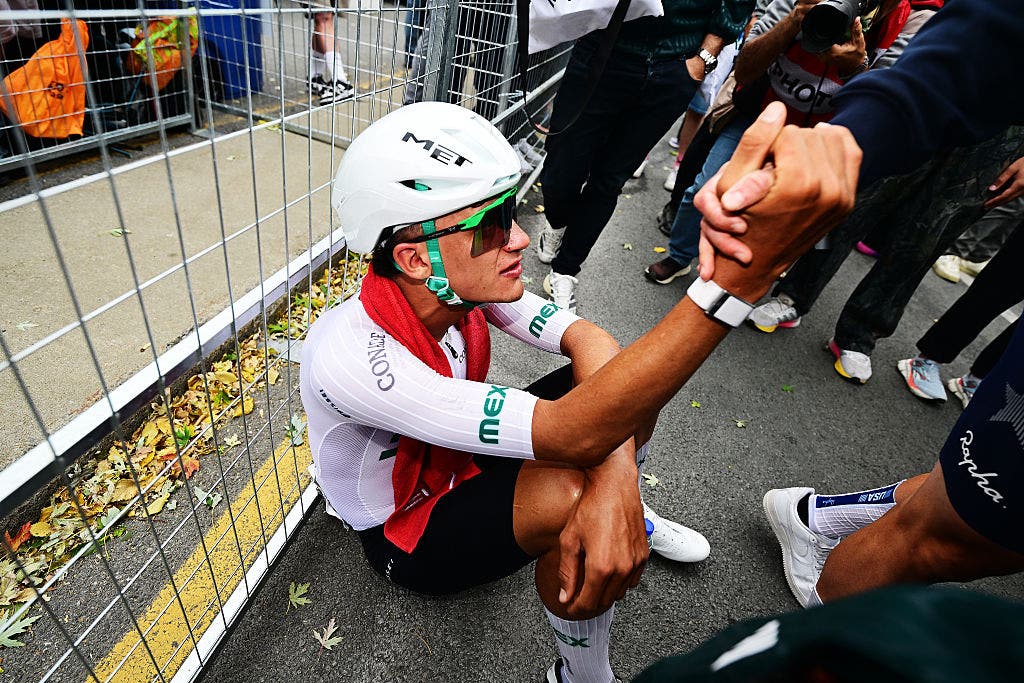
Seixas limped home in 15th after cramping late, and Del Toro finished fifth, a historic result for Mexico that offered him little consolation.
The course also rewarded outright stubbornness and a never-say-die ethos.
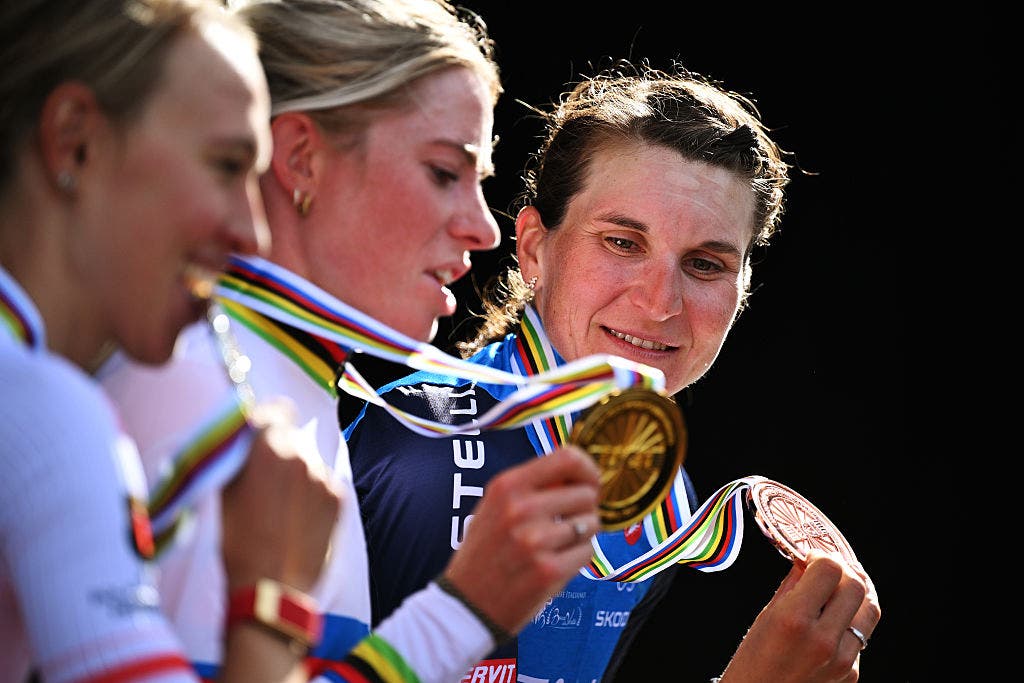
Elisa Longo Borghini looked popped, countered to take the lead, then held on for bronze. Mads Pedersen, who had written himself off months ago, appeared out of nowhere and finished sixth, just one second off the podium.
Only 58 of 184 men’s starters finished, and 49 of the 141 women’s field. That’s a brutal day even by worlds standards.
A shorter, less demanding race might have rewarded the first decisive attack.
Montréal gave riders time to hang on, teams to regroup, and if anyone had anything left, to attack again.
ADVERTISEMENT
3. McNulty gave the chaos its perfect ending
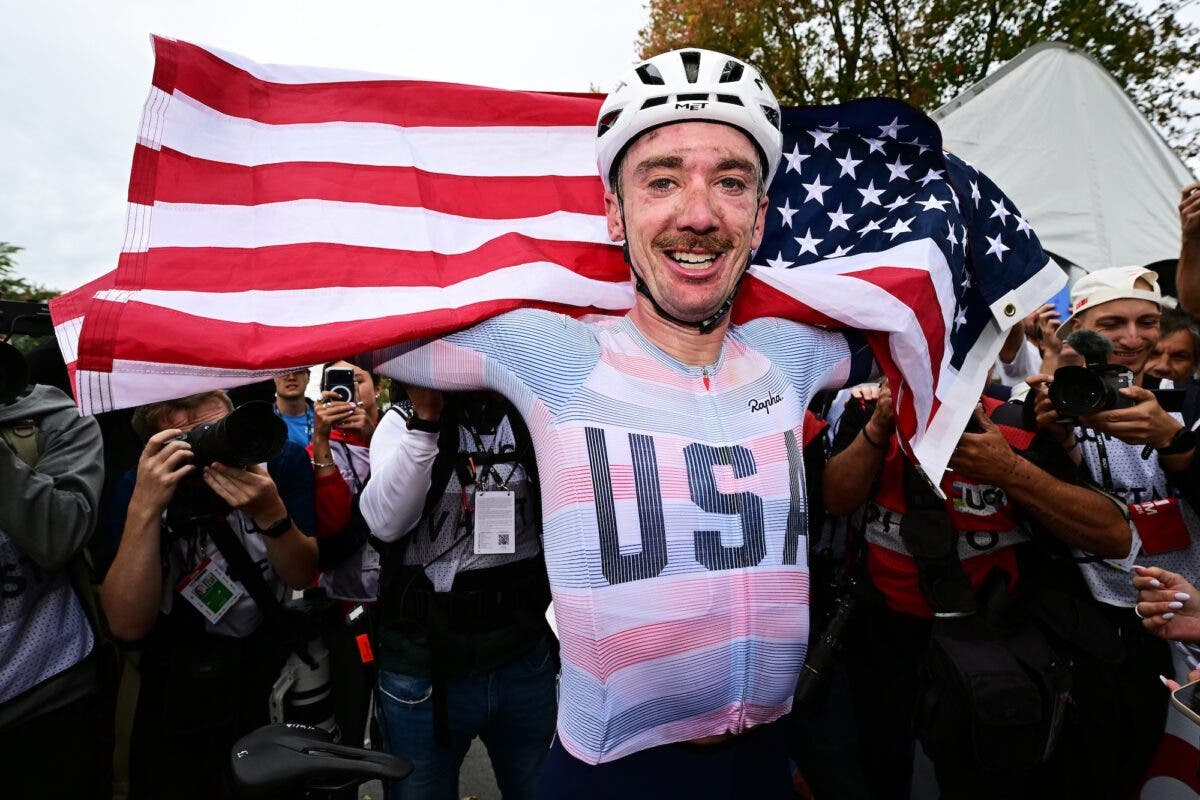
For years, American men brought strong teams to worlds and left without nothing but close calls.
Perhaps it’s no mistake that McNulty ended America’s decades-long wait in the most chaotic, uncontrolled races we’ve seen in ages.
That’s what the Americans needed, and they played the tactics to perfection.
Quinn Simmons marked Van der Poel’s early move, and Team USA had three in the front group when McNulty uncorked his winning move with just over 30km to go.
McNulty found himself alone at the front on the final lap, and Matteo Jorgenson rode unselfishly to stuff up the chase by marking wheels and stifling cooperation.
After all, no one was going to waste their legs chasing down one American to have another one sitting on their wheel.
ADVERTISEMENT
That gave McNulty the gap he needed to hold on after his lead alarmingly shrank from nearly a minute to under 15 seconds over the final climb up the race-breaking Voie Camillien-Houde.
That’s another wrinkle in this wild worlds. Racing in national colors meant that WorldTour superteams weren’t throttling the race from the gun.
On Sunday, the isolated favorites hesitated just long enough, and McNulty had the legs to make them pay for it.
4. Vollering had to win hers twice
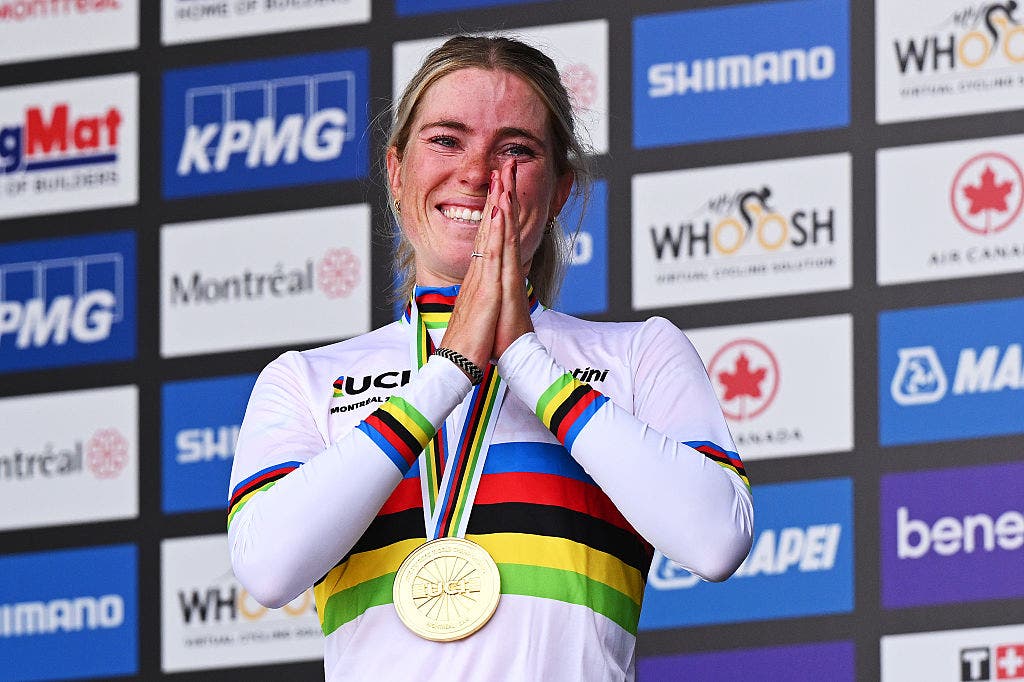
The women’s race delivered its own version of the Montréal madness.
Demi Vollering attacked, but the winning move came too soon, and then had to win all over again when the favorites came back together.
She did it in a two-up sprint against perennial rival Kasia Niewiadoma to win the one major title eluding her superstar palmarès.
Vollering had the legs to force a selection, but also had the nerve to regroup when her move came back, and the sprint to finish the job.
The women’s race mirrored what was so perfect about the deceptively challenging Montréal Mount-Royal circuit.
ADVERTISEMENT
It was hard enough to favor the peloton’s best all-around riders, but offered plenty of opportunities for endless tactical games.
It’s rare that a worlds course threads that needle so perfectly.
Montréal awarded the complete rider, even if Vollering had to do it the hard way.
5. Van der Poel raced like Van der Poel
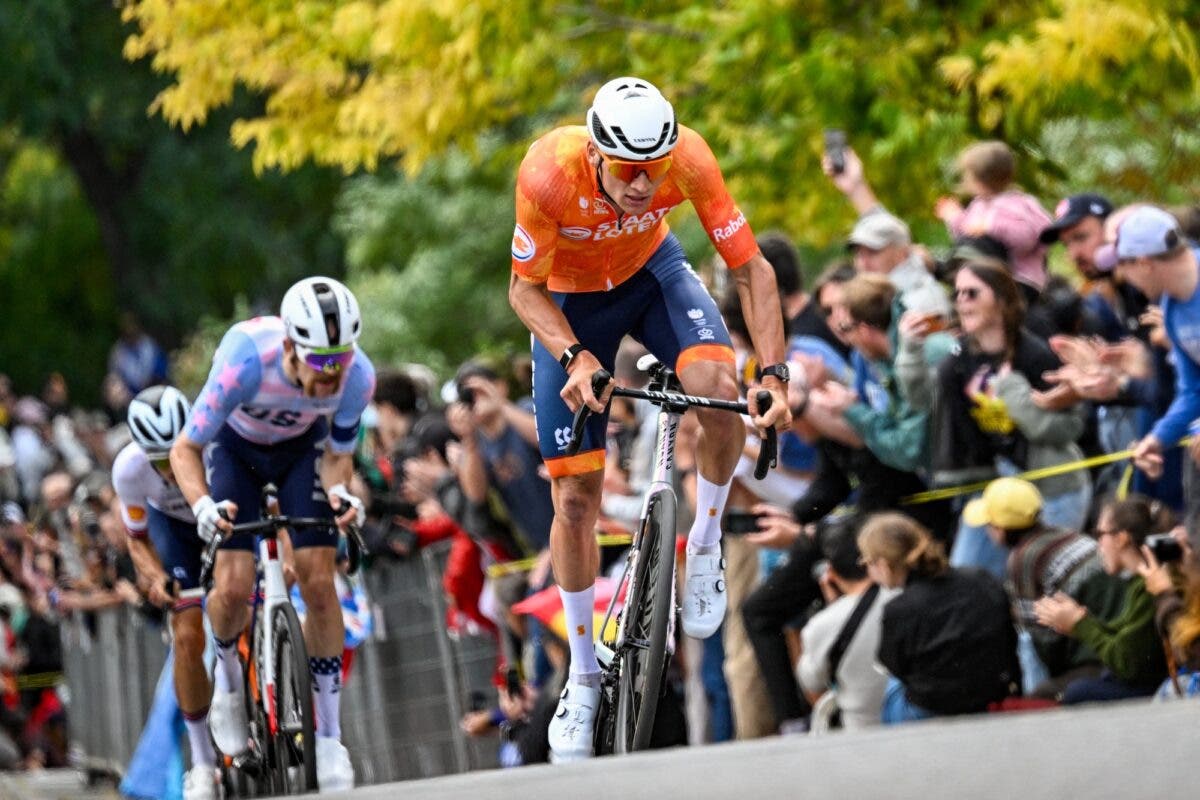
To be a truly great worlds, you want the worlds best going for it.
We got that this weekend and more.
On paper, the men’s race of 3,800m of climbing looked like too much for Van der Poel. Once the race opened up, he nearly bent it to his will anyway.
MVDP attacked with roughly 90km to go to get ahead of the moves he feared from the climbers, and the massive bet nearly paid off.
But once he was reeled in coming into the closing two laps, he adjusted and shifted toward a reduced bunch sprint. He made chances for himself in every scenario.
ADVERTISEMENT
Van der Poel — arguably the best pure one-day racer in the world — proved that even on a course profile that didn’t fit his style that racing smarts and tactics can still alter a race.
Sunday was pure MVDP and he was in his element.
6. No radios meant racing on instinct
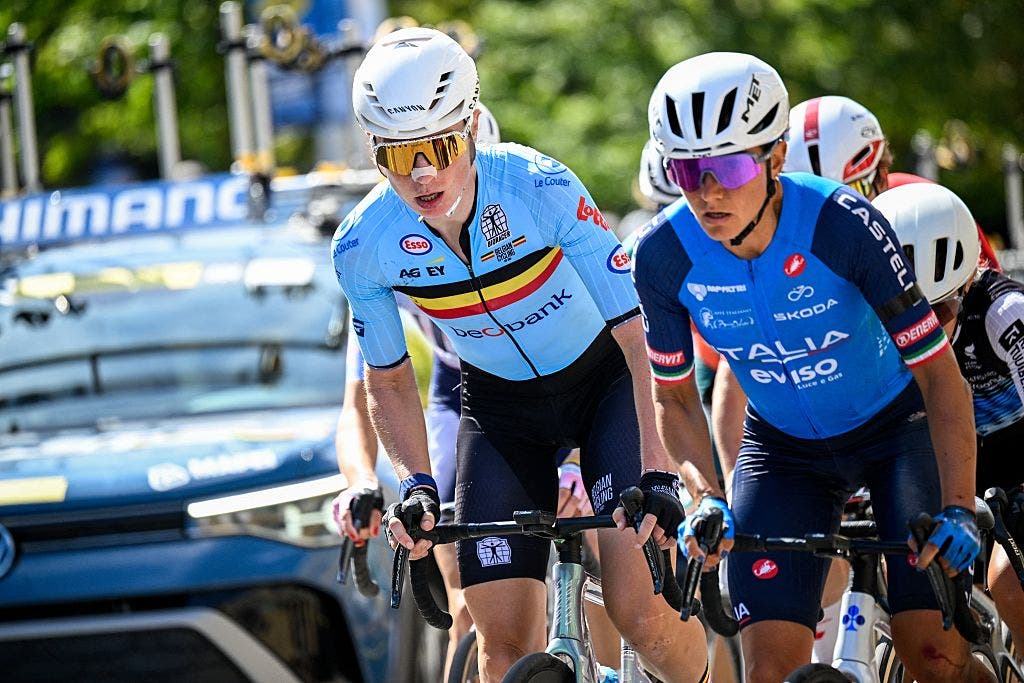
The lack of team radios gave the elite races another layer of uncertainty the WorldTour pros loathe.
Riders had to rely on their own wits to judge gaps, read the pain in their rival’s faces, and make decisions on their own. They’re not used to that.
Exasperated at the lack of splits, teams pass up notes written on bidons in a desperate bid to let riders know what’s going on.
Many pros can’t stand the worlds chaos. Race radio can tell them where the break is, who has been dropped, and whether they’re sprinting for a medal or eighth place.
Jorgenson revealed how the U.S. team had already mapped out its all-for-one-one-for-all strategy the night before. So when it came to crunch time, there was no hesitation.
ADVERTISEMENT
In Montréal, the riders had to figure it out on their own. And that helped pile on the drama and open the door for McNulty.
7. Mount Royal turned out the crowds
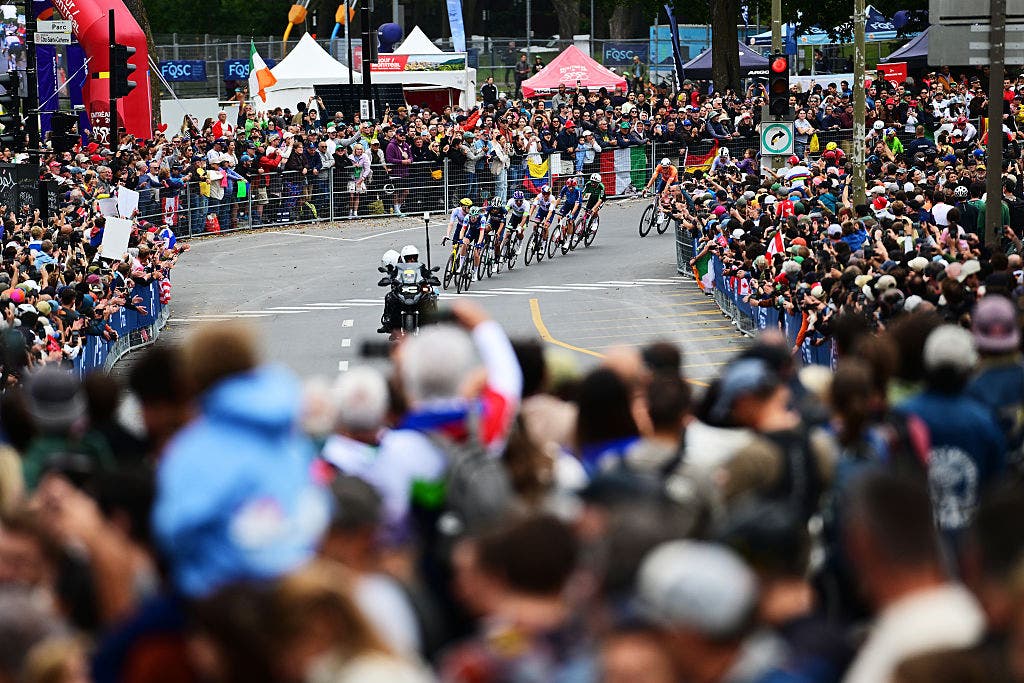
The worlds deserve a crowd, and Montréal gave it a massive one this weekend, estimated at 500,000.
Fans stood eight deep in some places around the Mount-Royal circuit Sunday, with flags from across the world and plenty of Americans who had made the trip north to witness the McNulty dream.
Every lap brought the riders back through a wall of noise again and fans saw different faces each loop. Riders feed off that energy, and will dig deeper even their legs are screaming in pain.
Top-level international road racing is a rare commodity in North America these days, with only the Canadian one-days a permanent fixture on the men’s WorldTour calendar.
That’s one big takeaway for would-be sponsors: Montréal confirmed the fan interest is real.
ADVERTISEMENT
That would be the ultimate legacy for North America’s fifth time hosting a worlds — a new WorldTour stage race on home roads.
8. Races worthy of the rainbow jersey
This was a worlds for everyone and no one.
The circuit was too hard for the sprinters, but not quite hard enough to hand the race to the pure climbers.
There were no pre-minted favorites, and even those who thought they had no chance fought to the end, and almost won. Think Michael Matthews finishing second. No on expected that.
That was Montréal’s magic. For a few glorious hours this weekend, it seemed the world title could belong to almost anyone.
McNulty and Vollering were the two who had the legs and smarts to turn that dream into a reality.
That’s what I think Montréal will go down as one of the best worlds we’ll ever see. Everyone saw a way to win, and nobody stopped fighting for it.