Updated June 8, 2026 07:27AM
Top Agent Carera Attends Giro Women, Says Men’s and Women’s Cycling Will Be More Equal, Eventually
Alex Carera represents Pogačar but also Giro sprint queen Elisa Balsamo and new star Paula Blasi
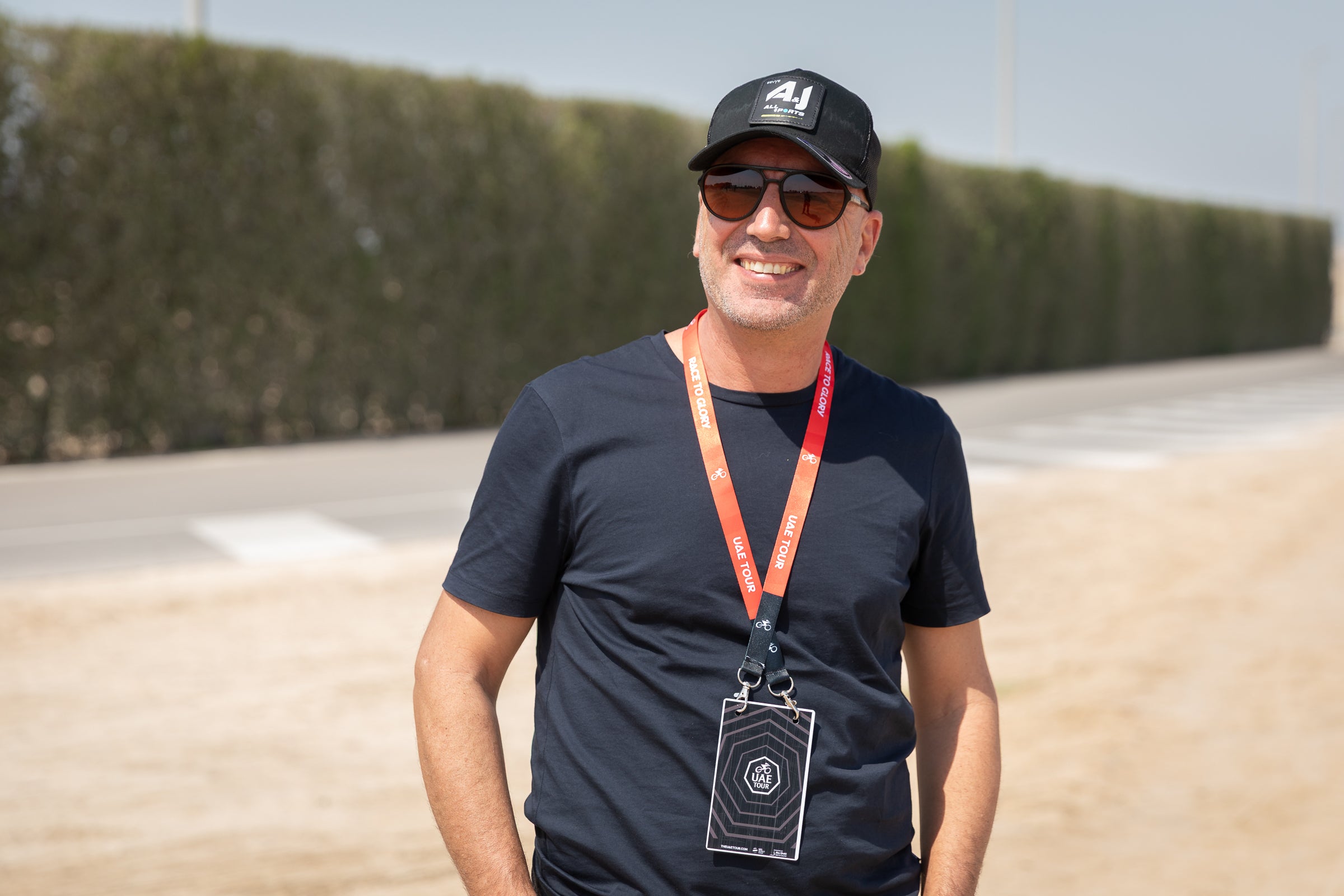
Alex Carera is agent to many pro riders, including Tadej Pogačar and Isaac Del Toro (Photo: Shane Stokes/Velo) (Photo: Shane Stokes)
He’s most famed as the agent of Tadej Pogačar but Alex Carera can see a time when there is much greater equality of opportunity between men and women cyclists.
That’s his clear message upon attending the Giro d’Italia Women in recent days, with Carera witnessing considerable growth in this area of the sport in recent years and being optimistic about more.
“I think that women’s cycling grows year by year,” he said. “The sponsors have more visibility. Then also the athletes have more exposure in the media and the social media and so on.
“I think it is very important that in the future that the same advantages that the men have, the women have. Because cycling is a really hard sport, not only for the men but also for the women.
“Also yesterday we saw on TV the great show for the big athletes that every day are really, really professional.”
ADVERTISEMENT
Carera’s A&J All Sports agency represents a wide number of riders throughout the sport, including Pogačar but also his partner Urška Žigart, Elisa Balsamo, Silvia Persico, Mavi Garcia and other women.
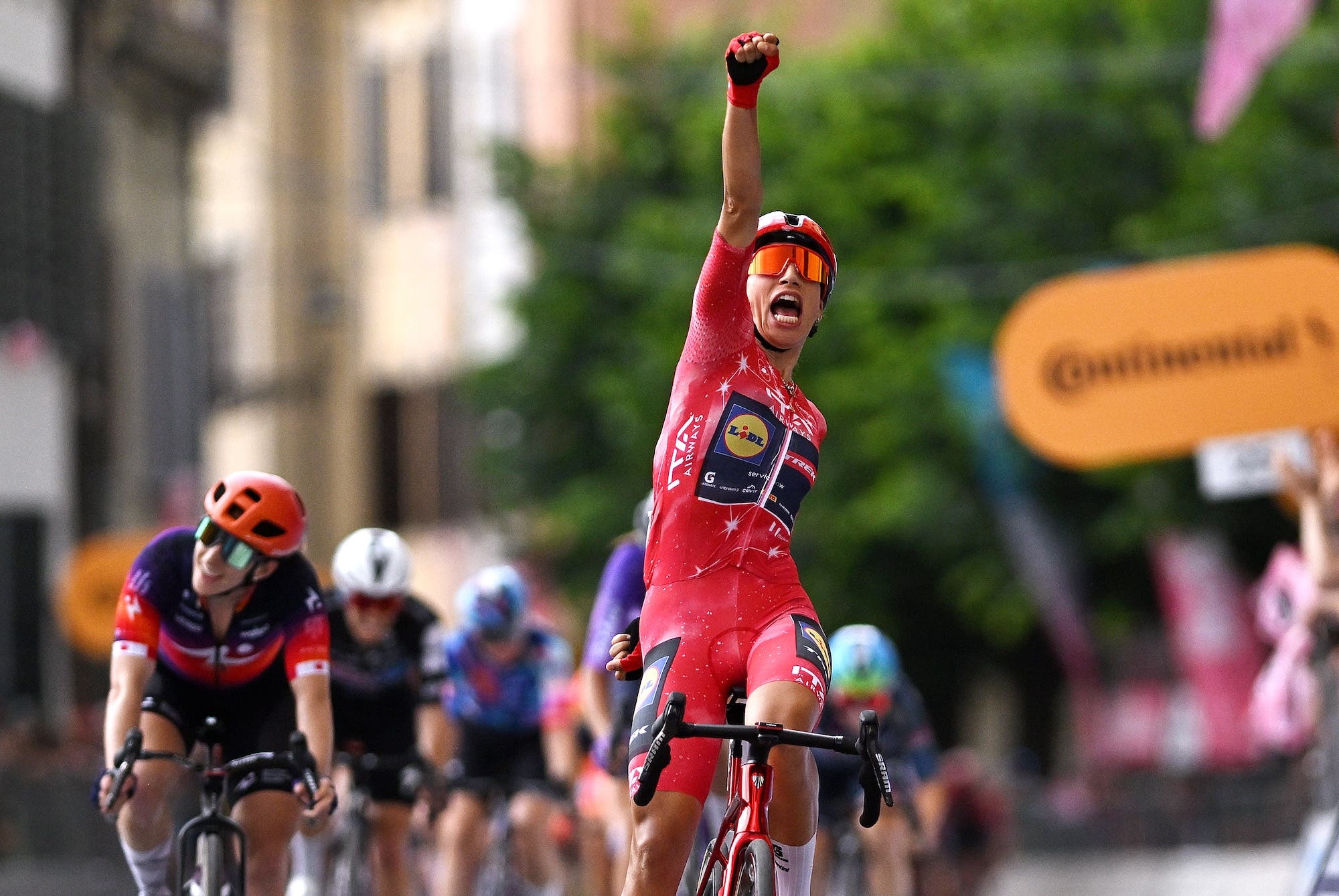
Balsamo won four stages at the Giro, proving to be the best sprinter in the race.
His athletes also include Vuelta España Femenina winner Paula Blasi, perhaps the most exciting young female rider in the sport.
‘The future is more close’
Women’s cycling has been the subject of massive change in recent years. Increased professionalism has brought about a jump in salaries, as well as a much broader spread of talent across teams. Forget the past where one or two super teams dominated this part of the sport; now there is much more parity between squads, as well as a higher number of athletes being properly paid for their efforts.
ADVERTISEMENT
Races have also changed: Tour de France organizers ASO finally gave into a long campaign to provide a women’s version of the race, with the Tour de France Femmes originating out of the one day La Course event and now extending to nine days.
The Giro d’Italia Women and La Vuelta Femenina are also bigger than before, while races such as Paris-Roubaix, Milan-San Remo and more have highly regarded women’s equivalents.
Carera sees this approach as being helpful in growing the sport.
“I think that five years ago there were not many opportunities for women’s cycling to have exposure,” he said, speaking to Eurosport. “But now there is the combination between men’s races and women’s races together. I remember the first time it was Flèche Wallonne. I think it gives a great opportunity to women’s cycling. Then I am sure in the future that the men’s cycling and women’s cycling are more close.”
How to grow things further
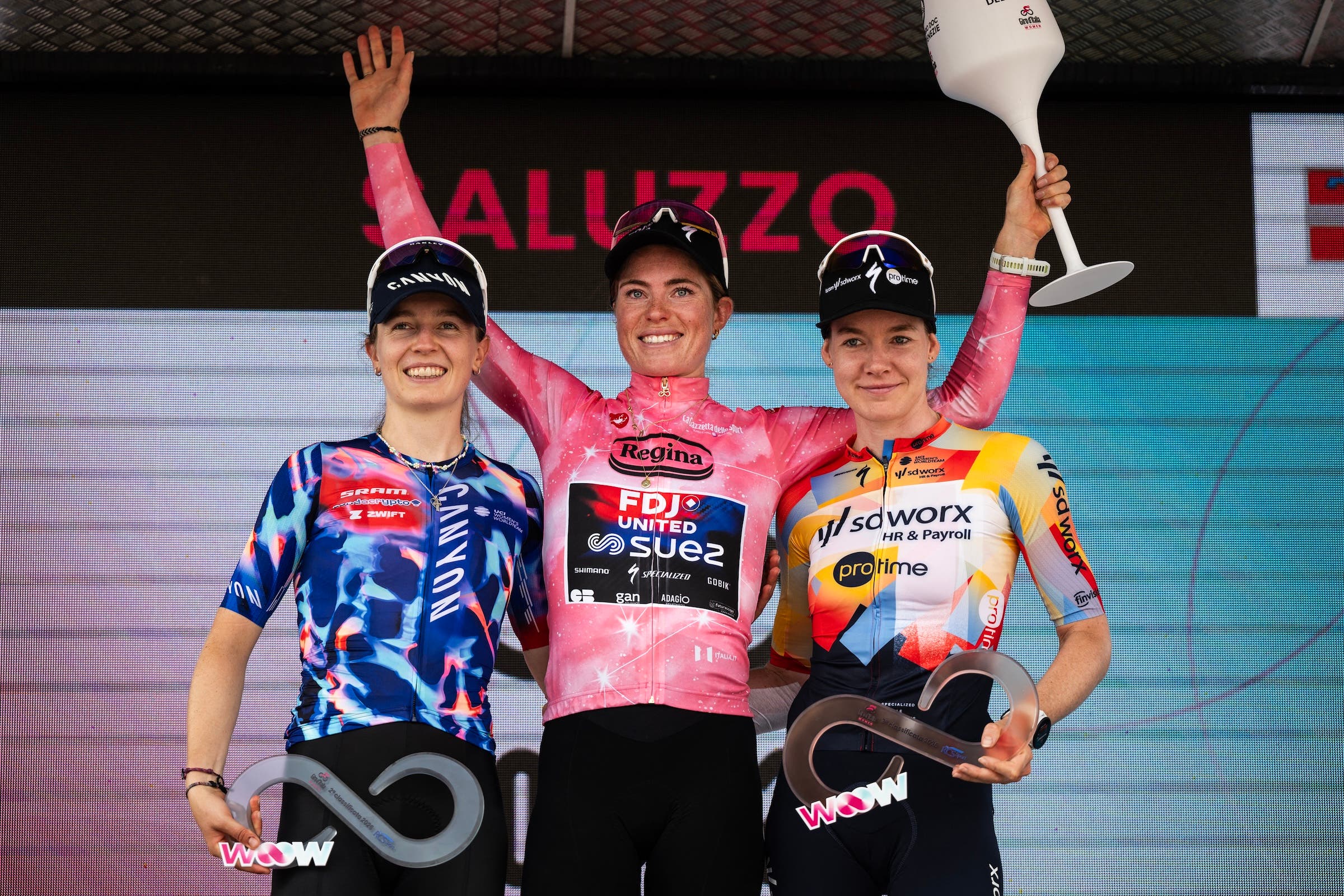
The women’s Giro ended in dramatic fashion on Sunday with Demi Vollering swooping to snatch the pink jersey from the shoulders of Anna van der Breggen, her former coach.
ADVERTISEMENT
Vollering signed what was reportedly the highest contract in women’s cycling when she signed with FDJ-Suez, earning a rumored one million euro a year. She’s also got a personal contract with Nike, further boosting her earnings. When asked what women’s cycling needed to keep growing, Carera pointed to this kind of sponsorship as being helpful.
He could see clear financial benefits for the rider concerned, but also another benefit to that wider exposure.
“We need to give the opportunity to give to the athletes more vision, more opportunity,” he said. “Also out of the races, not only in the races.
“And also we need to create some other advertising. For example, if there is one athlete who promotes also her shoes, his helmets with their name, it is a great advertising for women’s cycling.
“Because in the end every day you can see many, many women start to go on the bike. They are following more the women’s cycling. Then we need to create more connection between the fans and the athletes.”