Updated November 3, 2026 05:30AM
EF Education-EasyPost Reinvents Itself as Cycling's Super Teams Get Richer
Carapaz out. Wegelius gone. Matt White back. EF undergoes a radical makeover as Vaughters reshapes the WorldTour squad to take on the peloton's richest teams.
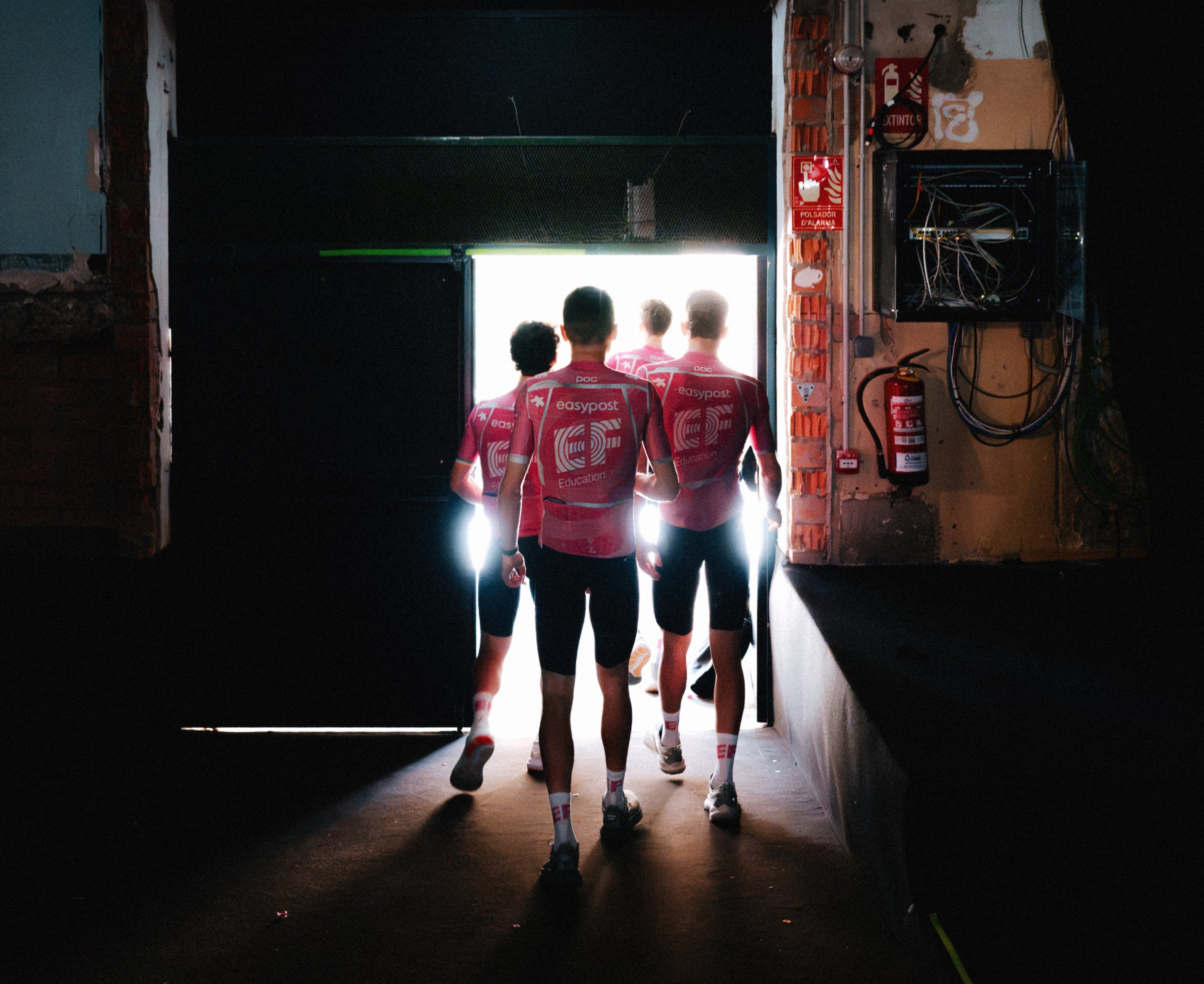
EF Education-EasyPost has always managed to hit big results. (Photo: Gruber Images)
EF Education-EasyPost is heading into 2027 with a smaller budget, a radical roster makeover, and some big questions about how to stay competitive in the super team era.
Richard Carapaz is gone. Longtime sports director Charly Wegelius is out. Matt White is back. And team pink is loading up on unknown talent and betting on aging stars.
The team’s DNA remains the money ball underdog in cycling’s super team era.
“I see us as a team of opportunity,” said Jonathan Vaughters, founder and CEO of EF Pro Cycling. “For young riders, we want to be the team that gives them their first real chance to excel at the WorldTour level. For others, we want to offer a second chance. Tao Geoghegan Hart is a great example of that.”
The financial arms race in the WorldTour isn’t slowing down, so EF is adapting.
UAE Emirates-XRG, Visma-Lease a Bike, Red Bull-Bora-Hansgrohe, and Lidl-Trek continue to stack their rosters with expensive stars and emerging talent.
ADVERTISEMENT
Vaughters knows EF — which packs a middle-of-the-peloton budget — cannot win a bidding war against cycling’s deepest pockets.
The challenge is finding riders the super teams overlook and try to develop young talent before their price tags explode, and then deliver results when and where the argyle army can.
“But more than anything, I want every rider on this team to have an opportunity to shine. We’re not going to build our entire racing strategy around protecting individual leaders,” he said. “We want to race openly and give everyone the freedom to take their chances.”
It’s the latest shape-shifting for a team that has long punched above its financial weight against the sport’s richest teams.
ADVERTISEMENT
Racing against the super teams
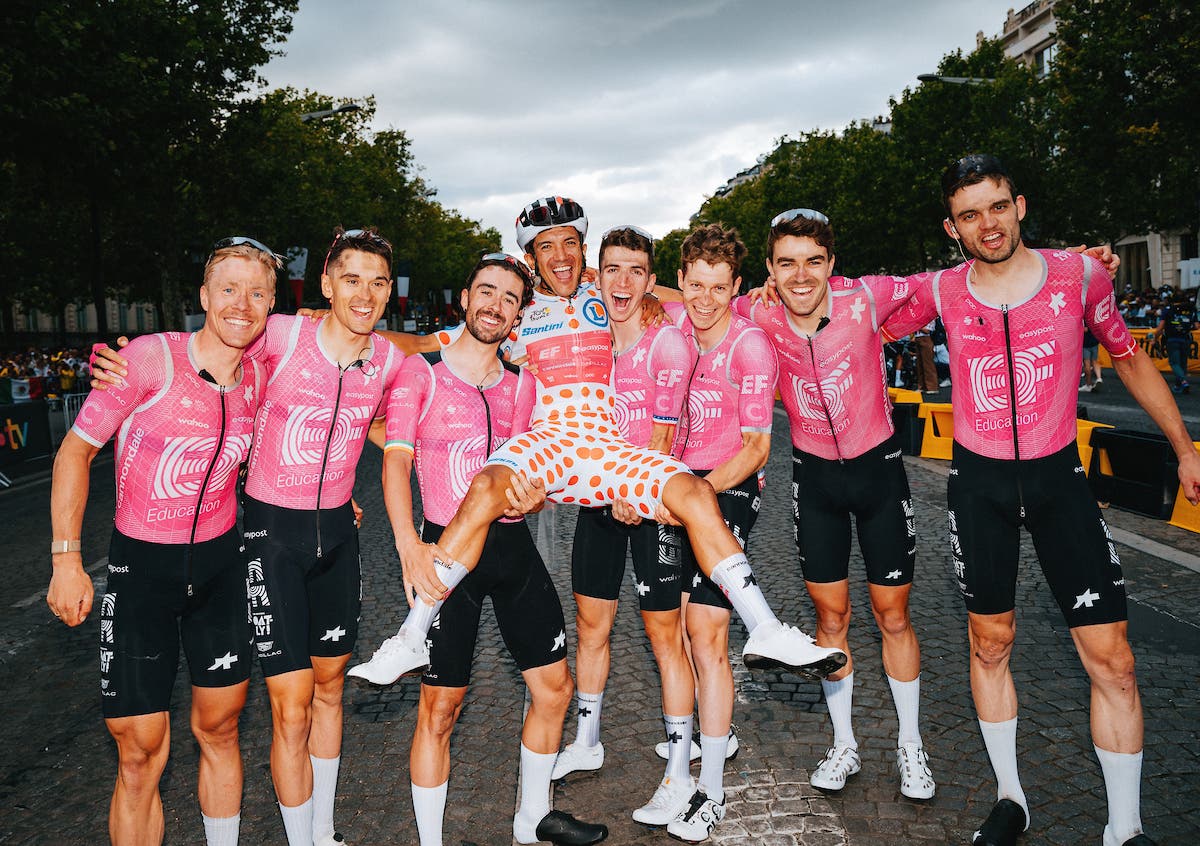
The long-running U.S. team — dating back to 2007 — has never had the biggest budget in the peloton, and now it’s facing its latest challenge to remain competitive just as deep-pocketed teams keep piling on.
Carapaz still had another year on his contract, but EF agreed to release him early.
“We willingly let Richie go. It was not forced,” Vaughters told the Escape Collective. “We needed to make some hard decisions … A very simple option would be to just let your most highly compensated rider leave.”
Carapaz is not the only big-name departure as the team tries to find a space to remain competitive without blowing out the bank.
Georg Steinhauser, one of the team’s most promising young climbers, is heading to Red Bull-Bora-Hansgrohe.
ADVERTISEMENT
Classics specialists Kasper Asgreen and Michael Valgren are also leaving, along with Madis Mihkels, Mikkel Honoré, James Shaw, and rising Spanish talent Markel Beloki.
The departures of some of the team’s most prolific performers means the team will have to reshuffle its racing style for next season.
“We’re going to be opportunistic, to see possibilities that other teams might miss. We’ve always raced that way, but in 2027, we’re going to take it even further,” Vaughters said. “I think that’s something really unique in the WorldTour.”
Vaughters is hoping to find space between the bidding wars at the top to carve out some wins by racing against the odds.
ADVERTISEMENT
Wegelius out, White back
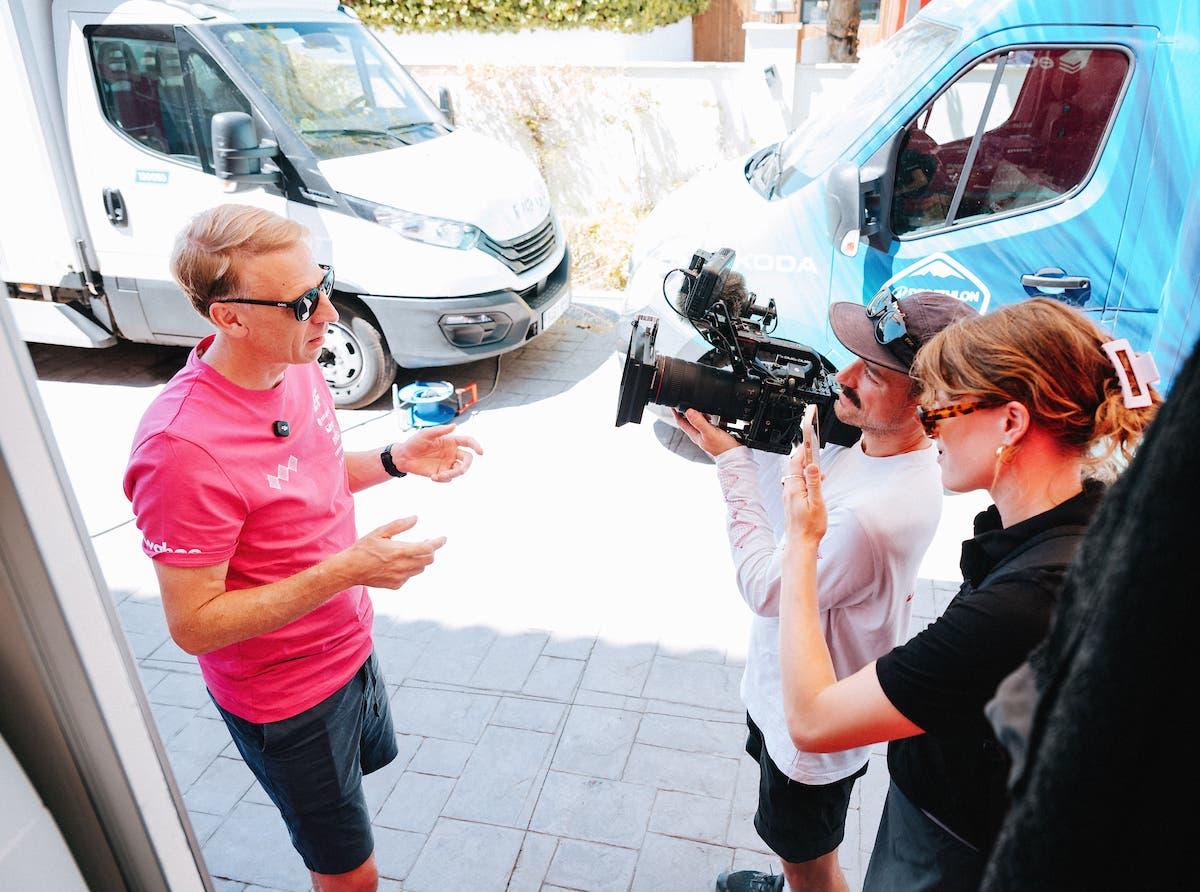
The upheaval isn’t limited to the roster.
Wegelius, one of EF’s most influential sports directors, is leaving after 15 seasons with the organization.
The Briton joined the former Garmin setup in 2012 and his departure follows other changes in the management structure, including the exits of Tejay Van Garderen and Matti Breschel.
Coming in is Australian veteran Matt White, who returns to the team where he launched his sports director career in 2008 after stints at Jayco-AlUla and Movistar.
White joins an established group of sports directors, including Juanma Gárate, Carmen Small, Tom Southam, Daniel Foder, Andreas Klier, Michael Creed, Huub Duijn, Ken Vanmarcke, and Sebastian Langeveld. Recently retired Dan McLay also joins as a sport director.
ADVERTISEMENT
“I genuinely believe we have the best group of people working behind the scenes of any team in the WorldTour,” Vaughters said. “Our goal is to connect all of those dots, from the moment we first identify a promising young rider to the moment they’re competing for victories at the biggest races in the world. That’s how we build a team that can win today and continue getting better in the years ahead.”
White and the other sport directors will have pressure to deliver results right out of the gate.
The team will have one eye on the UCI team rankings. Coming out of 2026 in the first season of a three-year WorldTour cycle, EF was ranked 15th among teams chasing points to secure its next WorldTour license at the end of 2028.
Mix of old and new
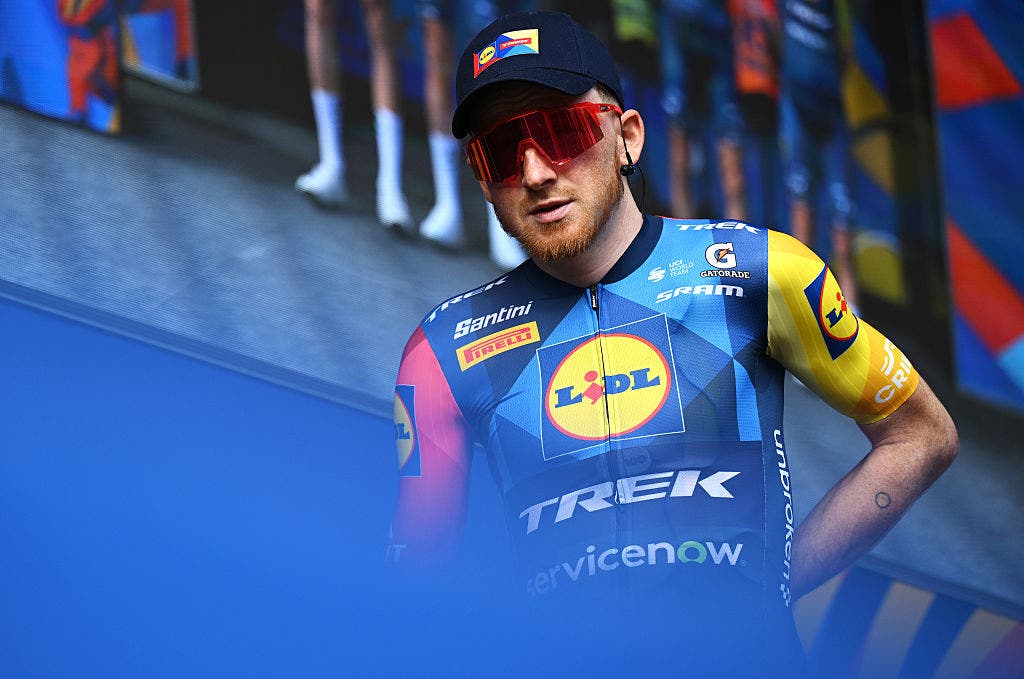
With a spending war playing out across the peloton, Vaughters and EF’s brain trust have targeted riders with something to prove.
Former Giro d’Italia champion Geoghegan Hart arrives from Lidl-Trek while Colombian climber Iván Sosa returns to the WorldTour.
German prospect Emil Herzog joins from Red Bull-Bora-Hansgrohe on a deal through 2029 and Tobias Bayer brings classics experience from Alpecin, while young American Gavin Sherry is among several riders stepping up from the team’s development program.
ADVERTISEMENT
“We have a really exciting opportunity to build something special with the young talent coming through our program,” Vaughters said. “EF Education-Aevolo is a big part of that, but it’s also about the riders and staff we already have at the WorldTour level. We’ve had the youngest team in the WorldTour for a few years now, and we intend to continue that.”
It’s a calculated gamble on two fronts. Riders like Herzog and Sherry represent EF’s future, while Geoghegan Hart and Sosa see a chance to revive stalled careers.
If even one or two deliver, EF could find some serious payback in a transfer market dominated by bigger spenders.
Doubling down on attacks
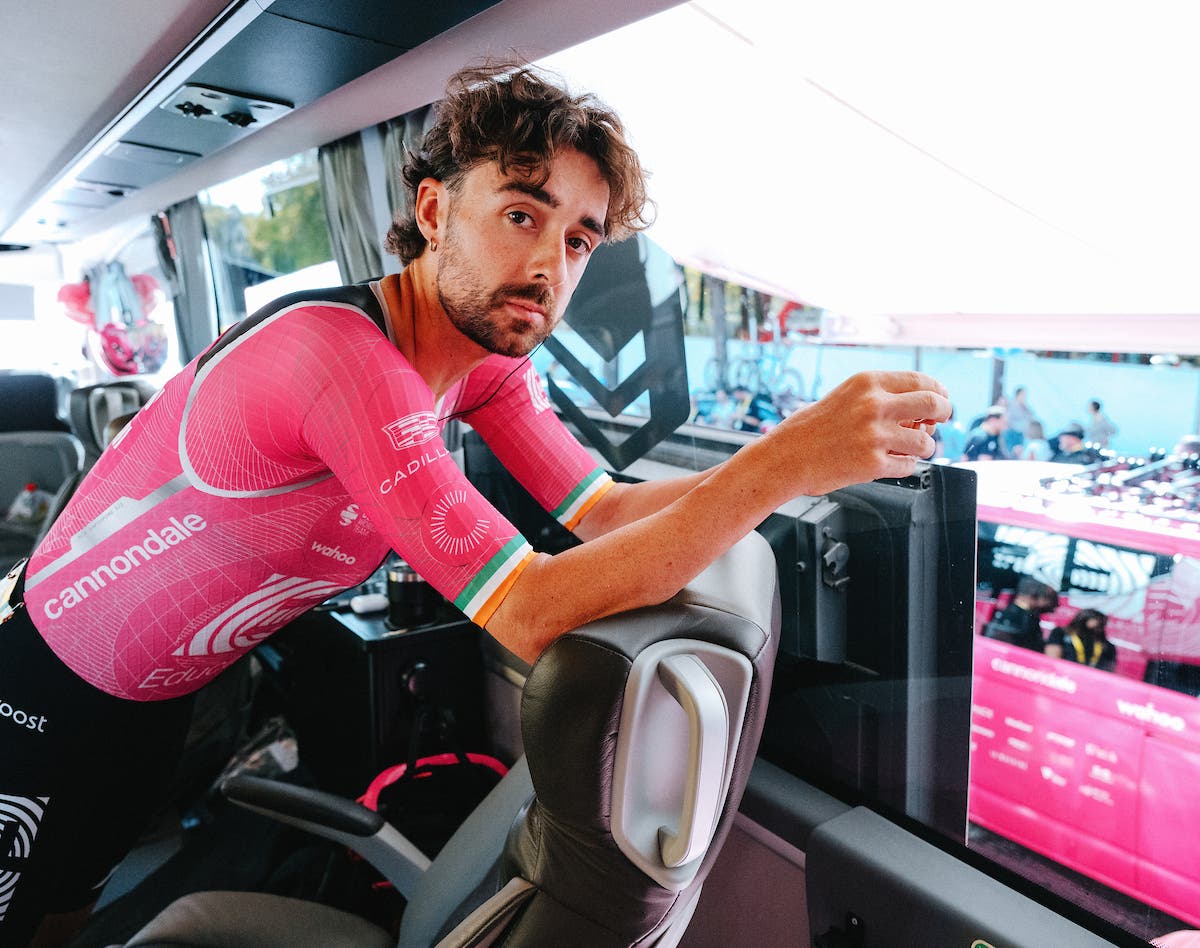
Ben Healy and Neilson Powless remain as the men’s team’s most important anchors heading into 2027.
Everyone inside the EF bus knows they’re not going to outmuscle UAE or Visma in a three-week GC showdown.
But the team is making the high-stakes bet that it doesn’t have to.
With riders like Healy and Powless, the team can target stages, classics, and opportunistic victories while the super teams focus on the GC podiums with their biggest stars.
“I think the beauty of going for stages is that it’s all or nothing. You’re all in for the day, then you might have a day or two when you’re not, and then you’re all in again,” White said. “Especially in a grand tour, I think that’s a really exciting mindset and way to approach a race.”
ADVERTISEMENT
Vaughters has kept his team alive for nearly two decades through sponsor changes, budget squeezes, and repeated roster rebuilds.
The 2027 reset is the latest test of that money ball formula.
With the rich teams getting richer, EF is making the high-stakes bet that smart recruitment, aggressive racing, and a little old-fashioned opportunism can still deliver big wins in the big-money super team era.