Updated October 5, 2026 06:09AM
What’s Brandon McNulty’s Road Worlds Title Worth? Not Much, and a Lot
Analysis: Brandon McNulty earned €8,000 for his road world title. What could bonuses, contracts, and sponsors add to his payday?
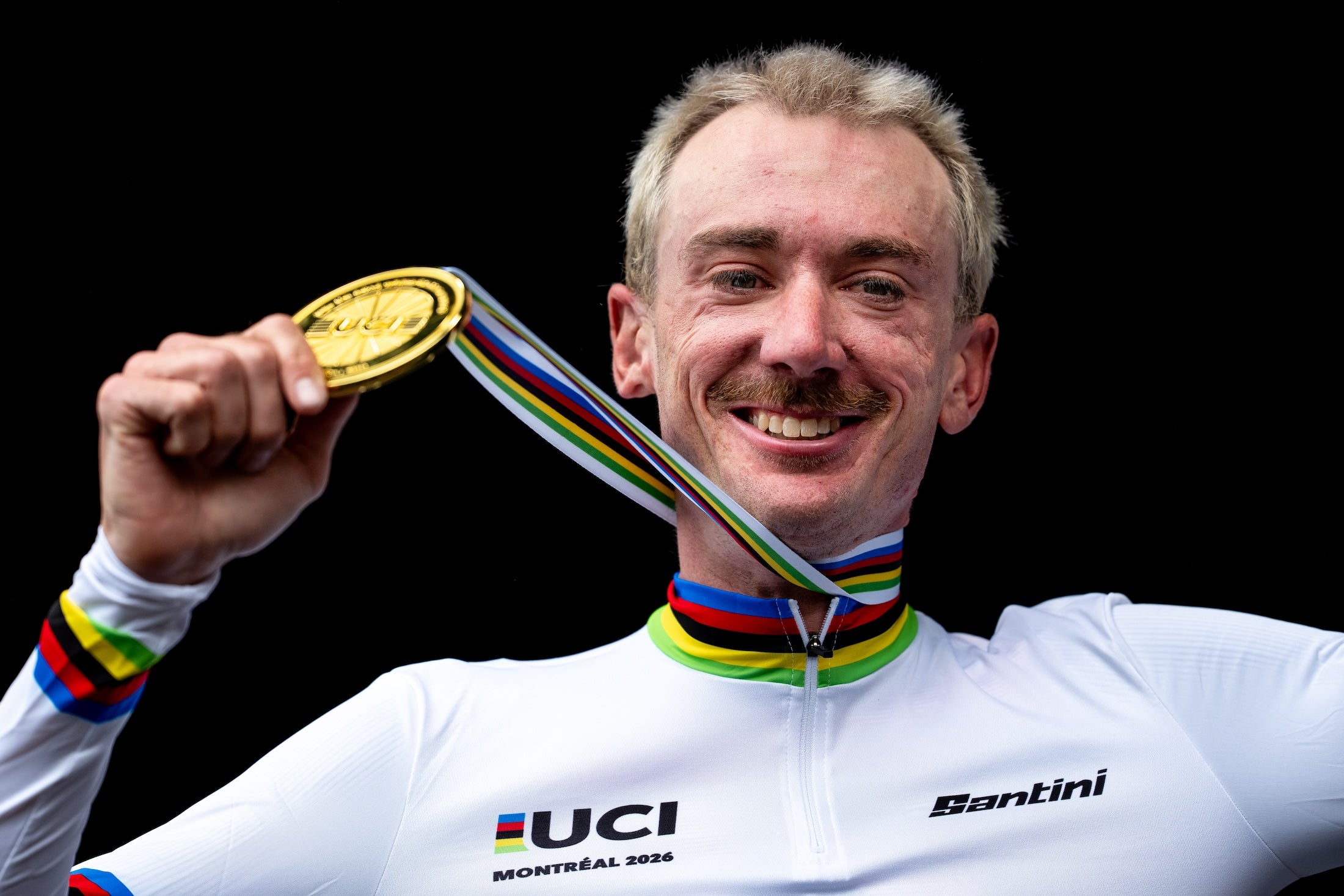
McNulty celebrates the world title in Montréal and it remains to be seen how much economic windfall it will deliver. (Photo: Filip Bezdek/NurPhoto via Getty Images)
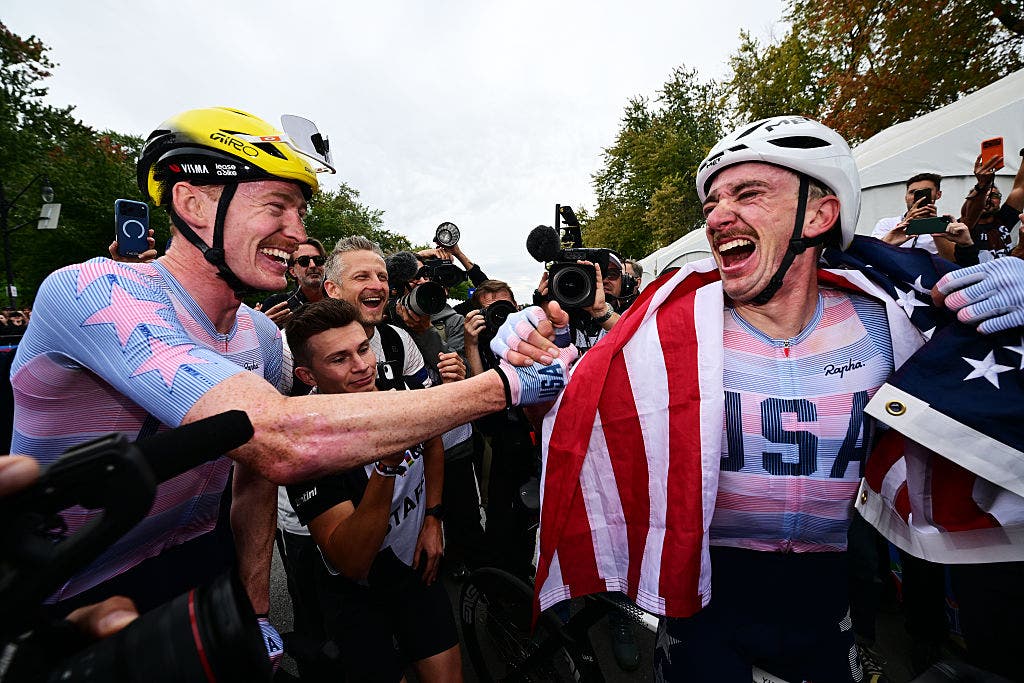
Brandon McNulty ended America’s 33-year drought for a men’s UCI road world title in Montréal, beat a field stacked with cycling’s biggest stars, and earned himself a rainbow jersey.
But the prize money alone won’t make him rich.
His first-place payout? €8,000.
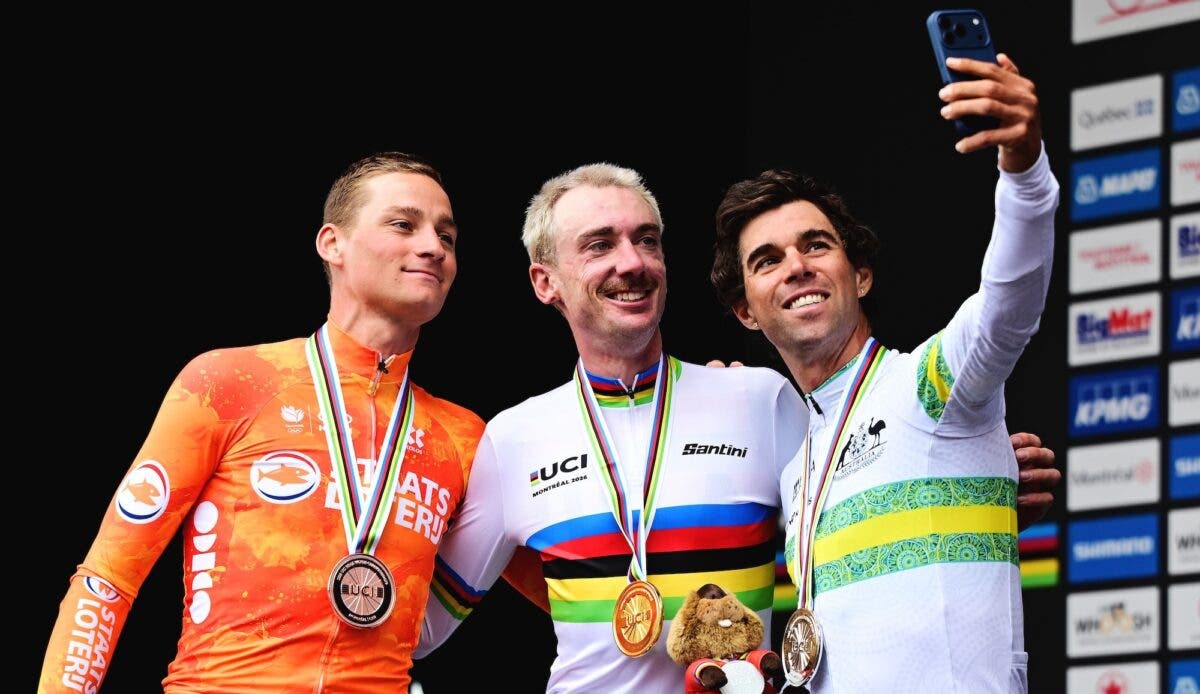
That’s the official paycheck for winning one of the sport’s most coveted races. Michael Matthews earned €4,000 for silver, Mathieu van der Poel collected €2,000 for bronze, and everyone else earned no official prize money.
Thanks for coming, guys.
Of course, McNulty was chasing a place in cycling history, not a down payment on a yacht, when he won America’s first elite men’s road title since Lance Armstrong in 1993.
But what are those stripes really worth?
The prize money is the same for men and women in Montréal, but things get potentially more lucrative once agents, team bonuses, sponsorship deals, and long-term contracts enter the calculation.
ADVERTISEMENT
Do riders get paid to race the worlds?
First off, professional riders earn their paycheck from their respective trade teams, not from chasing the rainbow bands.
Racing the worlds with national teams is a unique, one-off event each season where money isn’t the primary motivation. It’s for the love of the game.
In fact, racing for the national team rarely earns the riders any extra dosh at all.
USA Cycling does not pay its road riders an appearance fee to compete at the world championships. The U.S. federation — which receives no government funding — covers travel, accommodation, meals, and the support staff behind the race.
The federation also provides coaches, mechanics, soigneurs, and the other staff needed to keep the national squad rolling.
That’s pretty much the same across the entire peloton.
ADVERTISEMENT
Some riders used to be paid to race worlds when federation budgets were healthier, especially in cycling’s European heartland. Today, most national teams only cover expenses without paying riders simply to take the start.
So even big stars like Van der Poel or newly crowned world champion Demi Vollering do not receive race money from the Dutch federation simply for showing up.
Some riders pay their own way to the worlds
Some riders even had to buy their own plane ticket to Montréal.
New Zealand’s top pro riders had to cover their costs to race in Montréal, and many junior and U23 ranks across many nations had to as well.
Mads Pedersen deserves kudos when he auctioned off some racing memorabilia and contributed funding to help a pair of U23 riders join the Danish squad in Canada.
Magdeleine Vallières paid for her flight to Rwanda and supplementary team fees before winning the women’s road race in Kigali last year.
The payoff was huge after she won Canada’s first elite road world title.
At least she was closer to home in Montréal last month.
ADVERTISEMENT
The bigger payday comes from team bonuses
Cycling isn’t known for its huge winners’ paychecks anyway, but the worlds is small by any measure.
Despite the world crown being one of cycling’s most prestigious titles, at €8,000, it almost looks like someone forgot to add a zero.
That’s even less than what an individual stage winner receives in the men’s Tour de France at €11,000, or the winner of the men’s Tour of Flanders at €20,000.
Winning the rainbow jersey might not earn much on race day, but it pays off in many other ways.
Most top pros will have performance bonuses written into their trade-team contracts. One agent told Velo that performance bonuses are packed in for big wins at races like the monuments and the world championships.
The amounts depend on the rider, the team, and what everyone agreed around the negotiating table. Tadej Pogačar, for example, receives €250,000 for winning the stripes from his trade team contract.
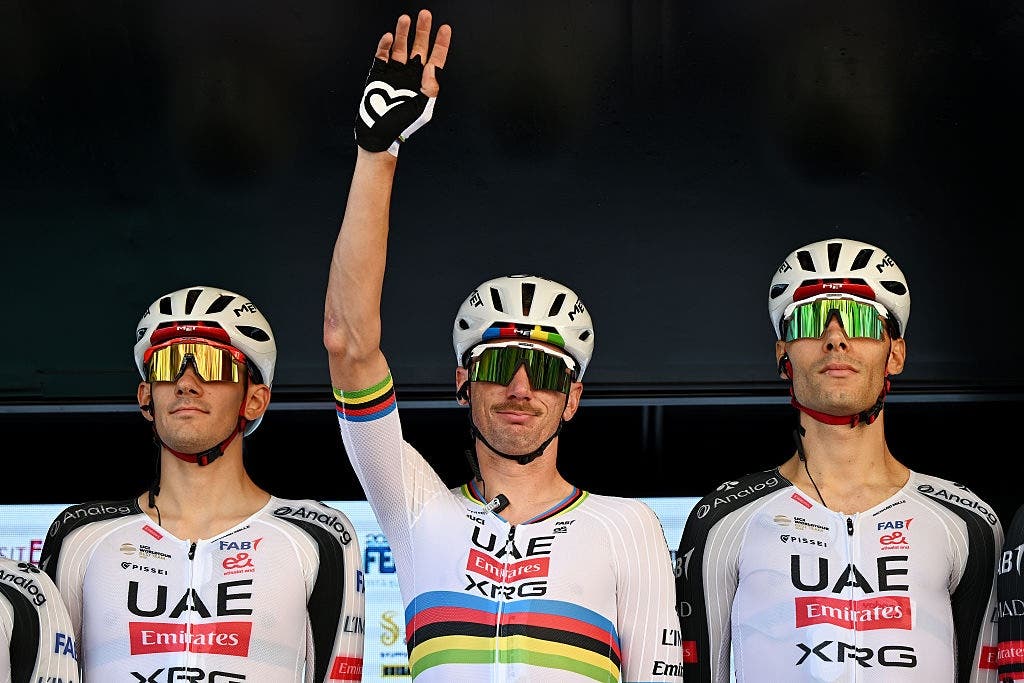
The champion wears the rainbow jersey in road races until the next world championships, giving teams such as UAE Emirates-XRG and FDJ United-Suez plenty of publicity and exposure for their sponsors.
ADVERTISEMENT
Whether McNulty or Vollering received a worlds bonus, and how much, remains private.
Does a world title mean a bigger contract?
A big win like the world title could produce a big “worlds bounce” in terms of salary negotiating power for the right kind of rider.
In McNulty’s case, that’s hard to say because he already settled his long-term future in April when he extended his UAE contract through the end of 2030.
That does not prevent the two sides from renegotiating the deal — like Pogačar recently did with his contract extension through 2032 — but winning in Montréal does not automatically change an existing salary agreement.
When McNulty and UAE signed that deal this spring, it was months before he won the rainbow jersey. Hopefully, a smart agent at least included a winner’s bonus.
One agent told Velo that today’s market places a premium on youth and future potential.
A world crown strengthens McNulty’s palmarès, but it might not bring a huge salary bump, especially with his future already locked in.
ADVERTISEMENT
Will the stripes introduce McNulty to mainstream America?
Then there is the question of what McNulty might earn beyond his team contract.
Everyone knows pro bike racing is hardly front-page news in the U.S.
In fact, McNulty said he gave only one pre-race interview before his victory, and that was to Belgian broadcaster Sporza.
His victory drew coverage from The New York Times and The Wall Street Journal, both of which cover cycling regularly.
Whether his win translates into wider American exposure remains to be seen, but it’s unlikely he’ll be on a Wheaties box anytime soon.
He might land sponsorship opportunities within cycling and earn appearance fees at critériums and promotional events. There could also be opportunities closer to home in Arizona.
Of course, not everything is about money.
ADVERTISEMENT
What’s certain is that McNulty will wear the rainbow jersey until the next world championships and the champion’s bands for the rest of his career.
Those stripes put McNulty in rare company, one of just five Americans to win an elite road race world title.
That’s priceless.