Updated October 27, 2026 08:19AM
$85 Million Cost and $130 Tickets: The 2027 Tour de France Grand Départ is Blowing the Budget
Officials defend controversial charges to Edinburgh team presentation as UK prepares to host 'the most expensive bike races ever' next July.
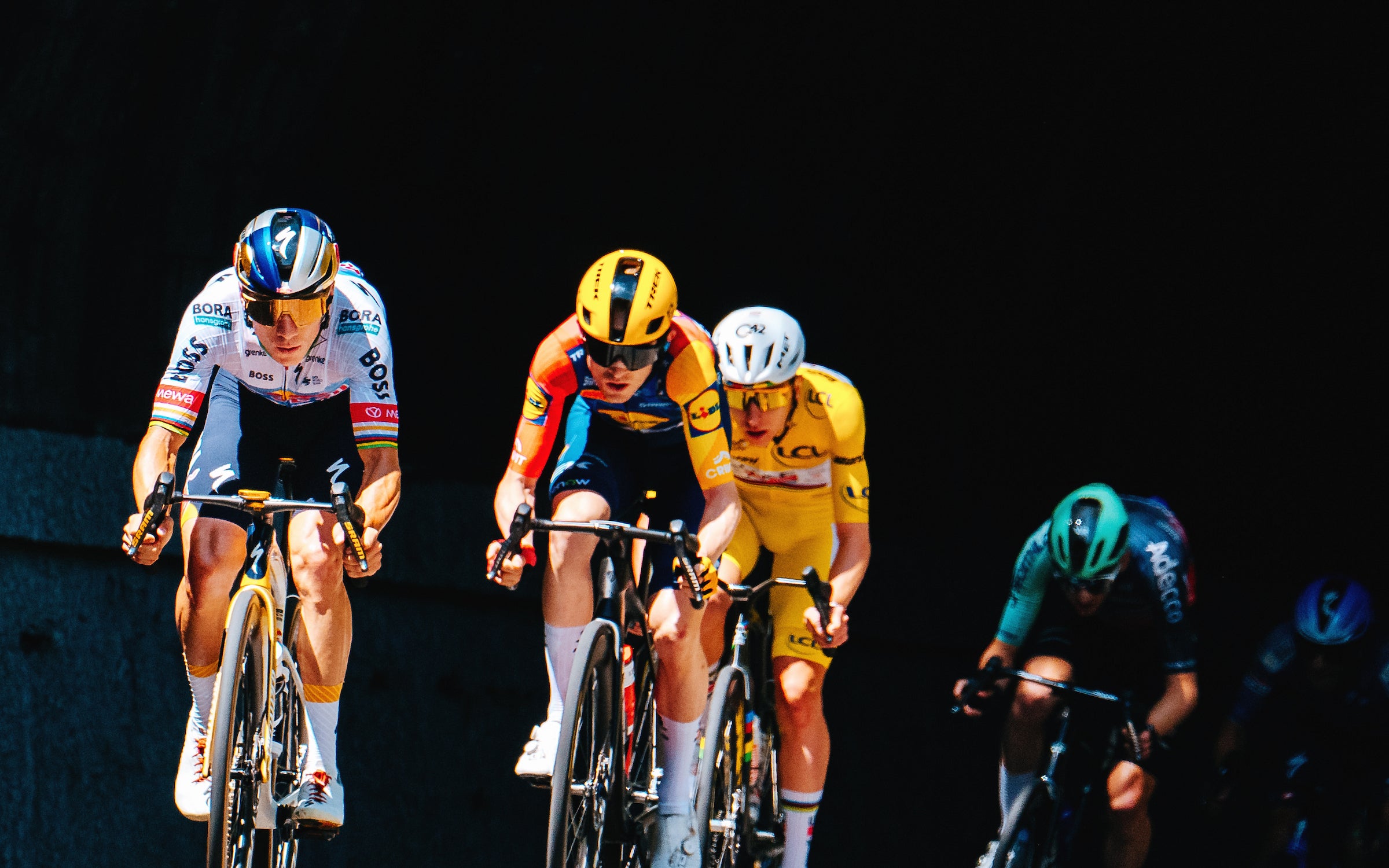
(Photo: Gruber Images)
The grands départs of the 2027 men’s and women’s Tour de France are being slated as the most expensive bike races ever held.
British journalist Jeremy Whittle reported last week that the UK government will invest a total of £65m GBP (~$85m USD) into hosting the grands départs of next year’s Tour de France and Tour de France Femmes.
Spanning six days of racing across Scotland, Wales, and England, each stage will cost a staggering equivalent of £11m (~$15m).
And that’s not the only wild expense associated with the Tour’s British start.
The opening ceremony and team presentation of the men’s race will be fully ticketed, with the most premium seats being sold for £99 a pop. That’s just north of $130 for the privilege of seeing Tadej Pogačar and his comrades doing some bemused waving on a big stage.
ADVERTISEMENT
UK’s Tour de France grands départs: ‘Most expensive bike races ever held’
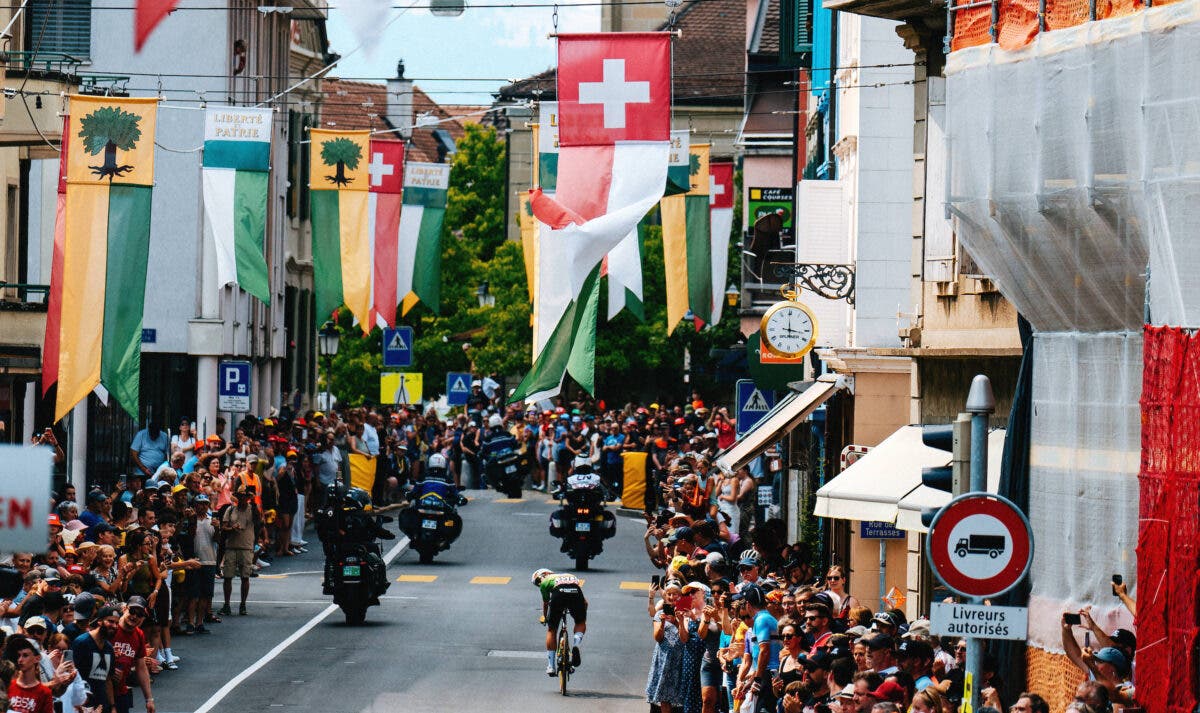
A grand départ is big business.
For race organizer ASO, an overseas start is a lucrative money spinner. It charges host nations millions of Euros for the honor. In return, hosts can use the Tour de France as a promotional platform and legacy investment.
However, next year’s grands départs – the men’s 28th overseas jaunt and the women’s third – will be extraordinary business.
Whittle reported eye-watering expenses associated with the privilege of being the first nation to host a partnered men’s and women’s event.
Running out of Edinburgh on July 2 for the men’s race and from Leeds on July 30 for the Femmes, the six stages of the $85m carnival are “the most expensive bike races ever held,” by Whittle’s estimation.
For context, the 2014 UK grand départ reportedly cost the British government £29.4m.
ADVERTISEMENT
While it’s comparing apples to oranges, the full cost of the 11-day multi-format Glasgow “super worlds” in 2023 nudged toward £63m.
But how can a few hundred kilometers of the Tour de France be so costly?
The hosting fees paid over to the race organizer are huge, and they’re only the start.
ASO is thought to have charged around €10m euros (~£8m or $11m) for the rights to host recent grands départs in Florence (2024) and Barcelona (2026). The hosting charges for 2027 are unknown.
After that, costs associated with staging the biggest bike races in the world include security, road resurfacing, preparing local infrastructure, and supporting all the random side-events that pop up when the Tour comes to town.
The payoff?
The UK Government has projected economic benefits of more than £150m from the combined 2027 men’s and women’s race.
ADVERTISEMENT
Tour de France opening ceremony: A Military Tattoo and mega ticket fees
One particular side-event of the 2027 Tour de France has garnered particular interest – and stirred significant controversy – in recent weeks.
The opening ceremony and team presentation of the men’s Tour on Wednesday 30 June will be fully ticketed, and admission ain’t cheap.
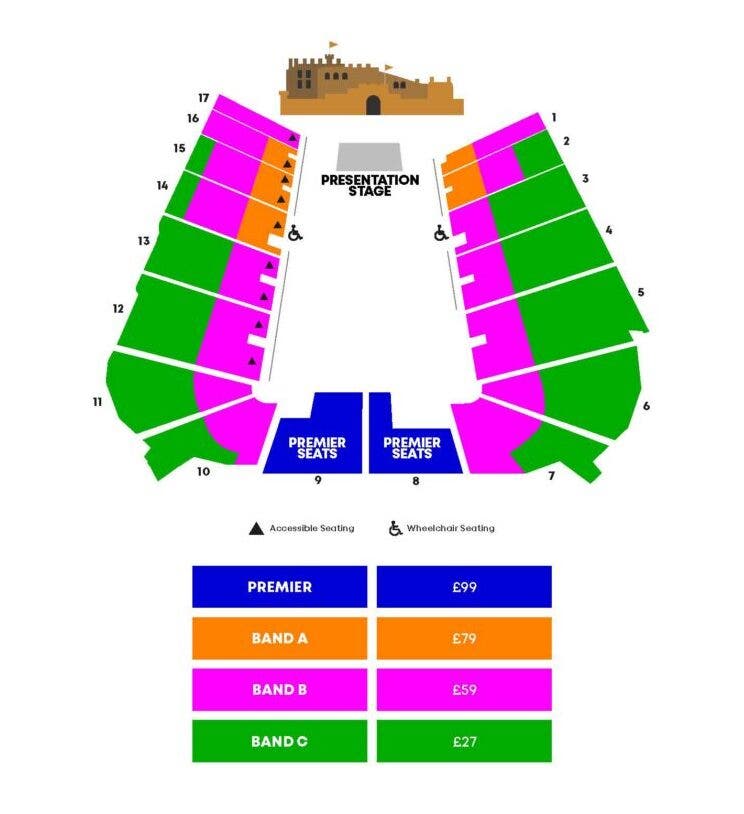
Tickets for the event on the esplanade outside Edinburgh Castle span from £27 ($36) for “bring the binoculars” seats high in the stands to £99 ($130) for primo spots.
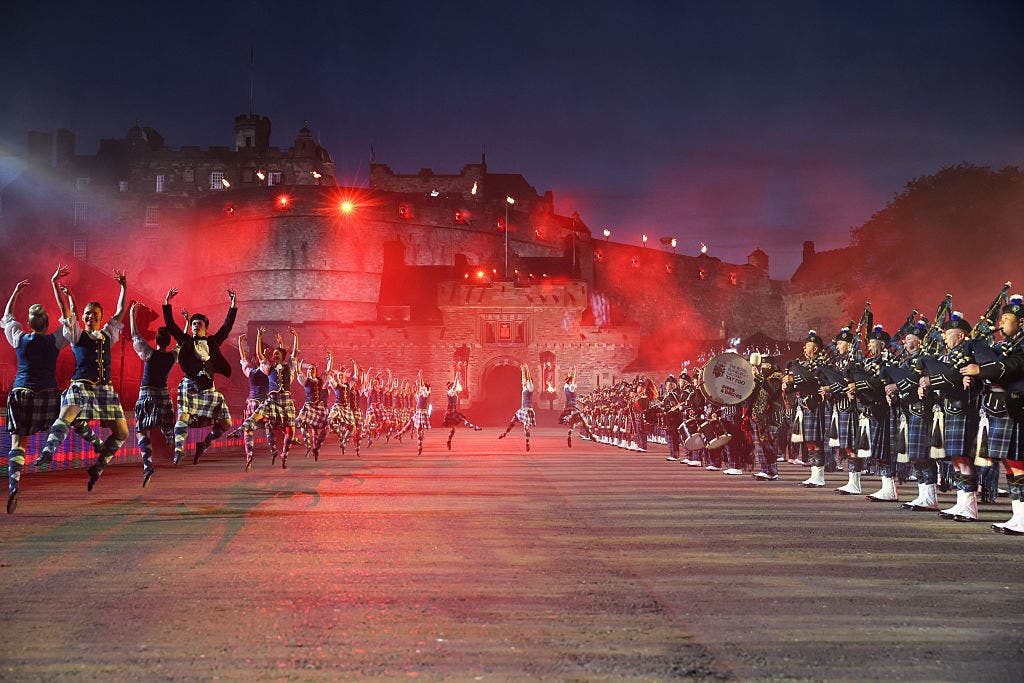
Pogačar and the peloton will trundle on and off the stage as part of a mash-up ceremony that includes a show by The Royal Edinburgh Military Tattoo. The traditional Scottish event is a bagpipes ‘n kilts show including music, dance, and rock concert lighting.
Details of the Tour de France Femmes opening ceremony have not yet been confirmed.
It’s rare, but not unprecedented, for Tour de France team presentations to be ticketed.
ADVERTISEMENT
However, the past three, held in suitably spectacular settings in Barcelona, Lille, and Florence, were all free to attend.
‘This isn’t a standard team presentation’
News that next year’s team presentation will be ticketed has, of course, stirred debate.
The Tour de France does sell itself on being “the biggest free sporting event in the world,” after all.
When Whittle enquired about the charges as part of his Substack report, a representative argued for the event’s extraordinary nature.
“This isn’t a standard team presentation,” a Grand Départ GB told Whittle. “By partnering with The Royal Edinburgh Military Tattoo, we’re creating a one-off event that fans won’t have seen before at a grand départ, and ticketing reflects that.
“As with any team presentation, the riders will take a route through the city before arriving at Edinburgh Castle, in this case from Holyrood Palace via the Royal Mile to the castle, which will be completely unticketed,” they added.
ADVERTISEMENT
The representative also reminded Whittle every kilometer of all three stages of the men’s grand départ will be open access.
“The race itself stays free,” they said. “Spectators will have free access to more than 900km of roadside across both grands départs, and we expect people to come out in their millions to cheer on the world’s best male and female riders.”
If the ticket fees aren’t steep enough to put you off the prospect of some traditional Scottish dance and some bemused pro cyclists, tickets go on general sale on October 30.