Updated November 5, 2026 04:19PM
Why the Factor ONE Proves Specialized Needs a New Venge
Aerodynamic data is objective, but selling speed is entirely psychological. Specialized made a massive marketing mistake, and no one seems to be noticing.
(Photo: Josh Ross/Velo)
Welcome to Dropped, a new weekly road and gravel cycling newsletter from Velo that brings you the latest ideas we’re debating endlessly on group rides, and a look behind the scenes of our coverage.
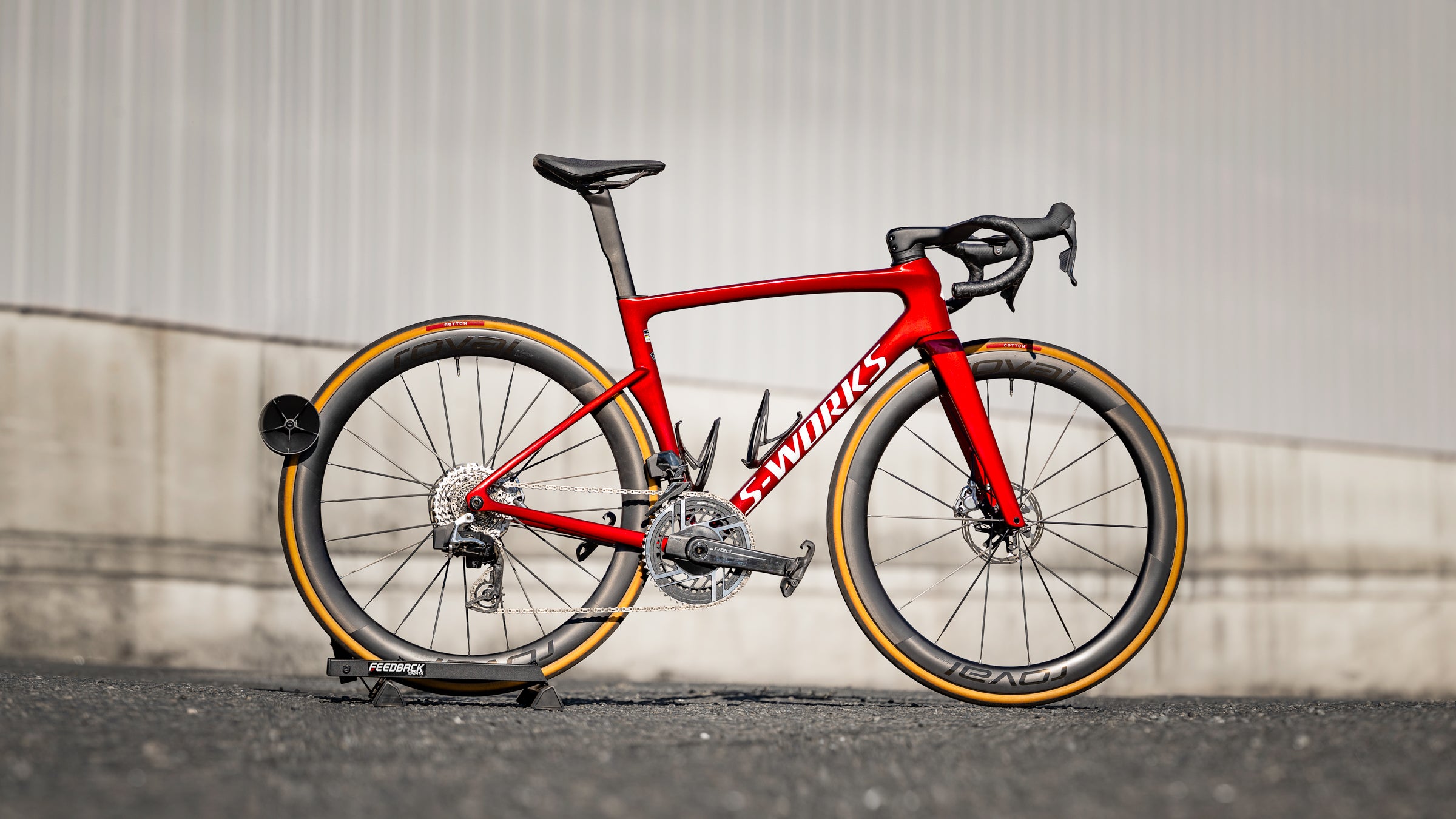
I recently posted an article comparing the Specialized Tarmac SL9 and the Factor ONE. They are two of the most important road bikes of the last year (give or take) and the perfect foil for one another. Both are built to go fast, but they represent completely different philosophies of modern speed. Because I’ve had the opportunity to spend a lot of time on both, I wanted to answer the questions everyone is asking. This is all very straightforward stuff.
The comments tell the story
After I posted that story, I started reading the comments. I generally do my best to read everything across all the platforms where we post. But what I saw in the comments on this comparison was something I didn’t expect.
ADVERTISEMENT
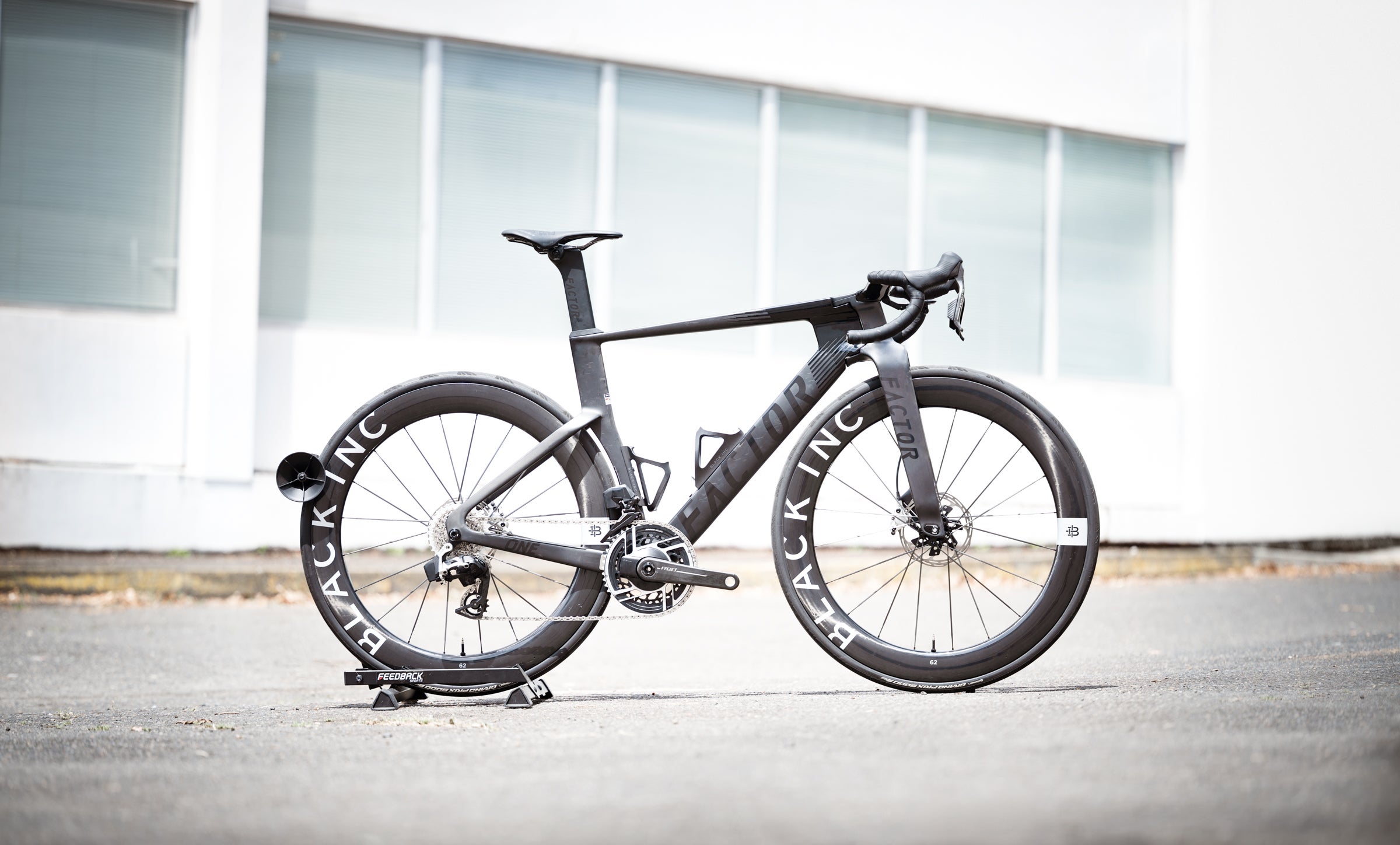
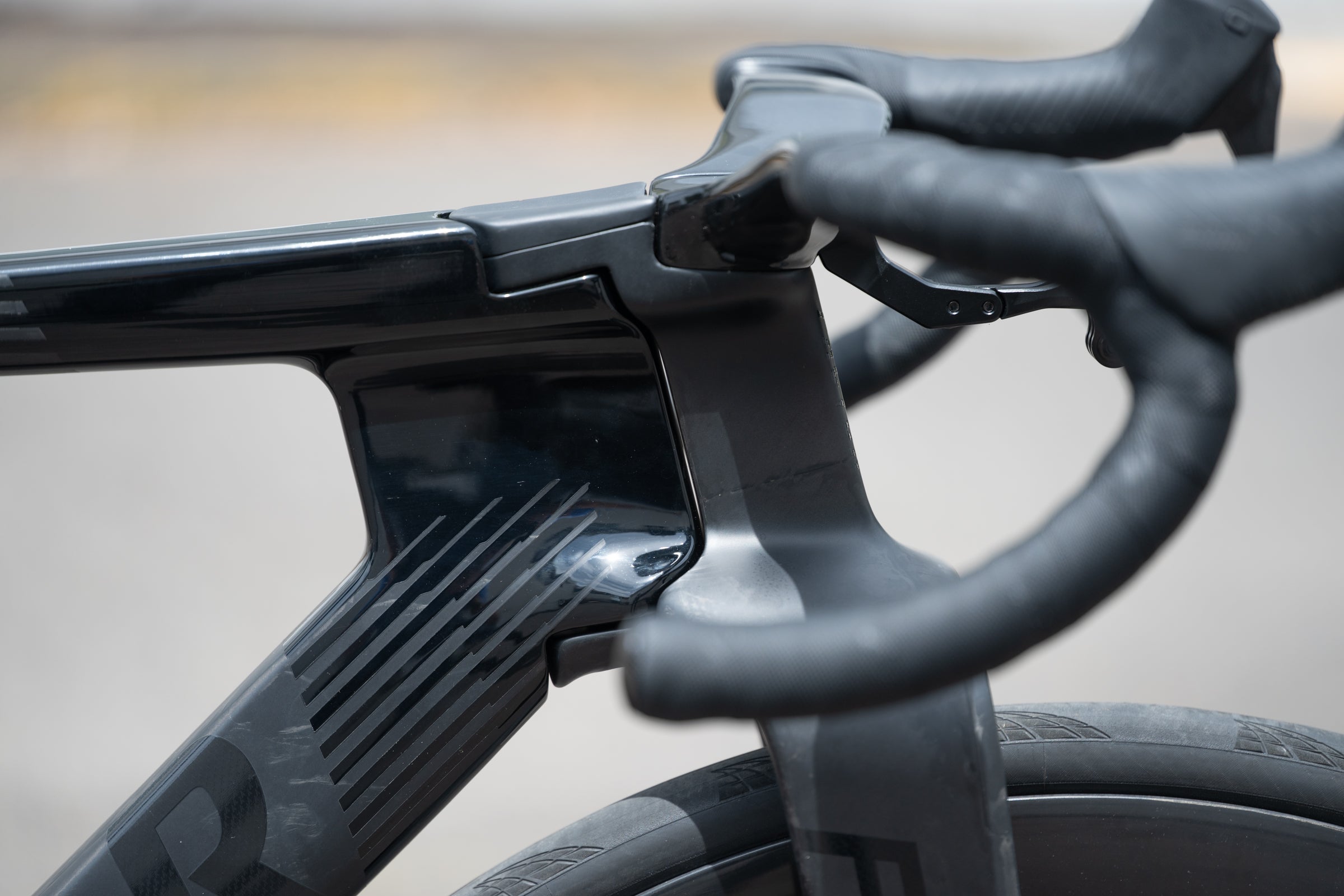
A lot of people think the Factor ONE is ugly. That’s expected. It looks nothing like most bikes and it is pushing about as far from the traditional silhouette as you can get for a road bike. When a design is that radical, it’s naturally going to turn some people off.
The simple explanation is that Factor wrapped the tube shapes around aerodynamic data and didn’t care much if the result looked weird. I could tell you that and move on, but I don’t think that’s the whole story. To see the reality, you have to look a little deeper at the feedback.
People calling it ugly was a given. What wasn’t expected is that most of those same critics openly acknowledged that the Factor ONE is the faster bike. You’d see things like, “The Factor might be faster, but it’s ugly,” or, “The Tarmac isn’t an aero road bike, it’s an all-rounder.”
Think about what that means for a second.
ADVERTISEMENT
Is the Factor actually faster?
The Specialized Tarmac SL9 is one of the fastest road bikes to ever exist. Tour magazine tested it at 205 watts of drag in the wind tunnel at 45 km/h. That is exceptionally fast, but it actually sits outside of the top 12 bikes Tour has ever tested. The Factor ONE is indeed faster with a baseline score of 202 watts, and by optimizing it with different wheels, aero tires, and a 1x configuration, Tour was able to push that number down to 196.8 watts.
Objectively, that is a win. But you also have to think about how aerodynamic drag works. Tour tests at 45 km/h (about 28 mph) because that’s the practical floor for testing. If you go any slower, you start getting into the margin of error for the wind tunnel and the results get muddy. But what about you and me? Over 100 to 300-mile distances, my average speed tends to sit at a weirdly specific 16.7 mph. On a normal day, I actually cruise closer to 20 mph. If I am pushing hard on a shorter ride, anything sustained past a few minutes might see me hold a best of 24 mph.
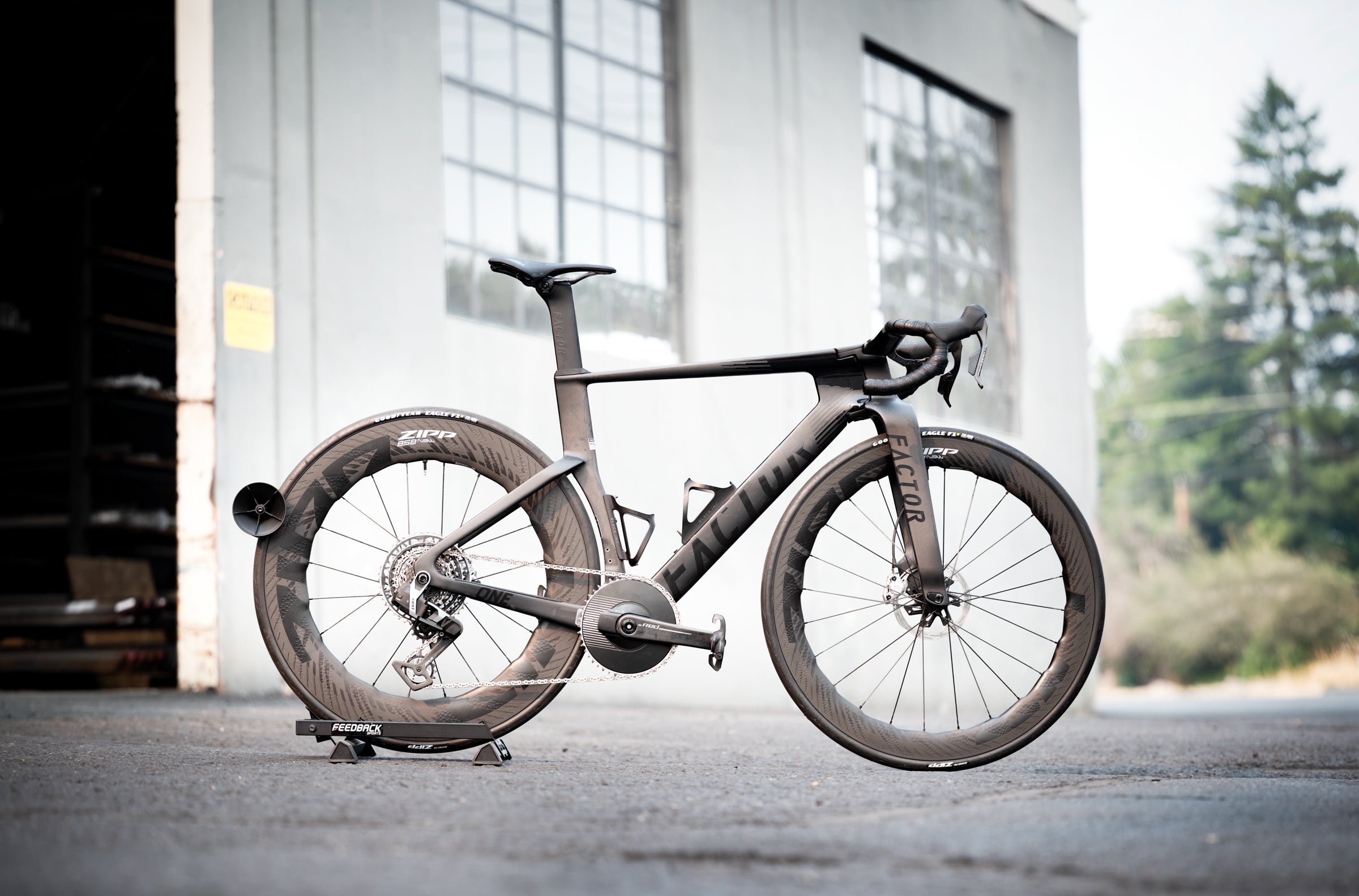
At those real-world speeds, the physics change dramatically. Looking at the absolute best-case scenario for the Factor (the fully optimized 1x setup, similar to how I run my size 54 with a SRAM XPLR drivetrain and Zipp 454/858 NSW wheels). At 24 mph, we are looking at roughly a 5-watt advantage over the Tarmac. That is still something to be impressed with, although remember it did take some work after it came from Factor. Drop to a 20 mph cruise, and that gap shrinks to just 3 watts. Drop it to my long-distance average of 16.7 mph, and the aerodynamic advantage essentially disappears completely.
ADVERTISEMENT
So, there is virtually zero watt savings at 16.7 mph, but there is a very real penalty on the scale. When I weighed both bikes ready-to-ride minus pedals, the Tarmac was a full kilogram lighter. That’s 6.5kg for the Tarmac versus 7.57kg for the ONE. Is the ONE actually faster?
Factor wins by default
None of this is an indictment of the very real speed Factor has wrestled from the ONE. I believe in stacking aerodynamic efficiency and finding watts wherever I can. In fact, if I had to choose between the two bikes, I’d pick the ONE (and I said as much in the comparison article). I understand that across a long ride, we spend the vast majority of our time at lower gradients, meaning aerodynamic benefits lead to a faster overall ride. We also harvest larger gains when we push the pace, even if those advantages shrink when we slow down.
The point is simply that Specialized is technically correct in the philosophy they are using as a guiding principle. The Tarmac isn’t the absolute fastest in the wind tunnel, but Specialized rightly points out that trading a few watts to save a full kilogram is a highly valid equation. The brand is also looking at racing holistically: when you are drafting in a pack, you lose many of the aerodynamic advantages that come from an aggressive frame profile anyway.
ADVERTISEMENT
Another way to look at this is strictly as a consumer and not a WorldTour racer. I ride alone a lot, which is why I love focusing on aero performance. But if you ride in a group, it’s incredibly common to just cruise and chat on the flats, only to turn the hills into a race. In that real-world scenario, you legitimately might want to optimize for climbing, because that’s the only time you are actually competing. Or, you might just prefer the snappy feel of a light bike.
Which is all to say: the idea that the Factor is definitively faster isn’t really true. It is faster in some scenarios and slower in others.
What’s important, though, is that people believe it’s faster. The shape of the bike is the marketing. When you look at the Factor ONE and think, “That’s ugly, but it must be fast,” that visual leap is all that matters. Perception is reality, and the perception is that Factor owns speed.
There’s a carry over effect
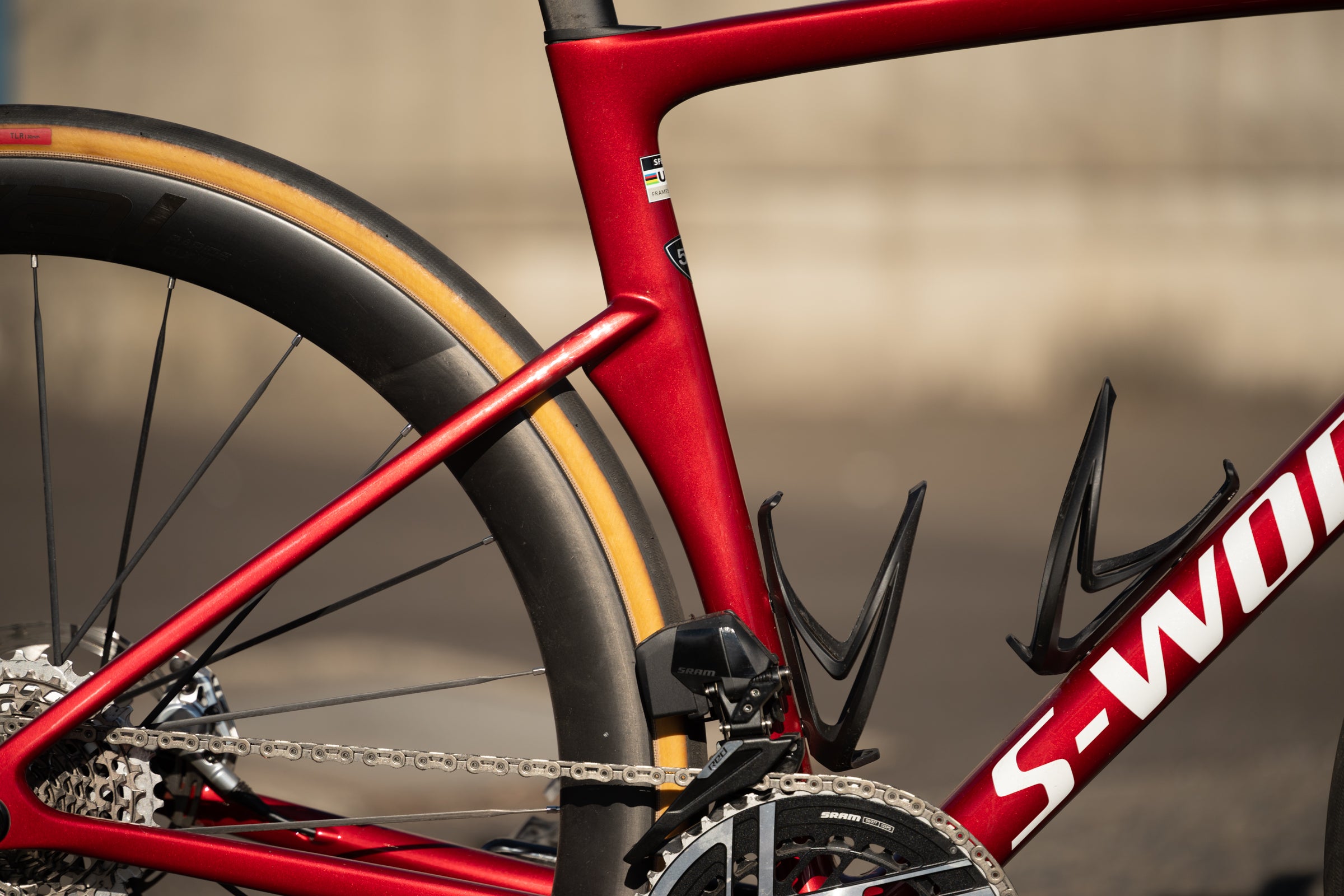
And this is where Specialized is losing. The brand is the only one in the industry that owns its own wind tunnel, yet somehow consumers look at the modern lineup and assume the innovation has stalled. Perception sells bikes, and that is a long-term problem.
ADVERTISEMENT
You might think you’d never own a Factor ONE because it’s ugly, but that bike is exceptionally expensive anyway. Just like when I talked about the Partington wheels, the ONE probably isn’t for you. It is a halo bike, and it is doing exactly what a halo bike is supposed to do. Factor will eventually launch another bike with a lower price point and a more traditional silhouette. That’s what bike companies do and when that happens, consumers will already associate Factor with aerodynamic innovation and speed. They will automatically assume the new bike is fast. That’s how brand perception works, and it’s exactly what Specialized is missing.
The crazy thing is that Specialized practically invented this trend with the Venge. The Venge went away because the brand got so good at aerodynamics and carbon manufacturing that a dedicated aero frame became unnecessary, at least in a world where the UCI limits race bike weight to 6.8kg. But in killing it, everyone missed the marketing effect.
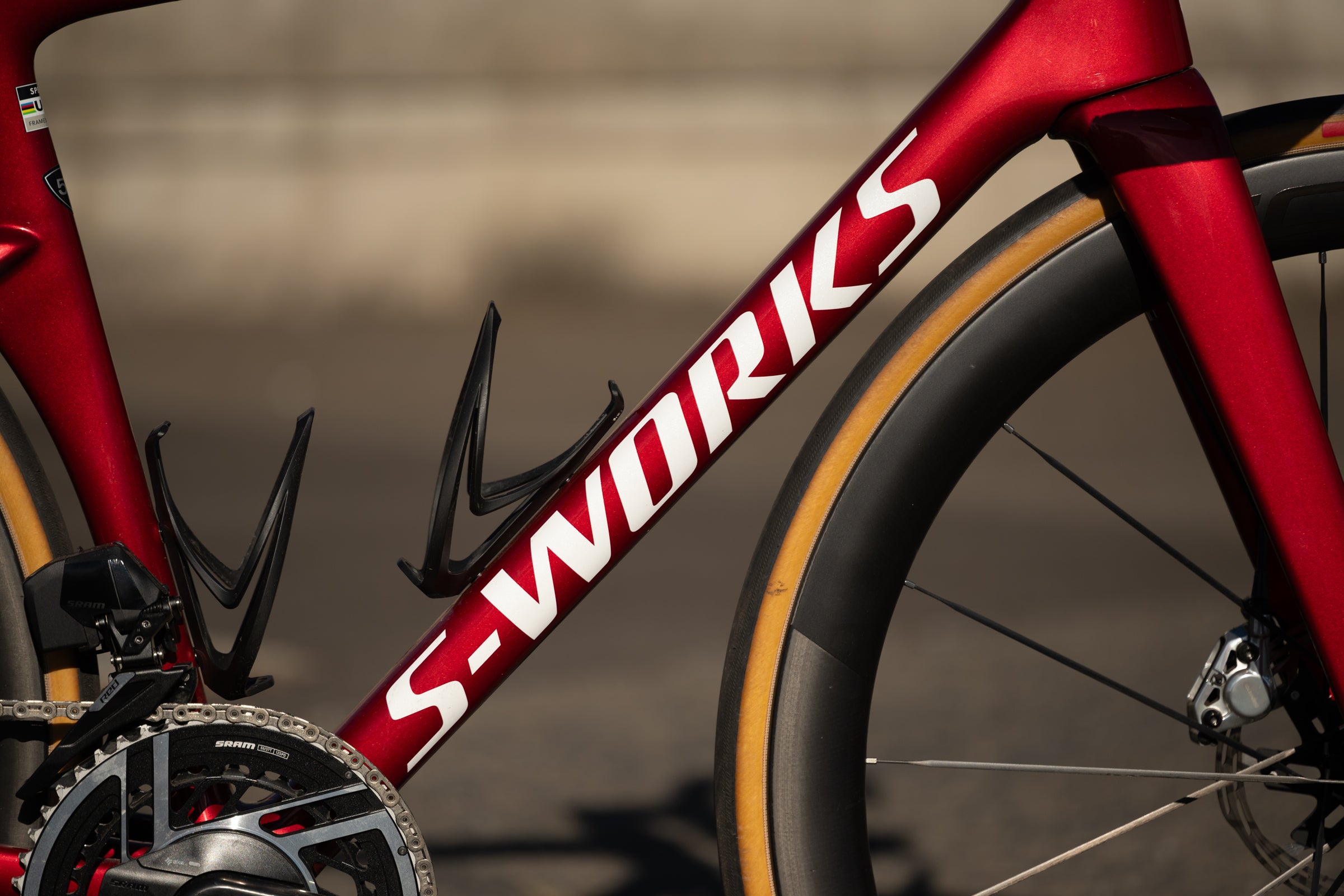
At the launch of the latest Diverge gravel bike, I talked to the product manager who was also in charge of the Tarmac. I asked why there wasn’t a new Venge, and we discussed the fact that the Tarmac is now faster than the Venge ever was. That’s why it disappeared.
ADVERTISEMENT
At the time, I was thinking that if you allowed a new Venge to be heavier, you could make it faster, but I was making the same mistake as Specialized. I was looking at performance metrics. He asked me what I would need to see to justify a new Venge, and I told him a 20-watt savings at an unnamed speed (marketing is marketing, so I was allowing for 20 watts at 50 km/h, even though that isn’t real life). His response was that they couldn’t find those 20 watts within current UCI rules, so they didn’t build it.
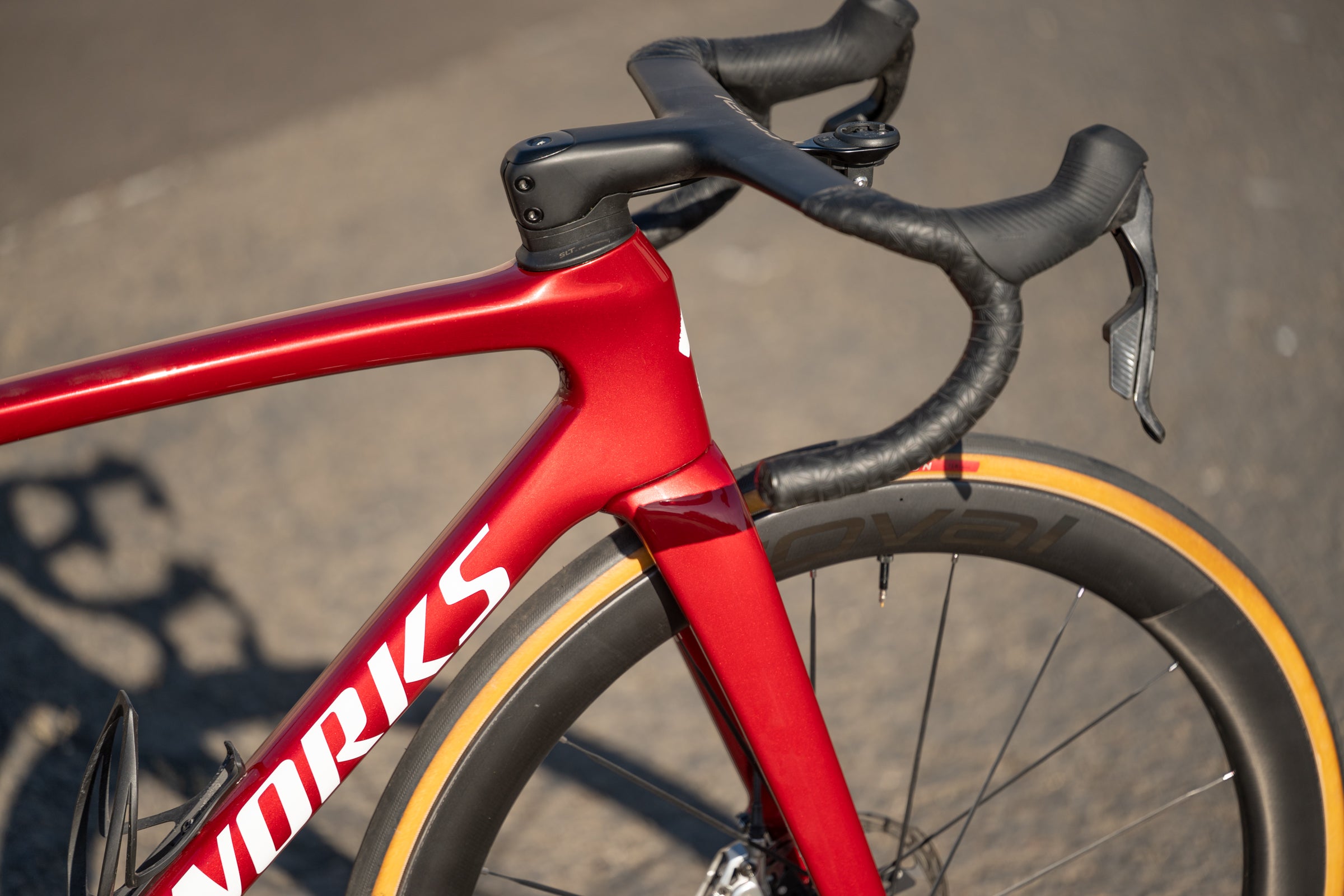
In retrospect, I was wrong to put so many guardrails on a new Venge. For one thing, ignoring UCI rules is entirely an option. The Aethos frameset is so light that most any build ends up lower than the UCI limit allows for racing, so why not make a Venge outside the pro rule book too? That’s a side point, though. The real takeaway is that if Specialized can make a new Venge even 1-watt faster than the Tarmac, the brand should absolutely build it. The Tarmac is an incredible engineering achievement, but it doesn’t look like it and people don’t see it for what it is. A Venge is needed so the marketing team has a halo bike to carry the visual weight of innovation, even if the Tarmac remains the better bike for more people and/or a better race bike.
What do you think?
I find it fascinating to look at the psychology of marketing. I consider myself an aero nerd, but I also think there’s a lot of marketing wrapped up in aero claims. The numbers are never false, but the truth you think you heard is not always the truth you actually heard.
ADVERTISEMENT
Now I want to hear from you. As I said earlier, I read every comment. Let me know if you think I’m right or off my rocker. Does Specialized need a Venge, even if it’s mostly just for marketing?