Updated October 5, 2026 04:04PM
Silca Protocol RCR 29 Review: Not Groundbreaking
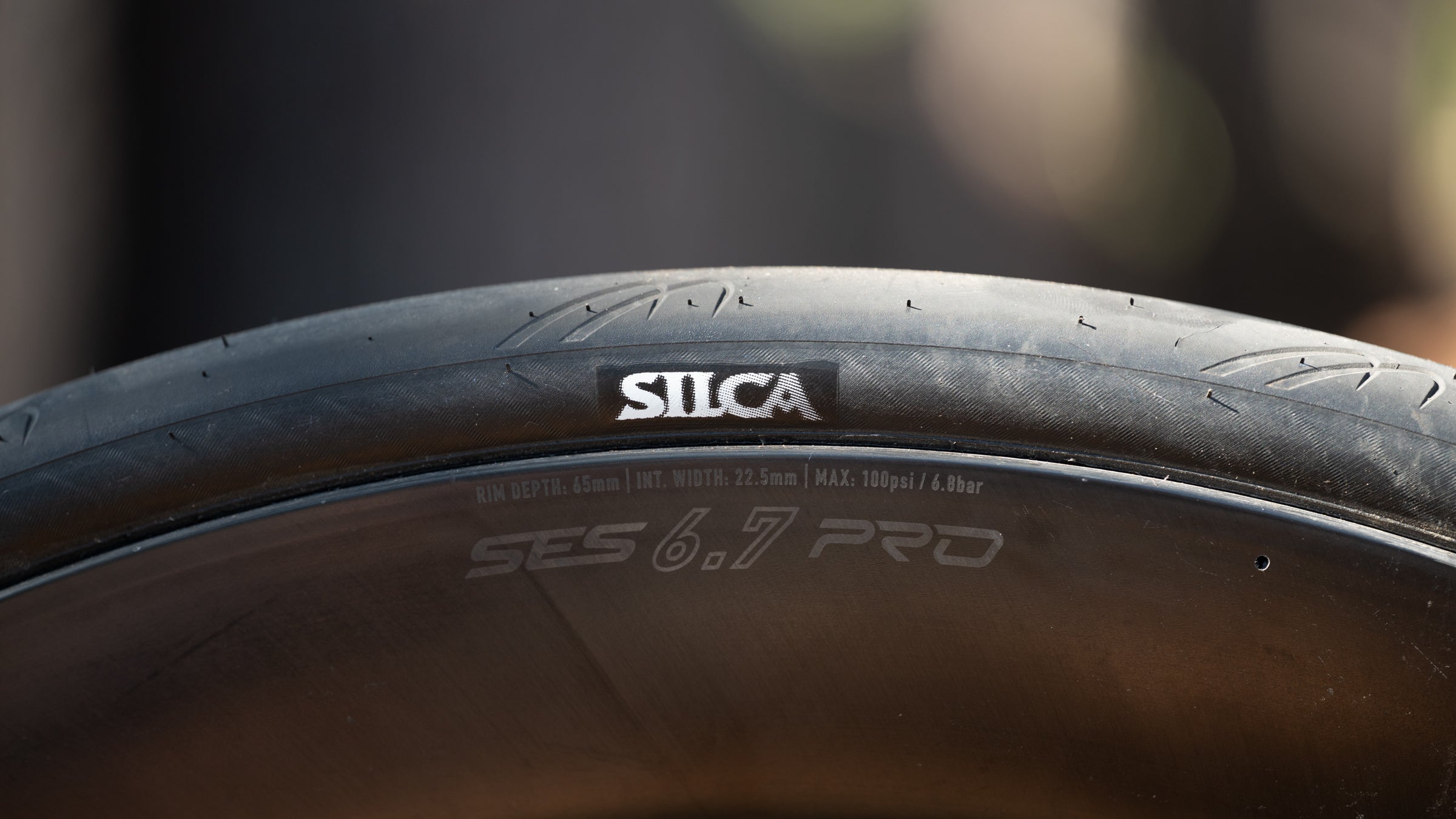
Silca built a 29mm tire with great ride feel, but that fails to stand out in any strong way. If you want to beat the competition, you have to look at a different size.
(Photo: Josh Ross/Velo)
Pros
Comfortable ride feel
Excellent dry cornering grip
High puncture resistance for a race tire
Competitive weight-to-width ratio
Aerodynamically optimized width
Excellent choice in 38mm size
Cons
Jack of all trades, master of none
Silca Protocol RCR 29 specs
| Specification | Details |
| Size | 29mm (tested) / 34mm / 38mm |
| Weight | 290g |
| Thickness at tread | 2.1mm |
| Price | $99 |
| More info | Silca website |
Silca recently launched a new series of tires. The lineup covers both road and gravel, and everything offered is focused on high volume and ride feel. Of course, they launched without much of a bang, and there definitely weren’t any major claims made… No, I am obviously kidding. This is Silca, and these tires launched to so much hype it hurt. The claim was that they were head and shoulders above the rest of the field.
ADVERTISEMENT
Then Bicycle Rolling Resistance put the RCR 29 through its testing regime, and the results were… a bit lackluster. Big claims have now been made on the other side of the fence, but not that many people have actually ridden these tires. I’ve now got a few hundred miles on them, and I think there’s more to these tires than a drum test—but I don’t love everything. Let’s look at the good and the bad when it comes to the Silca RCR 29 road tires.
What I like about the Silca Protocol RCR 29 tire
What I do on a bike—almost always a race bike—is ride it longer than anyone expects. I want a tire that soaks up rough pavement, but I’m not running 34mm tires because I also want aerodynamics in a straight line, and I’m not interested in increasing wheel width (meaning weight) to optimize for a wider tire. In other words, I want to have my cake and eat it too.
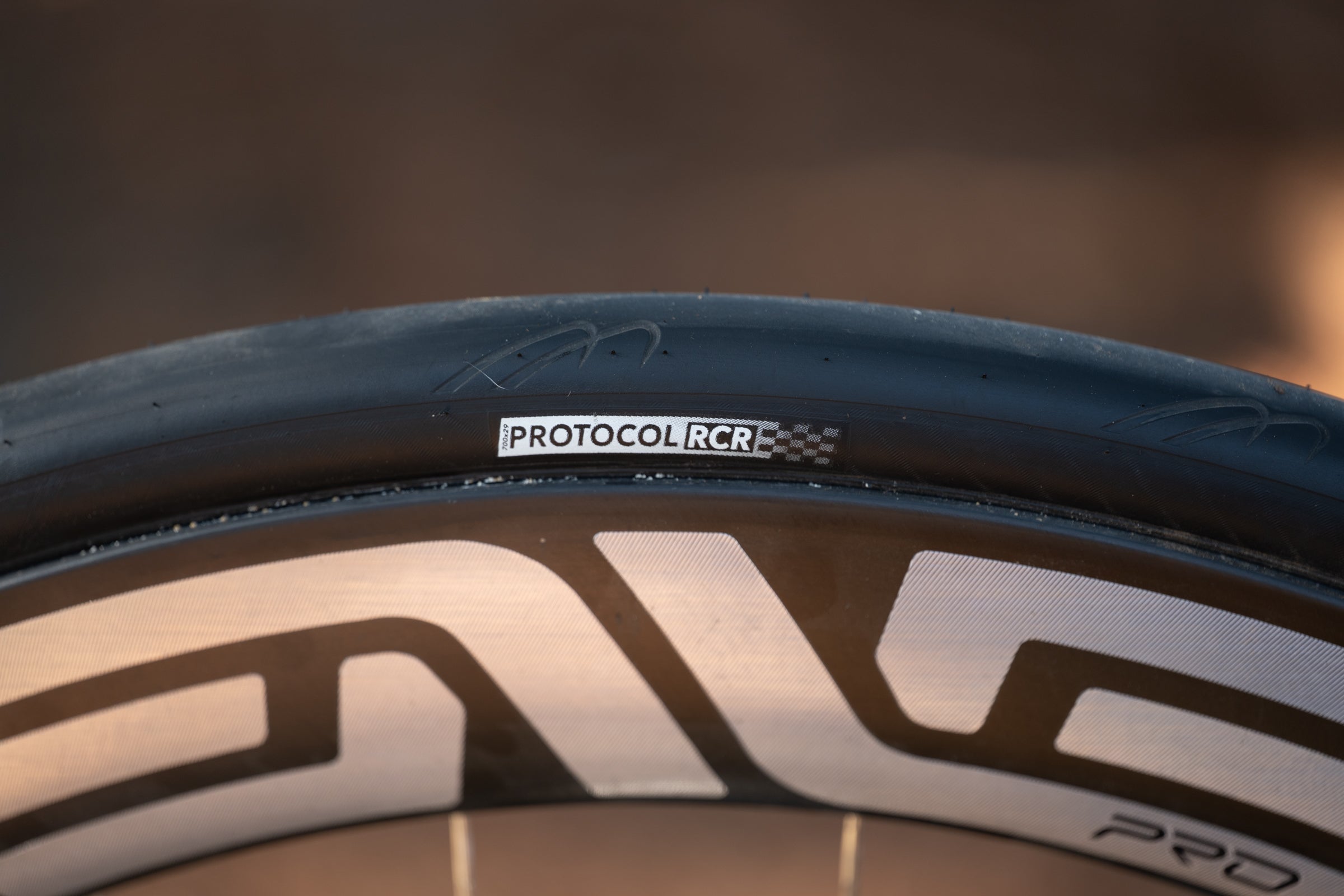
I’ve been running the Silca 29mm tires at 52 psi on a 22.5mm internal width rim, and to me, they pull this balance off. A 29mm width matches well with modern rims in terms of the Rule of 105 and aerodynamics. That 29mm also means if you are a stickler for following ETRTO recommendations, you can run a 25mm internal width rim, but that’s not something I worry about.
ADVERTISEMENT
Where I find the Silca tires really shining is cornering in the dry. Bicycle Rolling Resistance doesn’t test dry cornering because it’s universally quite high, but these tires have tested high in wet grip. Personally, I don’t care a ton about wet grip because these are on a bike that won’t see much rain, but I do think there’s nuance in dry pavement cornering grip, and these land in my “good bucket.”
Lean the bike, stand on the outside pedal, and you can feel the bite. Over and over, I surprised myself by cutting tight switchbacks a little tighter than I normally would, while still feeling confident and in control. A big part of this feeling goes back to a tire that does a great job soaking up bumps. Even on a stiff race bike, I don’t find the front wheel coming off the line over small cracks.
ADVERTISEMENT
That means the real advantage again goes back to that ride feel, but sometimes that is accompanied by the puncture protection of an overinflated water balloon. That’s not the case here. Even before the BRR testing, I had a guess that it was decent based on the 2.1mm tread thickness. That matches the GP5000 thickness, and while thickness isn’t an exact 1:1 for puncture protection, it’s a decent way of setting expectations. BRR confirmed exactly what I expected, although it is a bit lower than the P Zero Race RS (which is also thicker). My own experience here is that all of the popular race tires are pretty close in puncture protection, and it’s good enough. Silca falls in line.
What I don’t like about the Silca Protocol RCR 29 tire
Basically, the Silca tire falls into the “good enough” bucket. I told you it has good ride feel, cornering grip, and puncture protection, and that should be enough, right? It is enough, but why are you choosing the Silca tire?
The Continental GP5000, Schwalbe Pro One, Pirelli P Zero Race RS, Goodyear Eagle F1 R Z29 Aero, and Vittoria Corsa Pro are all good tires with slight advantages and disadvantages. Maybe one leans a little this way and another a little that way, but it’s incredibly close. I doubt I can convince dedicated Vittoria fans to switch to the Zipp/Goodyear tire, and equally, for what reason would you switch from your favorite tire to the Silca? What is the unique selling proposition for Silca?
ADVERTISEMENT
Given that Silca is all about marginal gains, I really wanted to see these come out as an aero-optimized tire. I’ve talked to Josh Poertner about aero tires plenty this year, and I know he believes in them, but the RCR is not an aero tire. When I asked for clarification, the answer was that, at this point, he doesn’t have a way to add aero gains without losing rolling resistance.
It’s a fair answer and it makes a lot of sense, but it would also make you think the Silca tires excel at rolling resistance. Now that Bicycle Rolling Resistance has tested that they are mid-pack, that’s a tough argument to make, too. Silca claims that the RCR is faster than the Vittoria Corsa Pro Control, and BRR confirmed that it’s 3.6 watts faster at 72 psi. That’s a win, but the same testing shows the GP5000 as 1.8 watts faster than the RCR.
ADVERTISEMENT
I won’t argue that 1.8 watts is worth choosing the GP5000, but is anyone going to argue that the GP5000 is a tire that lacks cornering grip or that the ride feel isn’t good? I might even say the Silca tire has better ride feel, but it’s about as subtle as 1.8 watts. It’s worth noting that Silca also has better puncture protection, but I’m still not convinced any of this is quite enough to get people jumping brands.
The main negative I see here is the lack of a compelling reason for people to switch brands. The Silca RCR 29 is another good tire, but it’s not doing anything special. I, for one, can’t wait for Poertner to crack the aero nut without harming puncture protection or rolling resistance.
Livability
This could be the place where the Silca RCR tires gain some converts. The product description has a section that covers “Carbon BeadLock technology,” which is a technology Silca is using to swap the normal Kevlar bead “with non-stretching carbon fiber to eliminate moisture absorption, stretch, and tire wobble for a precise rim fit over the entire lifespan of the tire.”
ADVERTISEMENT
Sounds cool, but I can’t test it and have no way of determining if it’s necessary. It is true that Kevlar beads can stretch, and theoretically that’s a bad thing, but is it currently causing issues? It doesn’t seem to be, but if you think it is, Silca has a solution. All I can say is that I was rather impressed that I was able to get the tires onto a set of ENVE 6.7 Pro wheels without much struggle, while also not feeling like they were overly loose. The bead set on the first try and didn’t come down off the bead shelf when I let the air out to add sealant.
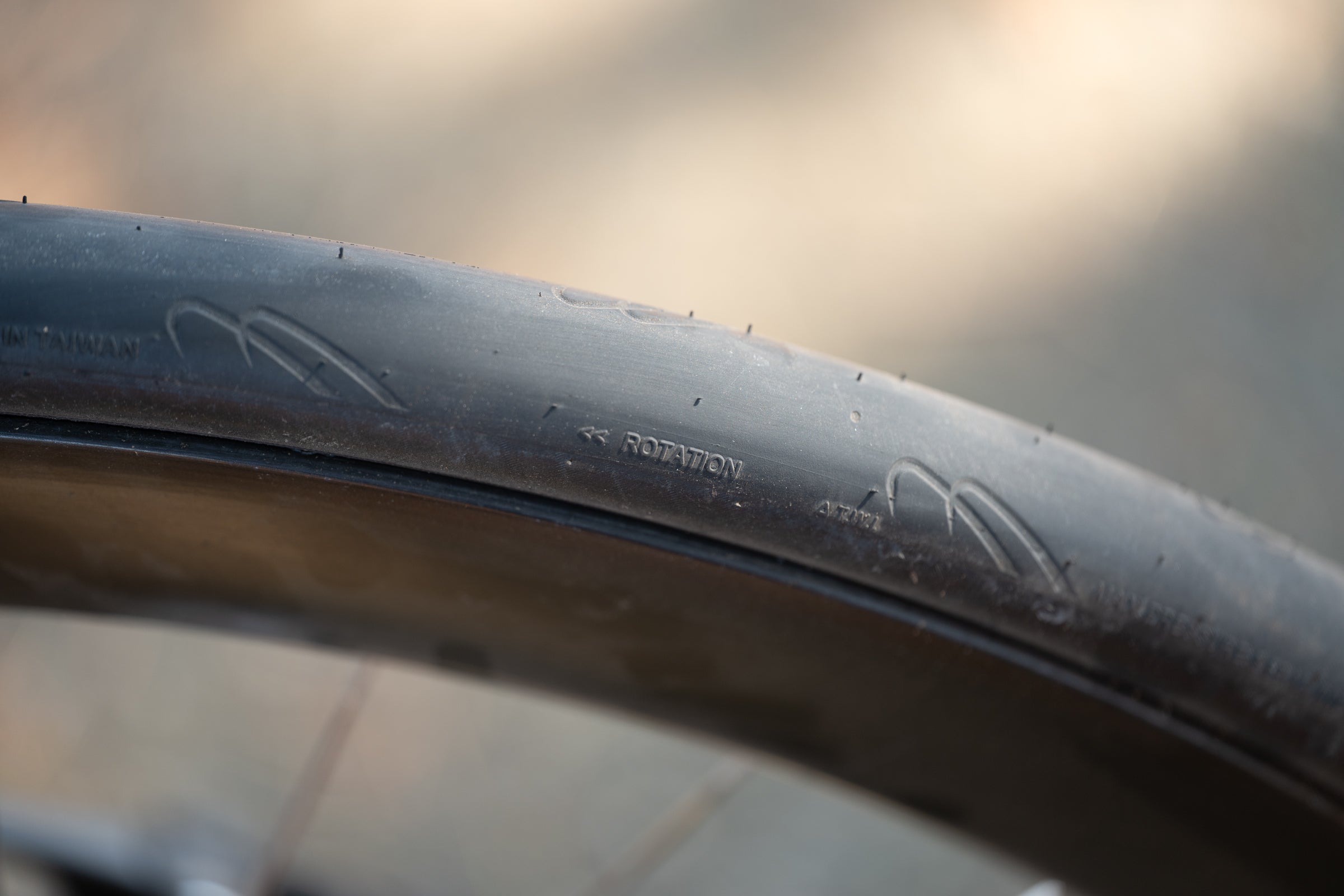
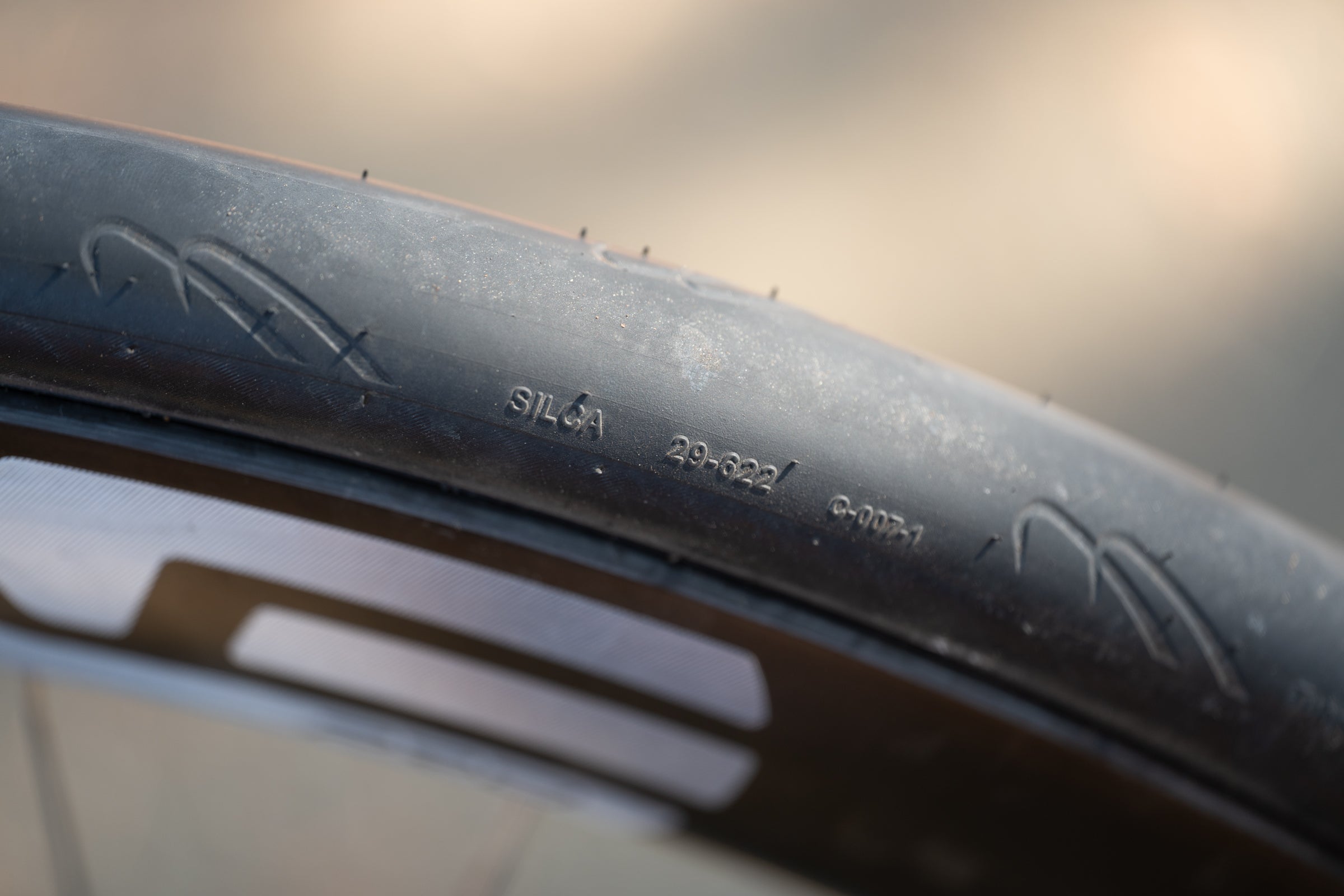
The other thing I can tell you is that I am incredibly grateful that you can find the tire size and direction with ease! For some companies, the game seems to be to hide these details, and I have no idea why. Silca prints the info on the sidewall in raised lettering, and you’ll find it quickly.
I could also add puncture protection here, but I’ve mostly covered it. In the realm of race tires, it’s better than some and worse than others. I haven’t experienced any cuts or sprayed sealant since mounting these.
ADVERTISEMENT
Who is the Silca RCR 29 road tire for?
This is a race tire. If you are looking for something that’s bombproof, then look elsewhere. I would also say you are going to be someone who wants to optimize for marginal gains, but you’ll have to accept that rolling resistance is slightly lower on other tires. Cornering grip is excellent and puncture protection is high, but the Pirelli P Zero Race RS is right there in both categories.
ADVERTISEMENT
Ultimately, this tire is probably not for anyone who’s looking for a 28mm or 29mm option. It’s probably not even the best in a 34mm. This is a tire for the person who really wants massive volume while still riding a fast race tire. Look at the 38mm size, and the whole conversation changes. In that width, there’s no GP5000 and no P Zero Race RS. There is a Schwalbe Pro One (which does test incredibly fast, though BRR had to file it in their gravel category) and a Vittoria Corsa Pro Control, but based on the testing data we have, the Silca is the faster tire.