Published September 17, 2026 01:00AM
Shimano’s New SPD-SLR Pedal System Breaks Backward Compatibility After 23 Years
A lower stack height, lighter cleats, and updated shoe lasts highlight Shimano’s departure from its long-running road standard.
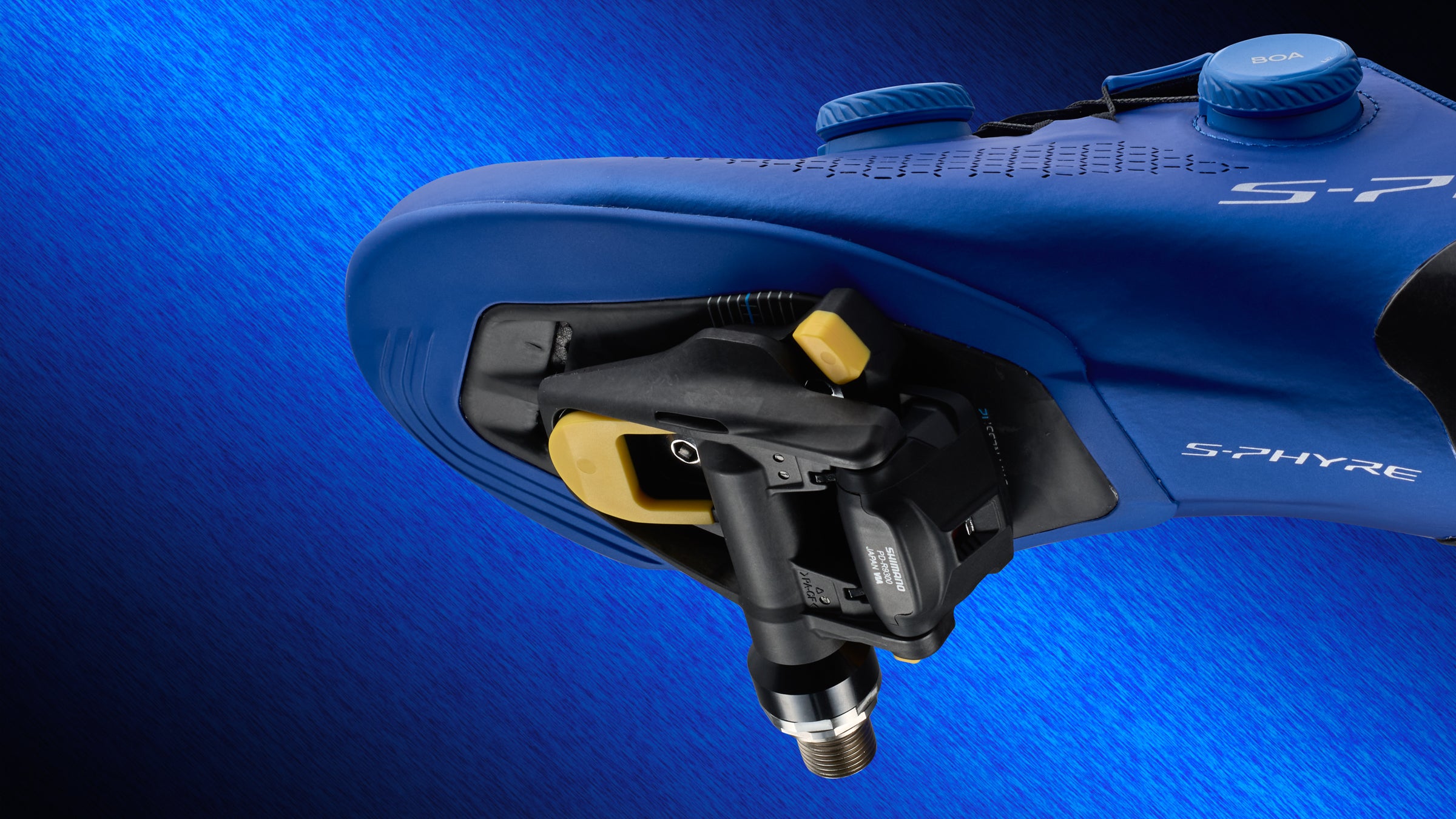
Today, Shimano is launching a whole new pedal system. After 23 years without a fundamental update to the current SPD-SL platform, the brand has a new standard. As of now, the new ecosystem is SPD-SLR, and it is not backward compatible.
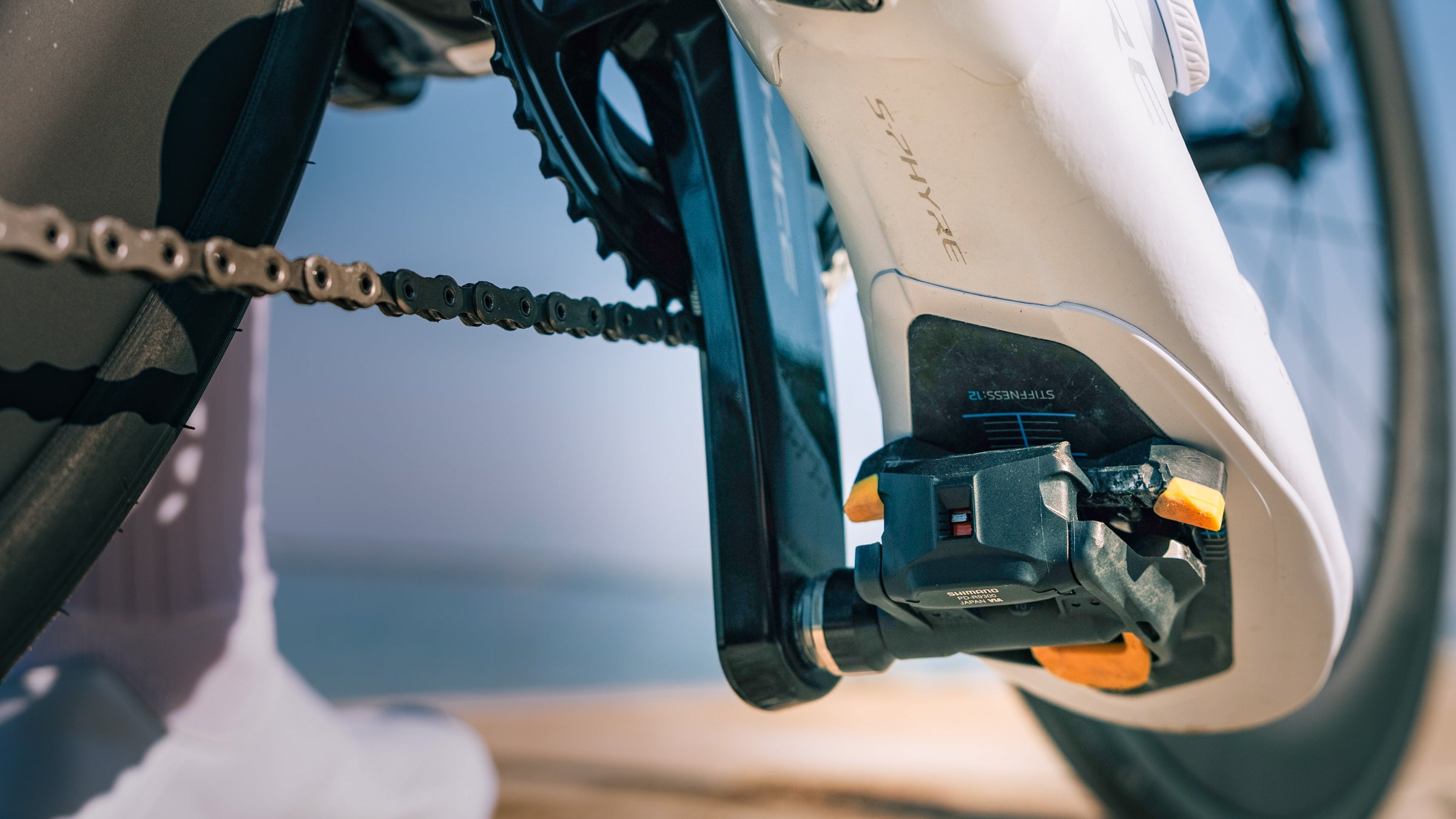
SPD-SLR cleat and pedal system
If someone handed you the new SPD-SLR cleat, you might not notice the difference right away. But what it comes down to is that the new integrated system is lighter, has a significantly lower stack height, and it’s easier to clip into. Meeting those goals required re-engineering three pieces. The first two we’ll look at are the pedals and cleats.
This launch covers options for both Dura-Ace (PD-R9300) and Ultegra-level (PD-R8200) pedals, and they are both easier to get into according to Shimano. To do that, the first change was that at the front of the pedals there’s now a wider catch zone, meaning it requires a less precise toe kick to put your foot in the right place. You can also keep your foot flatter, with a less pointed toe, as the engagement angle has moved from the previous 15.5 degrees down to a narrower 10.5 degrees.
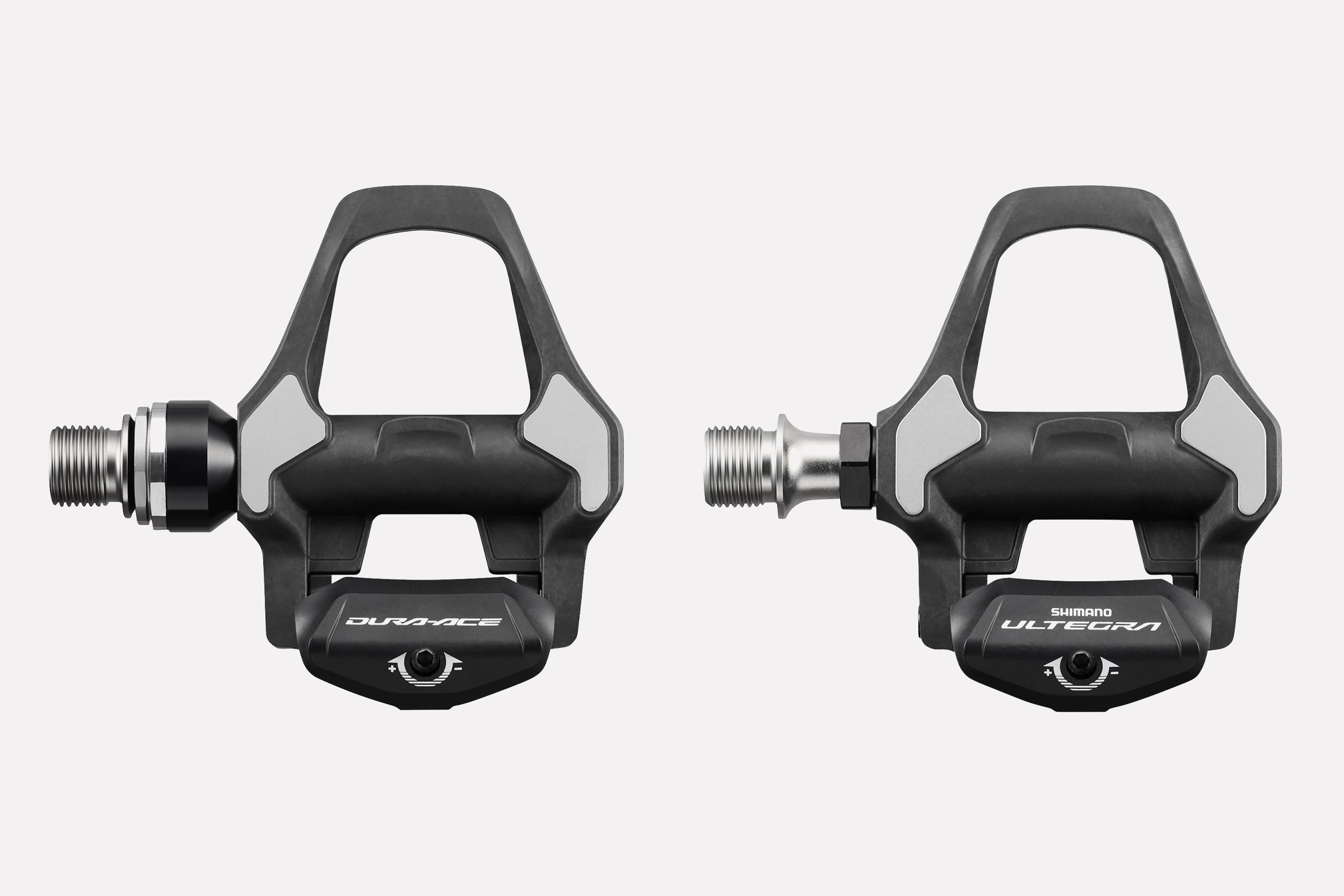
Both pedals are also built with an update to the integrated stainless steel contact plate that Shimano claims improves engagement and increases interface stiffness. Visually, you might notice some differences in the metal layout, but the real structural changes happen internally. Instead of cutting weight in the pedals—Shimano’s press materials make no mention of the pedals themselves getting lighter—the focus was on power transfer. On the flagship Dura-Ace PD-R9300, the axle design utilizes wide bearings to distribute the load more evenly, resulting in an 11% increase in stiffness.
ADVERTISEMENT
Shimano also claims what doesn’t see a reduction is the bearing quality. Inside that Dura-Ace PD-R9300, a heat-treated axle and refined bearing surfaces are claimed to reduce rotational resistance by 53%. While the pedals might not boast weight savings, the cleats themselves drop up to 22% of their mass compared to their outgoing SPD-SL equivalents (dropping from 71g to 55g on the blue cleats). Shimano also added high-contrast alignment markings to make reproducing your specific fit easier.
The real push here, though, is the reduced stack height. When paired with the redesigned cleats, the new interface reduces the overall stack height by 2.3 mm. A reduced stack height is always a welcome addition, as the idea is that bringing your foot closer to the pedal axle increases stability and aids power transfer. Updated stack height moves from 14.6mm to 12.3mm and the new system is, as already mentioned, not compatible with previous SPD-SL pedals or cleats.
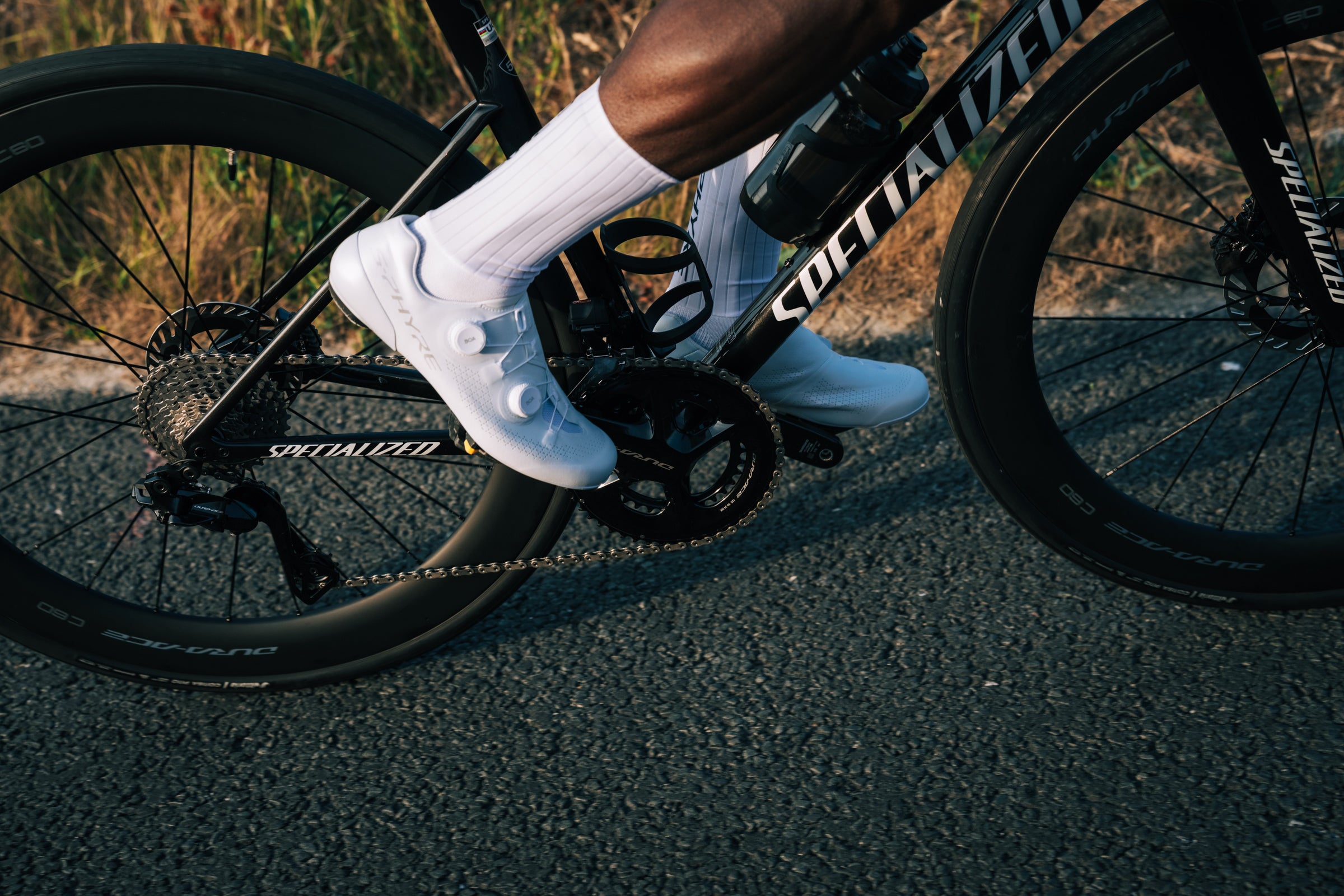
New S-Phyre and RC810 shoes
Part of this new system is an update to the Dura-Ace and Ultegra-level shoes (RC910 and RC810). These bring a stack height reduction of 0.5mm on their own, meaning when combined with the pedal and cleat updates, the total system stack height drops by 2.8mm. Beyond that, though, the biggest news is an update to the last, referred to as Dynalast 2.0.
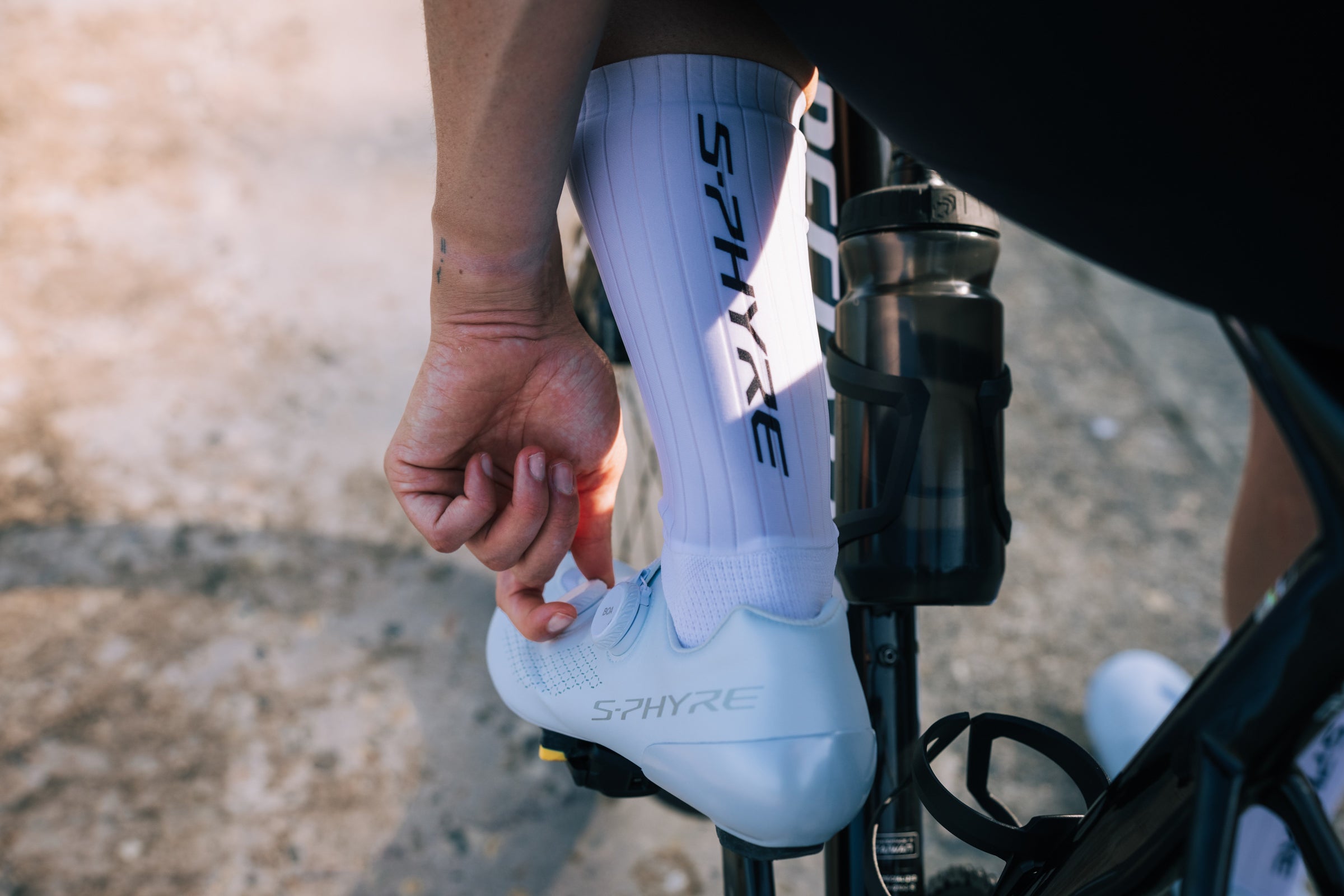
The change means Shimano is moving away from a one-size-fits-all approach by offering three widths: Narrow, Standard, and Wide. Across the board, the primary adjustment is a much roomier toe box. Shimano designed it to allow your toes to splay out naturally while pushing with an eye on alleviating pressure without losing the secure hold at your midfoot and heel.
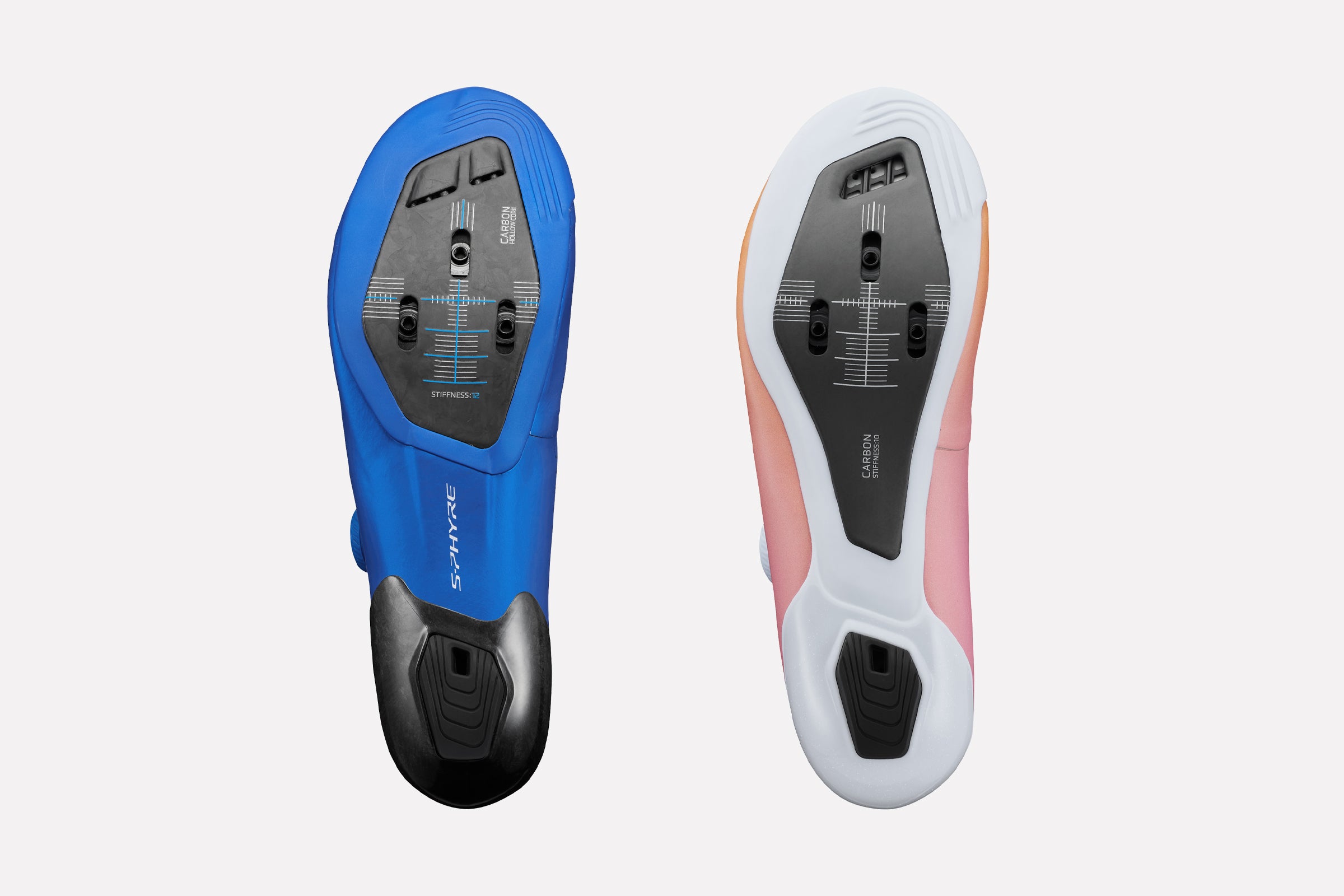
If you stick with the Standard fit, you get roughly 4% more toe volume in a size 43, equating to an extra 3 mm at the front and 2 mm at the ball of the foot compared to older models. The Wide option is now significantly broader, adding 6 mm to the toe box over Shimano’s previous wide last. Finally, the new narrow option is built for riders who want a tighter performance feel or who previously relied on Shimano’s women’s-specific sizing.
ADVERTISEMENT
If you previously had to size up and buy a longer shoe just to get enough width across the forefoot, this new last should allow you to drop back down to your actual foot length.
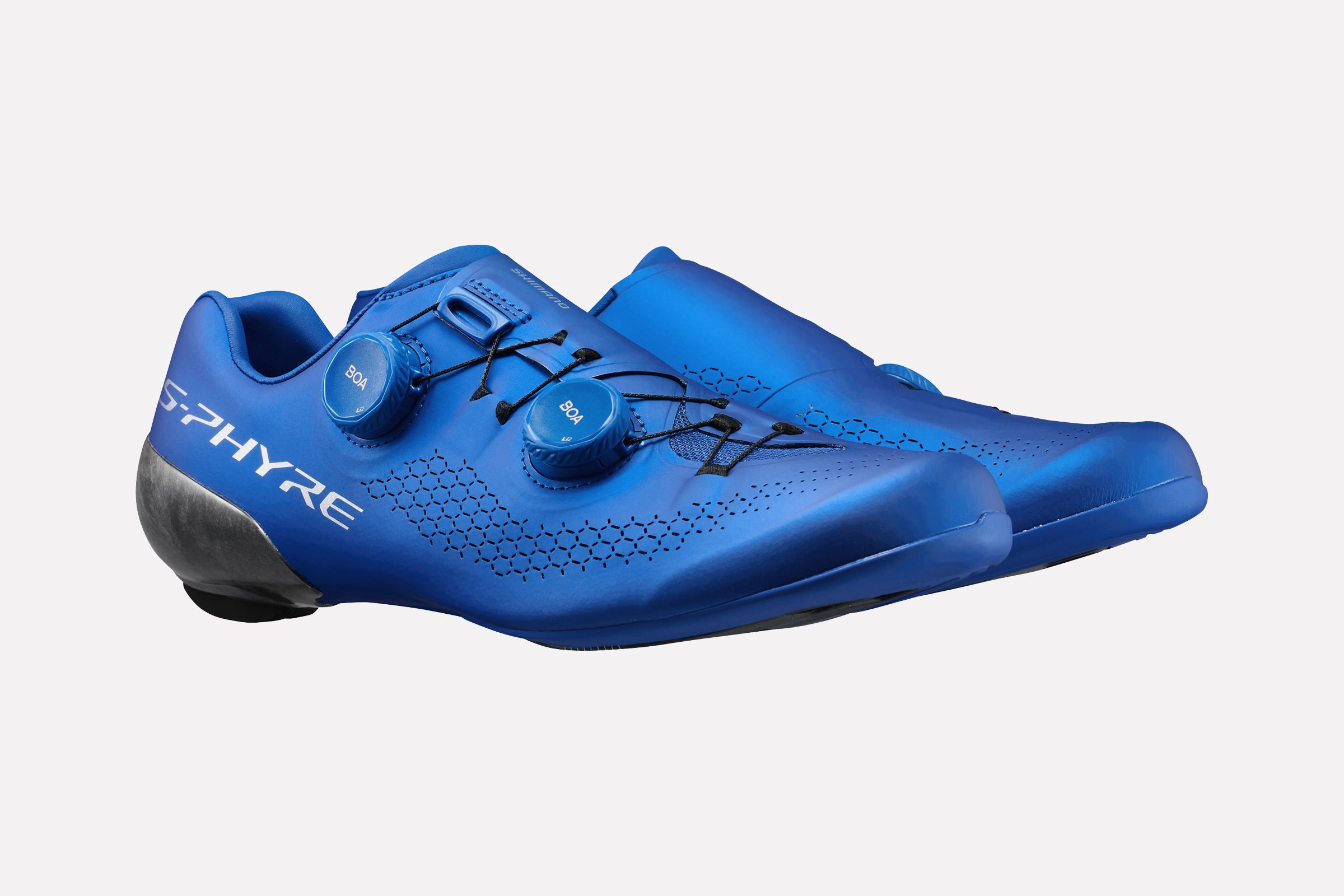
The other major change here is an expanded cleat adjustment. Part of what makes the new cleats lighter is that they have less adjustment and are physically smaller around the cleat attachment point. To make it all continue to work for users, the adjustment moved to the shoe. Other details such as the heel cup to prevent twisting and the wrap around design are unchanged. There are some slight differences in the shape of the vents and the traction points front and rear but if you liked the old shoe, this one is almost exactly the same.
Pricing, availability, and compatibility
The pedals, shoes, and cleats are all available today from both the Shimano website and authorized Shimano dealers.
| Product | Price | Compatibility | Details |
| S-PHYRE RC910 Shoes | $525 | N/A | 502g (pair in size 44) |
| RC810 Shoes | $400 | N/A | 574g (pair in size 44) |
| DURA-ACE PD-R9300 Pedals | $300 | SPD-SLR cleats only | N/A |
| ULTEGRA PD-R8200 Pedals | $200 | SPD-SLR cleats only | N/A |
| 105 PD-R7000 Pedals | $175 | SPD-SL cleats only | N/A |
| PD-R550 Pedals | $120 | SPD-SL cleats only | N/A |
| PD-RS500 Pedals | $80 | SPD-SL cleats only | N/A |
| CL-SL100 Cleat (Red) | $34 | SPD-SLR pedals only | Fixed-position cleat with zero float |
| CL-SL110 Cleat (Yellow) | $34 | SPD-SLR pedals only | Three degrees of rotational float |
| CL-SL120 Cleat (Blue) | $34 | SPD-SLR pedals only | One degree of float |
| CL-SL130 Cleat (Gray) | $34 | SPD-SLR pedals only | Transition cleat for non-Shimano shoes |