Updated September 2, 2026 11:37AM
Opinion: You Can Take My Front Derailleur When I am Dead
Are 1x groupsets the really the future? Over my dead body. Here's why 2x should never die in the performance road market.
(Photo: Logan Jones-Wilkins/Velo)
Table of Contents
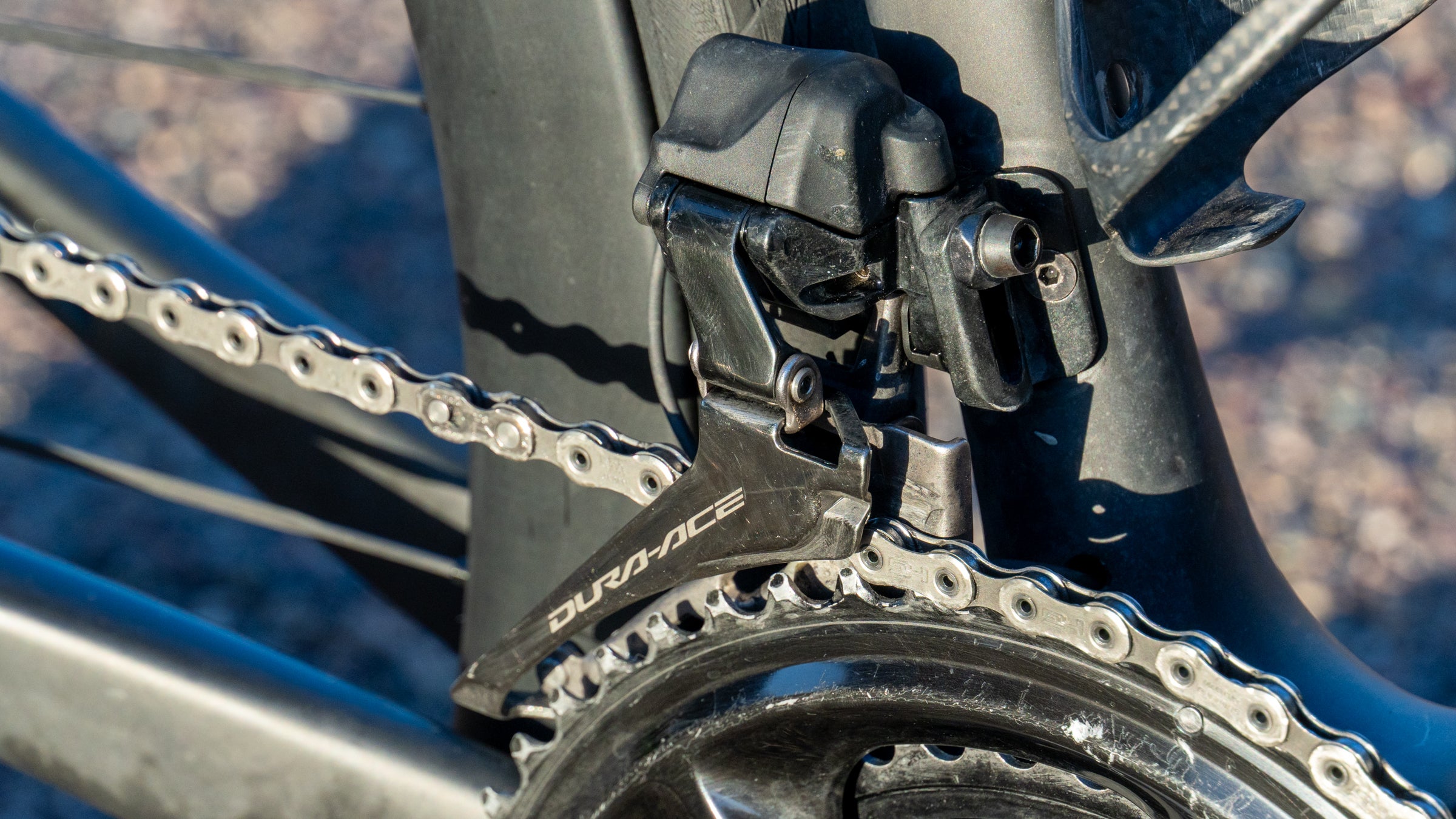
We are not a monolith at Velo. The bike intelligentsia, as one commenter called us, has layers. Last week, my colleague Josh Ross penned a sweeping op-ed that 1x groupsets will soon take over the road market. Respectfully, he is dead wrong, and he can pry my front derailleur from my cold, dead hands.
Despite what Josh says, there are several clear and obvious reasons why 2x should never die in the performance road market. While they have gone by the wayside on gravel and mountain biking, the demands of road racing and riding have always been—and will always be—different.
While Josh detailed many points supporting 1x technology, there are a few key areas he breezed over that I find crucial counterpoints in his argument. Centrally, I am going to cut to the chase, illustrate what Josh has gotten wrong, and tell all these punk kids with the SRAM XPLR mechs on road bikes to go kick rocks.
While the range is close, the top-end gear range of 2x matters
8
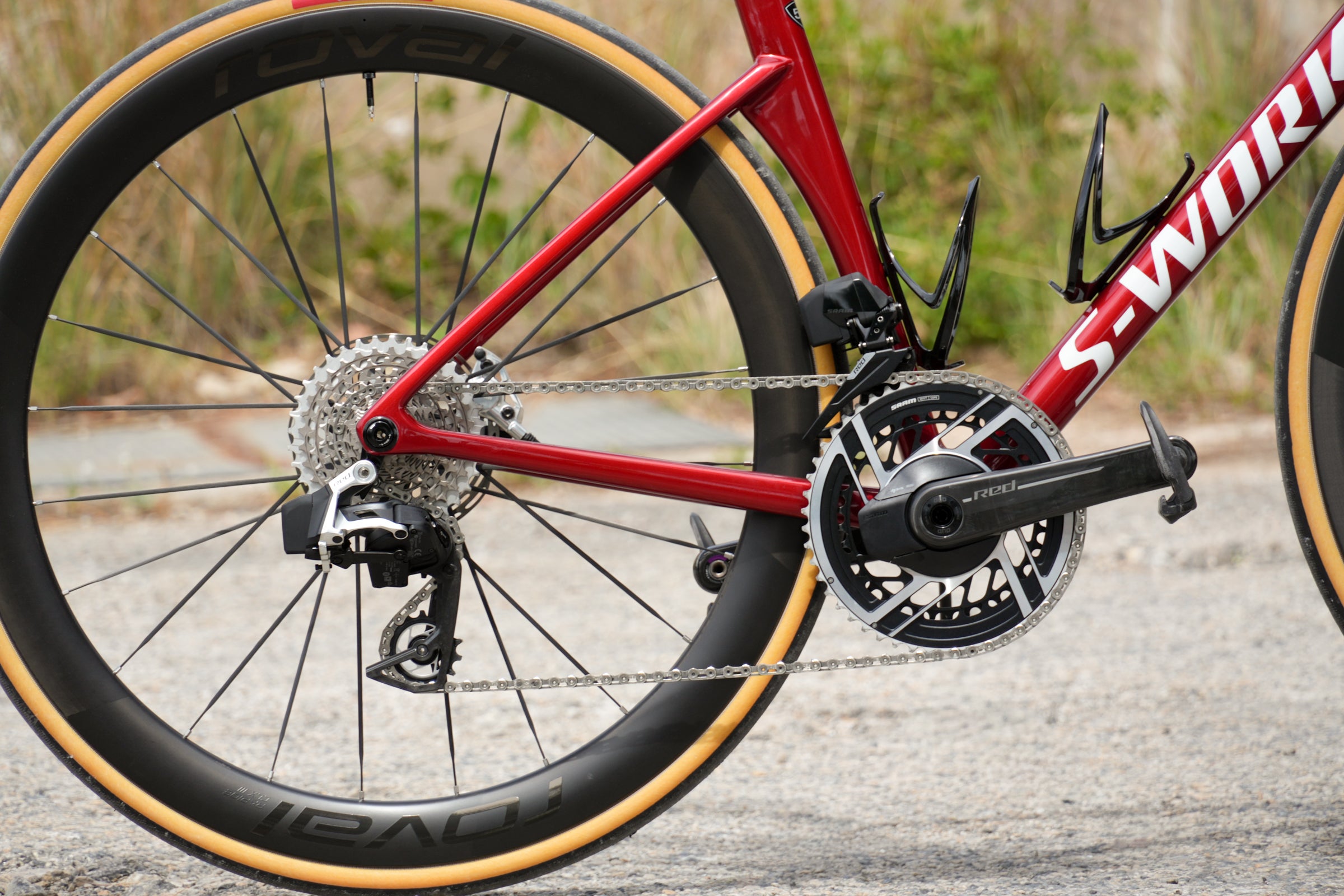
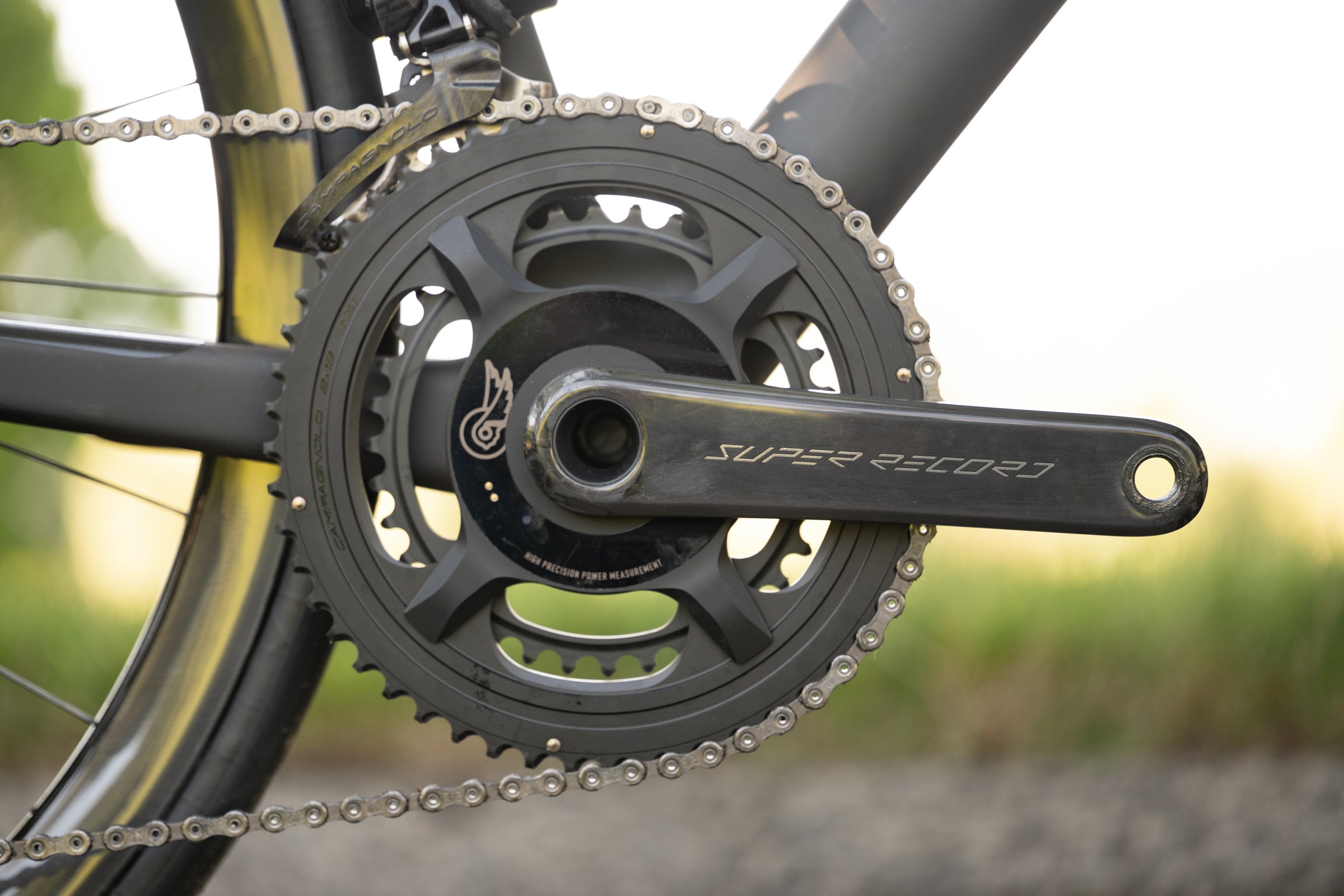
What I am not going to do with this argument is start with a myth that far too many defenders of 2x groupsets use as their central argument. Currently, SRAM XPLR has virtually the same range as Shimano’s 2x offerings. SRAM XPLR has a total gear range of 460% while Shimano ranges from 438-455% depending on the front chainring combination. To get a significantly bigger range than the XPLR is Campagnolo 2×13 Super Record that has a range of 473%.
Nevertheless, looking at the overall gear range as a percentage versus percentage comparison isn’t a great representation of the effective range of the two groupsets. SRAM XPLR achieves much of its range through two big jumps at the top end of the cassette.
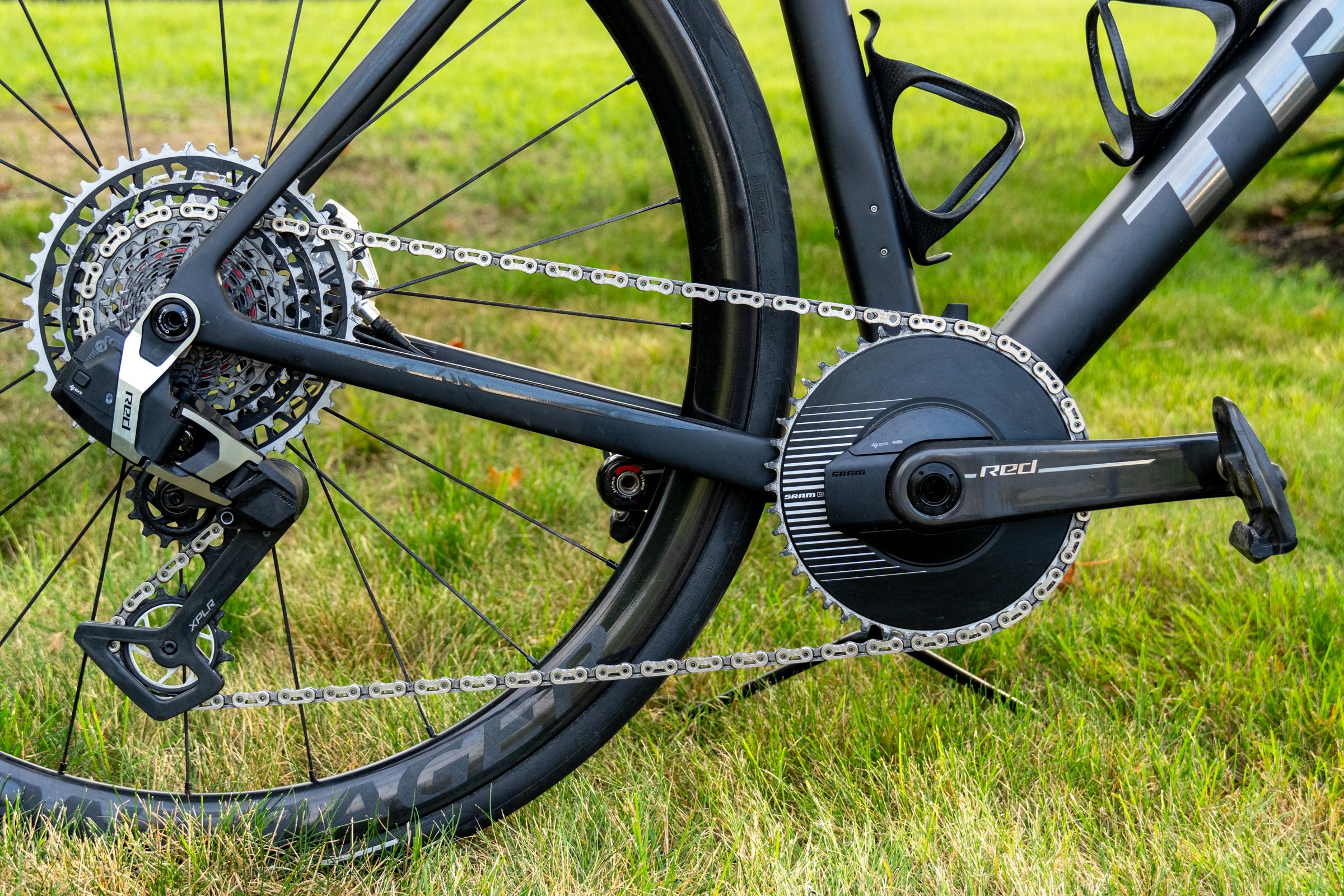
- Easiest four sprockets on SRAM XPLR (with a 46t chain ring):
- 28T: 1.64
- 32T: 1.44
- 38T: 1.21
- 46T: 1.00
- Easiest four sprockets on Shimano Dura-Ace (with a 36t small chain ring):
- 25T: 1.44
- 27T: 1.33
- 30T: 1.20
- 34T: 1.06
Between the two groupsets, Shimano provides an additional gear at the top end of the cassette to provide more specificity in gear selection on climbs, the key moments when power is highest, and gear selection is the most important. The extra flexibility at the top end of the cassette has always allowed me to take a risk pushing for a bigger chainring for 2x groupsets rather than the 1x alternative.
ADVERTISEMENT
These are not concerns that every rider will have. For a recreational cyclist, a 1x groupset could be more than enough. If you can live with a smaller chainring and don’t need a selection of gears to dial in your cadence correctly at racing power, the simplicity might be preferred. Yet from a performance standpoint, all of those little performance benefits add up from a perspective of overall speed.
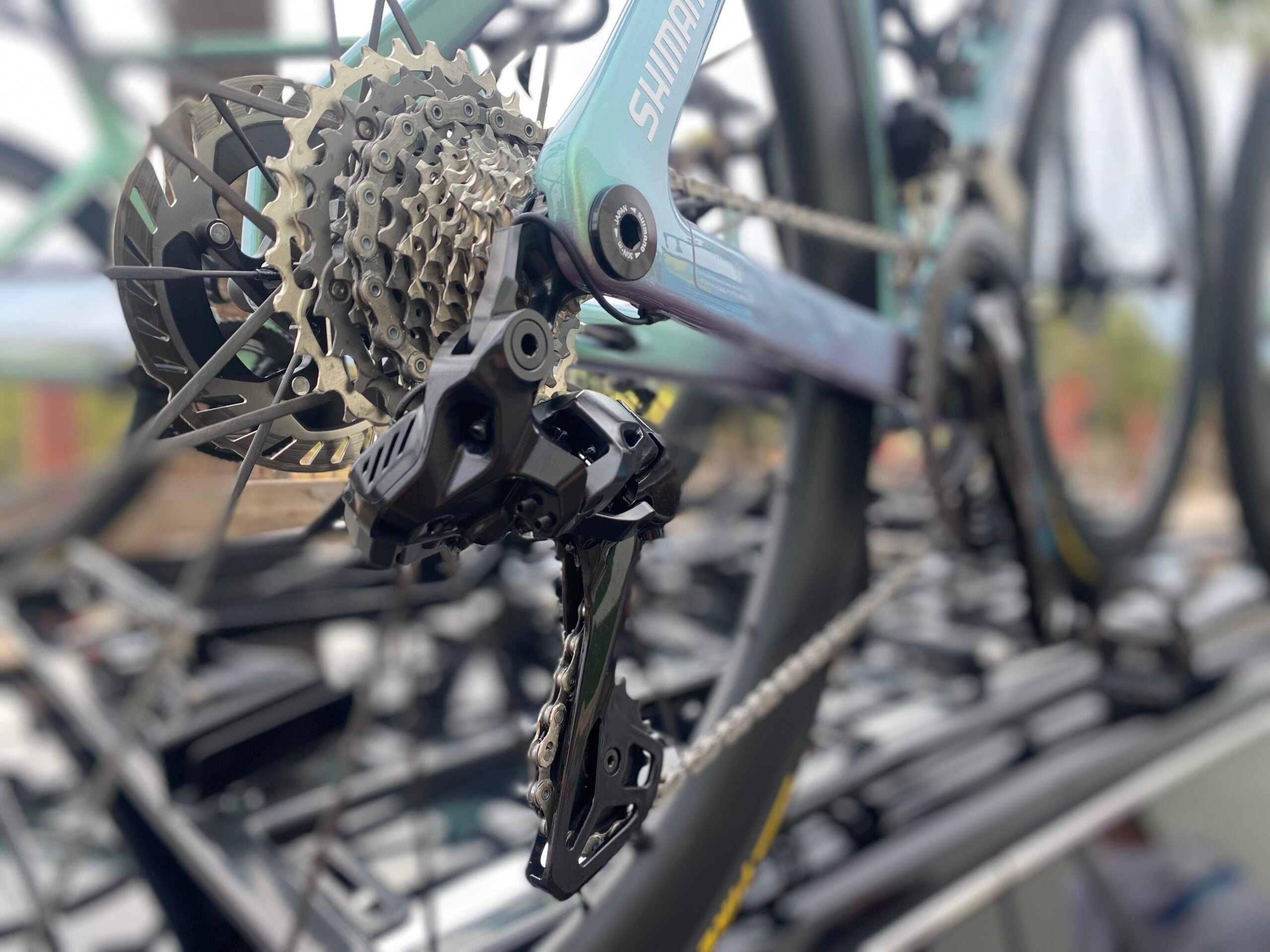
Furthermore, last week’s spy shots of the new Dura-Ace suggest that Shimano will only increase the difference back in favor of 2x groupsets. Here is a hypothetical Dura-Ace selection and total gear range versus the current SRAM 13s 1x selection and range:
- Hypothetical Shimano 13-speed: 10, 11, 12, 13, 14, 15, 17, 19, 21, 24, 28, 32, 36 — with a 520% gear range.
- Current SRAM XPLR: 10, 11, 12, 13, 15, 17, 19, 21, 24, 28, 32, 38, 46 – with a 460% gear range.
Even a 10-34t 13-speed cassette will have a 491% gear range. That bigger overall range, paired with the extra gears in the top end, makes for a groupset that can better handle bigger chainrings and is more effective at climbing at power.
Tight clusters matter so much more on tarmac
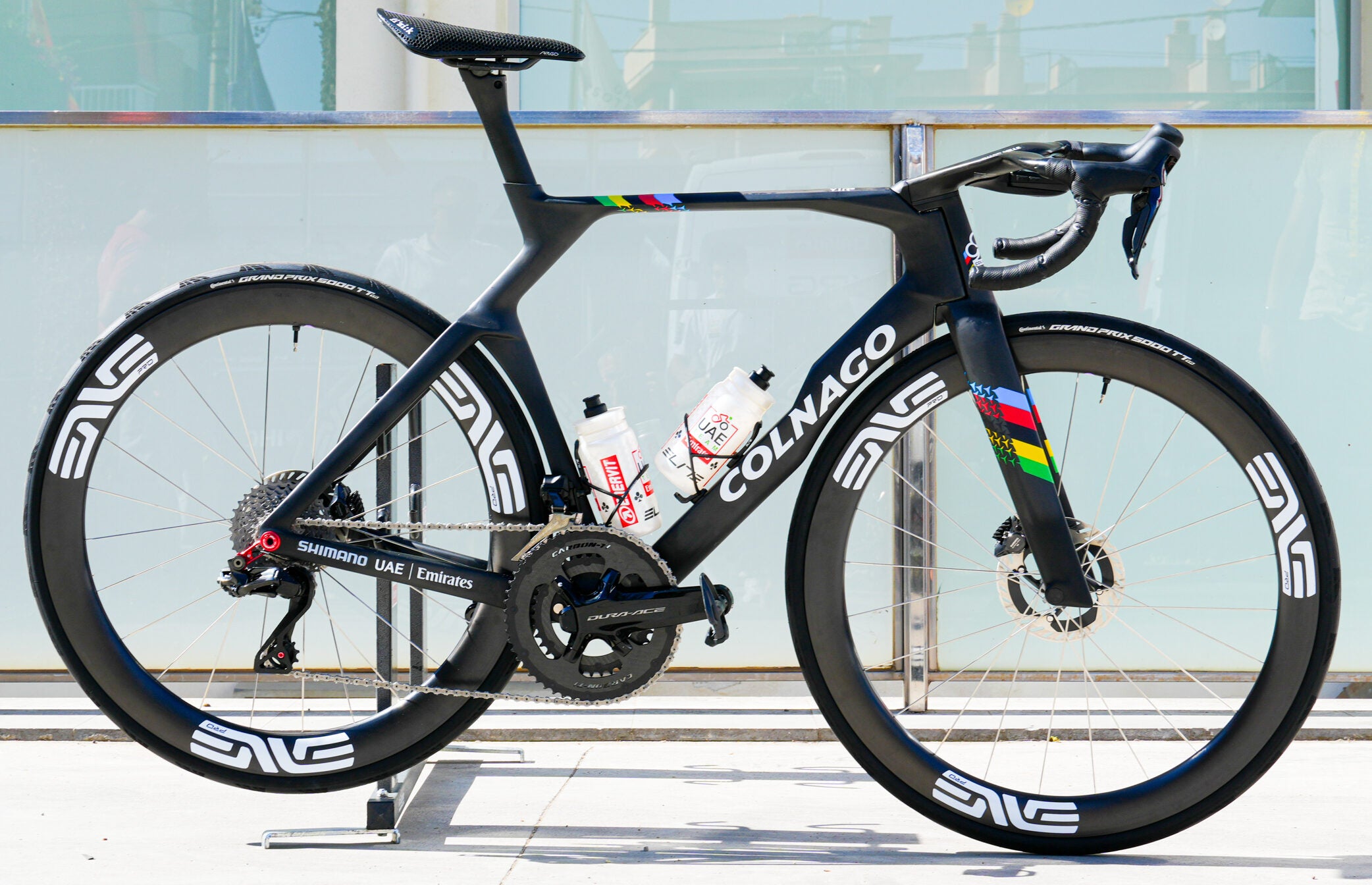
On a similar note, the sprocket spacing of the rest of the cassette also matters. Let’s break it down. Here are the gear steps of the two main groupset combinations we’re discussing here:
- Shimano Dura-Ace: 11, 12, 13, 14, 15, 17, 19, 21, 24, 27, 30, 34.
- SRAM XPLR: 10, 11, 12, 13, 15, 17, 19, 21, 24, 28, 32, 38, 46.
For off-road use cases, I think the narratives around gear jumps are overblown. When riding gravel, gradients change fast. The inconsistency around gradients is only compounded by the constant changes to the surface. That combination of elements means that some of the nit-picks I raised in the previous section around the importance of tight spacing for climbing are less pronounced on gravel, where, if anything, larger jumps are more effective at responding to the bigger shifts in gradients.
ADVERTISEMENT
In gravel, you can also shift the priority of the gearing towards climbing gradients and cadence. Most of the time, there isn’t much of a need to pedal downhill even at 3-4% grades on gravel. The increased technicality means it’s just not practical to push a bigger gear at higher speeds off-road. That shift in emphasis towards climbing and to relatively smaller chainrings on gravel will also keep the chain towards the middle of the cassette where there are smaller jumps between the sprockets.
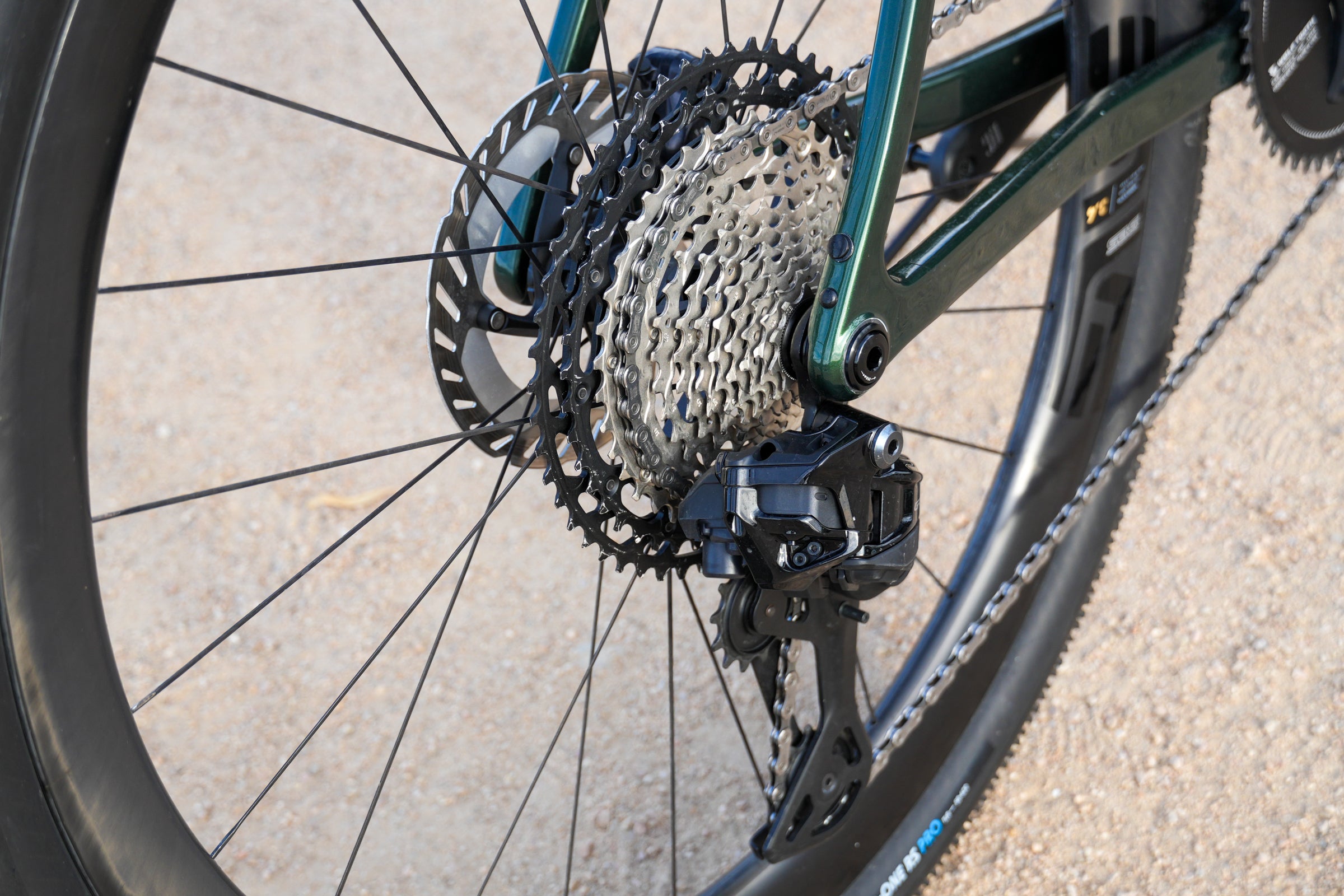
Yet for road, it is essential throughout the full range of gearing on uphills and downhills. Without the interruption of rocks, roots, or uneven gravel turns, there often are more demands on a road groupset to push up and down hills at a large range of speed and power.
While there are big gaps between the top end of the XPLR cassette, SRAM did a remarkable job matching the established ramp of a cassette, with only the 14t sprocket missing in the middle of the cassette compared to Shimano. Nevertheless, you really feel the 14t missing when riding at road speeds. With a 46-48t chainring, the lack of a 14t sprocket pops up at key moments on flat terrain and shallow climbs when you want a particular cadence at a particular power.
Chain efficiency at all speeds
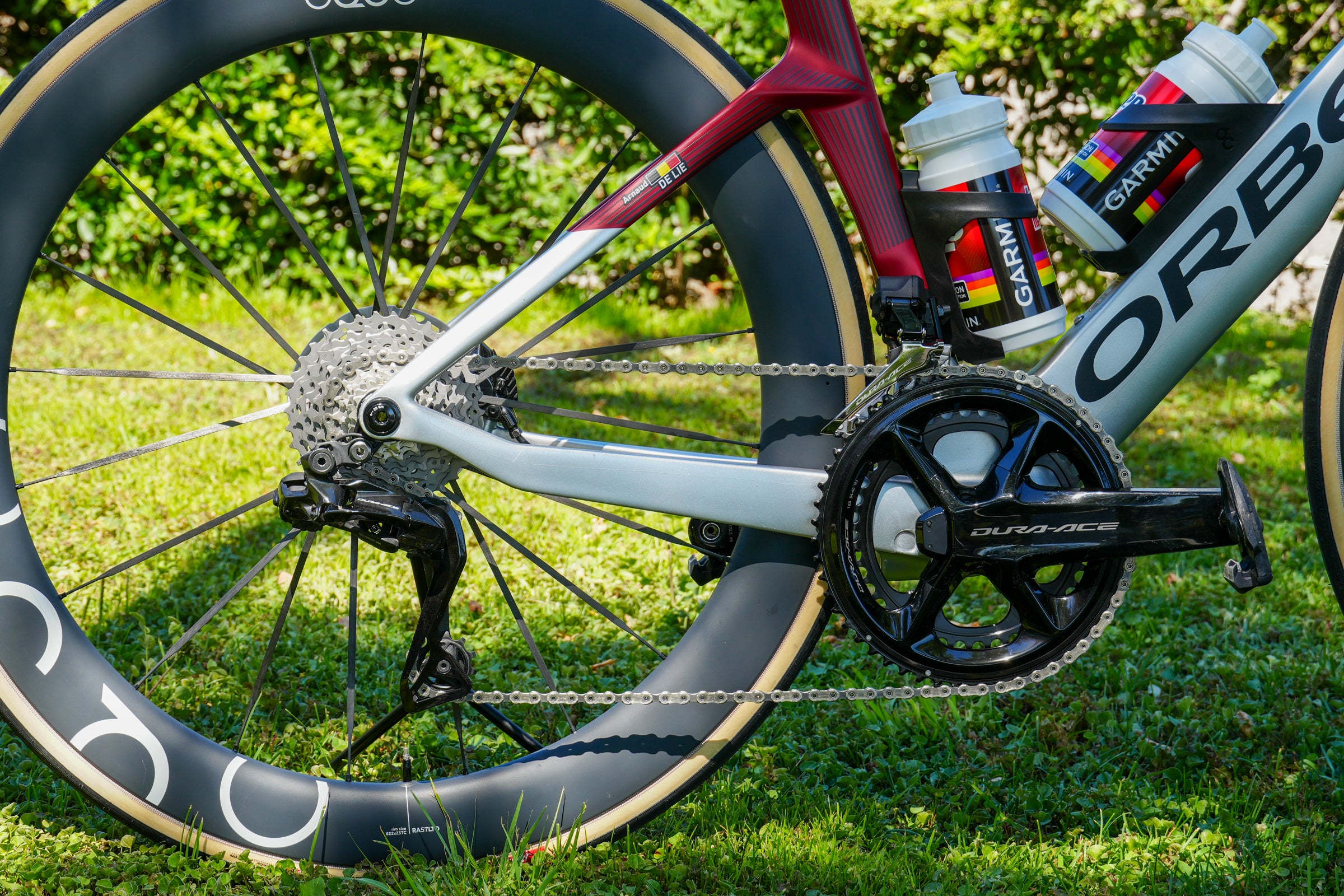
“But sir, what about cross-chaining?” Mmm, I don’t know, don’t do it? Cross-chaining is a choice.
There is never—and I do mean never—the need to cross-chain. 2x offers enough gear overlap to push the same gear ratio of the least optimal cog/chainring combination with a much more optimal cog/chainring combination. Yes, it does take a cognitive load, but to suggest this is at all a tax on effort after the initial learning is disingenuous.
ADVERTISEMENT
Once you learn to properly shift, especially the quick and easy synchronized shift that moves the front mech and rear mech in opposite directions at the same time, cross-chaining is in the dustbin of past cycling lessons.
What is a bigger cognitive load, in my opinion, is the knowledge that your drivetrain has an inefficient chain at the moments of peak load and importance. With 1x groupsets, the least efficient cogs, by far, are the smallest and largest sprockets on the cassette. So, in plain terms, when you are at your fastest sprint or on your steepest climb, your drivetrain is at its worst. Yuck!
A good example of how important this is to speed comes from the one place WorldTour road riders have widely adopted 1x technology. Time trials have been the happiest hunting ground for 1x tech in the WorldTour. Massive chainrings have become the norm alongside it. 64t rings were standard at the Tour de France this year, for instance.
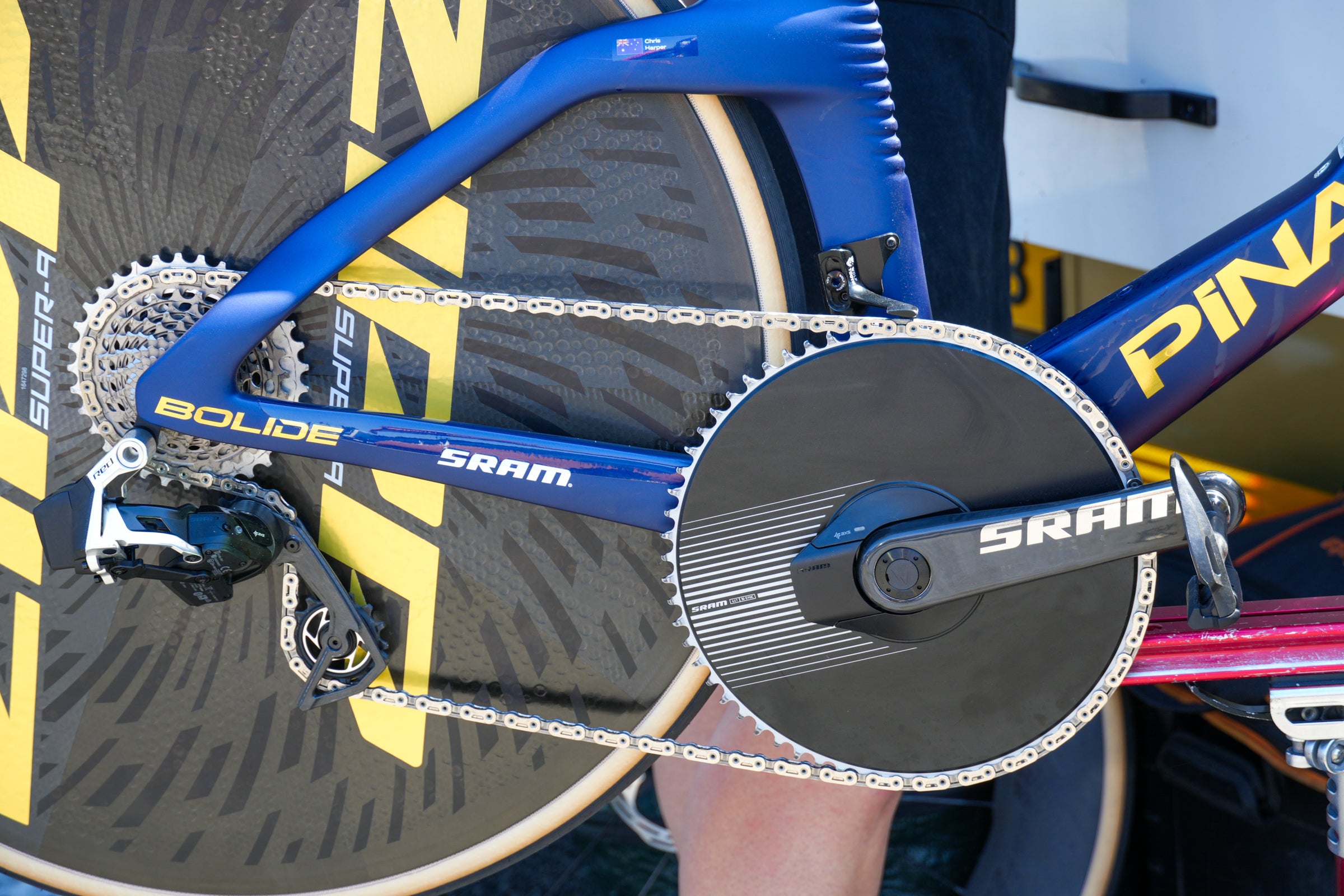
Now, is that because they need a 64×10 or 11? Absolutely, 100%, not. Individual time trials, while fast, are not much faster than the build to a bunch sprint where the leadout men of the peloton are on 56t chain rings. The reason why teams are running massive 1x chainrings is actually to maximize the gear ratio when the chain is in the middle of the cassette, the point of peak mechanical and aerodynamic efficiency.
ADVERTISEMENT
There is also the gained efficiency of a larger chainring on its own. Large chainrings offer a more efficient transfer of power to the sprocket than smaller chainrings because the larger tooth count disperses the torque of the pedal stroke along a larger number of teeth, reducing the friction exerted on any individual tooth. Add in a shallower angle that each chain must bend, and the difference is significant.
Generally, the efficiency gains from adding three teeth to a chainring can add a full watt of efficiency, regardless of the power or speed. In time trials, any kind of free efficiency like that is massive.
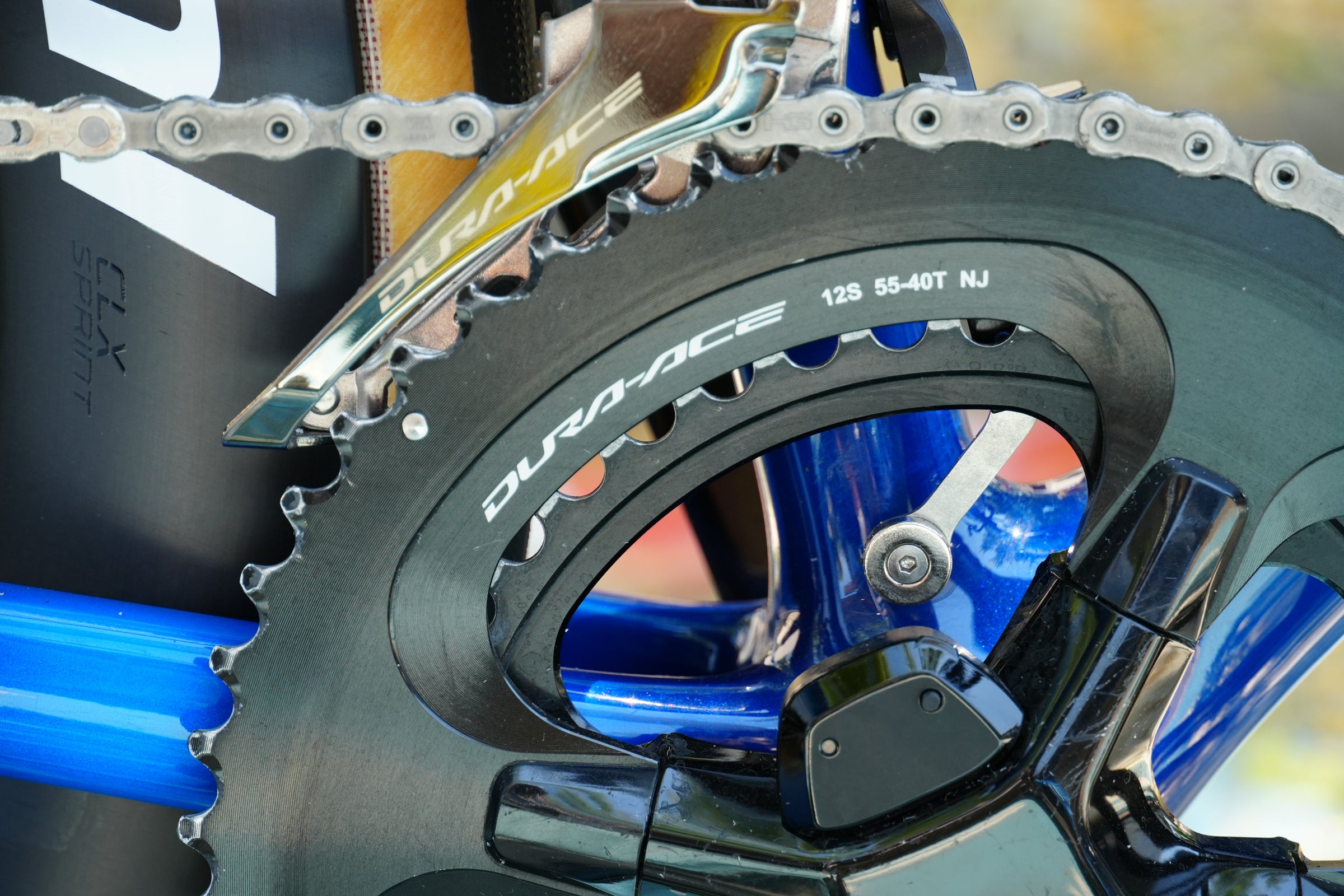
In time trials, where there is also typically a smaller differential between the highest and lowest speed of a given effort, riders and teams can get away with this use of these massive 1x drivetrains with big chainrings. In most road racing, they cannot, which is why most WorldTour riders defer to 2x setups, where their peak efficiency shifts more toward the two ends of the cassette.
ADVERTISEMENT
Of course, all of this is how this works at the peak of cycling performance, but it still applies to everyone: a 52t 2x chainring does better in the 11t than a 48t 1x chainring does in the 10t, and a 36t 2x chainring does better in the 34t than a 48t 1x chainring does in the 46t.
Weight and aerodynamics
While weight and aerodynamics are fundamental in any discussion of cycling gear, there isn’t a massive difference between 1x and 2x, even if both point toward 1x road groupsets.
Tour magazine recorded a 1.4-watt savings by swapping a 2x setup to 1x on a Factor One. That is the same benefit as adding around four teeth on the chainrings, I might add, and depends on the rider’s speed, plus the angle of the chain can offset some of those aerodynamic gains.
The weight is also similar. Josh weighed some groupsets and found that SRAM XPLR is 11g lighter than its 2x counterpart. That is a marginal difference, even in the world of weight weenies.
ADVERTISEMENT
Swag
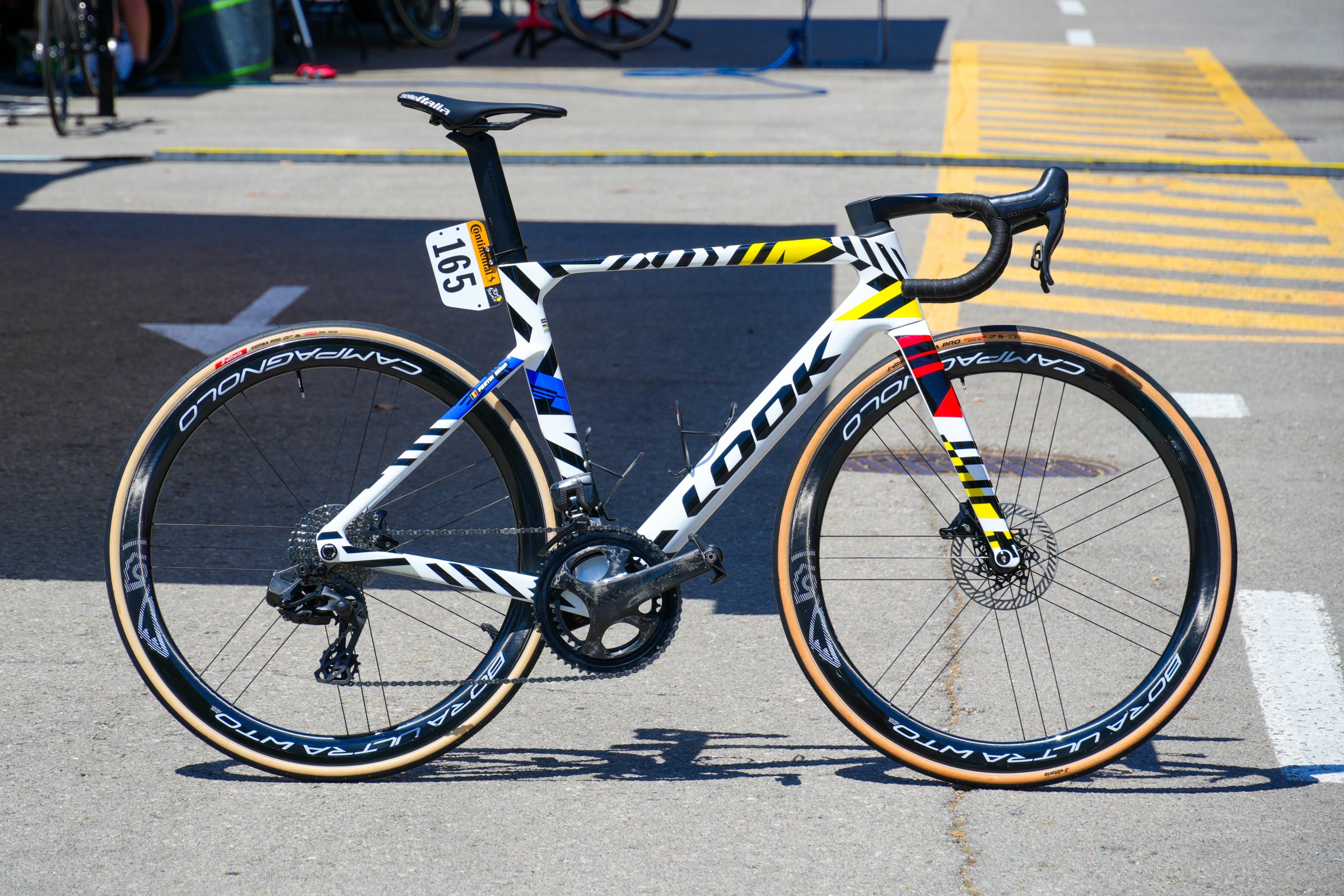
Last, and definitely least, is the question of aesthetics. There is an undying aesthetic cool of a 2x bike that just isn’t captured with the same verve as 1x groupsets. The bigger chain rings, the clean lines of the chain, the smaller, sleeker rear derailleurs, and the extra component details all fit together so well.
2x road bikes are road bikes in a pure sense, true to an ideal established long ago because it worked. I feel a bit silly writing this. I am not, on so many other aspects, a luddite who doesn’t like things changing or getting better. I don’t think 2x is the correct gear ratio for gravel, for instance. For gravel, 1x is a better system, and gravel bikes offer a different aesthetic proposition.
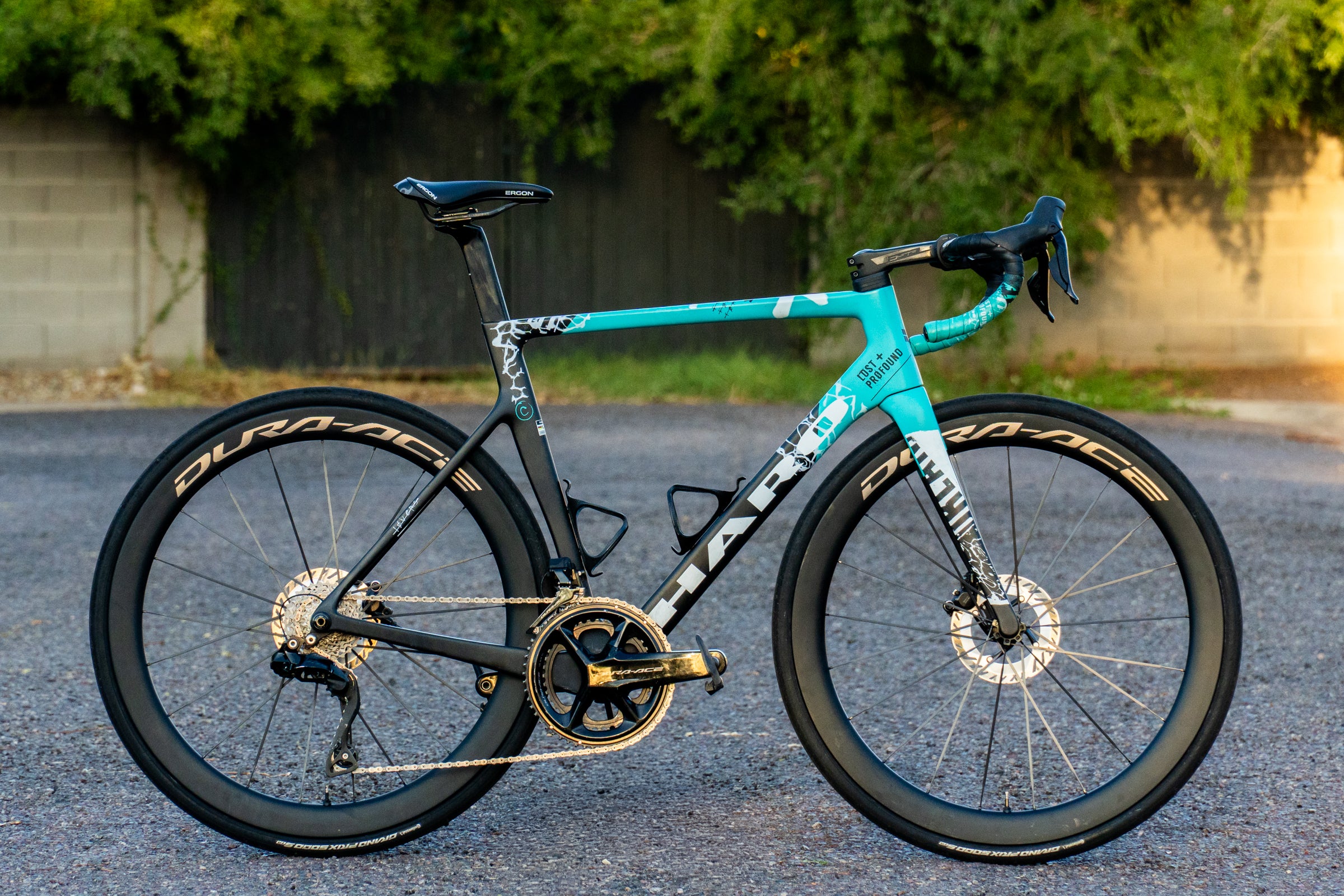
Nevertheless, on the road it is different, both from a performance and aesthetic perspective. Nothing I have ridden yet has convinced me that 1x on the road provides an improvement that is worth giving up the timeless panache of 2x road bikes. And there isn’t anything I can think of arriving that would change that perspective anytime soon.
Tell us what you think
We have two competing points of view. If you haven’t read the opposing article, check it out. When you are done reading both, vote in the poll and we’ll be addressing it in an upcoming Velo Podcast.
Front Derailleurs Are Living on Borrowed Time: Why 1x on the Road Is the Inevitable Future