Published April 16, 2026 01:58PM
No. 22 Just Brought Its 3D-Printed Titanium Aero Bike One Step Closer to Reality
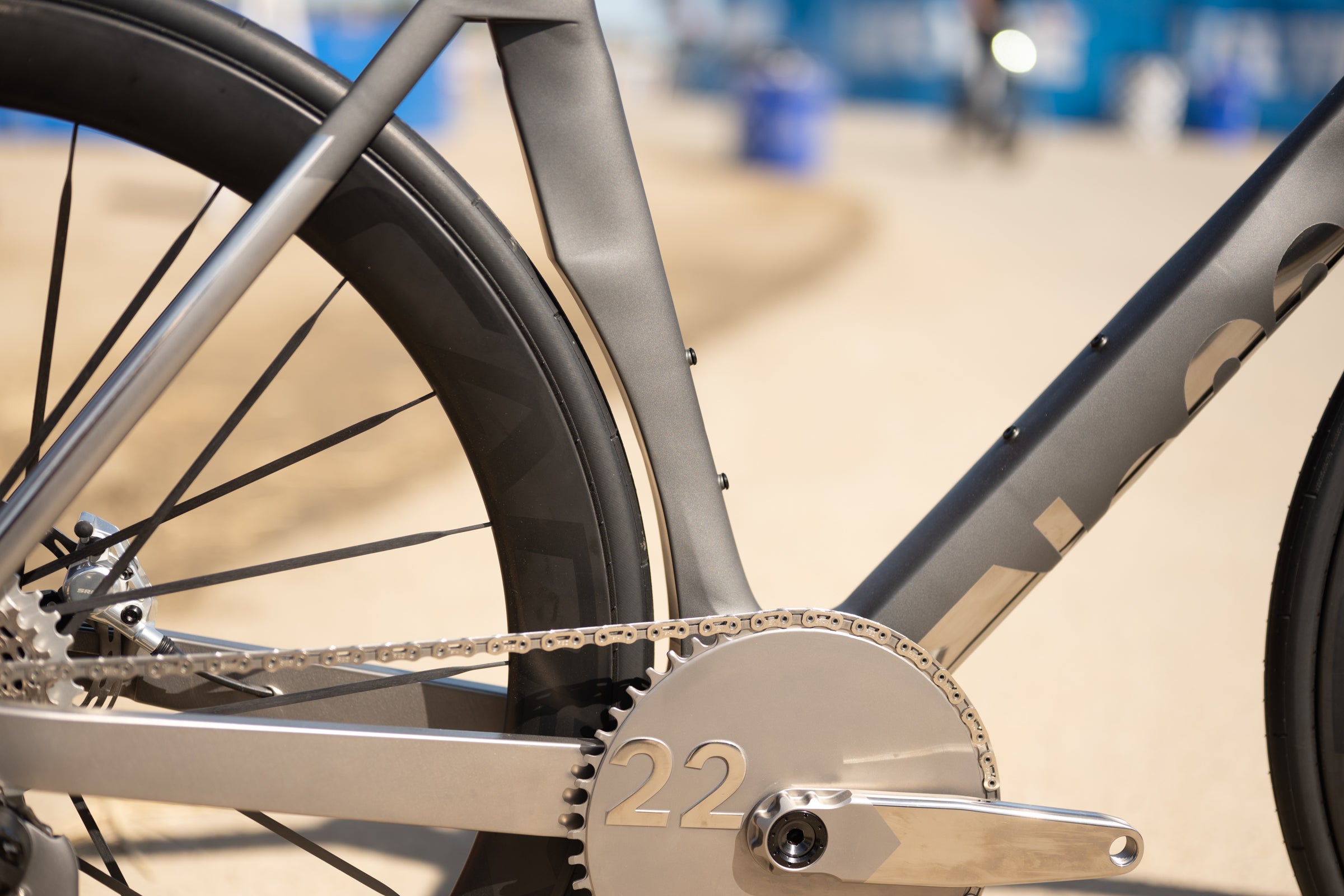
Building an aero-optimized titanium race bike used to be impossible. Now, No. 22 is finalizing the details on a 3D-printed frameset that will cost up to $15,000.
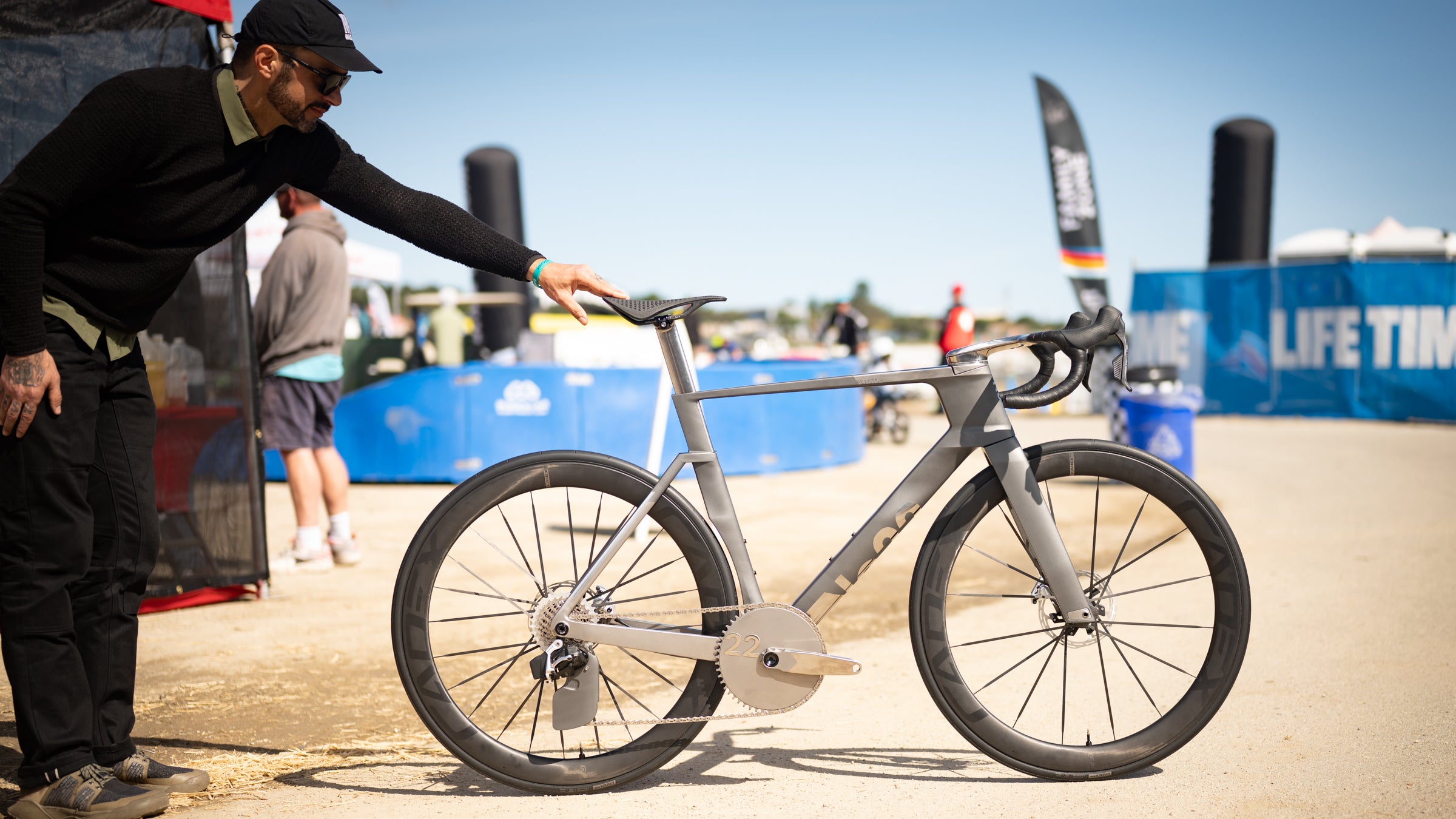
(Photo: Josh Ross/Velo)
Welcome to Velo’s Sea Otter Classic coverage, where we share our favorite things we’ve found at the 2026 show. Bikes, components, accessories, and more: if we think it’s cool, you’ll see it. See the rest of our Sea Otter coverage.
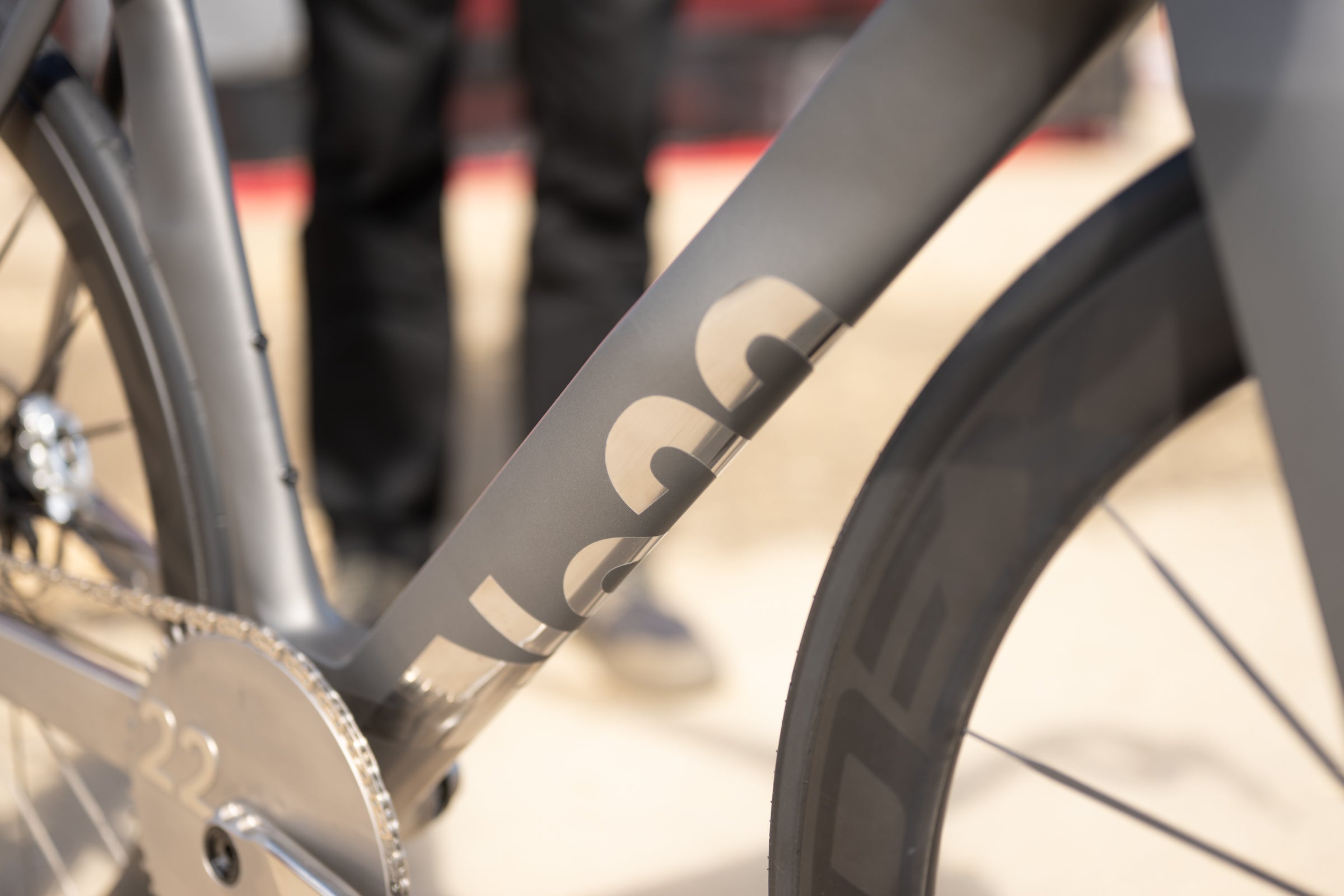
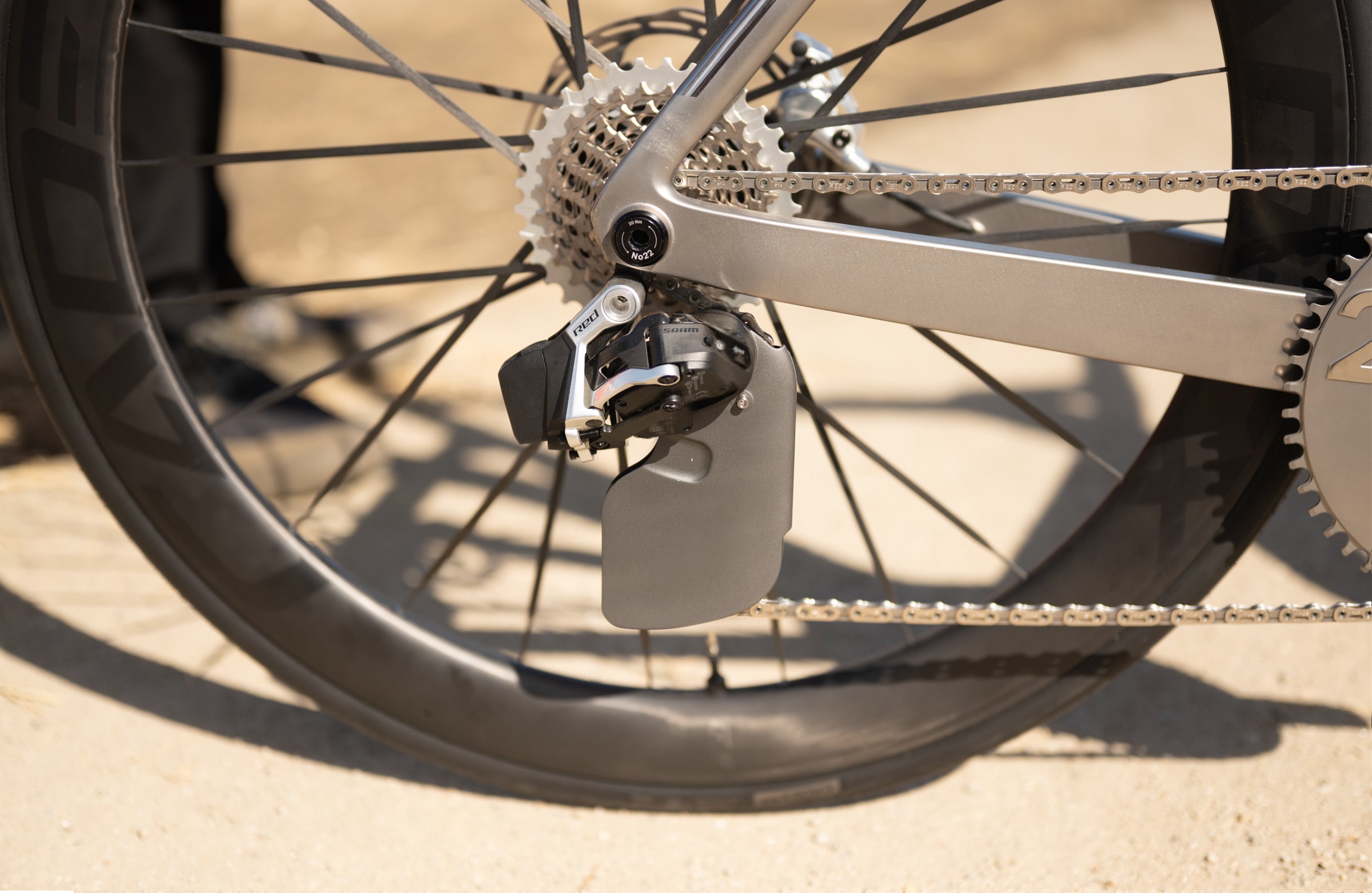
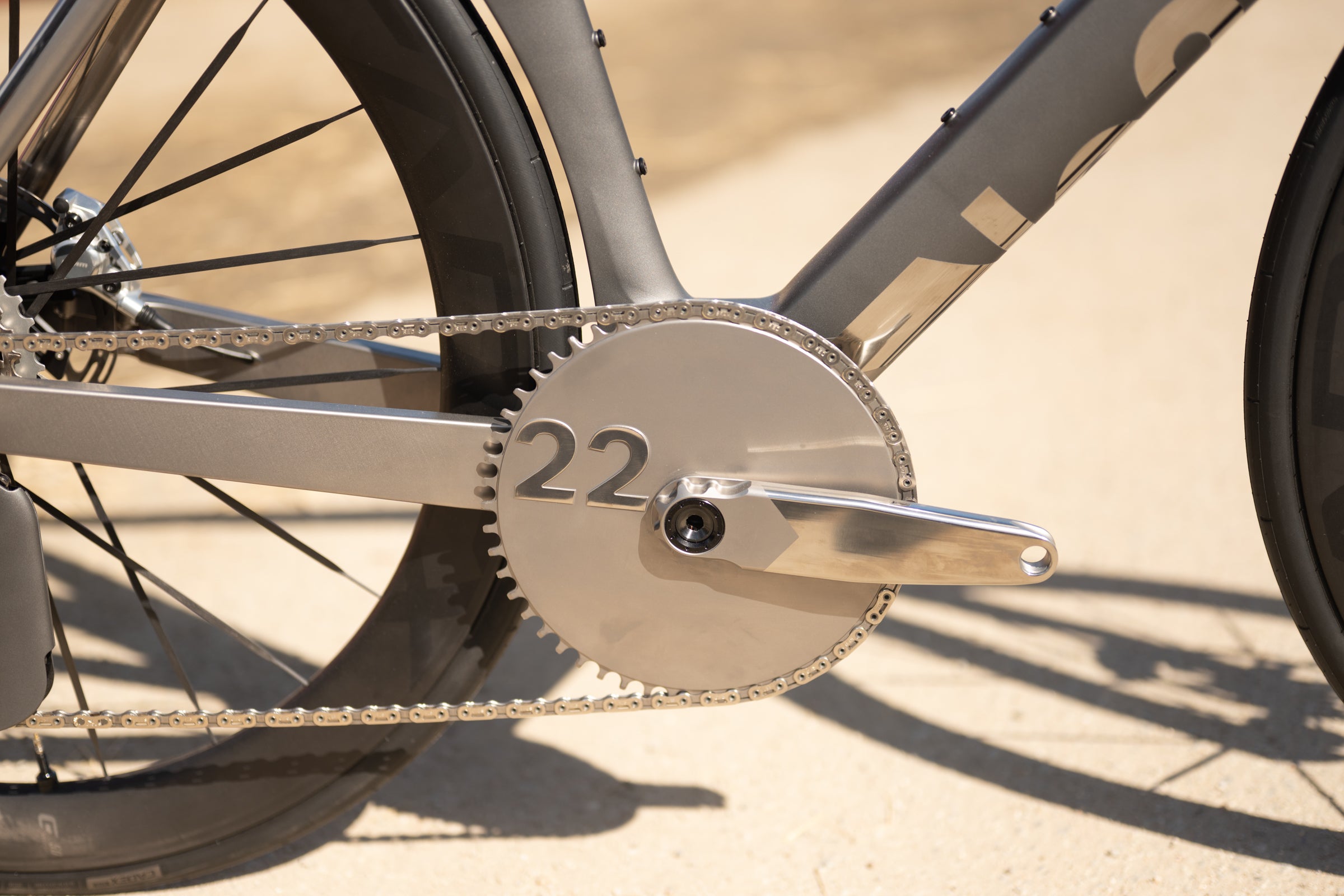
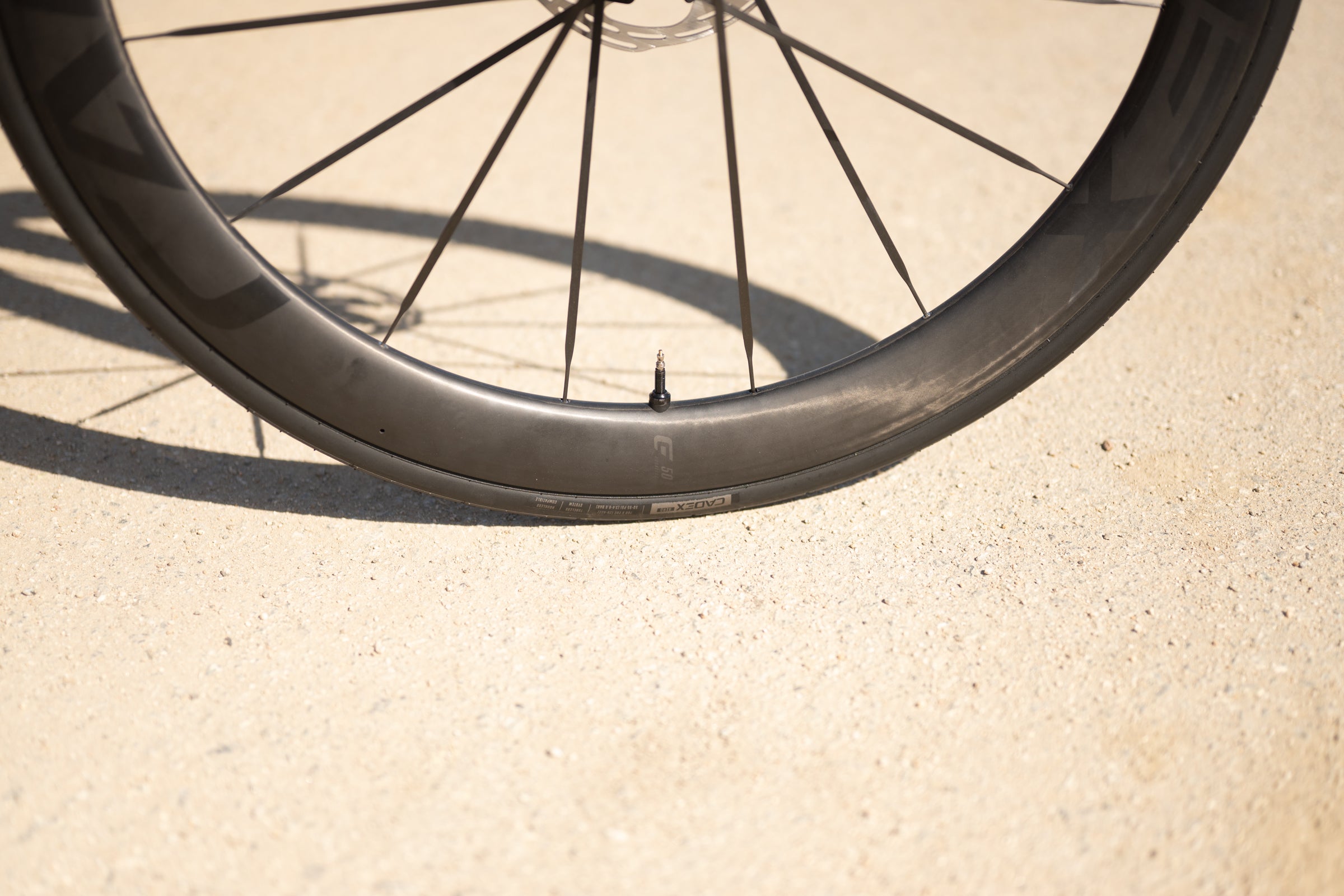
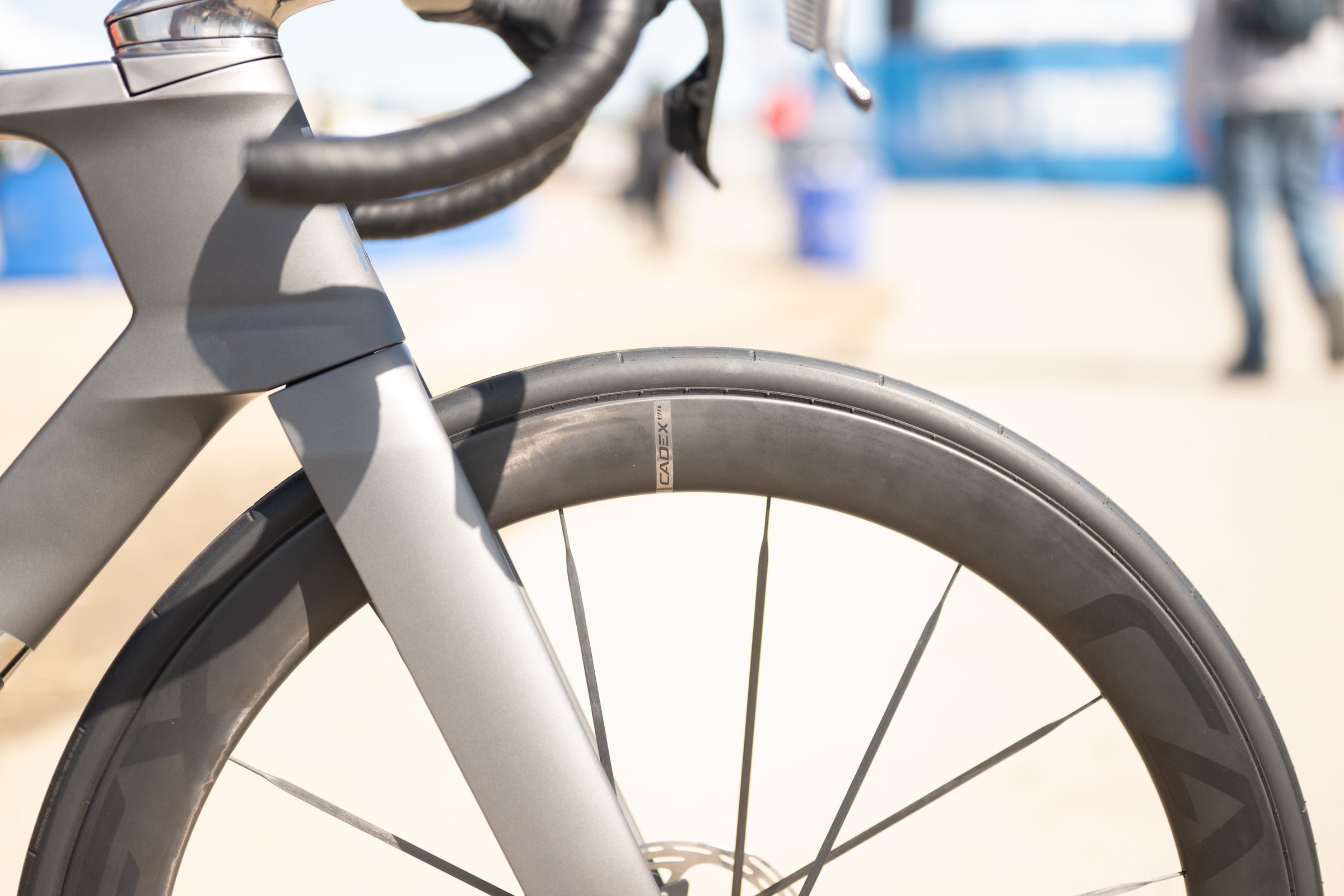
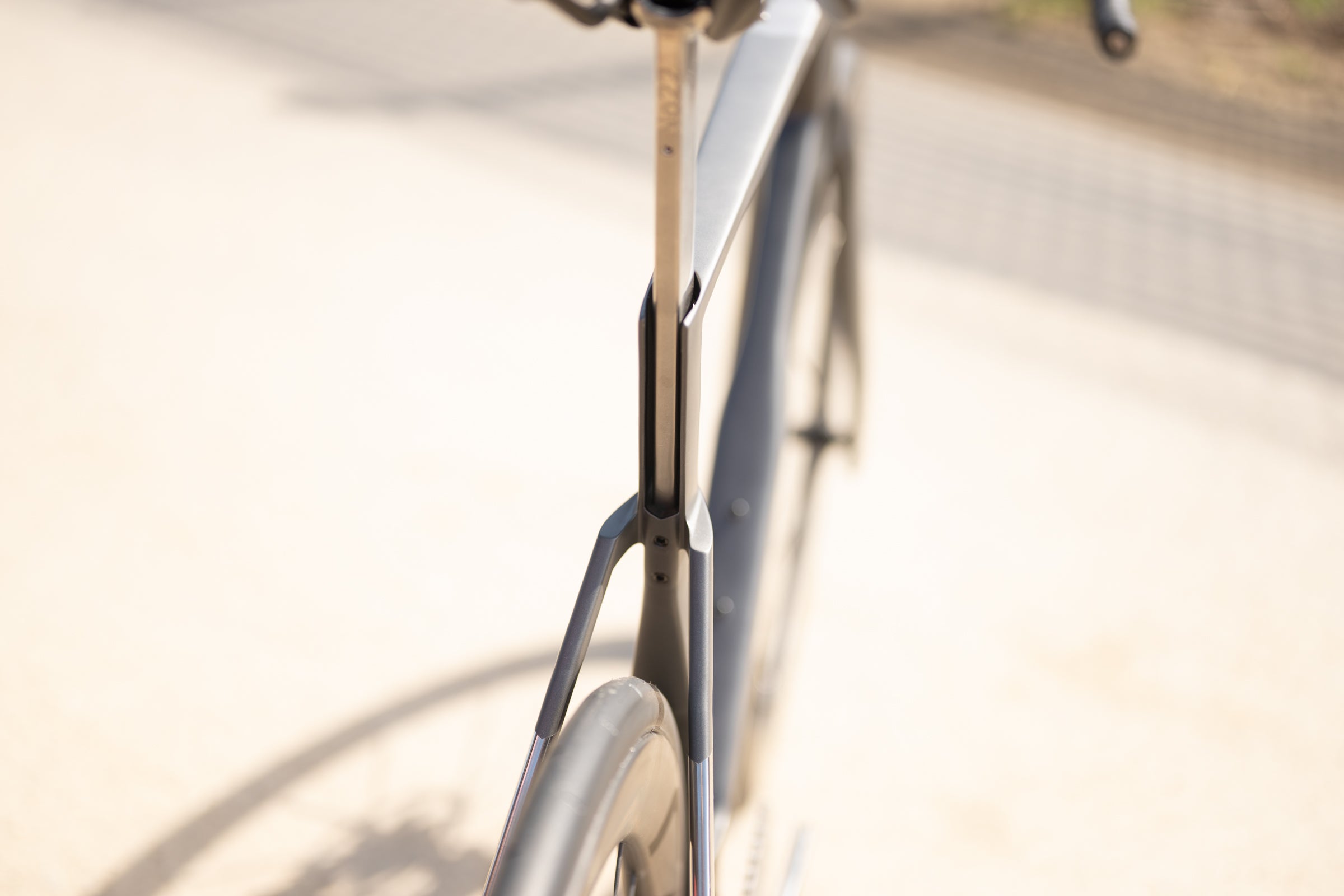
Today, No. 22 is showing a brand-new version of the company’s titanium aero road bike, the Reactor Aero. If you feel like you’ve heard about this before, you have. The bike continues to inch closer to a 2026 launch date, and each time we see it, it has gone through a massive redesign to move the initial concept toward being production-ready.
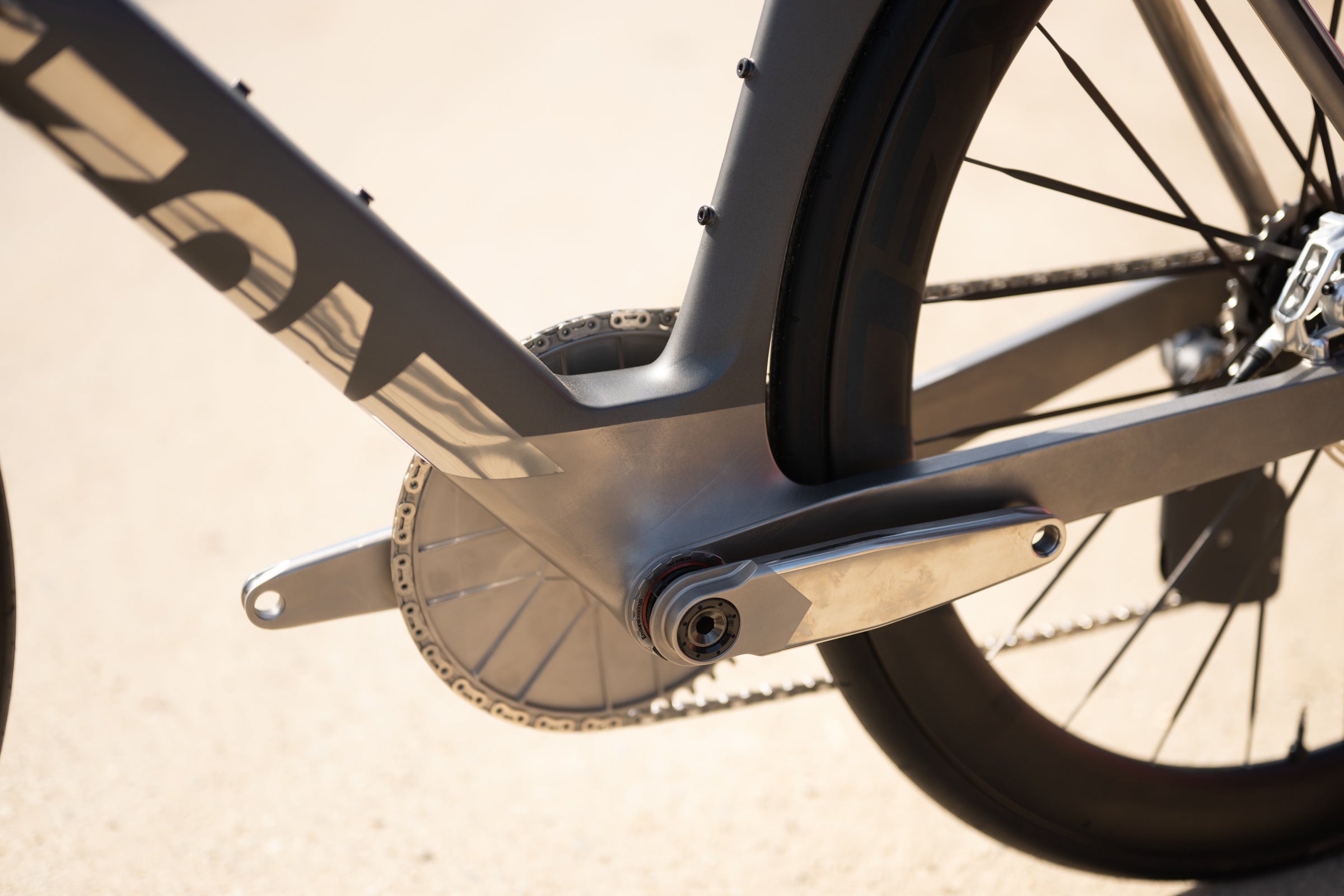
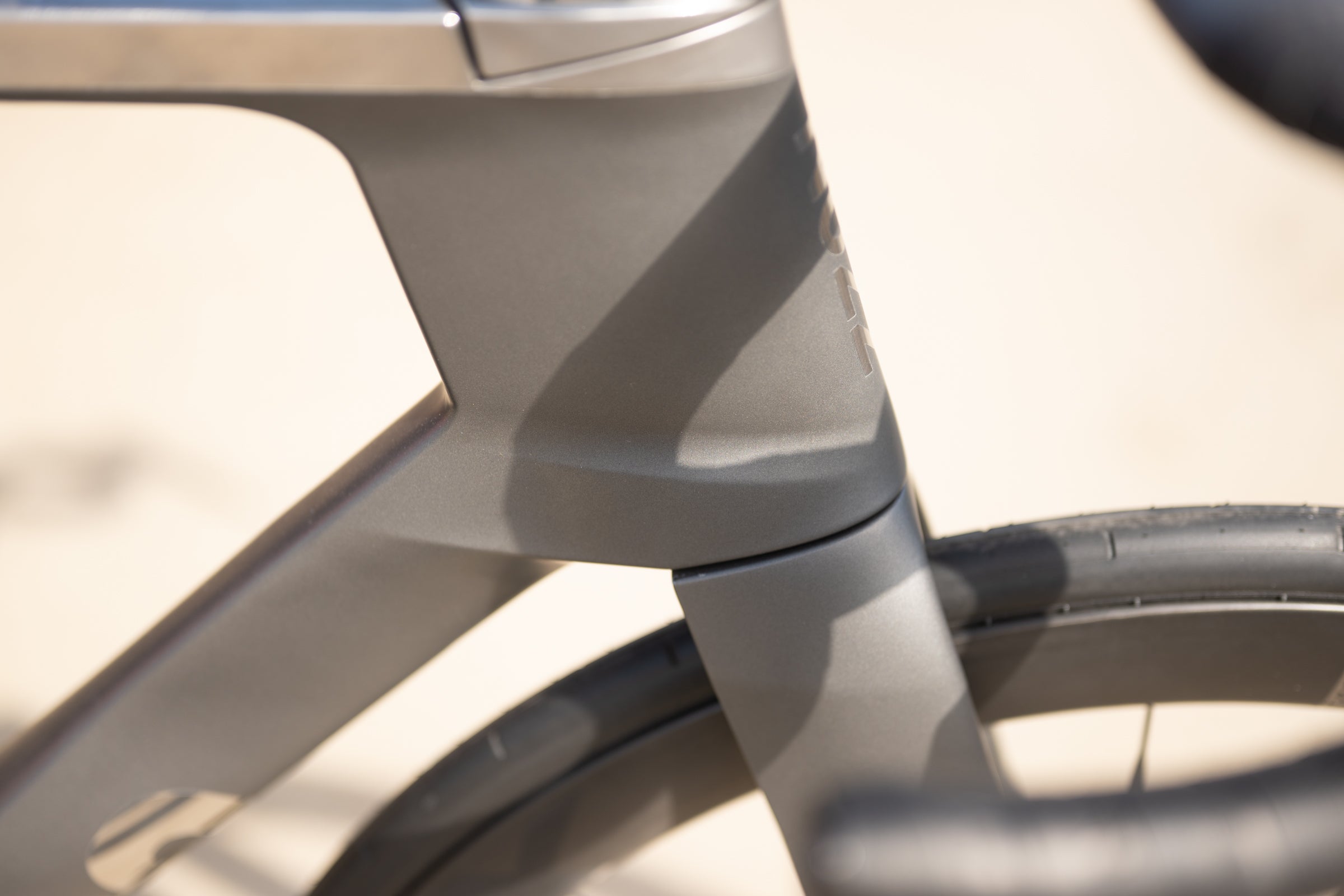
If you haven’t seen this project, the premise is something that has only recently become possible: a 3D-printed, aero-optimized titanium bike. Before additive manufacturing reached this scale, it would have been nearly impossible (aside from the occasional hydroformed tube) to create the complex shapes No. 22 is now accomplishing.
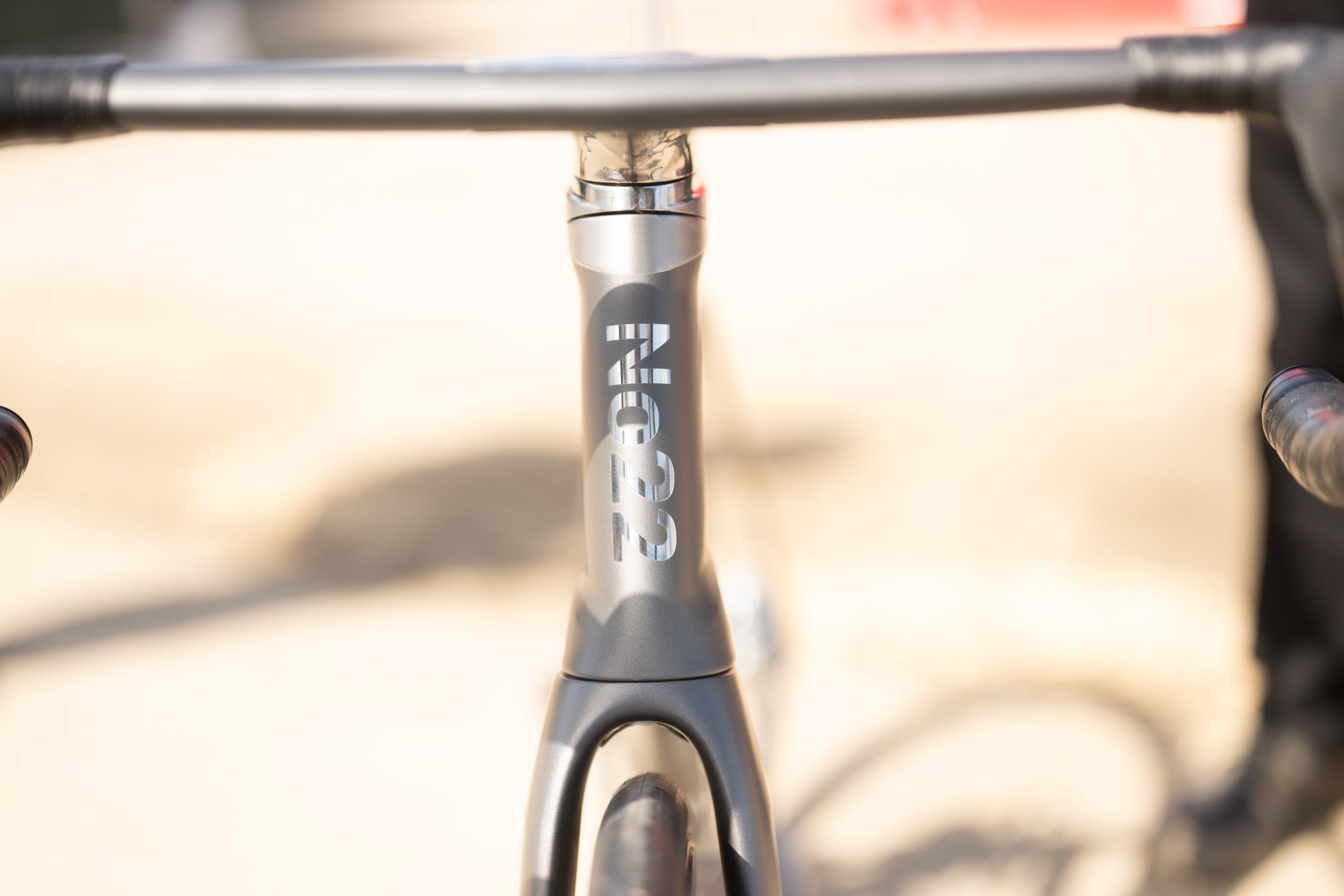
First, the team started with CFD simulations, achieving a claimed 30-40% drag reduction compared to the current round-tube Reactor. From there, it’s been a sprint toward a bike that can be validated in the wind tunnel and actually manufactured.
ADVERTISEMENT
The Reactor platform isn’t exclusively about cheating the wind, though. It’s a dedicated race machine, making aerodynamics a means to an end rather than the final word.
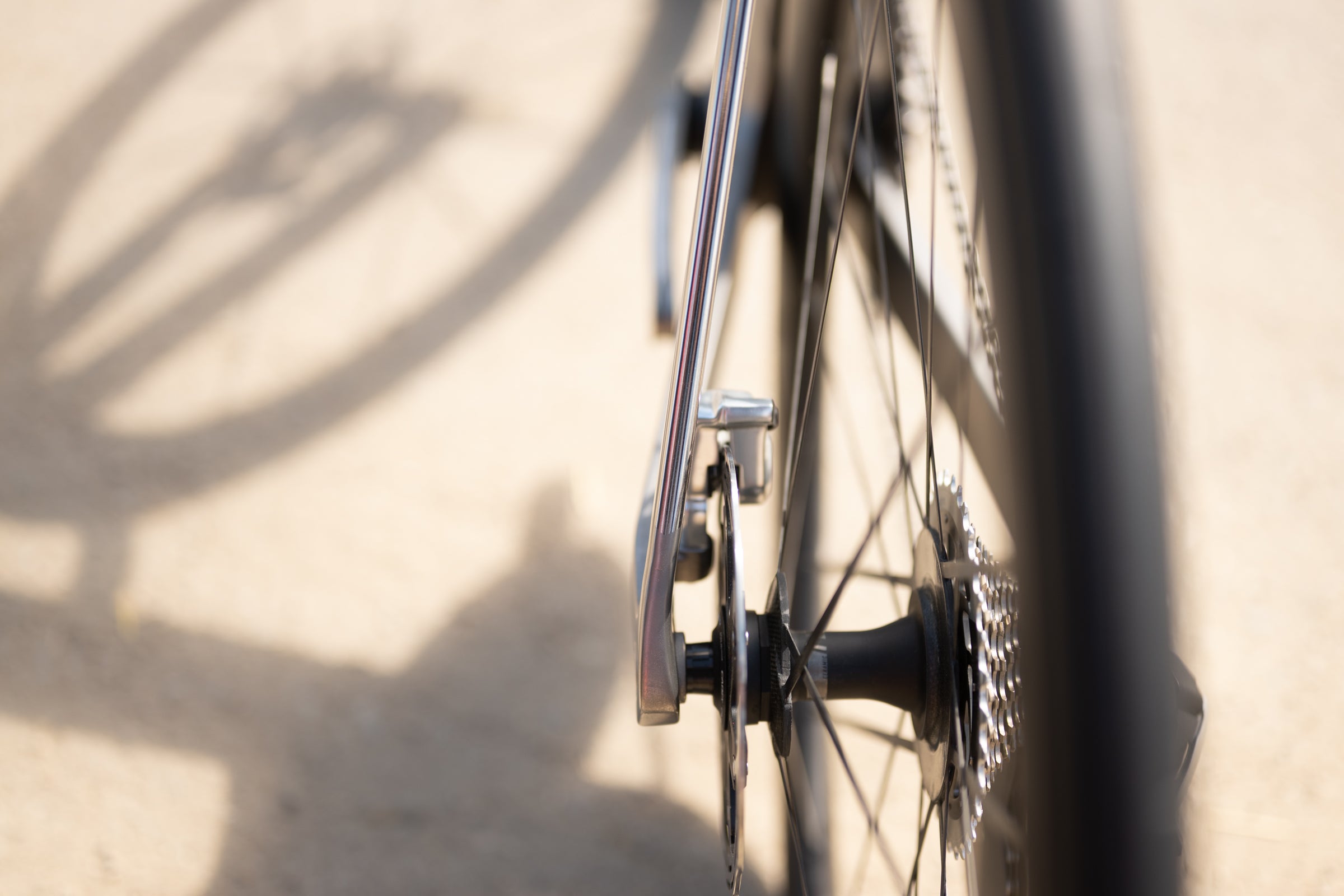
Stiffness is equally critical for a race bike, and No. 22 claims this could deliver the “most efficient power transfer available on a Ti frame.” The freedom of shapes made possible by 3D printing is key to hitting that target. During the process, the down tube, bottom bracket intersection, and chainstays have all been redesigned to balance signature titanium ride quality with race focused drivetrain stiffness.
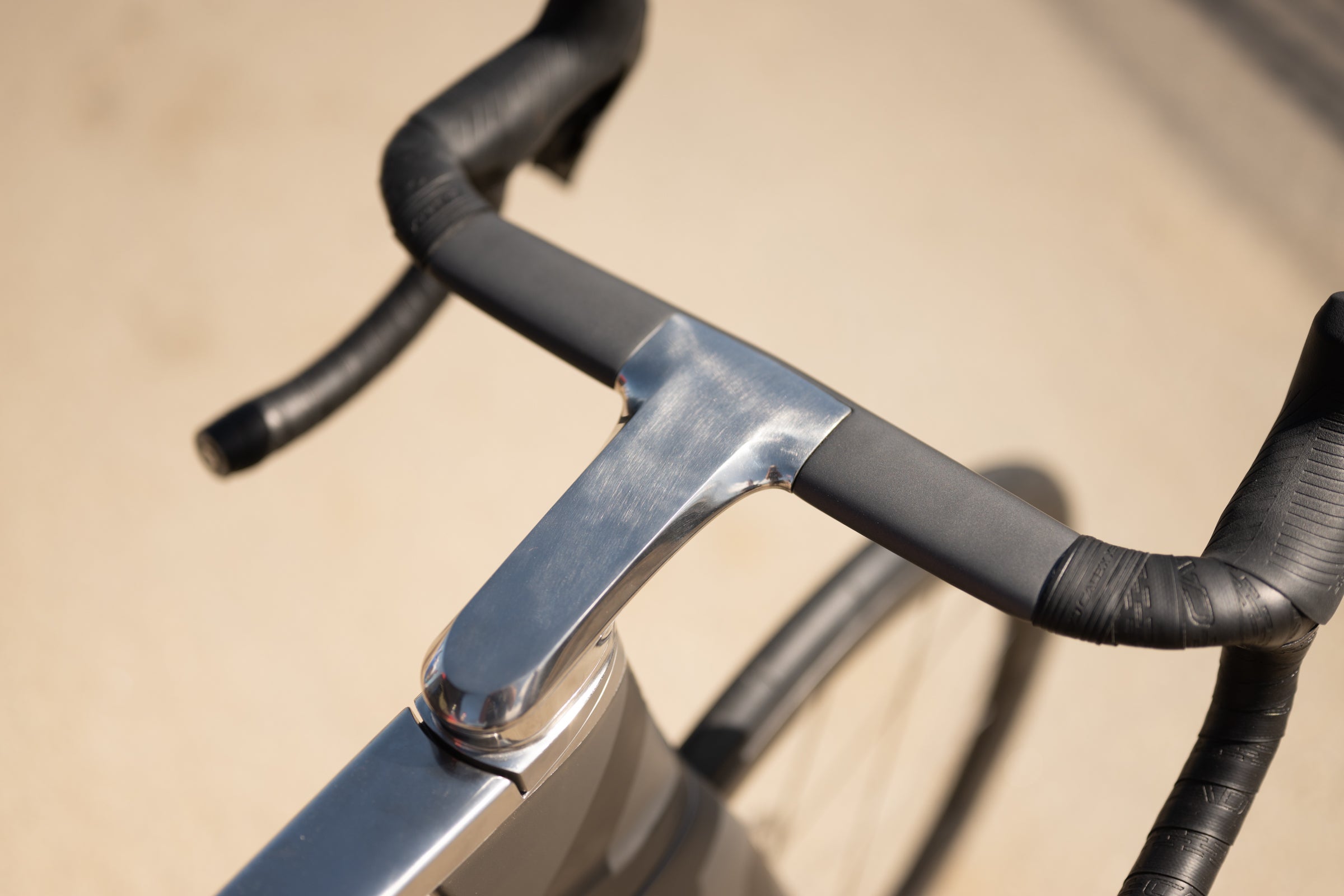
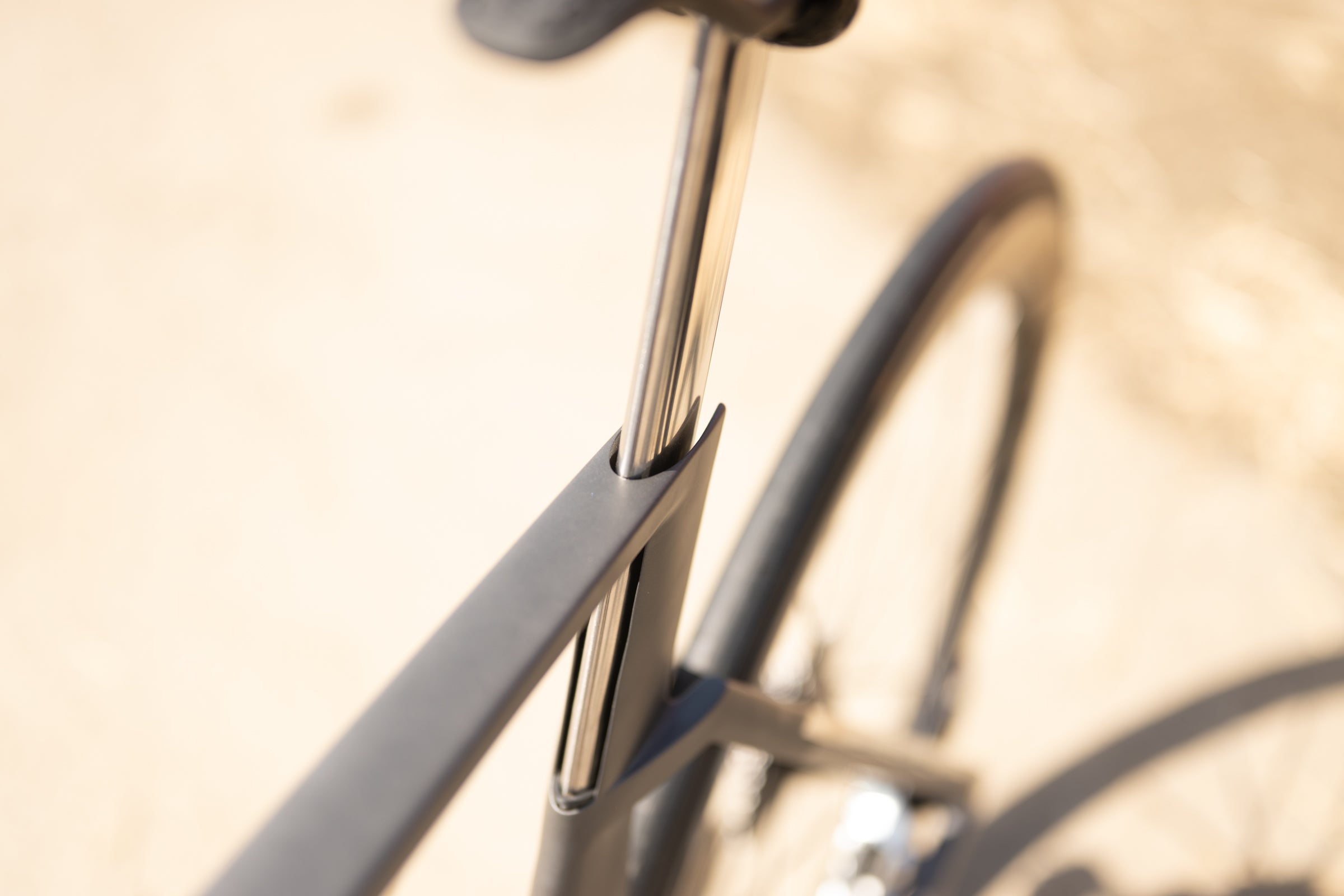
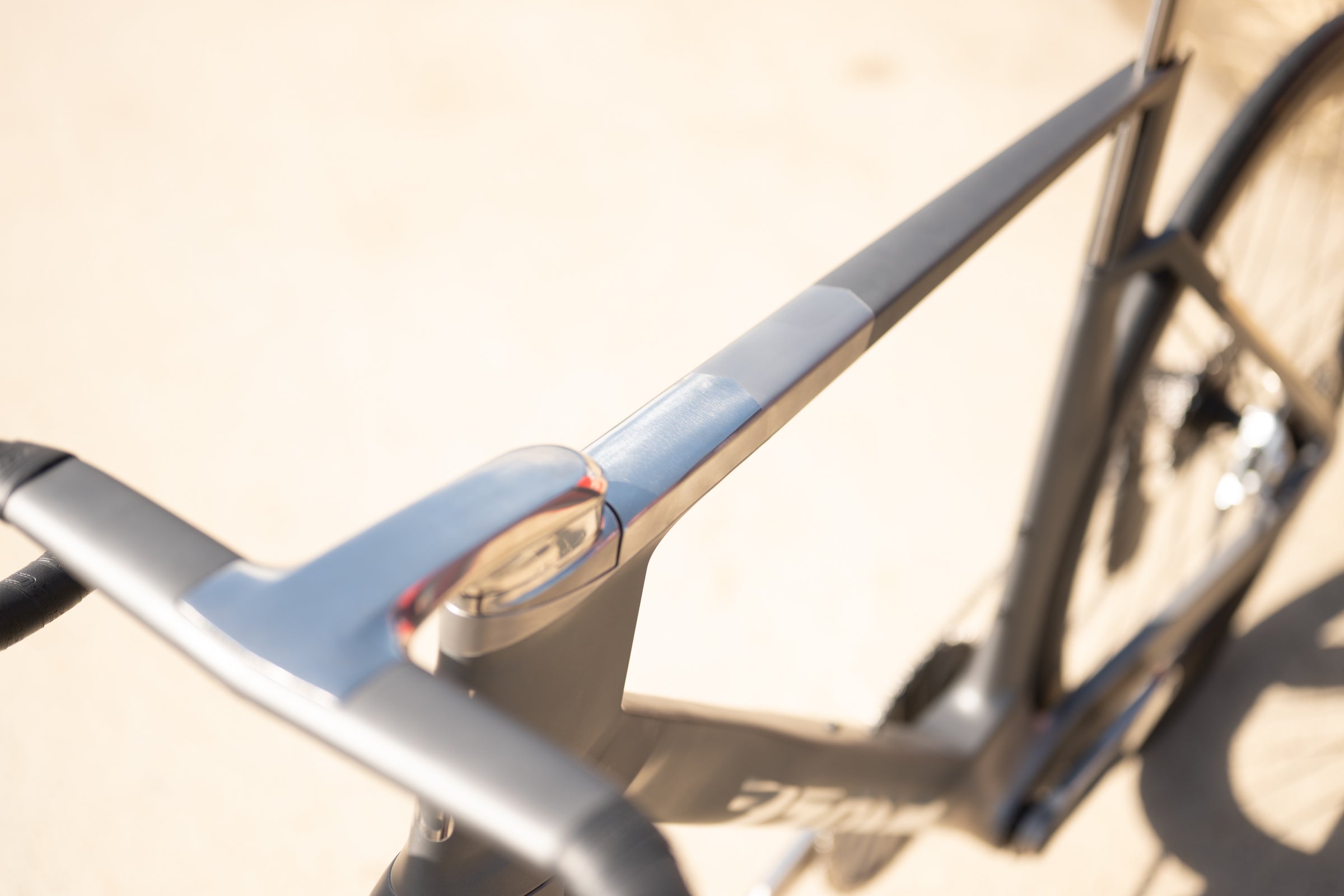
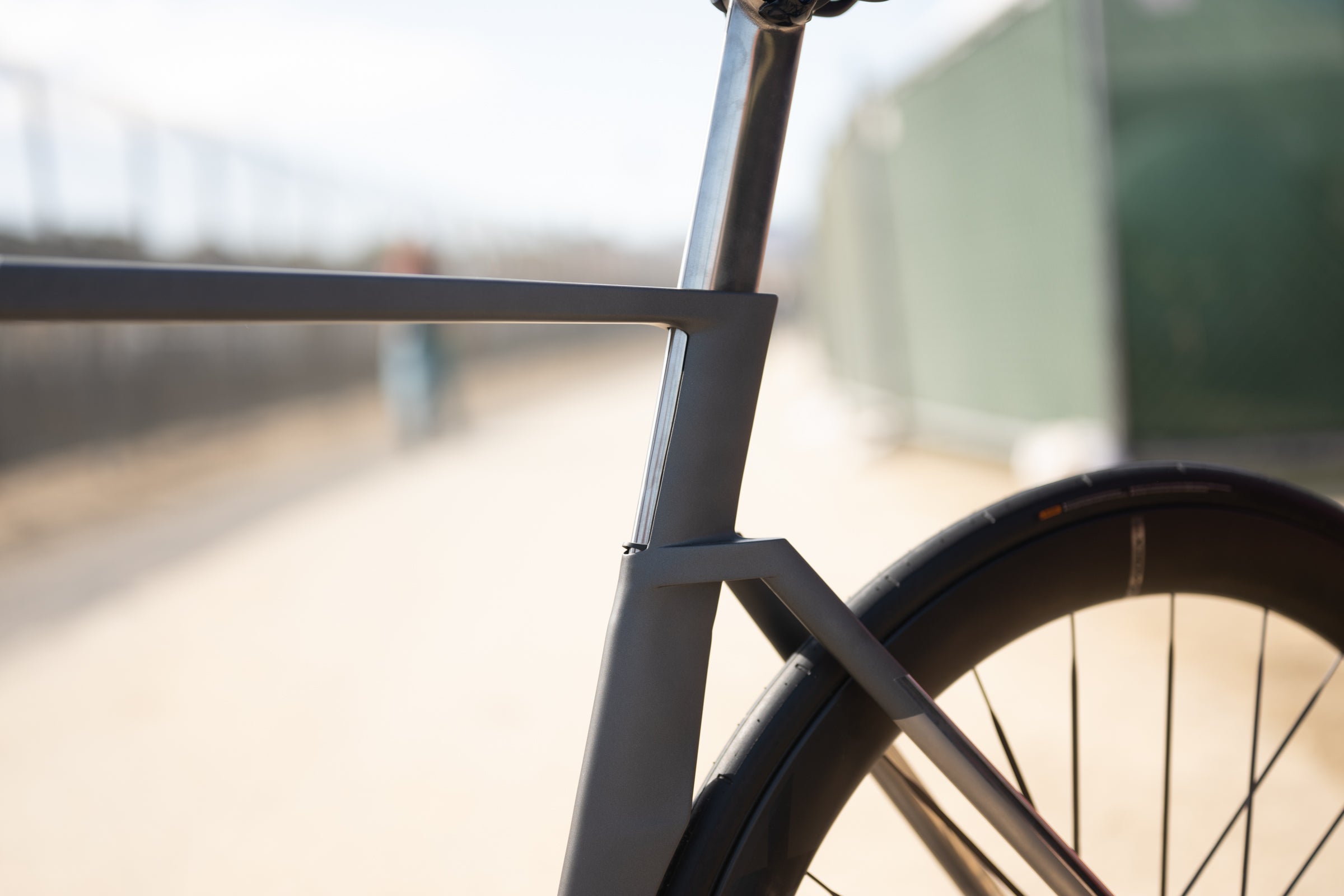
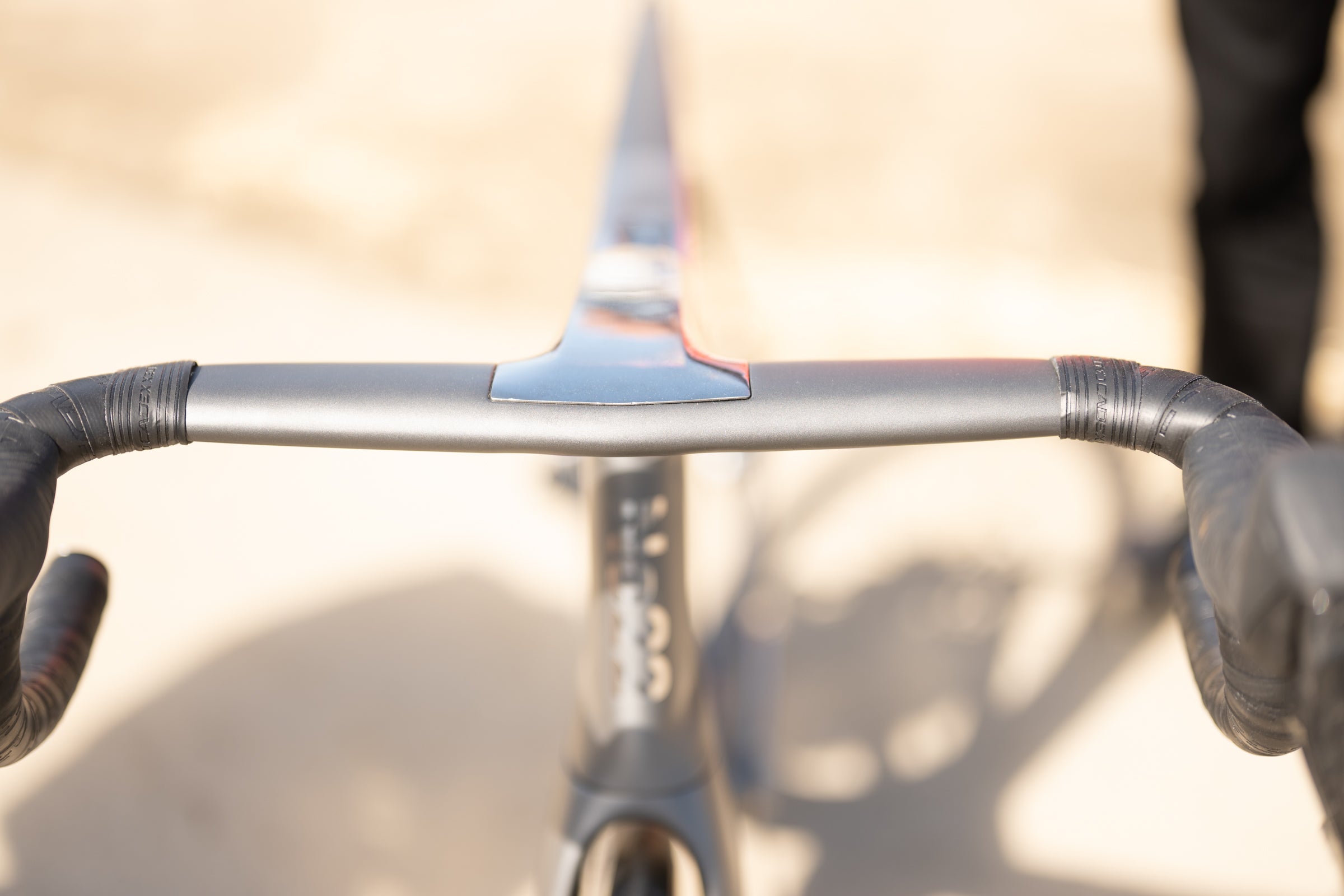
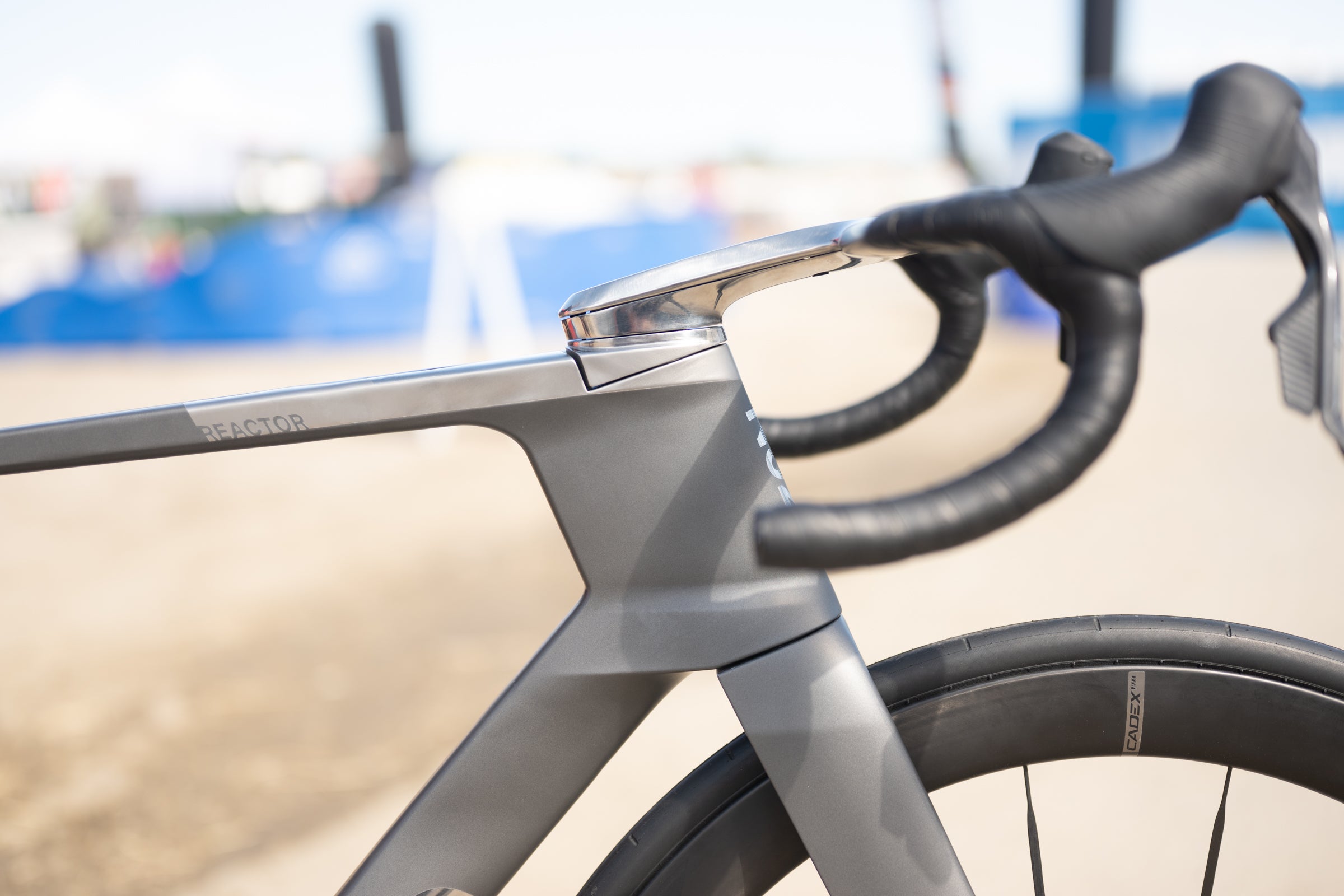
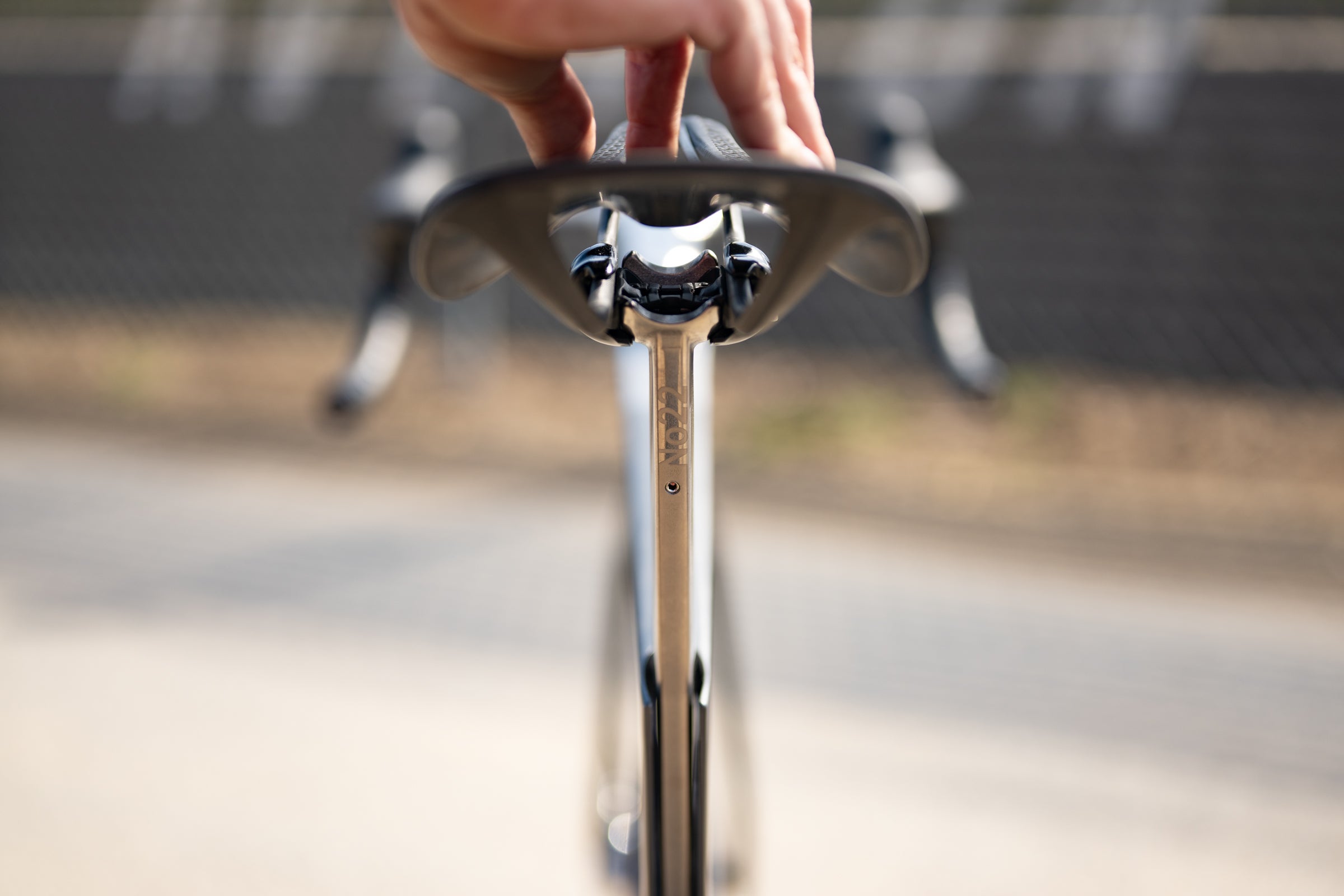
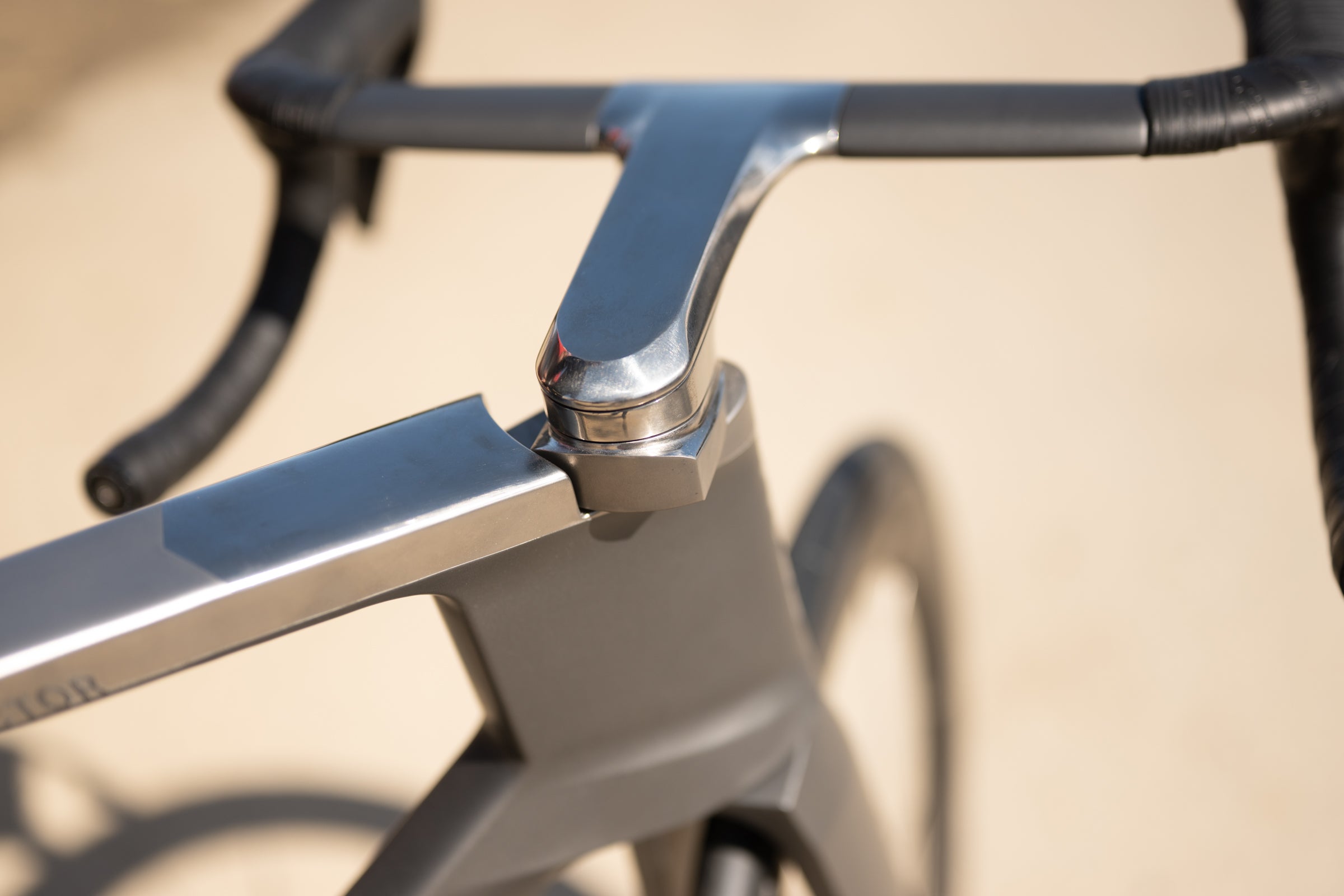
What’s new today is a laundry list of production updates. The latest iteration is now fully compliant with UCI aerodynamic guidelines (just in case you plan to race your boutique titanium superbike in a sanctioned event), features an updated internally routed bar/stem combo, and introduces a refined seat tube and seatpost to improve rider comfort. The brand has also announced new partnerships with New Zealand-based 3D sintering company RAM3D and Redburn Design to finalize the 3D modeling.
Key features and pricing
At this point, things are close. The frameset is expected to cost between $10,000 and $15,000 and deposits are open at the No. 22 website.
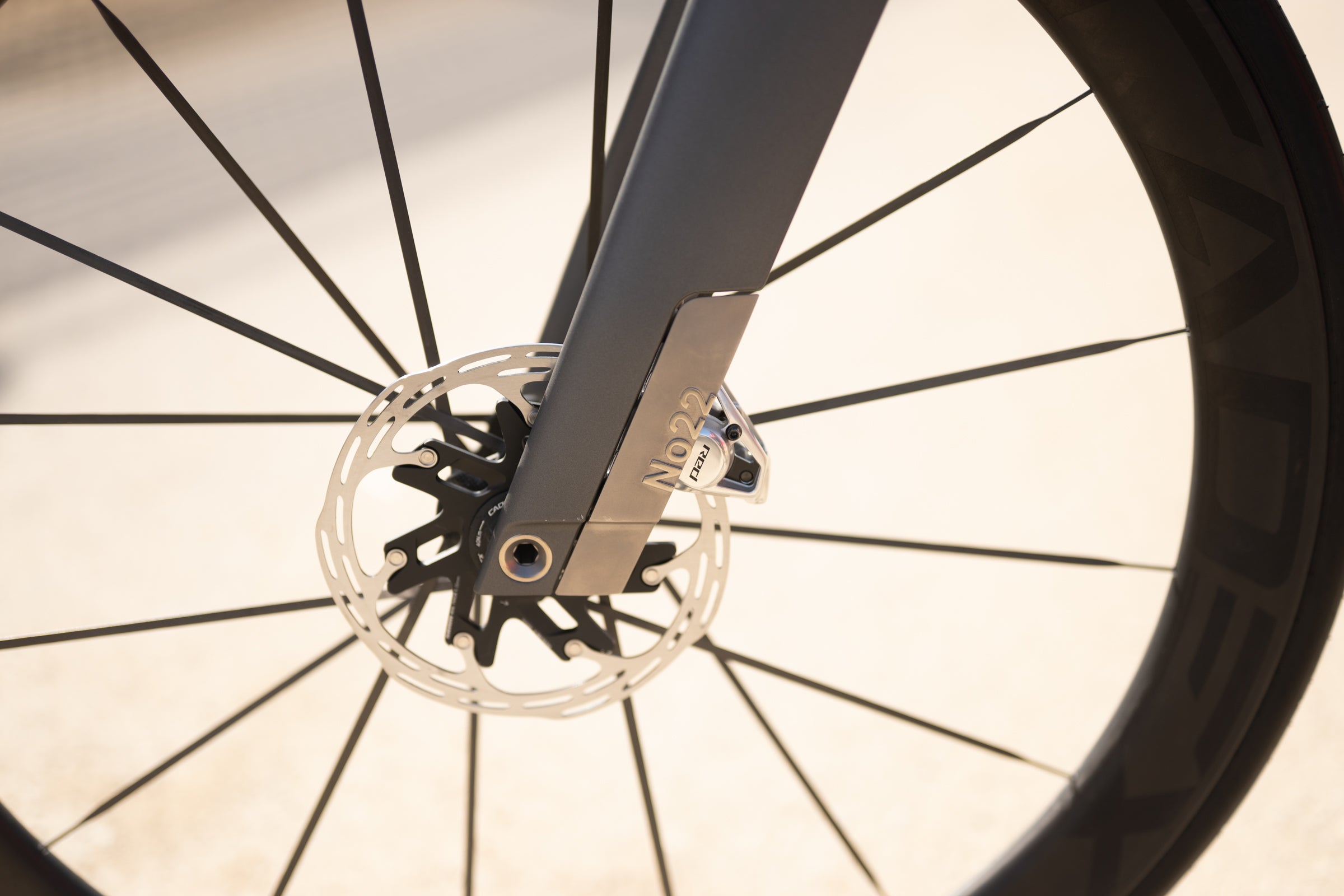
- 3D Printed and Machined Grade 5 Titanium
- Carbon Fork and Handlebar
- 34mm measured max tire clearance
- T47 threaded BB
- Braze-on front derailleur
- Fully internal routing
- Final weights are still in flux but expect mid-17kg for a built bike