Published October 1, 2026 12:02PM
The Real Reason Every Cycling Site Publishes Reviews at the Exact Same Time
It looks like a massive media conspiracy when a new bike drops. Here is what is actually happening behind the scenes on launch day.
(Photo: Canyon)
Welcome to Dropped, a new weekly road and gravel cycling newsletter from Velo that brings you the latest ideas we’re debating endlessly on group rides, and a look behind the scenes of our coverage.
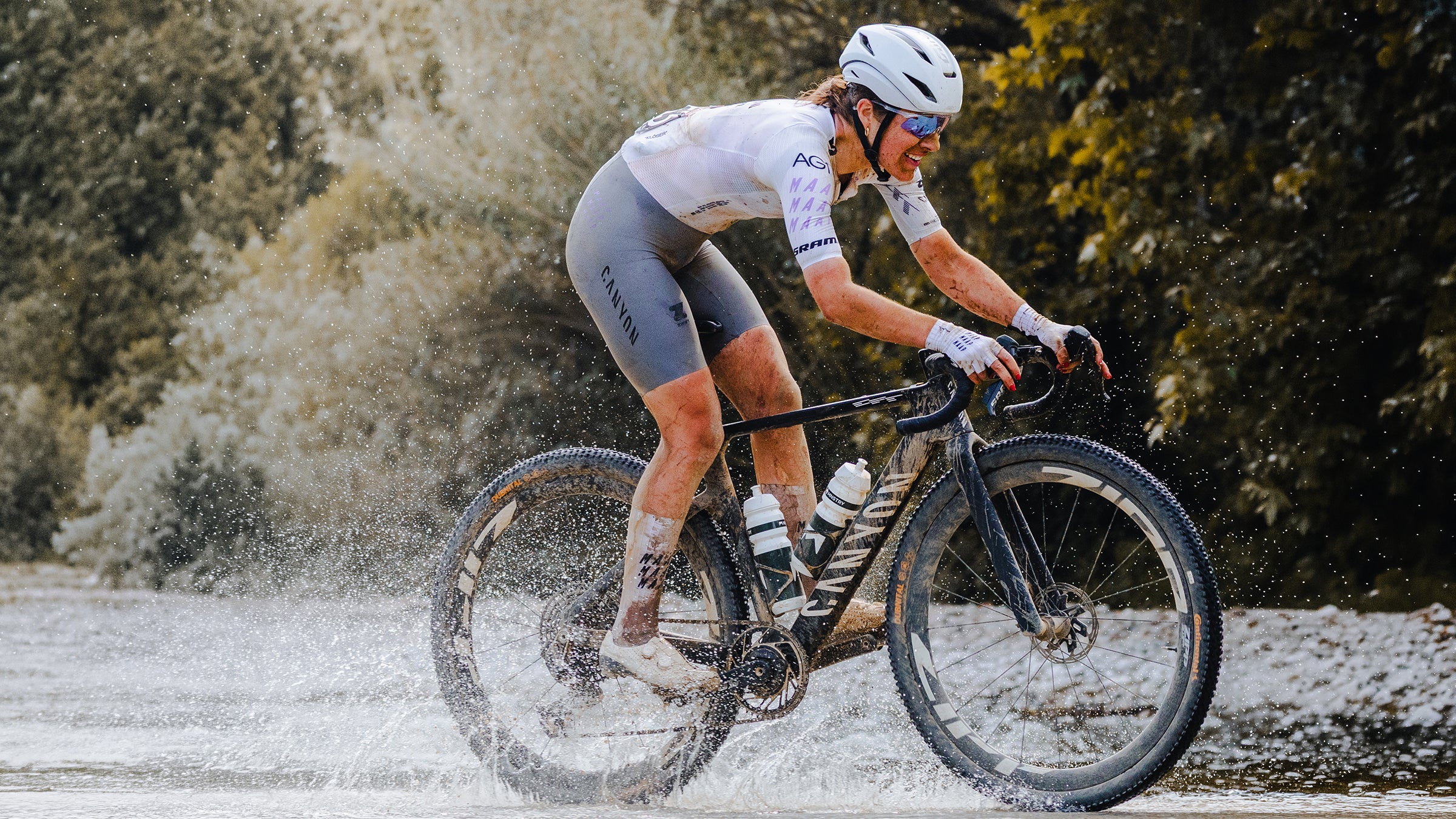
I recently saw a comment—I read all of them, by the way—asking why every cycling outlet posted about the latest Canyon Grail at the exact same time. It’s a common question, often followed by claims that we’re being paid. It brings up a fair point: why is there coordination when a new bike launches, and how does it work? There’s nothing nefarious, nobody is getting paid, and there’s a good reason for it. Let’s look at the Canyon Grail launch.
A month out, Canyon asked if I wanted to review the bike, providing only a launch date and time. I checked my schedule, decided the bike could be interesting, said yes, and sent over my size. Then things went quiet, and the bike didn’t arrive before the launch. It’s not entirely unusual for that to happen, but that’s why I didn’t have a launch-day review for you.
ADVERTISEMENT
Instead, two days before the launch, I got a press release with specs and photos. That’s all I had, but it was well done with thorough information. I’ve also been doing this for a long time, and I bring plenty of banked up knowledge and experience. I read through the details, figured out how the bike fit into the broader market, and pulled out the nuances I suspected other outlets might miss but felt were important. I could have asked follow-up questions if needed, but the info I needed was there. I wrote the story and scheduled it for the embargo time.
What is an embargo and why does it exist?
You’ll notice everything revolves around that launch date and time. It’s called an embargo, and it’s the real answer to why everything looks so coordinated. An embargo simply means a media outlet agrees to hold its coverage until a specific time in exchange for receiving advanced information about a product. It might look a bit like a conspiracy, especially when every brand agrees to the same embargo, but it actually creates much better coverage for readers.
It allows bike brands to share information freely ahead of time so we get a chance to ask questions and genuinely understand a product. If I am able to get the bike ahead of launch, I get to ride it, take photos and video, and follow up on technical details. If there are no shipping or production hiccups, I have a fully tested, accurate review ready to go exactly when the embargo lifts.
ADVERTISEMENT
Ultimately, embargoes prevent a race to the bottom. If they didn’t exist, the second I heard about a new product, I’d have to slam something onto the internet as fast as possible just to get people’s attention first. I wouldn’t have time to test anything or ask a single question. With an embargo in place, I can focus on the bike and make sure the story or review is actually worth your time.
Does knowing how this works behind the scenes change how you view launch day coverage? Hit reply and let me know if the coordination ever felt like a conspiracy to you.
The best launches and the worst launches
All things being equal, the Canyon launch went pretty well. It wasn’t perfect, since I didn’t have the bike in time to publish a review for the launch, but I had the information I needed ahead of launch time. I’ll call that the middle ground.
ADVERTISEMENT
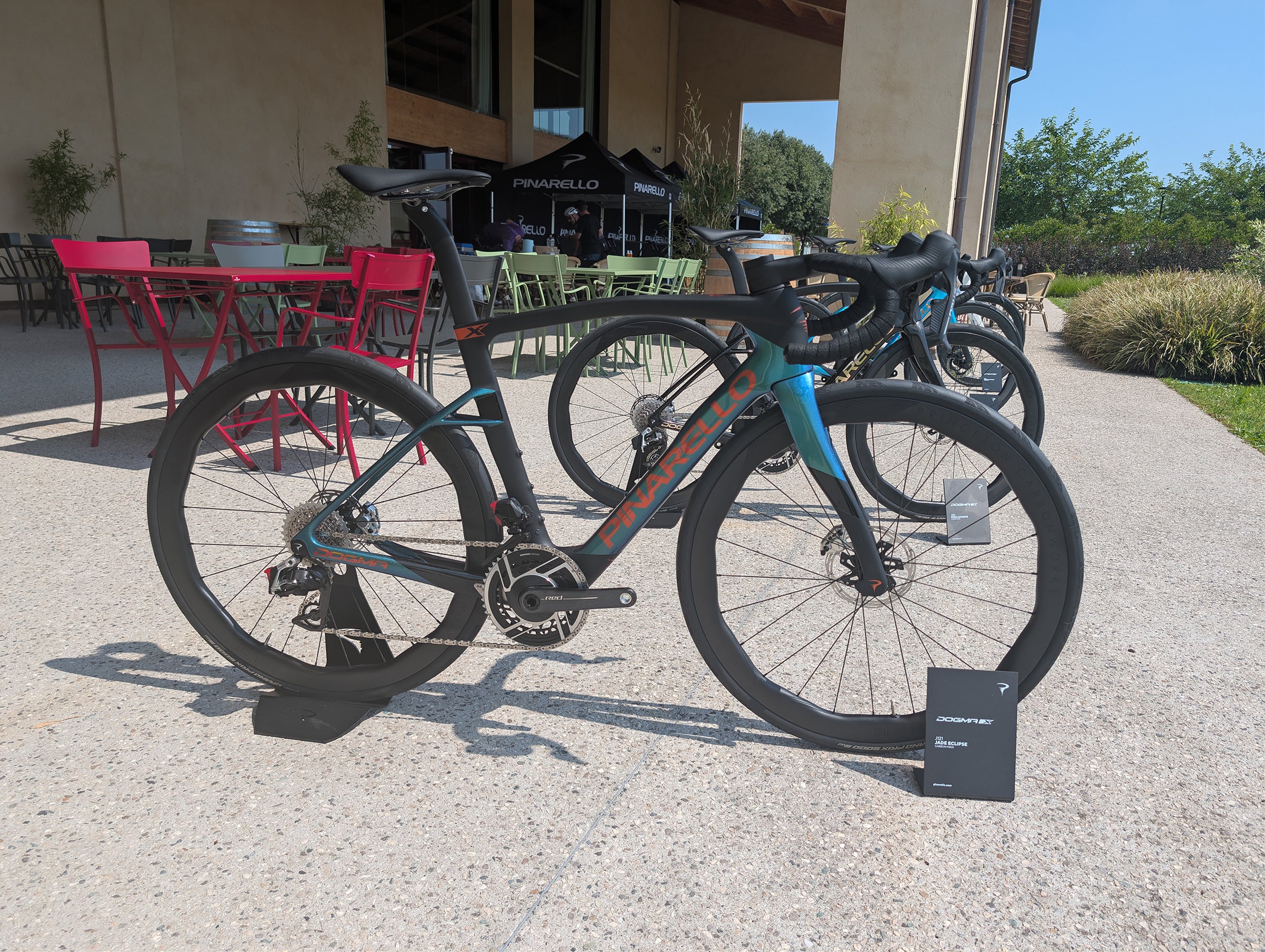
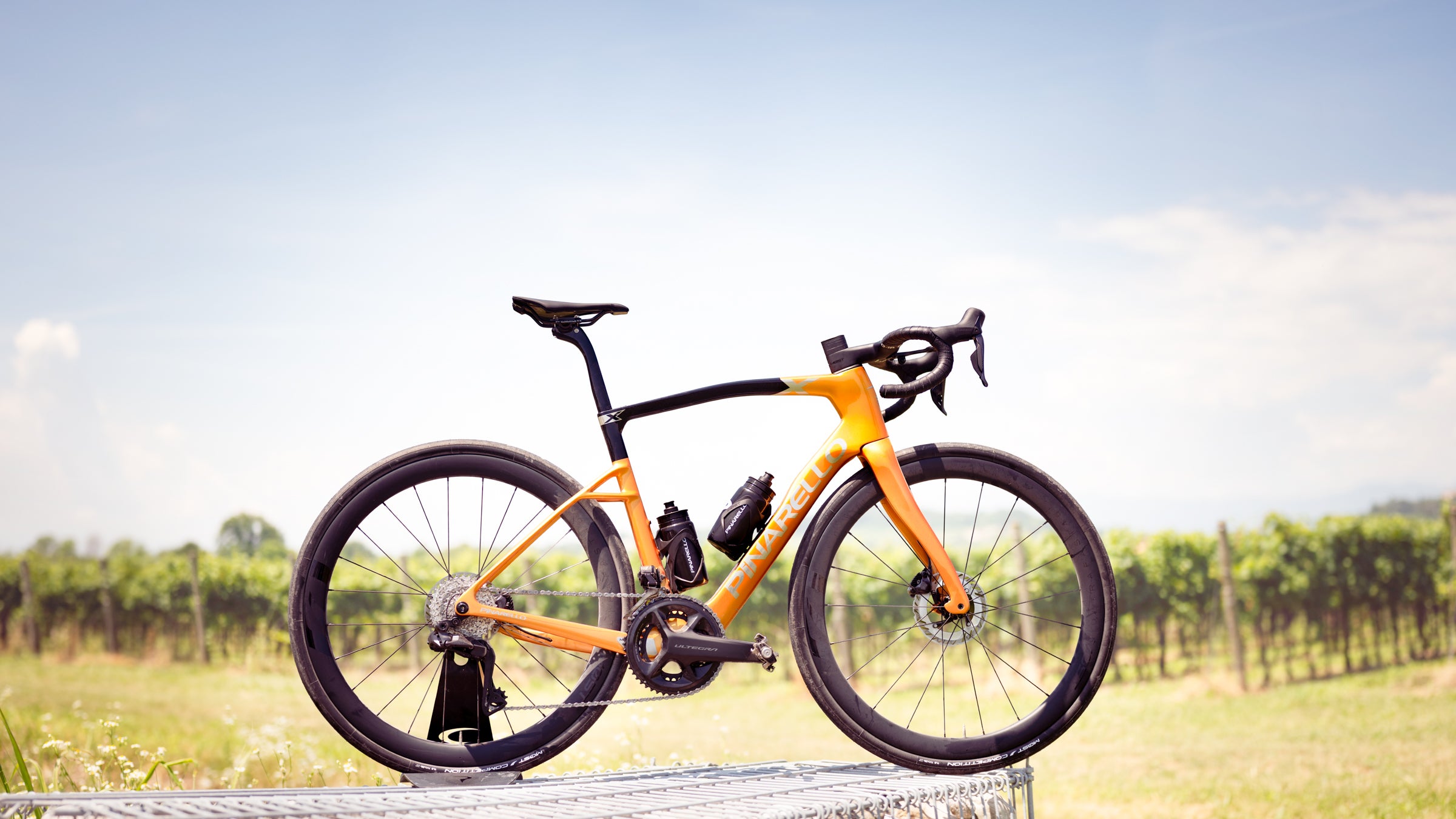
A really great launch happens when there’s plenty of lead time. For the Pinarello X-Series launch earlier this year, I had exactly that. I traveled to Italy to see the headquarters and talk with Fausto Pinarello to get a sense of the company. I spent time riding the bike and had the people who designed it available for questions. If something didn’t make sense, the person who made the decision was right there with an answer.

Of course, I always have to remember that those people are inherently trying to sell a bike. They absolutely paint a rosy picture, and I have to lean on my knowledge to judge what reality is and what consumers will actually want to know. I always try to do this with an eye toward the ideal consumer: who does the company think this bike is for, and is it truly right for that person? When I’m at the headquarters with the designers, I have the resources to find that out and make that judgment.
When I left Italy, I had all the photo and video assets I needed, and was able to grab as much time as I needed with the bike. To me, that is the ideal scenario. Sometimes, I’ll get a bike sent to me and rely on video meetings with designers and lots of emails to understand it. That works too, and it can be nice not to travel.
ADVERTISEMENT
On the other end of the spectrum, sometimes there is zero lead time. I haven’t heard from a brand, and I suddenly get an email exactly at the embargo time with a press release. I have to scramble to get an article up and hope the press release contains the details I need. Half the time it doesn’t and I find myself zooming in on website photos trying to spot things like a third bottle cage mount and waiting on the brand to answer questions. When that happens, the coverage is not as thorough.
What I bring to the table with launch day coverage
I’ve already worked this into the article a bit so far, but what you have to understand is that everyone has the same information. What I try to do is look for the story inside of that information. Why does this matter to the reader?
I look for the unique selling proposition, then I tell that story. I typically like to share what the company storyline is—although not always unchallenged—and then react to that story. Sometimes I think a brand missed the best story of the product, sometimes I think the story makes sense and the people involved nailed it, and occasionally I think a product just does not work.
ADVERTISEMENT
For what it’s worth, I’ve found that when a company can’t clearly communicate a unique selling proposition, the product isn’t that good. Those tend to be the rare moments when you wonder how it made it through so many people without anyone asking why. That is unusual, though; most of the time I find products are pretty good, and it’s a matter of teasing out who they are actually for. Sometimes the company understands that person and sometimes not, but that’s what I try to share.
The thread that connects all of this judgment is my point of view. Fellow Velo Tech Editor Logan Jones-Wilkins has spent his life racing, and he has a different perspective. I ride long distances, mostly in zone three, and I am intensely interested in being efficient. What he sees as important in a product might be different from what I see. That point of view is what we bring to launch day coverage, whether we have a product in hand or are just reading a press release and asking questions.
Remember, you can always reply to the newsletter, and every message is read. You can also reply right here in the comments. So, what is your point of view? When a new bike launches, are you looking for race-day speed, long-distance efficiency, or something else entirely? Let me know what you actually care about when reading a review.