Updated September 30, 2026 10:14AM
The Hottest Tech Trend in Pro Cycling? Shoe Laces.
In Montreal, we found that more and more pros are bringing back some traditional shoe technology.
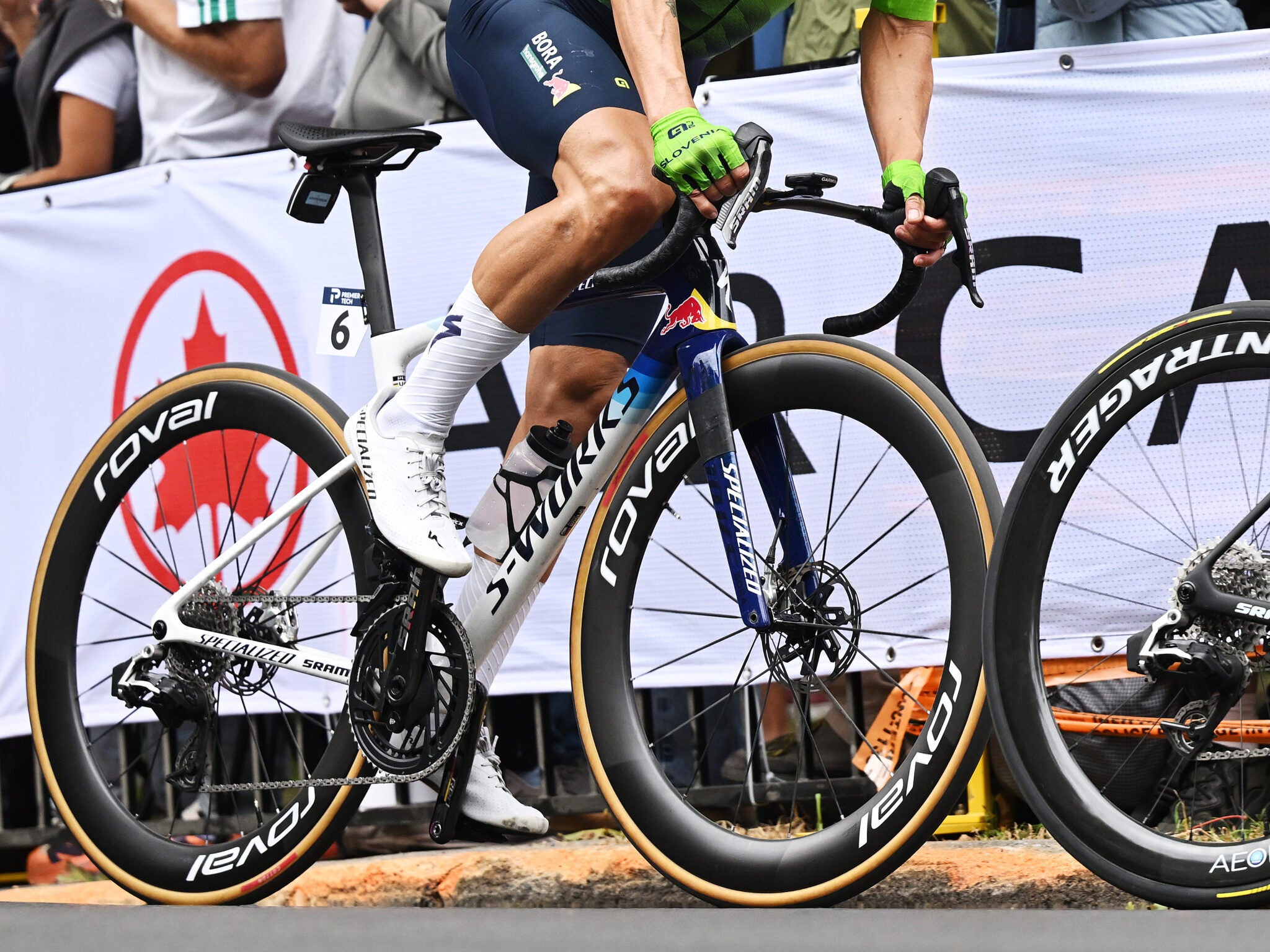
(Photo: Dario Belingheri/Getty Images)
Around the start paddock at the 2026 UCI Road World Championships, they were everywhere: cutting-edge bike shoes with… laces.
While the vast majority of cycling shoes released in recent years use twistable Boa dials and other innovative quick-adjusting closure systems, a surprising number of the world’s best cyclists are turning back to tried-and-true laces instead.
Velo spotted Remco Evenepoel, Paul Seixas, Primož Roglič, and Matej Mohorič among the at least 18 riders in the elite men’s road race wearing lace-up shoes at the start line.
Why is this seemingly low-tech solution back in style? Specialized provides shoes to Evenepoel and Roglic, among many other athletes (who have the choice between Boa dial and lace enclosures), so we reached out to learn more about the decision-making process for pros.
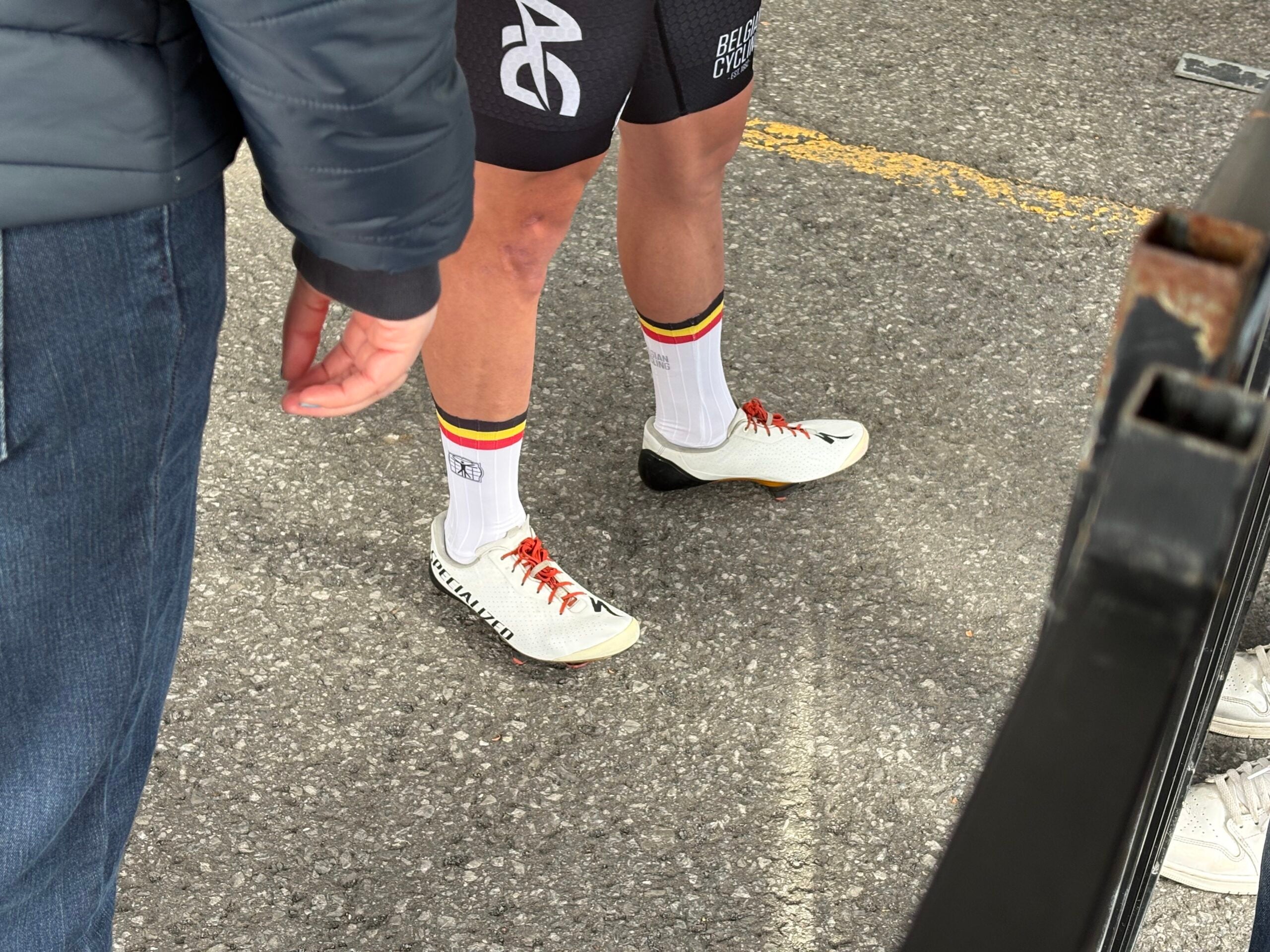
“Riders are choosing laces based on a preference for the feeling of the closure and aerodynamic performance combined with lightweight,” a representative from Specialized said. “We know that comfort is critical and highly personal for all riders, and laces are one of many factors that go into selecting shoes for racing.
ADVERTISEMENT
“While laces aren’t adjustable on the fly, some riders have the diligence to set them up how they like them, though it’s easier said than done. Most riders will benefit from adjustable shoes during long rides and racing, though choice is important to us.”
While fit is a big component, it is easy to read between the lines: if the fit works with either enclosure system, riders choose shoes for the aerodynamics.
The aero difference between protruding dials and low-profile laces is fairly intuitive, but the difference it makes is surprising. An aero expert who works in professional cycling, who didn’t want to be named due to the sensitivity of the data, told Velo that the benefit can be significant, ranging from 3 to 10 watts for switching from dials to laces in the same kind of shoe.
While we plan to do some follow-up testing ourselves with a combination of shoe configurations, Alex Dowsett has done wind tunnel testing on the comparison. Dowsett is a former WorldTour time trial specialist and current aerodynamic engineer for the XDS Astana team. In his testing, he measured a 1% difference, which translates to around a 4-watt delta in a hypothetical flat time trial effort.
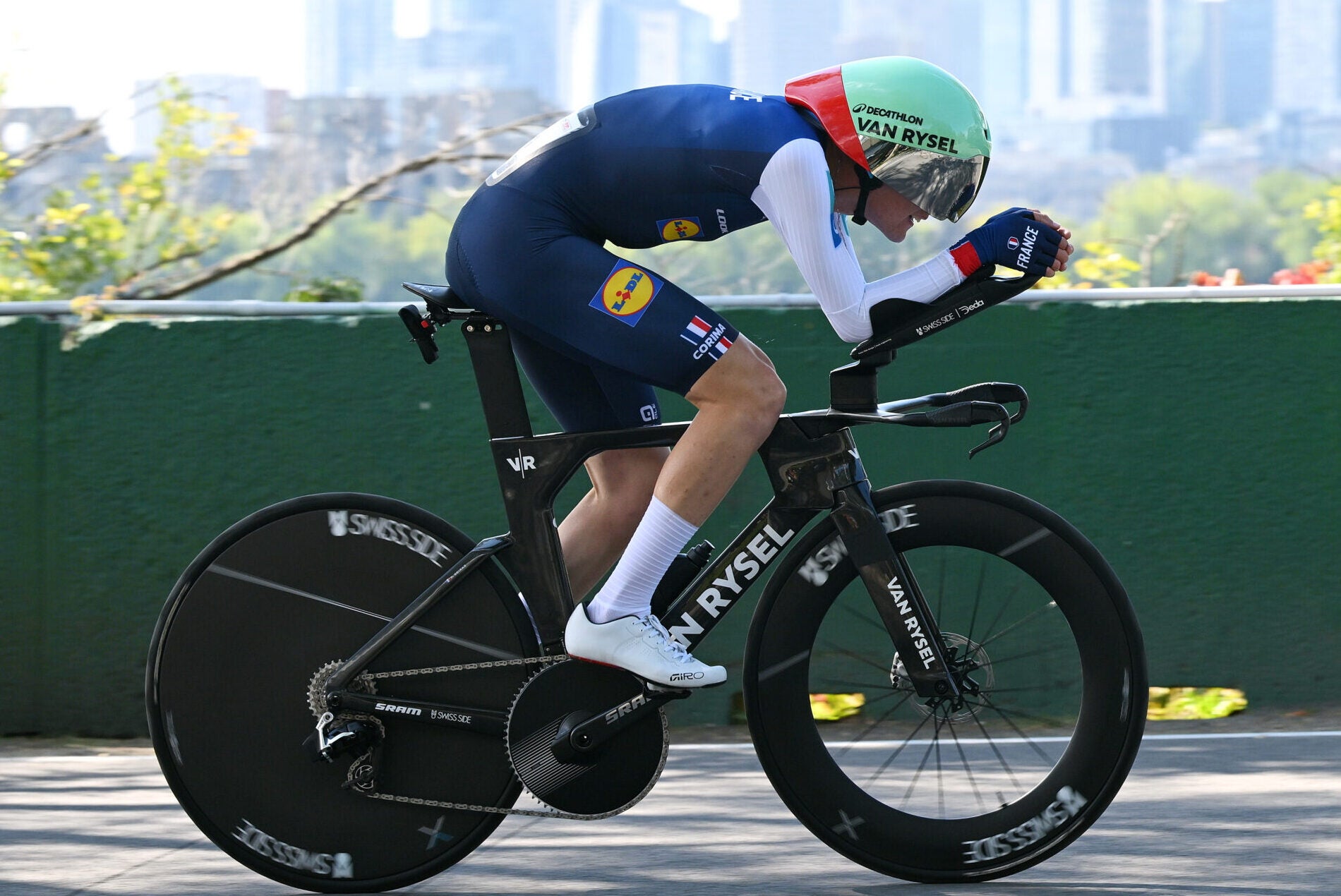
In some cases, those gains are similar to what you could measure with shoe covers. In the past, we have seen the likes of Mathieu van der Poel use full aero overshoes for races. Those come with downsides of their own, including more time to put on the form-fitting covers, and the loss of breathability that makes them uncomfortable for warmer days and longer rides—like a 270-kilometer Worlds course.
ADVERTISEMENT
We’re seeing shoe covers less now. At Worlds, even with cooler fall temperatures, there were about as many riders in shoe covers as in laces. Van der Poel eschewed both options this time, opting for aero socks and the new Shimano S-Phyre shoe with dials (Shimano doesn’t make road shoes with laces—for now at least).
For pro riders with lace-up shoes available to them, it seems that the mix of their lightweight upper and aero gains from their low profile has made them an appealing option. Couple those with aero socks, and you have a fast, breathable option.
While laces are in for the pros, it is interesting to see how different that is from the choices of consumers. On the other side of the fence here in Montreal, the overwhelming majority of riders have Boa dials, even if they have adopted aero tech elsewhere.
That makes a lot of sense. For most riders, the refined fit, high levels of adjustability, and easy serviceability outweigh a few watts saved in a time trial scenario.
Yet, if you care about aerodynamics, laces might be the biggest marginal gain you are missing.