Published June 15, 2026 09:43AM
If you buy through our links, we may earn an affiliate commission. This supports our mission to get more people active and outside.Learn about Outside Online's affiliate link policy
A Gravel Bike Just Won a Road Crit. The Endurance Category is Officially Obsolete.
Matthew Wilson’s Tulsa Tough victory proves the middle ground is dead. It is time to pick a lane: buy a fast gravel rig or an uncompromising race bike.
For years, I’ve listened to other tech reviewers insist that most riders belong on endurance road bikes instead of race bikes. The logic is that most people should be more upright and they aren’t racing anyway, so why try to cosplay as a WorldTour rider only to end up less comfortable?
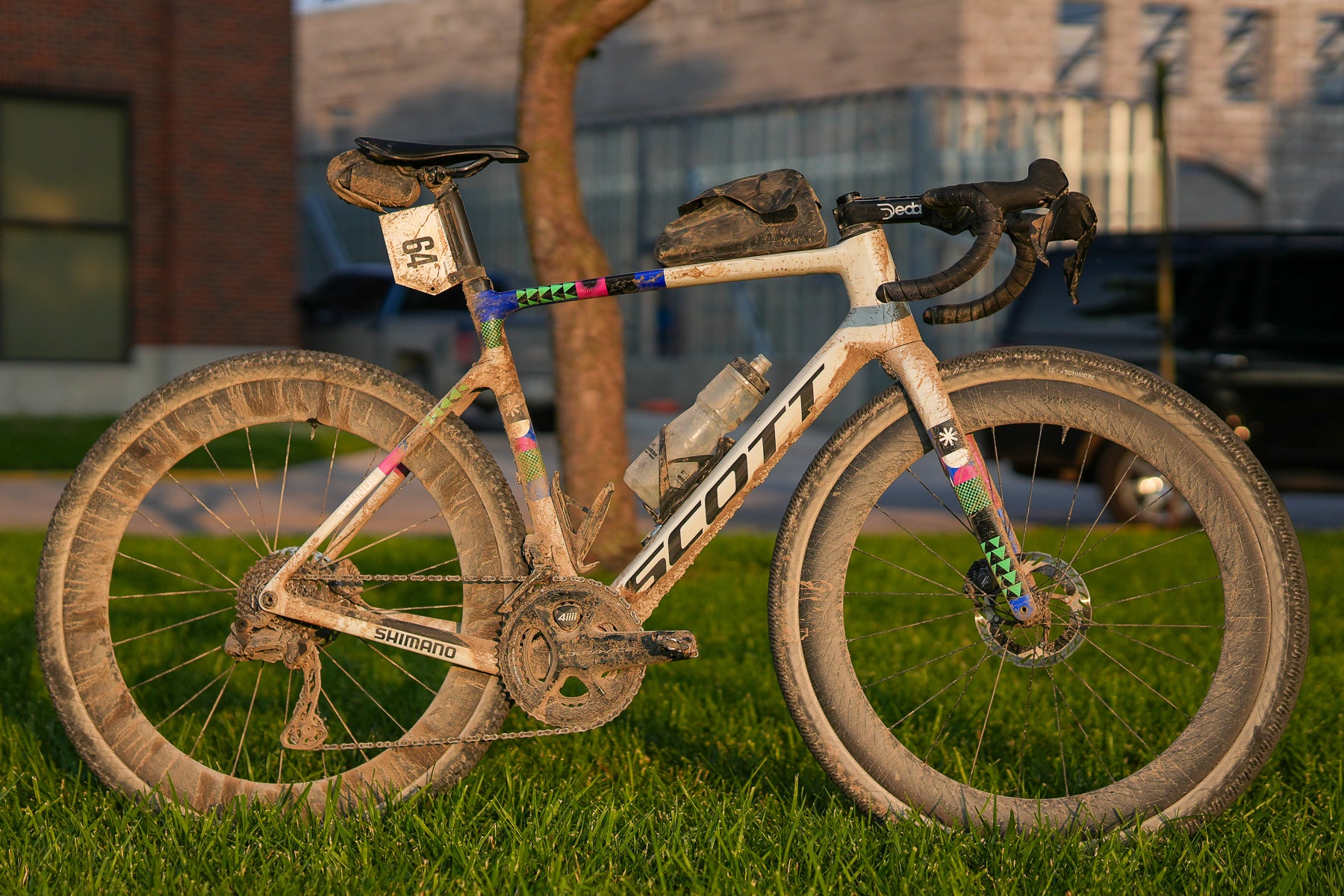
I have always thought they were wrong, and Scott-sponsored rider Matthew Wilson just won the biggest crit race in America without a road bike.

Gravel is the new endurance
What he proved is exactly what the buying public is largely aware of. If you believe the aggressive geometry of a pure race bike doesn’t make sense and the promised benefits don’t actually matter, you aren’t alone. The solution isn’t an endurance bike, though. Instead, the solution is a gravel bike.
Look at Wilson’s setup at the Tulsa Tough criterium. He took the win on a Scott Addict Gravel equipped with a 50t chainring, an 11-34t cassette, Syncros 60mm wheels, and 32mm road tires. More importantly, look at the frame geometry. Compared to a dedicated road racing machine, the Addict Gravel is significantly more upright, featuring a slacker head tube, a shorter reach, and a longer wheelbase. Functionally, it is endurance geometry.
However, unlike a traditional endurance road bike, it also clears 45mm tires. By swapping wheels, Wilson proved that a modern, fast gravel bike handles high-speed pavement perfectly while still offering true off-road versatility that an endurance road frame simply cannot match.
Of course, this makes perfect sense if you know the history of gravel bikes. They didn’t emerge from the minds of designers fully formed as the modern gravel bike. Instead, they came from people taking what they had, putting the biggest tires possible on, and riding gravel roads. For some people, that was cyclocross bikes, but for a whole lot of people, it was an endurance bike.
ADVERTISEMENT
The reason those people started doing that was all about making use of roads without cars. Now, things are simply coming full circle. Instead of taking a road bike and putting bigger tires on it, most people like to take a gravel bike and put smaller tires on it. If you decide to do a gravel ride, you just swap tires or wheels.
Race bikes are more relevant than you think
That approach doesn’t work for everyone, though. There are plenty of road riders who have no interest in riding off-road, ever. In that case, a gravel bike offers versatility that will never be used. If you are staying on the pavement, you might as well maximize performance, and this is where dedicated race bikes come in.
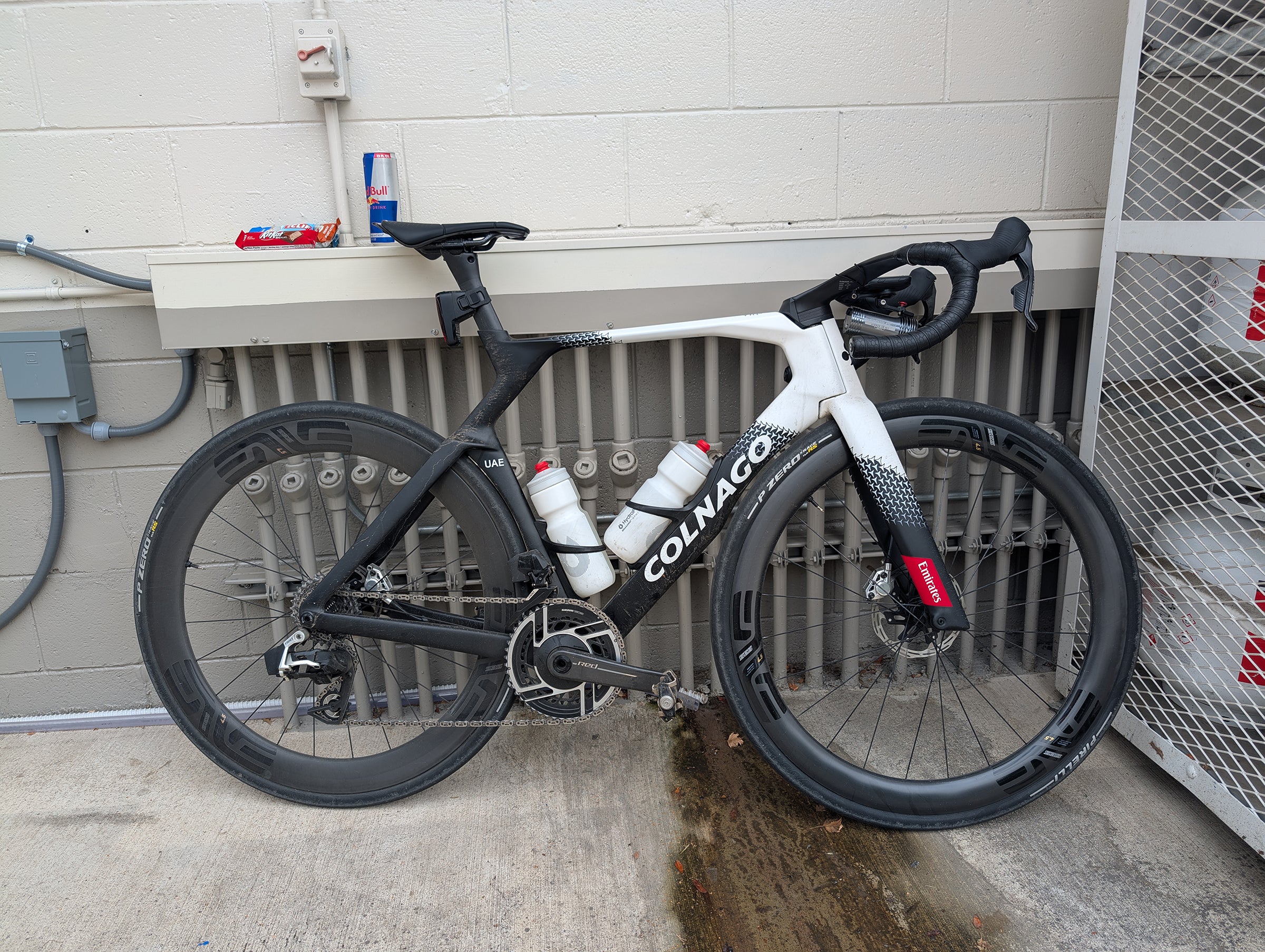
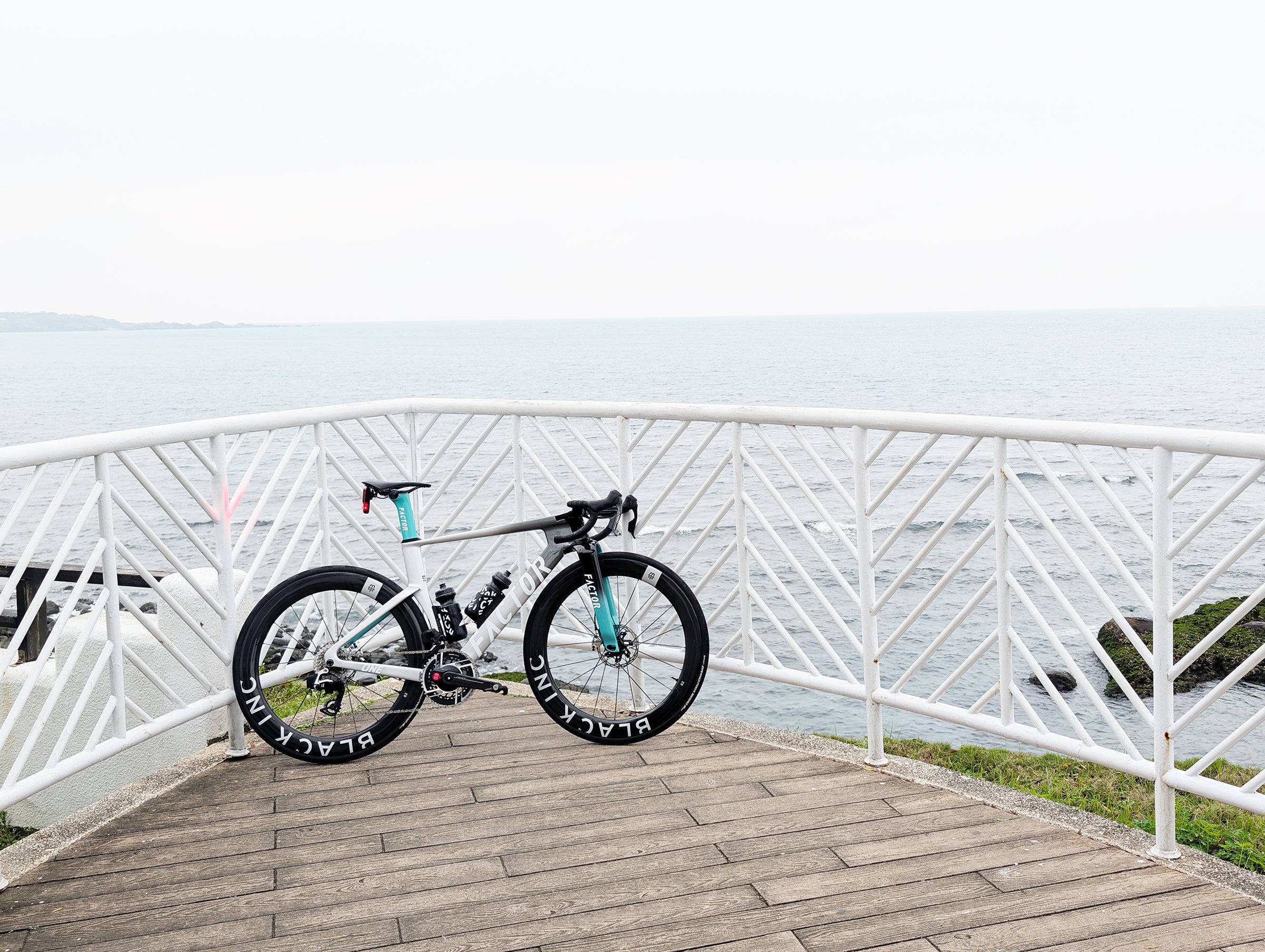
The traditional line of thinking is that a race bike offers zero versatility, but that’s wrong. I regularly take aggressive race bikes with zero spacers and push them into ultra-endurance duties. A bike like the Factor One is about 3 watts faster at 20 mph compared to a top all-around frame. Over 200 miles, that aerodynamic efficiency adds up.
Alternatively, if aero isn’t your primary metric, an ultralight bike is a joy to ride. I recently knocked out a fast century on the Scott Addict RC Pro. The math says it won’t be as fast as an aero bike, but a lot of people don’t care about saving 5 watts when a frame feels incredible to ride. A lightweight frame feels snappy, and moving it back and forth under you as you climb feels like dancing. You don’t get that on any other kind of bike.
A race bike doesn’t have to be about actually racing. A race bike is your opportunity to optimize as much as possible. If you want aero, or lightweight, then maybe you want to follow the obsessive line of thinking that a bike designer has and see what happens. Technology is amazing when you go all in. There are even ways that designers can optimize for a balance of weight and aero without compromising.
The problem with endurance bikes
So if you need a gravel bike for versatility or a race bike for speed, where does that leave the endurance category? Mostly obsolete, and even if you don’t agree, the market does. Endurance bikes do not sell well because buyers understand it’s a compromise.
ADVERTISEMENT
For years, the traditional endurance bike was just a cheaper beginner bike. It wasn’t inspiring; it was simply heavier and felt more comfortable on a test ride for someone who wasn’t used to the position of a race bike. The carbon was often lower tier, and the geometry prioritized being boring and predictable. Then, because it was the only way to sell a bike like that, manufacturers would throw low-spec finishing pieces at the frame.
Committing to the concept
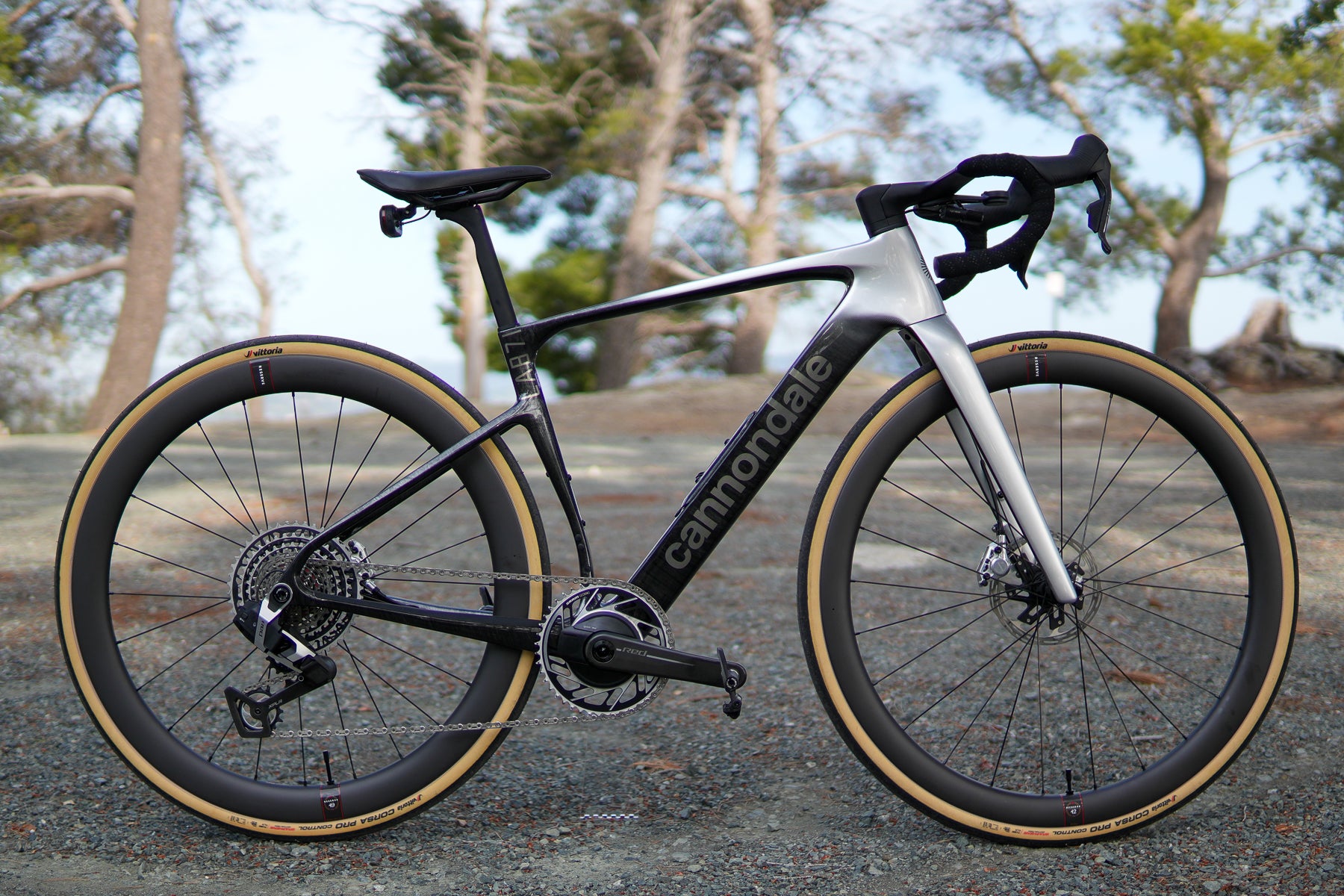
As I was writing this, I realized there was an exception that I had to explain. One of those original endurance bikes that famously morphed into a gravel bike was the Cannondale Synapse. That bike has then gone on to become one of the most interesting, and frankly unique, bikes you can buy today. Cannondale still calls it an endurance bike (and I crowned it the best endurance bike in my best road bikes guide), but there’s nothing watered down about it.
The reason the Cannondale Synapse is so interesting is that Cannondale commits to the core concept of an endurance bike. An endurance bike isn’t supposed to be a watered-down race bike; it is supposed to be optimized for true endurance riding.
Cannondale proves exactly how to do this with the Synapse. Cannondale built a platform designed exclusively for long days in the saddle. It is not boring to ride because the point isn’t being fast on a short ride, but rather staying comfortable when the hours drag on. For you, that might mean something different than Lachlan Morton, but it includes things like geometry that keeps it stable, frame compliance, aero shaping, big tire clearance, and finally getting SmartSense to a place that makes sense for the intended purpose. This is not a bike built to be cheap, but rather a bike built to be good at endurance. I’m told the Canyon Endurace is another bike that fits that category, although I have less experience with it.
An endurance bike by another name
So at this point, I’m telling you to either specialize in a genre or get a gravel bike. I think it makes a lot of sense for a lot of people, but I don’t want to ignore that not everyone is riding a slammed aero race bike for 200 miles. There is room for something else; it’s just different from what we’ve seen in the past.
ADVERTISEMENT
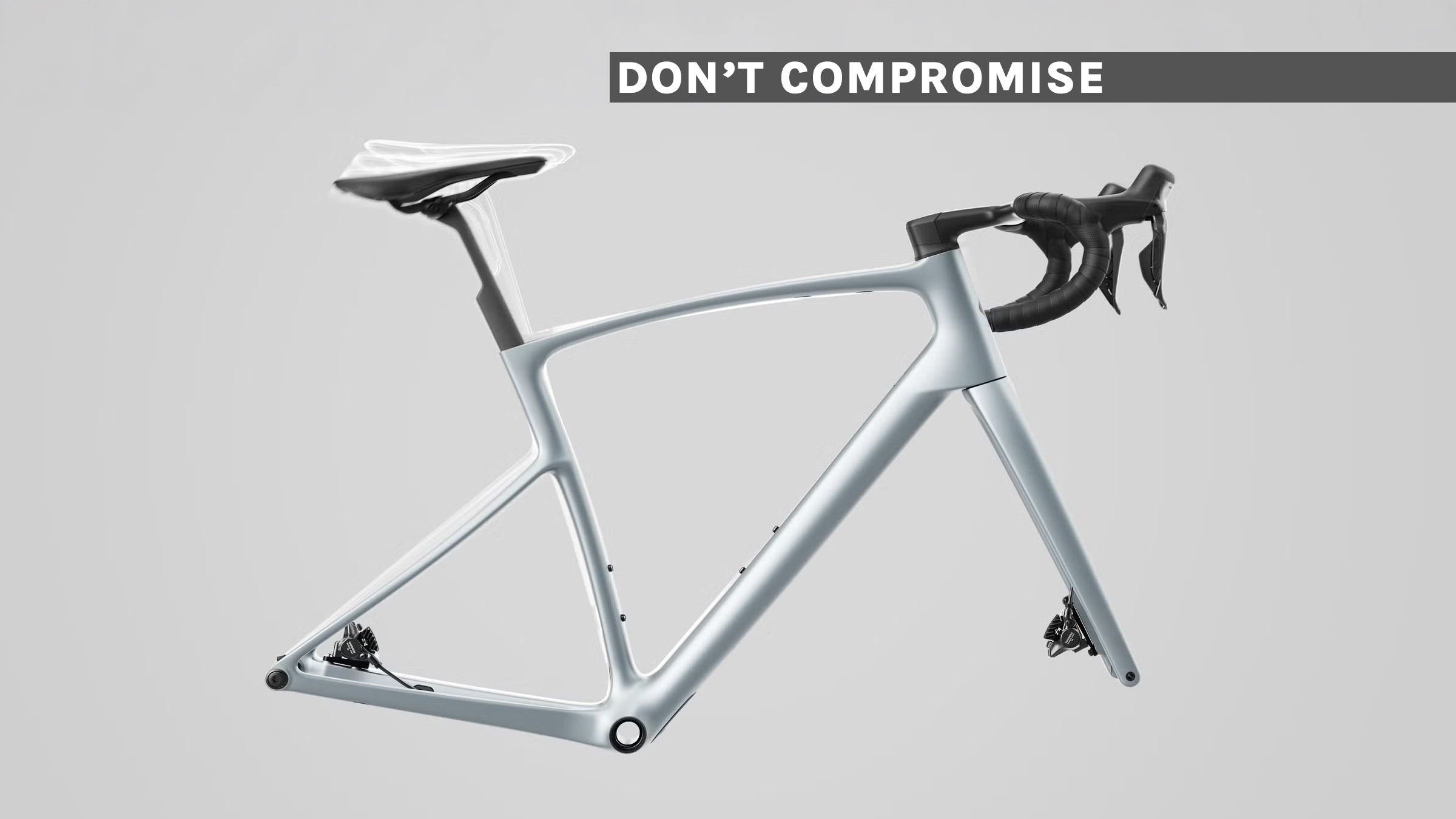
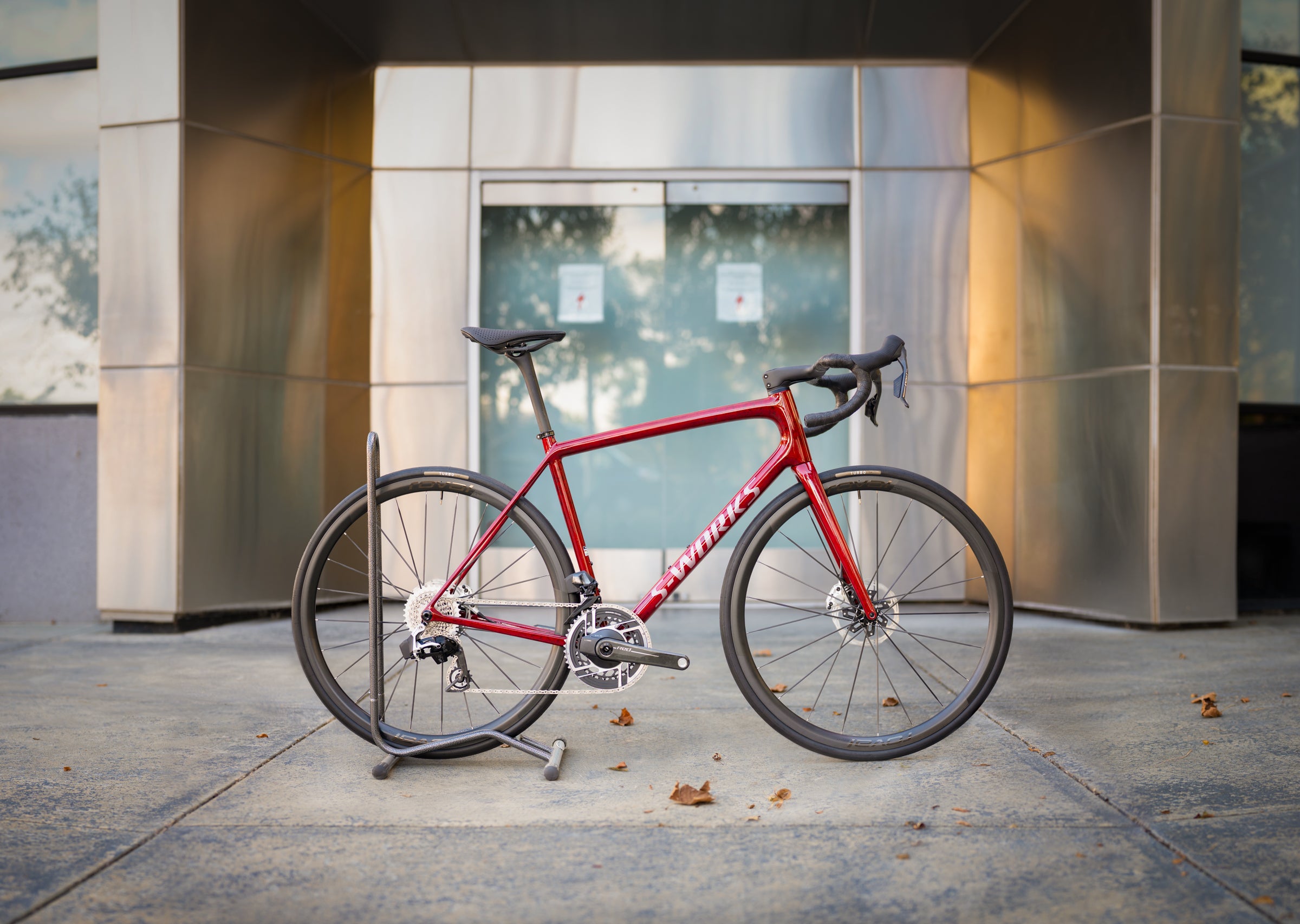
What if you took a flagship race bike and just built the headset spacers directly into the frame as a taller head tube? You still get the focus of a race bike, but it’s a little easier to ride. What would you call that bike, though? It’s not an endurance bike because I just explained that it used to mean a dumbed-down race bike and should now mean a bike that is truly optimized for endurance.
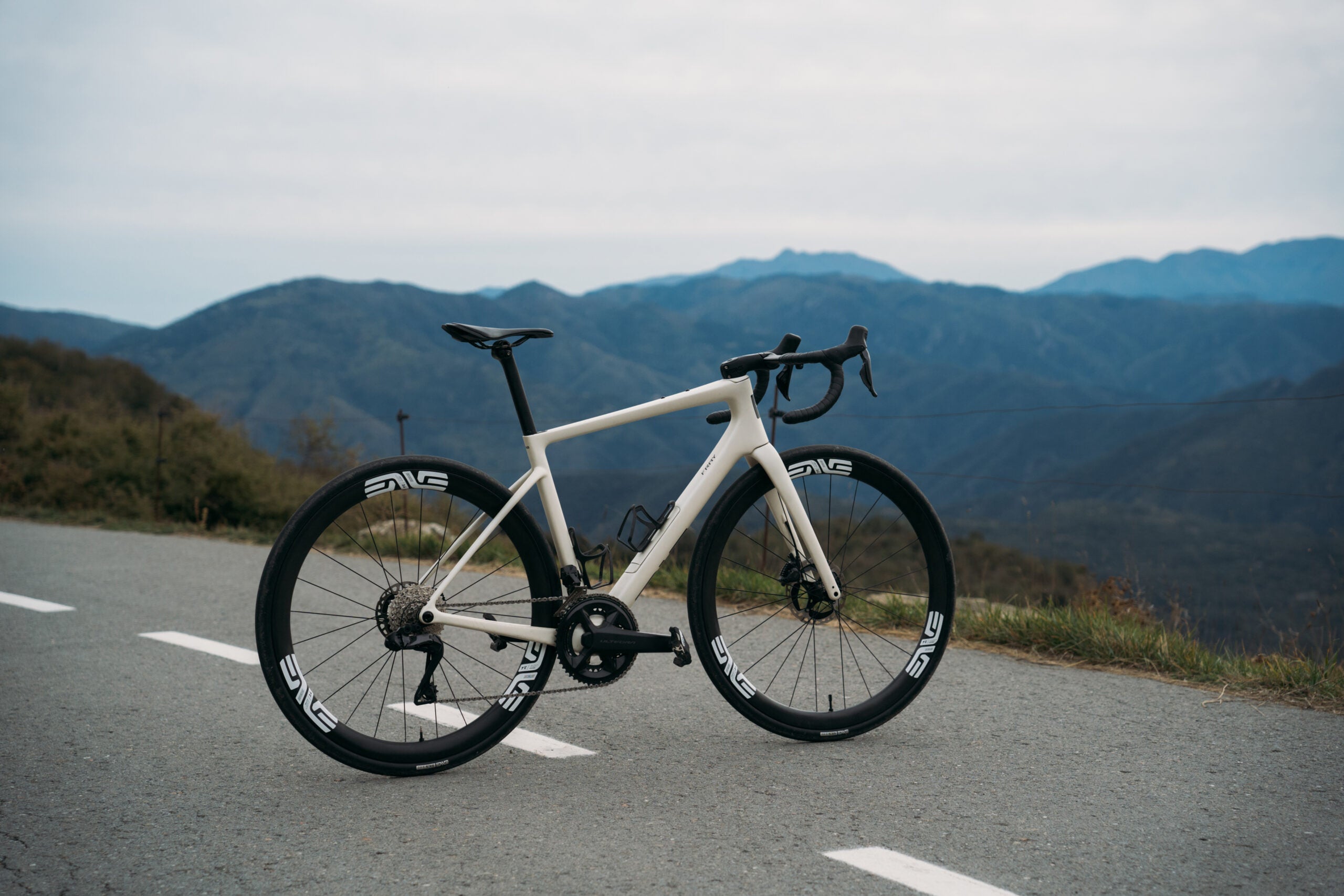
Whatever it’s called, there are already bikes out there that are finding this niche and filling it. The two that come to mind for me are the new Specialized Aethos 2 and the Enve Fray. Neither brand categorizes these choices as traditional endurance bikes, and that makes sense. The Fray and the Aethos ride like the Tarmac and the Melee; they just built the spacers you were already running right into the head tube. They don’t feel sluggish, but they also aren’t optimized for endurance.
Instead, they each take the concept in a slightly different direction. Specialized specifically targets “performance endurance” with the Aethos 2, combining a taller stack with geometry pulled from Specialized bike fits while preserving the feel of a lightweight WorldTour frame. Enve instead pushes the Fray slightly in the direction of all-road with room for bigger tires.
What bike should you actually be riding?
A gravel bike can win a road race, but I can already hear you yelling about how that’s the engine, not the bike. It’s true, but it also serves as a beautiful bookend to say that most endurance bikes have very little place in the modern road bike rainbow of options.
ADVERTISEMENT
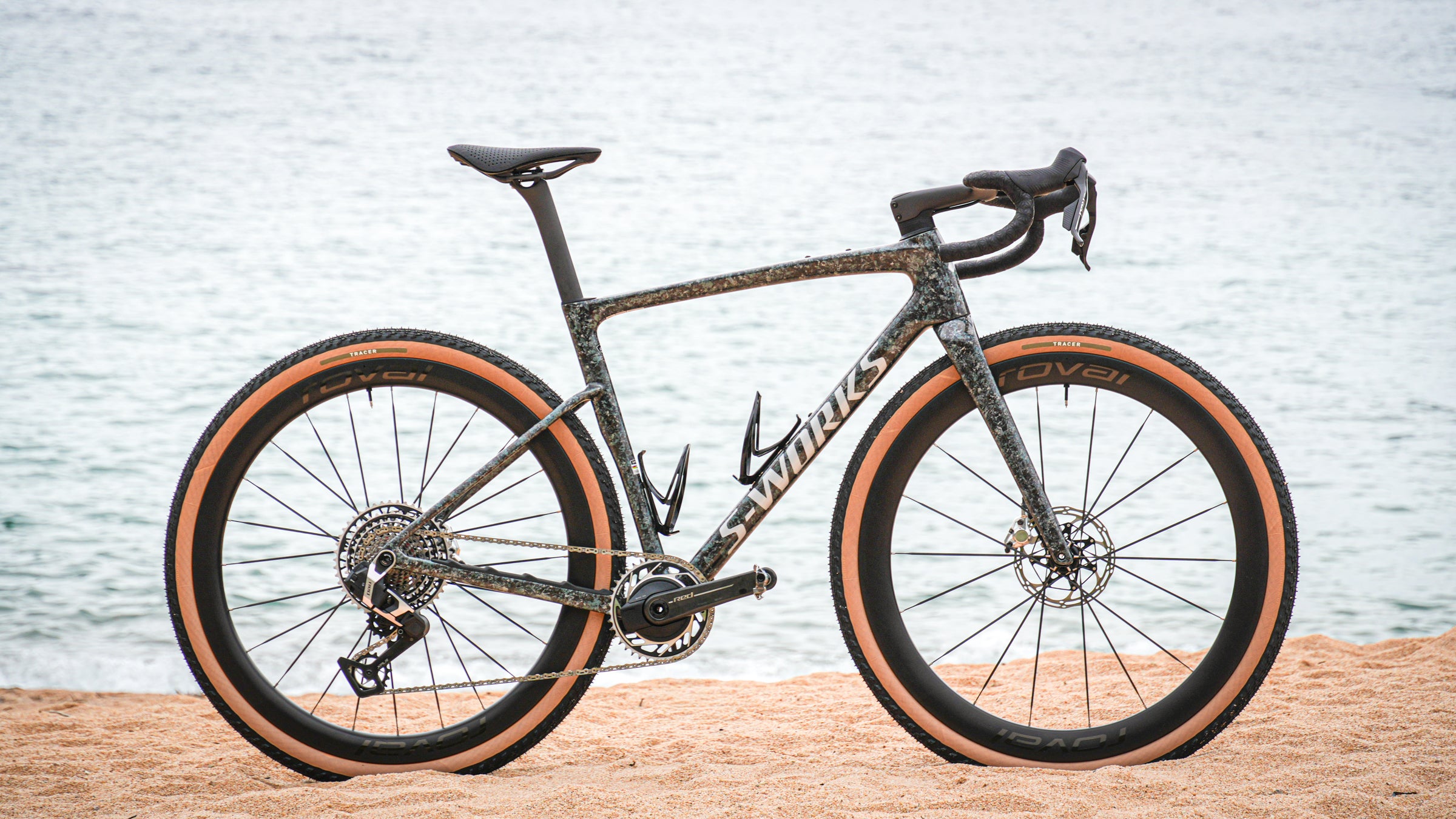
Most people should not be on an endurance bike. As I write this in 2026, most regular people who buy bikes should be on a gravel bike, or potentially, an all-road bike. You get a longer, more stable bike with a shorter and more upright rider position. You also get the ability to ride on roads that aren’t tarmac.
You also shouldn’t automatically write off a race bike. It doesn’t matter if you race. If the fit works for you in a reasonable way, you can get an amazing bike that really optimizes a specific detail. You can add bigger tires—32 is the new 30 these days, and 30 is the new 28—and a wide internal width wheel is a great equalizer, too.
If none of that sounds right for you, then look for bikes that aren’t compromises. The bikes out there that find a niche and focus on it are exciting to ride, and some of them focus on performance road riding while being a bit taller.