Published November 3, 2026 02:30PM
Why I’m Willingly Giving Up 3 Watts for the New Giant Pursuit
It doesn't top the charts in isolated aero testing, but a small design tweak solves one of the most frustrating problems for fast riders.
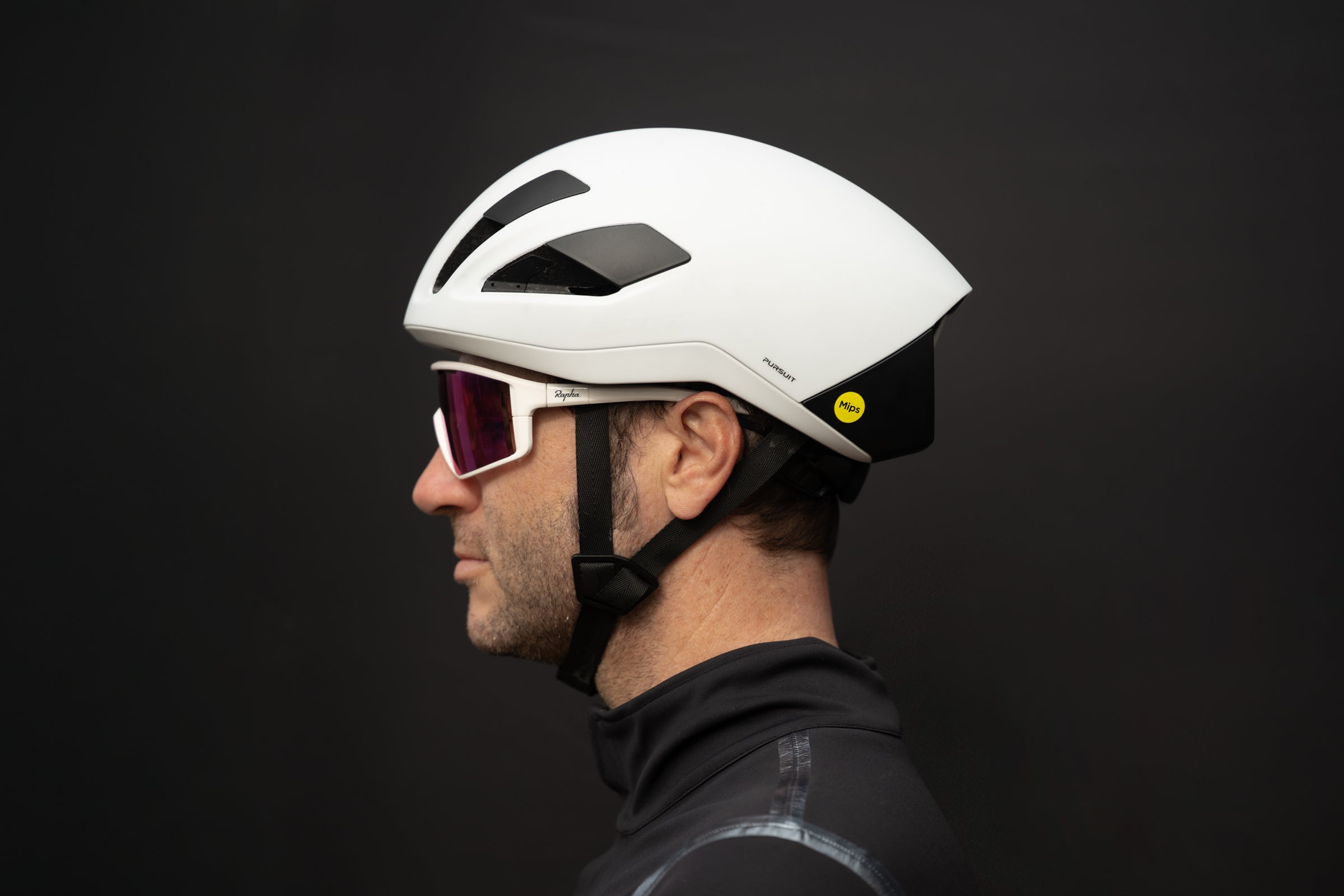
(Photo: Josh Ross/Velo)
Pros
Breathability on par with vented helmets
Visibility in an aero position
Brow stays put when tightened
Fidlock buckle
Cons
Lacking Virginia Tech Score
Technically slower than other helmets
Zwift Plus specs
| Specification | Details |
| Weight | 298g quoted/311g tested |
| Rotational safety system | MIPS Air Node Pro |
| Aero optimised | Yes | Tested as 3 watts slower than the Specialized Evade 4 at 25 mph |
| Sizes | S, M, L |
| Virginia tech score | Untested |
| Ponytail Space | Yes |
| For More Info | Giant Website |
I am deeply interested in helmet aerodynamics for one simple reason: it is the cheapest wheel upgrade you can buy. While a lightweight, deep-section aero wheelset might cost upwards of $4,000, a high-end aero helmet normally costs in the $350 range but provides the same benefit. Going from shallow climbing wheels to deep aero wheels might save you about 10 watts, and that’s roughly the same as swapping your standard ventilated helmet for a fast aero road helmet. Go for both if you can, but if you have to pick one, it’s pretty obvious the helmet makes more sense.
ADVERTISEMENT
More likely, though, in 2026, your bike already came with deep aero wheels and you still need a helmet. I always recommend picking an aero helmet for the free watts, but there are obviously other considerations. It has to keep you cool in the heat, it has to be safe, it has to be comfortable, and it has to look good.
After years of neglect, the Giant Pursuit got an unexpected update as we close in on the tail end of 2026. The tricky thing for every other helmet company right now is just how good the Specialized Evade 4—my current pick for best overall in the best bike helmets buyer’s guide—actually is. Because of that, I’ve almost started to expect less from other brands. Then the Giant Pursuit showed up, and I took it to Death Valley to ride in 30 mph winds and 109-degree temps. It was so good it was worth telling you about. Here’s why I am so impressed with the 2026 Giant Pursuit aero helmet.
What I like about the Giant Pursuit
Let’s clear up a lingering misconception: a modern aero helmet gives up nothing when it comes to ventilation. In 2026, brands use advanced internal channeling to capture air and pull it across your scalp as you move forward. When you slow down on a steep climb, it gets hot—but that is true whether your helmet is highly vented or completely solid. The Giant Pursuit is no different. I really did wear it in 109-degree heat through Death Valley. It was undoubtedly hot, but the more enclosed aero shell actually proved to be an advantage by keeping my scalp from getting sunburned.
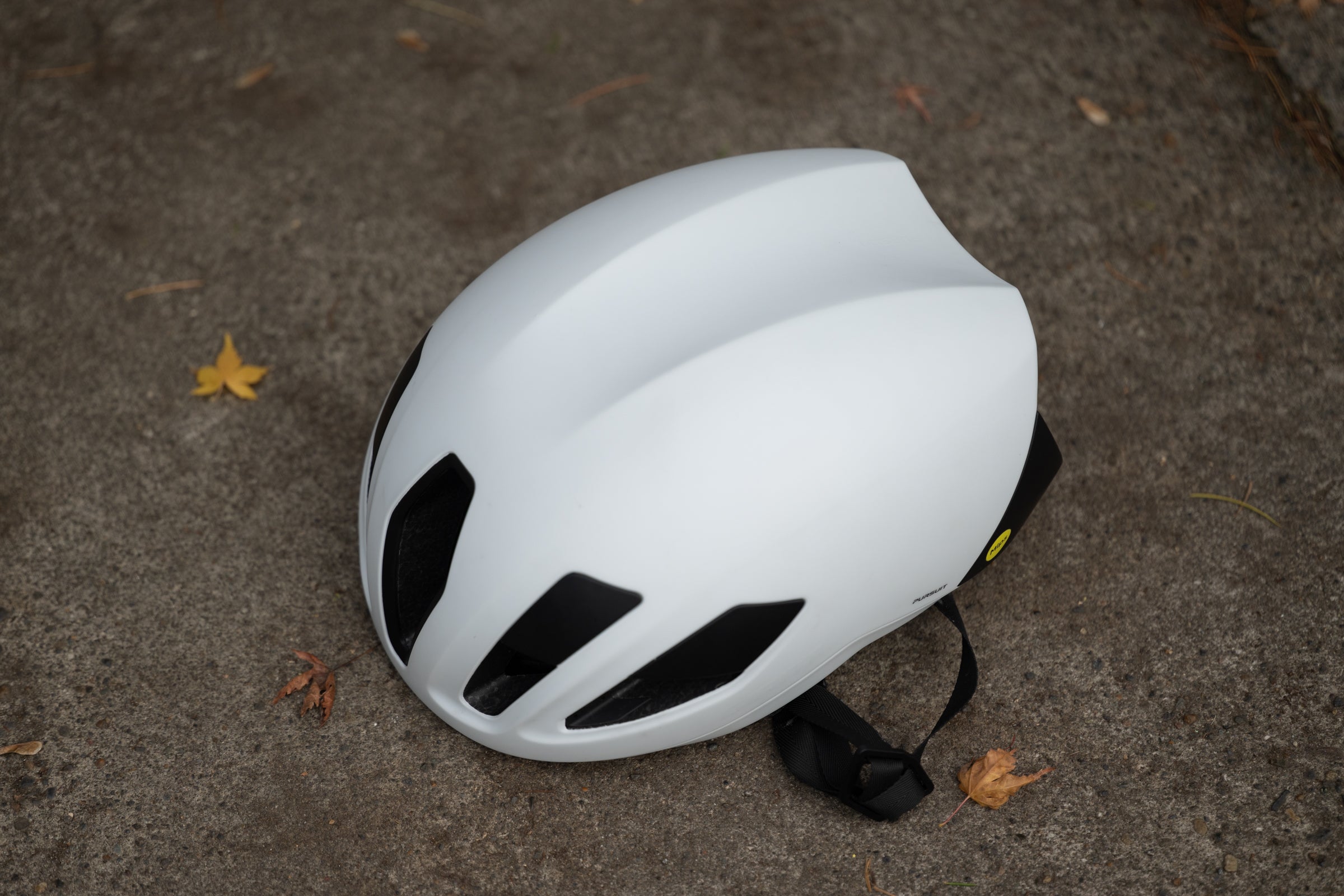
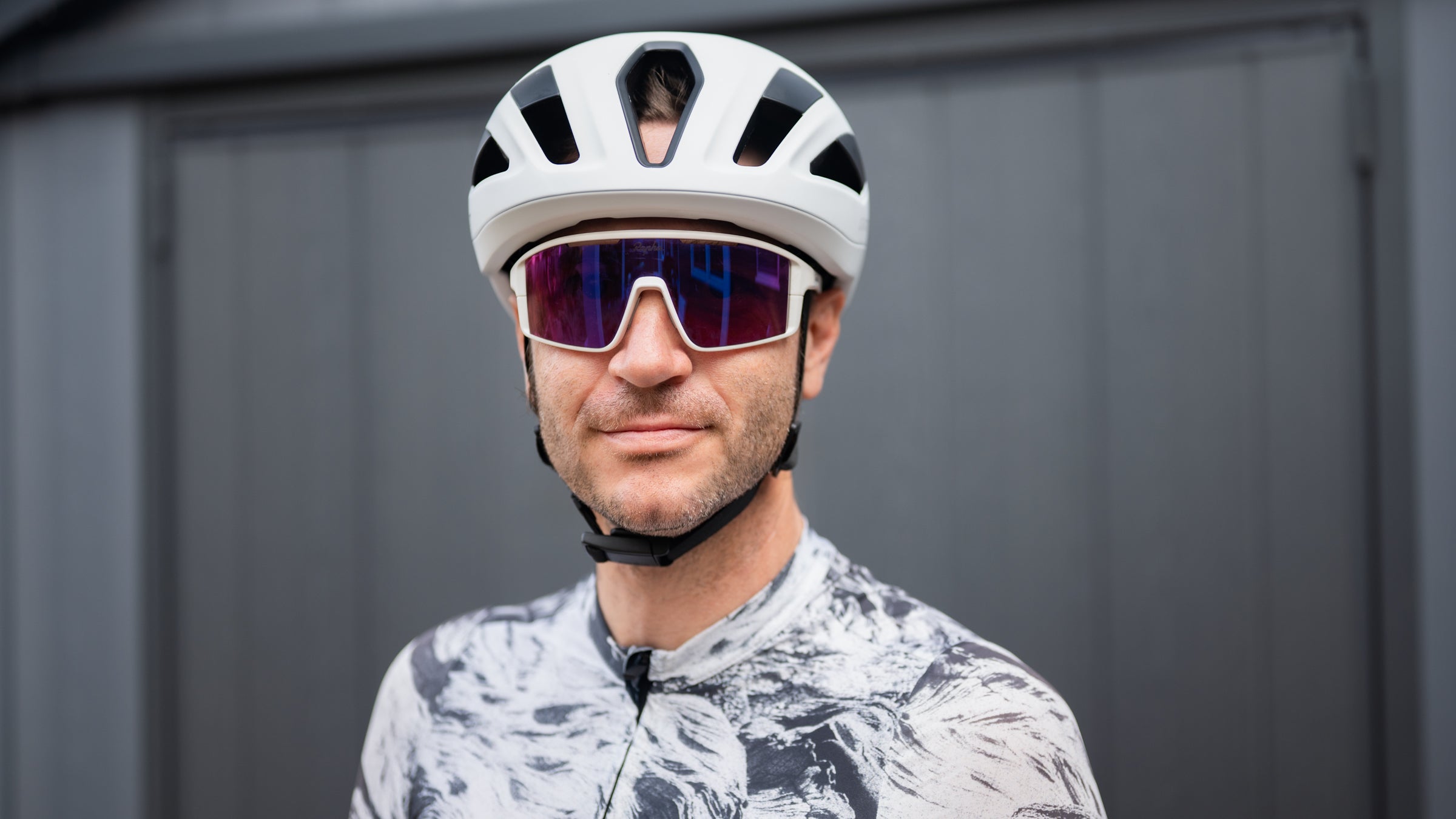
Beyond the thermal management, my favorite feature of the Giant Pursuit is the field of vision in a deep aero tuck. With the Specialized Evade 4, as well as other options, I often struggle to get as low as I want while still seeing past the front brow of the helmet. Giant carved out just enough space at the front lip so you don’t have to crane your neck uncomfortably to see up the road.
ADVERTISEMENT
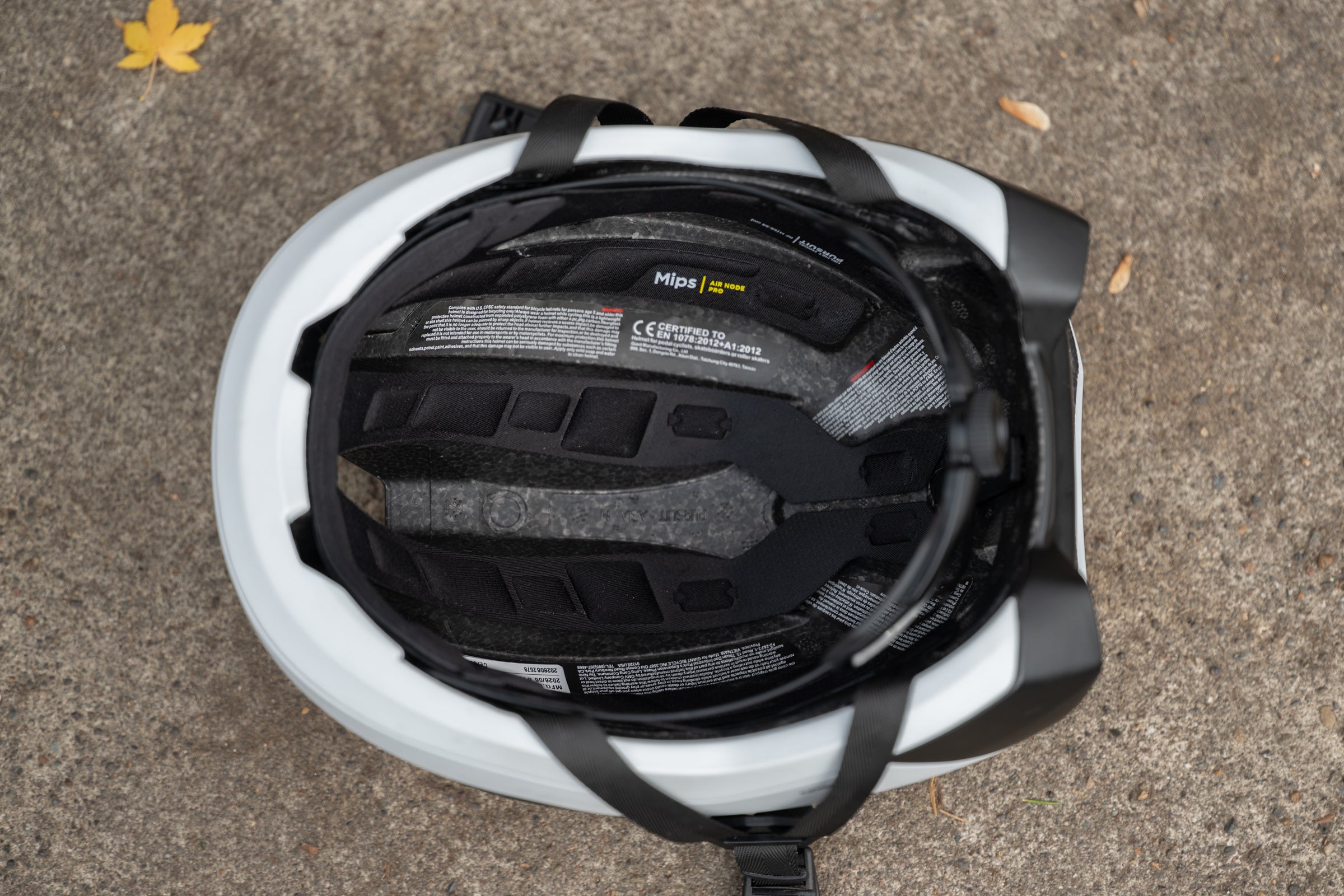
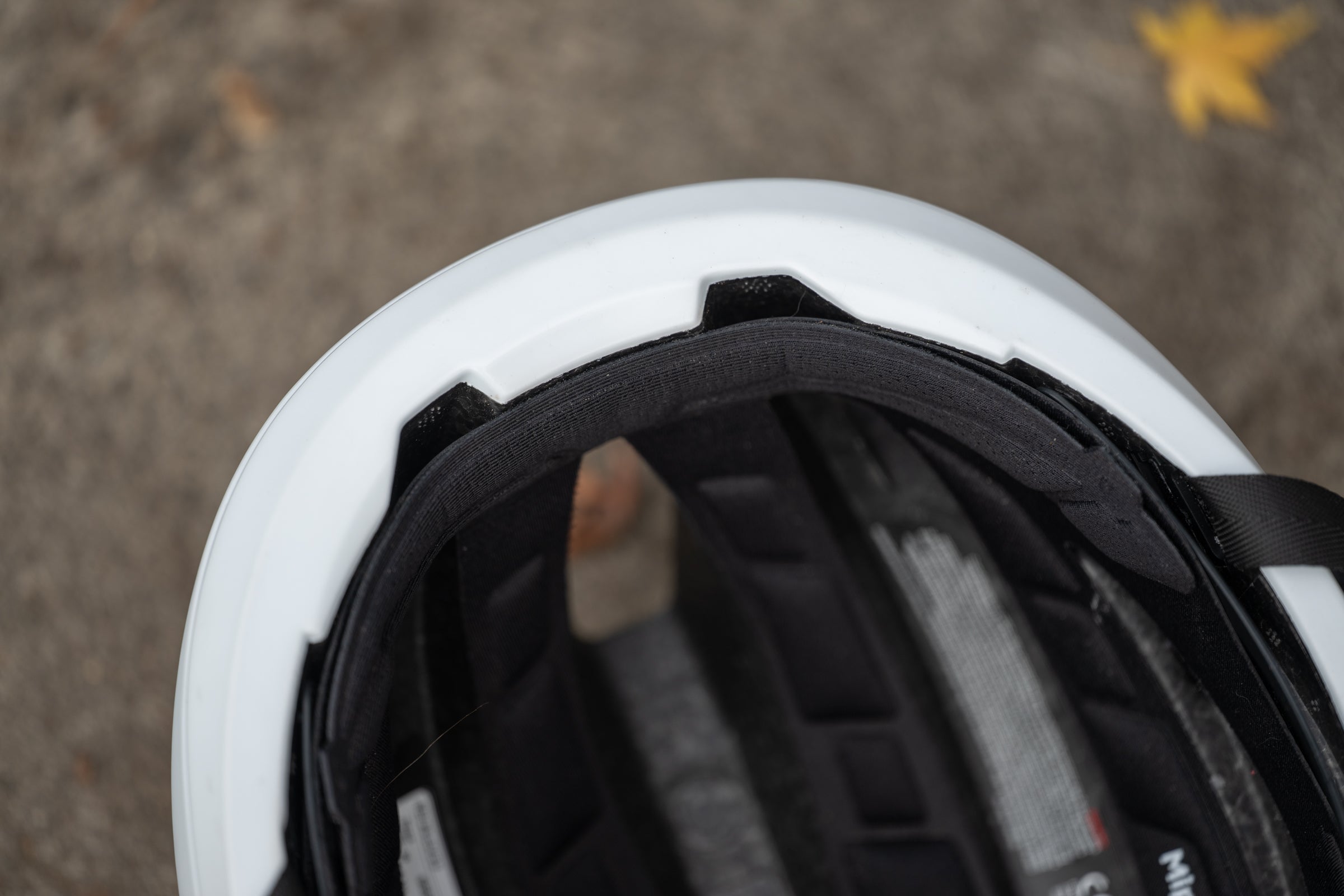
Part of that is that the Pursuit also excels at stability. Over long miles, many helmets—aero or not—have a tendency to slowly slip down and rest against the top frame of my sunglasses. Giant designed a retention system that tightens down securely without creating pressure points on the forehead. It stays exactly where you put it, and the internal padding manages moisture well enough that when it finally saturates, the sweat drips clear of your lenses rather than blurring your vision.
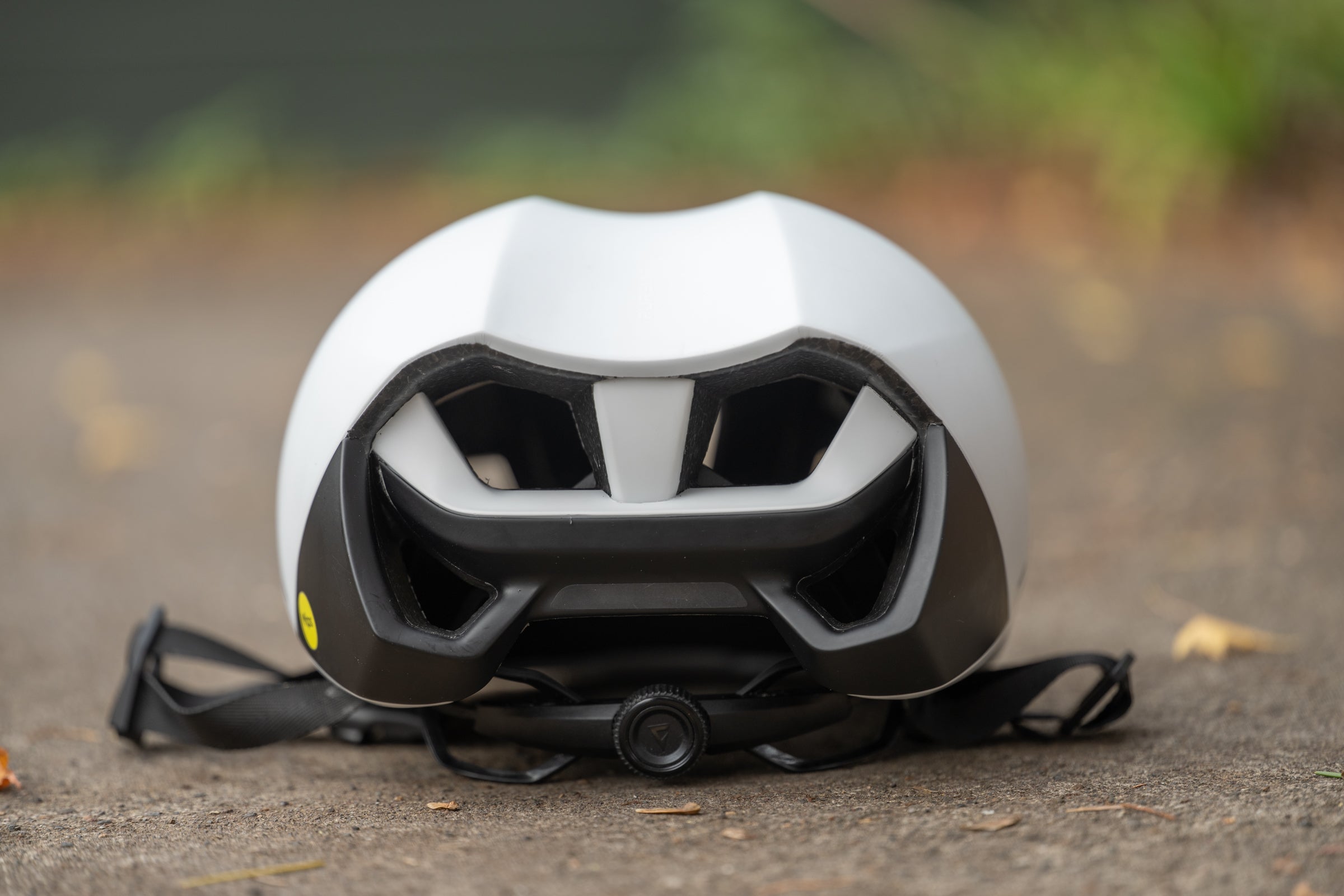
What I don’t like about the Giant Pursuit
This one is a little tricky, but what I ultimately don’t like is knowing this is not the absolute fastest helmet for me. I took a GiBLI G10 aero sensor out and tested this helmet directly against the Specialized Evade 4. Same day, same bike, same everything but the helmet. The difference was 3 watts at 25 mph, or 2 watts at 20 mph. I’m not going to sit here and say that’s a massive dealbreaker, but if I can pick between two good helmets and one is faster, why wouldn’t I? Ideally, the Pursuit would match the Evade 4’s speed while keeping that superior field of vision in an aero tuck. Perhaps that visibility is only possible because of the aerodynamic tradeoff, but I can wish.
I also wish we had a Virginia Tech test score. I suspect the helmet would do well simply because Mips-equipped helmets tend to score highly in the Virginia Tech testing protocol, but when you don’t have an answer, it remains an open question. For plenty of riders, that lack of third-party safety validation will be a far more serious issue than any potential wattage win or loss.
ADVERTISEMENT
Livability
The main reason I wanted to write about the Pursuit helmet is essentially a livability detail, so I’ll say it again: the field of view in an aero tuck is excellent.
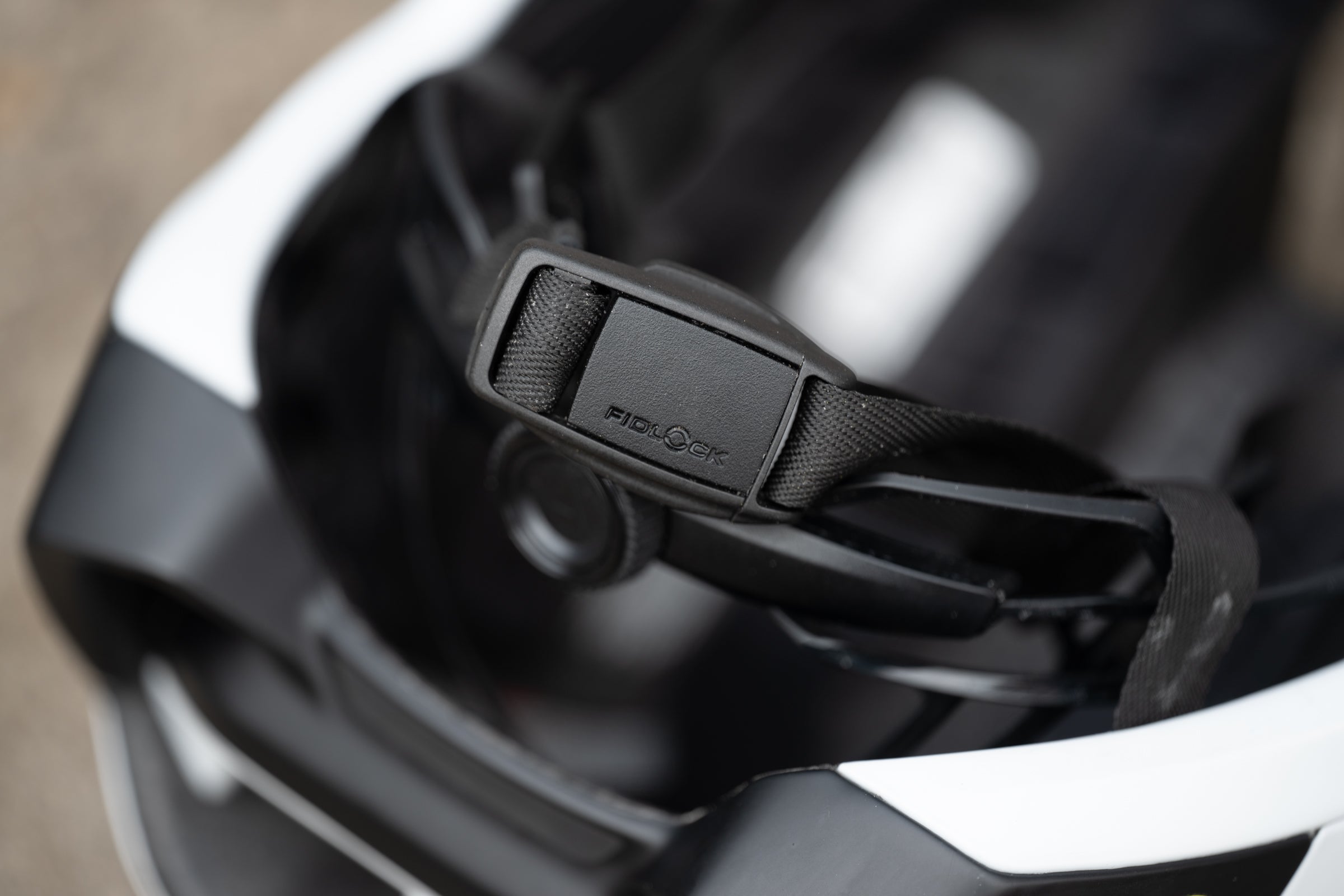
Beyond that, Giant is using a Fidlock buckle. I’ve included that in the pros, but that’s being very generous. It’s nice enough, but I’ve never once thought to myself that what I really needed was a magnetic buckle. It’s a solution to a problem that doesn’t exist.
ADVERTISEMENT
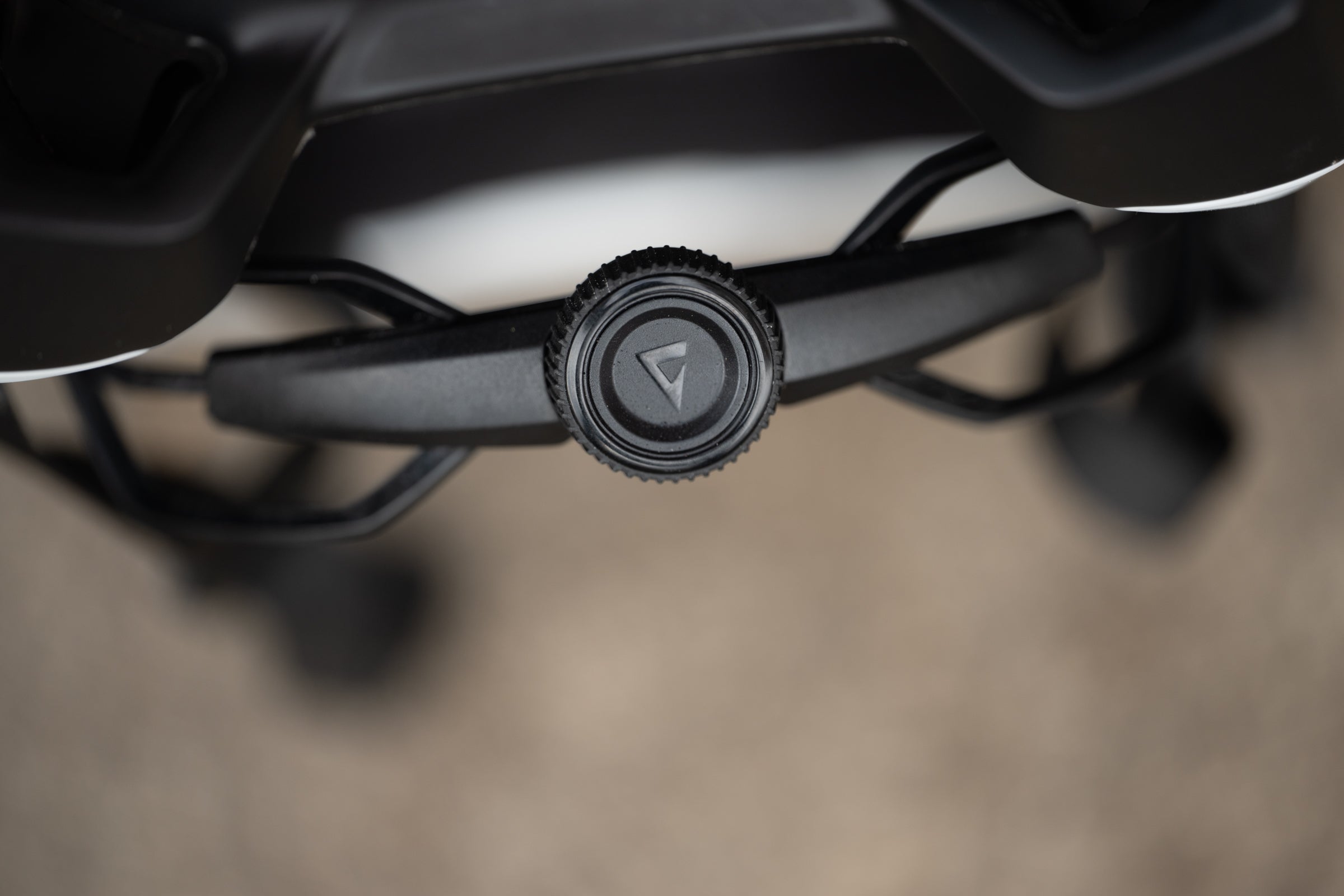
On the other hand, the rear retention dial has gotten stuck once or twice and proven to be a little fiddly. For comparison, Specialized uses an FS2 BOA Fit System for the rear dial, and it’s excellent. Both Fidlock and BOA are third-party brands that require extra cash for inclusion. If I can only have one, I’d much rather see that budget spent on the BOA dial than the magnetic buckle. That said, none of this is a dealbreaker.
Who is the Giant Pursuit for?
I recently ran a Velo Helmet Priority Poll asking what matters most when buying a helmet. Only 11 percent of respondents said their first priority is maximum aerodynamic performance and free watts. On the other hand, 45 percent said fit, comfort, and aesthetics are the ultimate deciding factors. You might think that means I suddenly have to back off aero as an important metric, but that’s not how I see it. The results actually make perfect sense to me, and it’s exactly how I would coach all aero-focused riders to think. Aero gains should never come at the cost of comfort. When an aero-focused product is designed right, that speed is an added benefit.
The Giant Pursuit threads that needle perfectly. If you are in that 11 percent chasing every last watt, and you tend to ride in a slightly higher position, you should probably buy the Specialized Evade 4. Although helmet aerodynamics can be quite personal, the Evade 4 consistently tests fastest—both in my own GiBLI sensor testing and in independent wind tunnels. Part of why it tends to work so well across the board, though, is that it’s forgiving of a higher head position.
ADVERTISEMENT
The flip side is that if you have the flexibility to hold a very low position, the Evade 4 may not be the best choice. Because the brow sticks out farther, maintaining that deep tuck forces you to crane your neck up slightly to see the road. Body position is far more impactful on overall aerodynamic drag than any single piece of equipment. If a helmet forces you to lift your head, you immediately lose whatever watts the helmet saved you. The fact that the Pursuit allows me to trade fewer than 5 watts of helmet drag for a clear field of view means I can comfortably hold a tighter aero tuck longer, making me faster overall on real-world rides.
The bottom line is that if you ride in a low position and value being able to see, the Pursuit is likely a perfect choice. This helmet also utilizes a rounder internal shape compared to the Specialized fit, so if you need a helmet that is a bit shorter front-to-back, that may be another consideration.