Published October 20, 2026 03:32PM
If you buy through our links, we may earn an affiliate commission. This supports our mission to get more people active and outside.Learn about Outside Online's affiliate link policy
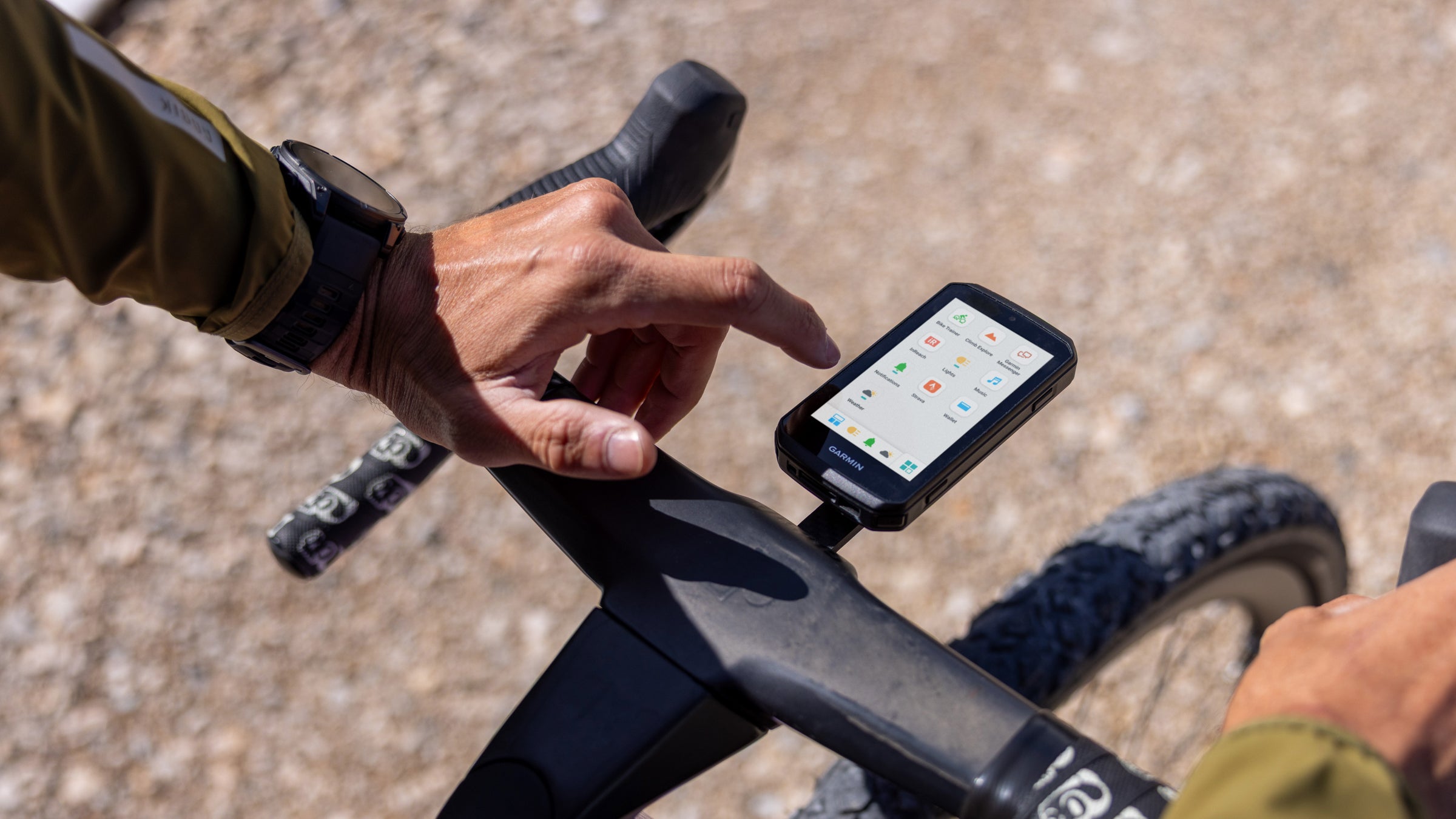
Garmin Brings Voice Control to Your Handlebars with the New Edge 1060
Garmin just overhauled its cycling lineup with three major releases: the microphone-equipped Edge 1060, the touch-friendly Explore 3 series, and a new indoor smart trainer that brings built-in motion to a more accessible price point.
(Photo: Garmin)
Garmin just dropped a three-pronged update to the brand’s cycling portfolio with new options for both the front of your bike and your winter riding. The launch includes the new flagship bike computer, the Garmin Edge 1060, along with the Edge Explore 3 and Edge Explore 3 Plus that offer recreational cyclists and e-bike riders a more affordable option. The announcement also covers a new and more affordable indoor trainer called the Tacx Nēra, which offers similar movement as the Garmin Tacx Neo 3M for half the price. Here’s what each announcement brings to the table and why you might want to care, or not, about the latest Garmin news.
Garmin Edge 1060
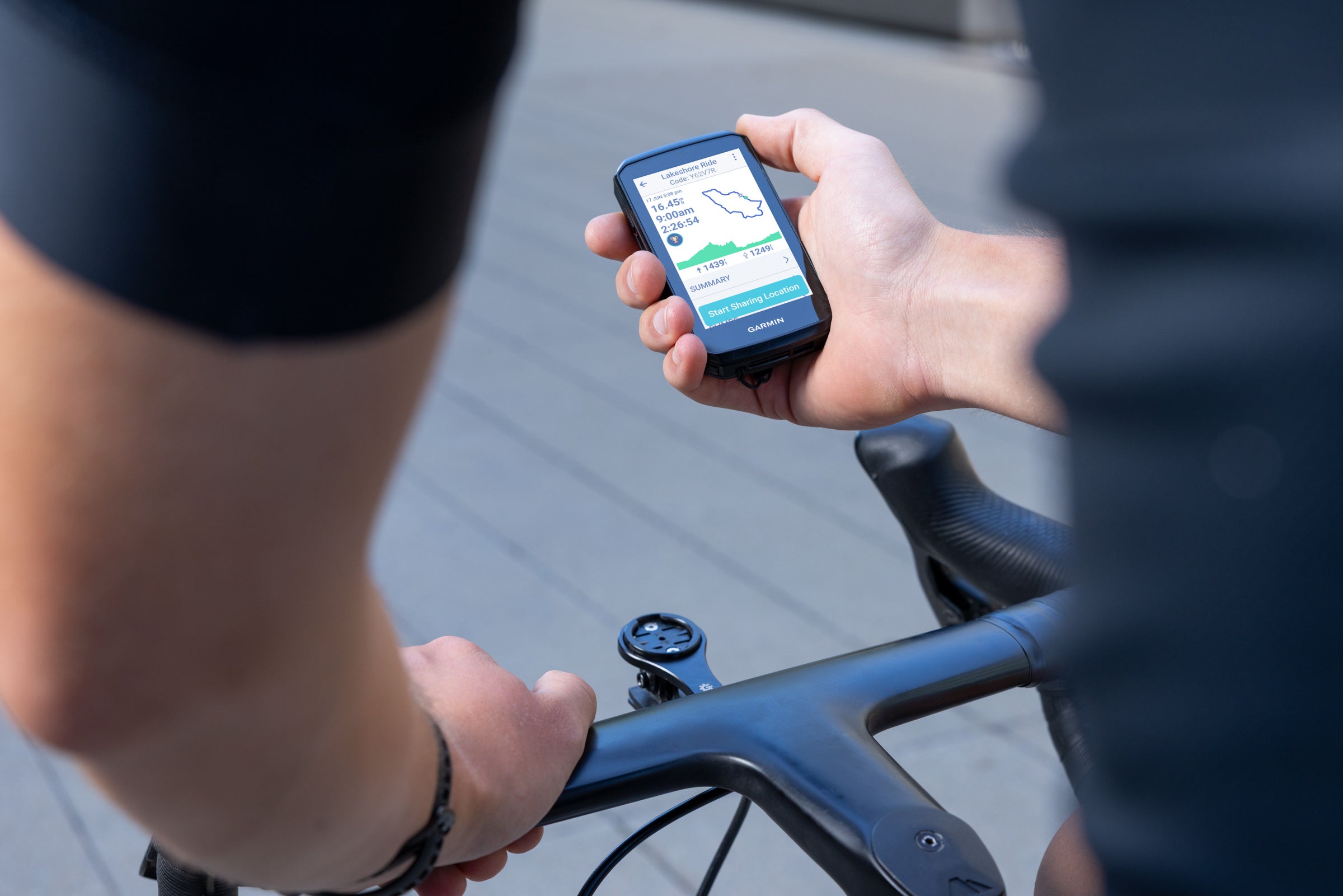
Two years ago, the Garmin Edge 1050 launched, and it marked a drastic right turn for the Garmin Edge series strategy. While the previous x40 generation (540/840/1040) had solar options and incredible battery life, they also had slower processors and dimmer screens. Clearly, some market analysis had taken place at Garmin because the Edge 1050 launched with half the battery life of the previous flagship Edge 1040 Solar, but also brought one of the best screens on the market with it. Suddenly you had a lot less battery life, but the form factor was sleek and the screen was both bright and noticeably higher resolution. Some people, myself included, initially mourned the loss, but most people seemed to appreciate how gorgeous the screen actually was, and 20 hours (on the flagship 1050) really is pretty good. There’s also a battery saver mode that pushes it to 60 hours when you absolutely must have the battery life.
Now the Edge 1060 is hitting the market at $799.99, and it looks a lot more like an Edge 1050 Plus than a truly new generation. The new computer refines what works and adds new features that feel like natural extensions of the strategy that Garmin is currently executing. The headline of those features is surely the microphone.
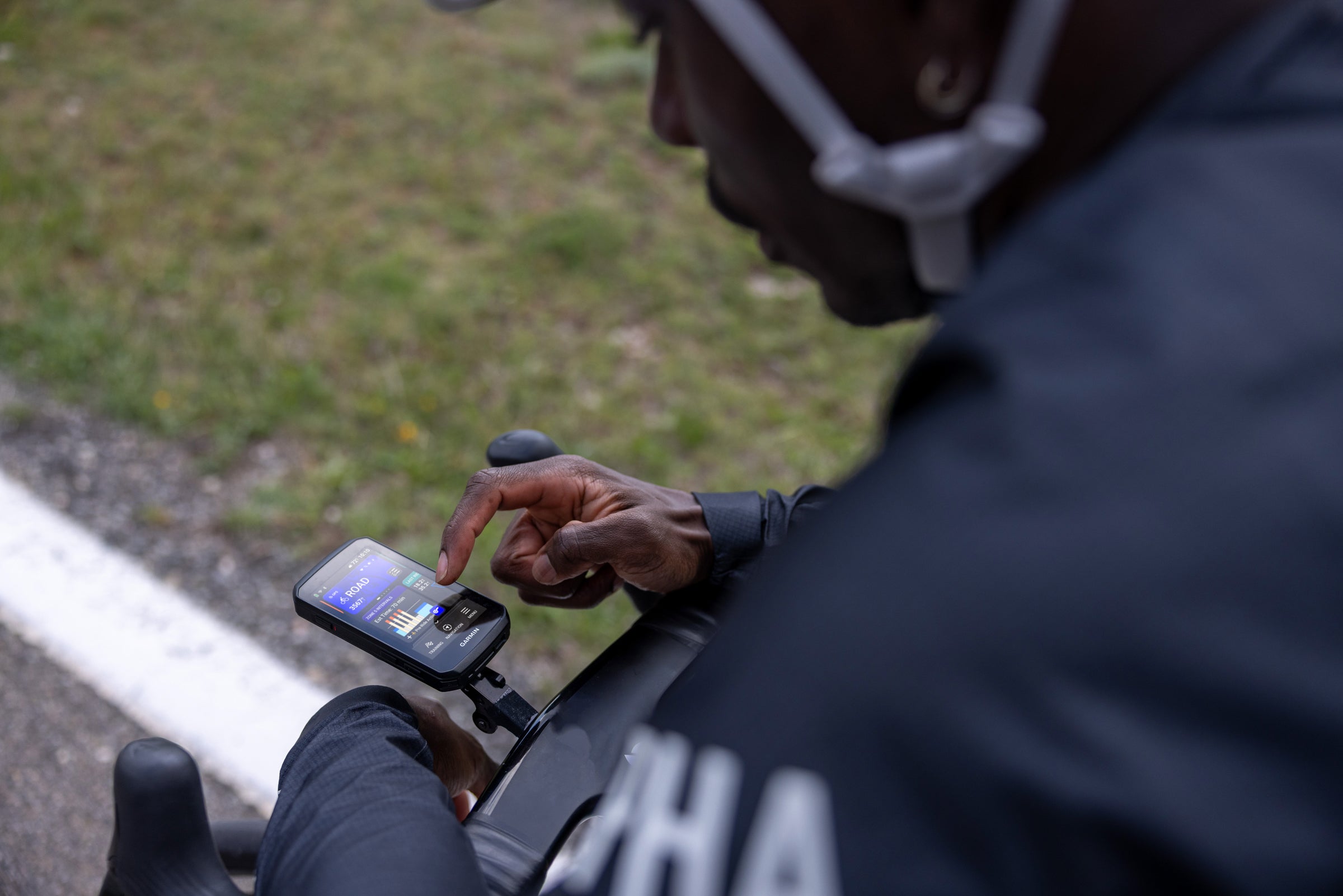
Voice control was what you were hoping for, right? The new Garmin Edge 1060 adds a built-in microphone powering Automatic Speech Recognition (ASR) and allowing for “Okay, Garmin” functionality. Like a smartphone, you can keep your hands on the bar and talking to your computer lets you request ride data, pull up new routes, or report road hazards. The microphone also integrates directly with the Garmin Messenger app, allowing you to send voice messages hands-free.
The other major update to the Edge 1060 is the packaging. The Edge 1050 was one of a new generation of larger bike computers, but it was also relatively lightweight. It meant that not every single out-front mount had to be completely redesigned, but some did, and according to K-Edge, the weight of a bike computer actually matters a lot when you start trying to hang lights under it. The Edge 1060 is a genuine improvement here, offering a 19-gram weight reduction, dropping from 161g down to 142g. Likely more important to more people, though, the outer dimensions have also been reduced. The 1060 shrinks its overall footprint by over a centimeter in length (106.9mm down from 118.5mm) and it’s narrower by about 2mm. That will help with tight fitment on some out-front mounts—I’m looking at you, Specialized—but since Garmin is using the exact same 3.5-inch touchscreen, that physical size reduction has to mean smaller bezels.
ADVERTISEMENT
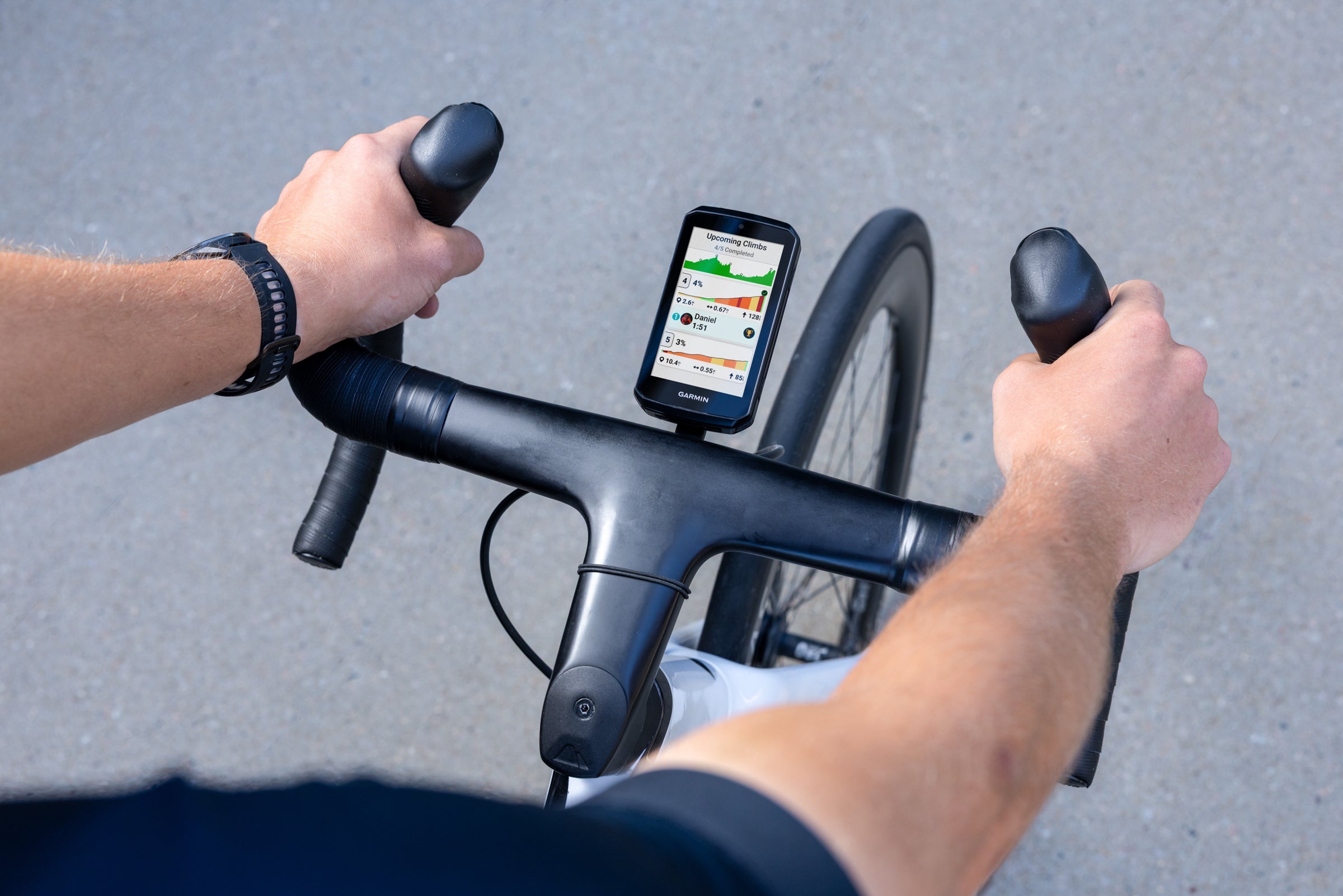
The software experience on the Edge 1060 also sees some updates with an eye on streamlining ride preparation and on-the-road navigation. Garmin has refined the interface by adding a QWERTY keyboard, a new staging checklist, and more customizable home screen layouts, allowing riders to easily reorganize widgets and status pages. Beyond the menus, the device introduces smarter routing capabilities. It’s now possible to compare different route options based on metrics like elevation or bike type, preview upcoming road hazards and traffic before starting, or use the “Free Flow” setting to prioritize paths with the fewest stops and intersections to maintain speed during training efforts. If coffee rides are more your thing, “Up Ahead” notifications will flag approaching points of interest like cafes or restrooms.
Garmin Edge Explore 3 and Explore 3 Plus
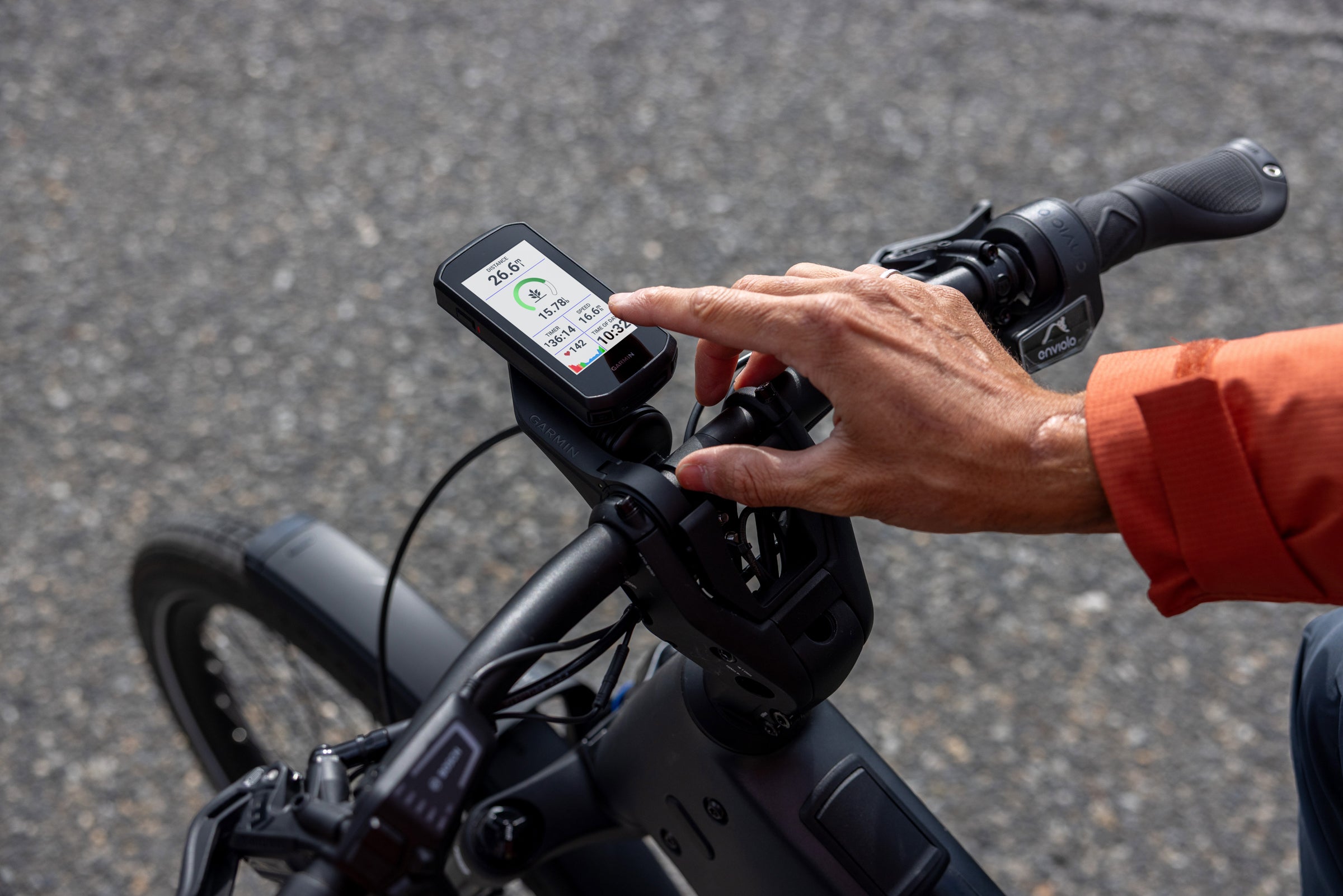
If an $800 bike computer is not on your list of future purchases, Garmin is also updating the brand’s lower-priced options that are aimed at riders who want simpler ride tracking and routing features. The Edge Explore 3 is landing at $399.99 while the Edge Explore 3 Plus adds a built-in speaker and microphone, the same as in the Edge 1060, for an extra $100. For those who are comparing, that matches up with the Edge 550 at $499.99, but the Explore series offers a larger screen with touch functionality in exchange for performance-focused details such as smart fueling alerts, electronic groupset integration, and advanced training metrics like real-time stamina and power guide. The Explore series also offers many of the same new routing features found on the flagship 1060, including community-reported road hazard alerts, point-of-interest notifications, and the ability to drop a location pin directly from Apple or Google Maps on a smartphone to immediately generate a bike-specific route. This series is also catered to commuters with Shimano and Bosch e-bike system integrations to display current assist levels and battery life, alongside a new tracking profile that calculates the real-time carbon savings of a given ride. Battery life for the Edge Explore series is quoted as up to 14 hours of demanding use for Explore 3 Plus, while the base Explore 3 stretches that to 16 hours.
Garmin Tacx Nēra
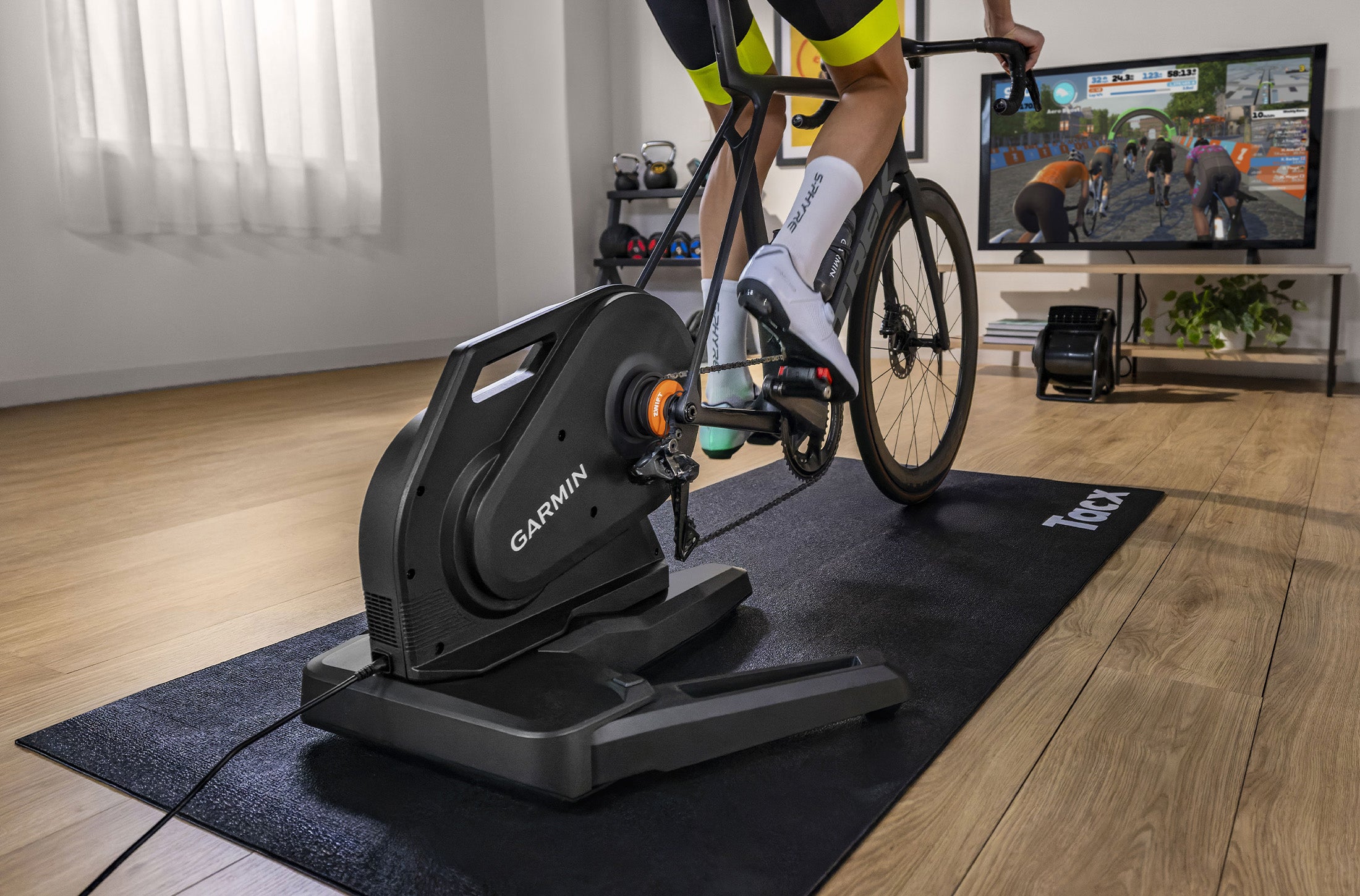
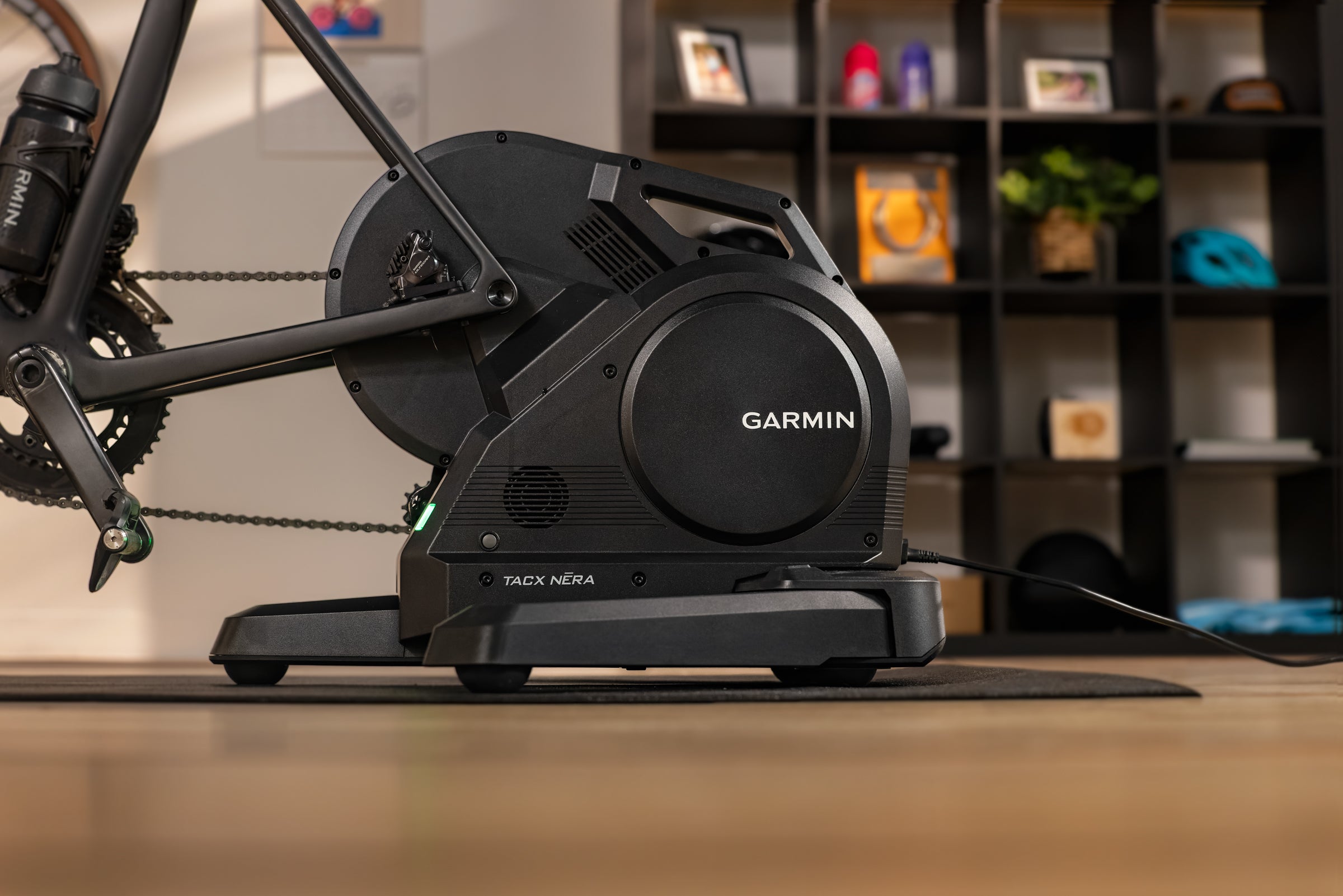
The final launch today is a look ahead to the coming winter. The Tacx Nēra is an all-new entry that drops the price of technology significantly with some trickle-down efficiencies. While it’s hardly cheap at $999.99, this is really a budget version of the $1,999.99 Tacx Neo 3M.
ADVERTISEMENT
If you aren’t totally familiar with the landscape in smart trainers at the moment, you can read more in our best smart trainers article, but the short of it is that Garmin is leading when it comes to movement in trainers. Unfortunately, that has also, so far, meant a push deep into the premium-only market. The new Tacx Nēra lands at half the price while retaining most of the category-leading movement. The Nēra incorporates built-in motion pods that allow the entire unit to move forward, backward, and side-to-side, providing a more natural riding feel.
Garmin is also doing this without significantly reducing the specs people care about. The numbers are slightly lower than the Neo 3M for max power and gradient simulation; however, with power accuracy remaining at +/- 1% and caps of 2,200 watts and a 20% gradient simulation, few people will experience any loss in performance. The system also continues to offer built-in Wi-Fi and a race mode for quicker communication with virtual ride software.
What Garmin did have to do to hit that price point is change the way the trainer works. The more expensive Neo 3M doesn’t have an actual physical flywheel. Instead, Garmin uses a magnetic resistance unit to create a virtual flywheel. It generates its own operating current (so it works without being plugged into a wall) and it uses micro-vibrations to simulate road feel. The Nēra instead relies on a traditional physical flywheel, which reduces manufacturing costs but also loses both the no-power option and the road surface simulation. Those are probably not big losses on either front for most riders, but that is the structural tradeoff.
Pricing and availability
All of the announced products are available for preorder now via the Garmin website and authorized retailers with shipping on Oct 23. More info is available at:
Garmin Edge 1060 priced at $799.99 at Garmin
Garmin Edge Explore 3 and Explore 3 Plus priced at $399.99 or $499.99 at Garmin
Tacx Nēra smart trainer priced at $999.99 at Garmin