Updated November 27, 2026 11:18AM
Big Tech Is Ready to Exploit Garmin’s Clunky Software Problem
24/7 biometrics, ride history and now TrainingPeaks give Garmin an advantage, yet missteps and an AI push from Apple and Google leave the lead far from guaranteed.
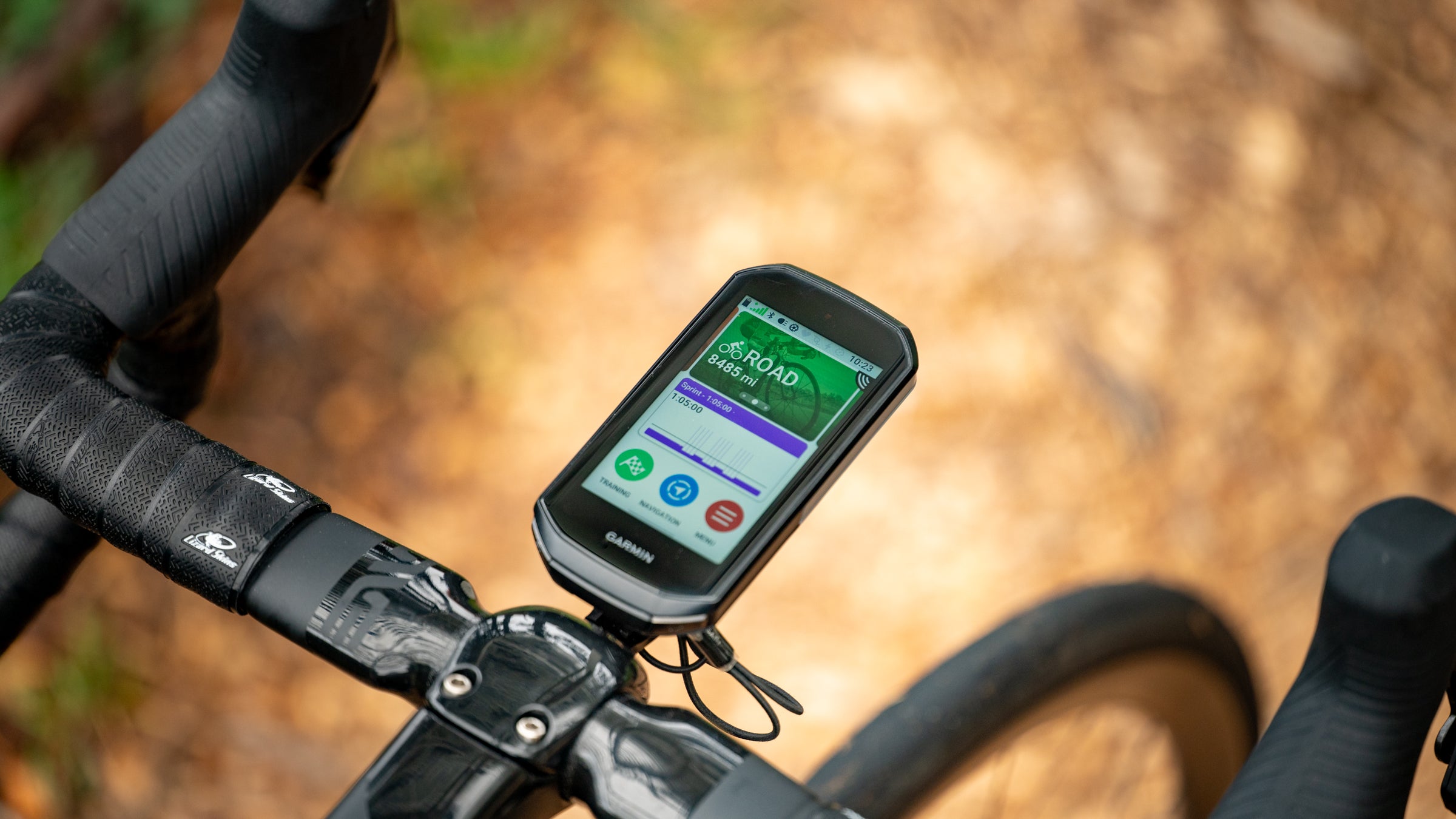
(Photo: Josh Ross/Velo)
Over the years, I’ve watched the major bike computer brands push out new head units and hardware, and I’ve seen that hardware become less and less important. At one point, the head unit was merely a display, and if you wanted structure, you pulled a copy of Joe Friel’s The Cyclist’s Training Bible off the shelf to guide your training. Then those devices gradually turned into data collection and display devices. Now the entire world has been turned upside down by AI, and somewhere along the way from step two to step three, the ecosystem—and later the data—became far more important than any hardware ever could be.
Today, Garmin, Wahoo, Coros, and Big Tech are all circling the same space, but Garmin has an edge. Garmin was the first to focus on the ecosystem and the company’s role as a repository of data rather than just a hardware company. It’s a walled garden, and while not everyone loves it, Garmin has somehow managed to keep most users pretty happy inside it. Now other brands are catching on, though, and Garmin is at a precipice. Is the company going to be able to turn the corner and go toe-to-toe with Big Tech, or will Garmin stumble right when it matters?
This is a mix of business strategy, technology, and a dash of the future of the world. I can’t get enough.
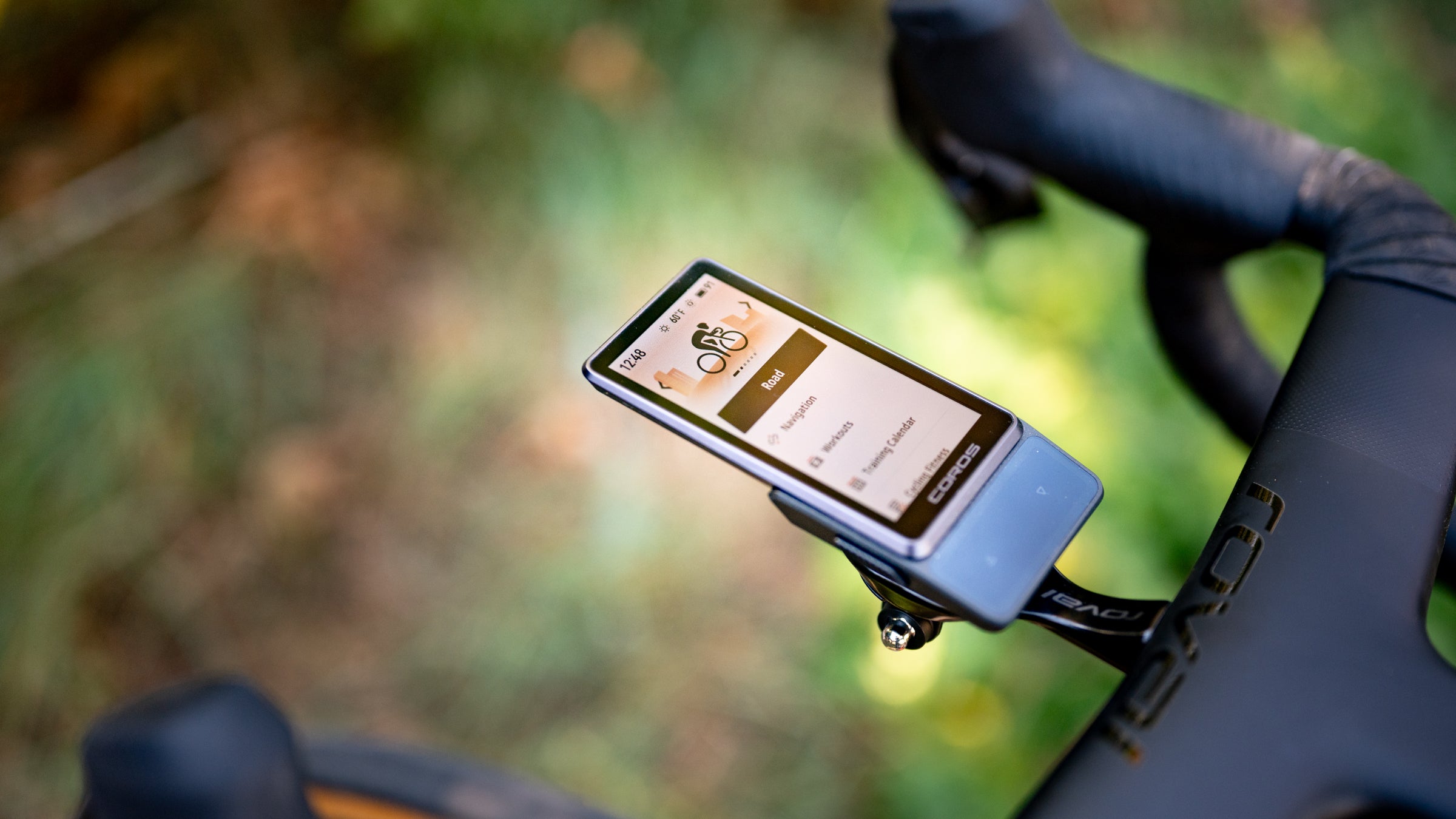
Wahoo dips a toe, Coros gets closer, and everyone else chases
This all comes bubbling up because I handle the buyer’s guide for bike computers, and I think about this a lot. This isn’t a plug for the buyer’s guide, but I see my role as not just listing the specs for each bike computer—I’m trying to translate why you should spend your money with one brand over another. If I tell you to buy brand X today, I understand that could mean for the next 10 years you only buy computers from that brand. If that seems like I’m overthinking it, just think Wahoo versus Garmin and how many people absolutely refuse to consider the opposite of what they started with.
ADVERTISEMENT
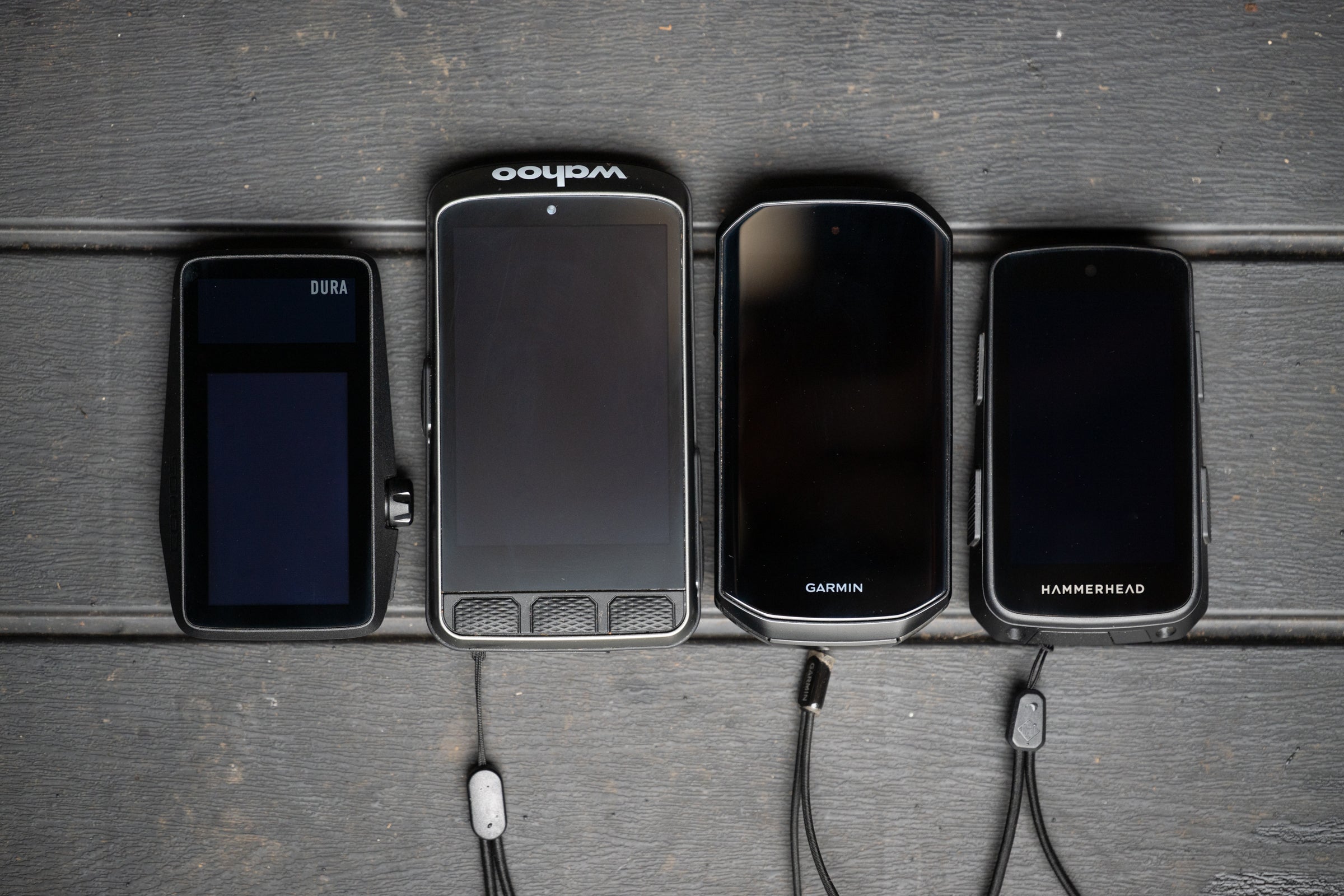
And with that in mind, I try to look at what you are really buying. Coros, Garmin, Wahoo, and Hammerhead all make quality bike computers that do the job. If you only want a CatEye from 2002, it doesn’t matter which one you pick—they all do that just fine. So what sets the different computers apart?
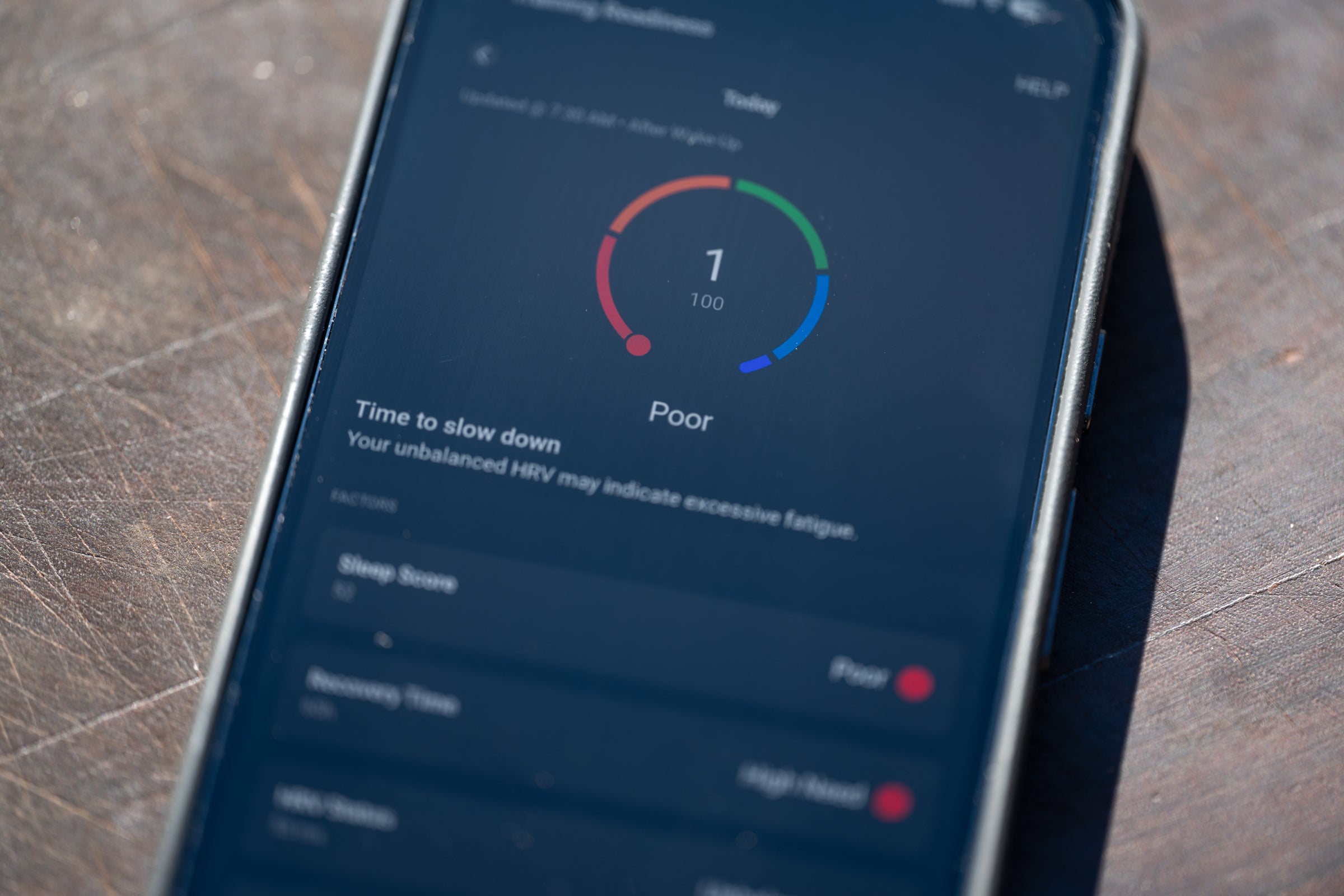
What has started to emerge is that you’re buying into an ecosystem, and Garmin recognized that long before anyone else with a series of strategic purchases. It started on the hardware side, buying power-meter pioneer MetriGear in 2010 and indoor smart-trainer giant Tacx in 2019. With those purchases and with the company’s own sensors, nearly every watt, heartbeat, and indoor session landed in Garmin Connect. Then, in 2020, Garmin acquired Firstbeat Analytics—the Finnish company behind the VO2 max, training load, and recovery algorithms that much of the fitness industry relied on—and turned that data into something actionable.
In the meantime, the other companies in this little pond have struggled to recognize the need. Hammerhead started with a push for a richer, more modern computer on the bars—promising that “the bicycle of the future will be intelligent and data-driven” and aiming to let riders “ignore your phone and ride.” It’s a position that makes sense, but it’s also an inherently hardware-focused position, and that is still reflected now that SRAM owns the company. Today it’s deeply embedded into the SRAM hardware ecosystem with a wealth of info about how people use their bikes, but it completely lacks a biometrics ecosystem to match.
ADVERTISEMENT
Wahoo, on the other hand, seemed to be on the right track. The company dominates the indoor trainer market and has a solid hardware lineup of sensors and computers, plus structured workout tools that give riders guided sessions rather than just raw numbers. Still, it’s missing the continuous, 24/7 biometric and multi-sport data engine Garmin has built. Wahoo tried to fix that with a watch, but that failed spectacularly—and the training and analytics pieces have felt more bolted-on than seamless. It’s close in spots, but not quite there.
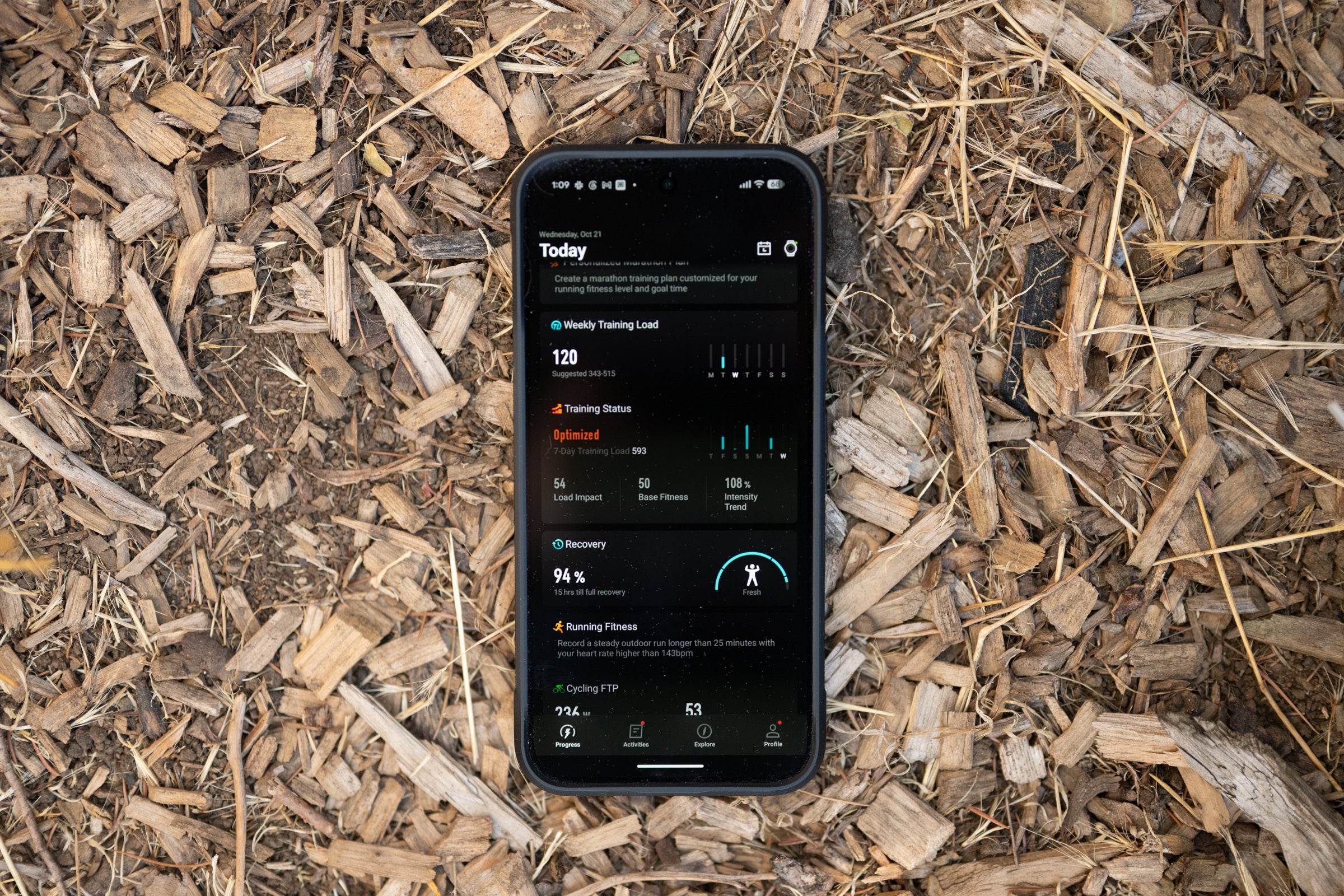
At least it wasn’t quite there until Coros broke onto the scene. Coros essentially duplicated the Garmin ecosystem—minus the smart trainers and power meters—putting the training pieces, bike computers, and watches under one roof for less money. The brand doesn’t have the cycling market in hand yet, but by partnering with Wahoo, both companies suddenly added missing pieces and really turned the corner.
Except that is playing catch-up. There’s still some friction between Coros and Wahoo, with some indications that the partnership may not last, but we can ignore that for now. Even if Wahoo and Coros put it all together perfectly, that only puts the two companies on equal footing with where Garmin already was. Garmin isn’t sitting still, though. This year, Garmin potentially jumped ahead again by buying TrainingPeaks and TrainHeroic—a move that could take all of this a step further by approaching the same data from the coaching side.
Big Tech could make all of these companies obsolete
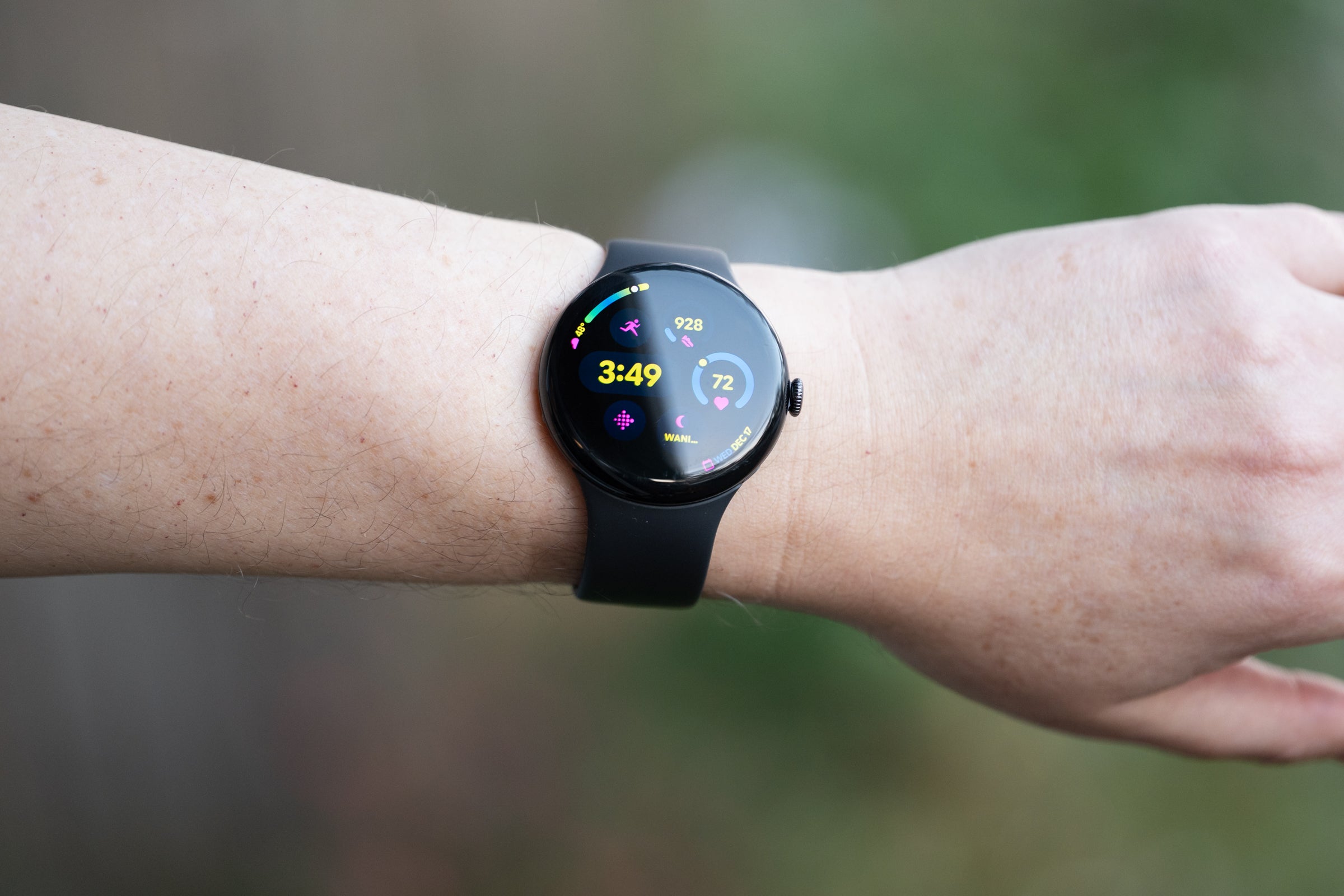
It’s not just the bike brands fighting over this space. Apple, Google, and Samsung have all been building out their own health and fitness ecosystems, and these companies are some of the biggest in the world. They come at the problem with resources that make a bike brand’s budget look like pocket change. Apple has HealthKit and Apple Health sitting right at the center of the iPhone and Apple Watch world, tying everyday vitals, sleep, and medical records into one hub while testing conversational health AI tools. Your iPhone can actually work as a somewhat credible bike computer when paired with an Apple Watch.
ADVERTISEMENT
And on the Android side, there are challengers as well. Google has pushed deeper with Google Health and a Gemini-powered Health Coach that pulls together workouts, sleep, and broader health context, and Samsung has leaned into daily readiness scores, sleep vitals, and an AI health assistant across its watches and phones.
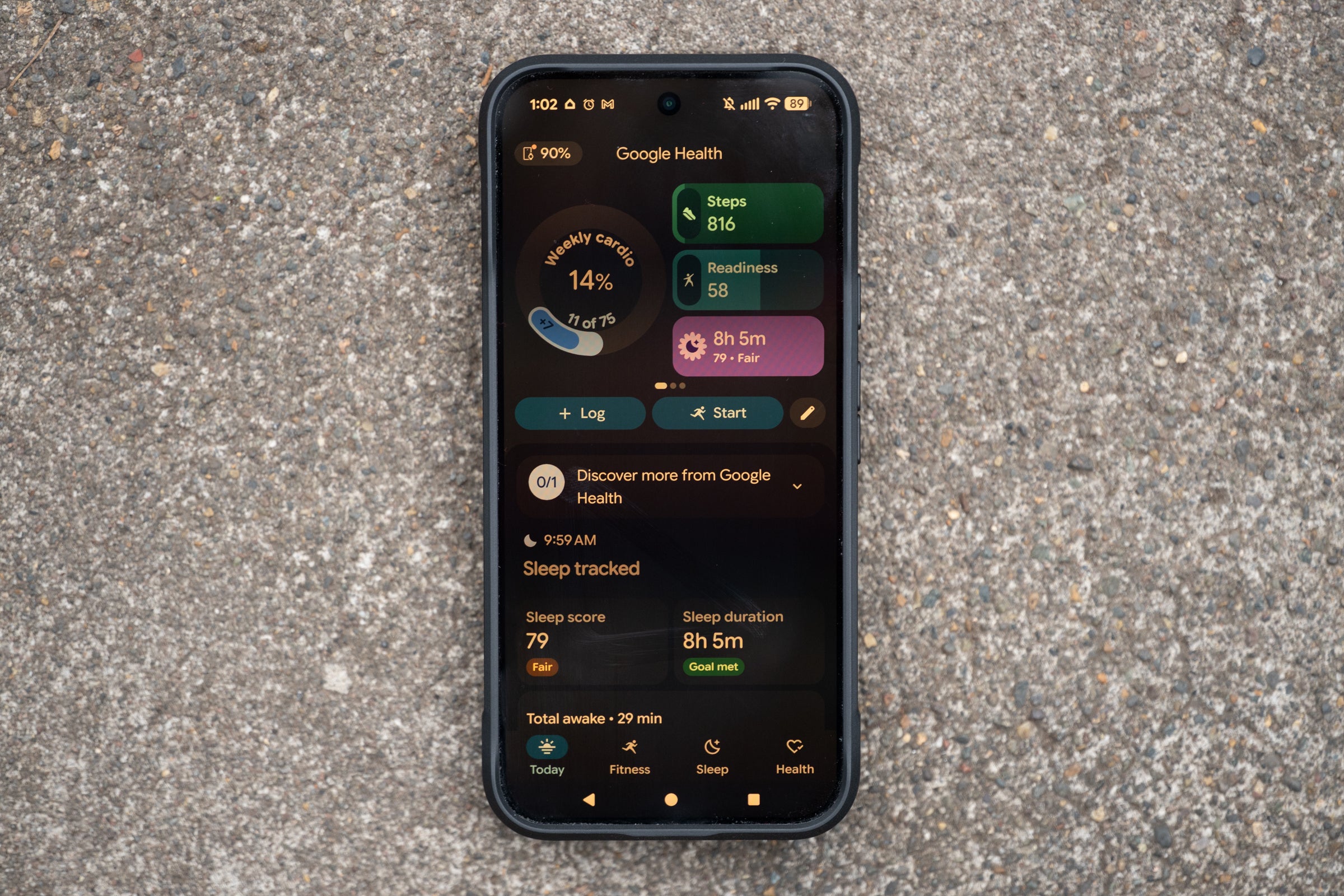
Compared to Garmin, though, Big Tech is still playing a different game. These companies are built for massive reach, everyday wellness, and broad consumer health—not owning a power meter, an indoor smart trainer, and a head unit on your bars. Apple is the farthest along in terms of cycling, but Google and Samsung have impressive health insights. All of them still lack the structured coaching side of cycling, though. Even with all their scale, none of them have the same grip on dedicated endurance cycling data and training history that Garmin has spent years collecting.
That might not matter, though. What Google has, as well as OpenAI and Amazon, is artificial intelligence. AI has the potential to make all of these ecosystem efforts look laughable. You can talk to AI, and its ability to bridge across your entire life is incredible. Tell it what you eat, and it can help you lose weight while balancing your training—and it’s so smart you only need to take a picture or talk to it to have those conversations. It can spot patterns on the fly and build guidance without caring which brand’s hardware or walled garden captured the numbers in the first place. Suddenly, owning the whole stack might not mean what it used to. And that’s what makes the next stretch of this story so interesting—because Garmin isn’t just trying to hold off Wahoo, Coros, and Big Tech, it’s trying to pull this off in a world where the rules of the data game are shifting rapidly.
Data is more valuable than gold
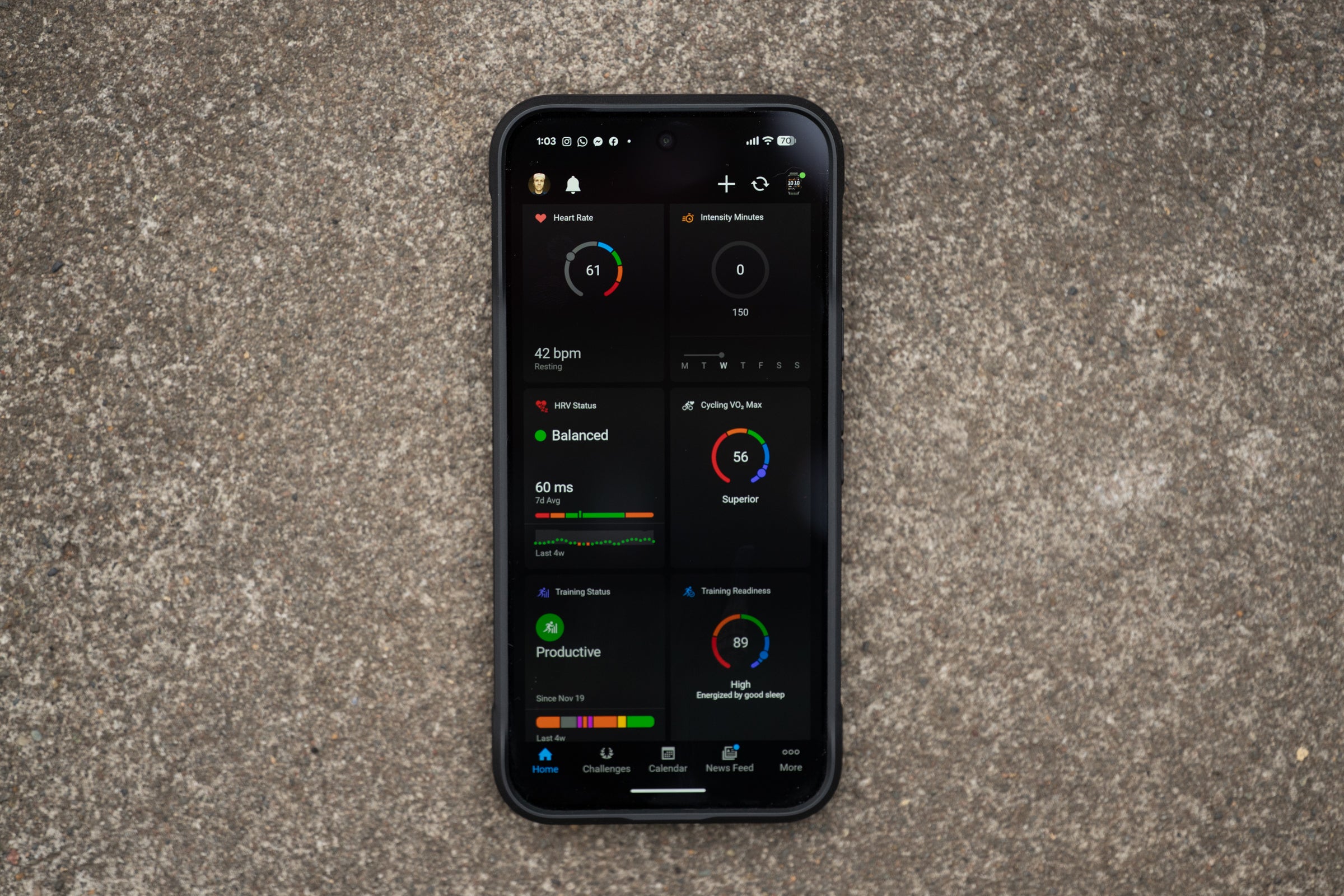
The thing about AI is that it’s only amazing when it has data to chew on. The fight over the data of the internet is largely over. AI has that data, and it does cool things with it or it ruins the world with it depending on your perspective. Either way, though, as we talk about fitness and coaching using AI, it can be amazing—but it needs all the data. If you want the best experience, it needs your height and weight, age, and every piece of data you generate 24/7. It also needs a huge dataset of historical data across a massive range of humans. Coincidentally, Garmin happens to have exactly that.
ADVERTISEMENT
Garmin has age, breathing, power, 24/7 heart rate, weight, and sleep data going back to the beginning of modern measurement for those metrics. Then this year, Garmin added a massive dataset of coaching and outcomes attached to similar athlete data. Garmin doesn’t just know everything about you—the company now knows what works when a coach tells you to do something and can match it against individual data. That is a treasure trove that is among the most valuable assets on Earth in 2026.
Unfortunately, what Garmin has not managed to do is actually leverage much of that data. Where is the Garmin AI system that is actually good and usable? Garmin has the deepest archive of riding and recovery history around, yet its built-in coaching and AI features still feel basic and rigid compared to what real conversational intelligence can do with that context.
In fact, the smartest way to read Garmin data right now might be feeding screenshots into a capable AI model and talking through what’s actually happening in your training and recovery. You get sharper context and real back-and-forth instead of canned summaries, but let’s be honest—asking normal riders to take and upload screenshots after every workout isn’t a realistic long-term habit. Something like Ride with Dave (an AI cycling coach with direct access to your Garmin data) points toward a cleaner middle ground by pulling ride context, history, and conversation together in a way that feels more human than a dashboard. Even then though, it’s still built around a specific cycling coaching experience rather than acting as a true broader LLM that can connect your training to the rest of your life.
Do you think Garmin will land the plane?
Garmin isn’t guaranteed to pull this off. The company has made some smart moves, but there have been misses, too. Garmin has plenty of history releasing clunky software, buggy updates, and acquisitions or features that take forever to click into a coherent experience. Owning the numbers gives Garmin a huge advantage, yet even recently, the launch of the Garmin Connect+ plan has been met with a collective sigh. No one is talking about how it’s amazing despite all the data behind it. If Garmin can’t turn that advantage into something people actually want to use, it leaves the door wide open for someone else to beat it to the punch.
ADVERTISEMENT
There’s also an open question of what Garmin does with the data. Is the brand capable of implementing an LLM, or is a partnership smarter? A partnership is a risk too since once the data is out there, it’s out there. I’ve heard from others who think this will force Garmin to open the walled garden—and while I think that’s unlikely, maybe I’m wrong.
As always, I want to hear from you. Hit reply and let me know where your head unit and ecosystem loyalties sit—and whether you’ve ever actually fed your training data into an AI tool or coaching app for real feedback. Do you think Garmin will finally pull all of this together, or is Big Tech and AI going to make that data moat look a lot less untouchable?