Published April 1, 2026 02:09AM
Why Cycling in Taipei Feels Safer Than in Portland
From scooter swarms to jungle humidity, unique details and a road culture that offers a blueprint for safety that the US is missing.
(Photo Josh Ross/Velo)
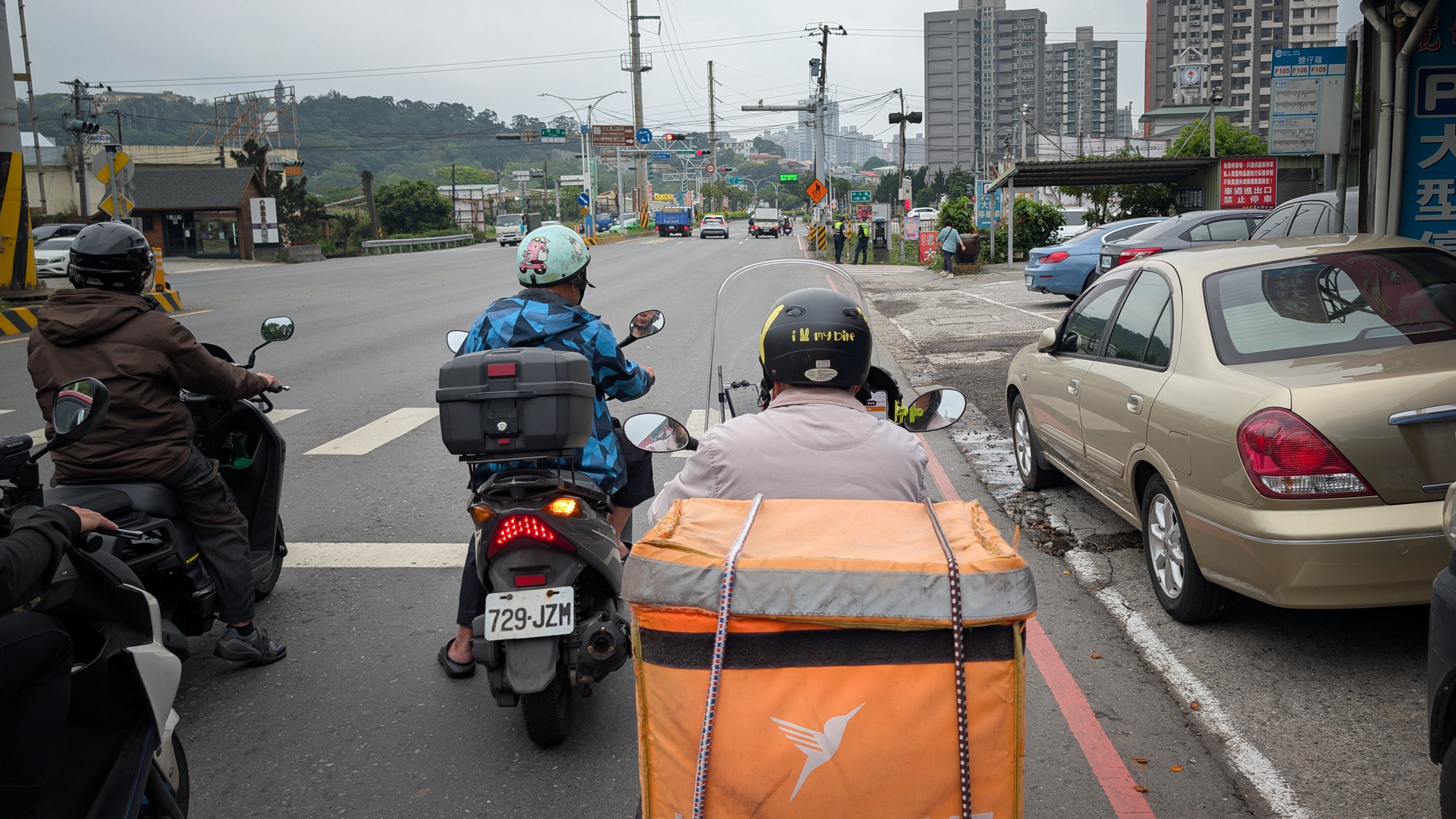
For the past week, I’ve been in Taipei reporting on the Taipei Cycle Show and logging miles on a Factor One. I’ve ridden throughout the city, navigating both hectic traffic and dedicated bike infrastructure, and I’ve explored the countryside in both group events and long solo rides.
Through it all, a few realities of riding outside the US have come into sharp focus. I’m keeping it simple with five main takeaways. Most of these serve as a wish list — or perhaps as push-back against the American narrative on road safety —while another deals with a unique environmental challenge I haven’t encountered anywhere else in the world.
Images shot with the Google Pixel 10 Pro XL
1. Scooters make bikes safer
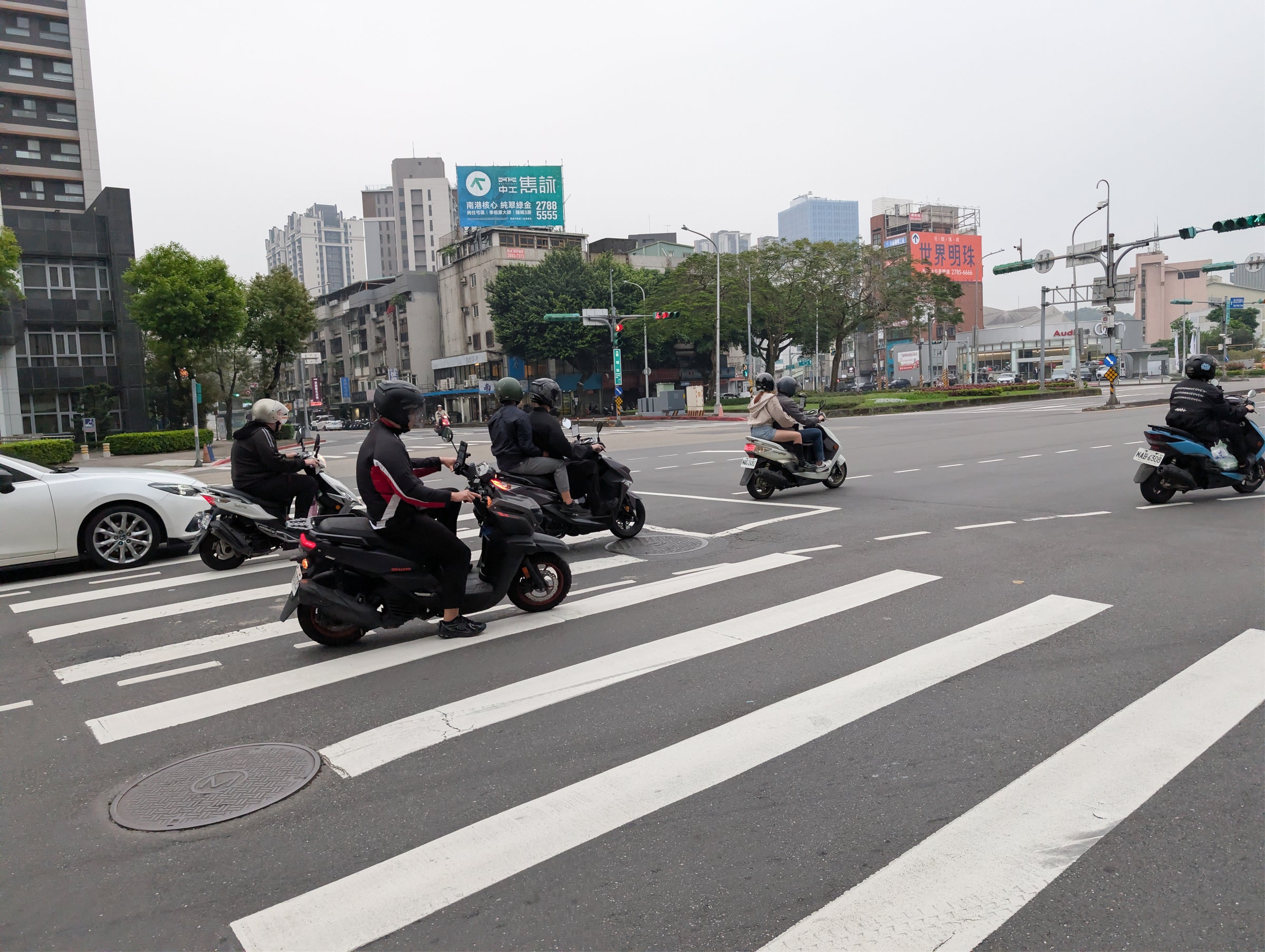
In Taipei, there are far more scooters than cars. I don’t mean full-size motorcycles; I mean small scooters under 250cc. While data says many of them are electric, they all blend into a massive swarm of two-wheeled transit. The point is they aren’t massive vehicles, but they get people around, carry groceries, and even transport entire families. Yes, I saw one with four people on it.
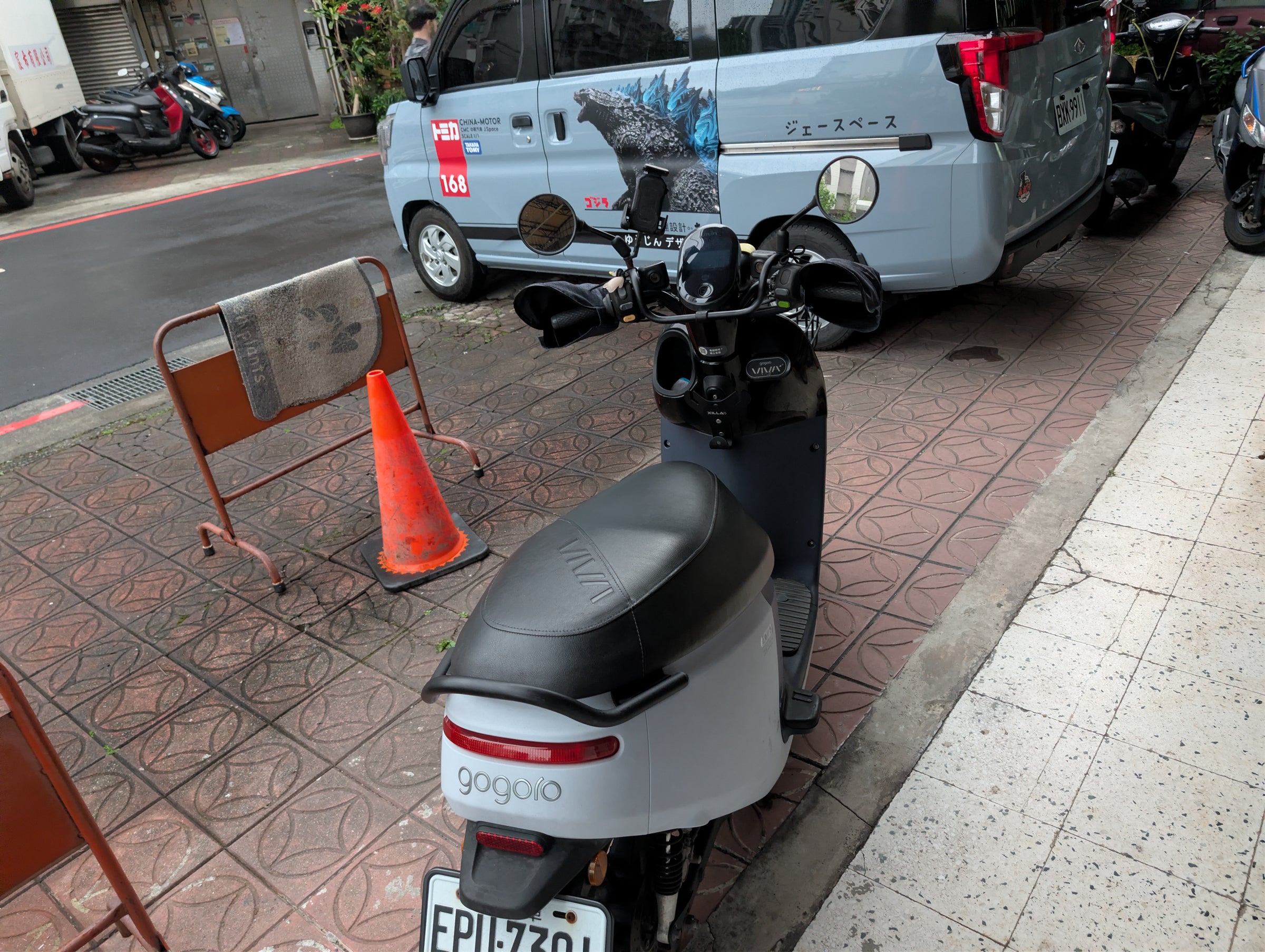
For cyclists, this creates a massive advantage: drivers inherently expect smaller, two-wheeled vehicles to be everywhere. Lane filtering is rampant. Even if you know what what lane filtering means and have experienced it in the States, it’s far more prevalent here than you could imagine. If there is a gap between a car and a curb, a scooter will use it to filter to the front. Because of this, cars are constantly looking for smaller vehicles and expect them on all sides.
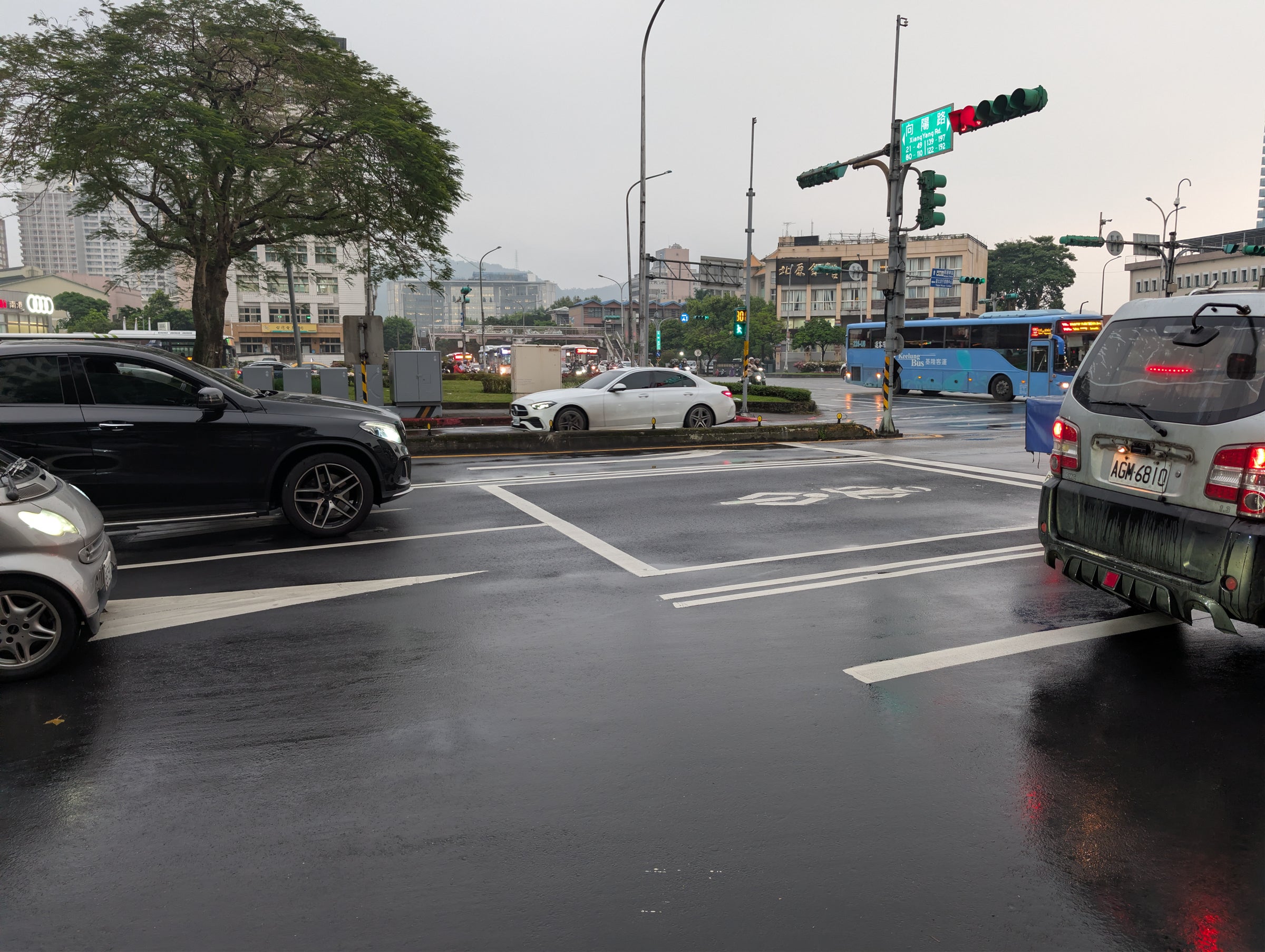
Beyond behavior, there is actual infrastructure to support this. Often, the right-hand lane is dedicated entirely to scooters, which works out exceptionally well for bikes. Then, at each light, there’s a bike box.
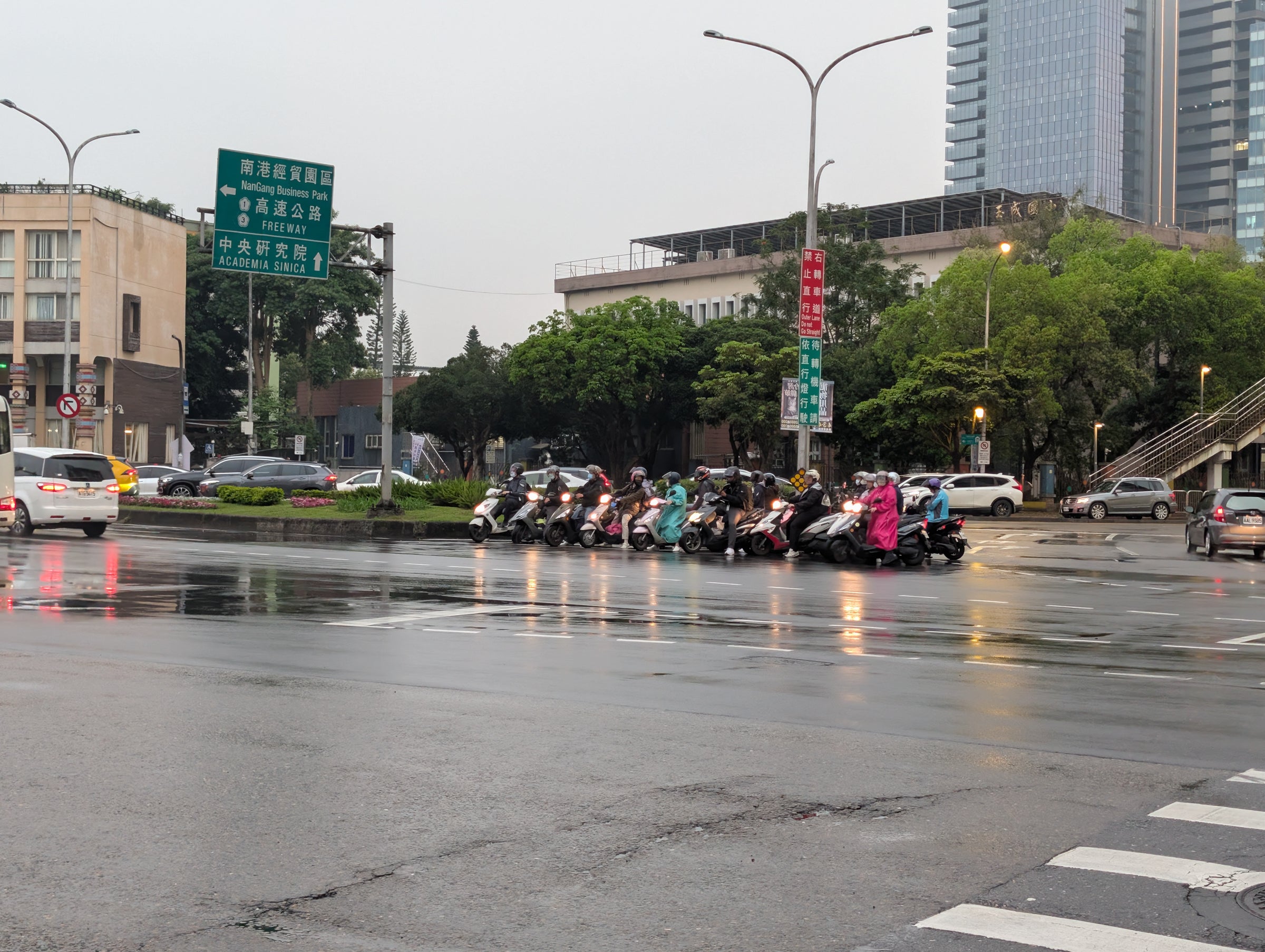
I call it a bike box because that’s what we call them in Portland, Oregon. Here, they are shared, with pavement markings for both bikes and scooters. You also find them tucked into odd little nooks at large, multi-directional intersections. It’s a system where scooters head right to reposition for a direct shot across the intersection (essentially a two-stage left turn). It sounds confusing — because it is — but the takeaway is that if you are on two wheels, there is dedicated space carved out just for you, keeping you protected from larger vehicles.
ADVERTISEMENT
This setup highlights one glaring difference from what I see at home in Portland: the cars actually respect it. In Portland, bike boxes are painted bright green, incredibly obvious, and often paired with “no turn on red” signs. Drivers typically ignore all of this, pulling straight into the bike box to make a right-hand turn regardless of the signs and markings. In Taipei, there are no bright green painted boxes, yet I didn’t once see a car inch forward over the line. They stayed back, even at small intersections with no bikes or scooters in sight.
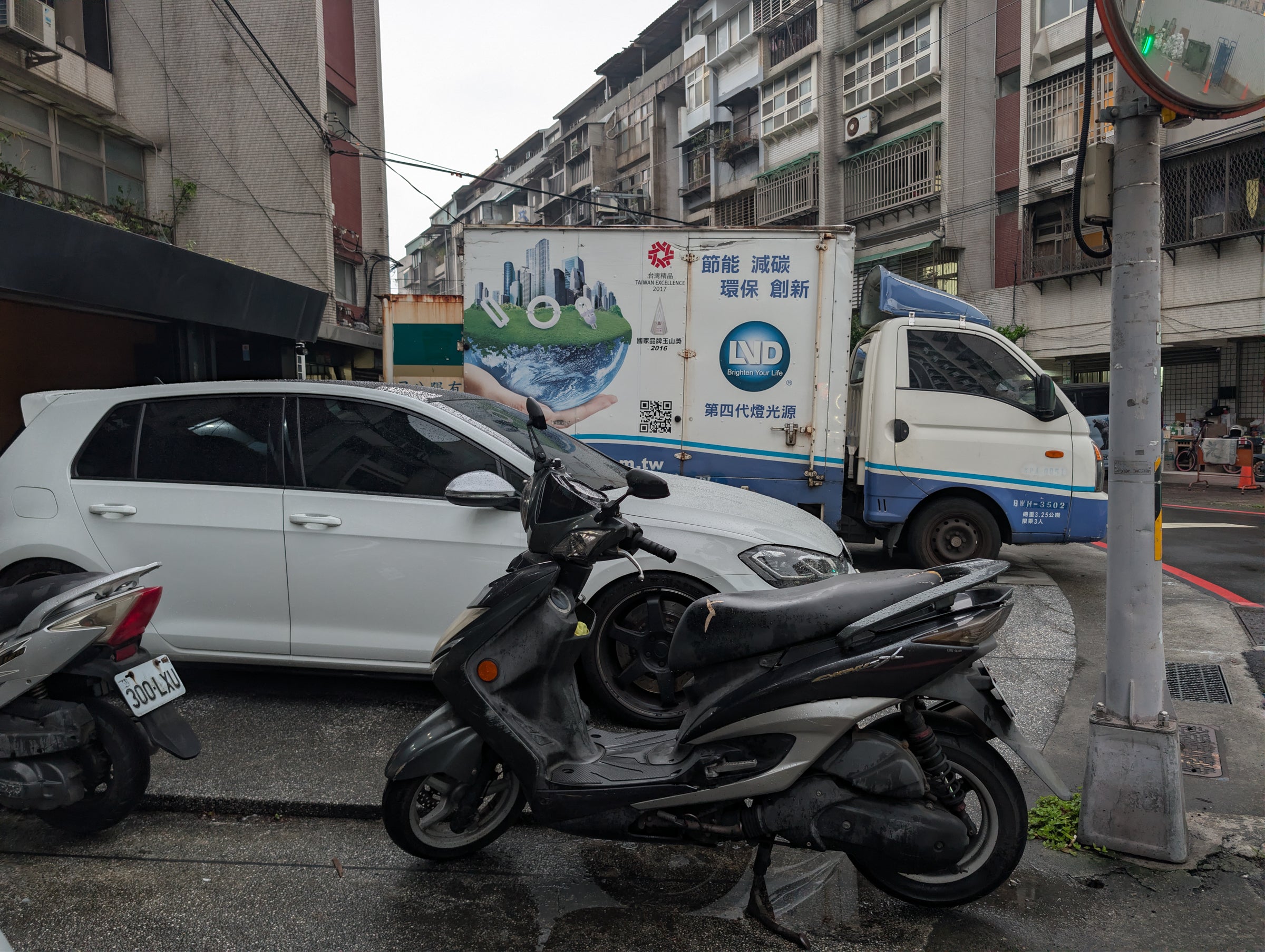
2. Right sized vehicles make infrastructure usable
I know this risks sounding like an old man yelling at clouds, but seeing it in action is striking. We already covered the scooters, but the scaling doesn’t stop there. The cars and trucks here are simply smaller. When I was climbing narrow mountain roads with zero shoulder on the Factor One, it was still workable because the road naturally had room for both me and the vehicles passing next to me.
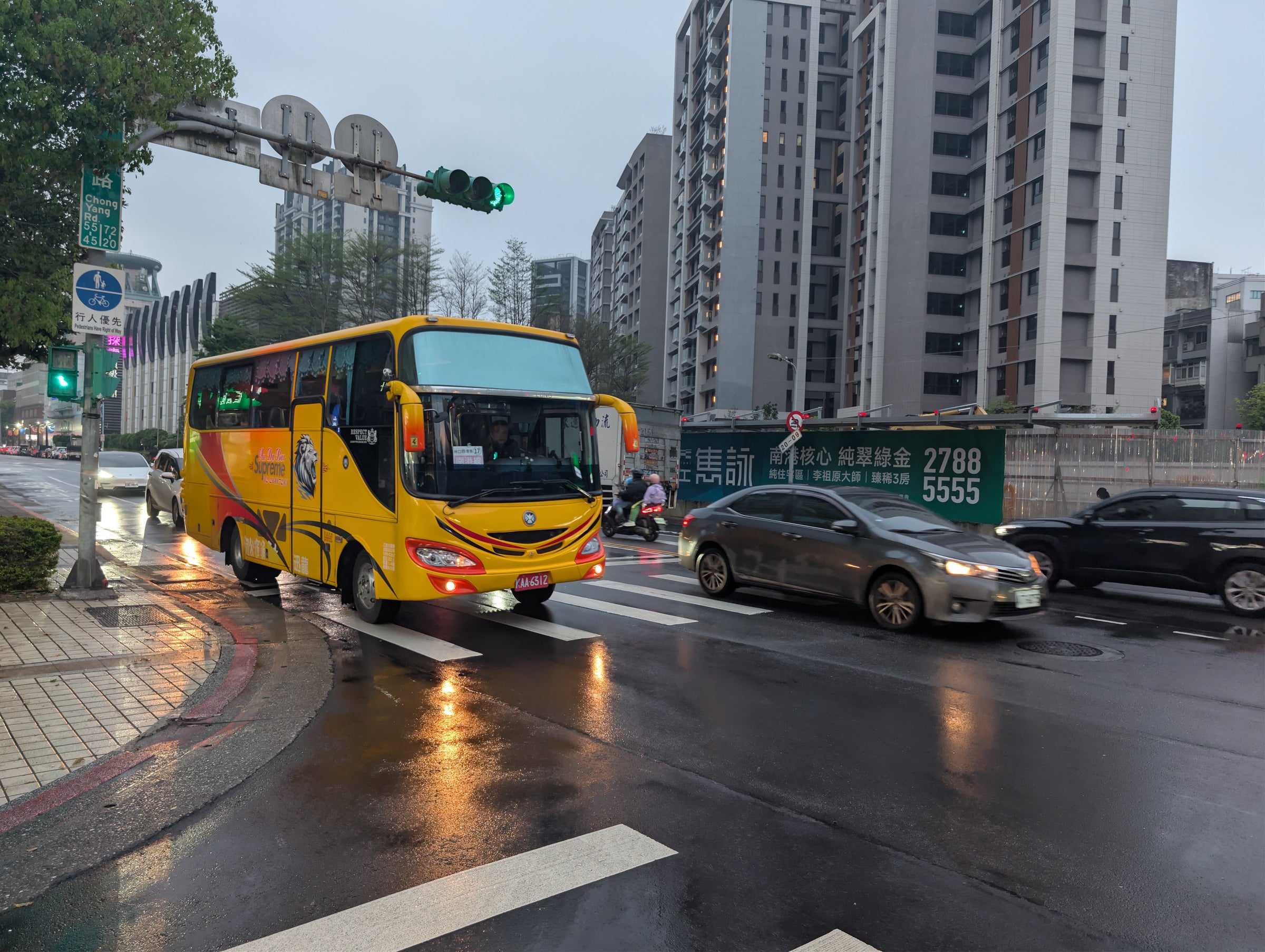
To prove the point: even the buses are downsized. They are still large vehicles, but on those tight switchbacks, there was actually room to breathe. Transit buses in Taiwan are narrower than those in the US by anywhere from 4 to 20 inches depending on the model. I assure you, you feel every one of those inches when a bus passes you on a tight grade.
ADVERTISEMENT
What this means is that existing infrastructure can carry far more traffic without friction. The roads in Taiwan aren’t wider than ours, but they move far more people. Massive American SUVs are mostly hauling empty space. When you size the fleet down — and replace a huge portion of cars with scooters and bikes — you fit significantly more people onto the exact same footprint.
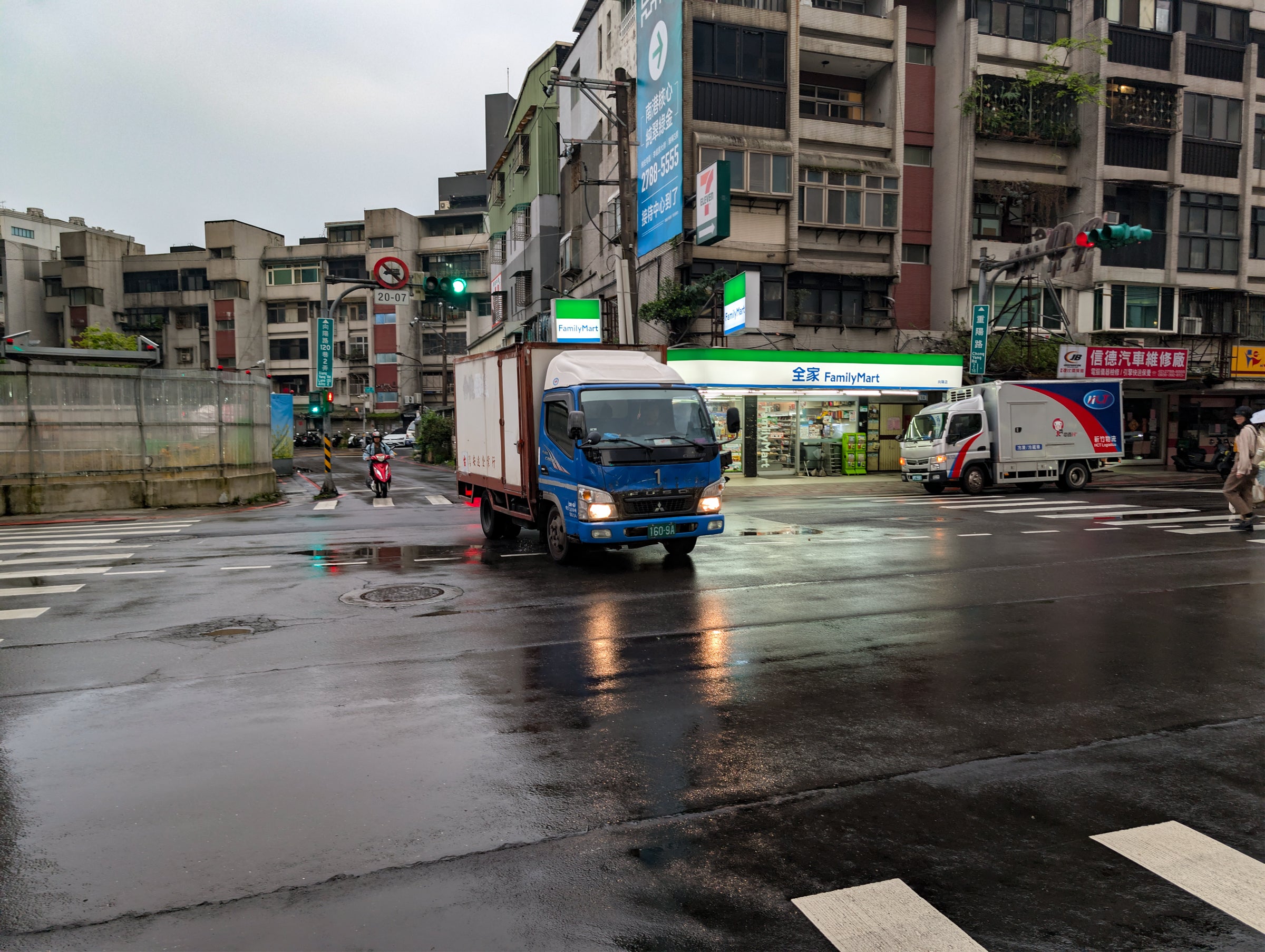
This has a profound effect on the cycling experience. In the US, forward-thinking cities — Portland included — try to make streets safer through “road diets,” which typically size a four-lane road down to two lanes with a center turn lane and outer bike lanes. In Taipei, I didn’t see much of that. Yet, riding on a standard four-lane road felt infinitely safer. When you are on a bike, you realize there is actual physical space for vehicles — even buses — to pass you without needing to leave their lane.
Of course, this does mean that — like almost every foreign country I’ve ever ridden in — you will get passed closer. In the US, drivers either give you a massive berth, or they close-pass you with malice. In Taiwan, drivers just see you as another vehicle. There’s no malice; they just move to the edge of their lane and pass. When the vehicles are actually the right size for the road, the whole system just works.
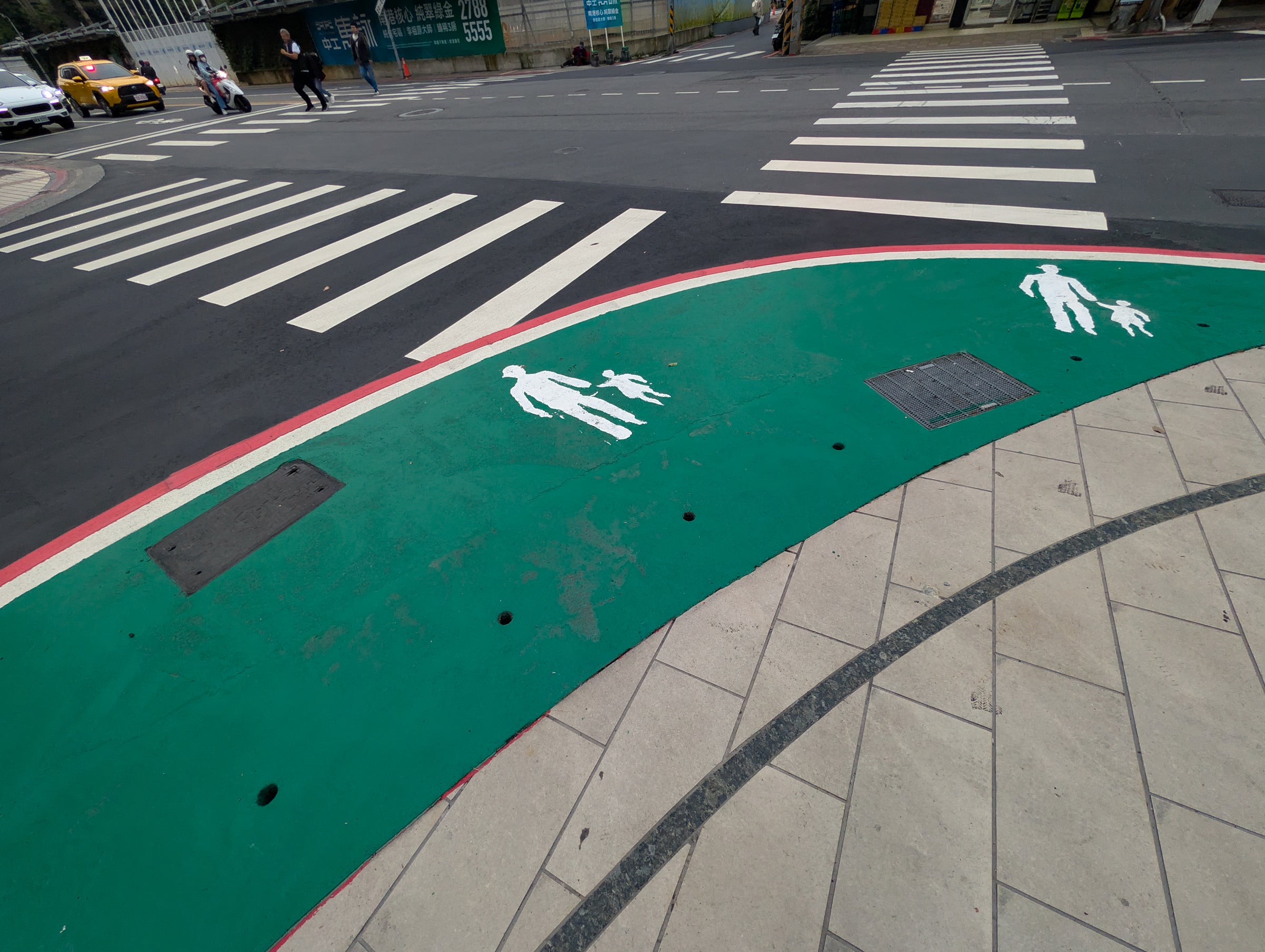
3. Protecting vulnerable road users doesn’t have to be expensive
There are people in the US who genuinely care about getting road safety right. These advocates have big ideas and frequently say things like “paint isn’t protection” when pushing for separated, elevated bike lanes. They aren’t wrong — riding on dedicated infrastructure is always the ideal. But riding in Taipei taught me it’s not the only solution.
ADVERTISEMENT
We’ve already talked about vehicle scale, but fixing that in the States requires a massive cultural shift. The US market is saturated with oversized vehicles because we’ve distorted it through fuel economy loopholes and gas price manipulation, creating a population accustomed to driving tanks. Undoing that won’t be easy. In Taipei, however, it isn’t just the size of the vehicles making the difference; it’s how the traffic is managed.
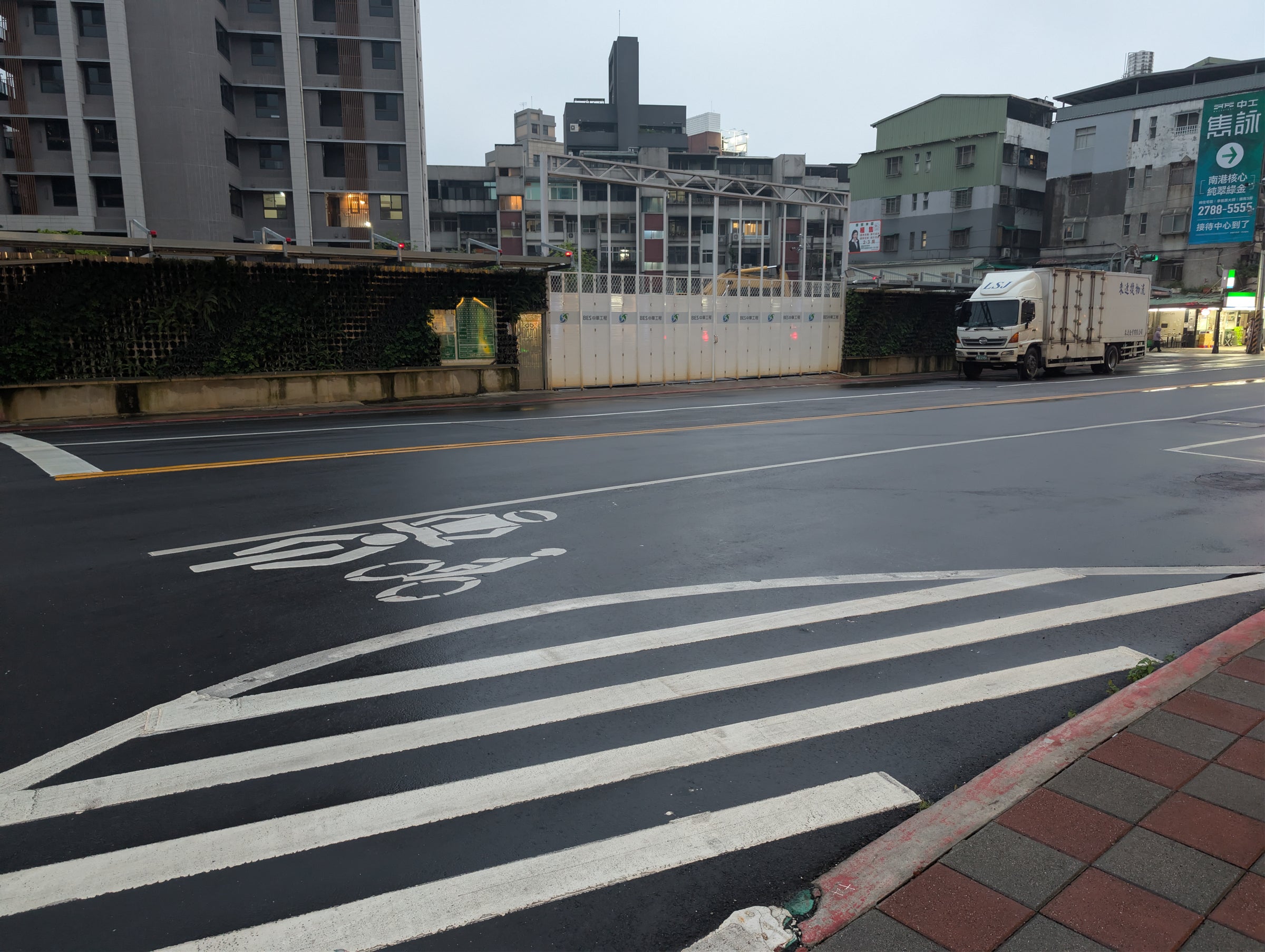
It starts with those bike boxes, which are nearly free to implement. Yes, it’s just paint on the pavement, but it gives small vehicles a safe harbor. Crucially, in Taiwan, those boxes are paired with ubiquitous countdown timers on the traffic signals. Both the red and green lights, alongside the pedestrian walk signals, show everyone at the intersection exactly how many seconds remain before the phase changes.
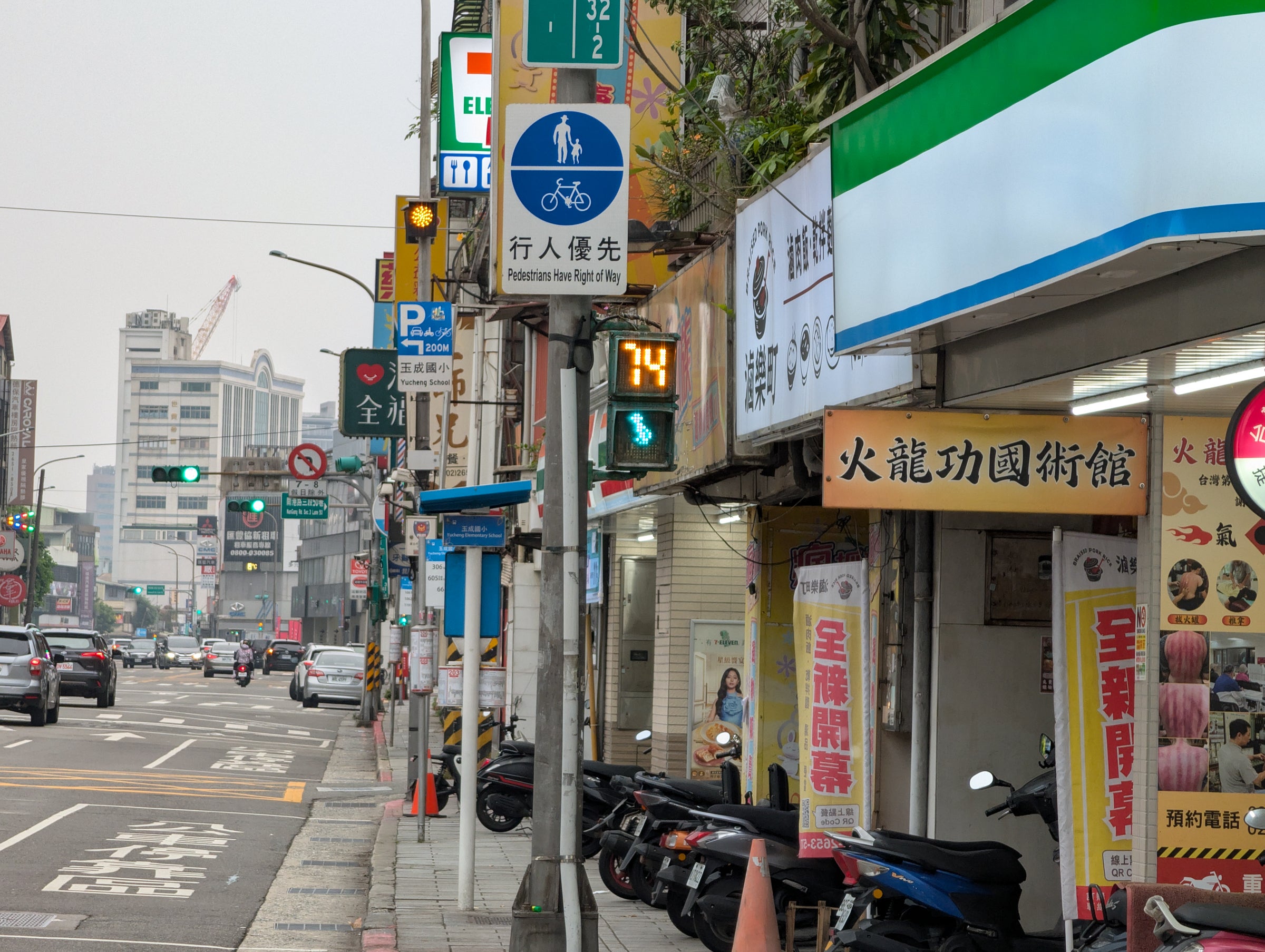
On a bike, this is huge. Worried you might not make it across a massive, multi-lane intersection before the light turns? Just check the timer before committing. Coasting up to a red and deciding if you actually need to unclip? You can perfectly time your rollout. Or, you can clip in and put tension on the pedals the exact second before the light flips green.
ADVERTISEMENT
You can safely get that jump off the line because the intersections here frequently utilize an all-red clearance phase followed by a “Leading Pedestrian Interval” — a slight head start for walkers and cyclists before car traffic gets the green. A few progressive US cities are starting to test this, but it’s standard practice here. Having experienced it firsthand, I can tell you it is objectively better for vulnerable road users. It removes the panic from the intersection.
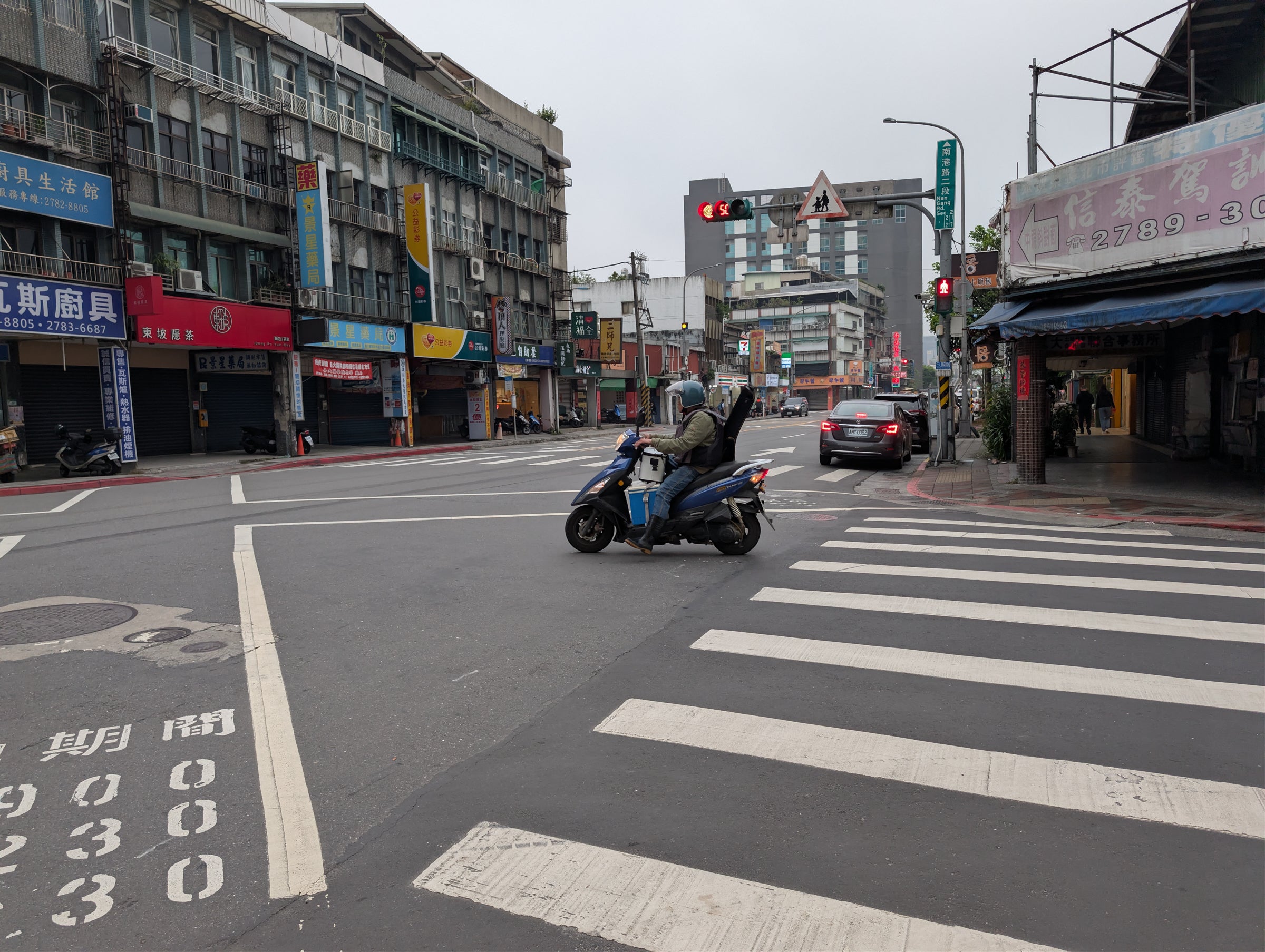
The timers are also incredible for basic ride management. When I pulled up to a light and needed to grab a drink or check my head unit for directions, I didn’t have to nervously watch the cross-traffic to guess when my light would change. I knew exactly how many seconds of downtime I had. I imagine this lowers the blood pressure for drivers, too. Instead of anxiously anticipating a sudden green light, everyone just relaxes and watches the numbers count down.
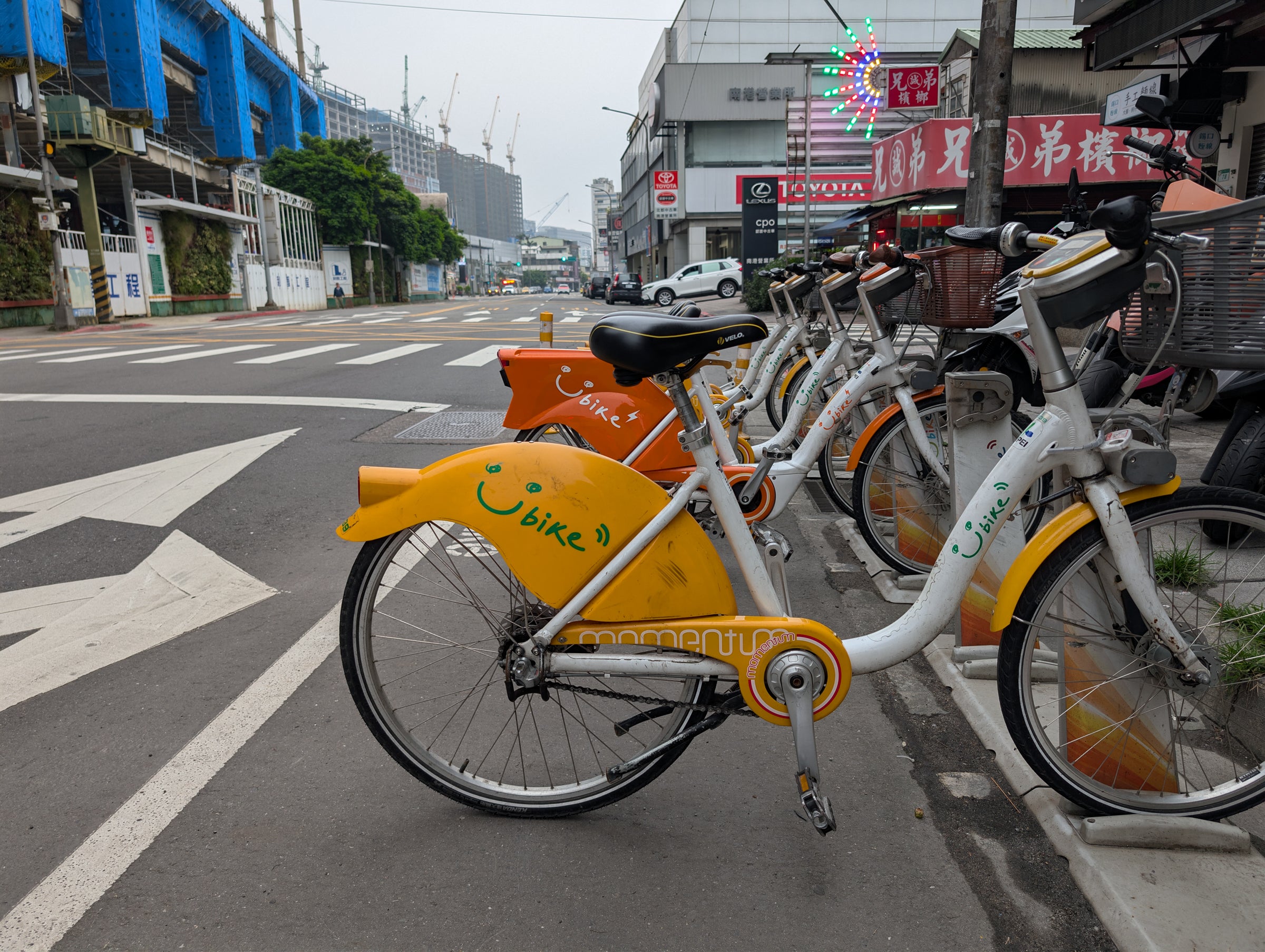
4. Bike share bikes aren’t just for transportation
Maybe all these little infrastructural changes add up, or maybe it’s a cultural shift, but in Taiwan, bike share bikes aren’t just for transportation.
ADVERTISEMENT
In the US, in my experience, bike share is generally treated as a temporary, strictly utilitarian solution. Need to go a little farther than your legs can carry you, or don’t want to drive to the market? You grab a rental bike. It fills a gap. But if you actually care about riding — even if it’s commuting because it’s better for your physical and mental health — you buy a bike. Even for daily commuters, bike ownership implies that you actually enjoy the act of riding. The rental bikes, meanwhile, stay firmly on the utilitarian side of a strict line in the sand.
In Taipei, I saw something much different. Certainly, there were people using the ubiquitous YouBikes to run errands, but I also saw tons of locals out on the dedicated bike paths, simply enjoying the day on a bike share bike. The concept of a genuine leisure rider who isn’t in a tourist destination, yet doesn’t own the bike they are riding, is almost unheard of in the US. Here, it seemed incredibly common.
Also odd compared to the US: the vast majority of these leisure rentals were not electric. Getting more people on bikes is always a good thing, and e-bikes are fantastic tools. However, in the US, it’s impossible (at least in Portland) to even find a non-electric bike in a city share fleet. That firmly cements them as transit rather than recreation. When you combine that with the stubborn (and entirely wrong) American stigma that riding an e-bike is somehow “cheating,” anyone who wants to pedal purely for the joy of the day simply buys their own bike. In Taiwan, electric YouBikes are an option, but people are actively choosing to rent the standard, human-powered versions just to enjoy an afternoon. It’s a refreshing reminder that when the environment is right, you don’t need to own your bike — motored or not — to just go pedal for the fun of it.
ADVERTISEMENT
Oh and I did get quite surprised by a three-speed Youbike absolutely crushing it up a steep bridge without any assist.
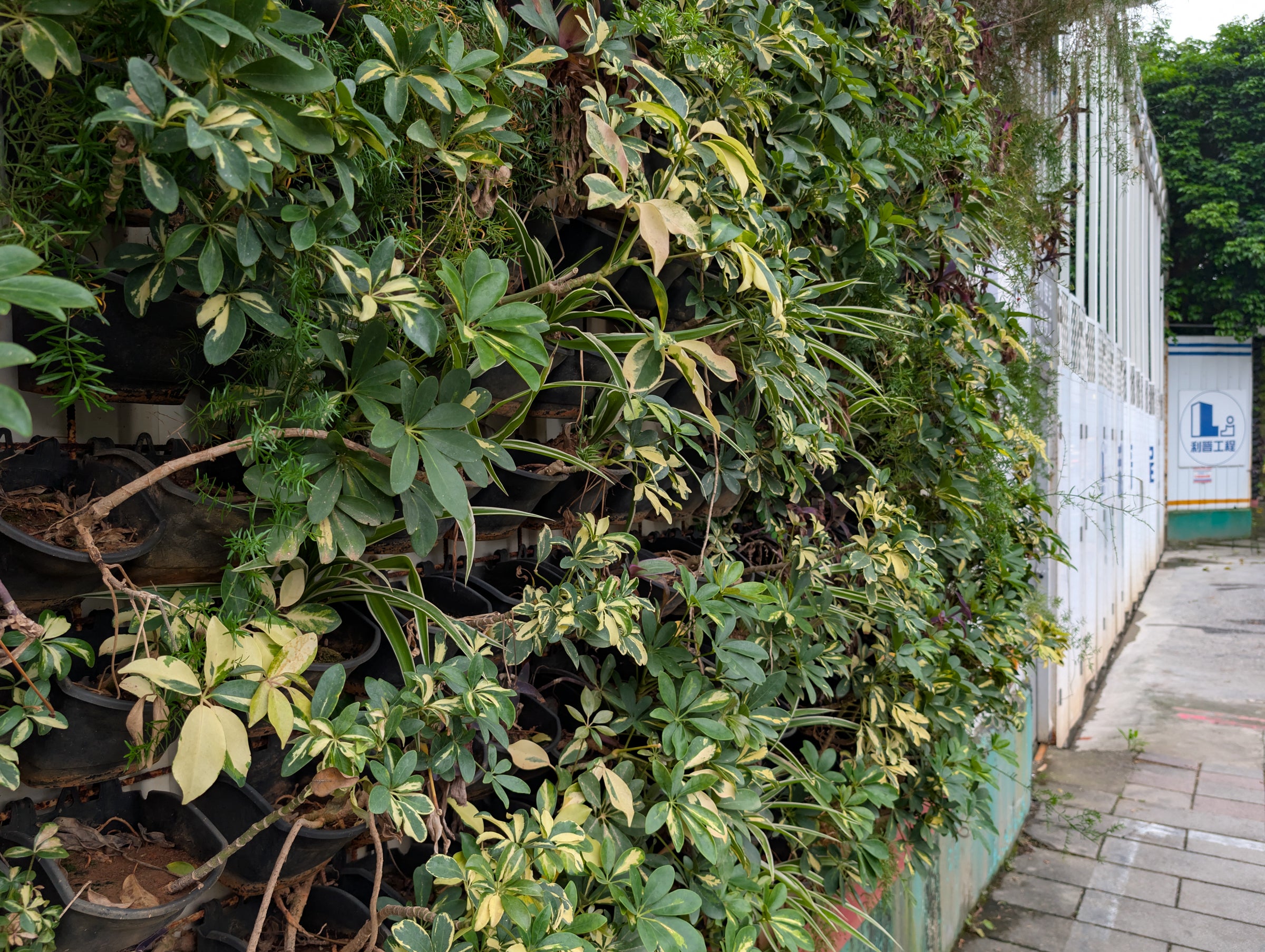
5. Northern Taiwan really is a jungle
This takeaway doesn’t offer a direct infrastructure lesson for the US, but riding in a true jungle environment is fascinating. It isn’t my first time riding in one — I’ve ridden in Colombia — but the urban environment there didn’t feel quite like this.
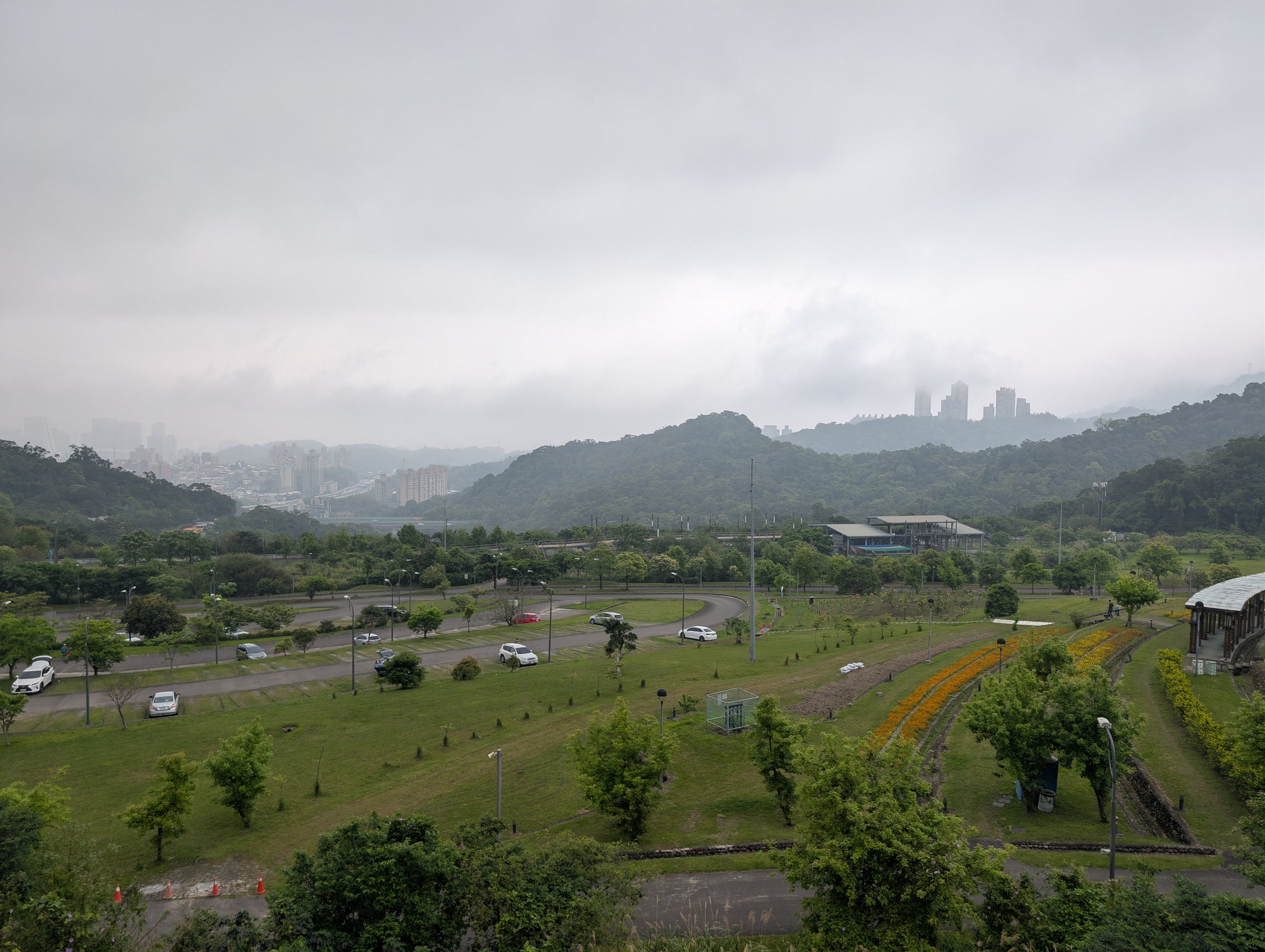
On my first ride in Taipei, we spent maybe 10 minutes navigating the city before suddenly hitting a narrow, winding road climbing straight into the jungle. I couldn’t see past the edge of the tarmac; everything was a wall of green, and the noise of the wildlife was overwhelming. I was minutes from a major metropolis, but very much in the wild.
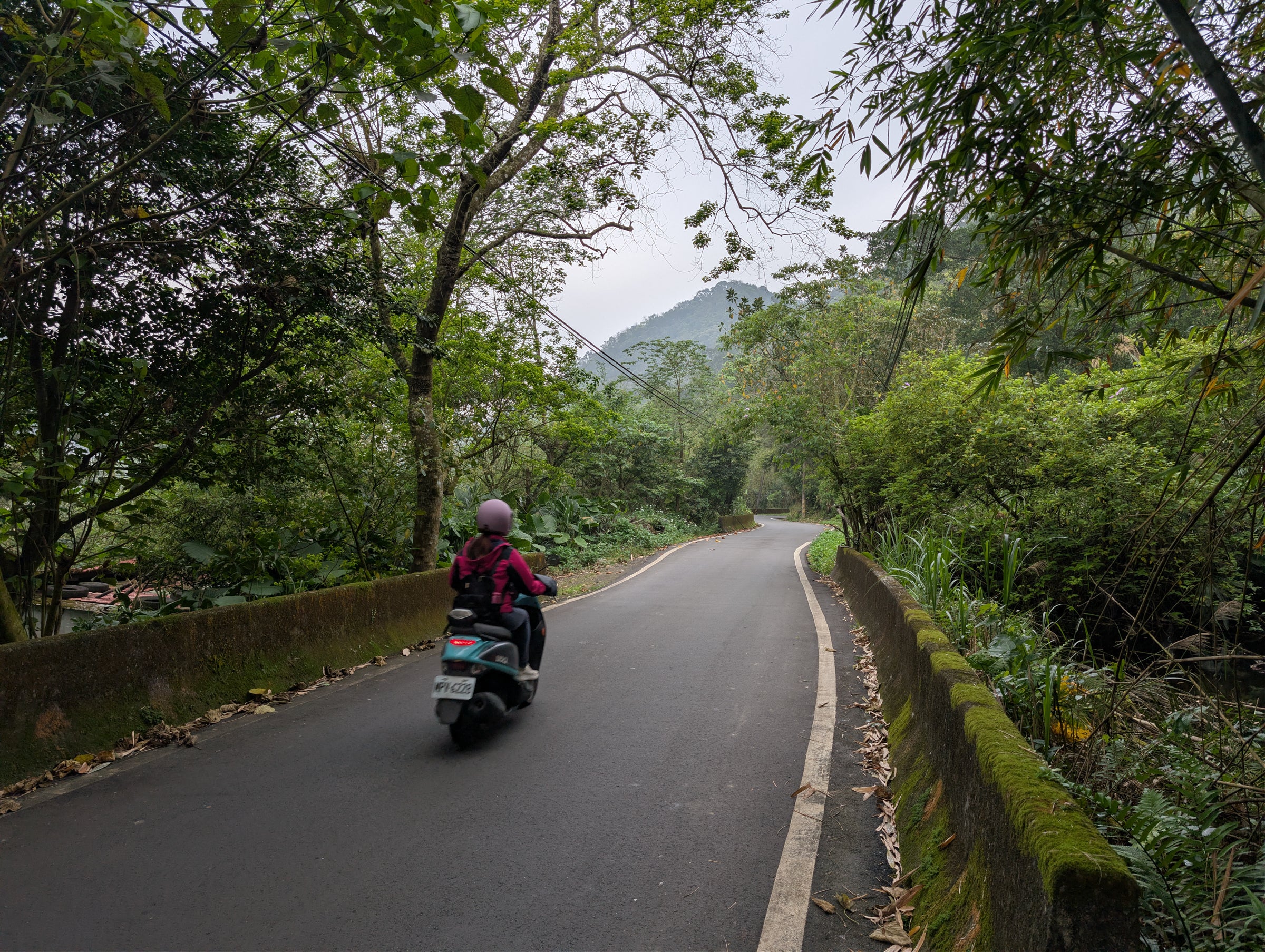
Even back in the city proper, that wild feeling doesn’t completely fade. There are trees in nearly every open space, and the jungle soundtrack comes with you. Birds are everywhere, filling the air with a volume of noise you simply don’t expect in a dense urban center. It’s lovely.
ADVERTISEMENT
What’s less lovely is the humidity. Step outside in your cycling kit, and you are almost immediately drenched as if caught in a rainstorm. Stopping is worse than riding, and visibility quickly becomes a serious issue. Your glasses instantly fog over, or worse, develop a filmy layer of moisture that feels akin to riding underwater. The same goes for your cycling computer.
I carry a microfiber cloth on rides for this exact reason, but it was useless here. On a typical long ride at home, I might wipe my glasses once. Here, I tried at least five times. By the third attempt, I was just smearing the moisture around; after the fifth, I gave up entirely. There was simply no way to get the lenses — or the head unit screen — dry enough to actually read them.