Published November 5, 2026 01:35PM
What Could Cervélo, Beats, Rapha, and Bose Tell Us About Cannondale’s Future?
When iconic companies leave their roots, they usually leave something behind. What does this mean for one of cycling’s most beloved brands?
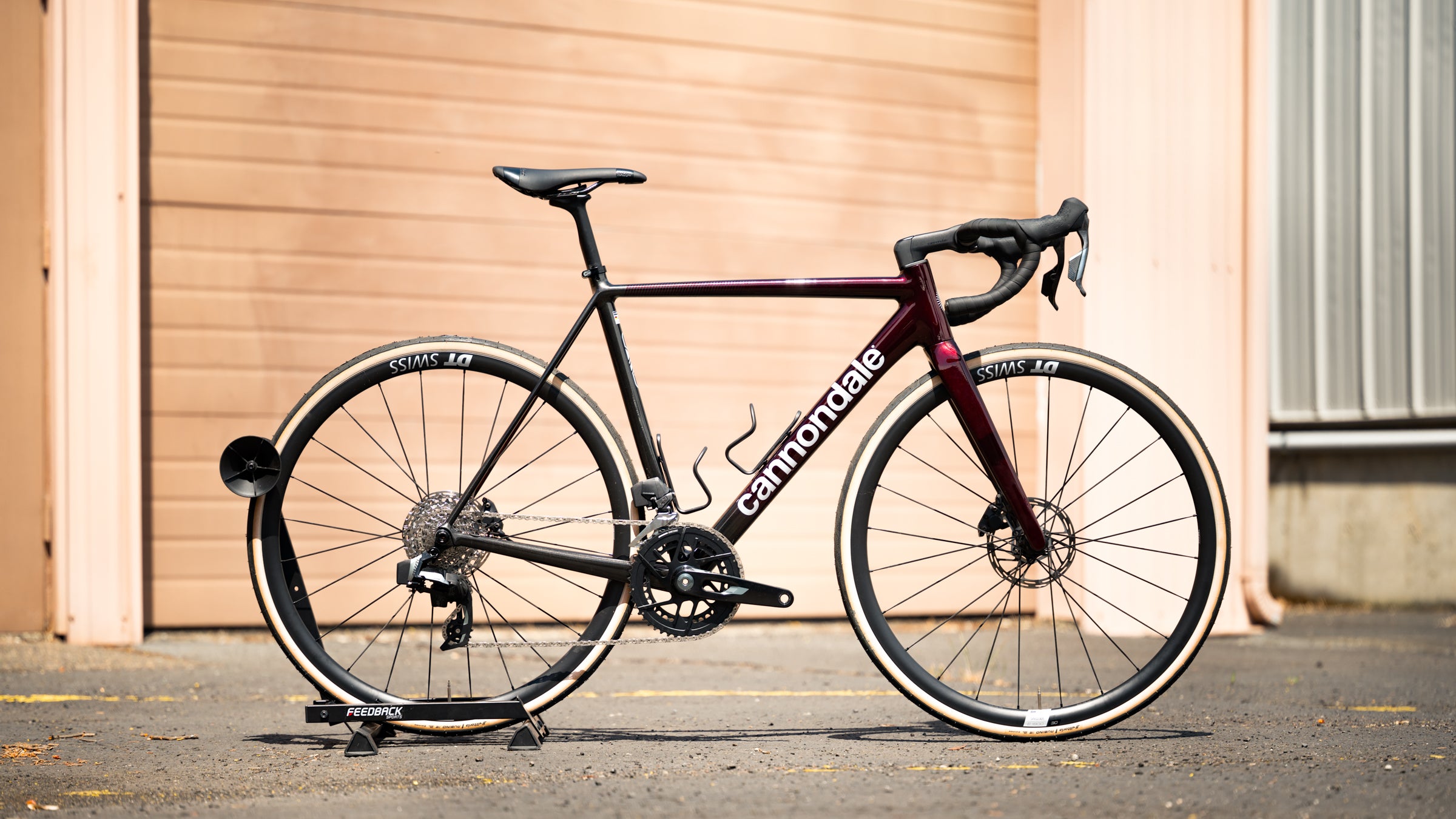
(Photo: Josh Ross/Velo)
Cannondale is packing up its Connecticut headquarters and leaving the state where it was founded 55 years ago. As parent company Pon.Bike consolidates North American operations into California, the brand is losing its historic home. What will this mean for a storied American brand?
Before I started writing for Velo, I spent over 20 years working for ad agencies as a creative director, making ads for some of the biggest brands in the world, including Samsung, Pepsi, IBM, and more. If you ever watched the TV show Mad Men, I was Peggy. Did I have a lot of martini lunches? That’s a story for another day.
My job was to create ads that emotionally connected with consumers, protecting the most important asset these Fortune 500 companies had—their brand. So when I read the news about Pon.Bike closing Cannondale’s U.S. headquarters and consolidating operations within its portfolio, I paused.
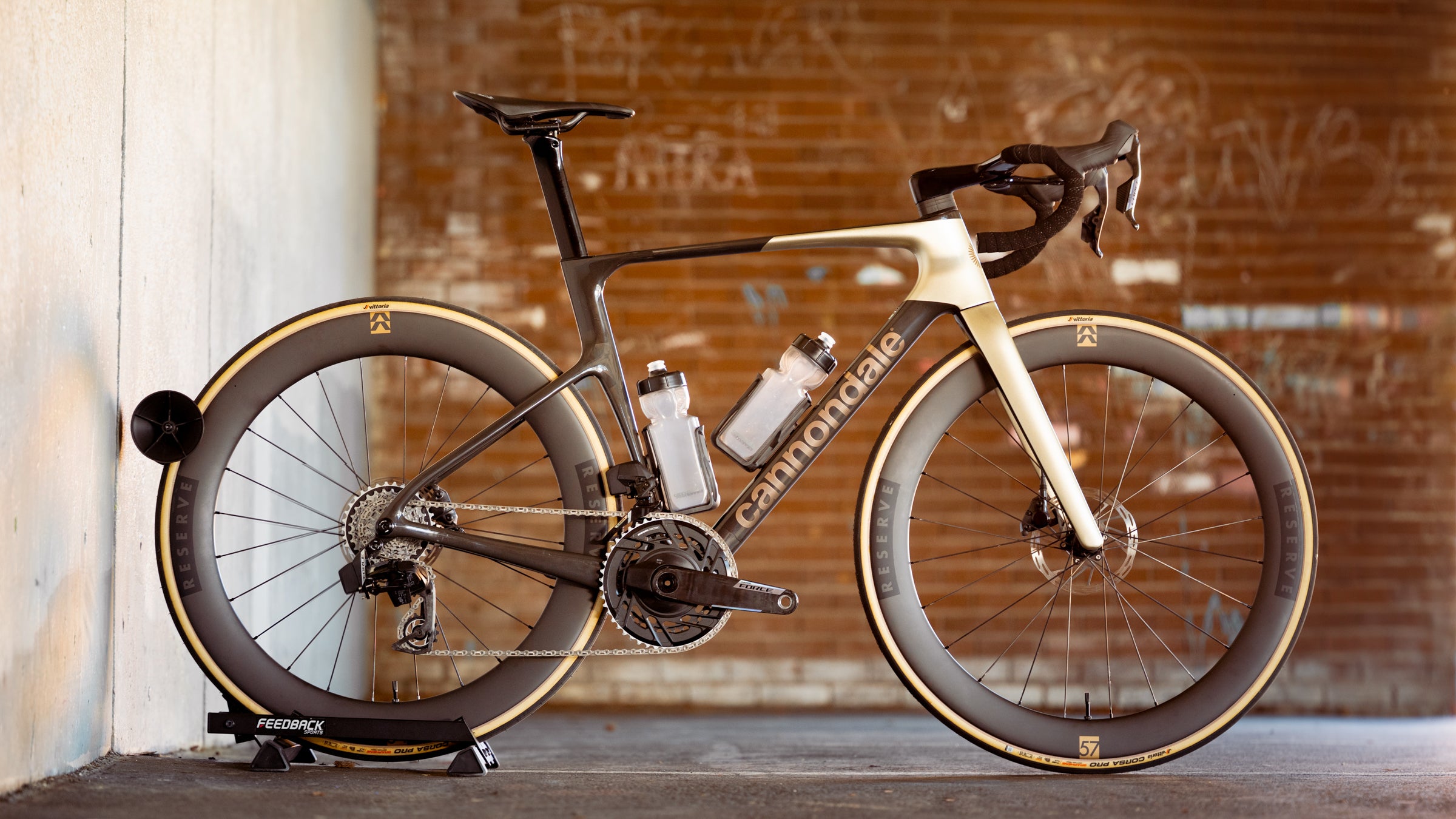
In Case You Missed It
Cannondale is closing its U.S. headquarters in Wilton, Connecticut. According to Bicycle Retailer, that means all 143 employees located there will be affected. Sales and operations are reportedly consolidating to Pon.Bike’s other American location in Santa Cruz, CA, where the holding company already has sales teams that handle the Cervélo and Santa Cruz Bicycles brands. Cannondale’s global HQ will relocate to Woudenberg, Netherlands. And R&D will remain in Freiburg, Germany, where it has operated for several years. According to reports, the first moves begin December 21, 2026, and will run in phases through the end of 2027.
ADVERTISEMENT
But a headquarters isn’t a brand. It’s a building. So nothing should really change, right? Maybe. For the Cannondale brand, I think it’s more than that.
Born From Stubbornness
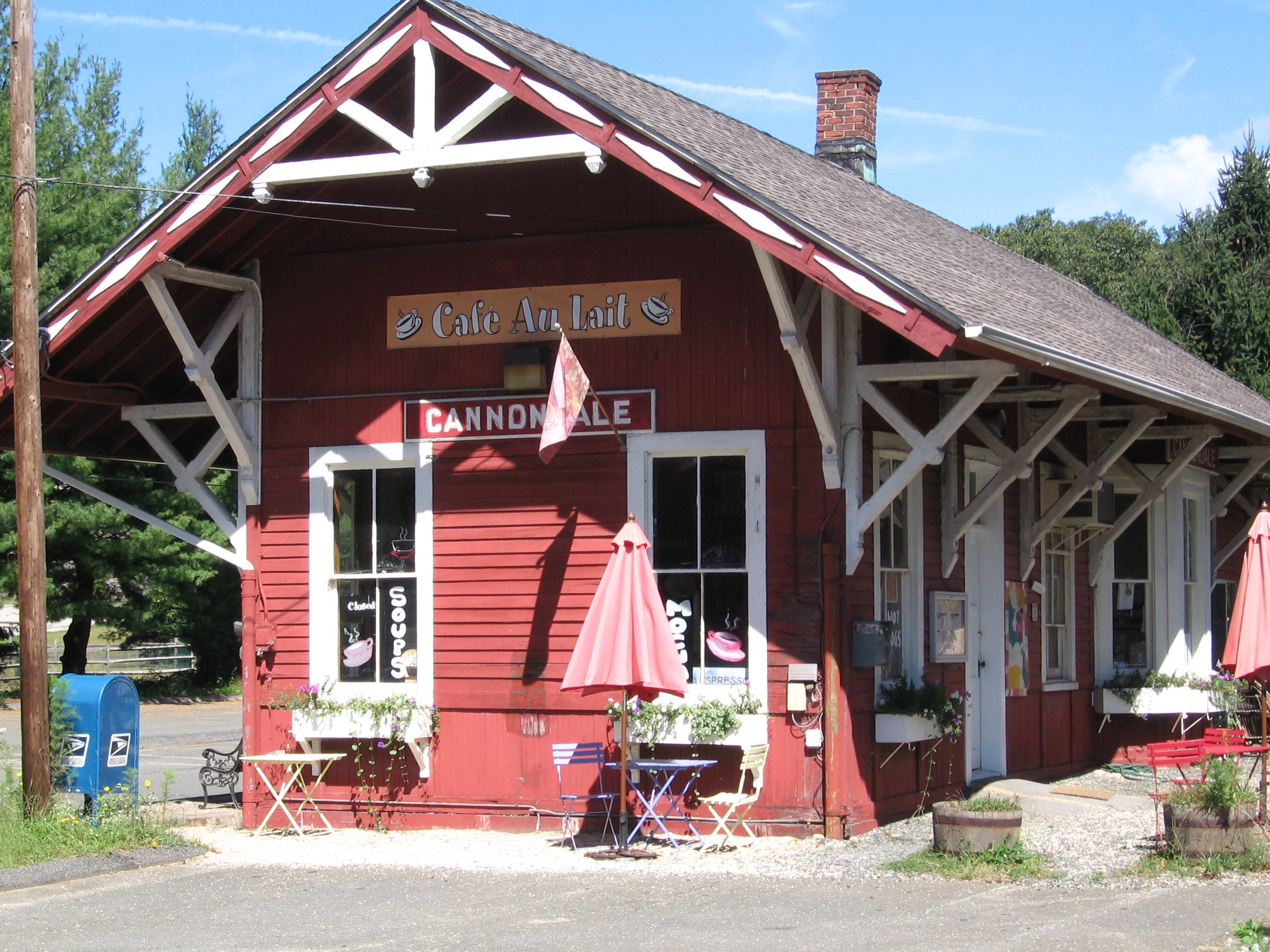
The Cannondale story starts in 1971 in Wilton, Connecticut, where Joe Montgomery and Murdock MacGregor began making bike bags and trailers, pouring the proceeds into bike frames. They named those creations Cannondale, inspired by the nearby Metro-North train station.
What came next was fifty years of bravado and innovation, building cycling curiosities that pushed the industry and grabbed people’s attention, for better or worse. From the Lefty fork (a single-sided suspension fork that soon became the stuff of legend) to the Hollowgram crankset (an ultra-light, super-stiff crank with an innovative two-piece bonded, hollow aluminum construction). Some ideas were more successful than others, but each carried that underdog spirit, the same scrappiness reminiscent of the organization’s early days.
ADVERTISEMENT
So what’s the secret sauce? Companies that create truly unique products do so by cultivating a culture of creativity. An environment where ideation and execution are celebrated, even if it is a little unorthodox. Originality is fueled by freedom. The space to dream up something different, weird, and unconventional. Sometimes that dream defines a category like the Synapse, blazing a trail for the endurance road bike category. Sometimes it’s a little less spectacular, like the familiar creak of the BB30 bottom bracket. Cannondale’s pioneering spirit had a home on the East Coast, and now, that space is being broken apart and shipped all across the world. Which begs the question…
What’s Going To Happen?
To say exactly what the future holds for Cannondale is anyone’s guess. However, as a marketer, that’s where I turn to the next best thing…case studies. I looked at a variety of brands to see what happens when a company is ripped from its roots, when founders leave, and when they stick to their guns.
The Case of Dr. Dre vs. Dr. Bose
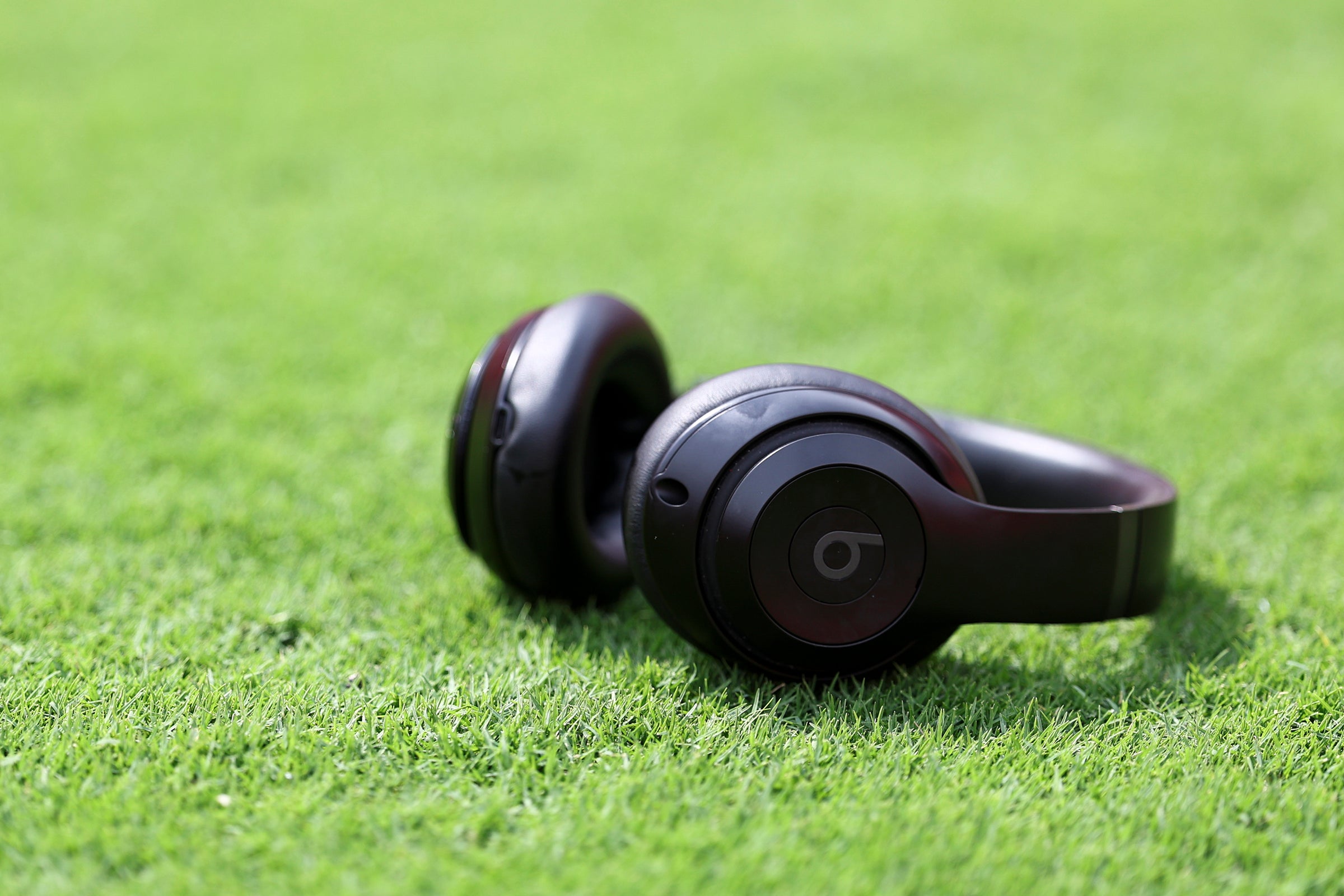
If you hark back to 2006, you’ll remember Beats by Dre, a Los Angeles headphone company started by the one and only Dr. Dre and longtime head of Interscope Records, Jimmy Iovine. While Beats sold headphones, they exported the energy of LA. The brand was steeped in West Coast hip-hop culture. The products looked amazing, sounded great, and consumers agreed, big time. Bloomberg Businessweek reported that at its peak in 2011, Beats held 64% of the U.S. premium headphone market. Then, in 2014, Apple acquired Beats for $3 billion. Dre and Iovine eventually left, and before long, the brand fizzled. LA energy gave way to Silicon Valley tech. Where’s the brand today? You can still buy Beats within the Apple ecosystem, but the revenue numbers are hard to pin down. In earnings calls, Apple doesn’t break out Beats revenue. Perhaps that’s all you need to know: a cultural giant reduced to a line item too small to report.
ADVERTISEMENT
Meanwhile, another headphone manufacturer is Bose. The company never sold. They never left their headquarters in Framingham, Massachusetts. And Dr. Amar Bose, founder and MIT professor, even gave the majority of the non-voting shares to the university where he taught for over 40 years. Why? He believed that a publicly held company could never innovate the same way that a private one could. So he gave the shares away. This is a story of commitment, principles, and, most importantly, what happens when founders stick to their vision, stay planted in their corporate roots, and weave their philosophy and vision into the brand’s fabric. While revenue numbers aren’t publicly reported, we can rely on the fact that Bose has outlasted every acquisition wave in the audio industry. Still independent, still in Framingham, and still the brand synonymous with great audio.

What About Bike Brands
It would be impossible to do this article without talking about Rapha. What started in 2004 as Simon Mottram’s love letter to cycling culture, style, and functionality then exploded into a consumer obsession, with annual reports showing Rapha’s revenue growing 25–30% year over year, ending January 2017 at £63 million. According to The Guardian, Walmart’s Walton family stepped in and acquired the brand for a reported £200 million (approximately $254 million USD at the time). Mottram stepped down as CEO in 2021. And since the buyout, Rapha has not posted a single profitable year, reporting nine consecutive annual losses. Not to mention multiple CEOs and declining revenue.
Meanwhile, MAAP is a cycling clothing brand out of Melbourne, Australia. Started in 2014 with no outside investment, bootstrapped by co-founders Jarrad Smith and Oliver Cousins. Today, both founders still clock in daily and are heavily involved in everything from creative direction to operations. The brand just entered the UCI WorldTour as official technical supplier to GreenEdge Cycling. And they even opened a concept store in London’s Soho, just a few doors down from Rapha’s own flagship. It’s telling, and perhaps the difference between what happens when the founders are still in the room.

The Canary in the Coal Mine: Cervélo
Maybe we don’t even have to speculate about what happens next. Instead, we can look at another brand that went through a similar story and is even in the same Pon.Bike portfolio—Cervélo.
ADVERTISEMENT
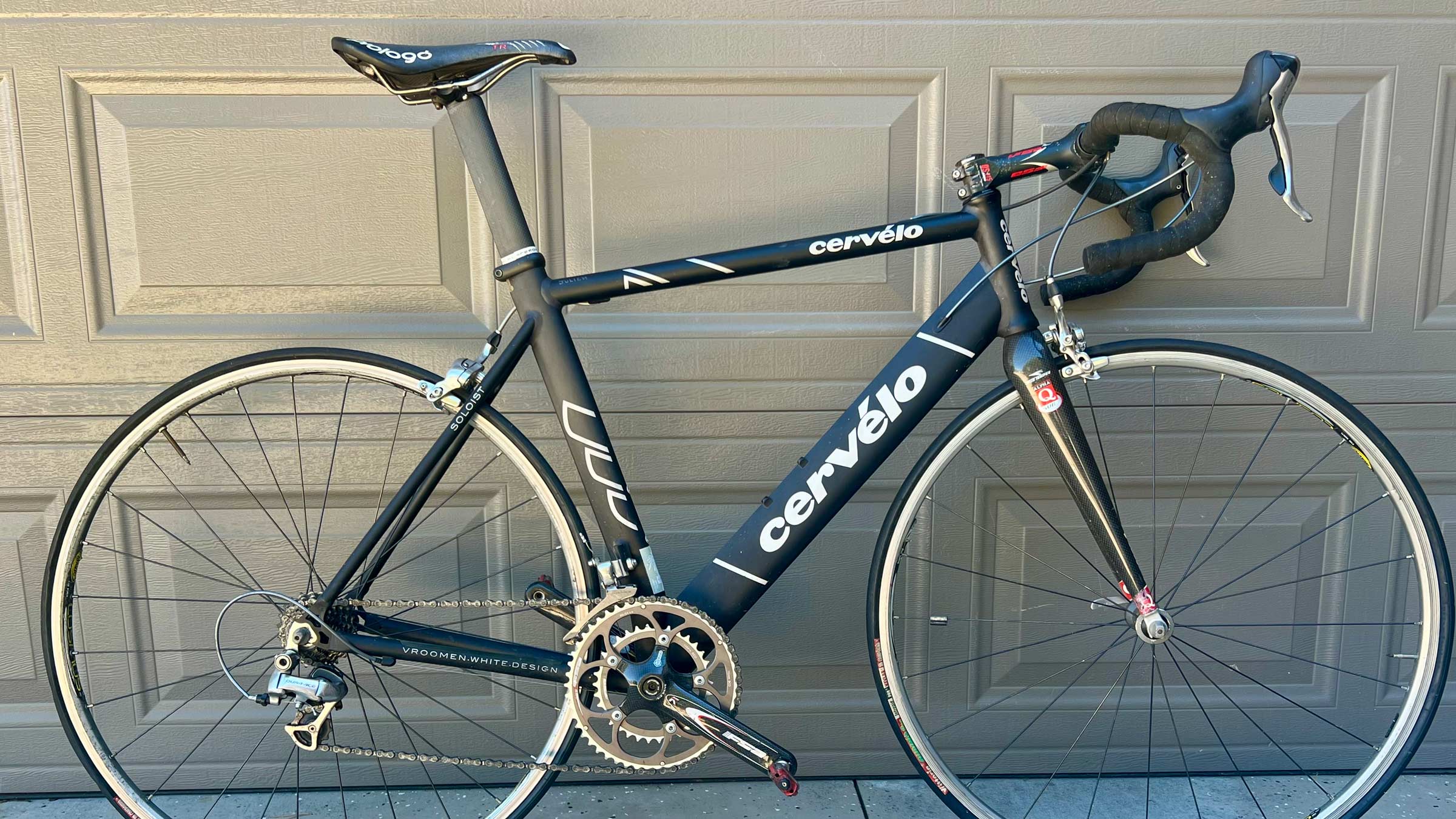
In 1995, Gerard Vroomen and Phil White, two post-grad engineering students at McGill University, began applying their aerodynamic thinking to bike design. For over 15 years, everything, from engineering and aero research to prototyping, was executed in Canada. Then, in 2012, the brand was sold to Pon.Bike, and the Canadian DNA was soon eliminated. A few years later, the Toronto headquarters downsized its infrastructure and consolidated into the Pon.Bike ecosystem, shifting core operations to Santa Cruz, CA, and facilities in Europe. This isn’t to say that today’s bikes aren’t great. But it does mean the brand’s original spirit is completely washed away.
Back in the day, Cervélo had a rebellious and anti-establishment spirit. Since they were miles (or perhaps kilometers) away from all the established bike brands, the founders could build and explore concepts and ideas without the burden of cycling tradition holding them back.
In 2002, the brand launched The Soloist, a shockingly radical new platform at the time. It was the first road bike built with tube shapes derived from their aeronautical engineering background, now celebrated as the advent of the modern “aero-road” genre. They did this by creating the first true airfoil tube shapes, inspired by their engineering pedigree. But that wasn’t even their first big jump into unorthodox thinking. For that, you need to go back even further to 1996 and look at the P2. This was a wild bike, obsessed with aero and a math-nerd fantasy. With a radical curved seat tube, massive bladed downtube, boxy bottom bracket, aero seatpost, and bold, in-your-face paint schemes, nothing about this bike was subtle. And this was the rambunctious spirit synonymous with Cervélo. Yes…was. It begs the question. Is this the fate that’s coming for Cannondale too?
What Does This All Mean?
I want to be wrong about this. I genuinely do. I own a SuperSix, and I’ve adored the Cannondale brand for years. No one wants them to win more than me. But the layoffs are real, and 143 people are having a very tough end of year. I’ve been laid off three times in my career, and I wouldn’t wish that on anyone. The human cost here is heavy, and it needs to be acknowledged.
ADVERTISEMENT
At the end of the day, consumers will decide. Maybe this is the start of a leaner, sharper, more focused Cannondale. Maybe the consolidation creates something better than what existed? Maybe the next innovative design is already in the works? Or maybe it’s just another chapter in the never-ending saga of the cycling industry. More consolidations, more layoffs, more holding companies making more rational decisions about irrational brands.
Only time will tell what’s in store, but what I do know is that brands that stay wild and foolish, to borrow a phrase, are the ones that are remembered, and often revered. Moving from brand love to brand loyalty and turning consumers into advocates. So maybe the question isn’t whether Cannondale survives. It’s really about whether the brand stays true to its roots. And that answer won’t come in a spreadsheet; it will be realized in the next bike they build.