Published November 4, 2026 11:02AM
Bianchi's €100 Million Lesson: You Can't Mass-Produce Heritage
Bianchi built a volume-focused factory when it should have protected its prestige. Here is why the world's oldest bike brand must pivot its strategy and return to what it does best.
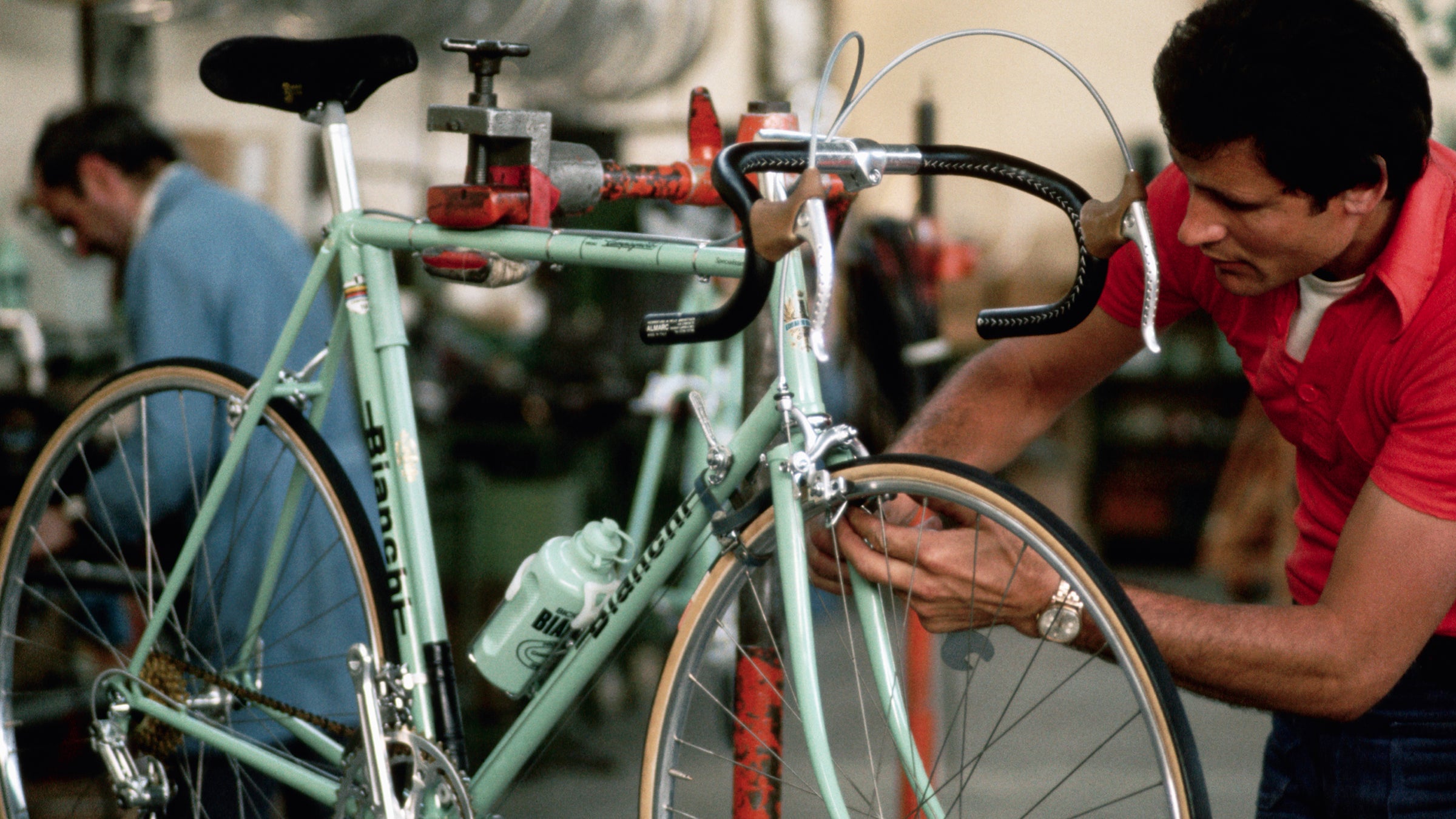
A Bianchi bicycle factory worker works on a bicycle in Treviglio, Italy. Bianchi is known for its racing bikes. | Location: Treviglio, Italy. (Photo by James L. Amos/Corbis via Getty Images) (Photo: Getty Images)
Bianchi is in trouble right now. First came the news that Bianchi is out of the WorldTour, and then we heard that the brand had entered into financial restructuring with €100 million in debt after losing €28 million between 2023 and 2025. How did the world’s oldest continuous bicycle manufacturer land itself in this spot, and what could possibly help?
Pandemic fallout
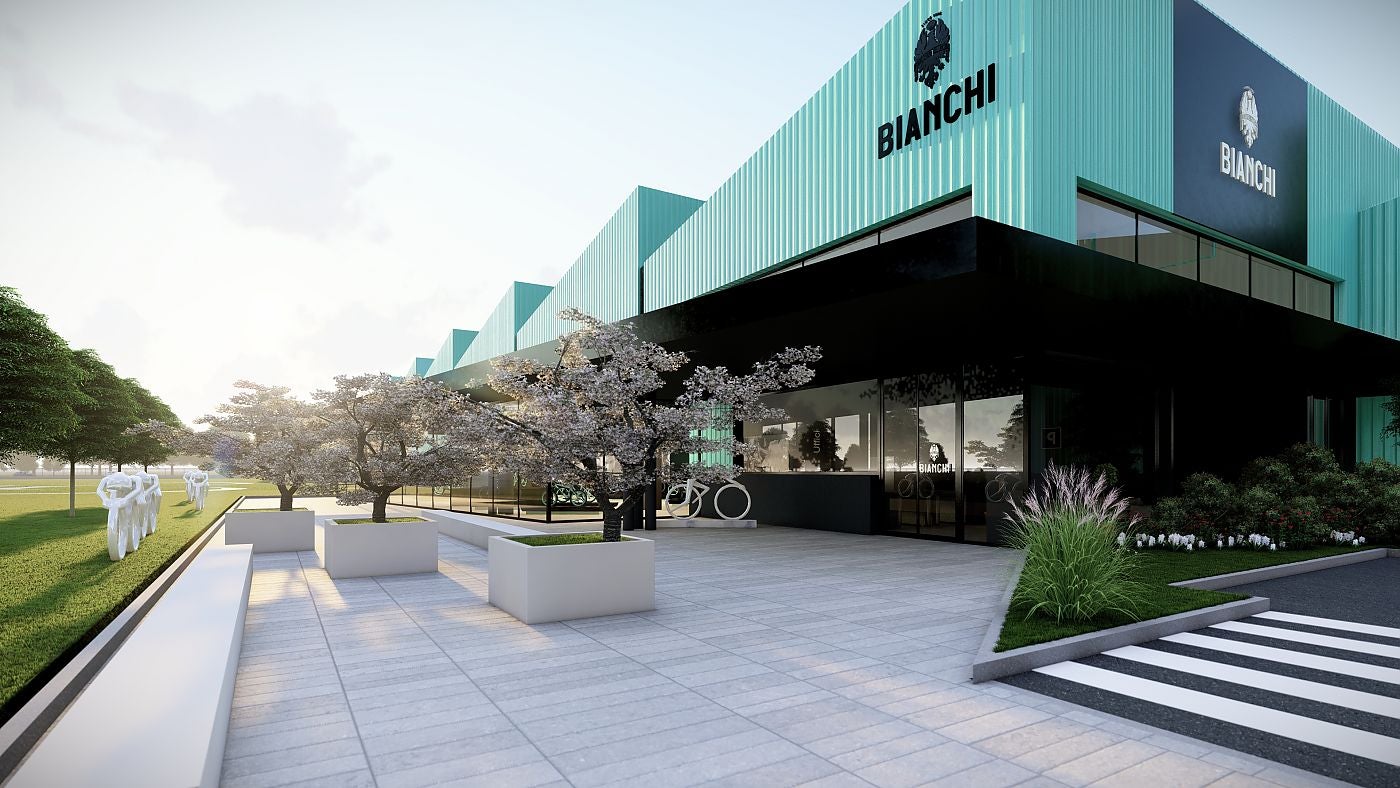
In the heady days of the pandemic bike boom, Bianchi made a big strategic investment. With consumer demand surging and global supply chains in chaos, the brand decided to reshore its infrastructure in late 2021. It was not a small bet. Bicycle Retailer reported a €40 million ($45 million) investment to build a 30,000-square-meter (325,000-square-foot) facility. Roughly 17,000 square meters were devoted to bike production, creating a capacity of 1,000 bikes per day by 2023. The plan would increase employment from 180 to 250 personnel, prominently featured e-bikes in the strategy, and even included a museum.
These plans came from aggressive financial projections. According to Road.cc, Bianchi’s turnover was €50 million in 2018, but the brand expected growth to €120 million for 2021 and an unheard of €200 million by 2022. Much of this projected growth hinged on e-Omnia e-bike sales in the German and Italian markets, combined with a strong internal belief that it was the absolute right moment to return control of production to Italian shores.
About those projections…
As we all know now, Bianchi chose what might have been the absolute worst time in history to bring production back to Italy (or not but more on that shortly). The new Treviglio factory opened in June 2024, immediately becoming a black hole for cash just as the global cycling market cratered. As BikeItalia reported, “total operating costs exceeded €118 million, more than revenues. Personnel costs rose to €10.6 million to support a team of approximately 180 employees… Added to this are the depreciation of the plant and machinery.”
ADVERTISEMENT
Instead of the projected €200 million by 2022, Bianchi reported €114.4 million in revenue for 2024. The brand saw growth, but nowhere near fast enough to become profitable with a massive factory and debts to service. Debts are sky-high, growth has stalled, and the company is in serious trouble.

The real mistake
If I were in charge of Bianchi—with no actual business acumen, mind you—I would have argued that reshoring production when it happened was actually a genius move. Well, almost genius. It was so close, but it completely missed the realities of the market.
Bianchi is never going to survive going head-to-head with the pricing and manufacturing scale that Chinese factories bring to the industry. XDS is massive, and its products are amazing. Bianchi cannot win that fight, but the brand has something those brands won’t have for at least another 20 years: a story.
ADVERTISEMENT
Bringing production back to Italy is smart for supply chain reasons, but it is even smarter because it tells a better story. When your bikes are made in the same factories as everyone else’s, it’s to stand out. When you make your bikes in your own factory, in the exact same place you’ve been for longer than anyone else, you have a passion story. Unfortunately, you have to pair that passion with exclusivity, and that was the first mistake Bianchi made. Instead of scarcity, the brand reached for volume.
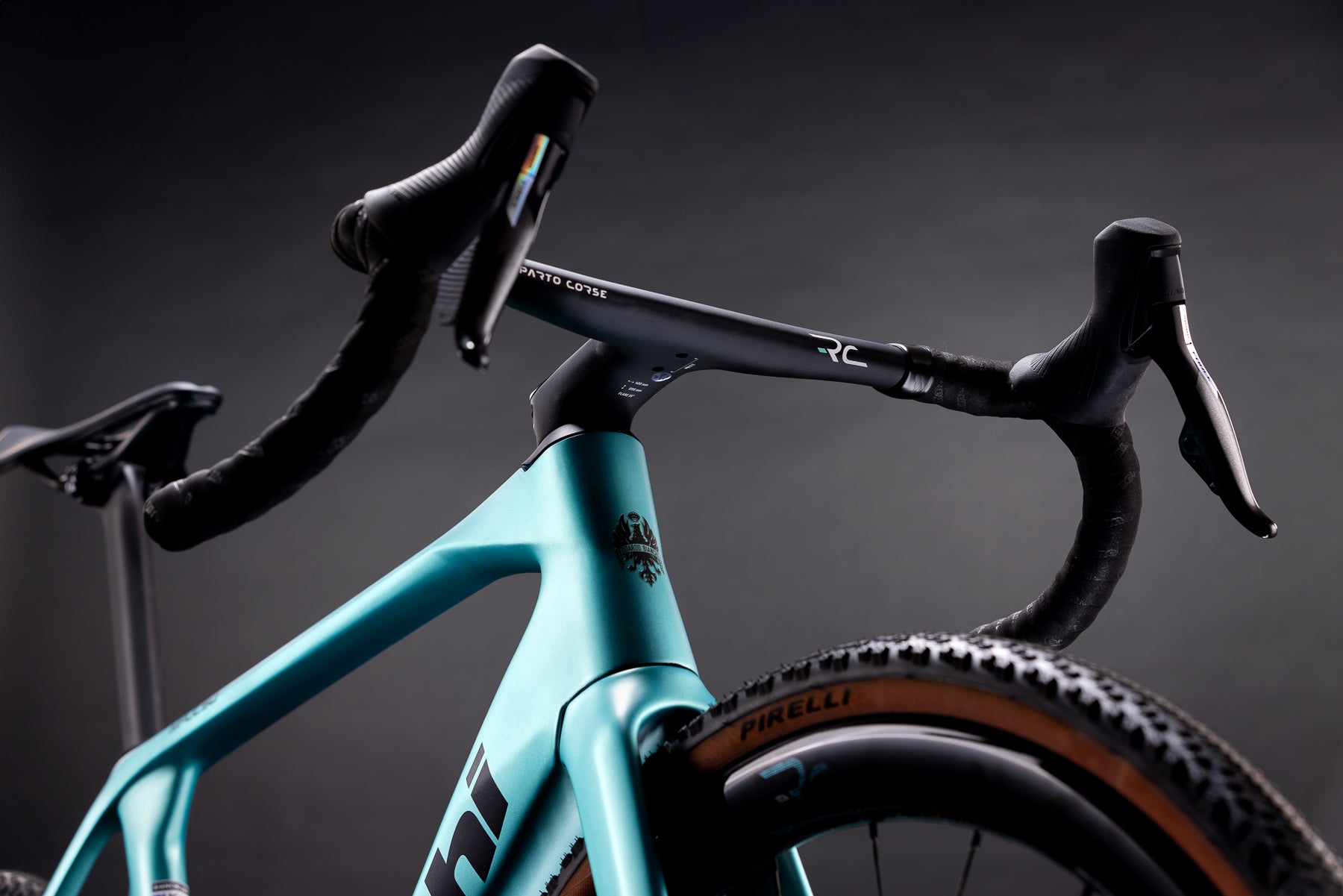
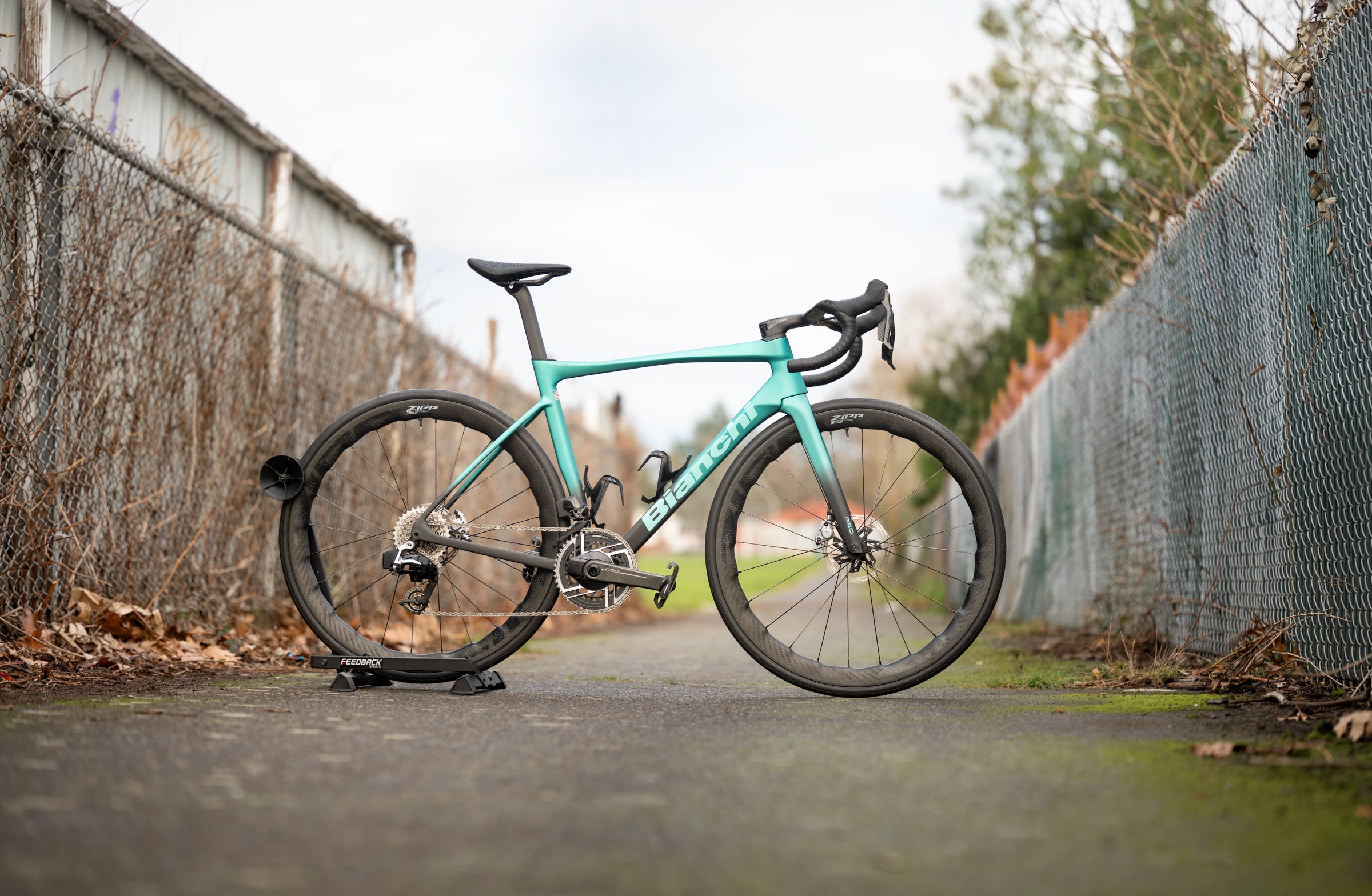
The second mistake was spreading too thin while delivering unremarkable halo products. Bianchi seems completely unable to make a decent gravel bike, operating with no real understanding of the modern market. On the road, the brand launched the latest Oltre and Specialissima with bold, polarizing designs. Unfortunately, the Oltre was too polarizing and, frankly, not that good. The previous Specialissima was pretty good—I wrote about loving it—but when it was time to launch the next generation, things went sideways. The latest Specialissima isn’t a climbing bike anymore, and it doesn’t really have a personality. It seems to exist as much to carry the Bianchi name as anything else.
Where can Bianchi go now?
Unfortunately, I was not in charge of Bianchi when someone was deluding themselves that the brand was poised to compete on volume with Asian manufacturing. Those decisions were made, and the fallout now has to be managed. In the short term, I imagine the hope is that a favorable agreement can be reached with creditors to get things back on track. Perhaps billionaire Ivan Glasenberg wants to add Bianchi to his Pinarello and Campagnolo portfolio and share that Treviglio factory space? Or perhaps not, but from my seat, I can see a path to at least selling bikes.
The first thing Bianchi has to understand is what the brand actually means to consumers. No one dreams of a Bianchi e-bike, and its gravel reputation needs serious rehabilitation. The core road lineup has to carry the weight, which means the Oltre needs to immediately be very good. It is already a weird-looking bike; let that be, but take a note from Factor and turn it into an asset. Let it look weird so it’s distinctive, but don’t lose what matters: it has to be fast, and it has to ride incredibly well.
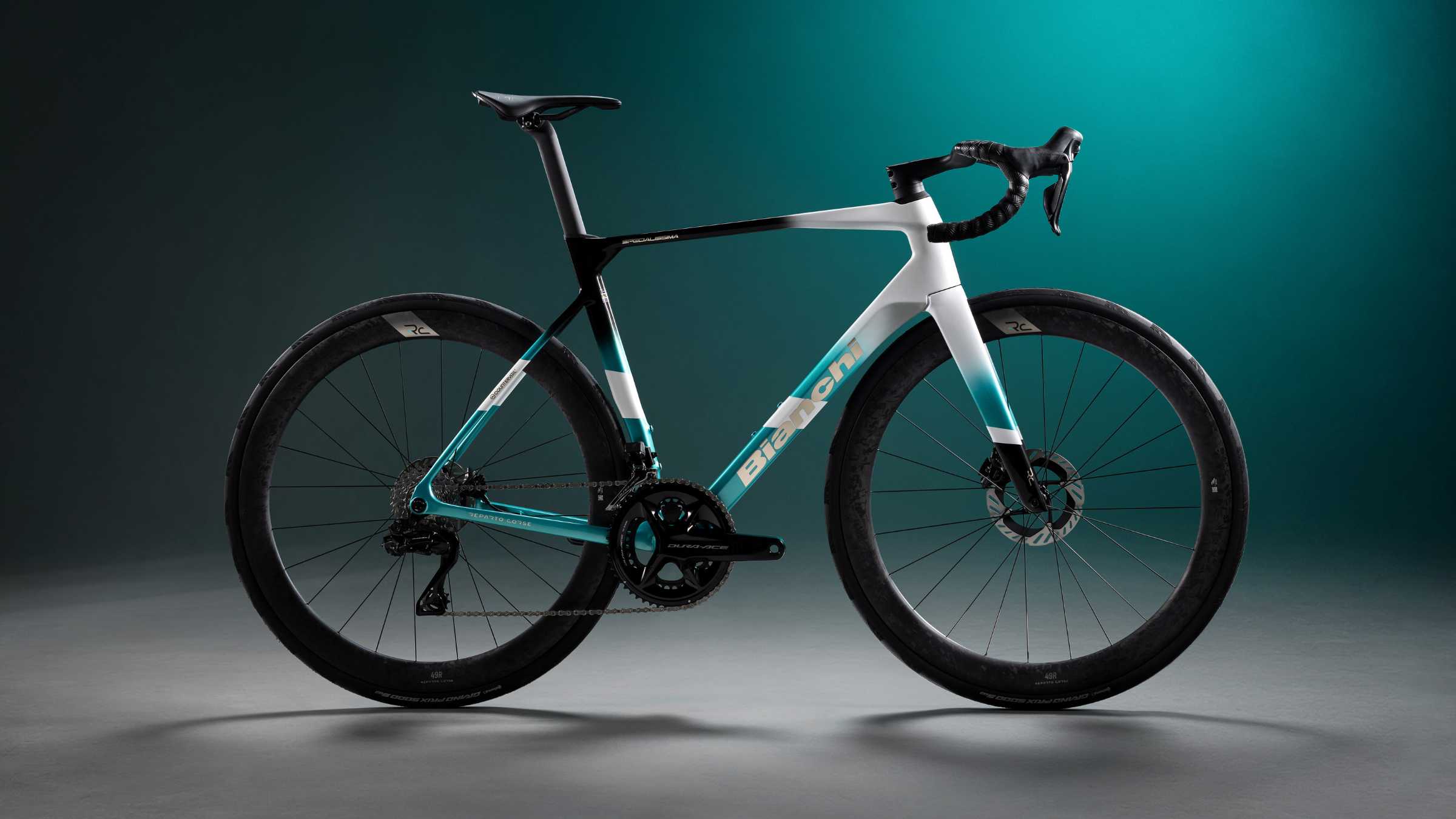
The Specialissima just came out, so in reality, it’s a lost cause for this product cycle, but let’s pretend that’s not the case. That bike has to tell a compelling story. Making it an all-around bike is likely a losing path, but if that’s the direction, the brand needs to take a note from Enve. If you bring an all-around bike to market in the world of the Specialized Tarmac SL9, it had better take that benchmark head-on, and it had better be close enough that no one is sure who the winner actually is. Alternatively, lean into the history of the name. The Specialissima is a climbing bike, and competing against the Specialized Aethos is a far better prospect. Make it feel passionate and uniquely Italian while being incredibly light. It should take your breath away to look at it, and it should dance up every climb. It doesn’t actually have to be the absolute lightest, but it needs to be in the ballpark.
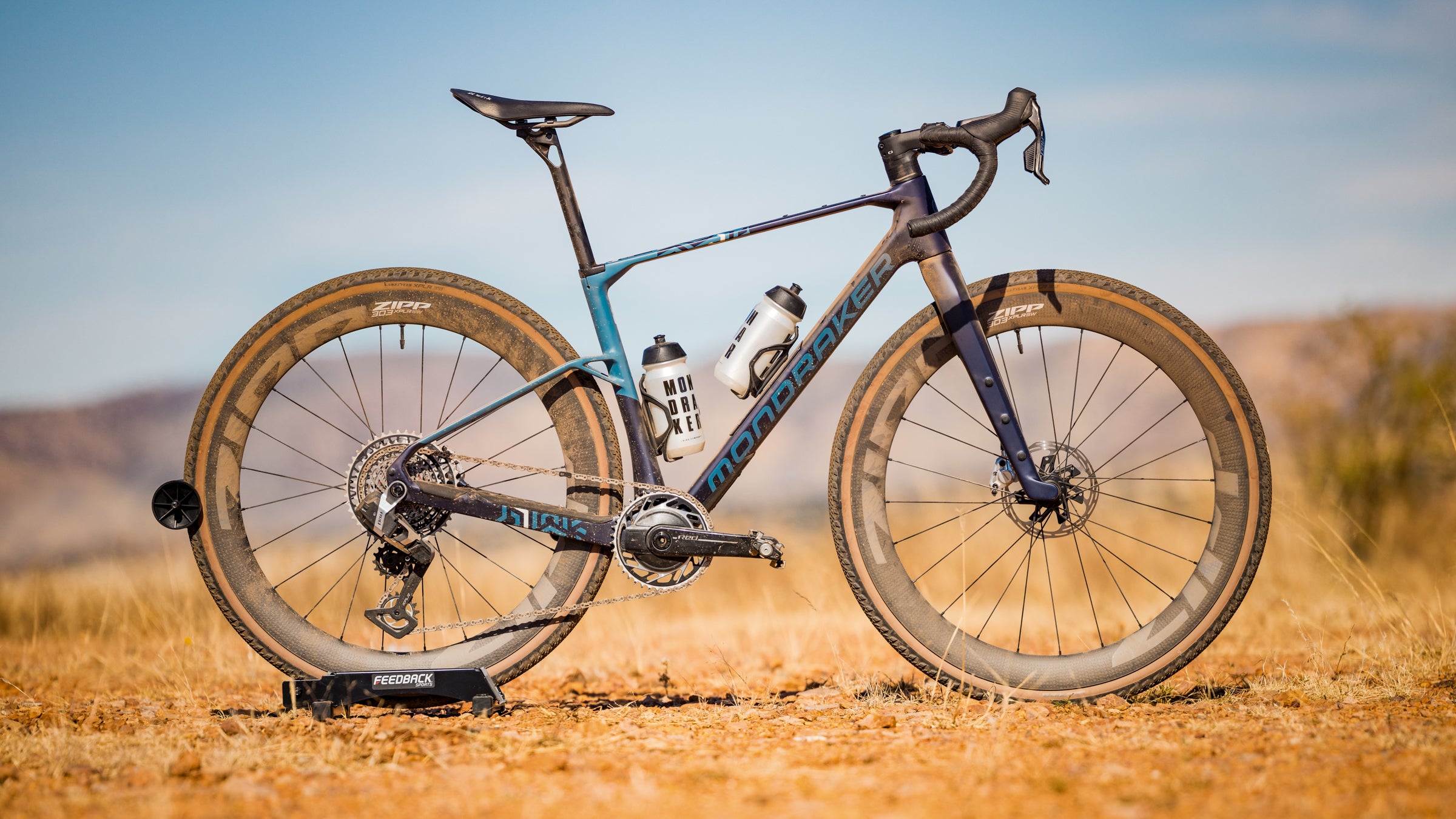
Next, make a real gravel bike. The Colnago G5-X that just launched leaves an opportunity; that bike moved toward adventure, and now is the time for Bianchi to take aim at racing. This time, look at the Spanish brand Mondraker. Use big tires and a geometry that feels stable with distinctive looks, but push it even further. No mounts on the fork, and keep it light. Factor pretty much owns the aero gravel race story with the Elara, but I think there’s room for a light gravel race bike with big tires and stability. Giant has something in the segment, but Bianchi can be more distinctive. Again, make it a bike that rides like a dream, but target The Traka and make sure there’s the traditional Celeste color that’s synonymous with the brand.
Then there are the e-bikes. Bianchi has the factory capacity, and there is money to be had. Use this as your spot to add volume. Don’t try to make premium performance e-bikes. Instead, look at the Fiat Topolino. Go for quirky and transportation-focused. Make it the bike that kids who managed not to own an e-moto think is actually really cool.
ADVERTISEMENT
Finally, Bianchi has to come back to the US. Whatever it takes to figure out distribution, this is a massive market that the brand has essentially walked away from. There is still an appetite for the name, and people want something unique. Bianchi can fill that space—if the bikes are actually available.