Updated November 25, 2026 02:39AM
10 Million Kids Doping? Bombshell Report Exposes Crisis in Junior Sport
German documentary reveals trainers and parents are pushing EPO and anabolics labeled as vitamins to promising child athletes in sports across the US and worldwide.
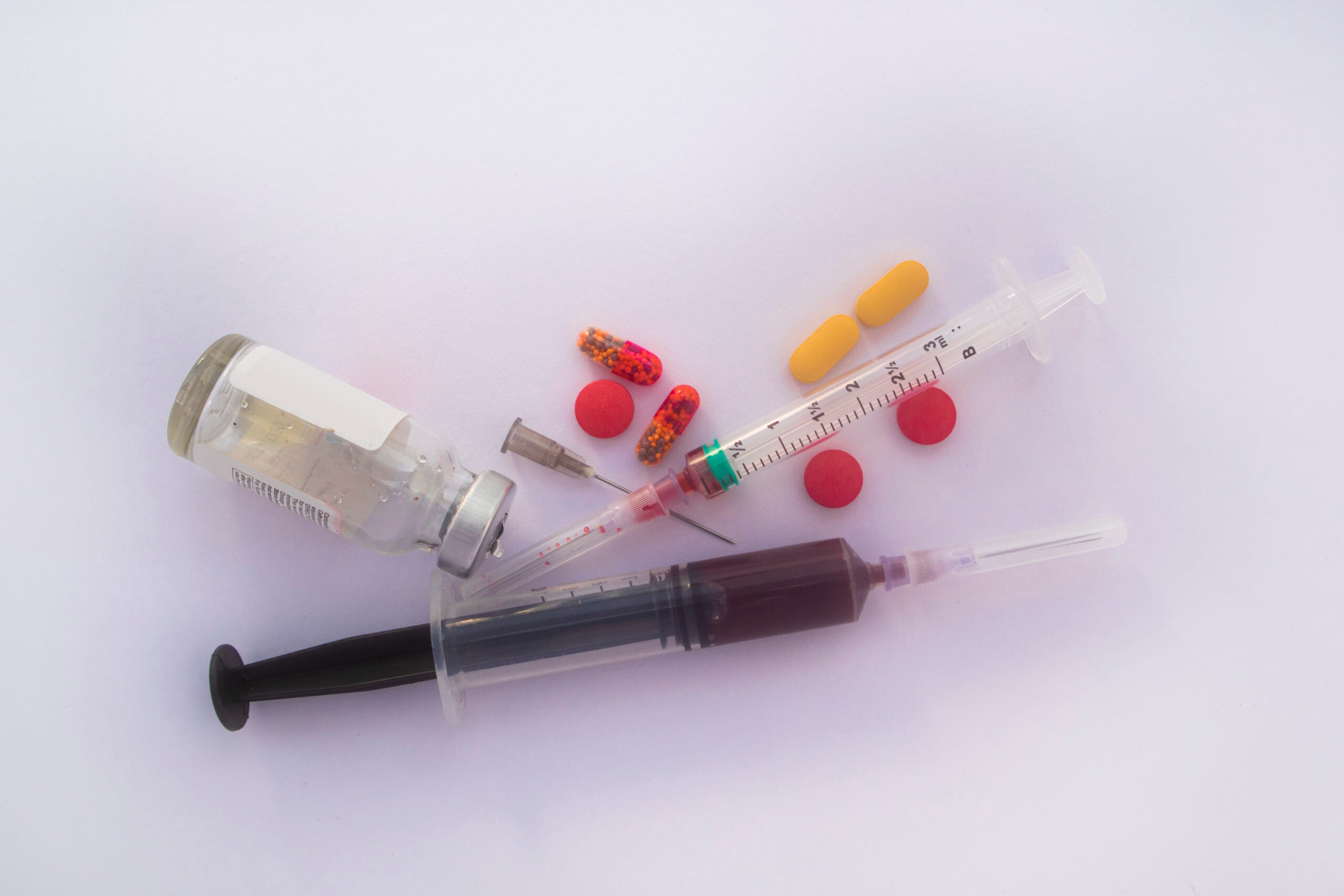
(Photo: Getty Images)
At least 10 million child athletes might be exposed to doping.
That’s the shocking takeaway from a bombshell German documentary released this month.
The show Doping Top Secret: Children reveals kids as young as 10 are using a wide range of banned substances, including growth hormones and cycling’s oldest villain, EPO.
Worse still, budding athletes might be doping without knowing it.
The six-part series exposes how pushy parents and ambitious trainers are providing performance enhancers as tablets or injections to budding athletes under the guise of them being “vitamins.”
In some cases, drugs are sourced from complicit registered medics.
The goals for adults and children?
Financial kickbacks, entries into prolific professional development systems, routes out of poverty, and the sniff of superstardom.
However, the longer-term outcomes of child doping are not always “positive,” so to speak.
The show includes accounts from those who’ve gone on to suffer extreme depression, chronic kidney failure, or shrunken testicles.
ADVERTISEMENT
A six-year investigation into child doping
Child doping is not new in and of itself.
Reports of state-sponsored doping date back multiple decades, and anti-doping agencies continue to count offenses by juniors on their books.
What’s groundbreaking in the Doping Top Secret: Children show is its estimated extent and some of the mechanisms behind it.
The series was commissioned by German TV giant ARD and led by top investigative journalist Hajo Seppelt. Seppelt was lauded in the mid-2000s for his investigations into blood-doping practices by Jan Ullrich, Floyd Landis, and Eufemiano Fuentes.
In his new child doping project, Seppelt spent six years exploring the dark underbellies of 25 sports from across 50 countries.
Cycling, track and field, soccer, weightlifting, baseball, and tennis were among the subjects.
ADVERTISEMENT
Seppelt and his team arrived at the staggering claim that 10 million kids worldwide could be doping by drawing on estimated numbers of children engaged in competitive sport, and survey results from 44 studies across 15 countries.
“Worldwide, about 200 million children participate in competitive sport. According to the studies, an average of five to six percent of children dope. If you extrapolate that, 10 million children worldwide are affected by doping,” Paulo David, former secretary of the UN Committee on the Rights of the Child, told ARD.
An under-reported problem?
However, ARD‘s estimate could be wildly understated.
Robust drug-testing and reporting frameworks are lacking at the junior level. Beyond that, the investigation’s surveys did not include potentially problematic states such as Russia and China.
The World Anti-Doping Agency’s own results suggest many child doping cases could be slipping the net.
WADA revealed in 2024 that it had found only 1,518 Adverse Analytical Findings in juniors across the past 11 years – that’s just a fraction of ARD’s 10 million estimate.
Another kicker?
ADVERTISEMENT
Testing punishes children who might be doping without their knowledge, while the adults who provided them with product often run free.
A global crisis influenced by social media
The German-produced show draws heavily on illustrations from its home state. That’s where Seppelt believes the roots of the child doping crisis lie, specifically in the state-sanctioned doping of thousands of minors in the GDR through the back end of the last decade.
However, after researching 50 countries, the show’s sources and references aren’t isolated to Germany.
It draws accounts from across the globe, including North America.
More specifically on the U.S. side, it highlights an undercover operation in Miami where a doctor promised to inject a 12-year-old with growth hormone, and calls out how major American sports play an unknowing role in child doping.
For example, in the Dominican Republic, the financial reward of entry into Major League Baseball (MLB) academies is shown to be a huge incentive for athletes and coaches who want a cut of future earnings.
ADVERTISEMENT
Producers also highlight the damaging impacts of social media on juniors.
Instagram, TikTok, and YouTube are buzzing with content pushing grey-area substances to wannabe gym rats and beauty queens. In the USA, the market for unregulated steroids and peptides that can build muscle, boost recovery, or tone skin is booming.
USADA chief: ‘It’s horrifying and should shock us all’
U.S. Anti-Doping Agency (USADA) chief Travis Tygart told our colleagues at Run that ARD’s documentary highlights how cheating isn’t a pro-only problem.
“It’s horrifying and should shock us all,” Tygart told Run. “But it confirms what we’ve always known: young athletes are in an extremely vulnerable position and deserve our every protection.
“We can only hope this [documentary] wakes sport and the public up to give it the attention and resources it deserves,” Tygart continued. “We have spent years in the U.S. advocating for protective initiatives, including a truly robust and independent anti-doping program in collegiate sport.”
ADVERTISEMENT
USADA manages the anti-doping program for U.S. Olympic, Paralympic, Pan American, and Parapan American sport. The body recently released new guidance on updates to the World Anti-Doping Agency code.
Doping Top Secret: Children is available in English and German on ARD’s website, here. Note that it’s currently geo-blocked outside of Germany.