Published November 12, 2026 03:42PM
You Don't Have to Like 32s, But That Doesn't Mean You're Right
Forget the speculation and concepts; this is what it feels like to actually put a few hundred miles on a 32-inch gravel bike.
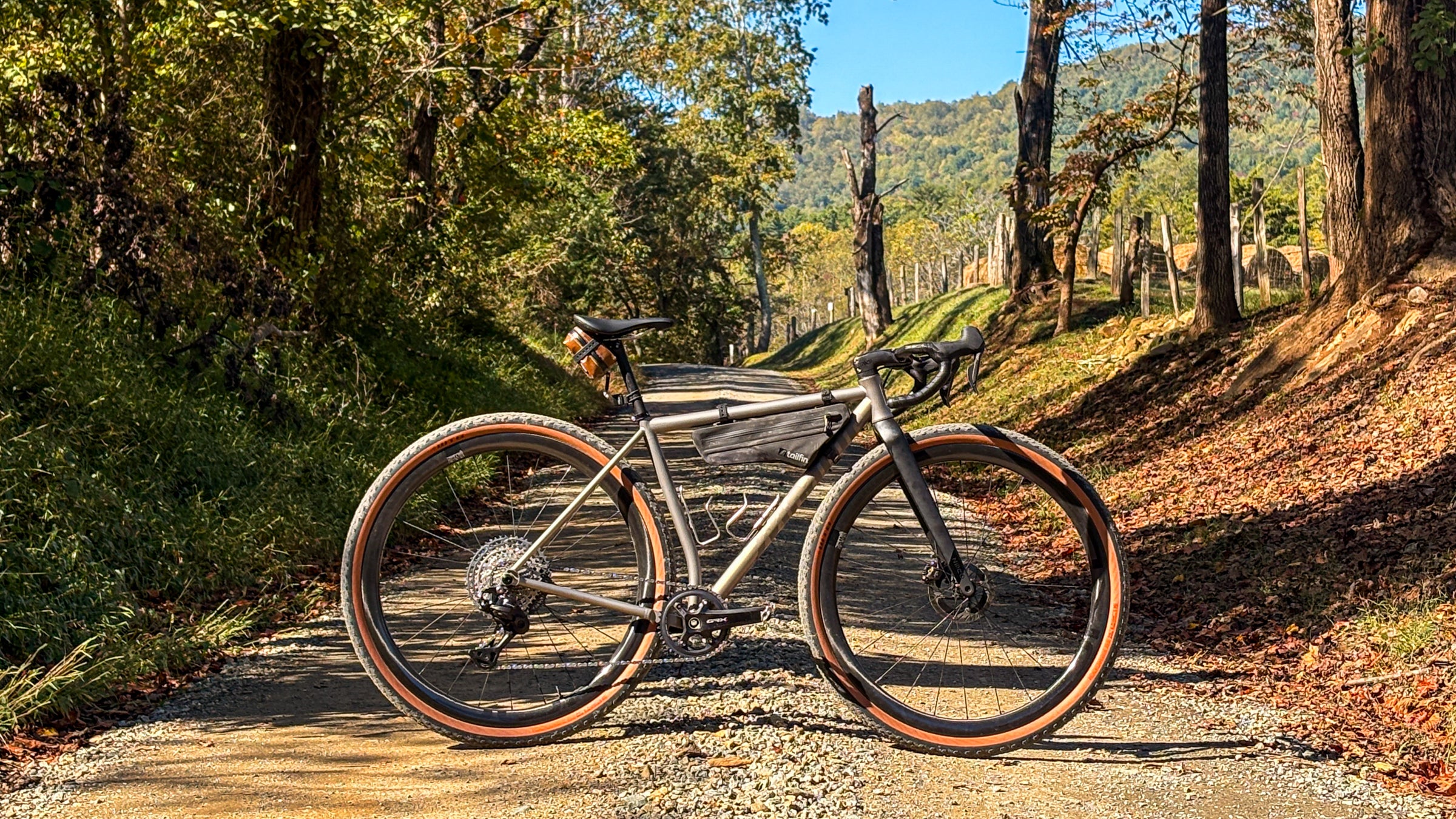
(Photo: Logan Jones-Wilkins/Velo)
I am going to lead with this at the top: this article is going to make a lot of people mad. I have seen the comments, the skepticism, the what-about-ery.
All of that is to say, forget your feelings. Thirty-two-inch gravel bikes make riding gravel so much more fun.
Up until this point, I have tried to remain neutral and objective. I have reported on 32-inch gravel tech since Sea Otter, and throughout that coverage I have couched my position in caveats, qualifiers, and fence-sitting.
I am not doing that anymore. After riding the Mosaic GT i55 32 gravel bike, I can say with clear eyes and a good conscience that all you haters are plain wrong. The bike is not perfect, but it is a phenomenal representation that the vast majority of 32-inch criticism is just not valid.
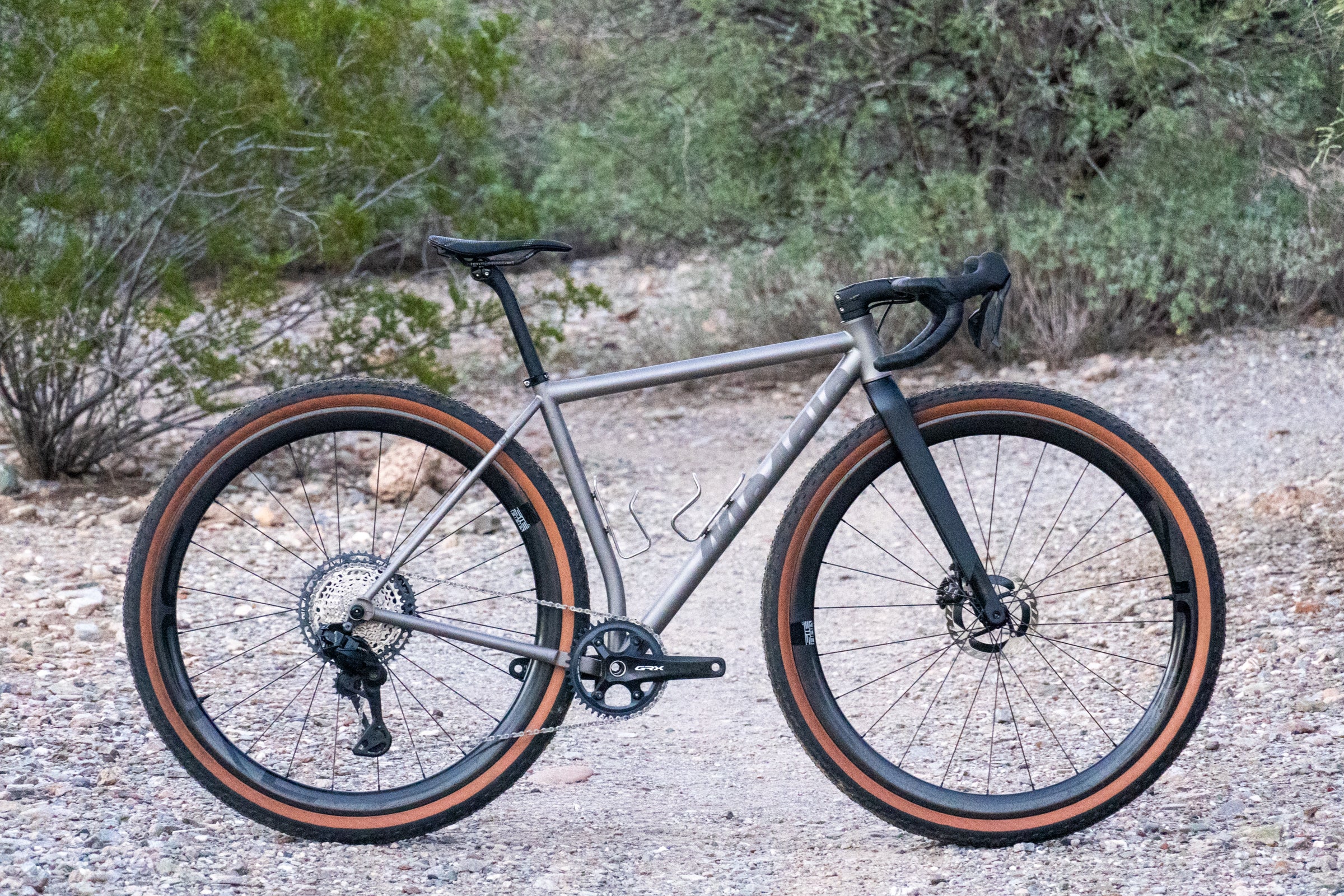
After hundreds of miles of riding across as many surfaces as I could find, the new wheels have clicked for me emphatically, and not for the way you might think. Speed, while top of mind in many of the 32-inch discussions, wasn’t the point that got me. It might have been faster, but ultimately that was less important than the other pull.
ADVERTISEMENT
On gravel, the bike just cruises; that’s the only way I can distill it. It’s a dreamboat, holding traction well beyond smaller tires of similar tread and width, and carries so much speed every time it goes downhill. While I wasn’t at the front of the Big Sugar peloton, there were only one or two instances out of the 50 miles of racing where anyone could match the speed on downhills.
From a mix of a stable platform for pedaling through chunky terrain and preserving inertia through loose turns, I was constantly catching and passing people every time the road would tilt down, or the track got rough.
It was emphatically good at doing the things that smart people in the industry have been saying it would be well suited for.
Oh, but what about the handling?
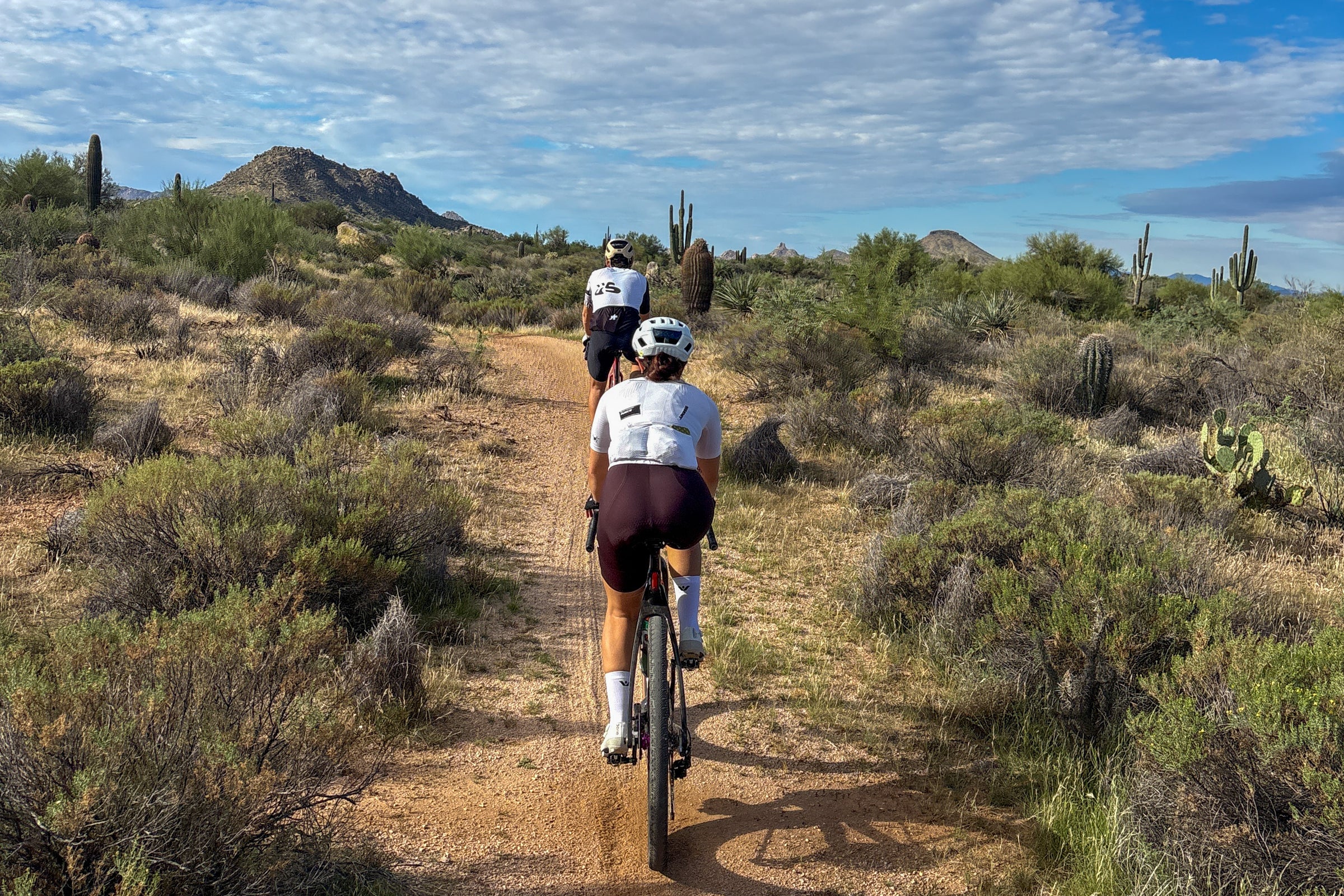
Yeah, what about that handling! The 32-inch bike handled better than the vast majority of gravel bikes I have ridden, across the board. Sweeping bends? Yup. Chunky two-track? Absolutely. Twisty single track? Yes, with a bullet.
What the Mosaic 32 proved to me was how many people’s consideration of what makes good gravel bike handling is based around a deeply flawed premise. Largely, many bike riders think bikes with shorter wheelbases and steep angles have better handling, and long-wheelbase bikes are sluggish and cumbersome. In some circumstances, this might be true, but for any stretch of the definition of gravel racing, this paradigm is almost completely backwards.
ADVERTISEMENT
Shorter geometry on gravel bikes does not make them turn better, accelerate faster, or handle more reliably. As long as the bike has balance, it can be long as hell and feel much, much more nimble.
There is a path for gravel bike design to have its cake and eat it, too. Current options with big tires and short chainstays, however, are like eating a bowl of frosting. Some might like it, but most would actually prefer the cake.

Ultimately, the myth about shorter chainstays helping handling runs so deep it is hard to push back on. It is a crowded hill that some of the biggest bike brands in the world seem set to die on. Yet, in short, shorter chainstays are susceptible to understeer. Understeer is what happens when a bike’s rear wheel tracks tighter around a corner than the front.
It is also the cause of most crashes that involve the front wheel slipping out or a rider blasting through the exit of a turn.
ADVERTISEMENT
Another way of putting it is that understeer makes the rear wheel go straight when the front wheel is turning.
On mountain bikes, when the speeds are low and the turns are super tight, the longer wheelbase can backfire. But on gravel at speed, the longer wheelbase and chainstay will result in a much more rounded rear wheel trajectory and, ultimately, the ability to take more aggressive lines and speeds through cornering.
Thirty-two-inch wheels force bikes to have much longer chainstays. That is the underlying variable that immediately jumped out as I rode the bike. Even with the bigger wheels, it handled terrain better, even tight, twisty terrain the critics think would be the death of it.
ADVERTISEMENT
Add in the better traction, increased stability, and quick front-end handling of a relatively steeper head tube angle, and the Mosaic 32 didn’t feel much different from some of my favorite 29-inch gravel bikes that pushed their rear ends to the appropriate length—it just held traction for a bit longer and rolled down hills just a bit faster.
The very real criticisms
As I mentioned, the Mosaic is not perfect. Thirty-two-inch wheels as a whole are not perfect. On road, the system is unequivocally slower. The weight, aero losses, and added height of the system are all things that outpace the rolling benefit on tarmac.
The weight is also unavoidable. Thirty-two-inch bikes are just bigger. There is just more material, and stiffness is harder to engineer around. It will always be a weight penalty, and that will make a difference on many routes. For Big Sugar, the rolling nature of the course made the 32 easily the better option for most riders. But for gravel rides with more sustained climbing and less gravel, the 21-pound build of the titanium 32-inch bike might be a slower overall option compared to a 17-pound 29-inch gravel bike.
ADVERTISEMENT
I think because of these two aspects that won’t necessarily change in the big wheels’ favor, 29-inch will stick around, as there could easily be demand for both depending on what the consumer is looking for.
Speaking of consumers, the other fundamental criticism of 32-inch gravel bikes is how the bikes will scale down to smaller riders. While some of this concern is justified, I do think the prospect of 32-inch gravel for short riders is much better than for mountain biking.
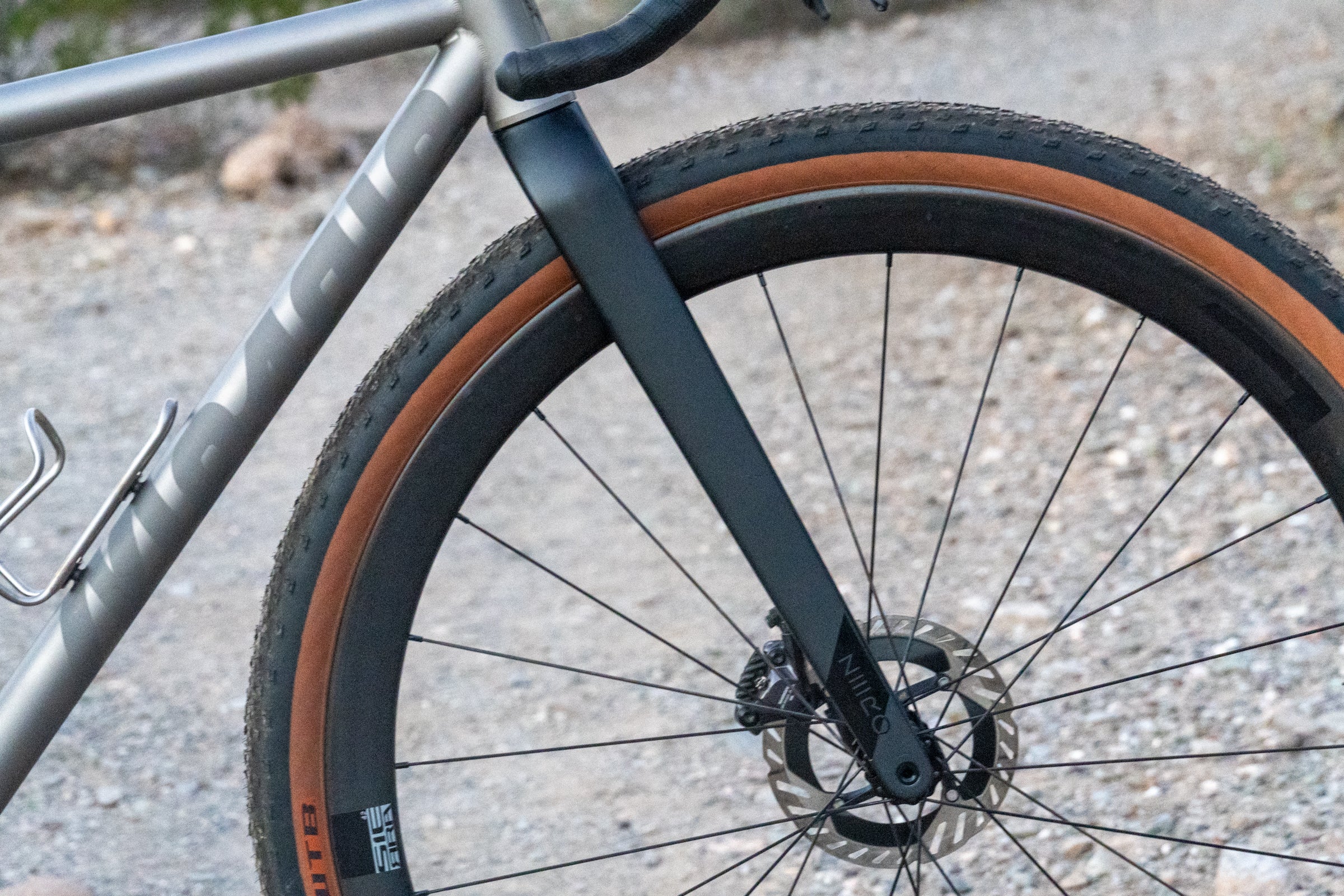
Once again, this ties back to how common thinking is around the desired length of a bike’s wheelbase and chainstays. There is no reason why the rear of a 32-inch bike can’t fit a rider who is around 5 feet tall. The only grumbling about that comes from the notion that chainstays and wheelbases will ruin a bike. In theory, I don’t see any reason why a small frame with 450- 460 mm of chainstay can’t handle brilliantly for a short rider. But someone who actually rides this size will need to test that out and confirm.
ADVERTISEMENT
Designing 32-inch bikes for taller riders is definitely easier, but I don’t believe that 32-inch bikes should just be wholesale crossed off as “too big” for smaller riders. There is a path if brands approach the rear end of the bike with an open mind.
The one area where some folks will have trouble with fit on 32-inch bikes will be saddle position relative to the bottom bracket. Especially with the bikes we have seen launched thus far, most use a kink in the seat tube to work around the rear wheel. Even with effective seat tube angles that will suit most people, that kink means riders who need more seat post will find it challenging to get the saddle the correct distance behind the bottom bracket.
This was a big reason why I went up in size, slightly, to what would be effectively a 58cm frame. If I had more seat post, my position that is fairly forward would just not be achievable. But with a bigger frame, shorter seatpost, and 0 set-back post, it was an easy solve.
Why it still won me over in the end
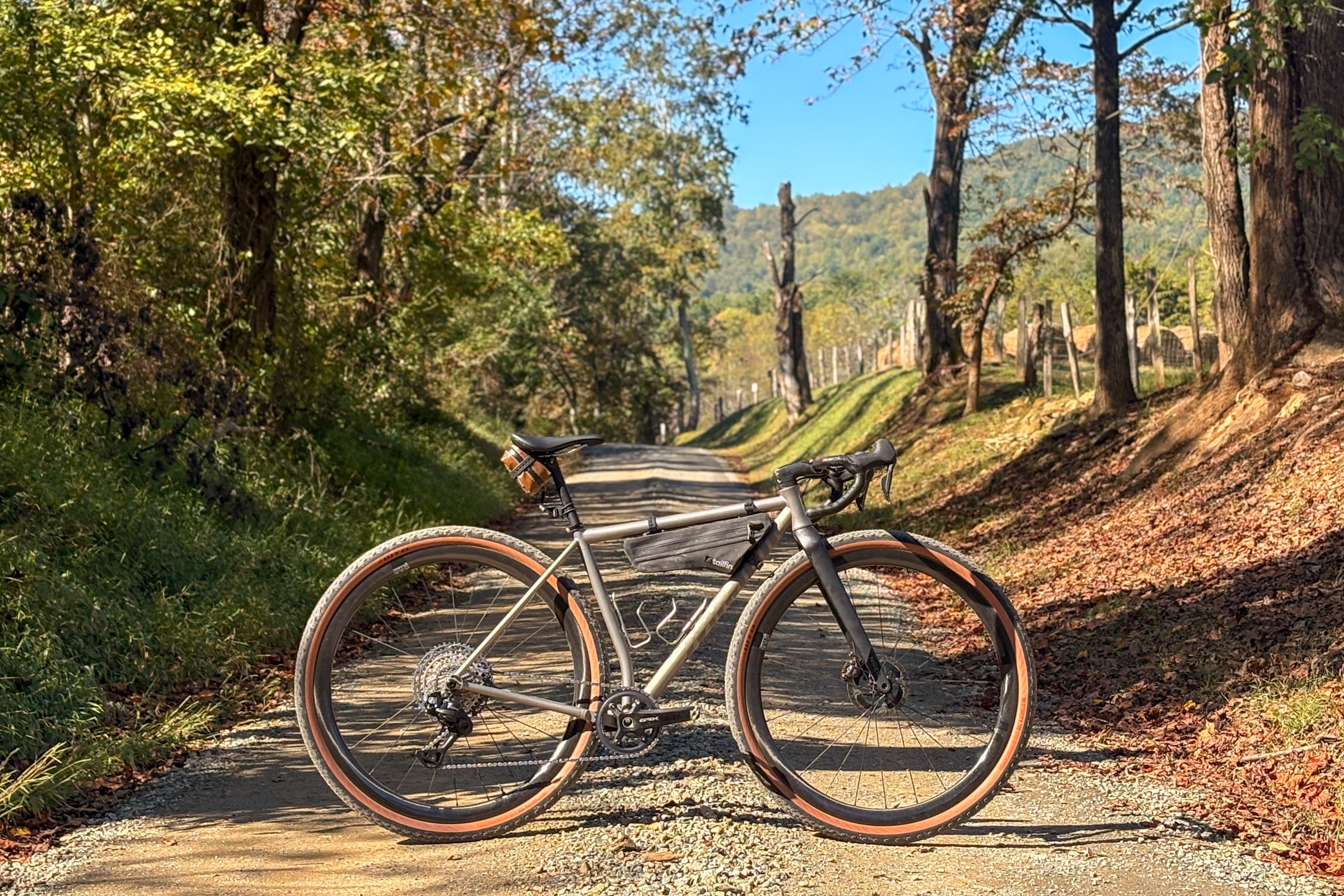
For now, bikes like the Mosaic are the first available options because they are metal bikes that only offer custom geo to help solve these rear-end geometry challenges on a case-by-case basis. But I really don’t anticipate that being the area where these bikes are challenging for smaller riders.
ADVERTISEMENT
The front end is the bigger concern for shorter riders. Even with a slacker head tube angle, toe overlap can be a problem. Reach is always going to be the limiter. That said, 32-inch wheels do offset the twitchiness of shorter stems, which does balance out the overall handling equation of the front end.
The more inescapable dimension is the stack height. For some, that is just going to be a restriction that can’t be worked around, even though Mosaic’s improved fork that lowers the axle-to-crown height does dramatically change how low front ends can be on 32-inch bikes.
Now, if you’ve gotten to this point and are muttering to yourself something about how I am a bike industry psyop drinking the Kool-Aid of marketing machines, go buy a Factor Elara and call it good. Just know that we—those of us embracing the Grand Industry Conspiracy—are going to have a lot more fun on our gravel rides.