Updated October 8, 2026 01:50PM
Testing 6 Completely Different Gravel Bikes Head to Head to Find the Future of Gravel
Gravel bikes are as varied as the people who ride them. We tested six completely different models at the Velo Field Test to find out where gravel is headed.
Have you taken a look at the state of gravel cycling recently? It’s evolving faster than anyone can keep up, and so are the bikes. So we got to thinking, with the choices more varied than ever, what is the future of gravel bikes exactly? Levy, Josh, and Logan are tackling that question head on in the Velo Gravel Field Test.
For this test, we’ve assembled six models from across the entire spectrum of gravel bike design, all progressive in their own way. From a super aero bike all the way to what’s essentially a mountain bike with an identity crisis, these six bikes couldn’t be further apart from each other—oh, and that’s before we get to the one with really big wheels!
And yet they all stake a valid claim in gravel.
ADVERTISEMENT
Beyond the consensus for needing 50mm+ of tire clearance, there’s no one approach to gravel bikes that anyone can agree on. Should they be essentially an aero road bike modified for off-roading? Should they be slack, aggressive, or somewhere in the middle? And is suspension a nebulous innovation that should stay squarely in its mountain biking lane? Don’t tell that to the brands sneaking squishy forks with various amounts of travel into gravel—we’ve got three of them in this test to parse through.
The 6 bikes on test
Giant Revolt Advanced SL
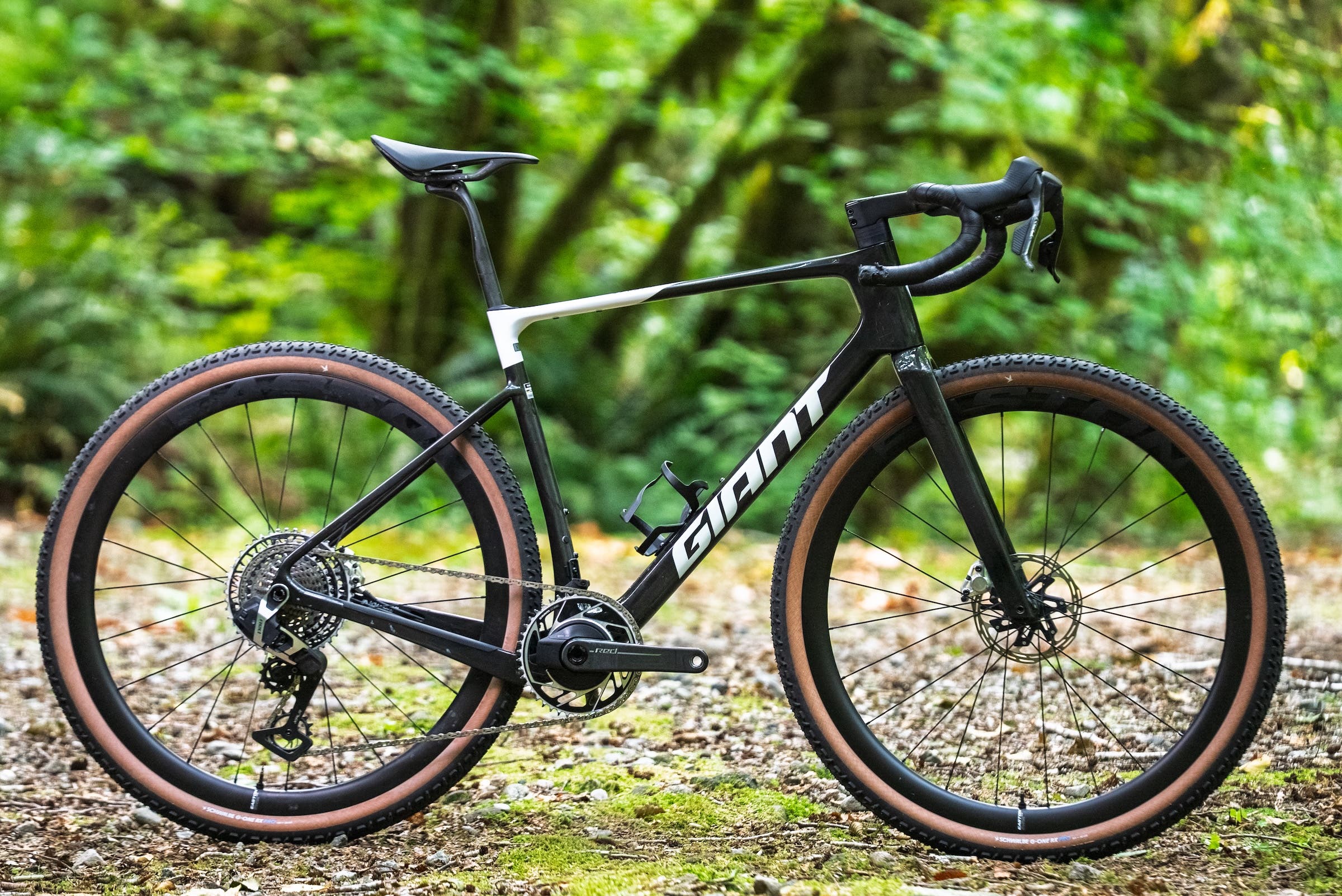
The all-rounder: race it or go adventuring.
Specification: Giant Revolt Advanced SL 0, SRAM Red XPLR
Tire clearance, claimed: 53mm
Weight (tested size): 7.84kg/17.3 pounds (ML)
Factor Sarana
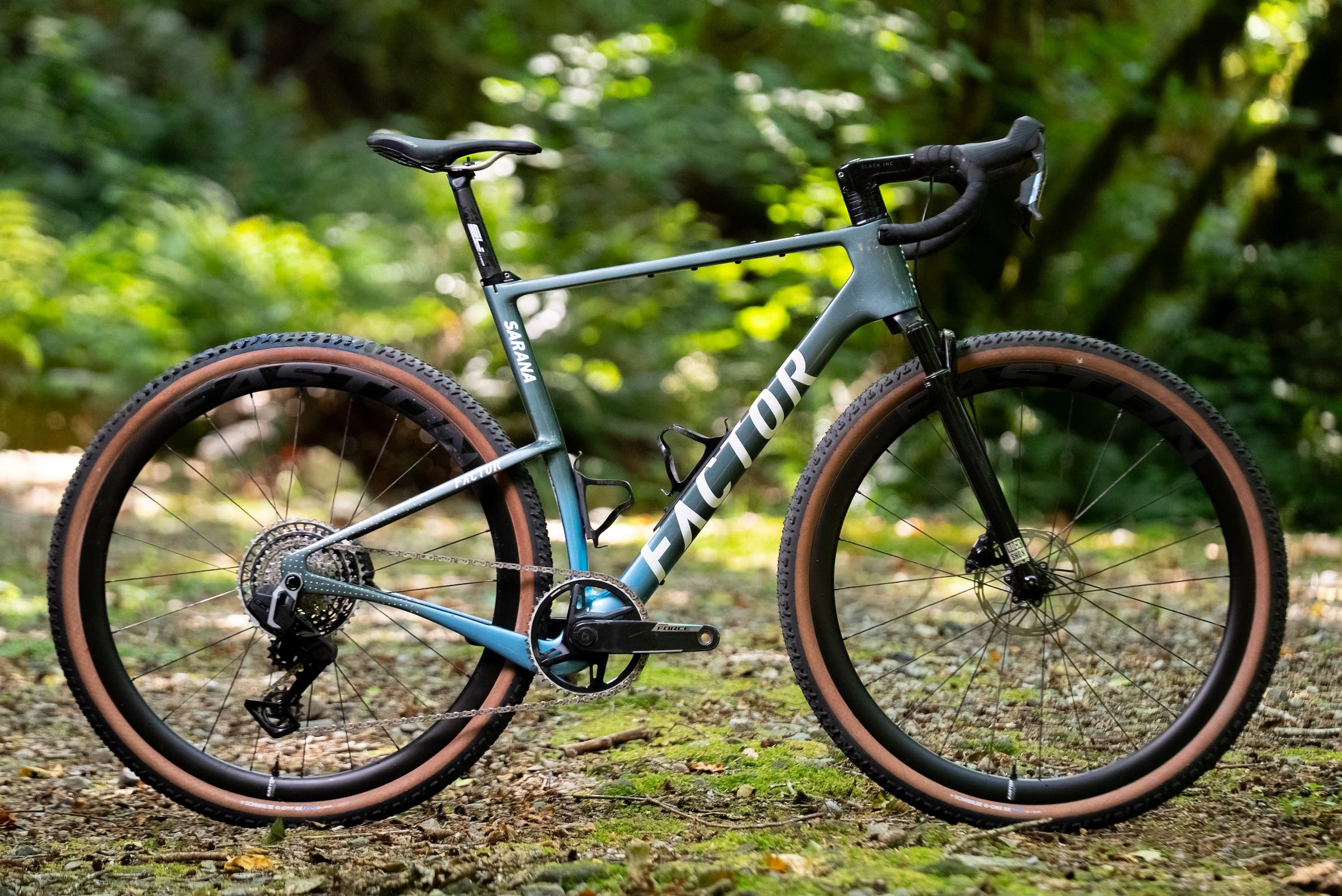
The ultra endurance machine.
Specification: Factor Sarana, SRAM Force XPLR
Tire clearance, claimed: 56mm
Weight (tested size): 9.58kg/21.12lbs (Medium)
Argon 18 Anti Matter
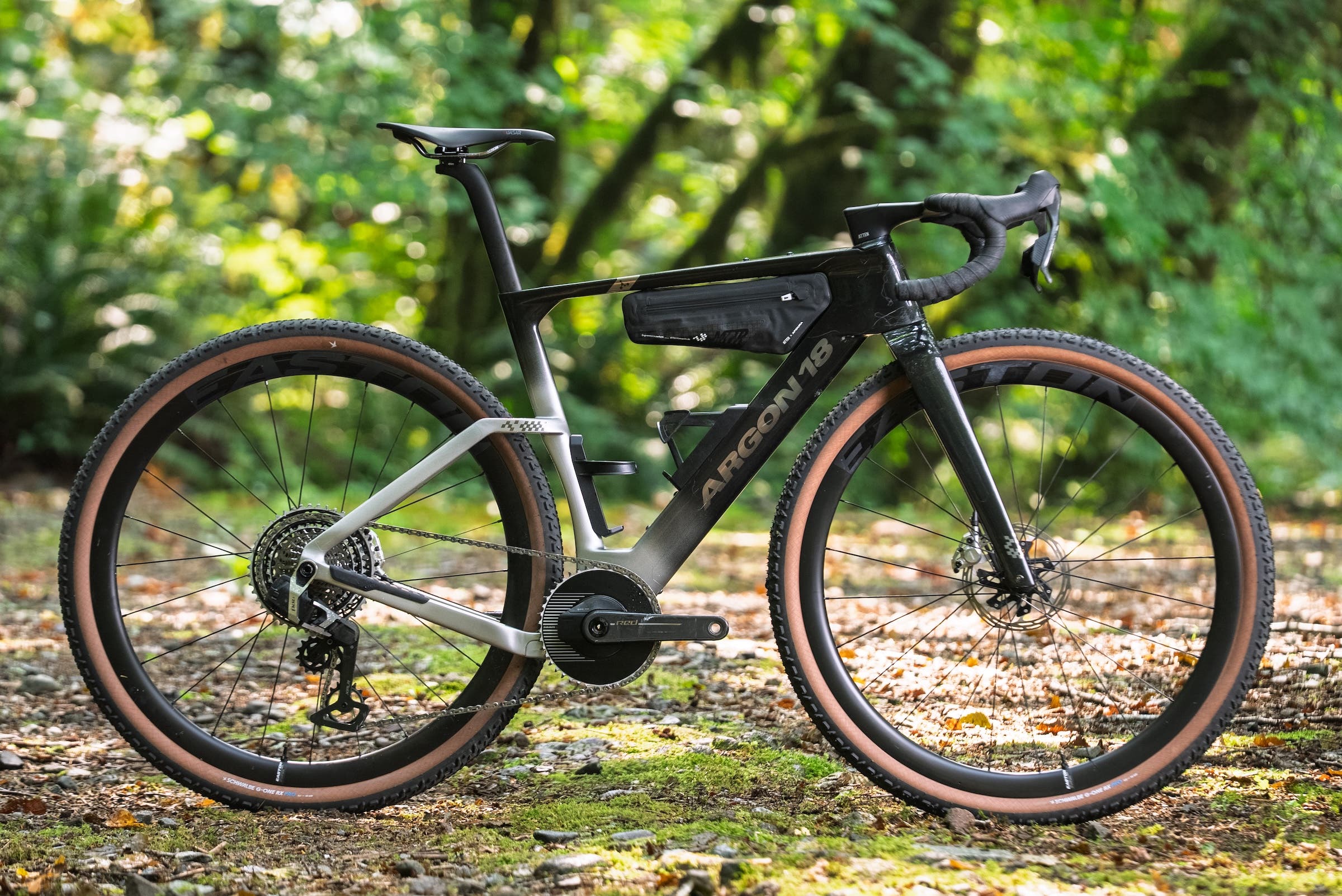
The aero approach to gravel.
Specification: Argon 18 Anti Matter + SRAM RED XPLR
Tire clearance, claimed: 55mm
Weight (tested size): 8.5kg/18.74lbs (Medium)
ADVERTISEMENT
Obed GVR
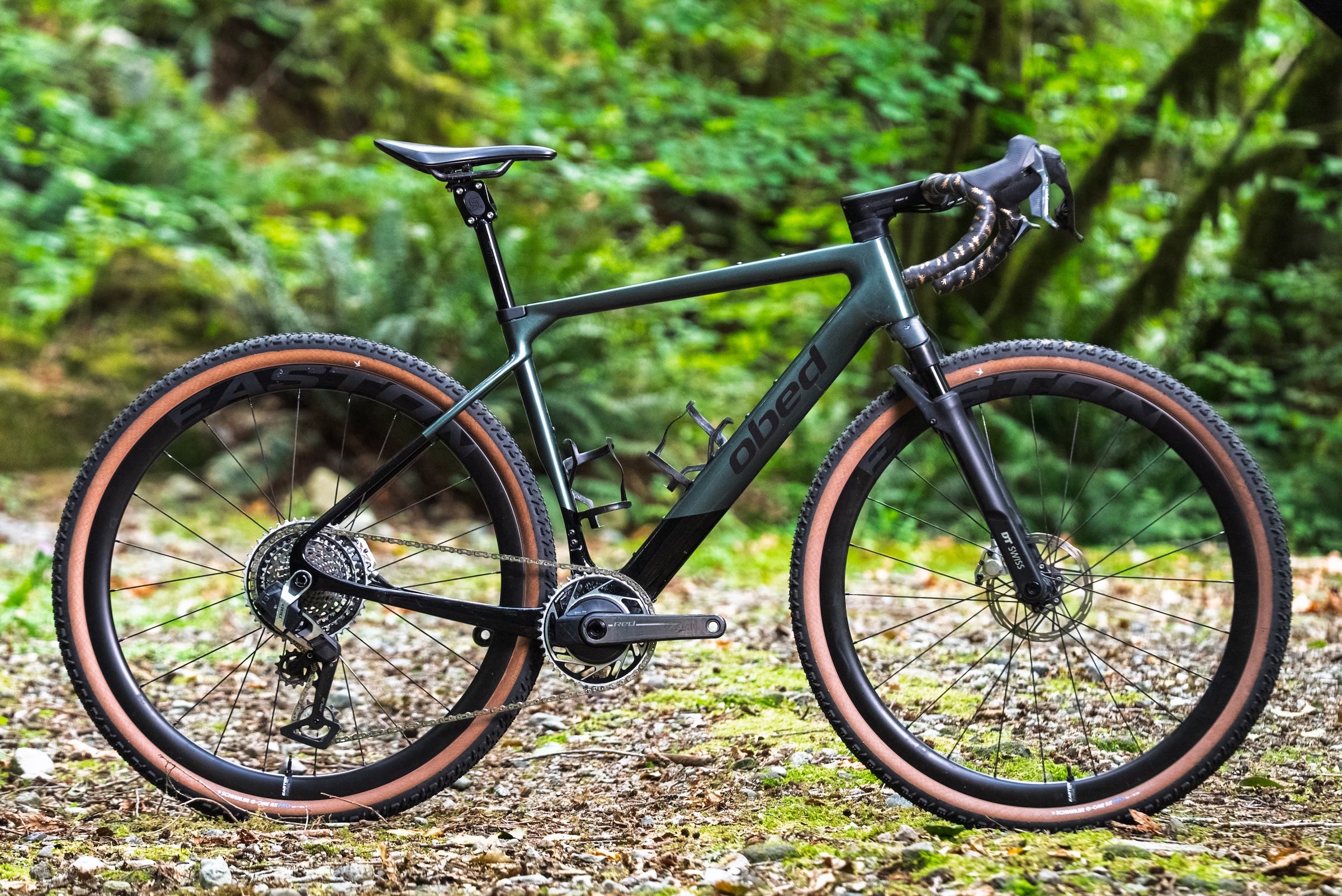
The progressive race bike.
Specification: Obed GVR, SRAM Red XPLR
Tire clearance, claimed: 56mm
Weight (tested size): 9.12kg/20.1lbs (Medium)
Pivot Les SL Drop Bar
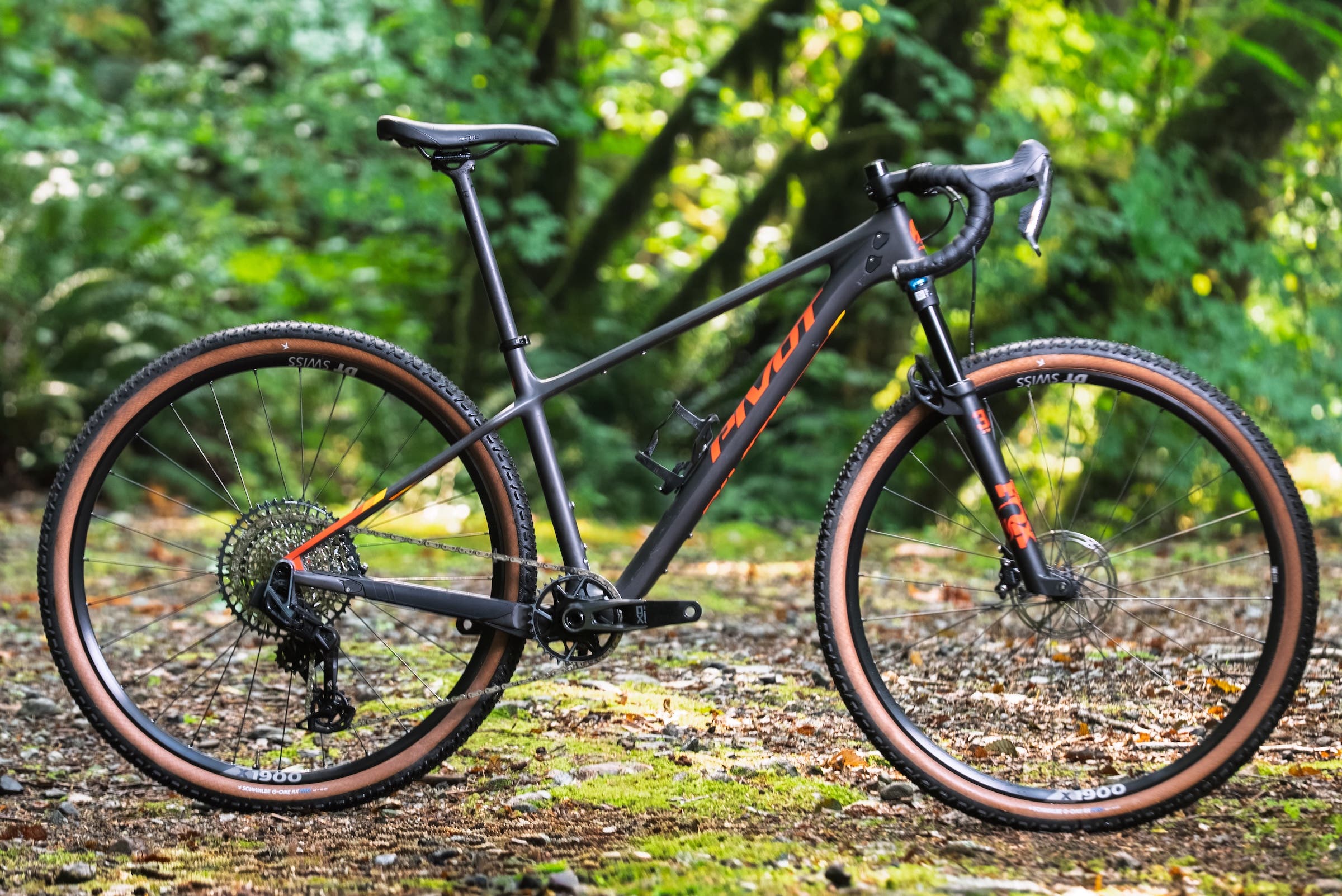
The drop-bar mountain bike.
Specification: Pivot Les SL Drop Bar, SRAM GX Eagle Transmission 12-Speed
Tire clearance, claimed: 29 x 2.4″
Weight (tested size): 9.78kg/21.56lbs (Medium)
Salsa Fargo 32 Ti
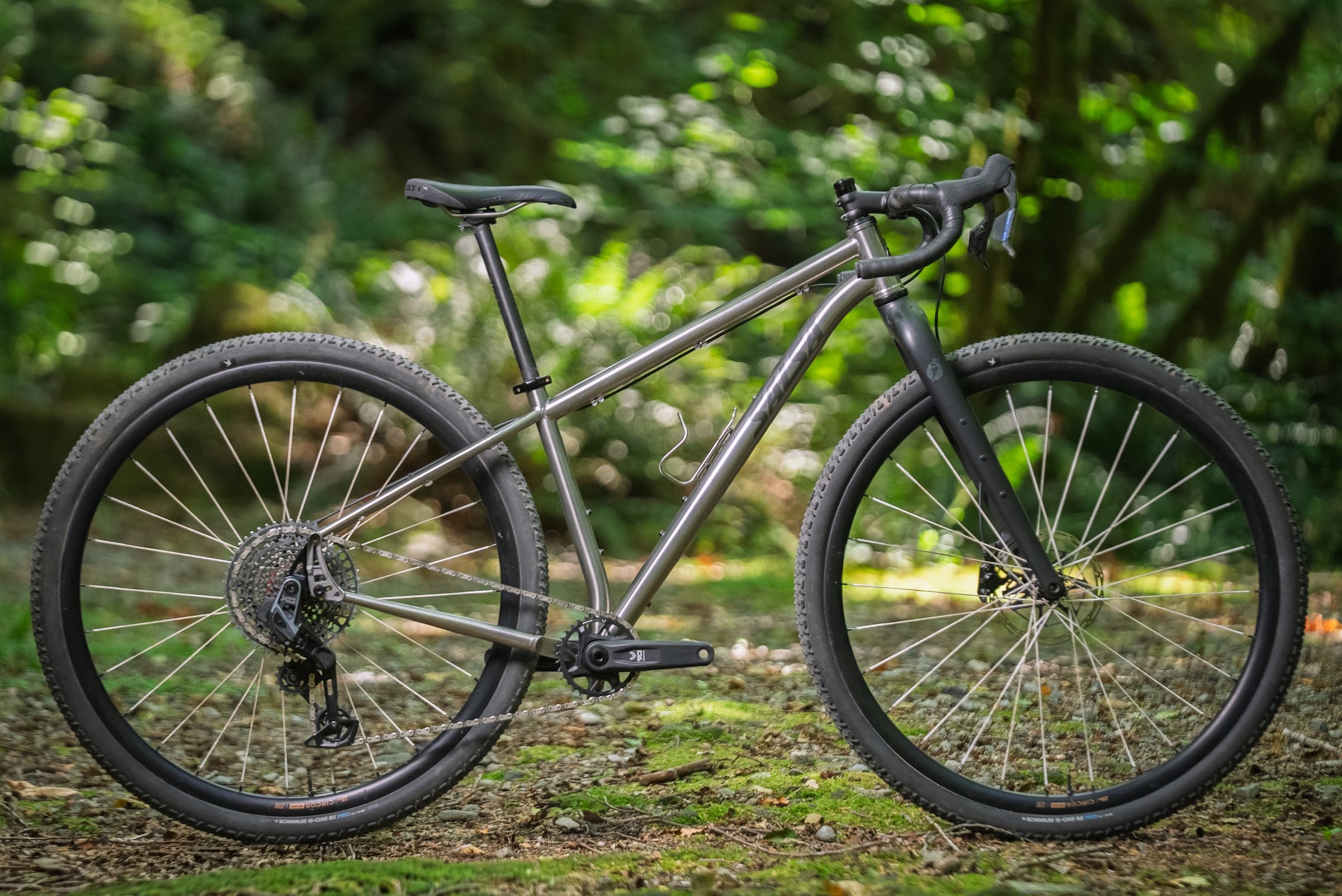
The 32er. How much difference do big wheels make?
Specification: Salsa Fargo 32 Ti, SRAM GX Eagle Transmission
Tire clearance, claimed: 60mm
Weight (tested size): 9.48kg/20.9 lbs (Medium)
ADVERTISEMENT
The test riders
To settle the debate about the future of gravel once and for all (or perhaps muddy it more than ever), we’ve assembled three test riders who, like the bikes, couldn’t be more different.
Reformed mountain biker turned drop-bar obsessive Mike Levy leads the charge, bringing a technical, rowdy background and a preference for chunkier roads and adventuring far off the beaten path—on Earth and beyond.
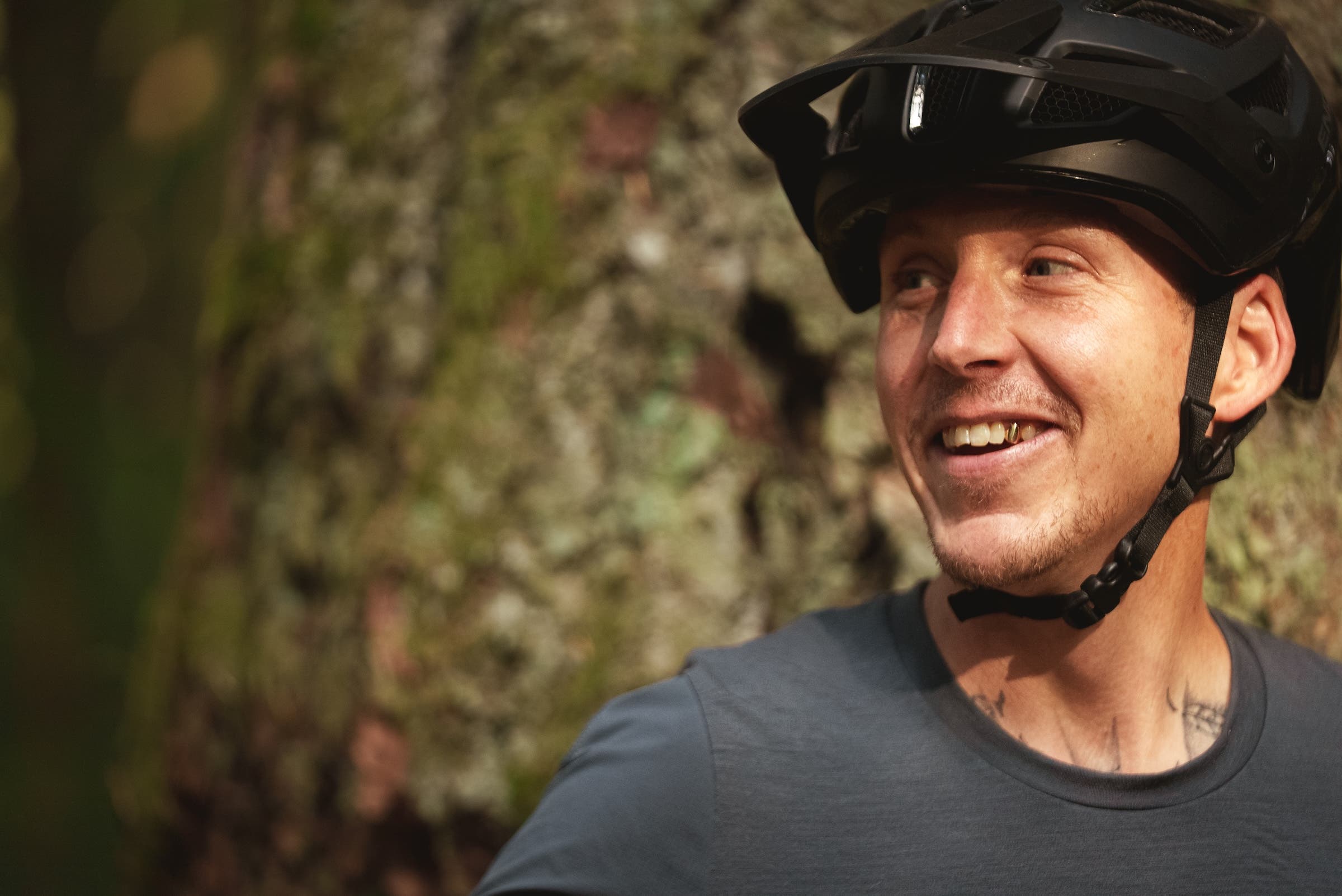
He’s joined by Velo’s in-house team of tech editors. Josh Ross likes to ride long distances as efficiently as possible—catch him pedaling all day and night across the gravel roads of the Pacific Northwest and beyond. He’s all about pushing his personal boundaries, and finding the equipment that will help him go the extra mile (or extra 200 miles).
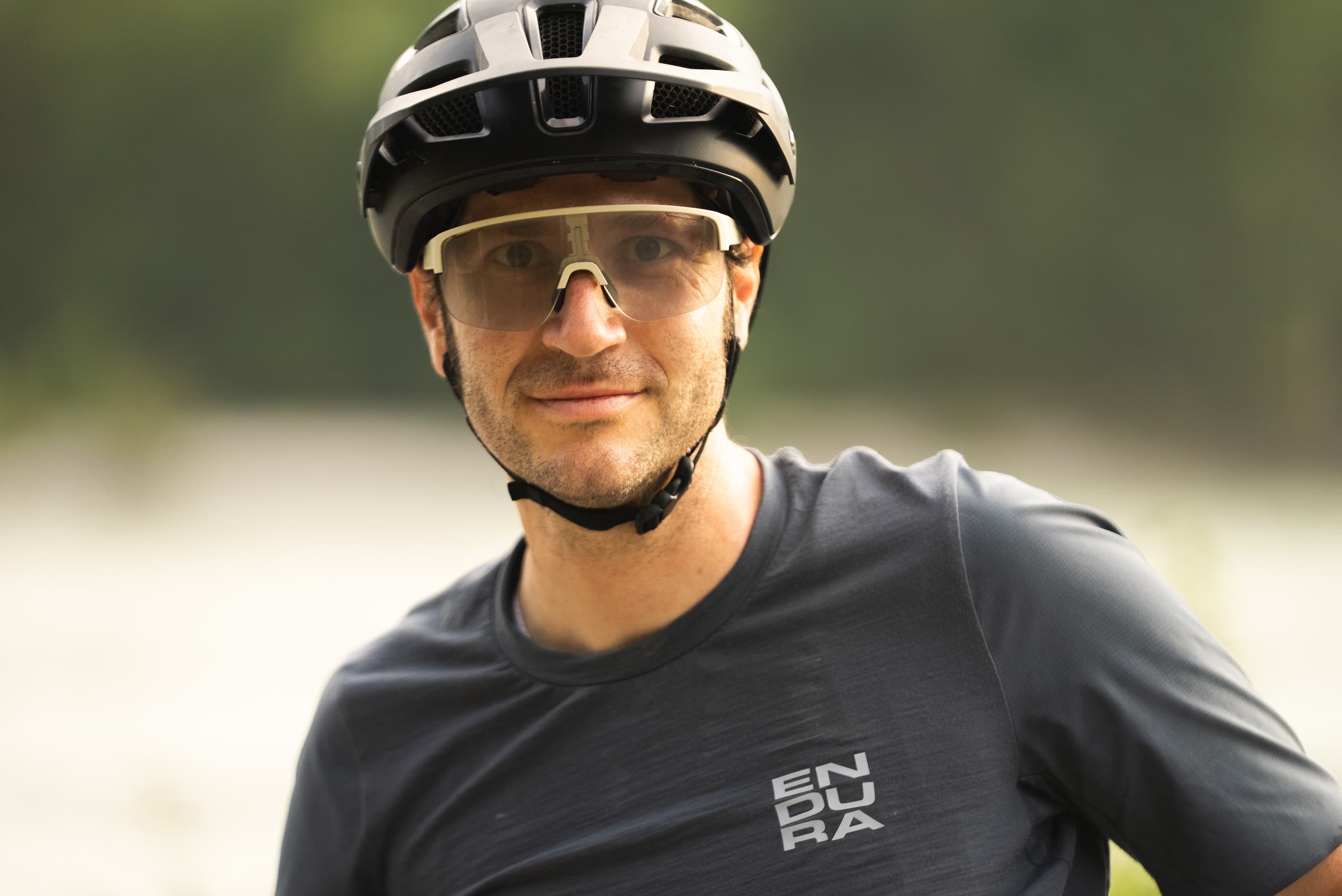
Having once finished 18th overall at the Unbound 200, Logan Jones-Wilkins can’t stop thinking about going fast and squeezing every drop of performance from gravel gear. But when he’s not mixing it up in the pointy end of races, he likes his gravel bike to be a medium for adventuring into the unknown.
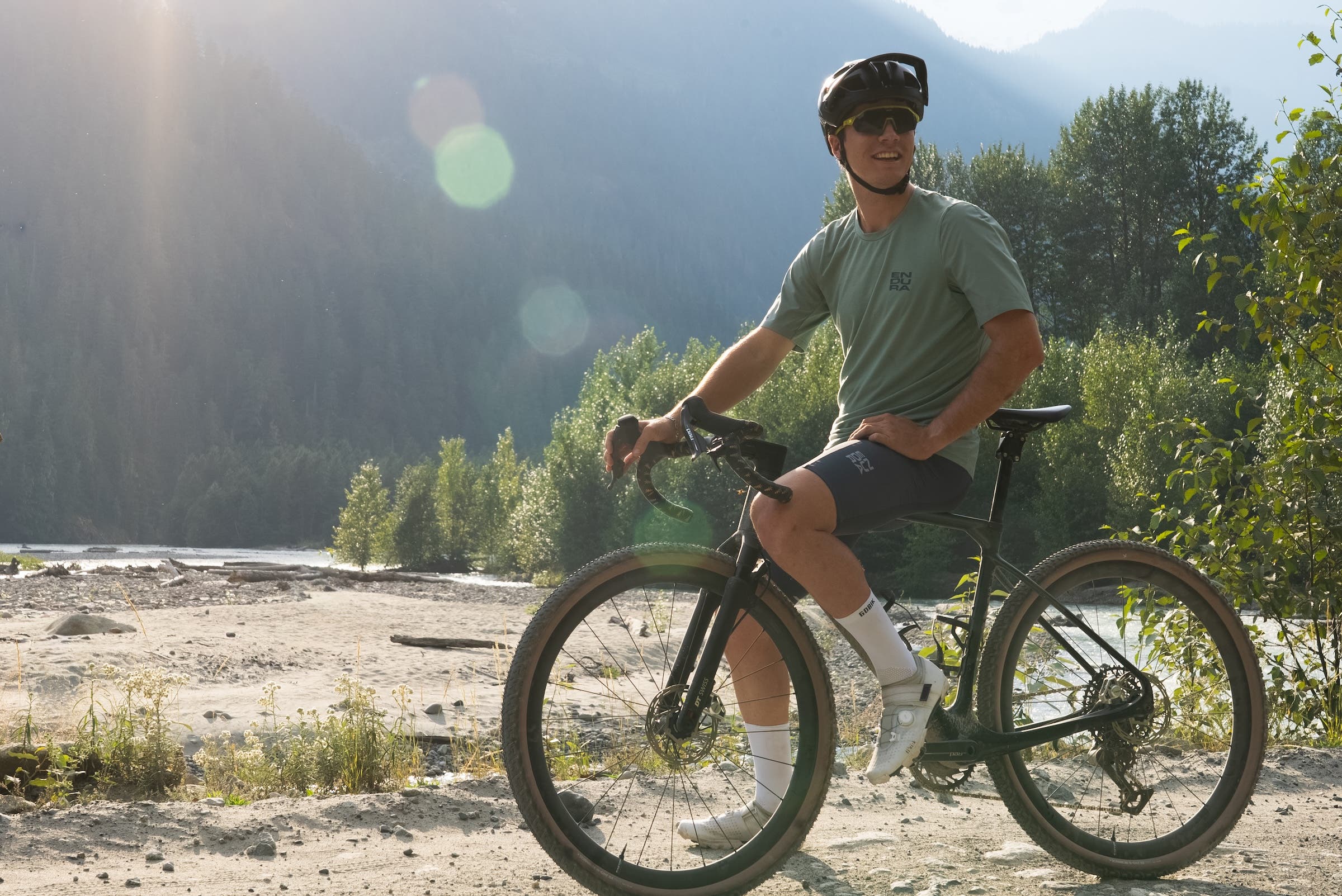
That’s three different approaches to gravel, and, naturally, their takes are as varied as the riders themselves. Can they settle their differences and agree on anything? We may have to resort to some good ol’ fashioned tactics to resolve things—which may or may not mean go-kart racing.
ADVERTISEMENT
Squamish: The ultimate testing grounds
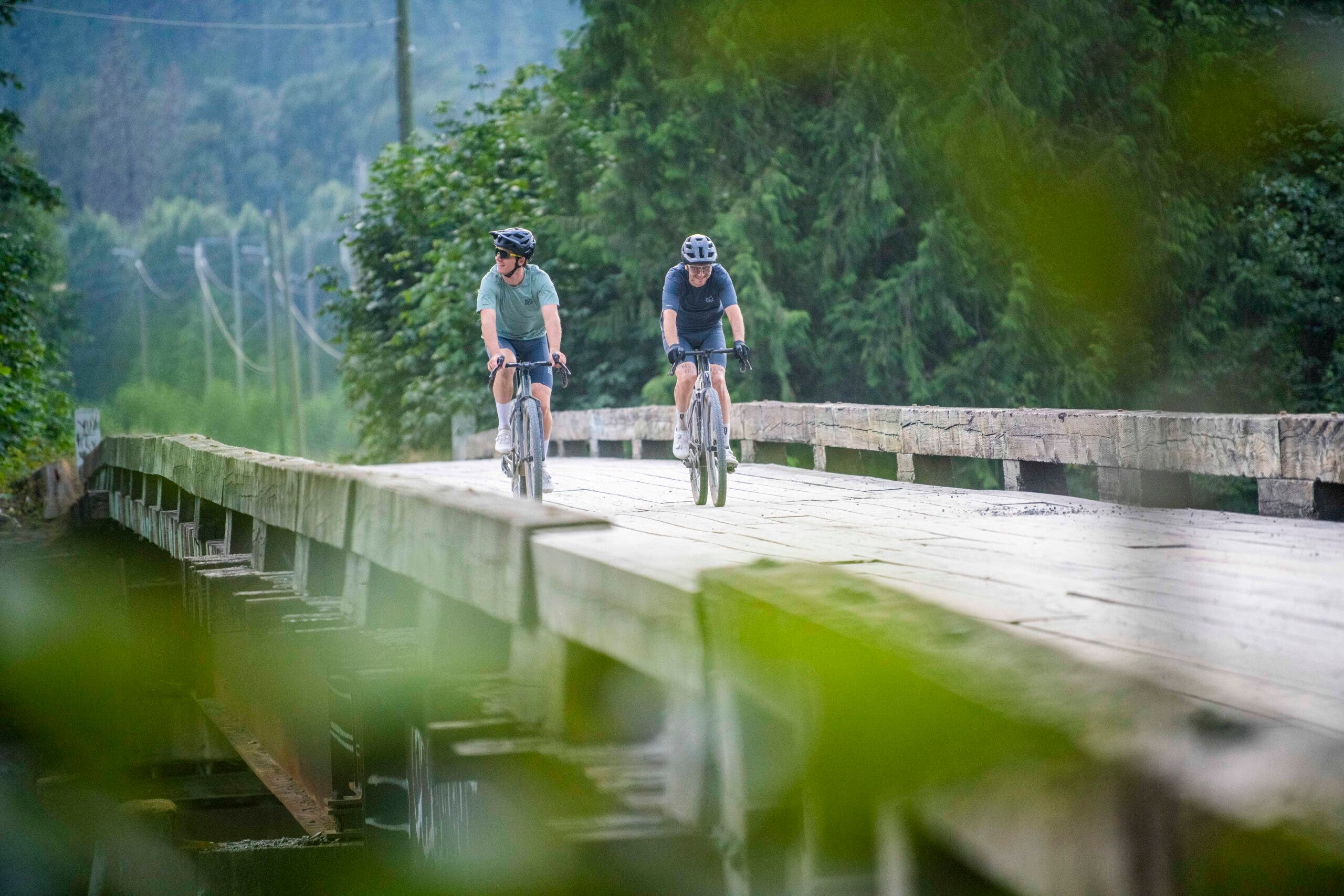
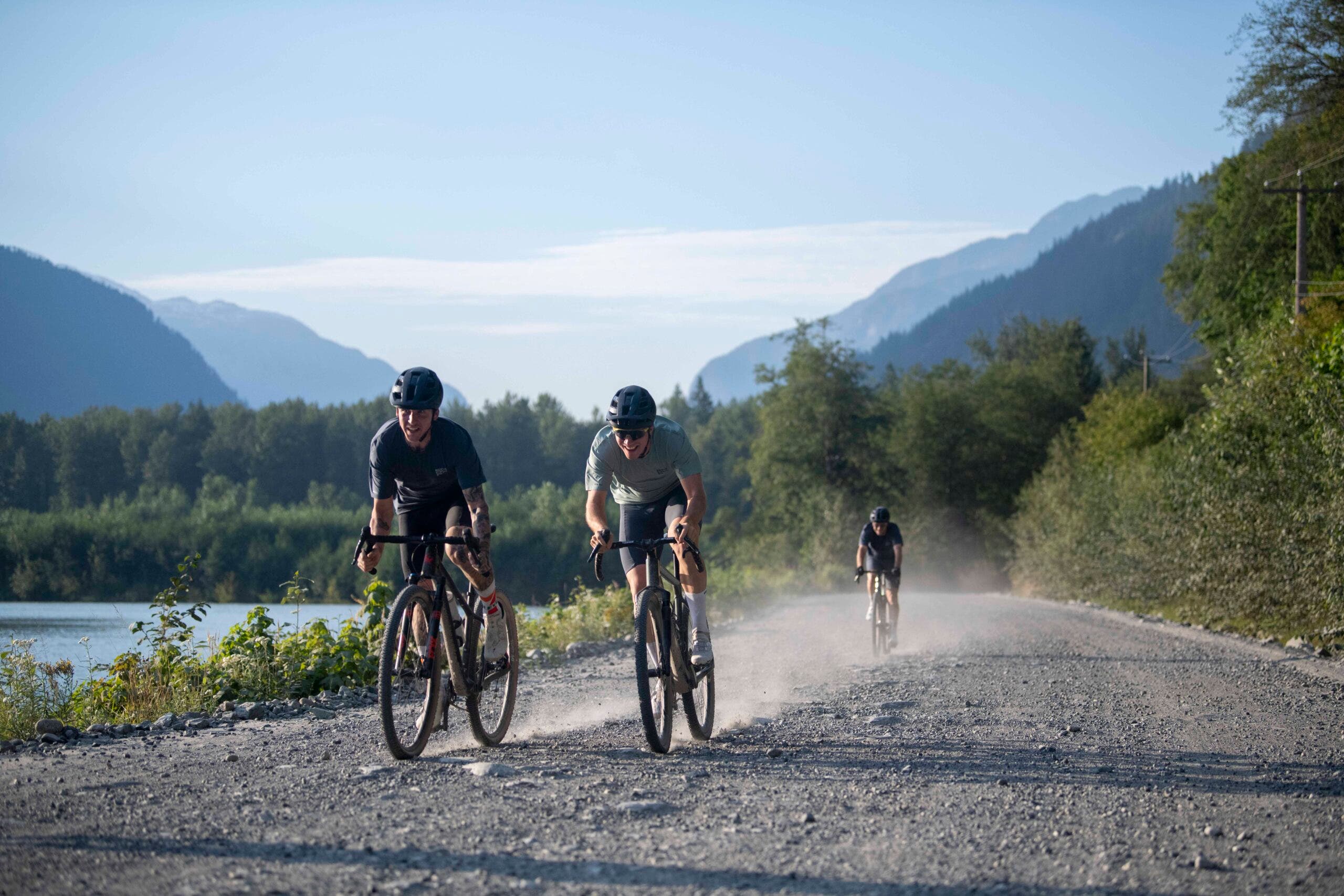
To put these bikes to the ultimate test (and the riders too), we’ve taken everyone to the outdoor playground that is Squamish, British Columbia. Finding out the future of gravel means pushing bikes to their limits, so we’ve found a mix of terrain from single track to washboard fire roads to do just that.
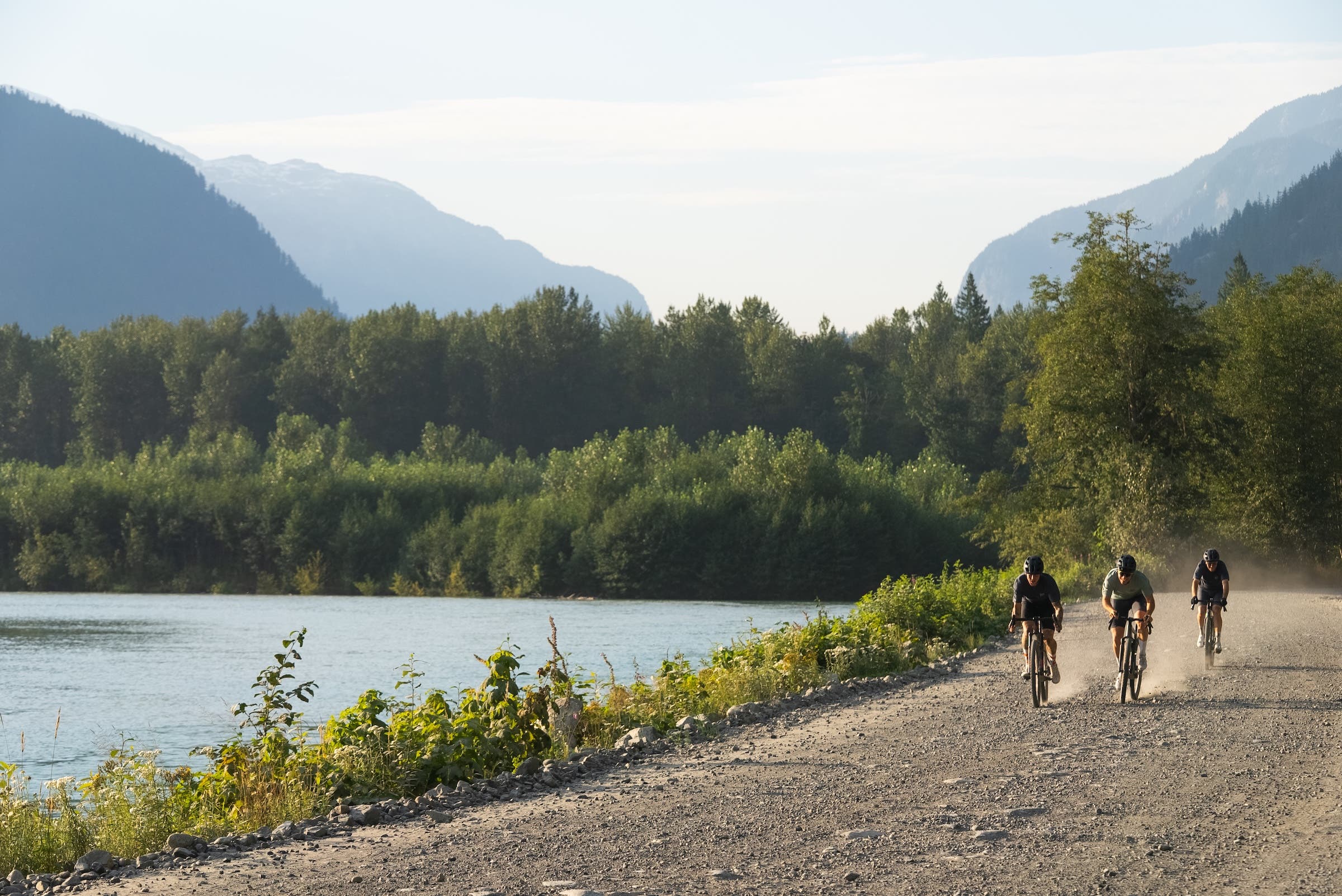
We’re stress testing the bikes to get the most possible out of them. In this first episode, we’ve put together a test loop that takes our riders on a smattering of every kind of terrain one might consider gravel, from champagne roads, to loamy dirt trails, to slightly technical, rocky single track, and we’ve got climbing and descending for all of the above.
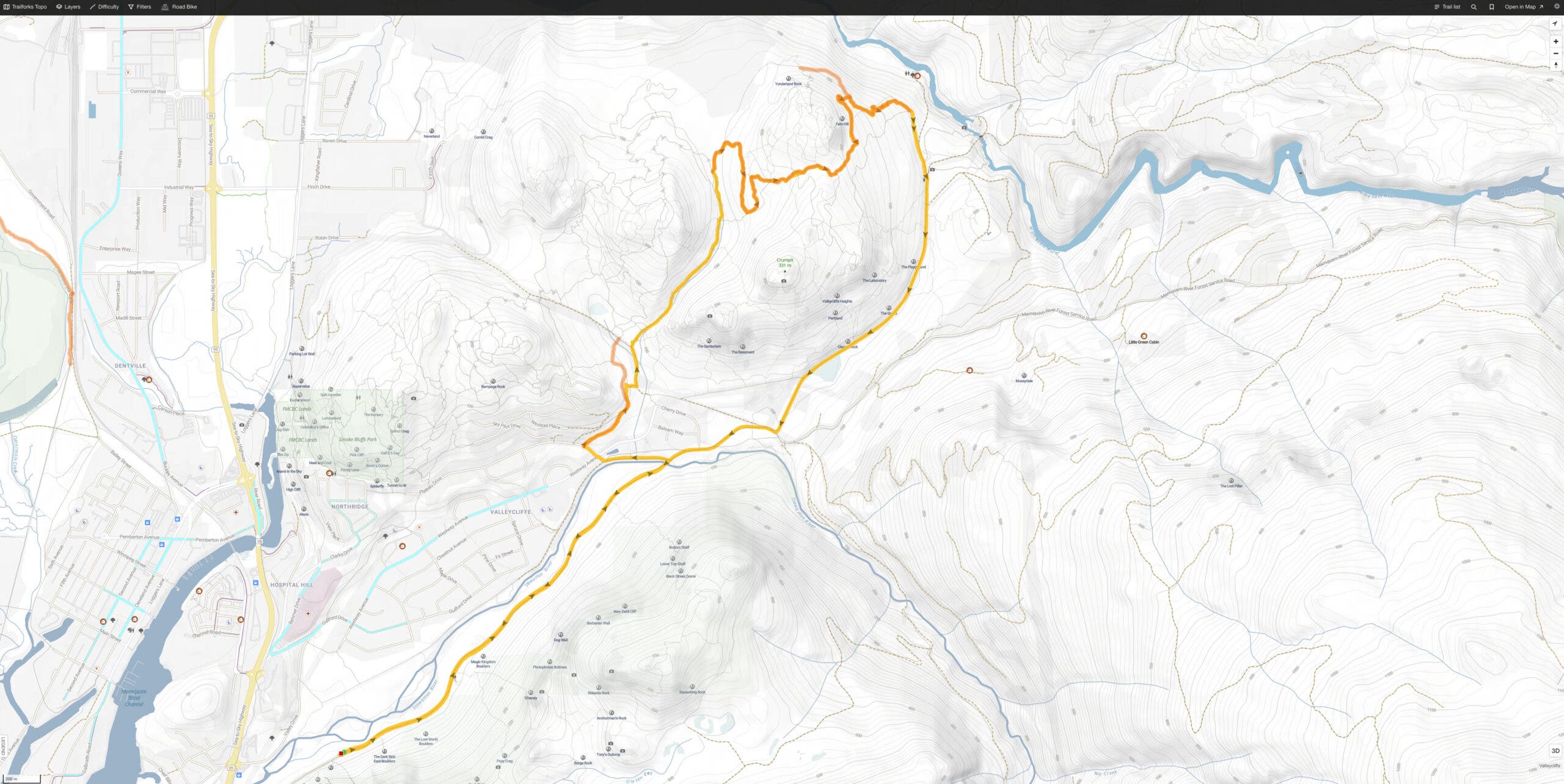
Later in the series, we take the bikes on a series of head to head timed tests including climbing, descending, and a flat road efficiency test.
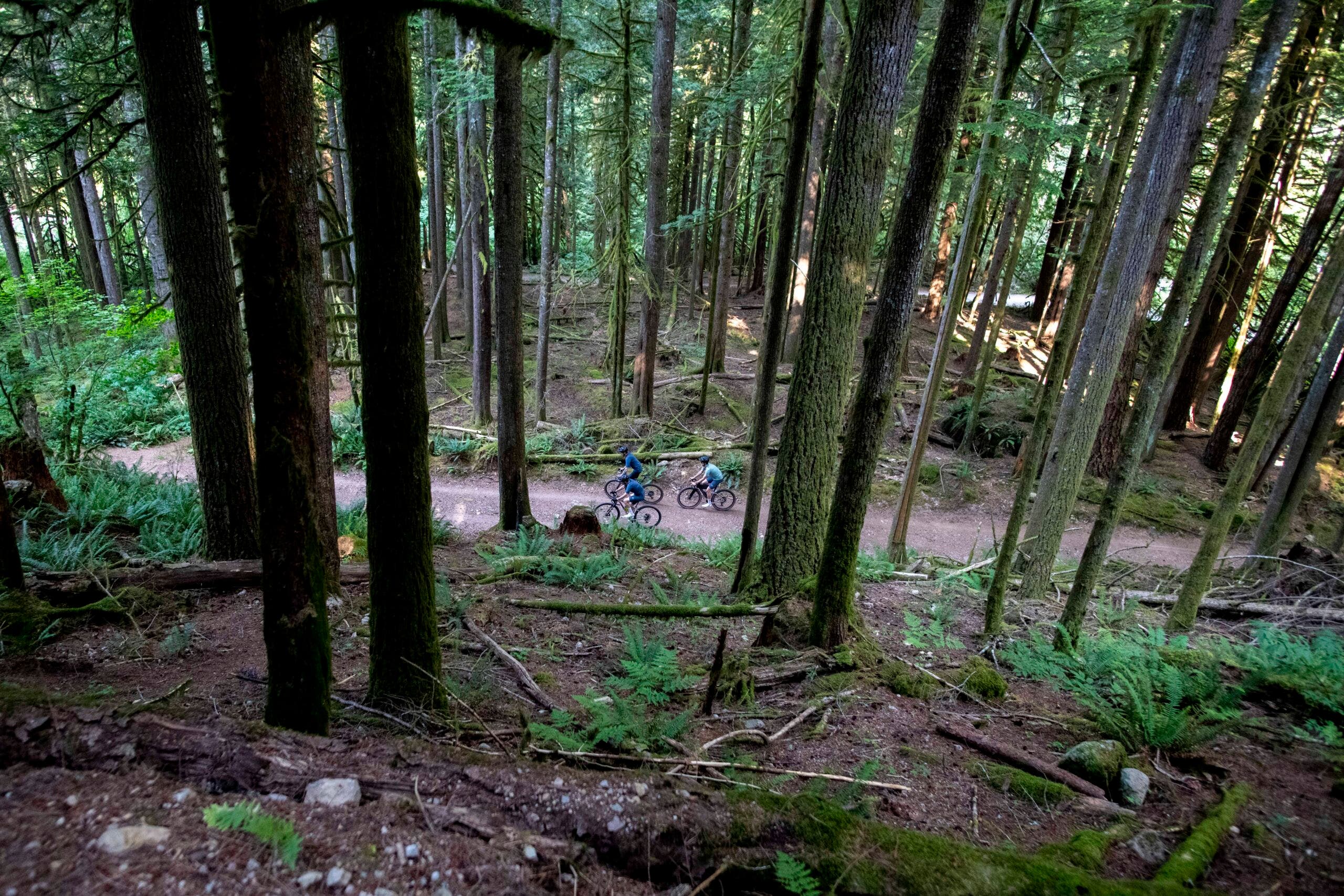
To keep our testing focused on the bikes themselves, we’ve brought in control tires, 50mm Schwalbe G-One RX tires run at the same tire pressure, mounted to Easton EC90 ALX wheels.
ADVERTISEMENT
Thank you to our sponsors!
Velo Field Test wouldn’t happen without the support of these sponsors. A big thank you to Endura for providing kits and helmets, Schwalbe for tires, and Easton for wheels!

The team that made Velo Field Test possible
A special thank you to the crew who made this Velo Field Test a reality!
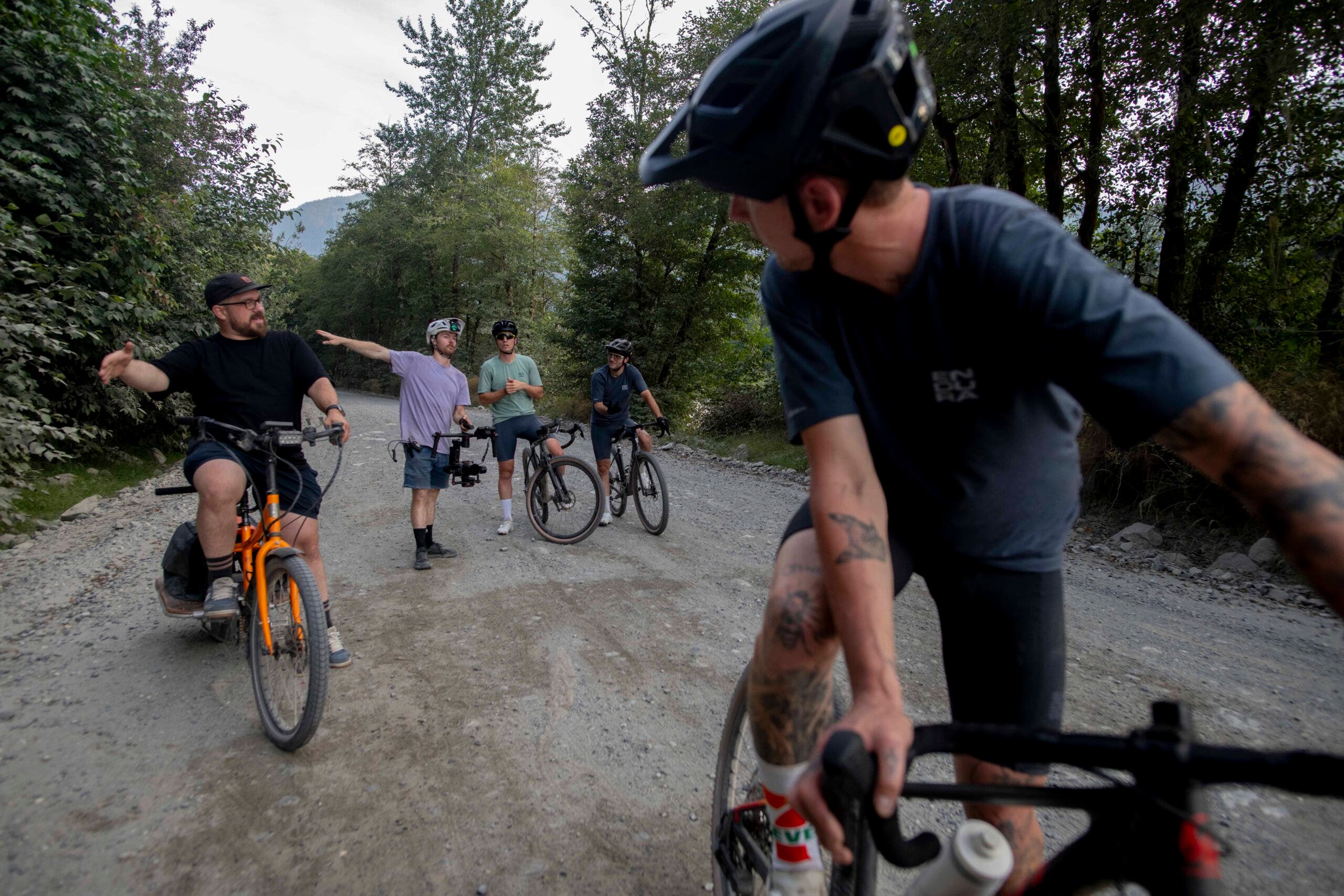
- Video team: Logan Patrick Nelson, Max Barron, Stefan Licko
- Video editor: Stefan Licko
- Bike shop support: Bici
- Lunch wranglin’, Kei truck driving and chauffeuring: Will Tracy, Brian Park
- Testers: Josh Ross, Logan Jones-Wilkins
- Host: Mike Levy
Enjoy the video and stay tuned for episode 2 dropping next week!