Updated September 6, 2026 03:52PM
If you buy through our links, we may earn an affiliate commission. This supports our mission to get more people active and outside.Learn about Outside Online's affiliate link policy
The Seven Tires that Define Gravel Riding in 2026
After gallons of sealant, countless miles of under-biking, and a fair share of tire plugs, here are the best of the best in the world of gravel tires.
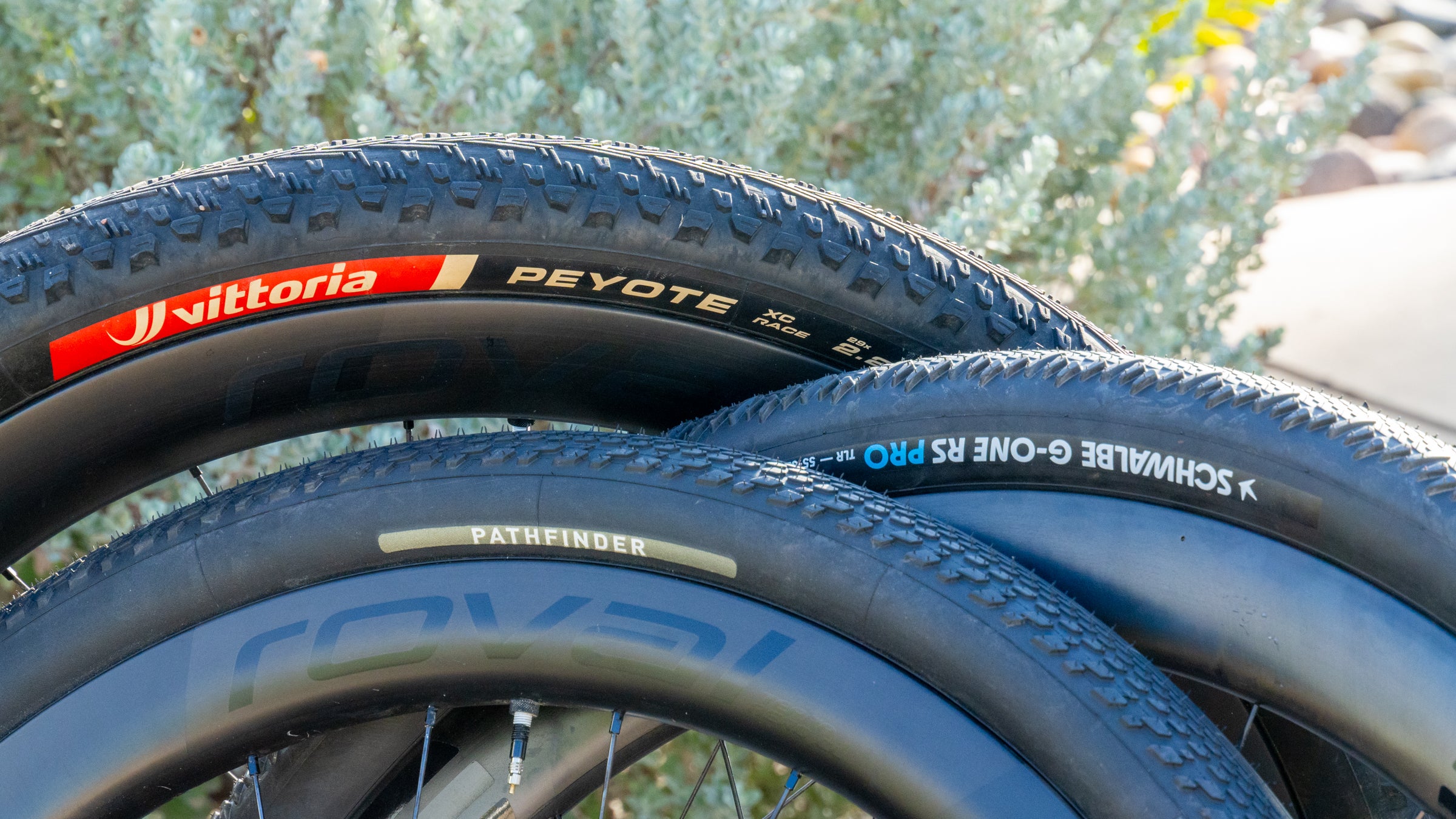
(Photo: Logan Jones-Wilkins/Velo)
Table of Contents
If you already know your way around a gravel tread and want to know what we think is best, it’s the Schwalbe G-One RS. It is the most popular tire on the LifeTime Grand Prix for a reason: it is the best balance of grip and speed on the market.
Best gravel tires quicklinks
- Best overall gravel tire →Schwalbe G-One RS PRO
- Best fast-rolling gravel race tire →Hutchinson Touareg/Carcal Race
- Best gravel tire for puncture resistance and rough terrain →Rene Herse Poteau Mountain Endurance Casing
- Best gravel tire for mud and wet conditions →Schwalbe G-One RX PRO
- Best all-road tire →Hutchinson Caracal Race
- Best MTB tire for gravel →Vittoria Peyote XC Race
- Best budget gravel tire →Specialized Pathfinder TLR
Over the past three years, I have ridden dozens of gravel and mountain bike tires on dozens of different gravel bikes and wheels. It is an immense category of gear and one that is the subject of so much research and development, as the market is constantly changing and growing.
The expectations for gravel tires today are different from gravel just last year. This year-on-year development has been happening throughout the last five years of the post-pandemic gravel boom. Finally, it seems as if a few key aspects have stabilized the market. Gravel tires now go up to 50-55mm, gravel wheels have wide enough rims to handle the extra size, and bikes are regularly supporting these new wide systems.
ADVERTISEMENT
Nevertheless, even if the market has stabilized, tons of brands have flooded the market with tons of options. To get you sorted, I pulled together seven of my favorite tires for seven key use cases to make sure you are getting the most out of your gravel riding. After all, there’s no component more important to riding gravel than your tires.
Best overall gravel tire: Schwalbe G-One PRO RS
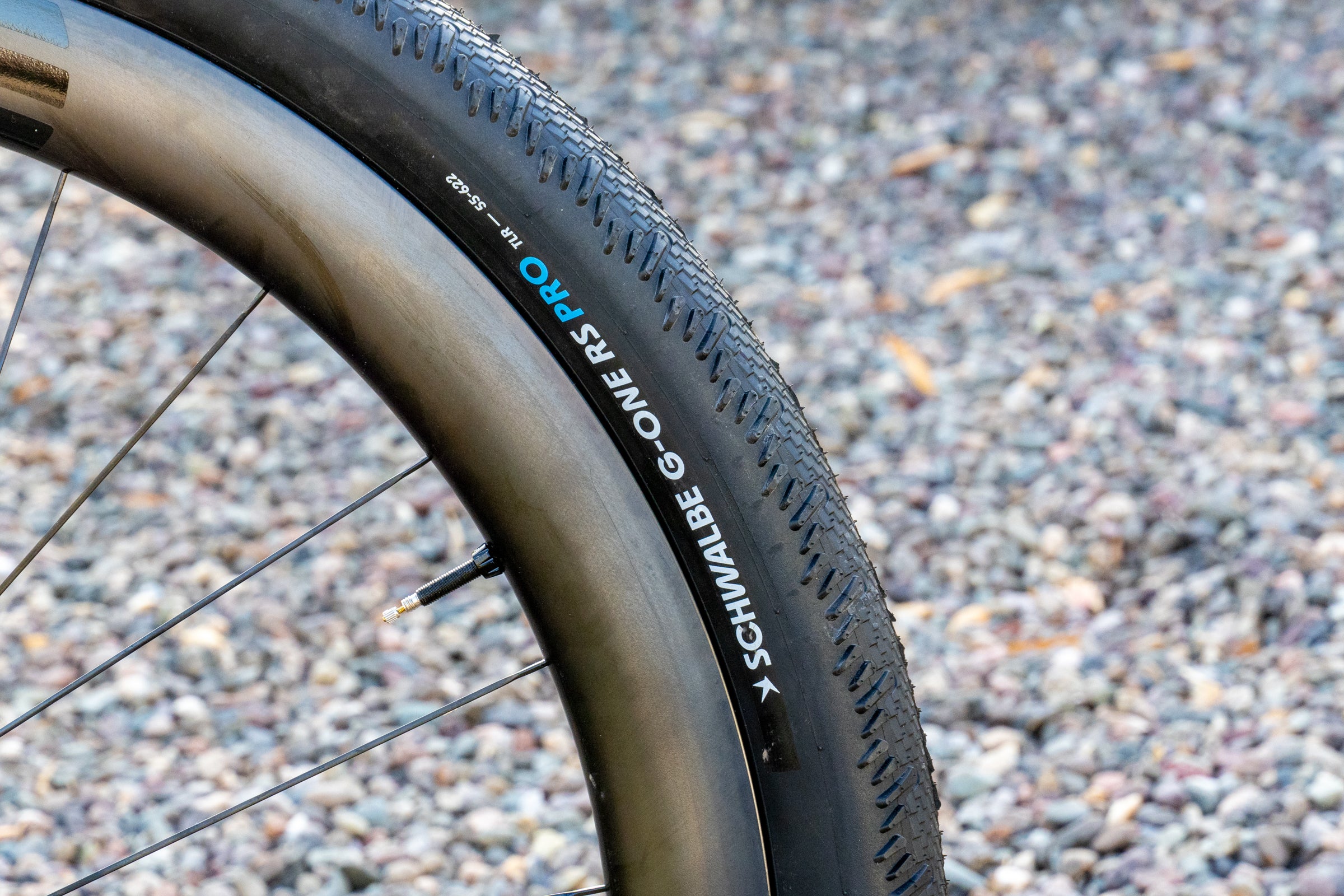
The G-One PRO RS feels like a cheat code. The tire is simultaneously so fast, testing near the top of Bicycling Rolling Resistance and John Karrasch Chung Method testing, and very tacky. It is a tire that seems to hold both qualities beyond what one tire should be able to do.
The tire’s genuine character as a Jack of All Trades has made it widely seen as a top-tier racing tire that consistently has the biggest presence at top gravel races. Sure, many of those athletes are sponsored by Schwalbe, but you might be surprised by just how many of those athletes either took less support to ride Schwalbe, or just bought them outright. The data doesn’t lie: the G-One RS in 50-55mm is at the very top of the pyramid of race tires.
There will be some folks who might balk at the weight. That’s especially true with options like the Specialized Pathfinder and Silca Protocol RCG-1 coming to the market, but the G-One RS has proven itself as a great balance of speed, weight, and durability. This was an easy choice as the best all-round option.
Best fast-rolling gravel race tire: Hutchinson Tourareg/Caracal Race
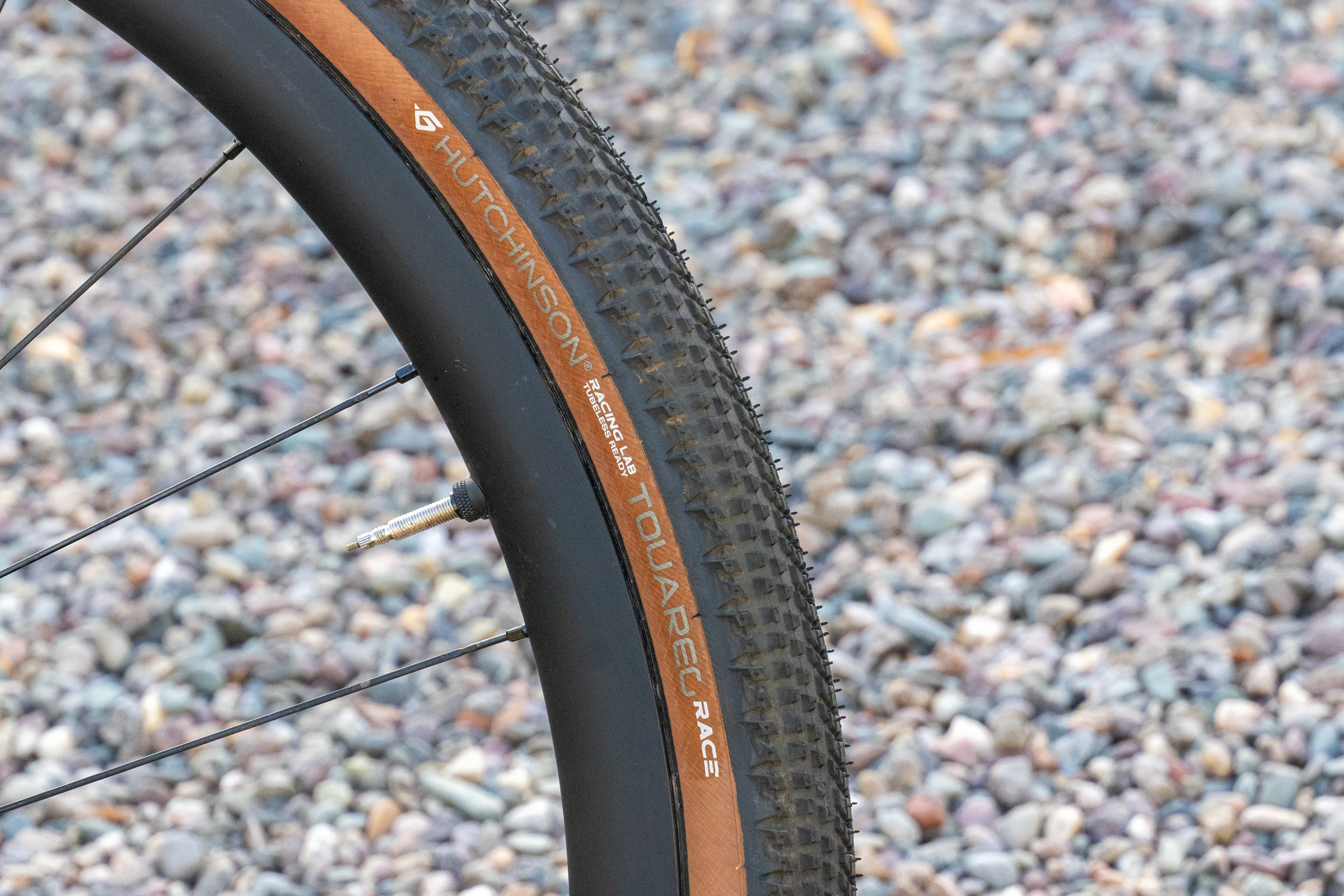
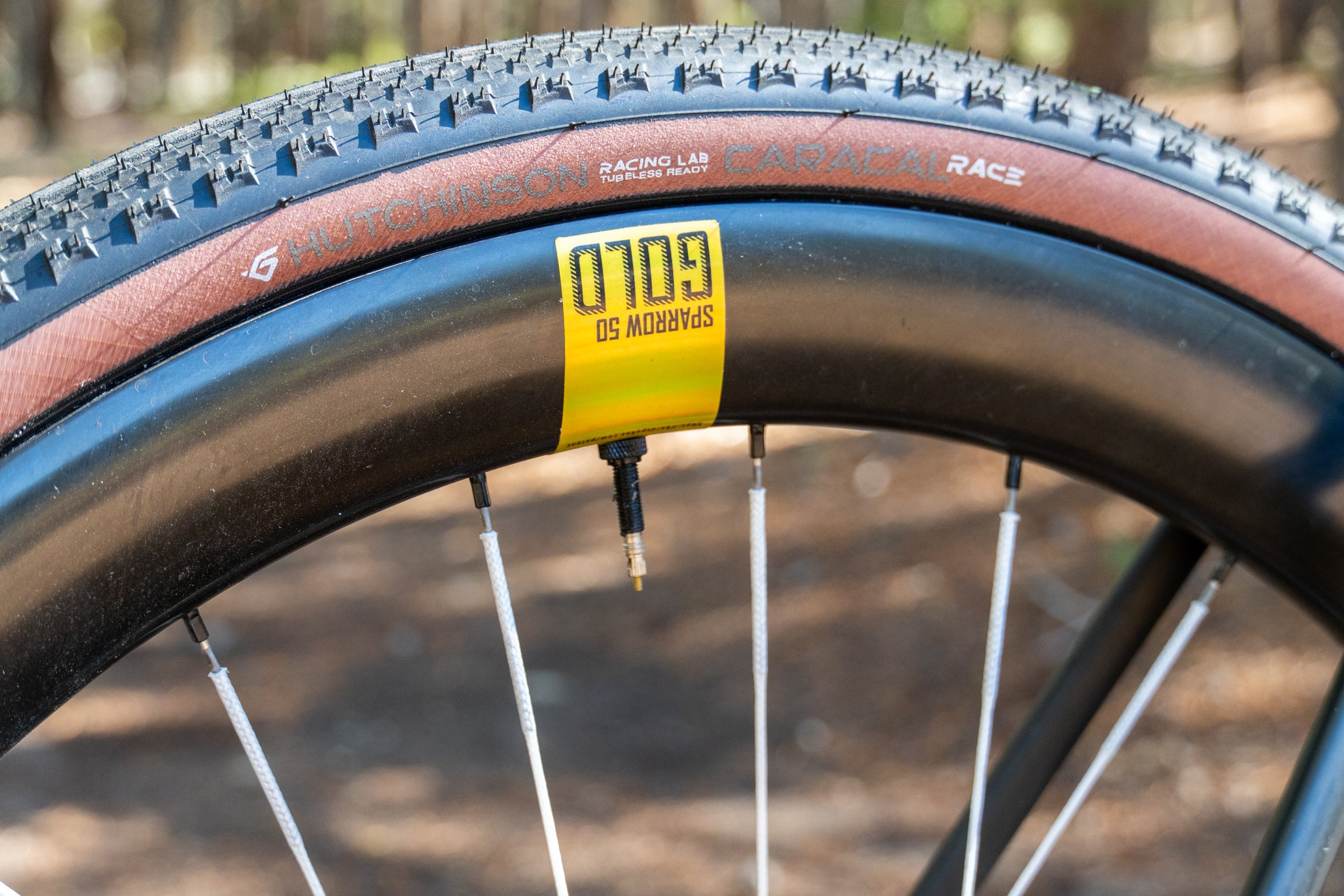
Of course, you can run this combo of gravel race tires from Hutchinson as a complete set of the slicker Caracal Race or the tight knobs of the Touareg Race, but Hutchinson argues that combining the two is best, and I agree.
For a normal gravel ride, having the reassuring tread pattern of the Touareg on the front to give a bit more margin for error and the smooth tread of the Caracal on the rear for speed is a great balance. If you live in a wetter place, I would certainly recommend Touareg in a complete set. The Caracal is reasonably tacky in dry conditions, but is about as close to a slick as you can get in the gravel category.
In terms of performance, the combo of the Hutchinson Touareg and Caracal Race is so fast it almost doesn’t make sense. Across the board, the Carcal/Touareg platform sits at the top of the Bicycling Rolling Resistance and John Karrasch Chung Method testing leaderboards. That is almost enough to pencil these tires in as the top fast-rolling tires on their own, but riding the tires has only reinforced that data.
ADVERTISEMENT
Compared to many of the fastest possible tires, the Touareg/Caracal combination was really proficient at retaining its shape at lower pressure. Many gravel race tires haven’t adjusted their windows of pressure tolerance low enough to handle the optimal pressure of 50mm gravel tires. This leads to the tires feeling very wobbly or worse, “diving” when cornering. The Hutchinson combo does a fantastic job of retaining that structure at a plush low pressure, allowing the rider to unlock the true speed of the tire.
Best gravel tire for puncture resistance and rough terrain: Rene Herse Poteau Mountain Endurance Casing
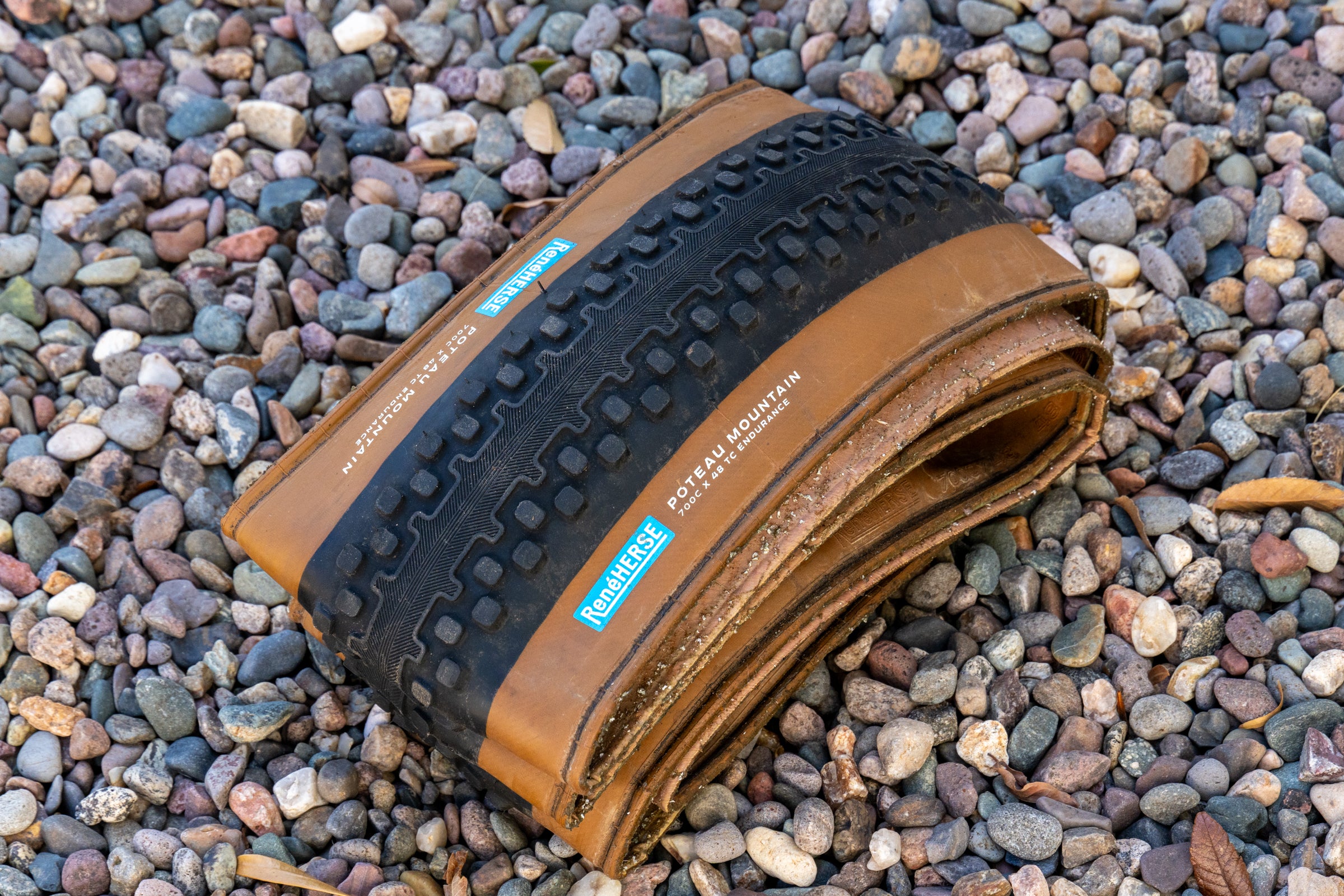
Rene Herse has been making gravel tires for as long as the category has been around, with the company providing a simple range of gravel tires in a wide range of sizes. Every size has its own name; most would come in fully treaded and slick options, and each would have three different weights of casings offering different ride characteristics.
For years, Rene Herse resisted the urge to add a semi-slick, arguing against the viability of tires with treads only on the side of the center tread. Last year, that changed with the company offering two new semi-slick options.
This change was a huge win for Rene Herse, as the semi-slick tire offered a great solution for venturing into the unknown of long, adventure gravel rides. I found this a huge benefit this winter when I took the 48mm Poteau Mountain option deep into the Arizona mountains for a ride with long, chunky descents, punishingly steep climbs, and a hefty dose of mud.
ADVERTISEMENT
There are a few categories where this tire could have slotted into, but realistically I saw the Poteau Mountain as an adventure tire more than anything. That starts with the casing. I haven’t had the most success with Rene Herse’s lighter-weight tires, but the endurance casing option has been very reliable across the different widths and treads I have tried.
I do find the semi-slick to be the best of the three Rene Herse treads as well, because it balances traction with puncture control. The Rene Herse slick tires are solid all-road options, but they do lack a lot the traction I want, especially through corners. On the other hand, the big knobs of the more rugged tread have caused a few flat tires for me as rocks have sliced alongside the rubber knob, which can happen with sharp gravel and bigger knobs on certain tires.
The semi-slick, with its extra-large side knobs that transition smoothly to a large, smooth center tread, is the happy meeting point that I have really enjoyed on unknown adventures.
Best gravel tire for mud and wet conditions: Schwalbe G-One RX
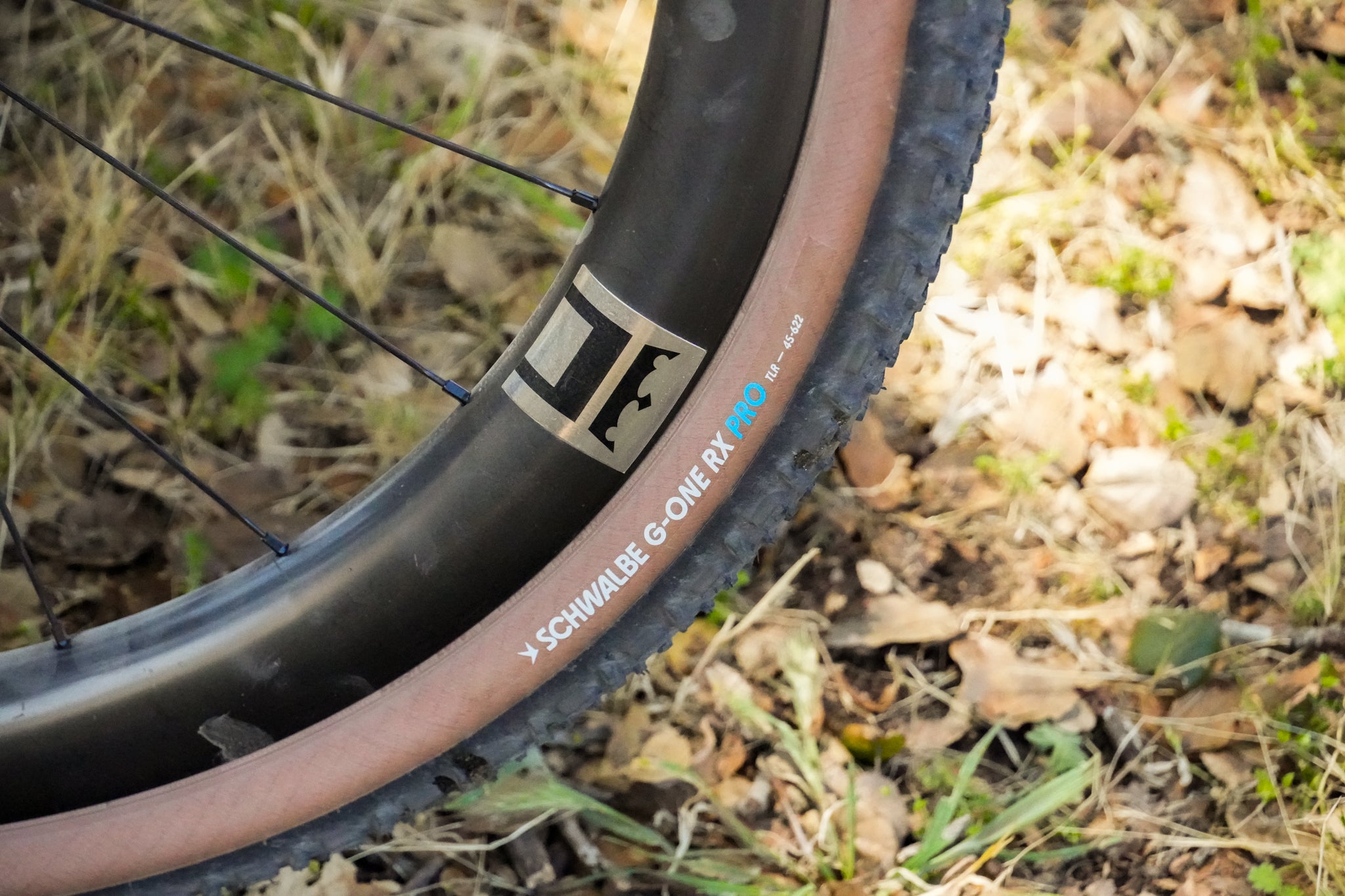
When we were building our plan for the Velo gravel field test, the Schwalbe G-One RX was the obvious choice. While the RS is the primary gravel option from Schwalbe, the RX is the burlier, knobbier tire. This makes it the perfect gravel tire for the wet, loamy terrain of British Columbia.
Ultimately, our riding was on the dry side for the Pacific Northwest, but when it was wet, the tire felt like Velcro. The center profile in particular produces fantastic braking traction while the larger side knobs provide confidence through corners.
The downside is pavement speed. Not only are the RX tires loud on tarmac, but they also drag and feel unpredictable through paved turns. Of course, the knobs that make the tire bite on wet dirt also generate those paved downsides. As with everything in gravel, there are pros and cons.
Best all-road tire: Hutchinson Caracal Race
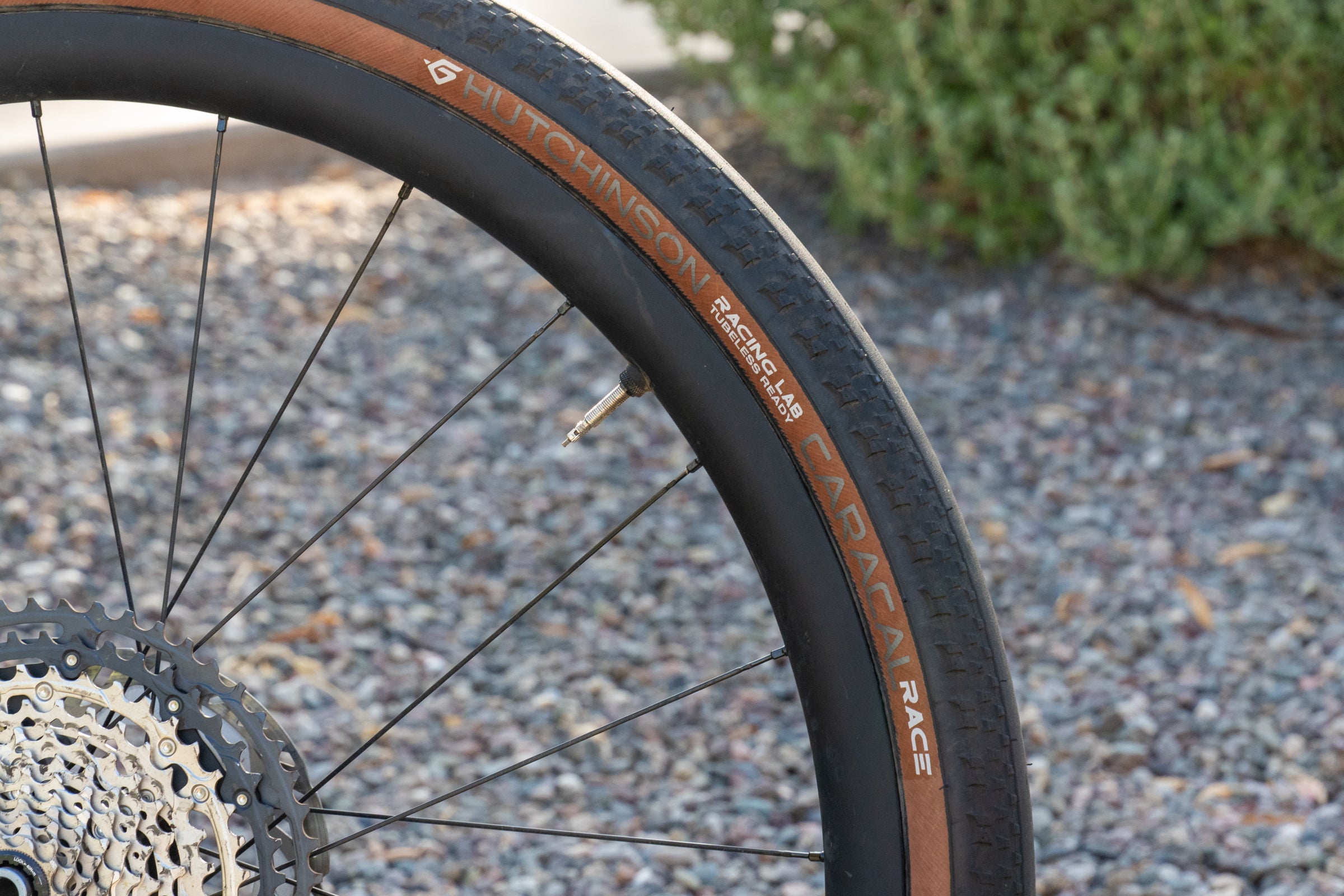
There are few tires on this list that are so nice they can appear on it twice, but the Hutchinson Caracal Race has earned it. For the all-road use case, I have found it best to run a pure Caracal Race setup. I have used the 40mm width most frequently, but the 45mm option is equally fast-rolling on the road and better at handling rougher terrain.
It shouldn’t be that surprising that the fastest-rolling tire is also the best all-road tire, but there are contenders in the mix that are great alternatives. The Pirelli P-Zero is the top option that comes to mind, with its road DNA paired with a broad 40mm tread. Nevertheless, the Hutchinson Caracal Race brings the same width and speed as the Pirelli, but adds just enough shoulder tread to offer grip and control on light gravel racing.
That is the quality that extends through the Caracal Race range from 40mm all the way to 50mm. It is a class leader at each width for pure rolling resistance and provides just enough traction to make it a valid tire for many gravel races. Yet, it might be even better as an extra-large road tire, with the broad center strip providing a smooth feel that most semi-slicks can’t manage.
Best MTB tire for gravel: Vittoria Peyote
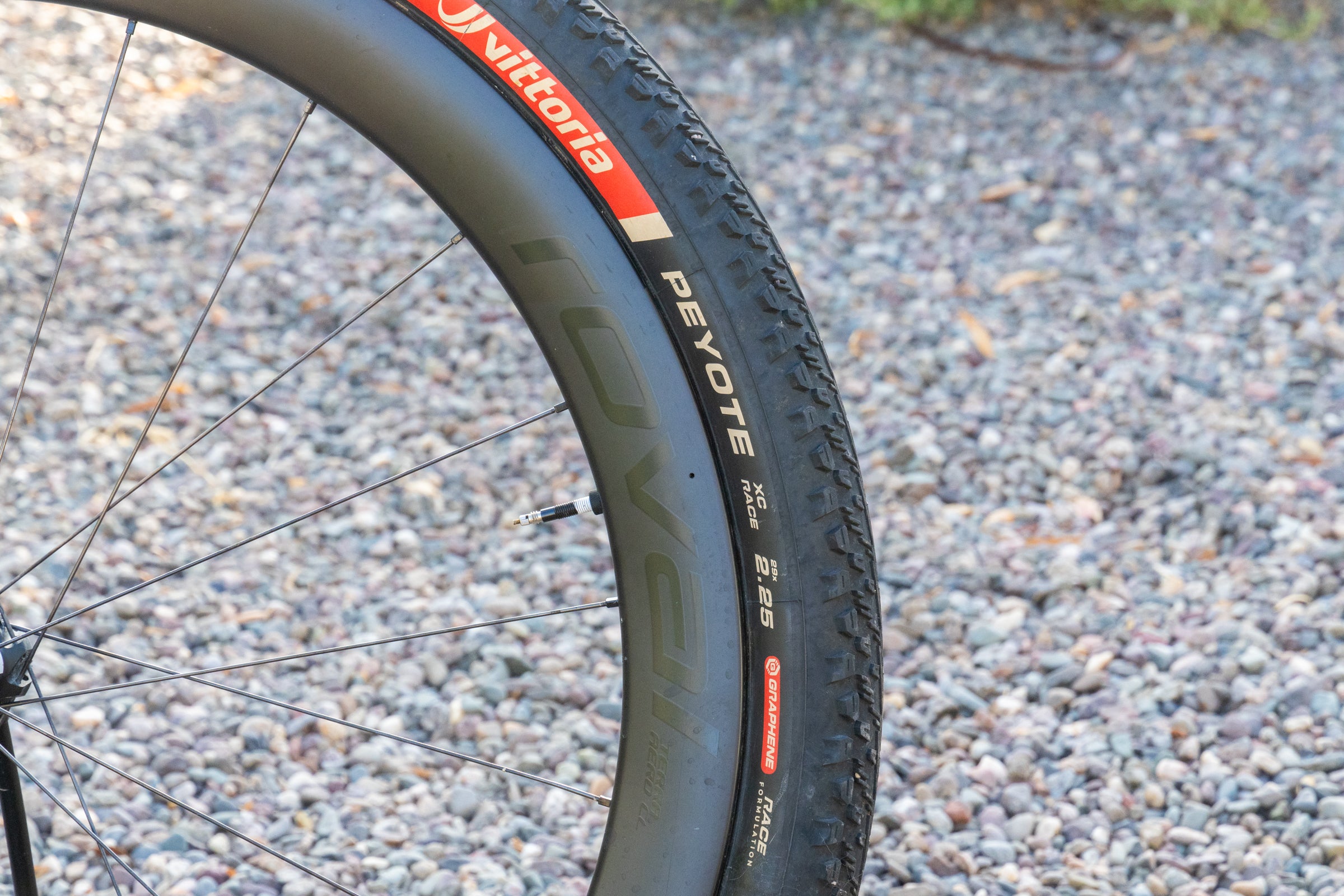
If the Vittoria Peyote were available in a 50mm option, I would put it at the top of the list. In all honesty, it might be my favorite overall gravel tire on the market right now. It even beats the Vittoria gravel-specific tires, which have a different design. That leaves me with the need for a different “best overall” that will work for more people, making this MTB category the best place to put an incredible tire.
If you’ve got a more progressive gravel bike, this is the tire I’d tell you to choose. The Peyote is massively versatile with exceptional traction on loose-over-hard surfaces alongside some of the best pavement rolling resistance for a mountain bike tread. The center tread is fast and efficient on smooth roads with minimal audible or tangible buzz.
You might also consider the Schwalbe Thunder Burt in this category, as both tires overperform on tarmac and hardpack. The difference is that when the road gets rough, the Peyote is a significant step above the Thunder Burt. The side knobs pull the most weight off-road, and lock up as few other ultra-fast mountain bike tires can.
ADVERTISEMENT
In wetter conditions, the Peyote does lose a bit of its traction abilities, and options like the Schwalbe Rick or Continental Dubnital are better suited for that terrain with their elevated center tread. Yet, overall, it is hard to see a better gravel option in the 55mm range—even from other dedicated gravel tires that might be higher up this list.
Best budget gravel tire: Specialized Pathfinder
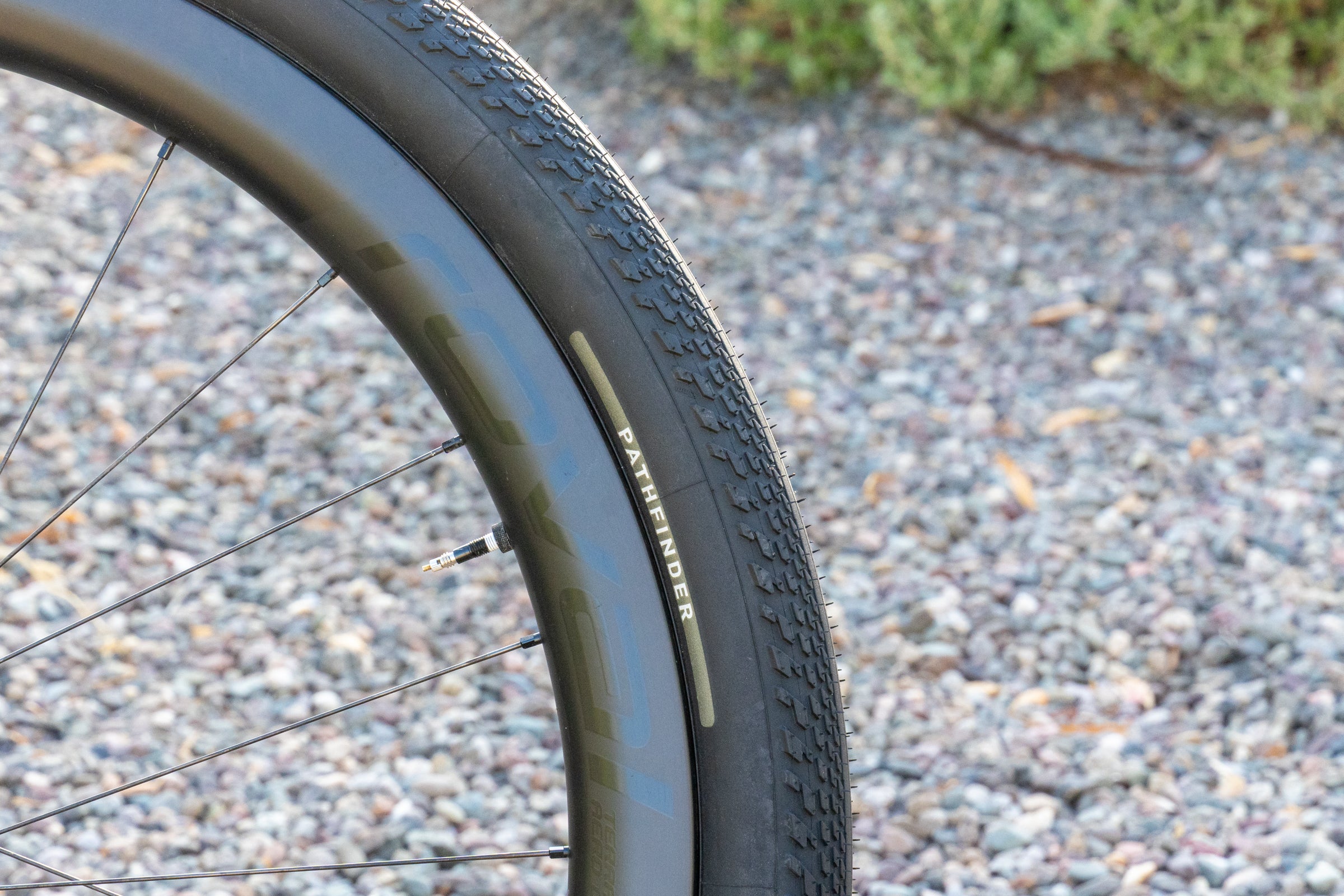
Specialized is not always the first brand that comes to mind when you think of budget bike components, but with tires, Specialized is hard to beat in terms of value.
The Pathfinder is one of three tread options that form the Specialized gravel tire line-up. The Pathfinder is the most aggressive, semi-slick option, while the Tracer and Terra offer a file-tread pattern and knobby versions of the same casing and rubber compound. The Pathfinder has been the most popular choice for the Specialized race team, including Keegan Swenson.
ADVERTISEMENT
While most of the tires that will find their way onto pro gravel bikes—and this list—will be around the $100 mark, the Pathfinder is available for $69.00. That means the tire that the likes of Swenson use for two/thirds of the price of other top options. That in and of itself could be enough to justify placing the Specialized Pathfinder as the best budget option, if not the best overall option. Nevertheless, the Pathfinder isn’t the quickest, it doesn’t offer great traction for less-advanced riders, and it lacks the durability of some of the more robust options available.
The cost-to-performance ratio, however, is really second to none.
How to pick the right gravel tires
How to choose the right size of gravel tire?
Oh, if only there were a simple answer! Generally, I’ll frame recommended gravel tire width this way:
- If you are riding 10-30% on smooth gravel roads: 35-40mm is great
- If you are riding 30-60% on smooth to moderate gravel roads: 40-45mm is great
- If you are riding 60-80% on smooth to light trail: 46-50mm is great
- If you are riding 80%+ on dirt of any kind: 50-56mm is where you should be looking
This is only a starting guide—there is so much more to tire choice that I could get into, but it is broadly how I would advise a rider to make their tire choices.
ADVERTISEMENT
How to choose the right tread for gravel tires?
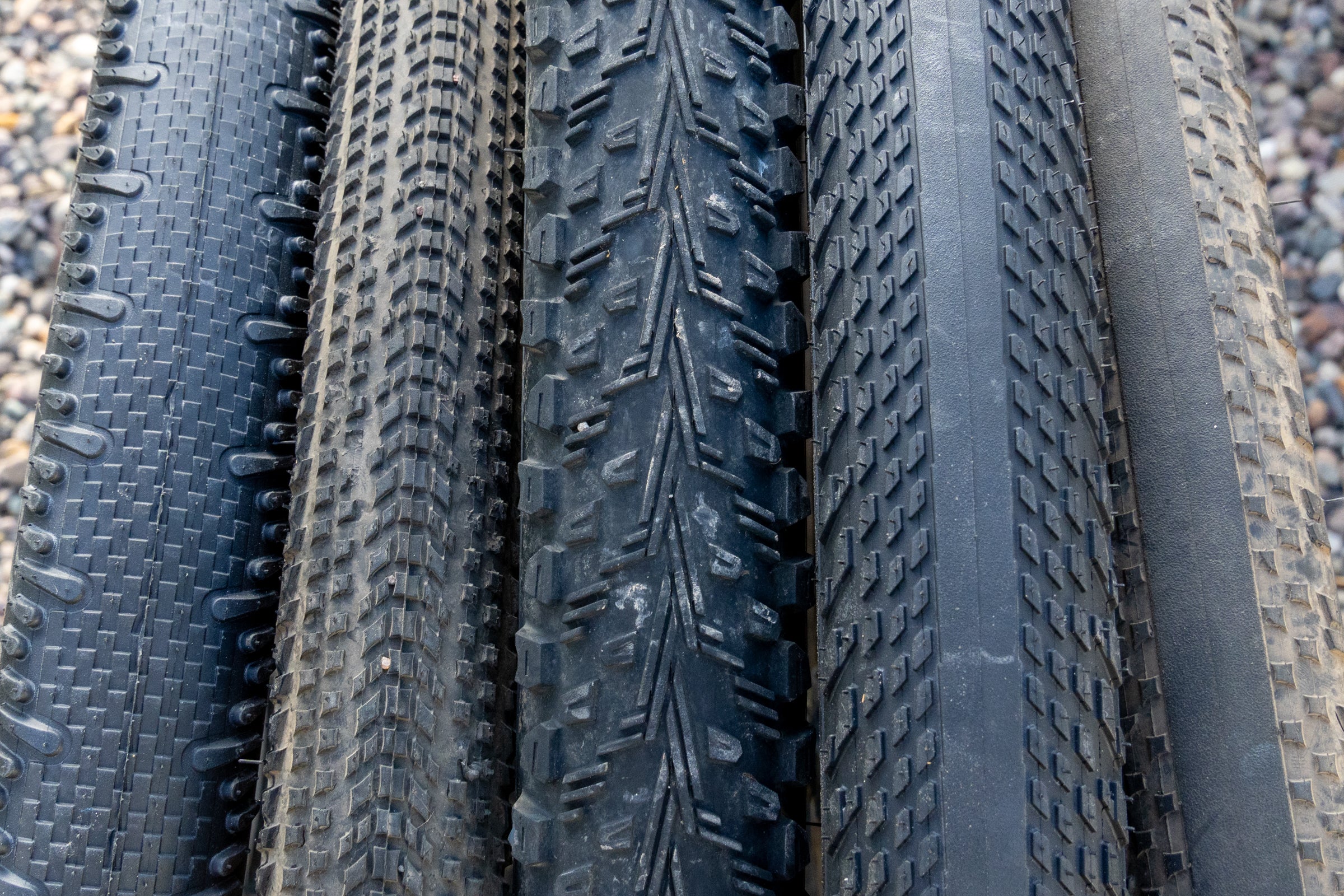
Of all the elements of gravel tire choices, tread is the only variable that actually depends on the rider’s skill level. Simply put, better gravel riders can use much less tread than beginners. In a discipline like gravel, that is a key change because slicker treads are, generally speaking, faster rolling and more aerodynamic.
That being said, there are aspects of course features and riding conditions that can push even the best technical riders to beef up their treads. Terrain with larger rocks, for instance, requires bigger knobs for maximum traction. On loose over hard gravel, smaller consistent knobs seem to lock up better. On softer terrain, prominent side knobs are key to keep traction through corners. Mud requires the biggest knobs, but in some cases a slicker, smaller tire is actually better because mud will pack the tire and run into clearance issues.
ADVERTISEMENT
The best practice is typically finding two treads that work for your skill level and your terrain, and adjusting depending on what your riding and race priorities are. For example, swapping from a G-One RS to an RX will be a typical combination to swap between.
Nevertheless, if a rider is better technically, they will have a better understanding of a slicker tire’s traction limit and will always be able to operate with less tread. That is why you will see riders like Keegan Swenson and Sofia Gomez-Villafañe almost always ride the Specialized Pathfinder rather than the knobbier Tracer or Terra treads.
If you are newer to gravel riding, err on the side of caution with tread selection. Starting out with a slicker tire might help on the pavement getting to and from the gravel, but without the braking traction and cornering grip of a knobier tire, fear or skittishness will get in the way of skill development. Always choose a tire that will allow you to learn first, then prioritize speed once you know your limits.
ADVERTISEMENT
What tire pressure is best for gravel riding?
The goal for gravel tire pressure is to find a value that is low enough to offer more compliance and increase traction, and high enough to prevent pinch flats and inconsistent sensations. The tricky part is that what that pressure is changes for everyone.
Two main factors influence optimal gravel tire pressure, while other confounding variables complicate the matter even more. Rider weight and tire width are the two central factors. If a rider weighs more, tire pressure needs to be higher. Conversely, the larger the tire, the lower the pressure can be.
ADVERTISEMENT
Beyond those two main factors, air temperature, rim width, route conditions, and tire construction can all affect a rider’s window of optimal pressure. There is also the subjective aspect of risk tolerance. Lower tire pressure can offer more traction and better rolling resistance over gravel, but it also can increase the risk of pinch-flatting. Similar to tread patterns, more technical skill or a greater understanding of a specific route can tip that risk calculus in favor of taking more risks and riding with a lower tire pressure.
All of these factors take some time to understand, and it does require a certain amount of trial and error, but fortunately there are a few online calculators that provide great starting points for tire pressure.
My personal favorite is the Wolf Tooth Bike Tire Pressure Calculator, which has easy-to-understand inputs and produces values that I find to be a good balance of flat prevention, traction, and speed. Generally, I do knock a few PSI off of the recommendation to boost traction in exchange for some more flat risk. Then again, I also generally ride larger-volume tires in hotter conditions, which gives me more room to run lower pressure.
ADVERTISEMENT
How does Velo test and review the best gravel tires?
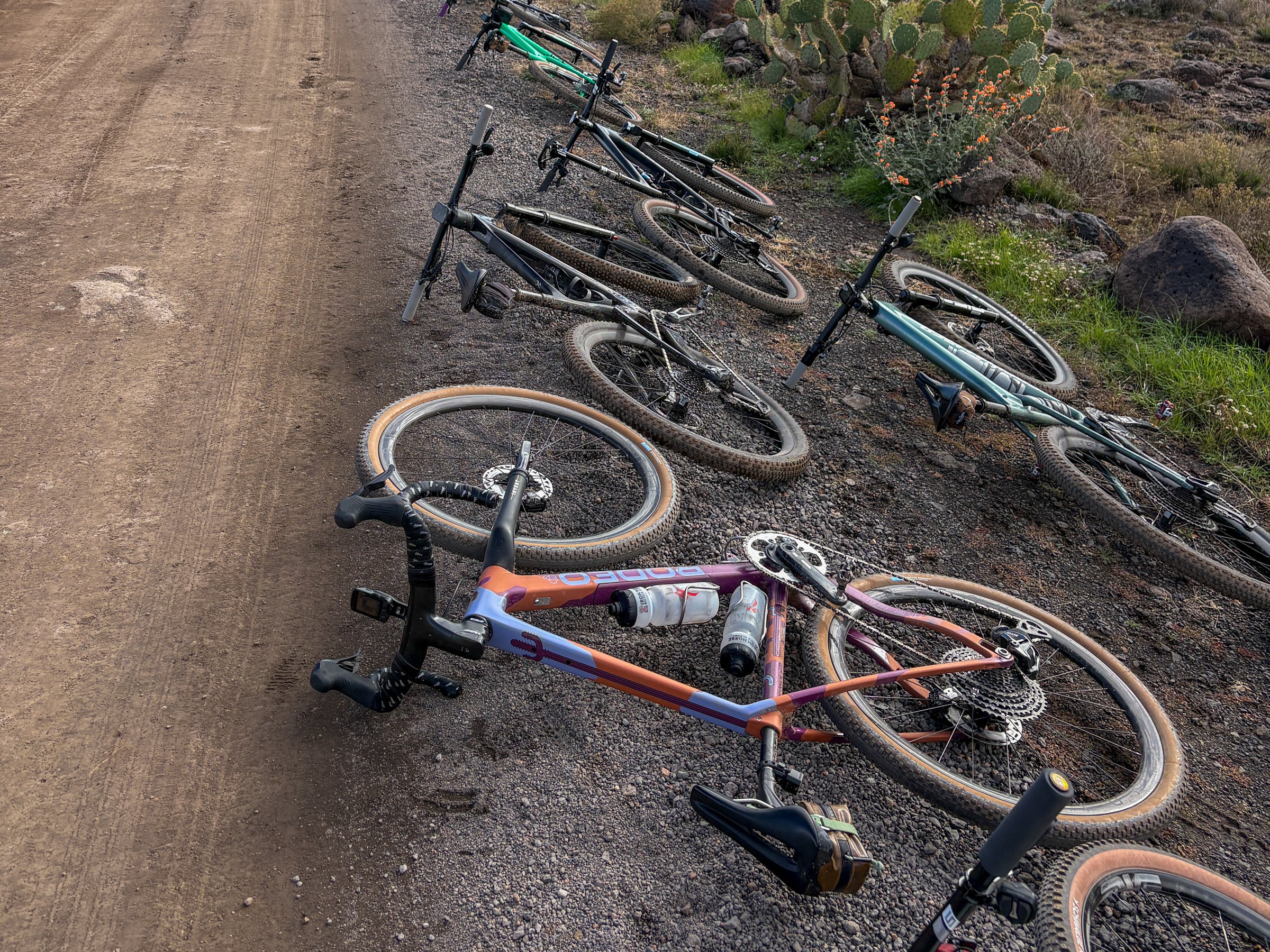
Throughout the past years, I have tested all of the tires on this list, in addition to many other tires that just missed the cut. I take these buyer’s guides seriously, and each of these selections is an option I earnestly recommend, even outside of formal settings.
This kind of work can only be found through intentional testing and thoughtful consideration, and that is incredibly important for my process to say what each one of these tires does well and where they might struggle. Through research, interviews, and, most importantly, my own riding, these are the tires that I can say are the best of the best. At all times, I am cycling through multiple test bikes and wheelsets to make sure we know each of the variables inside and out, on and off the bike.
ADVERTISEMENT
What’s more, that testing is not just riding on simple gravel roads—riding everything from long stretches of pavement to the gnarliest gravel terrain. That is the story behind each of these selections and is part of why I find tire testing to be one of the most important and rewarding aspects of my job.