Published November 9, 2026 08:42AM
Salsa Fargo 32 Review: An Intriguing First Move for 32-Inch Gravel
The first widely available 32-inch gravel frame hit the market this summer, and we got to see firsthand what the opportunities and challenges are for the new technology.
Pros
32-inch wheels offer more stability and better traction than 29-inch wheels
The geometry is well suited to handle the added weight and bulk of bikepacking equipment
Well-made and lightweight metal frame, considering the added dimensions of 32-inch wheels
Full range of sizes
Cons
High front end that makes aggressive riding positions impossible.
Slack head tube that prioritizes stability at the expense of precision.
Long wheelbase that can make the bike feel like it lumbers up to speed.
Salsa Fargo 32 Specifications
| Components | Details |
| Frameset | Salsa Fargo 32 |
| Drivetrain | SRAM GX Eagle Transmission 12-Speed |
| Gearing | 32t Chainring, 10-52t Cassette |
| Handlebar/Stem | Teravail Radia 12 SE |
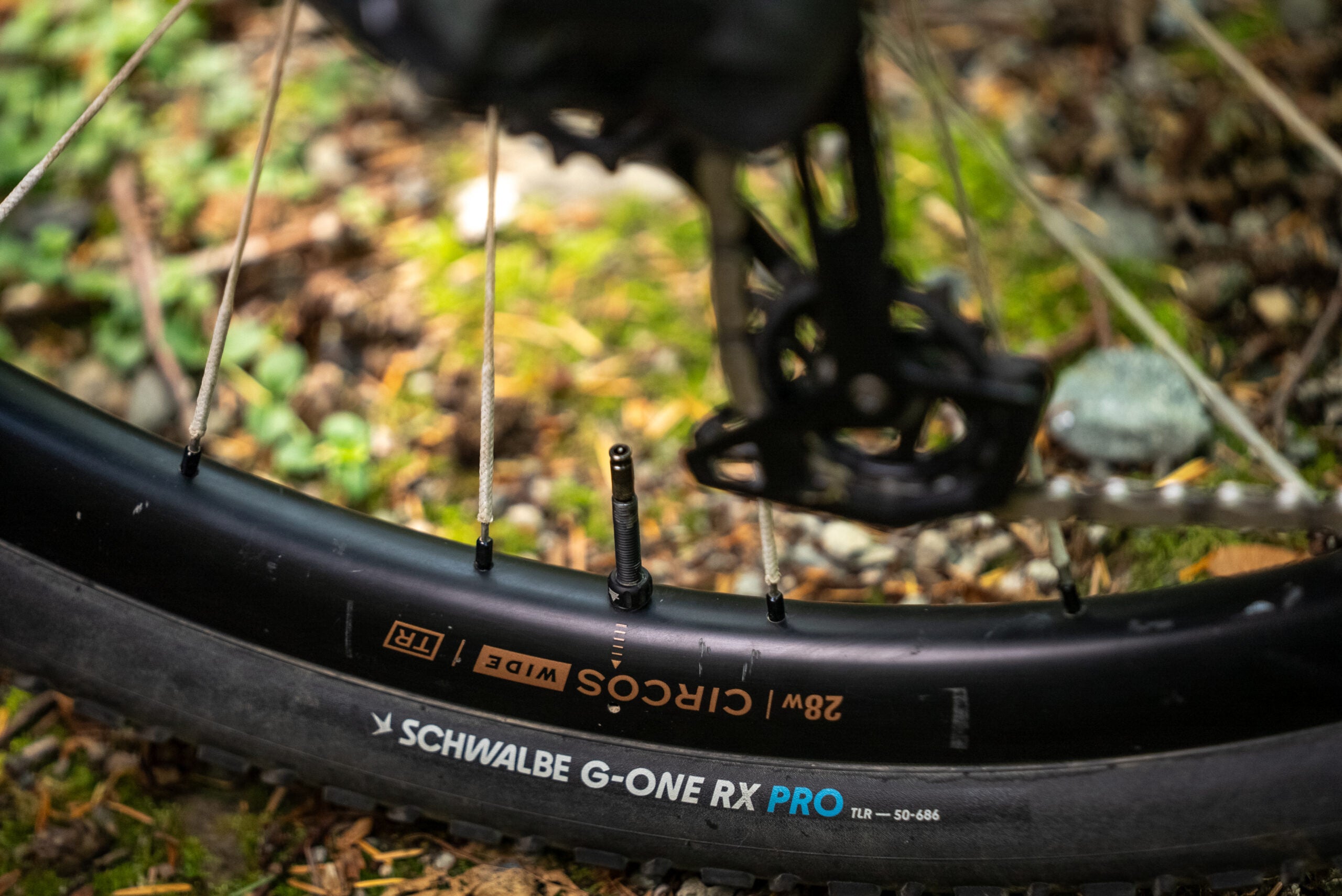
| Wheels | Teravail Circos Wide 32 Wheel |
| Tires | Schwalbe G-ONE RX 50 (control) |
| Price | $3,499 USD (frameset) |
| Weight | 20.9 pounds (9.52 kg) |
| More info | For more information, visit the Salsa website. |
This bike was featured in the Velo Future of Gravel Field Test. Watch all 3 episodes, streaming now!
- Episode 1: First impressions
- Episode 2: Head to head challenges
- Episode 3: The big ride
The Salsa Fargo 32 was the first 32-inch gravel bike to hit the market after it was unveiled at Sea Otter in the spring. The new Fargo is touted as a bikepacking-specific bike, which means it is a longer, slacker design than most gravel bikes.
ADVERTISEMENT
Those qualities also let Salsa tackle some of the challenges of 32-inch gravel bike design, while avoiding other, thornier geometry problems. Conveniently, that produces a platform that is well suited for bike packing. The slack head tube, long chainstays, and tall front end all offer distinct benefits to going long into unknown terrain. The 32-inch wheels also offer benefits, smoothing over some of the bumps and rough surfaces without adding the complications of a suspension system.
Nevertheless, in our testing, we primarily rode the bike as a straight-up gravel bike. For that use case, we quickly learned just how many pros and cons arise from the new wheel size standard.
What I like about the Fargo 32
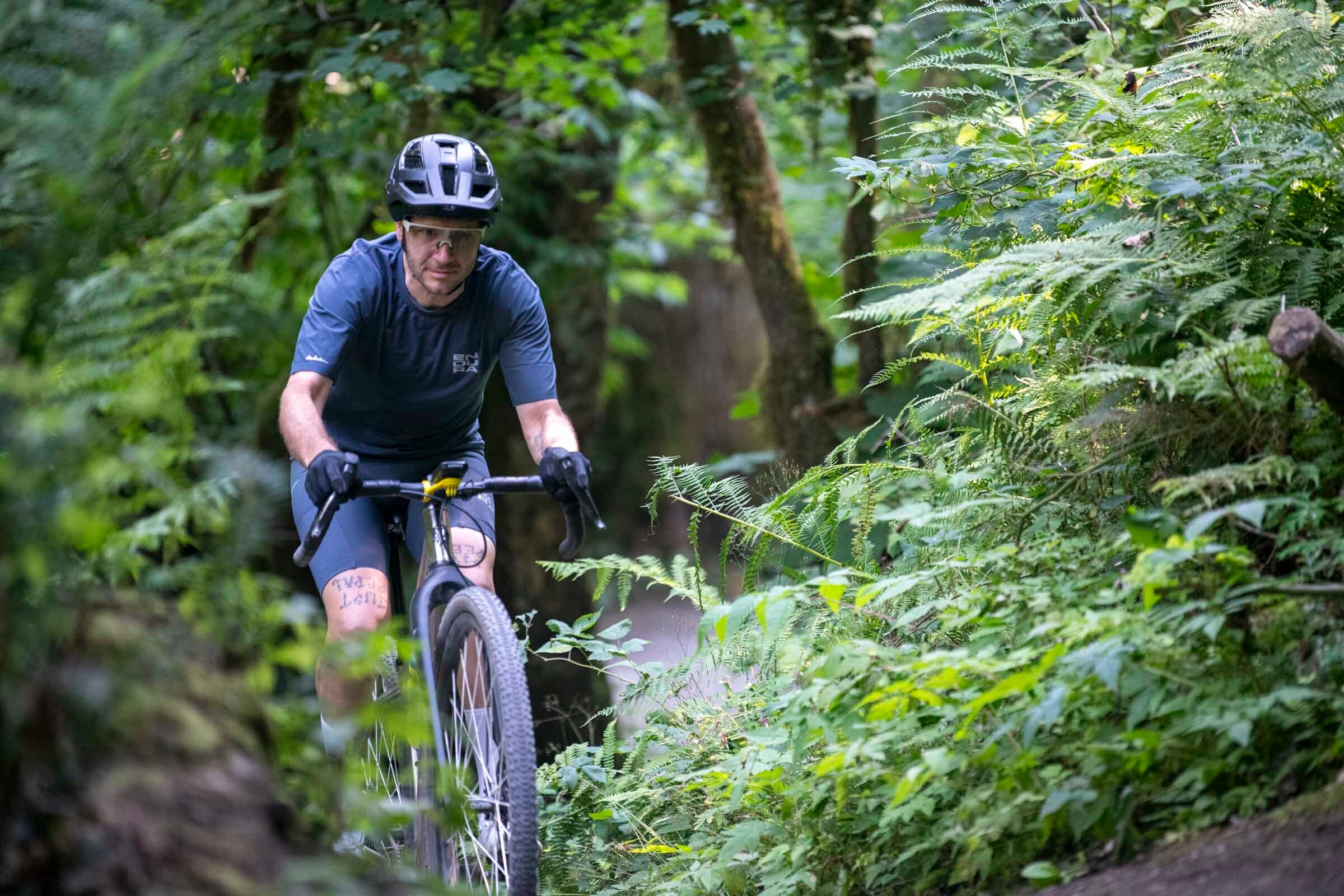
What I love about the Fargo 32 is that it exists! This is a bit of a tongue-in-cheek answer, but I mean it genuinely. If we as an industry are going to sort through what to make of 32-inch gravel bikes, we need 32-inch bikes to ride. And to be the first to market with a genuine, mainstream product is a risk, so big kudos to Salsa for that.
ADVERTISEMENT
In riding the bike, what I noticed straight away more than anything was better traction. Talk about rollover and stability all you want, traction is where the bike had the most tangible improvement over the other bikes in our Field Test. Since we were able to standardize tires across the range of the bikes we were testing, I noticed straight away how differently the tires were handling the mix of dirt, rock, and roots I encountered on the ride. I could really dig into turns and push the bike downhill with confidence. Braking traction stood out in particular as a huge benefit to the bigger wheels.
On paper, the number-one argument for 32-inch bikes is not traction. Roll-over and efficiency over rough terrain are most frequently cited as the biggest upside of 32-inch gravel. In our testing, I was a bit let down at first. It didn’t exactly feel smooth over many of the bumps that I thought it would. Yet, I think my expectations were too high. Thirty-two-inch wheels do not have suspension, after all.
After I got more time riding the Fargo, I found that roll-over benefit to be a bit more nuanced, presenting itself in more subtle ways. We rode a steep uphill trail that was punctuated by a tough rooted step-up three times with three bikes on our first impressions day. After failing the previous two reps, I cleaned the roots with relative ease on the 32-inch bike. The increased stability, increased contact patch, and the better roll-over all worked together to smooth out the roots, allowing me to power over the feature.
That, paired with the bike’s ability to take a few seconds off my downhill time without feeling like I was risking anything, left me with a great first impression of the Fargo, even if it didn’t quite sweep me off my feet as much as I thought it would.
ADVERTISEMENT
Those roll-over gains were further backed up in the climbing challenge, through a short, technical ascent where I was able to tackle a mix of gradients and surfaces. Despite the bike not being the lightest, nor the snappiest, the Fargo won the challenge. When I pushed uphill, the bike just held speed over things that bogged down every other option except the drop-bar mountain bike. I wasn’t able to be as precise in placing my front wheel; it didn’t matter. The bike would keep rolling.
It never really felt smooth, but that didn’t matter. It got the job done, and it preserved forward momentum better than the rigid 700c bikes, without a doubt.
What I don’t like about the Fargo 32
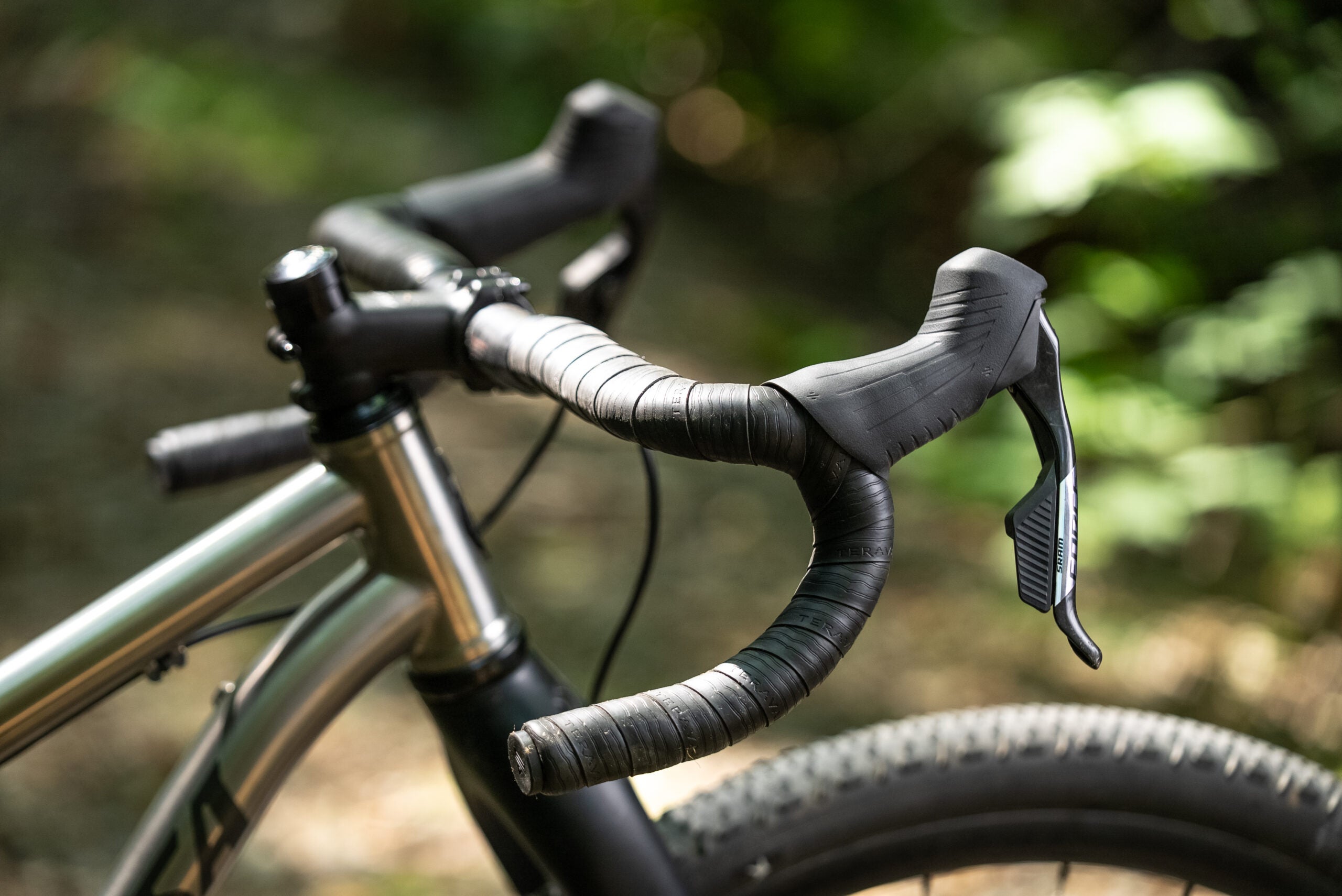
All of my issues with the Fargo relate to the inability to get into a true gravel bike position. For some, this simply won’t be an issue. Plenty of riders love the upright position that the bike requires. But for me, the front end was too high even though the bike was sized correctly.
The biggest aspect that limits Salsa’s ability to get the front end of the bike lower is the same aspect that has limited many early 32-inch bikes. Compared to 700c gravel bikes, where there are many carbon fork options to build steel or titanium frames around, there haven’t been 32-inch gravel forks to work with. Instead, early 32-inch gravel bikes have used rigid 29-inch mountain bike forks.
ADVERTISEMENT
Those forks easily fit the bigger 32-inch wheels, but they have a much higher axle-to-crown length than necessary. That excessive axle-to-crown pushes the stack higher, forcing a higher riding position. There is a limit to how short a bike’s head tube can be.
That upright position is difficult in its own right, but with the added length and slack front end, the bike is not aggressive at all. The larger wheels certainly don’t make the frame feel any snappier. The result is the bike feels like it lumbers up to speed and struggles to hold pace on calm or smooth terrain.
Livability
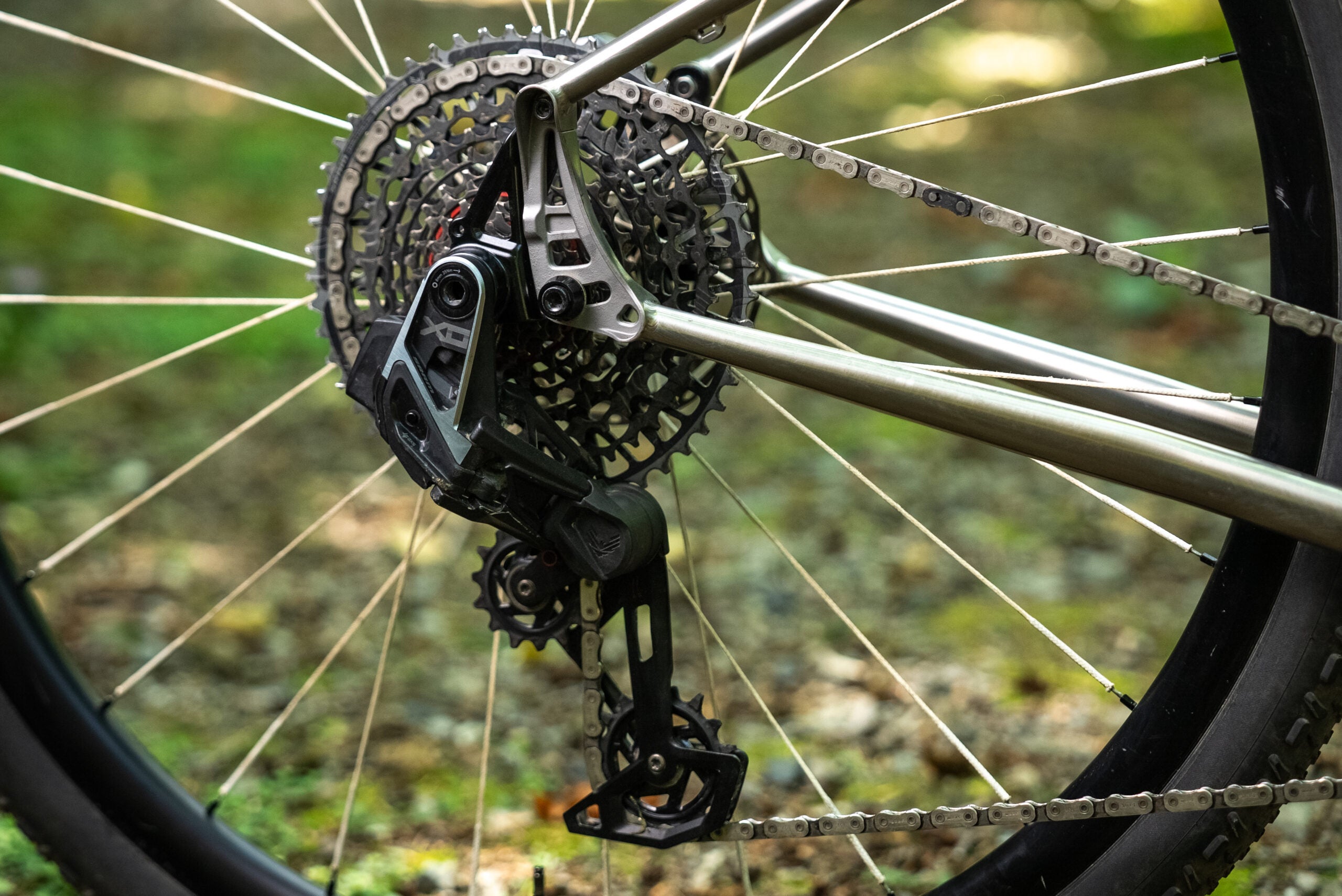
From an ease-of-use perspective, the Fargo 32 is fairly traditional. As you can expect from a bike-packing-centered bike, the frame is built to be configured in a few different ways. All the cables and hoses are externally routed. The seatpost has a conventional 27.2mm seatpost with dropper post compatibility. On the front end, the fork is suspension-corrected. Altogether, the bike has been built to be a modular 32-inch bike built for riders to explore 32-inch wheels on their own terms.
ADVERTISEMENT
One of the trickier aspects of the move to 32-inch gravel bikes is the lack of a solidified standard for thru-axle spacing. The Fargo 32 uses 110mm Boost front spacing and 148mm Boost rear spacing. That mix-and-match is key to knowing if you are looking for the right wheelset.
Who is the Fargo 32 for?
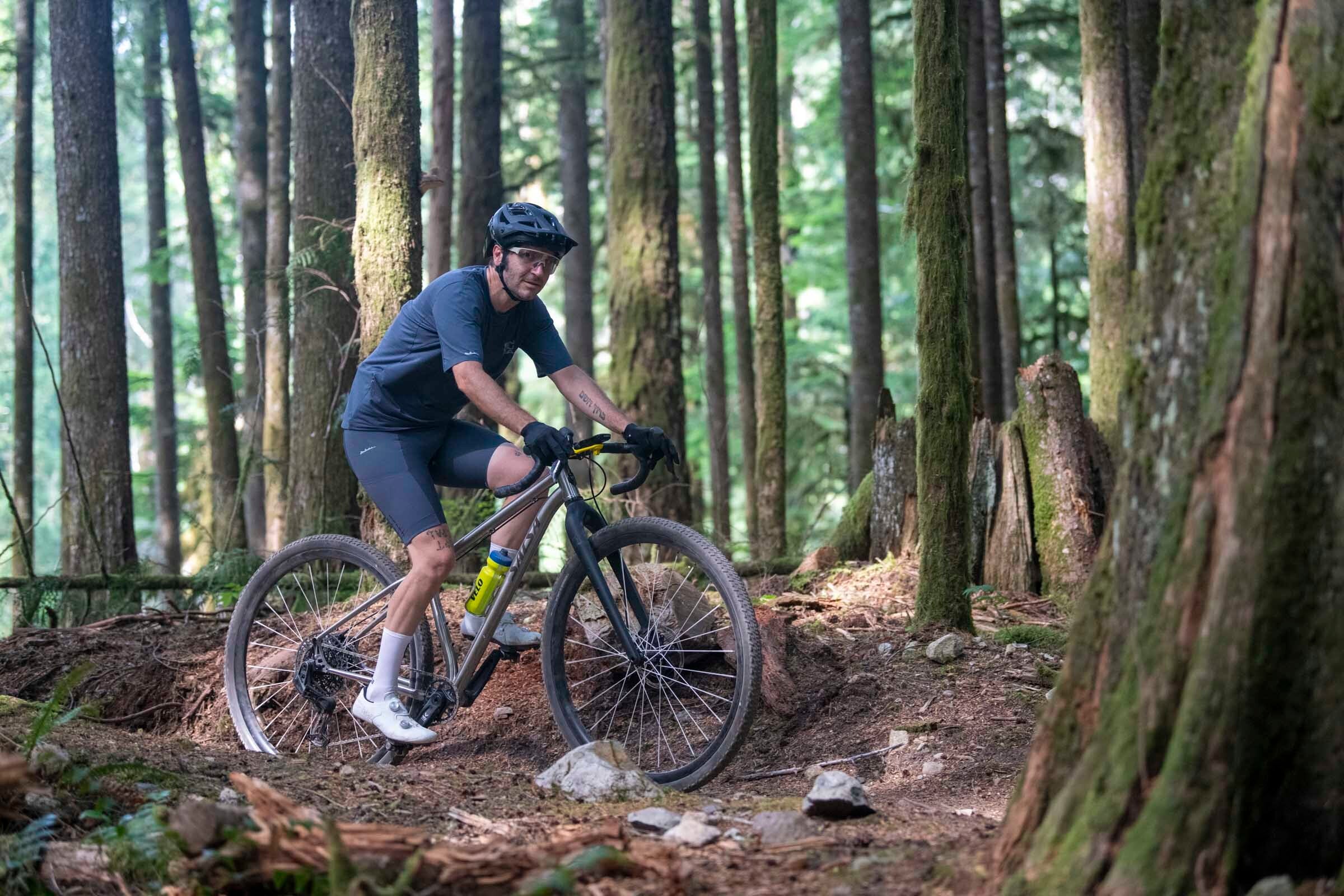
The Fargo 32 is a bike that is great for those looking to go far and those chasing unknown terrain. The bike is not made for speed, but certainly comes into its own the longer the ride. Its relaxed geometry makes it easy to handle, even after a long day. The improved traction from the 32-inch tires provides a bigger margin for error when things get rowdy, another benefit for riders taking on long hauls.
More than anything, what the 32-inch wheels provide the Fargo is a wheel system that can handle whatever is thrown at it. Even compared to suspension, which will always be a little bit wonky on pavement, the bigger wheels just make for a bike that can keep its head above water when things get unpredictable. In bikepacking, where even refined routes can get hairy quickly, that extra capacity can be a huge benefit.