Published November 2, 2026 08:50AM
Obed GVR Review: A Progressive Gravel Race Bike Built for the Rough Stuff
The new offering from the brand is focused on the rougher side of gravel racing and riding.
Pros
Progressive geometry to accentuate stable, controlled handling
Suspension-corrected front end
Designed for easy maintenance and component compatibility
Cons
No rack/fender mounts or internal frame storage
Less dynamic compared to other large clearance gravel bikes on the road
Heavy when built with a suspension fork
Obed GVR Specifications
| Components | Details |
| Frameset | Obed GVR, |
| Drivetrain | SRAM Red XPLR |
| Gearing | 42t chainring, 10-46t cassette |
| Handlebar/Stem | FSA K-Wing |
| Wheels | Easton EC90 ALX |
| Tires | Schwalbe G-ONE RX, 50 mm (control) |
| Price | $9,075 |
| Weight | 21.1 pounds (9.5kg) |
| More info | For more information, visit the Obed website. |
This bike was featured in the Velo Future of Gravel Field Test. Watch all 3 episodes, streaming now!
- Episode 1: First impressions
- Episode 2: Head to head challenges
- Episode 3: The big ride
What distinguishes a gravel race bike from a gravel adventure bike changes all the time. More than any bike in our field test, the Obed GVR gravel bike sat right on the divide. Depending on your perspective, the classification of what the GVR is can swing between those two ends.
ADVERTISEMENT
Ultimately, that isn’t really Obed’s fault. If anything, it speaks to how scattered the gravel bike market is when it comes to producing fast gravel bikes. The Obed GVR knows what it is, and that is a true progressive gravel race bike.
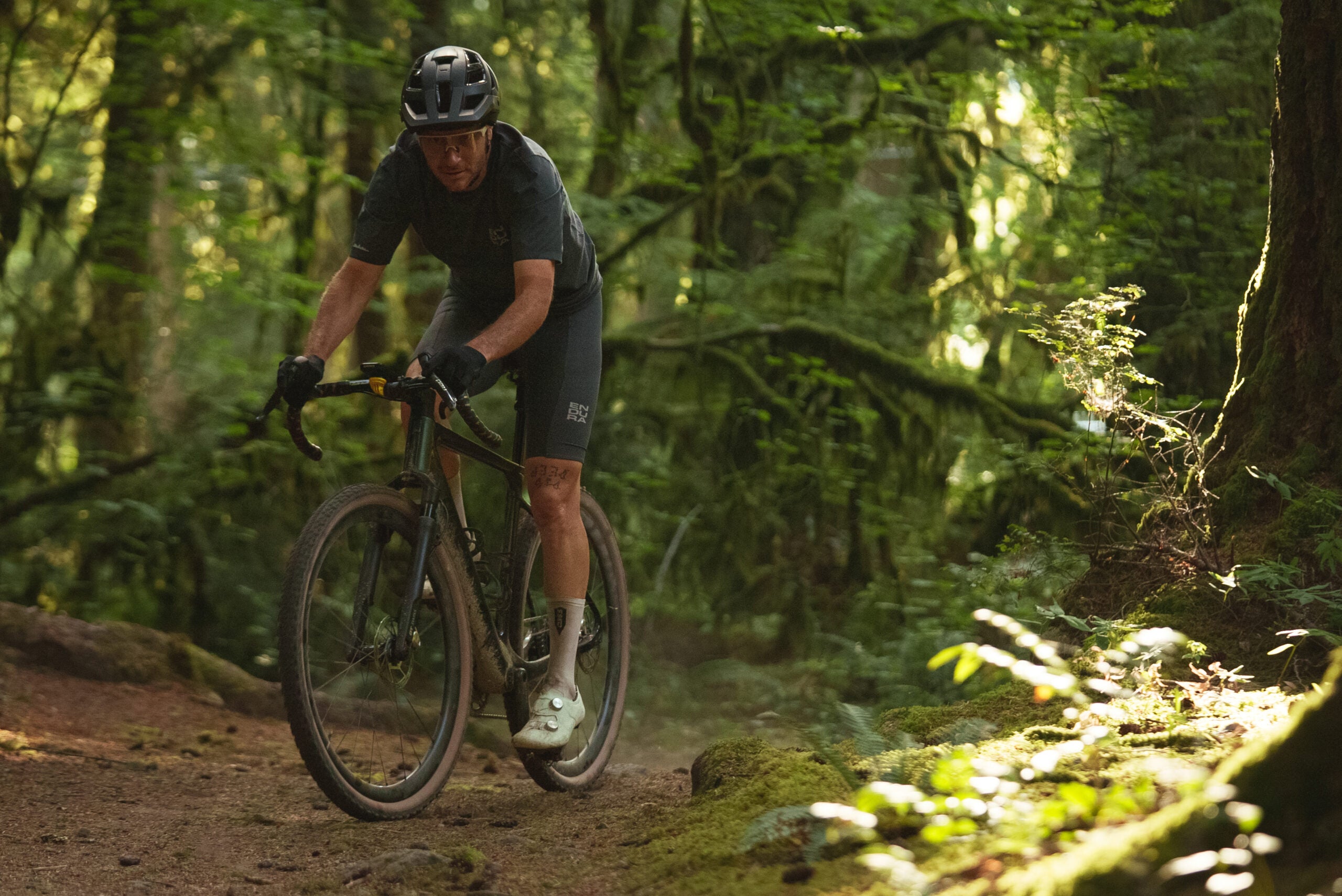
On paper, that progressive attitude is most prevalent in tire clearance. Like many other new gravel bikes, the GVR has bumped up its capacity to clear 2.2-inch tires, but it also builds around front suspension, 1x and 2x gear setups, and a full slate of customizable build options since all Obed bikes are direct-to-consumer and built up for each customer.
All told, the GVR is about as forward-looking as self-described gravel race bikes come, while still preserving aspects of customizability that other pure gravel race bikes lack.
ADVERTISEMENT
What I like about the Obed GVR
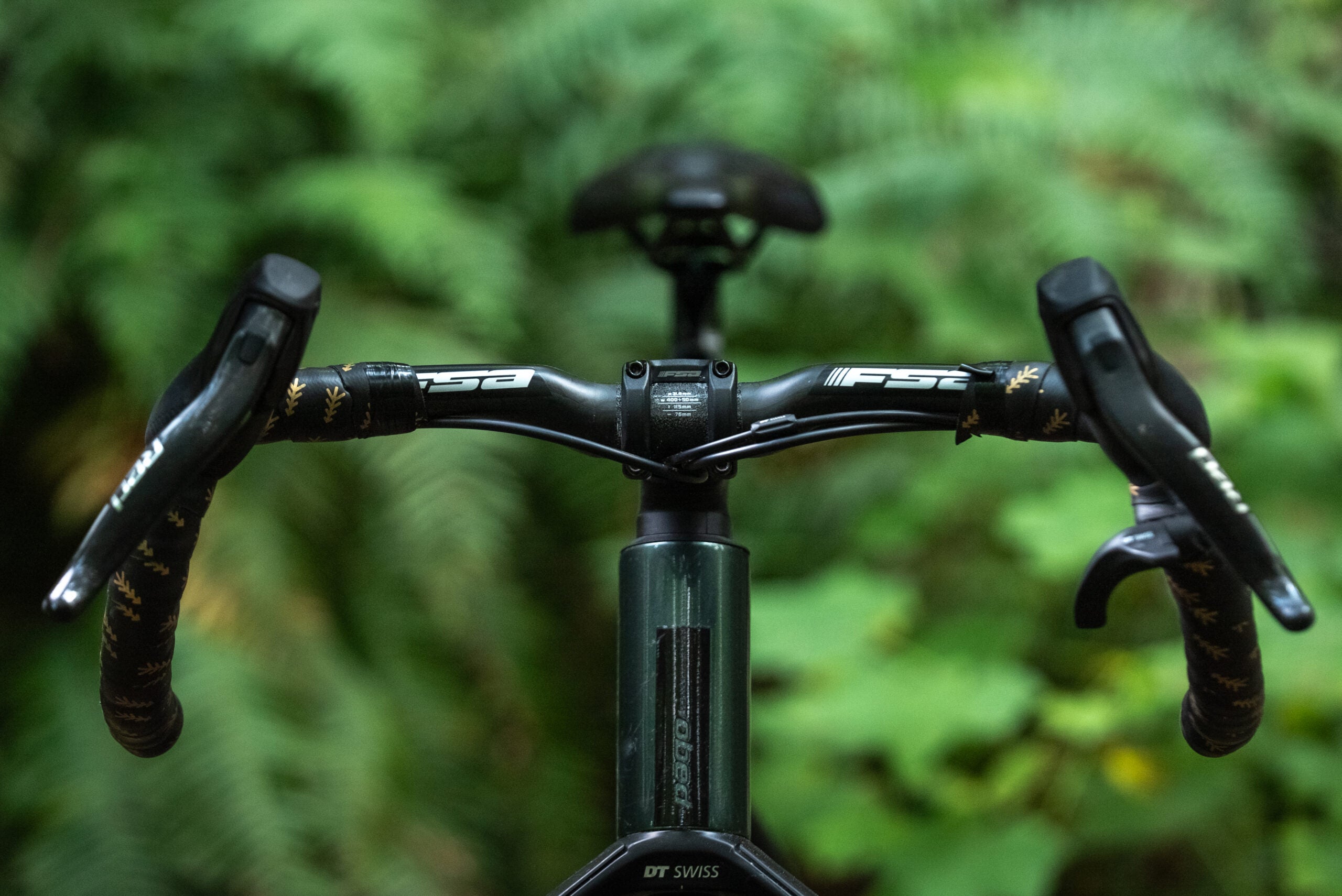
Obed has built the GVR explicitly around 50mm tires, with ample clearance up to 2.2 inches. Of course, the GVR is not the first bike to do this—700×2.2-inch clearance has been around for years—but it is embracing that tire size rather than just accommodating it. Compared to other frames that are trying to hold onto all-road capacity, the GVR leans into its clearance capacity with a geometry that truly fits it.
From the front to the back, the bike is built around providing a stable yet nimble mix of characteristics that is the staple of good modern progressive gravel bike geometry.
ADVERTISEMENT
At 1,056mm of wheelbase for the medium frame we tested, the GVR is a rather long gravel bike. That length is fairly well balanced, as the front center stretches to a reasonable 636 mm while the chainstay comes in at 430mm. While the term progressive gets thrown around quite often, the GVR truly embraces that future-oriented perspective. Beyond the longer chainstays, the GVR gets much of its length in the front half of the bike through a decently long reach of 400mm and a fairly slack front end with a 70.5° headtube angle and 53mm fork offset.
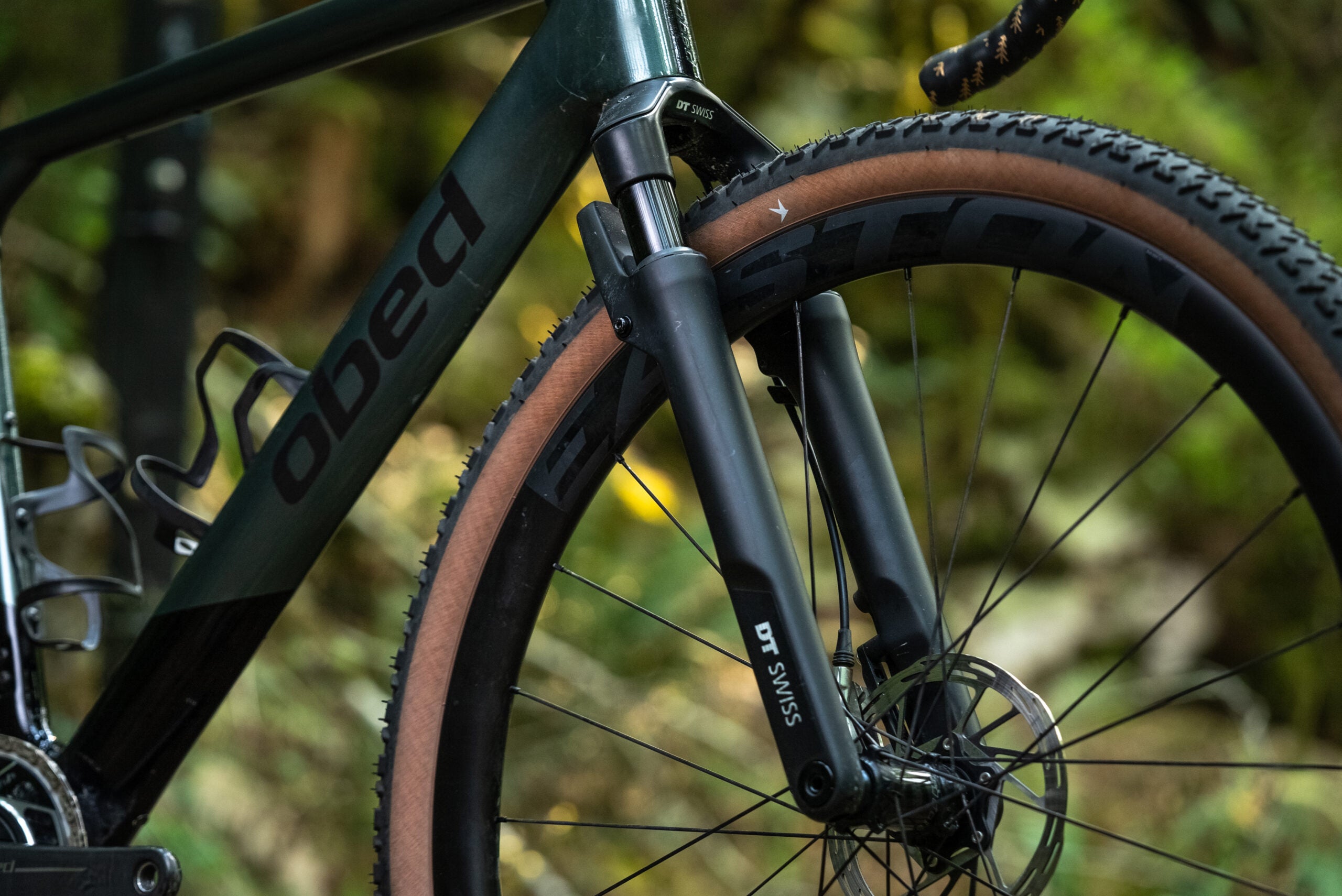
Straight away, this mix of geometry features produced a bike that climbed very well. On the uphills, the long wheelbase allowed for me to turn my brain off and pedal. The DT Swiss suspension fork also added to the climbing ease as its firm remote lockout was easy to use with my hands on the hoods, allowing me to flip between rigid and soft settings depending on the surface.
Obviously, the number one thing to point to when considering how a bike climbs is weight, but in gravel, it is certainly not the only variable. Climbing on gravel requires constant line choices, micro movement, traction control, and small accelerations. All of this together, paired with a decent weight, made the bike feel well-suited to off-road climbing.
ADVERTISEMENT
The longer geometry, especially on the rear end of the bike, provides massive handling upside. Not only does the bike hold traction on loose, steep downhills, it also retains stability even at high speed.
What I don’t like about the Obed GVR
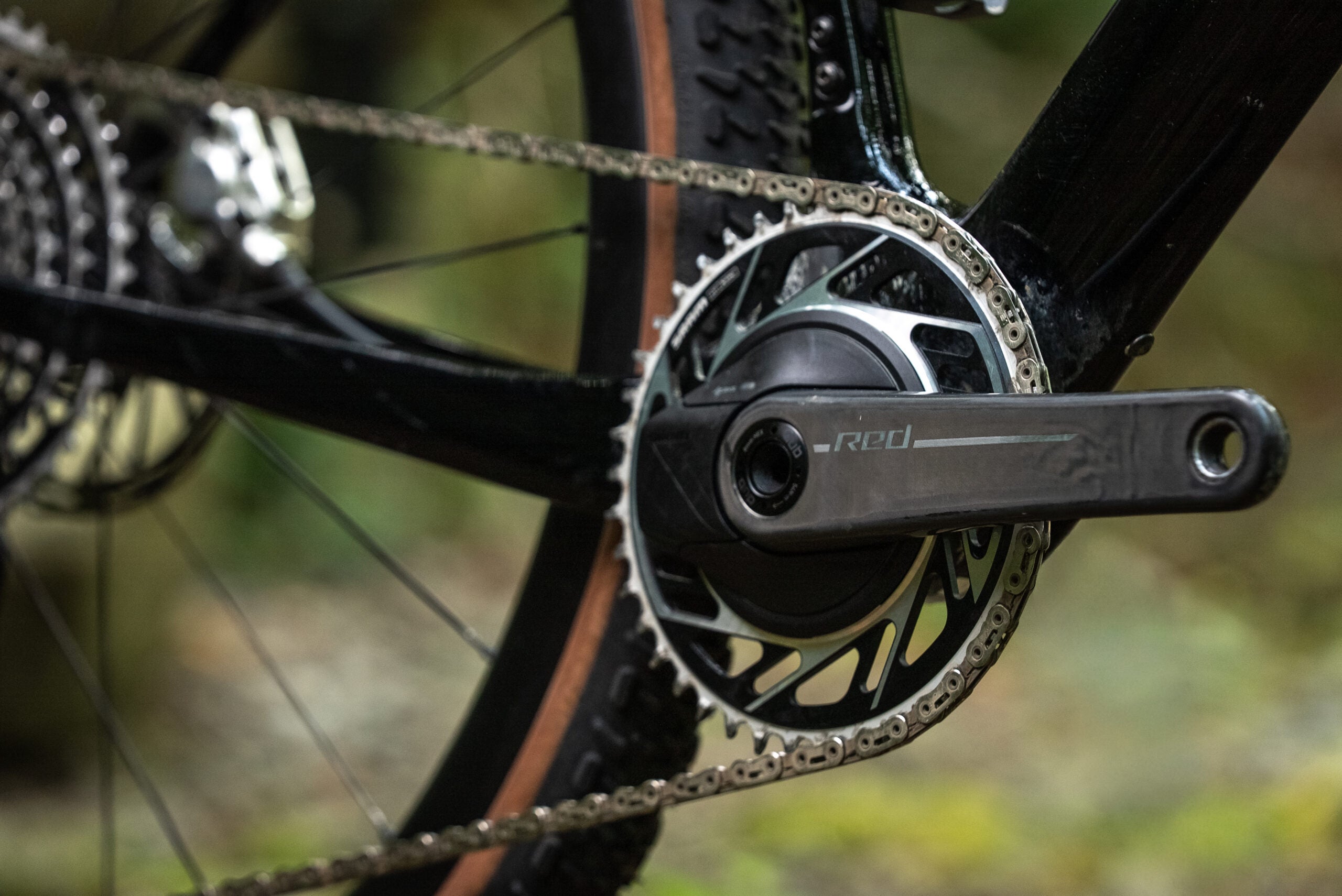
Throughout my time on the GVR, most of my nitpicks were down to some of the dimensions of components that buyers of the bike would be able to make their own. Once I was able to swap those components out, I felt that the bike suited my style quite well.
With the big tires, the only direct downside of that increased clearance is what appears to be limited chainring clearance on the frame. The test bike I rode came with a 42t chainring, and it did not have a ton of room for more teeth. A 44t ring would have worked, but a 46t ring would be pushing the clearances on the chainstays a bit.
ADVERTISEMENT
Pairing the frame geometry, big tires, and a smaller chainring, the Obed GVR is far from an all-road option. All of those factors added up to the GVR feeling a bit lackluster on the road compared to how balanced the bike feels off-road.
Nevertheless, these are necessary trade-offs in gravel bikes. There is no such thing as a gravel bike with road bike handling that can unlock the full capacity of 2.2-inch tires.
Livability
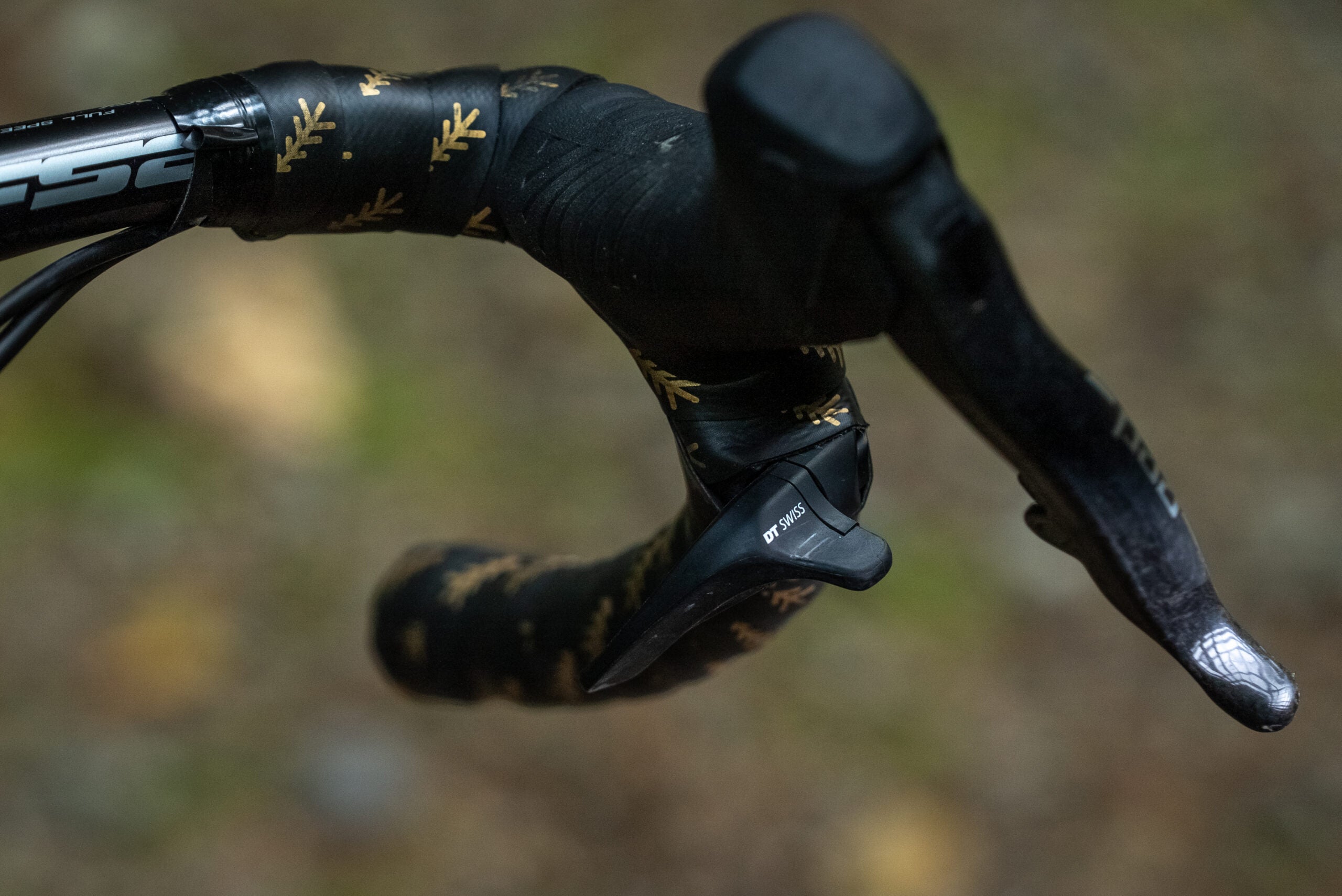
One of the best aspects of the GVR is how customizable it is. By virtue of Obed’s direct-to-consumer model, virtually all the components can be swapped to the rider’s specifications. Yet, even beyond the components, the frame itself has broad functionality. In terms of frame features, Obed seemed to take a “yes, and” approach.
UDH? Yes, and a cable port for either a cable or a Shimano Di2 wire for 2x configurations.
Mounts? Yes, and there are extra places to mount more bottles or accessories on both sides of the top tube.
Integrated cockpit? Yes, and there is the option to run a semi-integrated system as well.
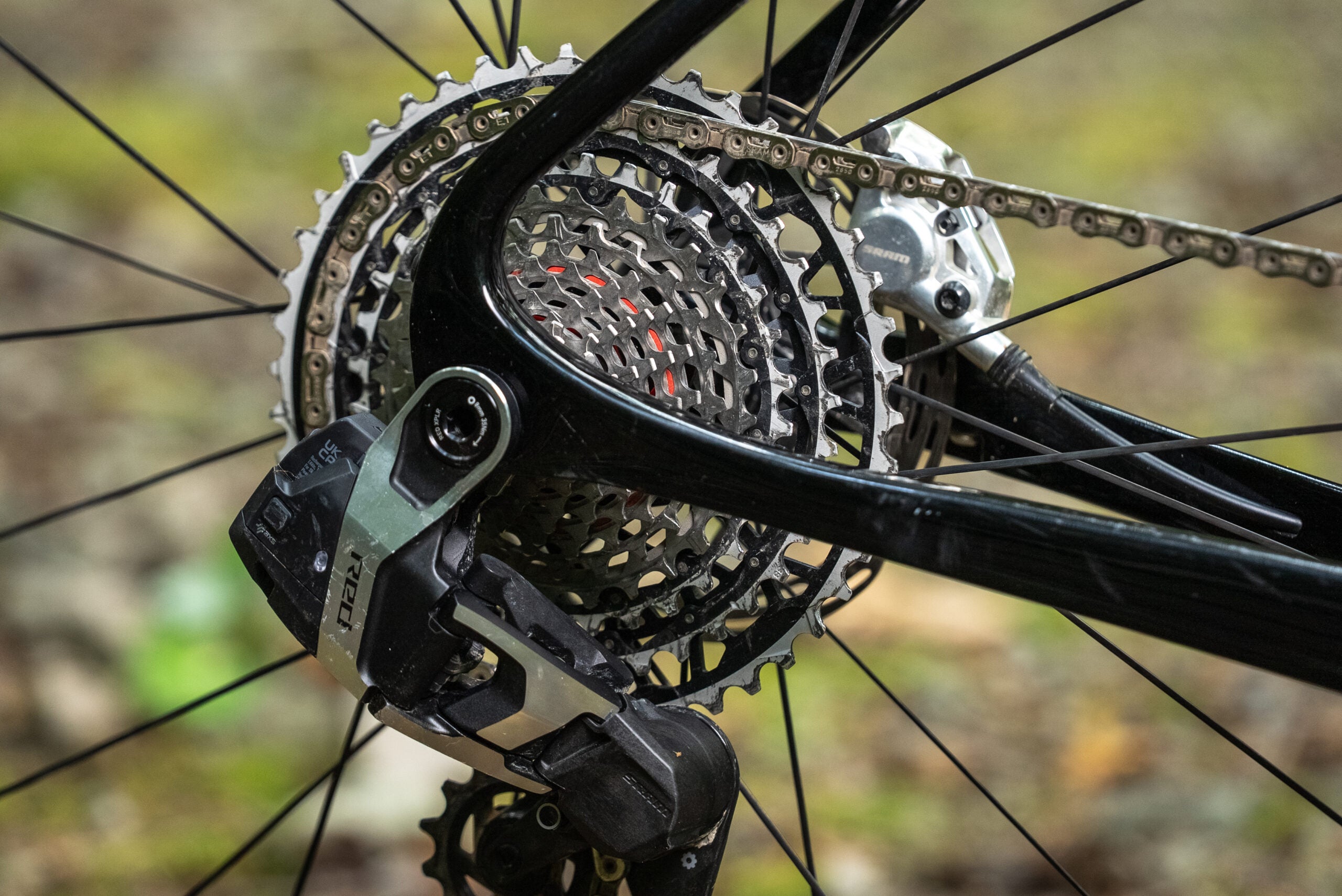
The GVR also uses a T47 bottom bracket, which is representative of the bike’s general livability. The T47 is becoming more and more standard on gravel bikes, and Obed certainly chose that bottom bracket standard in an effort to be more with the crowd than against it.
ADVERTISEMENT
There are limits, however, as the frame does not have mounts for a rack, fenders, or internal frame storage. For some, that is a knock, but from the perspective of this as a gravel racing bike, it fits with the overall philosophy of the bike.
Who is the Obed GVR for?
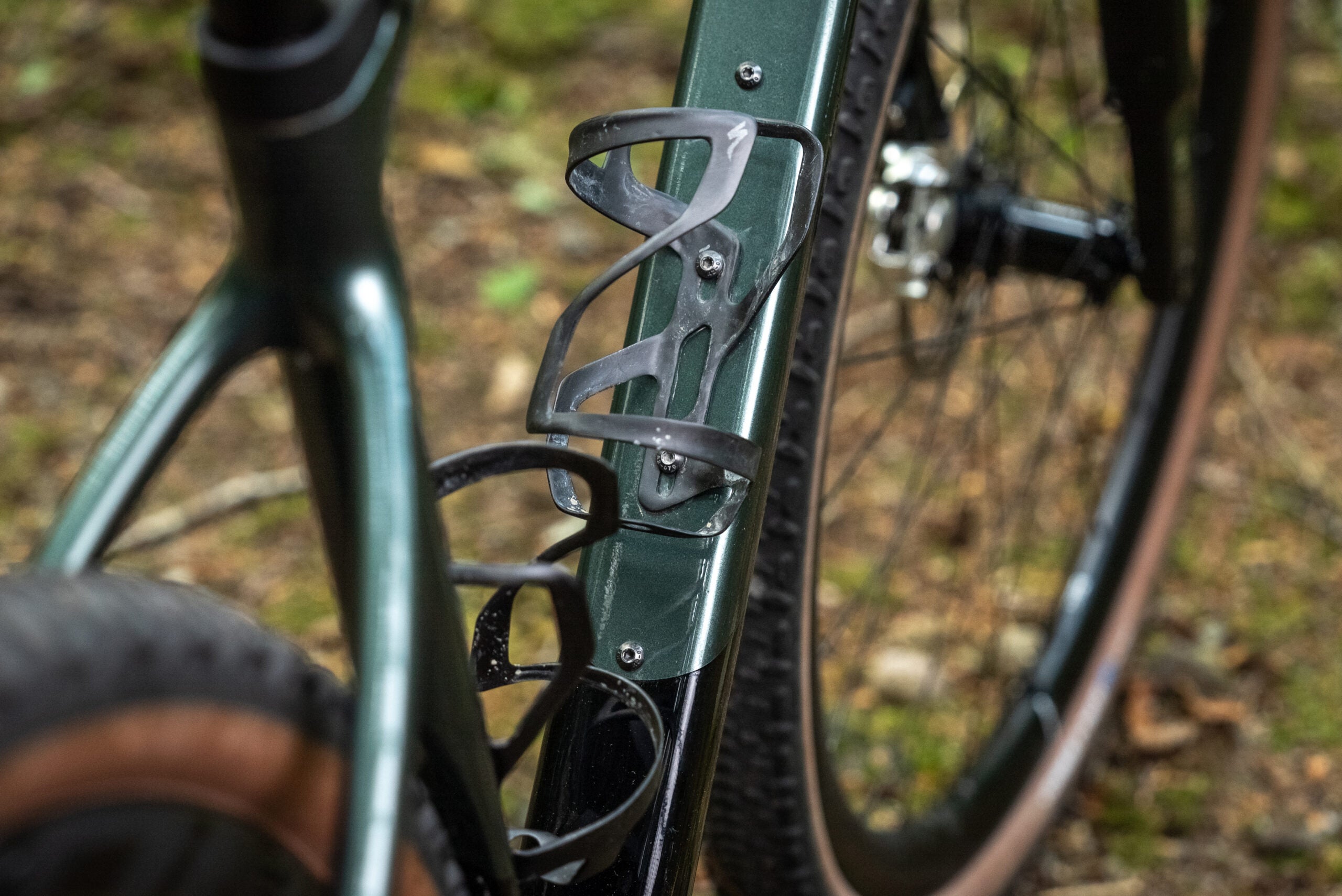
The Obed GVR is a bike built for those who want to ride a lot of gravel and to ride it hard. The stable, long geometry makes a massive difference in handling. The DT Swiss suspension fork adds to that handling upside.
Pair that with a strong pedaling platform and subtle aerodynamic shaping, and the GVR is a strong racing option without much downside. The downsides that do exist are in the bike’s ability to be an all-rounder or a jack of all trades.
Yet, if you are looking for a modern, fast gravel bike for racing or rowdy one-day adventures, the GVR is a fantastic option.