Updated April 9, 2026 04:56PM
First Ride: It's Hard to Find Flaws with the New Obed GVR
The direct-to-consumer gravel bike from the Chattanooga brand dances dutifully on the line between gravel racing and adventure capacity.
Pros
Progressive geometry to accommodate a long, rowdy day on the bike
Suspension corrected front end
Designed for easy maintenance and component compatibility
Cons
No rack/fender mounts, or internal frame storage
Not as dynamic as other similar gravel bikes on the road
Specs
Size tested: M
Weight: 21.1 pounds / 9.5kg (Size M)
Price: $9,075 MSRP, $2,599 MSRP for the frameset with a conventional fork
Brand: Obed
Verdict
While you might not recognize the brand name, Obed has delivered a bike that meets the modern demands of the sport and should be taken seriously as one of the best gravel bikes on the market.
What distinguishes a gravel race bike from a gravel adventure bike is a moving target these days. Accordingly, where the new Obed GVR gravel bike sits on that semantic divide can swing between those two ends depending on what the rider is looking for.
Obed is marketing the bike as an out-and-out racing bike, yet I would argue the configuration I rode is more on the adventure side of the spectrum. Regardless, even with just one solid ride on the gravel bike, what is clear is that the Chattanooga-based company has made a bike that can be compelling as both.
The Obed GVR is a new version of the company’s adventure-oriented gravel model and it comes with all the modern modifications, plus some exciting wrinkles. Clearance is the big change, as the GVR has bumped up its capacity to clear 2.2-inch tires, but it also builds around front suspension, 1x and 2x gear setups, and a full slate of customizable build options since all Obed bikes are custom and direct to consumer. Additionally, that custom platform also extends to colors, as there are options for up to 25 different color options.
ADVERTISEMENT
From my ride, what was clear was two-fold: one) all of my nit-picks about the bikes were from choices customers would be able to make differently from the get-go; and two) the bike is an incredible mix of speed and adventure-capacity.
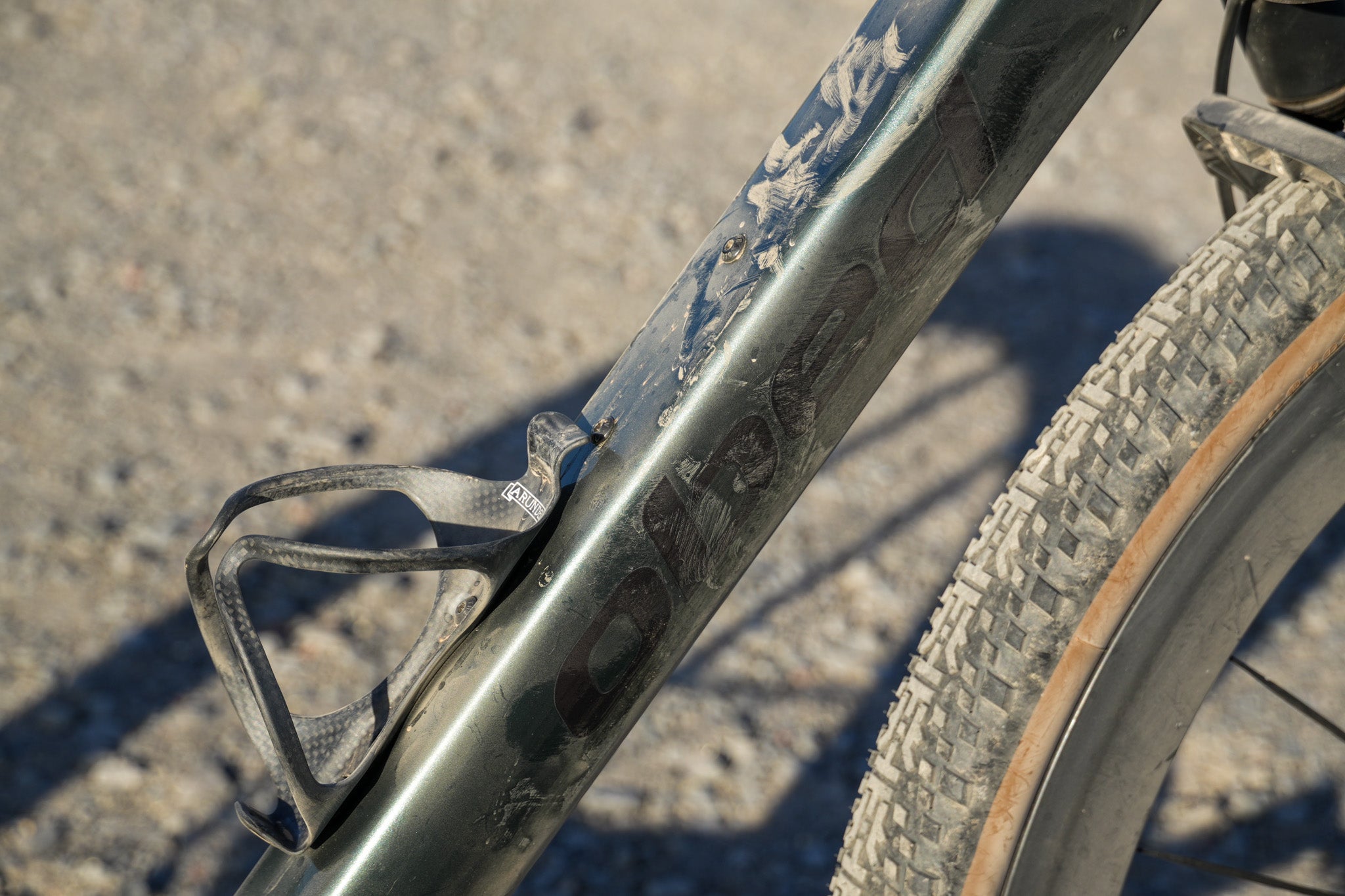
Quick hits: 7 key details about the Obed GVR
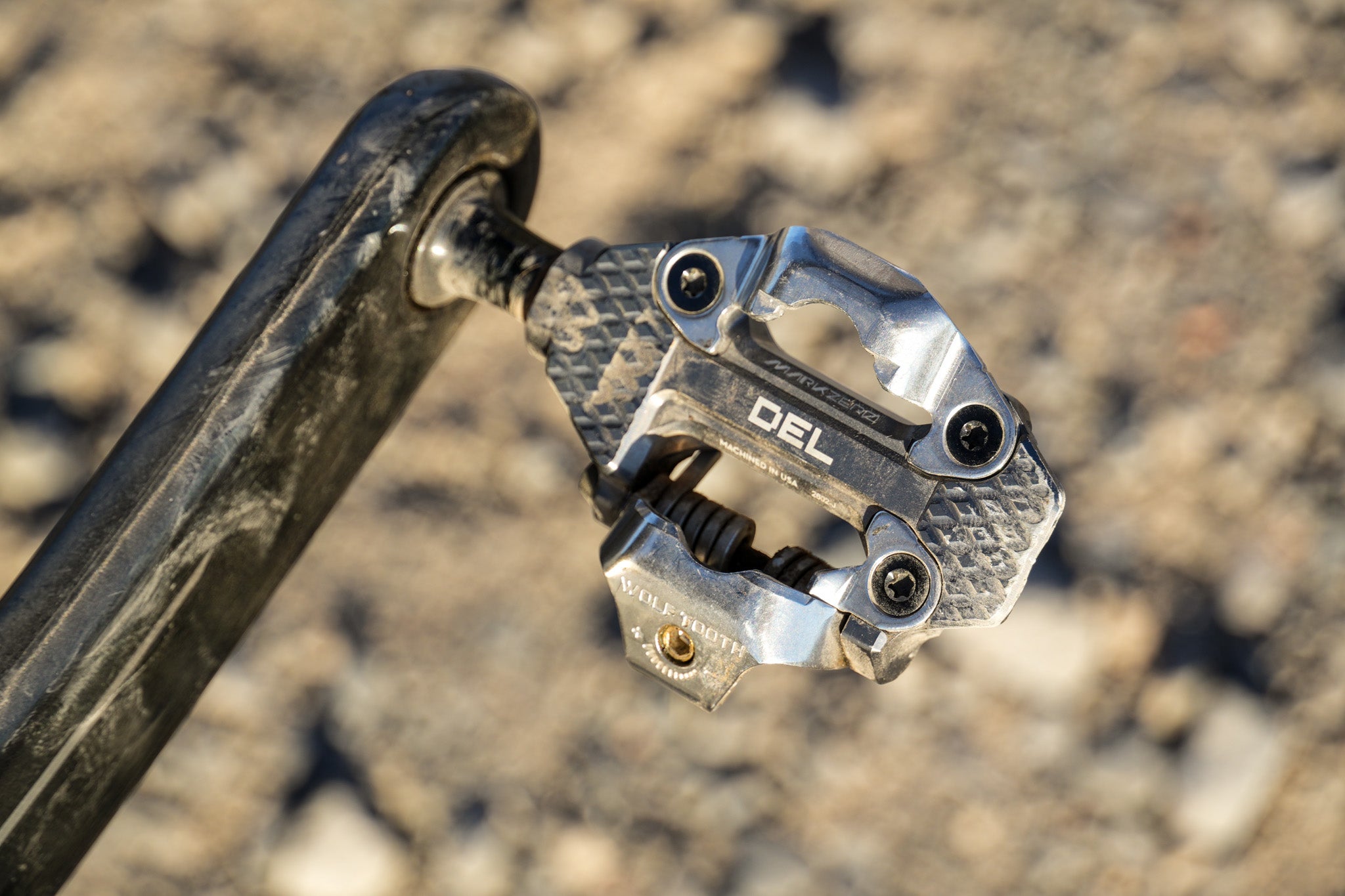
- 21.1 pounds (9.5kg) ready to ride, including carbon bottle cages and Wolf Tooth Mark Zero DEL pedals
- Exclusively direct to consumer
- 2.2-inch (56mm) maximum tire clearance
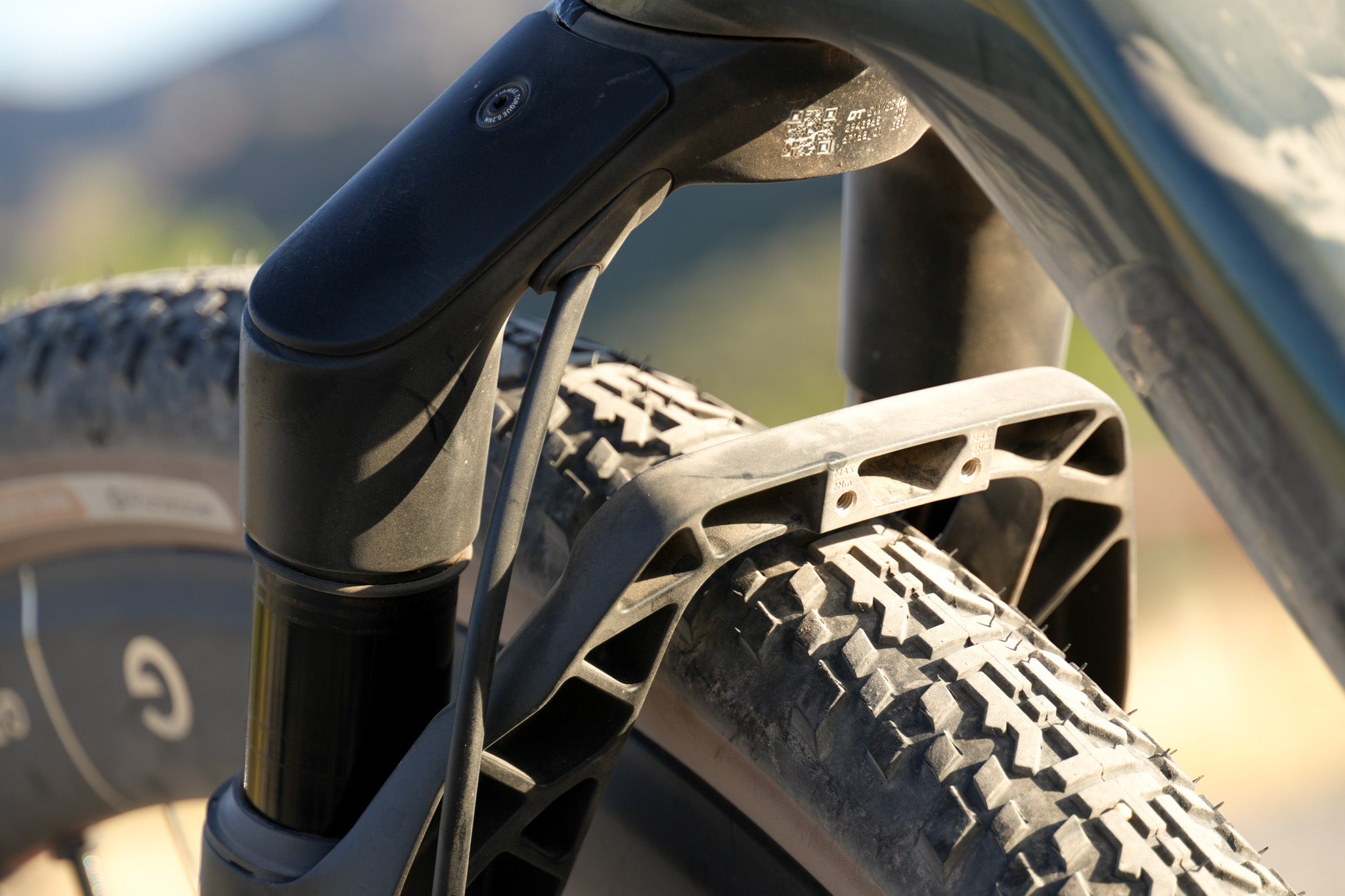
- Available with the DT Swiss F 132 One suspension-fork, previously only available on Canyon bikes
- 886 grams for size M frame, excluding paint and hardware
- Aerodynamic tube shaping throughout the bike, optimized for wide tires
- Conventional spec lists including a semi-integrated cockpit, T47 BB, UDH, 27.2mm seat post
- For more information visit the Obed website.
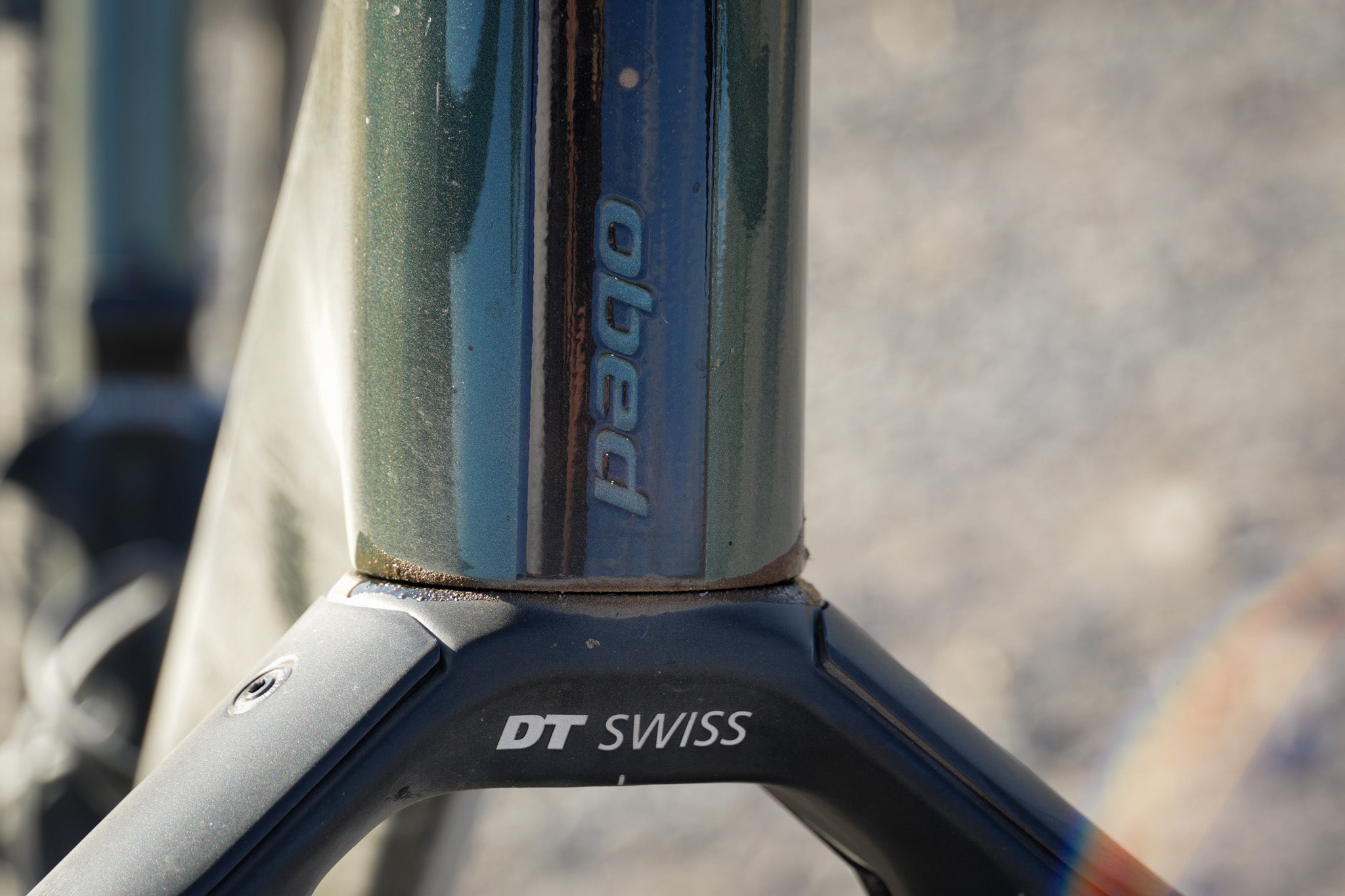
Obed GVR frame details
The GVR is about as true to the biggest trends in gravel as a 2026 gravel bike can be. For many gravel enthusiasts, this will be close to the platonic ideal of what a modern gravel bike should be. Obviously, that starts with tire clearance.
Obed has built the GVR explicitly around 50mm tires, with ample clearance up to 2.2 inches, or 56mm, to keep things consistent. Of course, the GVR is not the first bike to do this — 700×2.2-inch clearance has been around for years — but it is fundamentally embracing that tire size in totality. Compared to other frames that attempt to hold onto all-road capacity or retain illusions of “snappiness” of the bike through token short chainstay lengths, the GVR leans into its clearance capacity with a geometry that fits around wide tires.
ADVERTISEMENT
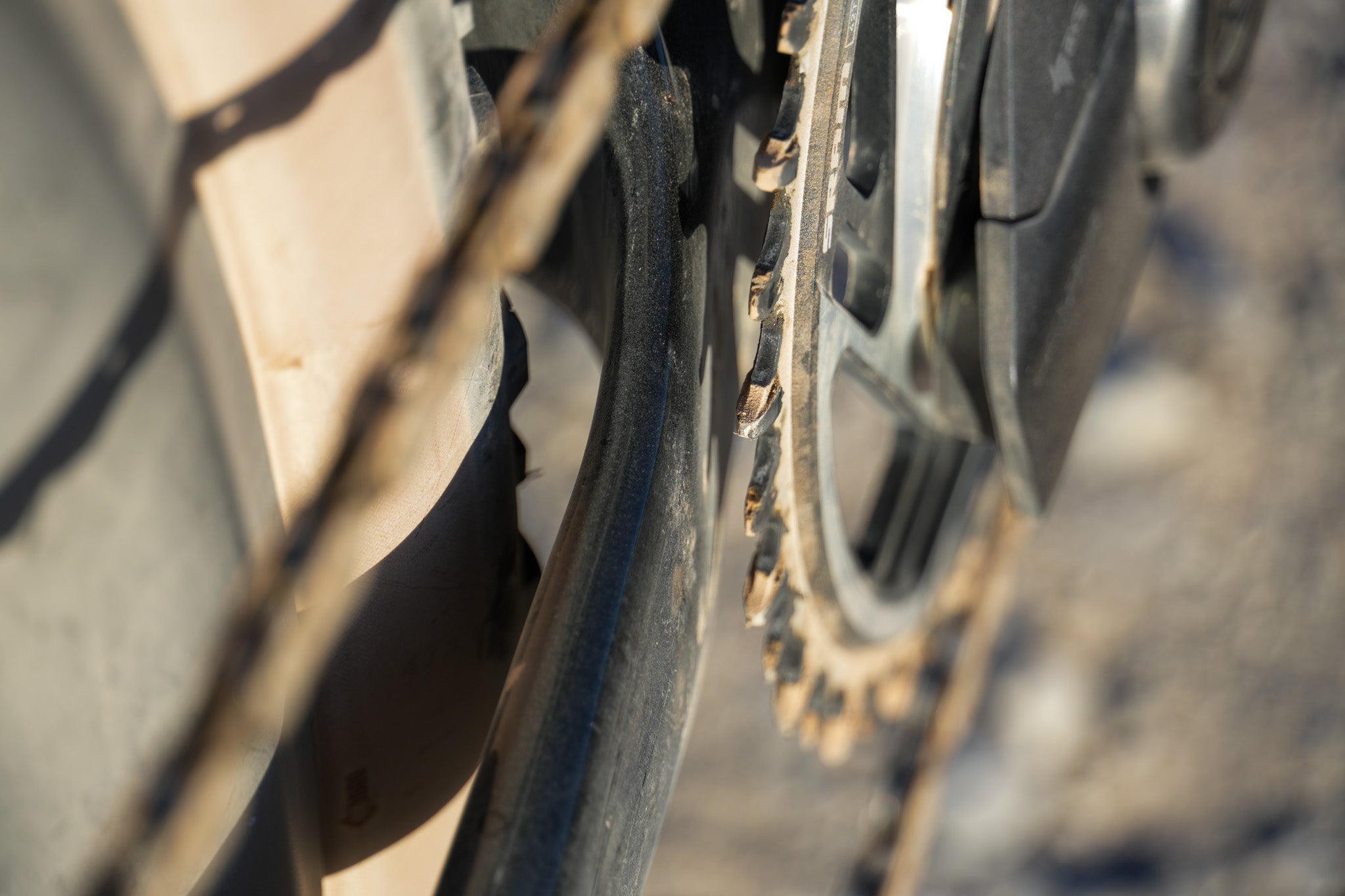
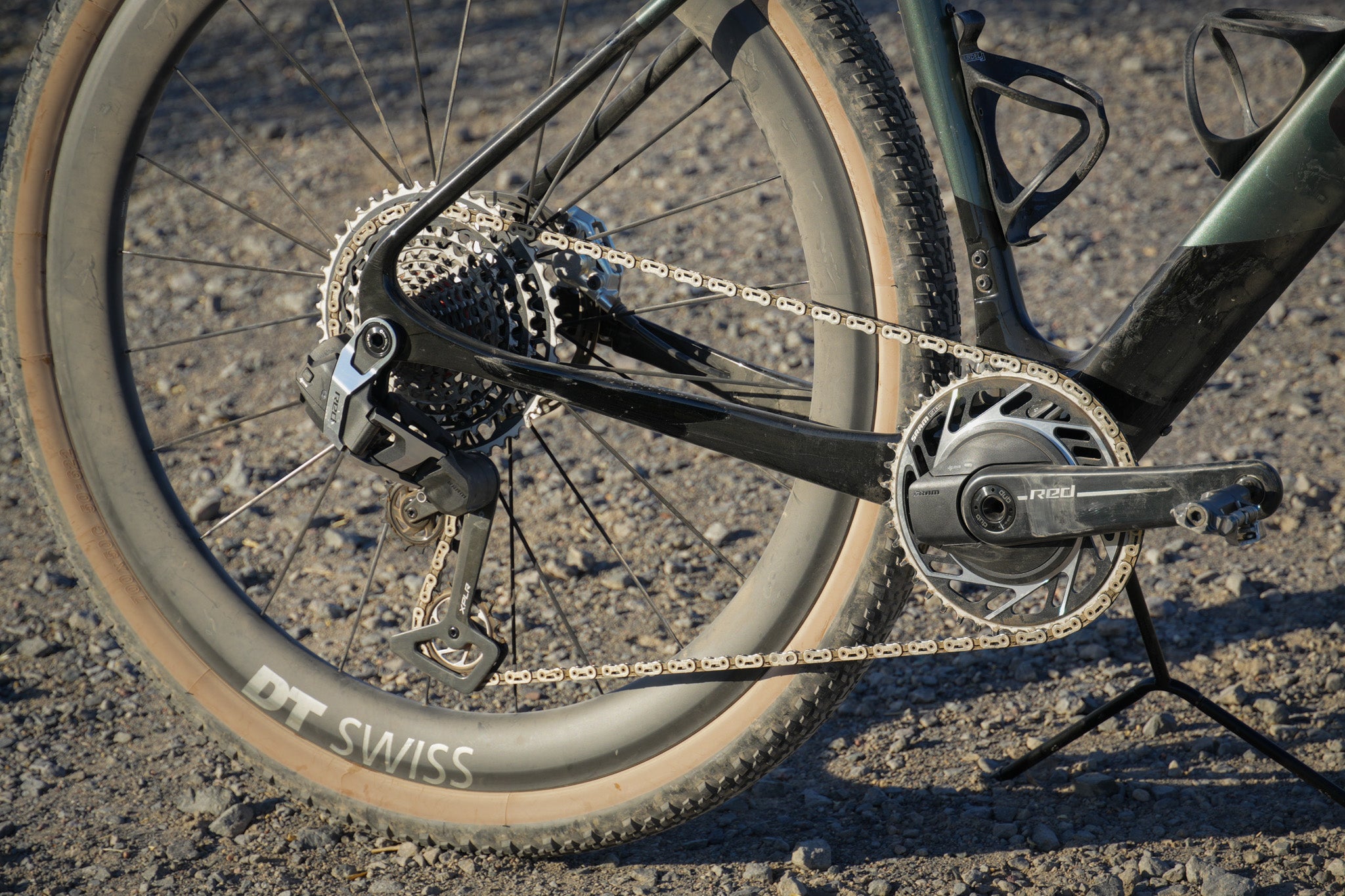
The only direct downside of that increased clearance is what appears to be limited chainring clearance on the frame. The test bike I rode came with a 42t chainring, and it did not have a ton of room for more teeth. A 44t ring would have worked, but a 46t ring would be pushing the clearances on the chainstays quite a bit.
From the front to the back, the bike is built around providing a stable yet nimble mix of characteristics that is the staple of good modern progressive gravel bike geometry.
What became clear right from even before I rode the bike is how long the bike’s stance is. I drove to the start of its big first test ride, and when I put it on the roof rack of my car, the rear wheel sat almost as far back as my full-suspension, 120mm of travel mountain bike. With a wheelbase of 1,056mm for the size medium I tested, the GVR was one of the longer gravel bikes I have ridden.
ADVERTISEMENT
That length is fairly balanced, as the front center stretches to a reasonable 636 mm while the chainstay comes in at 430mm. The GVR is also true in its “progressiveness,” as it gets much of its length in the front half of the bike through a decently long reach of 400mm and a fairly slack front end with a 70.5° head tube angle and 53mm fork offset.
Like other large clearance gravel bikes, the GVR is both long and low. The BB drop is 73mm, which is fairly conservative compared to similar bikes like the Specialized Diverge and Allied Able, but I found that to be more than enough, as the length of the bike, especially from the front end, provided plenty of stability. While ultra-low bottom brackets do lower the center of gravity and improve traction, that can also make the bike feel big and cumbersome while climbing.
The bigger problem from having less BB drop for me comes from when the bike is trying to be either too short in the rear triangle or too steep on the front end, and the bottom bracket height contributes to that initial imbalance and makes the bike feel “tippy,” and the steep terrain feels scary. That is where the GVR feels accomplished. On the right terrain, it is a great mixture of measurements that strikes a very nice balance between absorbing impacts, providing traction, and being an active participant in the moments of finesse that are key for gravel bike handling.
ADVERTISEMENT
I will get into the ride and feel more in-depth later, but the balance felt apparent immediately, and it made the bike a joy to ride both on the technical climbs and descents of the route I picked.
Speaking of bottom brackets, the GVR uses a T47 bottom bracket, which is representative of how the bike is constructed overall. The T47 is becoming more and more standard on gravel bikes, and Obed was wise to choose that bottom bracket standard in an effort to be more with the crowd than against it. Throughout the checklist of frame features, Obed seemed to go through with a “yes, and” approach.
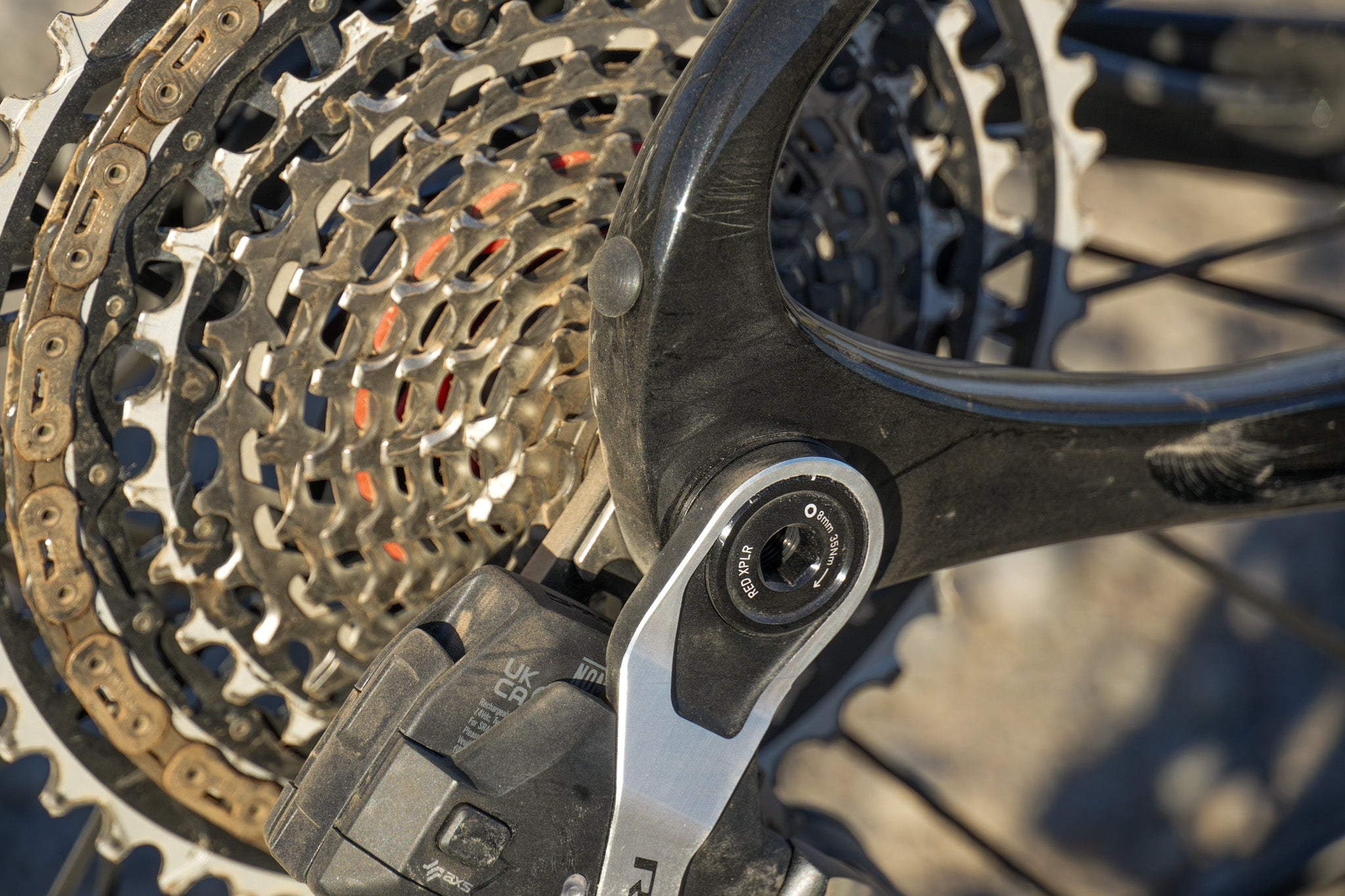
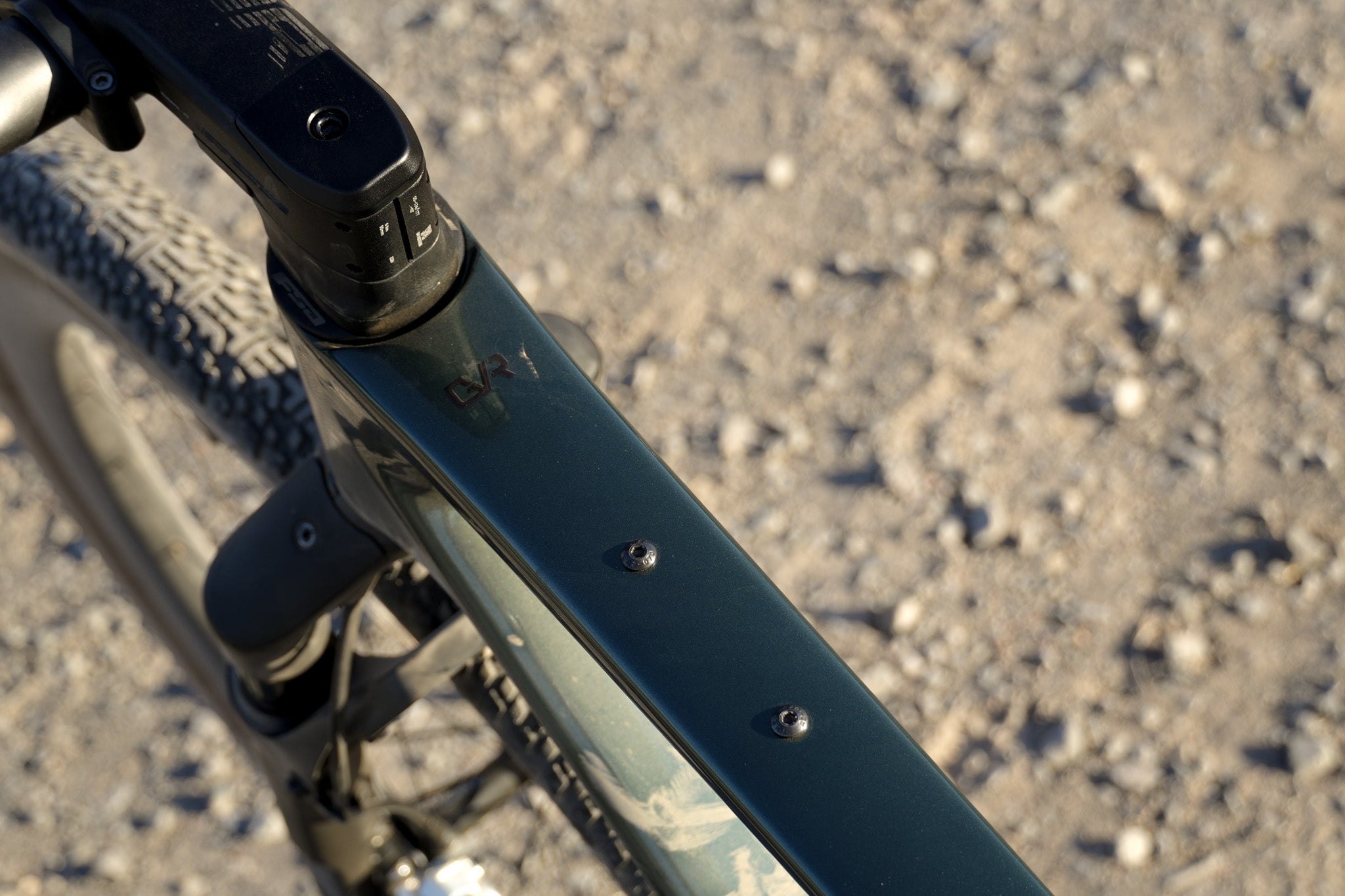
There are limits, however, as the frame does not have mounts for a rack, fenders, or internal frame storage. For some, that is a knock, but from the perspective of this as a gravel racing bike, it fits with the overall philosophy of the frame.
ADVERTISEMENT
Lastly, the GVR is engineered with aerodynamics in mind. I wouldn’t say it is the number one concern — thankfully — or even the third or fourth concern — handling, customizability, and weight all seem to come in ahead of it — but the downtube is widened to match the airflow off of a wider tire/wheel system, and the fork has a wide stance, with arms shaped to optimize the aerodynamic flow.
All of this has been configured into the frame that also saves 150 grams versus its previous iteration, making this also a fairly light option, even with all the different mounts, possible configurations, and aerodynamic shaping.
Obed GVR geometry
| Measurement | XS | S | M | L | XL |
| Stack (cm) | 53 | 55 | 57 | 59 | 61 |
| Reach (cm) | 37 | 38.5 | 40 | 41 | 42.5 |
| Virtual TT Length(cm) | 51.2 | 53.8 | 56.3 | 58.5 | 61 |
| Head Tube Length (cm) | 8.7 | 10.5 | 12.5 | 14.4 | 16.6 |
| Seat Tube Length(cm) | 44 | 47 | 49 | 52.5 | 56 |
| Seat Tube Angle (°) | 75 | 74.5 | 74 | 73.5 | 73.5 |
| Head Tube Angle (°) | 69 | 70 | 70.5 | 71 | 71 |
| Chainstay Length (cm) | 43 | 43 | 43 | 43 | 43 |
| BB Drop (cm) | 7.5 | 7.4 | 7.3 | 7.2 | 7.2 |
| Wheelbase (cm) | 102.5 | 103.9 | 105.6 | 106.8 | 109 |
| Front Center (cm) | 60.6 | 61.9 | 63.6 | 64.8 | 67 |
| Fork Axle to Crown(cm) | 42 | 42 | 42 | 42 | 42 |
| Fork Offset (cm) | 5.3 | 5.3 | 5.3 | 5.3 | 5.3 |
| Standover Height (cm) | 72.7 | 76 | 80.1 | 83.1 | 85.9 |
Build details
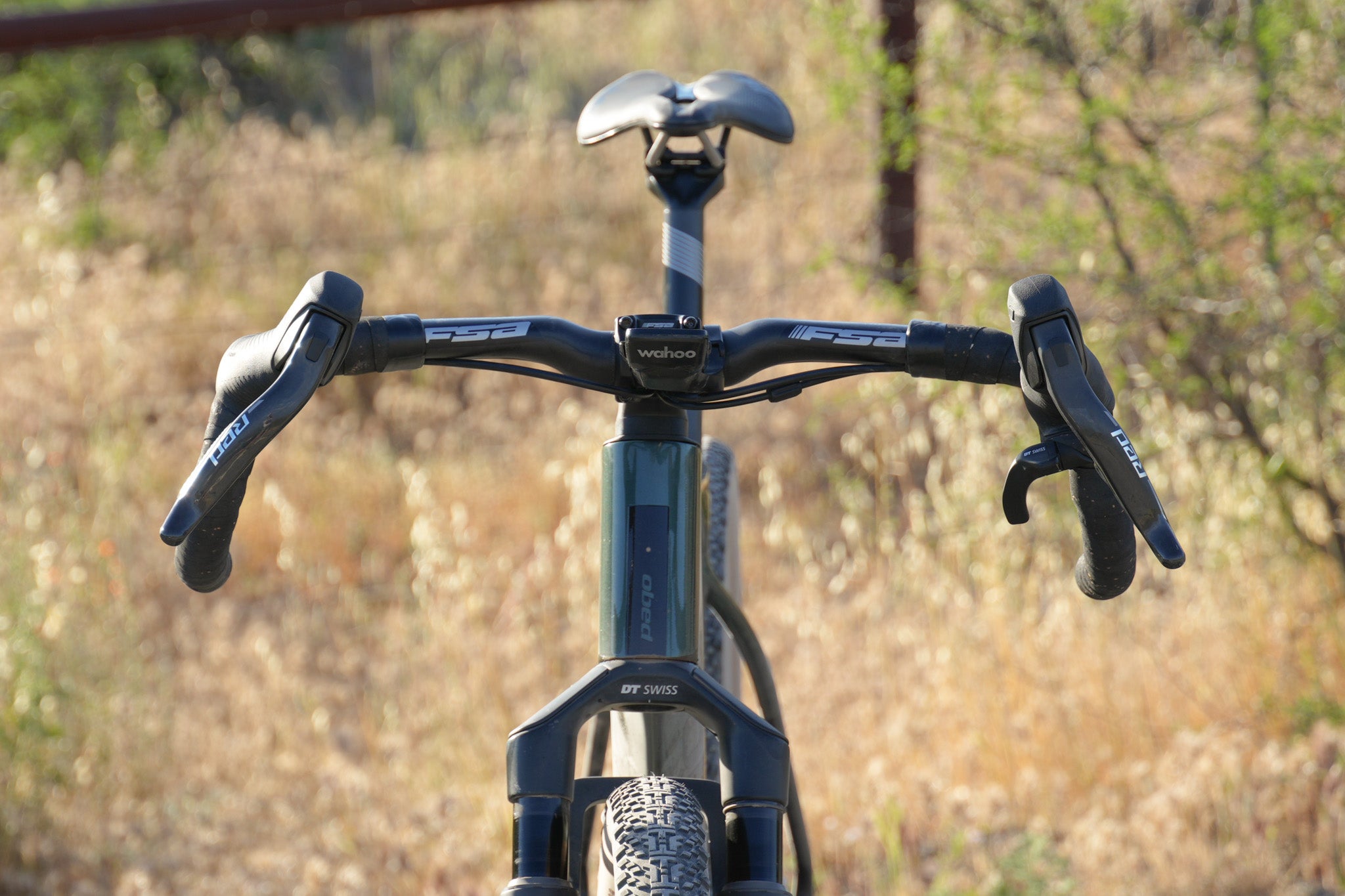
Ok, here is where things get a bit unorthodox. Obed is a direct-to-consumer brand and is customized for each order. This is a huge draw for the brand as an informed customer can get a bike dialed to their wants and needs without any aftermarket exchanges.
As a reviewer, however, I was not so lucky. I got the build I got, and to be honest, I wouldn’t recommend it. That being said, since it is the bike I rode, I will use that build as the reference here to give a sense of pricing and configurations.
ADVERTISEMENT
Just do not consider this an endorsement of this spec sheet. I will get to that in a second.
| Component | Specification |
| Drivetrain & Brakes | SRAM Red XPLR |
| Cassette | SRAM Red XPLR, 10-46t |
| Crankset | SRAM Red XPLR, 40T 170mm |
| Wheelset | DT Swiss GRC 1100 |
| Tires | Panaracer Gravel King X1 TLR, 50mm |
| Cockpit | FSA SMR stem (90mm), FSA K-Wing carbon bars (460mm) |
| Seatpost & Saddle | FSA SL-K post, Sella Italia Novus EVO Superflow |
| Price | $9,075 MSRP, $2,599 MSRP for the frameset with a conventional fork |
A few of these specs felt less than ideal for the ride I did, which is normal for gravel bikes; however, others were just plain distracting.
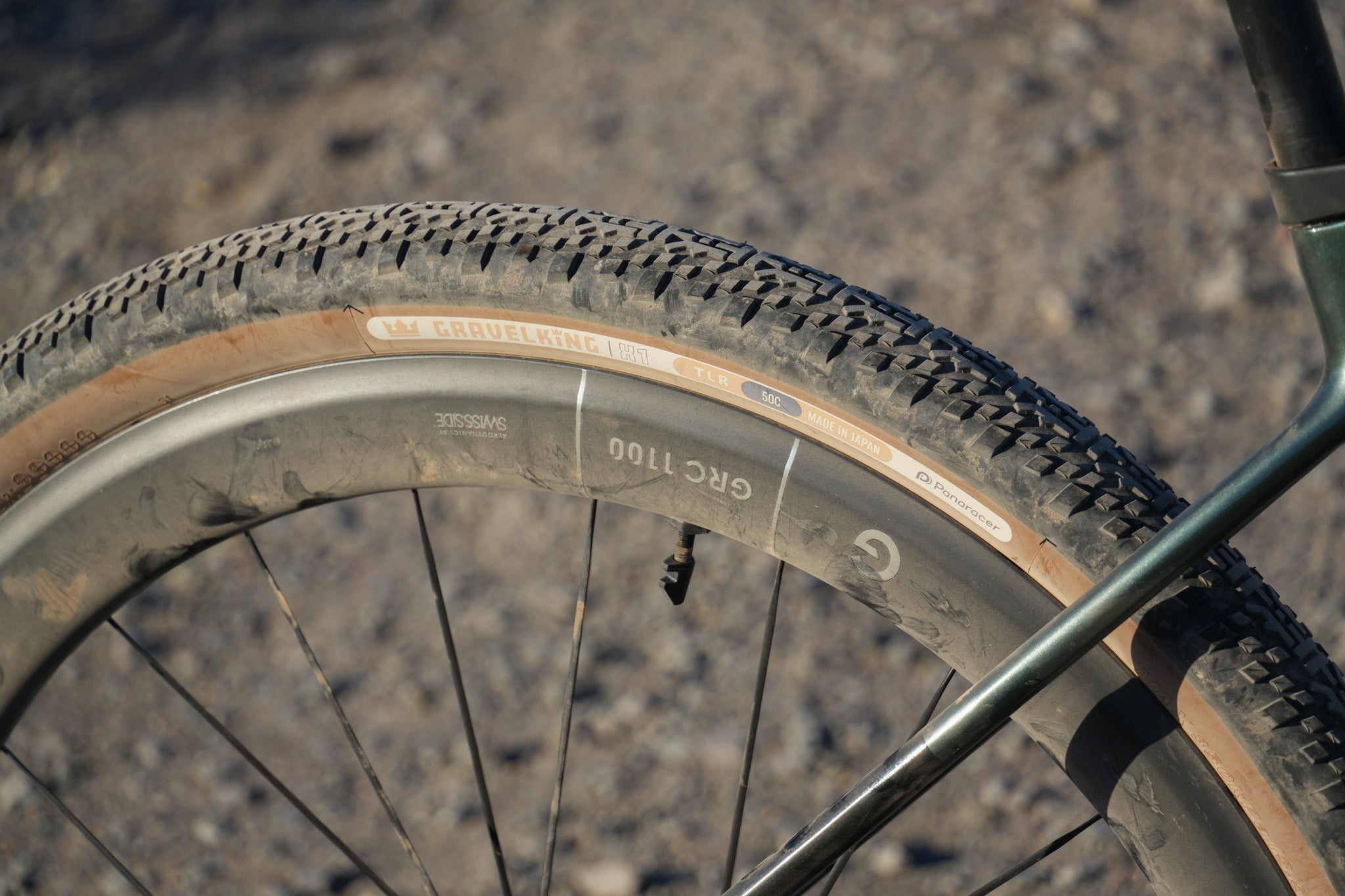
To start with the good, I was very impressed with the DT Swiss GRC 1100 wheels. The very deep, fairly wide wheels are the most out-and-out racing specification on the whole bike. Part of me would like to try the bike with a lighter, shallower option, but that doesn’t mean I didn’t enjoy the DT Swiss platform.
I also think the SRAM Red XPLR groupset covered the bases pretty well. I certainly ran into the limits of the 10-46t cassette fairly fast and frequently. This is generally my criticism of the groupset. I am a rider who prefers range over smaller gear jumps, so I typically prefer the Shimano GRX/XT mullet combo for my gravel builds. Personally, I would have also opted for a Shimano Di2 XTR mullet setup compared to the SRAM Red XPLR groupset I rode with, but that is more personal preference. There would also be better value with that groupset, as a GRX 827 Di2 build would go for $7,375 MSRP.
ADVERTISEMENT
I truly hated the bar and stem setup. While some may like a very wide set of bars, I am happiest between 380-400mm as a 6’1″ person, and I cannot stand when they get wider than 440mm. It is all around uncomfortable, from putting pressure on the wrong parts of my hands to making it difficult to feel comfortable in the drops; it is the number one thing that I feel like cycling has had wrong for too long. Bars are just too wide, too often.
Fortunately, because Obed is direct to consumer, you can skip the whole process of rebuilding the cockpit with the right size bars for you, but for me, I really didn’t like it, and it wore on me pretty quickly. Add it a stem that was 10-20mm too short, it was something I had to consciously try to set aside from my overall ride experience.
The DT Swiss F 132 One suspension-fork
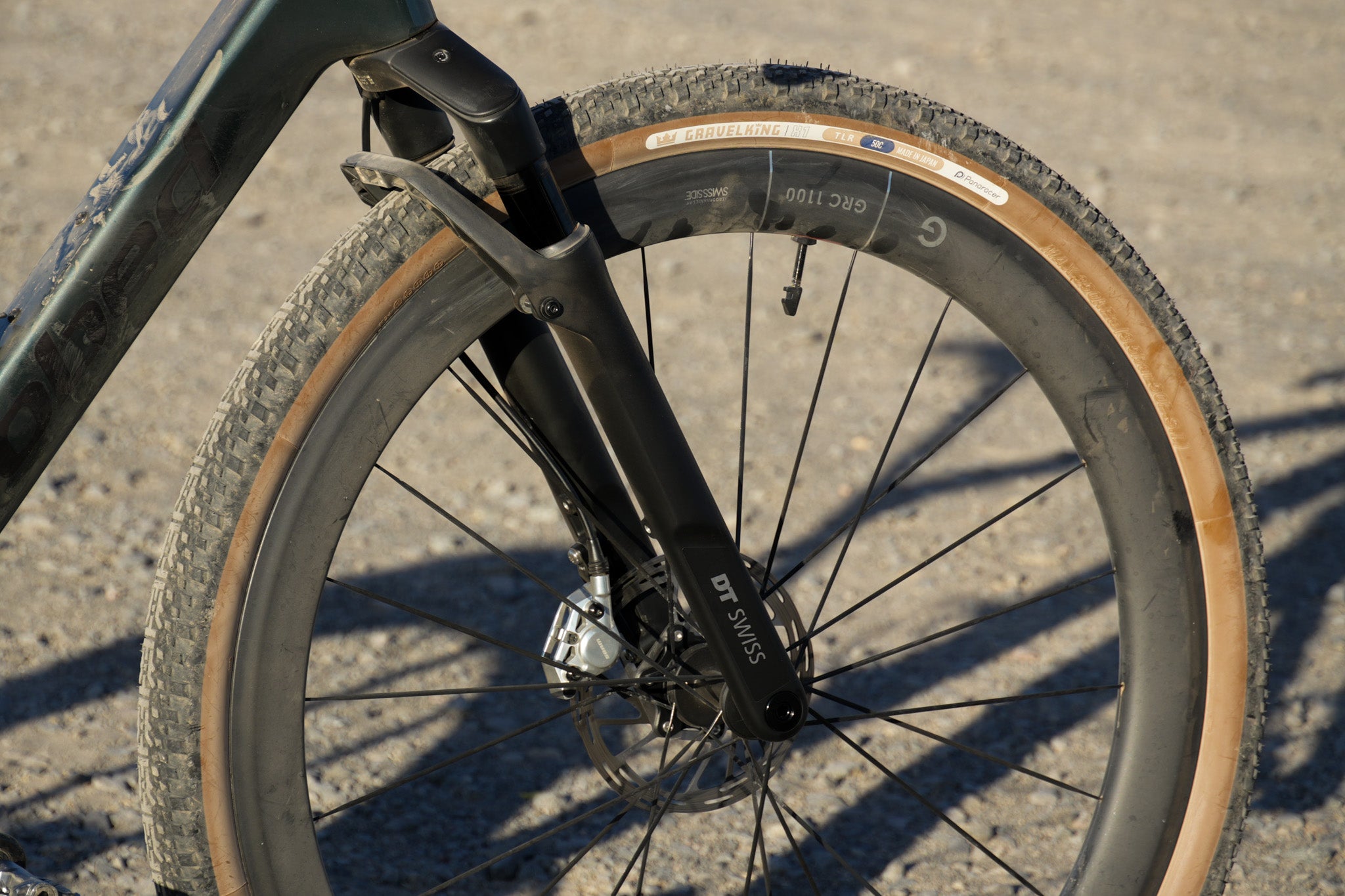
Realistically, the DT Swiss F 132 One fork deserves its own review. The fork has previously been available only on the Canyon Grail CFR Rift, where we tested it at the Traka 11 months ago, but now it will be available as a part of complete builds on a few additional brands.
Obed is one of those brands, and the GVR has been built with at least one eye towards the characteristics of the DT Swiss fork.
ADVERTISEMENT
Compared to the rest of the forks I have tested, which I went in depth with here in a cross-comparison of the other major competitors, I have spent a lot less time on it. I do not want to come in with any hard and fast conclusions, nevertheless, my initial takeaways are all positive. The fork is super active, dancing over small rocks and roots. It is also very easy to configure, with a nine-click rebound setting.
Through those refined settings and sensitive but relatively light-weight construction, the fork feels very well tuned to the specific demands of riding hard on gravel roads. Over the course of the ride, the fork consistently used all of its 40mm of travel, but I never felt an abrasive bottoming out, a challenge I have had with other forks. Like the geometry of the rest of the bike, it feels balanced, and it translates well into the ride quality of the bike as a whole.
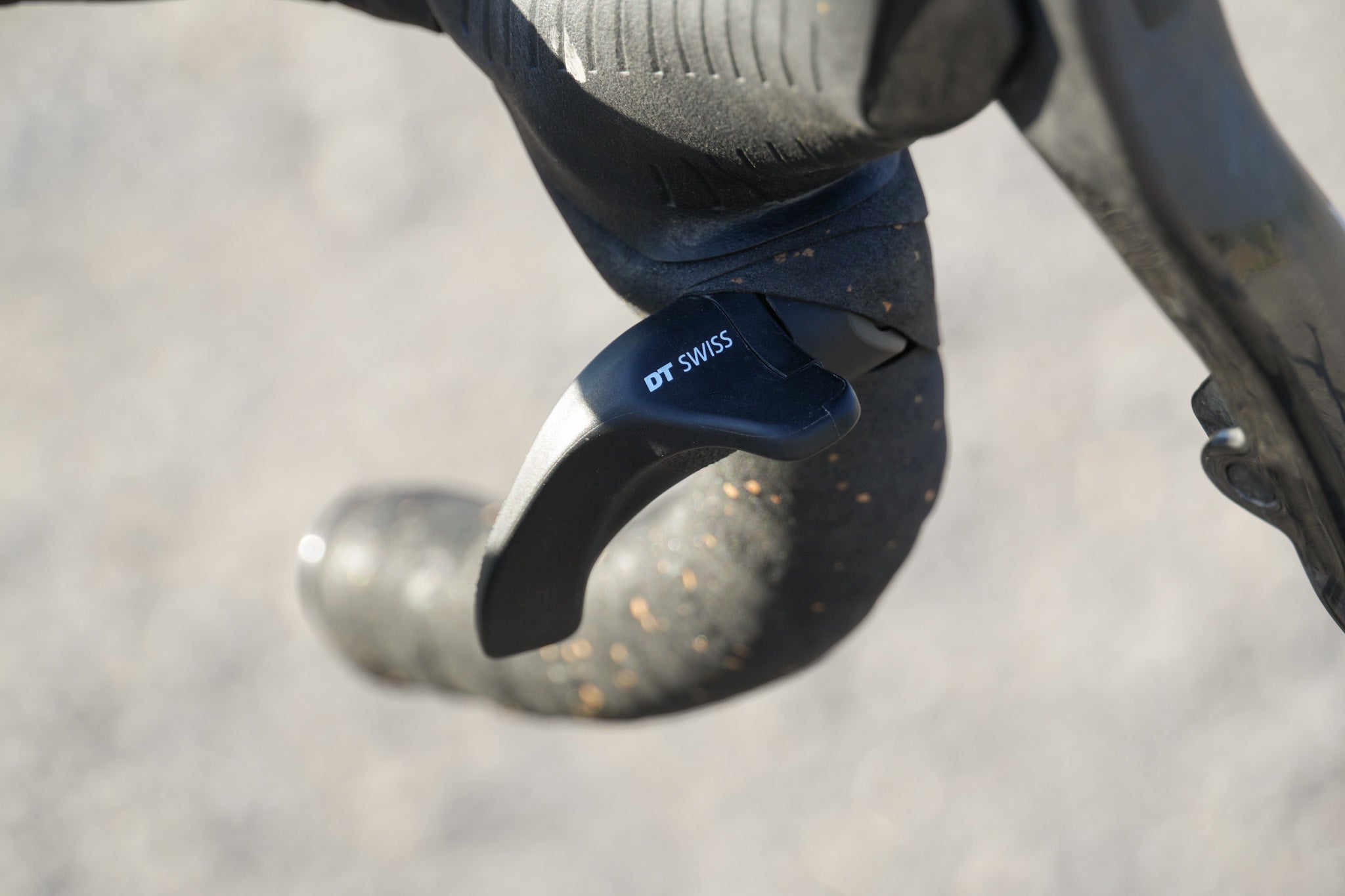
In terms of features, most suspension forks for gravel bikes are stripped-down versions of larger mountain bike forks and cut weight through removing things like remote handlebar-based lockouts or lockouts altogether. The DT Swiss F132 One is not one of those forks.
ADVERTISEMENT
On the one hand, its lockout is very effective. Broadly speaking, I have been seriously unimpressed by the lockouts of gravel suspension forks. At best, they have been 50% effective at locking out the fork. That is not the case here, as it feels more like 80-90% effective. That is a huge upside.
Personally, I wish this came in the form of a dial on top of the fork rather than a lever on the bars. It did get in the way of my hands’ transitioning to the drops, and I don’t love adding things to my handlebars in gravel or mountain biking in general, just out of personal preference. That being said, it is nice ergonomically, and, if you are into this kind of thing, it allows for quick engagement and disengagement of the suspension that could help on a climb.
Obed GVR ride experience

The GVR had such a clear use case, it was an easy choice to figure out where and how to ride it: find some gravel climbs and ride it hard.
ADVERTISEMENT
I drove out to the high terrain around Mt. Ord east of Phoenix, Arizona, and I ventured up into the hills off the Beeline Highway. The main target of the ride was a long, meandering ten-mile gravel climb through some of my favorite high-Sonoran Desert terrain and great mixed dirt surfaces.
Straight away, I felt the bike was doing exactly what I wanted on the climbs. On the uphills, I could ignore the wonkiness of the dimensions of the cockpit and embrace the long wheelbase and relatively light weight of the bike as gradients quickly pitched up past 15% for pinches. Fortunately, it wasn’t always that steep, allowing me to cycle through different hand positions, seat positions, and bounce between seated climbing and standing.
Obviously, the number one thing to point to when considering how a bike climbs is weight, but in gravel, it is certainly not the only variable. Climbing on gravel requires constant line choices, micro weight shifts, traction control, and small accelerations. All of this together, paired with weight and the saddle position relative to the bottom bracket, is what goes into a bike being well-suited to off-road climbing.
ADVERTISEMENT
The GVR excels in this department. Through balanced front and rear ends, dropped and flexible tube shapes on the rear half of the bike, and the front fork, the bike is stable and compliant in the right way. It does not bounce or rock excessively on the chunkier terrain. Additionally, it is slack but not too slack to make it difficult to place the front wheel with finesse.
During the climb, I did feel myself sliding forward on the saddle despite the super short reach relative to my normal position. I had the saddle pushed all the way forward on the rails, but I still wish I could have been a bit further over the bottom bracket, especially during the moments of high leverage climbing. The bike does have a slightly slacker seat tube angle, so I would have certainly benefited from a zero-setback seatpost to be more in line with where I feel most powerful.
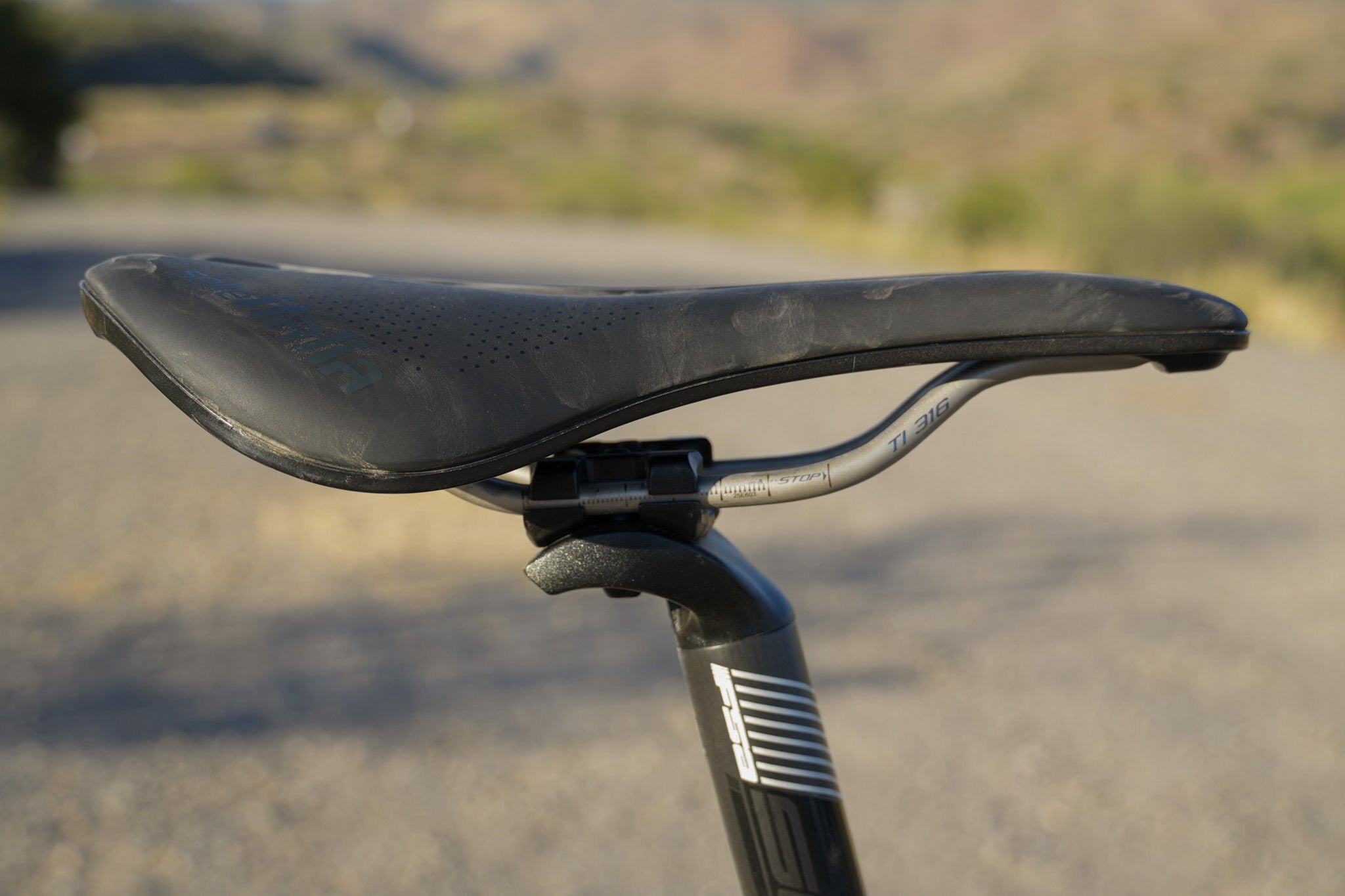
During racing, this would also help me be more aerodynamic, so it is certainly something to consider with this bike, even if this is a fairly common concern for modern gravel bikes.
ADVERTISEMENT
That same sturdy, balanced platform shone through on the downhill. Not to mince words, I bombed my way back down to the desert, going hard enough through one section to bounce my phone out of my rear pocket. Through loose dirt and rocks, the bike was stable, absorbing the small hits and vibrations. I could brake late and lean the bike over when I needed to throughout the inconsistent dirt and off-camber two-track. I felt so comfortable at speed, around a couple of turns, I scared myself as I carried a ton of speed through some bends that had a drop on the other side.
The Panaracer Gravel King X1 tires in 50mm were ok, giving enough bite on the more tame dirt. Paired with the wide, deep DT Swiss GRC 100 wheels, I saw the merits of the system, especially for racing. Nevertheless, with a bike that capable, I felt like I was under-biking with the tires on that route. With more time on the bike, I am super excited to see how it would perform with a set of Schwalbe Ricks to better handle the rougher terrain and push the bike even further in terms of speed on the tough terrain.
Conclusion
All told, this is just the beginning of my time on the bike. Undoubtedly, the fit challenges did get in the way of seeing the full potential of the bike, but even still, I saw the light. The Obed GVR is a great gravel bike that provides a finely-tuned gravel platform that meets the moment phenomenally.
ADVERTISEMENT
Whether or not the bike is a gravel race bike or a gravel adventure bike — to me, that is immaterial. Increasingly so, I find the category of gravel race bikes to be incoherent. For some, it is a tag for aerodynamic, compromising machines like the Cervelo Aspero 5. Road bikes masquerading as gravel bikes, if you will, that are too scared of the equally imperfect title of all-road bike to commit to embracing what they are.
Yet, for others, gravel race bikes are just another way of saying the bike is very good, especially as many gravel races are most efficiently raced with tires that are 50-55mm. That leaves bikes that are decently aero, fairly light, and extremely capable. If that is a gravel race bike, Obed has nailed that definition of a gravel race bike with the GVR that checks all those boxes, while also keeping the price at a point that is achievable.