Updated November 24, 2026 08:19PM
If you buy through our links, we may earn an affiliate commission. This supports our mission to get more people active and outside.Learn about Outside Online's affiliate link policy
500 Miles on Mosaic’s New 32" Shows How Big Wheels Can Unlock Gravel's Full Potential
From racing Big Sugar to riding loose desert switchbacks, Mosaic’s GT i55 32 is the first bike to prove 32-inch wheels can challenge the status quo.
Pros
Better traction, regardless of tire
Aggressive front end that makes the bike feel nimble
Balanced handling and great weight distribution
A conventional fit that feels natural despite the wheel size
Cons
Heavy vs comparable 700c bikes
One fork configuration leads to some wonky geometry with smaller-sized frames
Slack seat tube angles can be challenging for some modern fits
Limited bag, rack, and water bottle attachments for longer adventures
Specs:
Size tested: 56cm
Weight: 21.6 pounds (9.79 kilos), ready to ride, without pedals
Price: $14,700 for the GT-1 i55 32, with upgraded Duke Sierra 42 wheelset.
Brand: Mosaic
Verdict:
While Mosaic’s nascent entry into the 32-inch gravel world is a truly unique ride experience, it quite plainly shows how 32-inch wheels are emphatically better on gravel and worse on pavement. Much is yet to come, but from several hundred miles of riding across tons of different terrain, I can confidently say the Mosiac GT i55 32 is good enough to challenge the status quo.
We have been excited for this bike review for a long time. Ever since the build-up to Sea Otter, what was clear was that 32-inch gravel bikes were coming. We didn’t know when, and we didn’t know exactly what they would look like, but by the end of the year we knew there would be bikes to test with a new wheel size.
ADVERTISEMENT
Well, folks, here we are. After hundreds of miles After hundreds of miles of riding the Mosaic GT i55 32, we have Velo’s first full long-term review of a 32-inch gravel race bike.
Since we got the bike in early October, we have thrown everything at the bike. Long mostly-paved days riding on the East Coast, short punchy gravel races in the Midwest, and twisty gravel trail rides in the Southwest—all of it to see just how viable the first 32-inch gravel bike to hit the market can handle all these different gravel challenges. In the end, we were blown away by just how ready the wheel size already seems for the right type of rider.
Quick hits: 7 standout details of the Mosaic GT i55 32
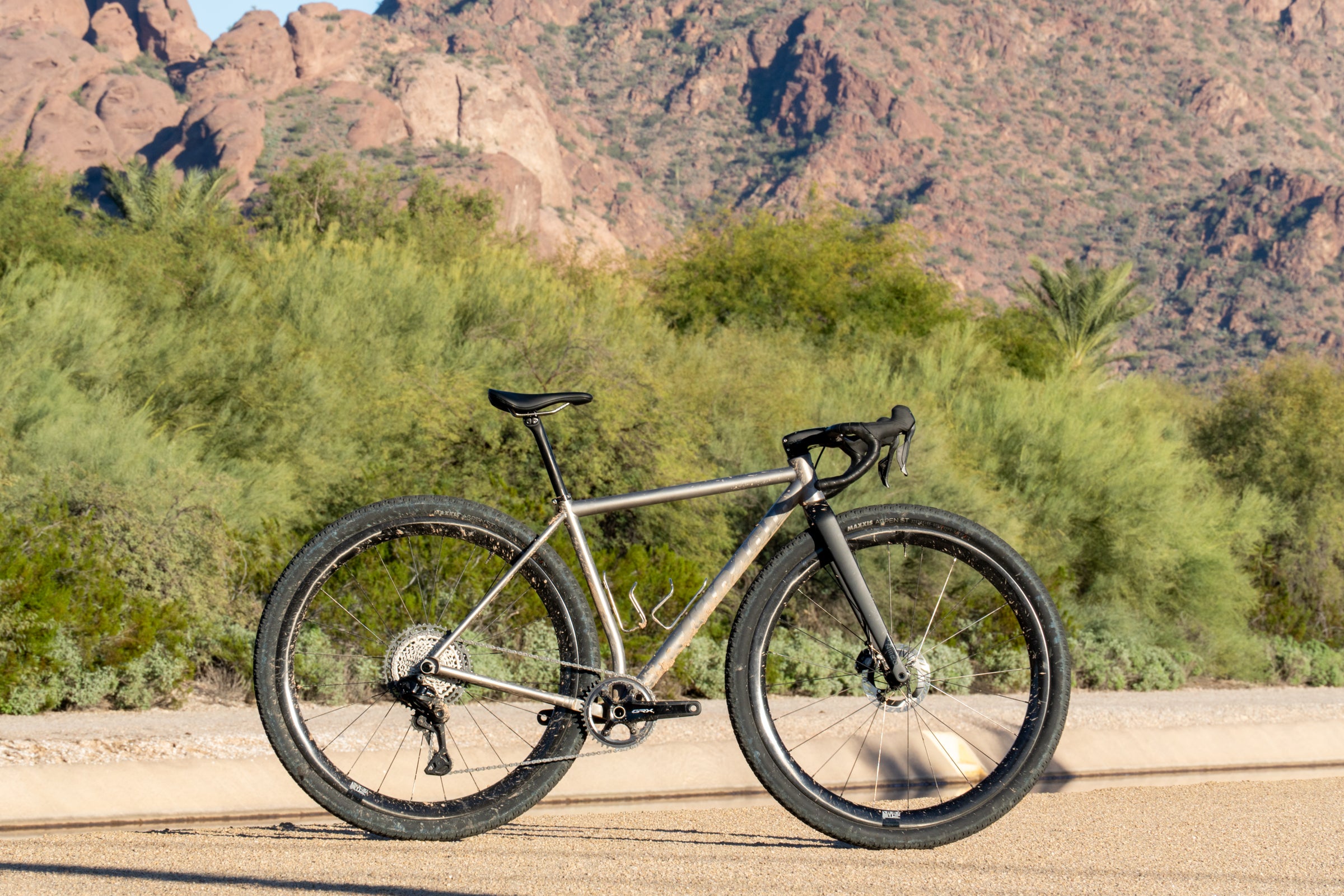
- 32″ x 55mm tire clearance
- Specific Zero Components: 32-inch fork, built specifically for the frame with a low 445mm axle-to-crown height.
- Custom 3D-printed titanium yoke to provide clearance for 55mm tires and 46t chainrings.
- 148×12 mm rear and 110×15 front axle standard to balance the unique structural demands of larger wheels.
- 440-450 mm chainstays and an offset seat tube to provide a tight rear triangle with a reasonably effective seat tube angle.
- Compatible with major gravel groupsets with standard bottom bracket spacing and chain offset.
- Available now through Mosaic’s Made to Order program for premium frames and standard geometry for second-level frames.
- The bike will later be added to the Batch Built program, with set sizes and more affordable pricing.
- You can learn more about the GT i55 32 on Mosaic’s website.
Mosaic GT i55 32 frame details
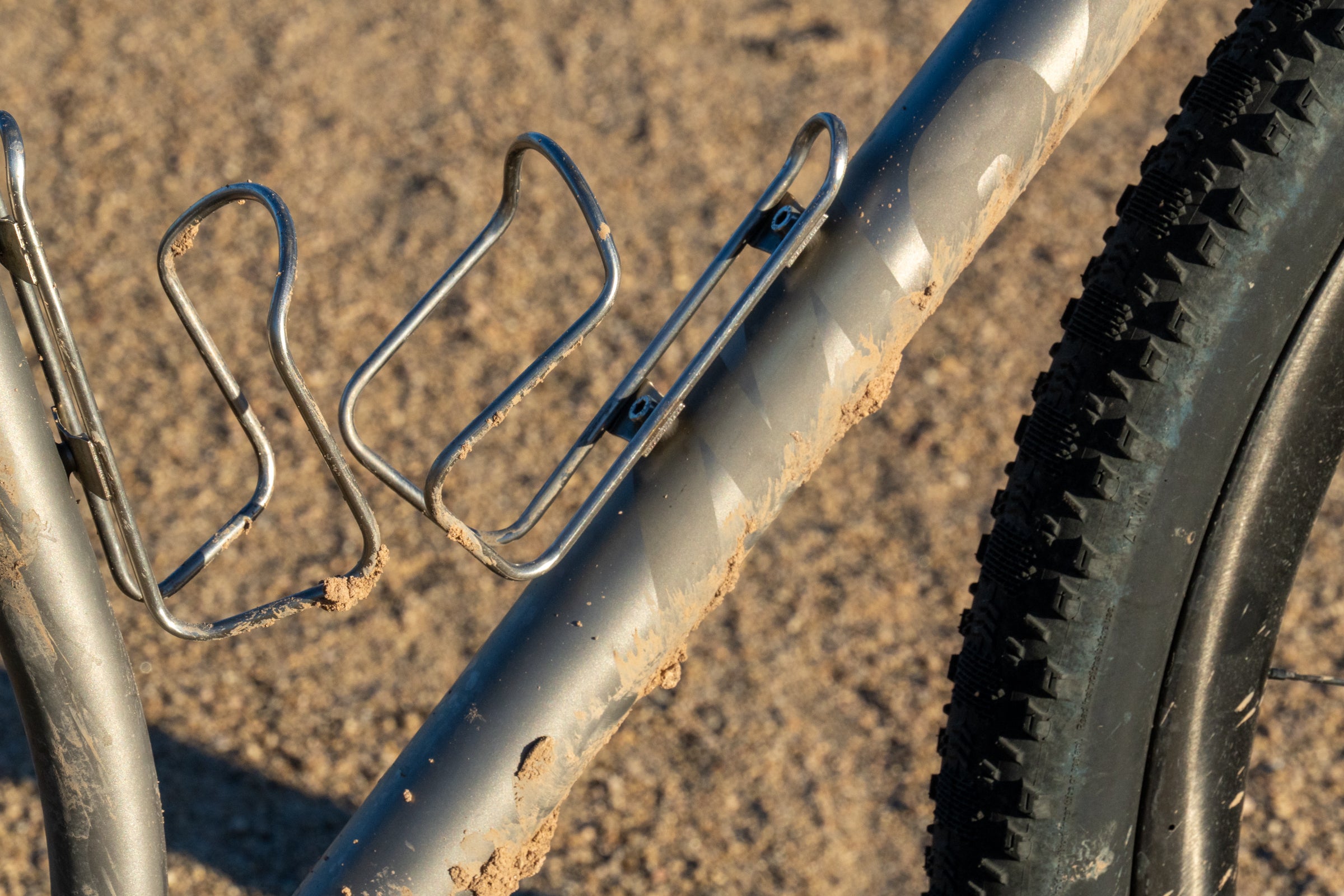
The Mosaic GT i55 32 frame is defined by two distinct, but equally important parts. On one hand is the carbon fork, produced by Mosaic’s new sister brand Zero Components; on the other, a built-in Colorado titanium frame. Together, the two components create the customizable basis for the bike with a set front end and an adjustable rear. That flexibility has allowed Mosaic to be the first brand to bring a true purpose-built 32-inch gravel bike to market.
ADVERTISEMENT
As we covered when the bike was released, the fork is crucially important for that speed to market. Before Zero Components launched its 32-inch fork in conjunction with the GT i55 32, most 32-inch prototypes relied upon existing 29-inch mountain bike forks. Those forks had very large axle-to-crown figures, which meant the bikes had to have tall front ends and slack head tube angles.
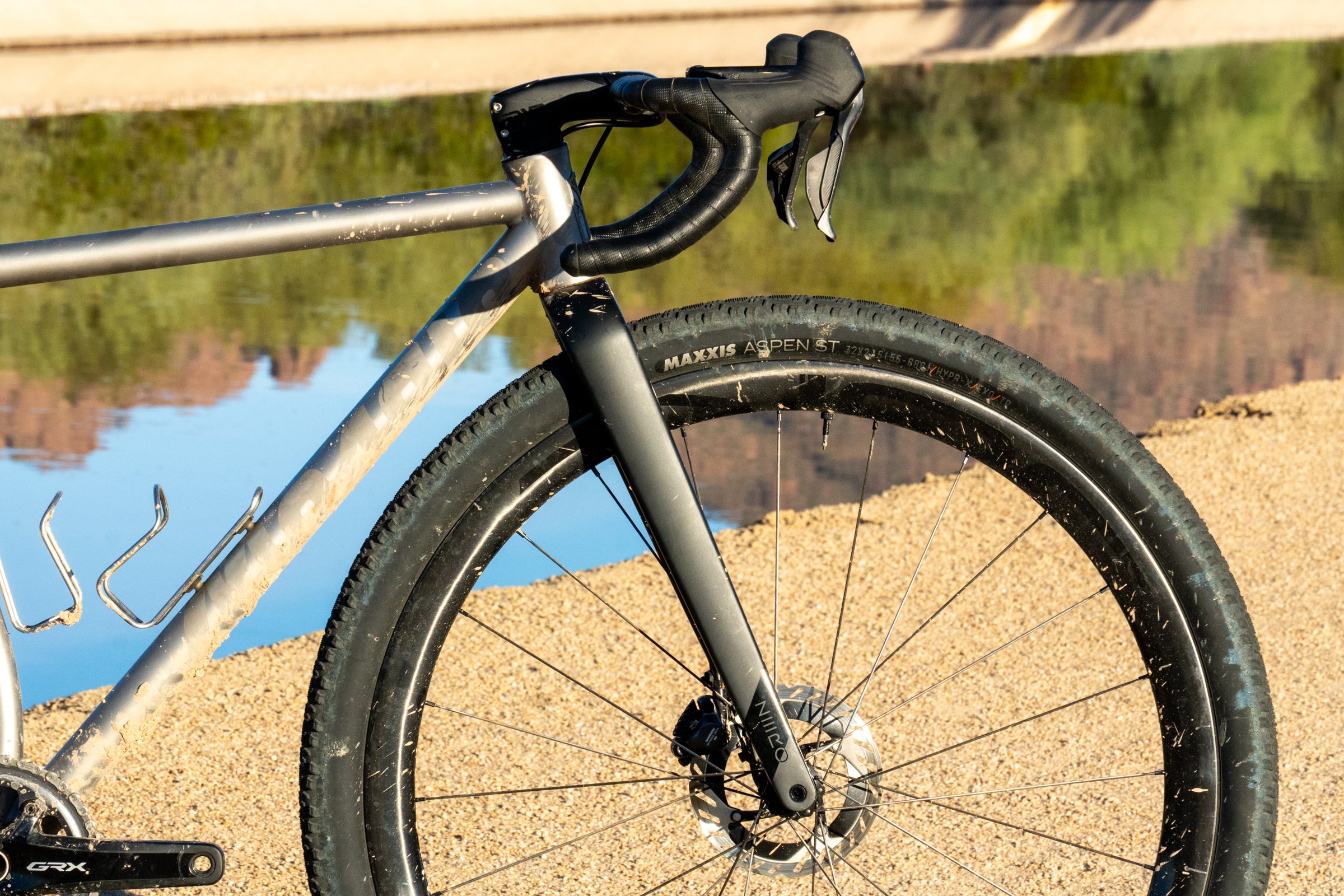
The Zero Components fork transformed that calculus with a significantly shorter axle-to-crown figure. This unlocked the geometry of the titanium frame to more closely resemble that of 700c bikes, and for the resulting handling to feel more natural and responsive.
That said, the rest of the bike also demanded its own solutions to the fit and geometry problems posed by the new larger wheels. Namely, how long the chainstays and how low the bottom bracket would be to fit around three more inches of wheel and the same large tire clearance.
Ultimately, Mosaic did not totally address all of those concerns at first with the announcement of the new bike. Mosaic is a brand that has long built custom frames. This is a foundational aspect of the brand, so it is not a surprise that the brand only offered custom geometry in the first run of 32-inch bikes.
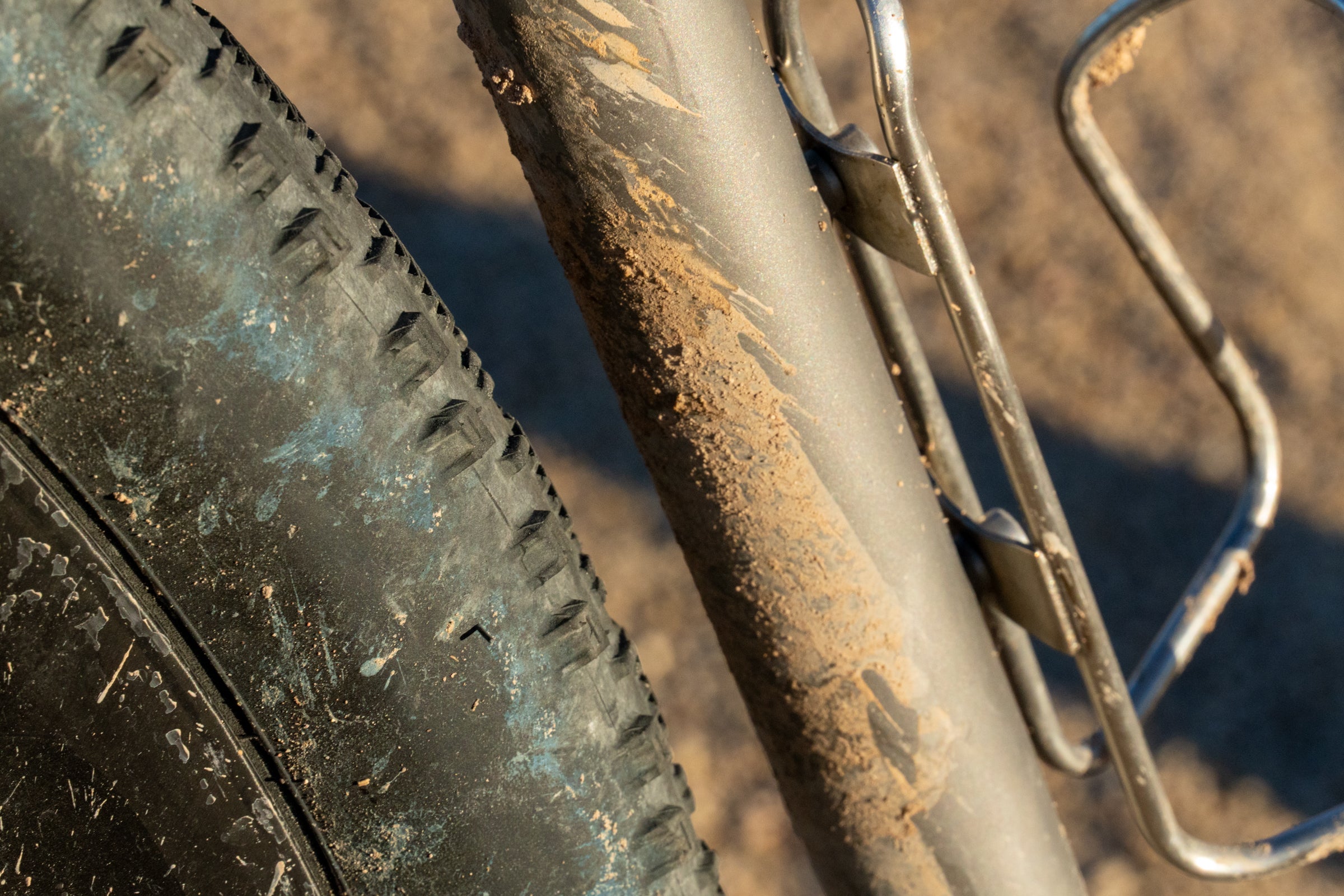
What that meant, though, was no overall geometry chart showing what a smaller 32-inch gravel bike would look like—the enduring concern around the new wheel size. All we got were the parameters around chainstay lengths that would stay between 440-450 mm, and the design language of a kinked seat tube that would allow for a small rear triangle that could fit around the bigger wheel. That bent seat tube could make some saddle positions tough to reach, since the shallower angle can push higher saddle positions further behind the bottom bracket.
ADVERTISEMENT
Now, that has changed with Mosaic combining custom geometry with a standard layout to build around. The GT-1 premium build uses custom geometry, but Mosaic does have standard geometry it uses as the basis of those builds. It also comes standard with the GT-2. While the standard chainstay length of 450mm and bottom bracket drop of 95mm are much bigger than 700c gravel bikes, the overall reach, stack, and angles throughout the bike aren’t too revolutionary.
In particular, the 69-71 degree headtube with a fork offset of 60mm does make for pretty conventional dimensions. The one obvious outlier here is the 50cm frame size having a trail figure of 88, which is pushing the limits of normal gravel bike ride feel. For the 56cm frame, the fit parameters of a 70.5 head tube, 60mm offset, and 408mm of reach are all very familiar to progressive gravel bikes.
I ended up testing a 56cm frame even though I fluctuate between 56 and 58cm for different bike geometries. With a 56cm frame, the fit ended up being virtually the same as what I currently ride with a Specialized Crux 5 56cm frame, with the major difference being a 90mm stem and wider bars on the Mosaic and a 120mm stem with narrower bars on the Specialized.
ADVERTISEMENT
Mosaic GT i55 32 Geometry
| Frame Size | 50 | 52 | 54 | 56 | 58 | 60 | 62 |
| HT Angle | 69 | 70 | 70 | 70.5 | 70.5 | 71 | 71 |
| ST Angle (Eff) | 74.5 | 74.1 | 73.5 | 73.2 | 73.1 | 72.7 | 72.4 |
| ST Length (C-T) | 470 | 480 | 490 | 510 | 530 | 550 | 560 |
| TT Length (Eff) | 525 | 550.2 | 560 | 585 | 615 | 630 | 635 |
| HT Length | 90 | 95 | 100 | 109.9 | 135 | 150 | 170 |
| Wheelbase | 1057 | 1067 | 1072 | 1089 | 1118 | 1124 | 1131 |
| Chainstay Length | 450 | 450 | 450 | 450 | 450 | 450 | 450 |
| Fork Offset (Rake) | 60 | 60 | 60 | 60 | 60 | 60 | 60 |
| Front Center | 624.2 | 634.6 | 638.9 | 655.9 | 684.6 | 690.7 | 697.5 |
| Trail | 88.3 | 80.8 | 80.8 | 77.1 | 77.1 | 73.4 | 73.4 |
| Standover | 802.7 | 810 | 816.6 | 830.8 | 851.9 | 869.1 | 883.4 |
| BB Drop | 95 | 95 | 95 | 95 | 95 | 95 | 95 |
| BB Height | 302.5 | 302.5 | 302.5 | 302.5 | 302.5 | 302.5 | 302.5 |
| TT Angle | 13.48 | 12.56 | 11.94 | 10.5 | 10.49 | 10.06 | 10.88 |
| Stack | 570.2 | 579.1 | 583.8 | 595.2 | 618.9 | 635.2 | 654.2 |
| Reach | 370.2 | 387.4 | 390.1 | 408.2 | 428.8 | 434.6 | 435 |
Mosaic GT i55 32 frame specifications
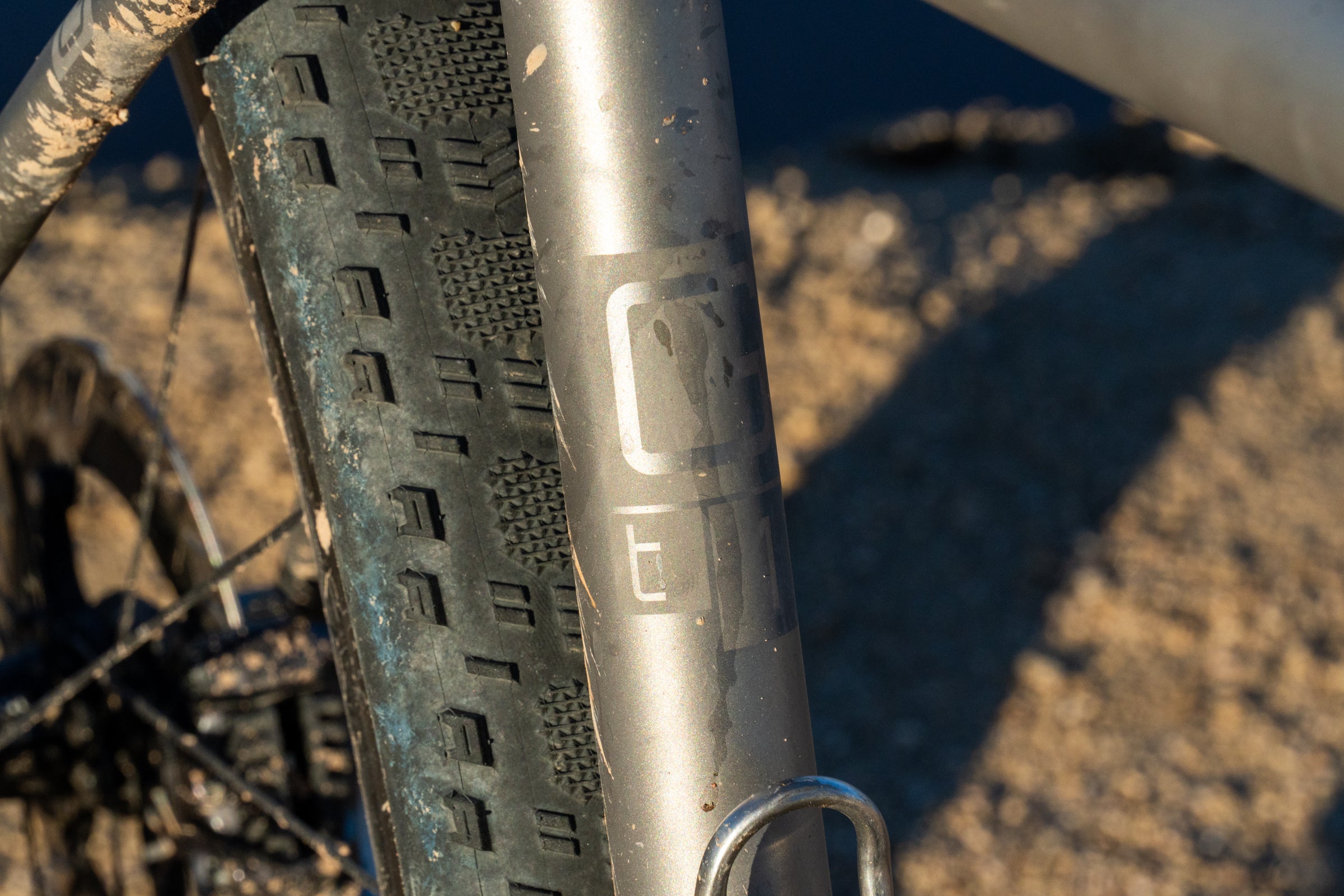
I tested the GT-1 i55 32, the more expensive of the two frameset options. This was the frame that had a bit lighter construction with double-butted 3A/2.5V titanium tubing, as well as the ability to run internal hoses and bespoke paint. This is also a bike geared to racing rather than exploring, as the frame has small tubing, low weight for a larger titanium frame, and limited mounts. Not only are there no mounts for a frame bag, fenders, or other racks, but there are only two mounting configurations for bottle cages. That lack of flexibility is compounded by the small main triangle of the frame that is made even tighter by the significant bend in the seat tube. Smaller frames in particular could find it difficult to run tall bottles or frame bags of any kind, even though I managed two bottles and a Tailfin frame bag in my larger frame.
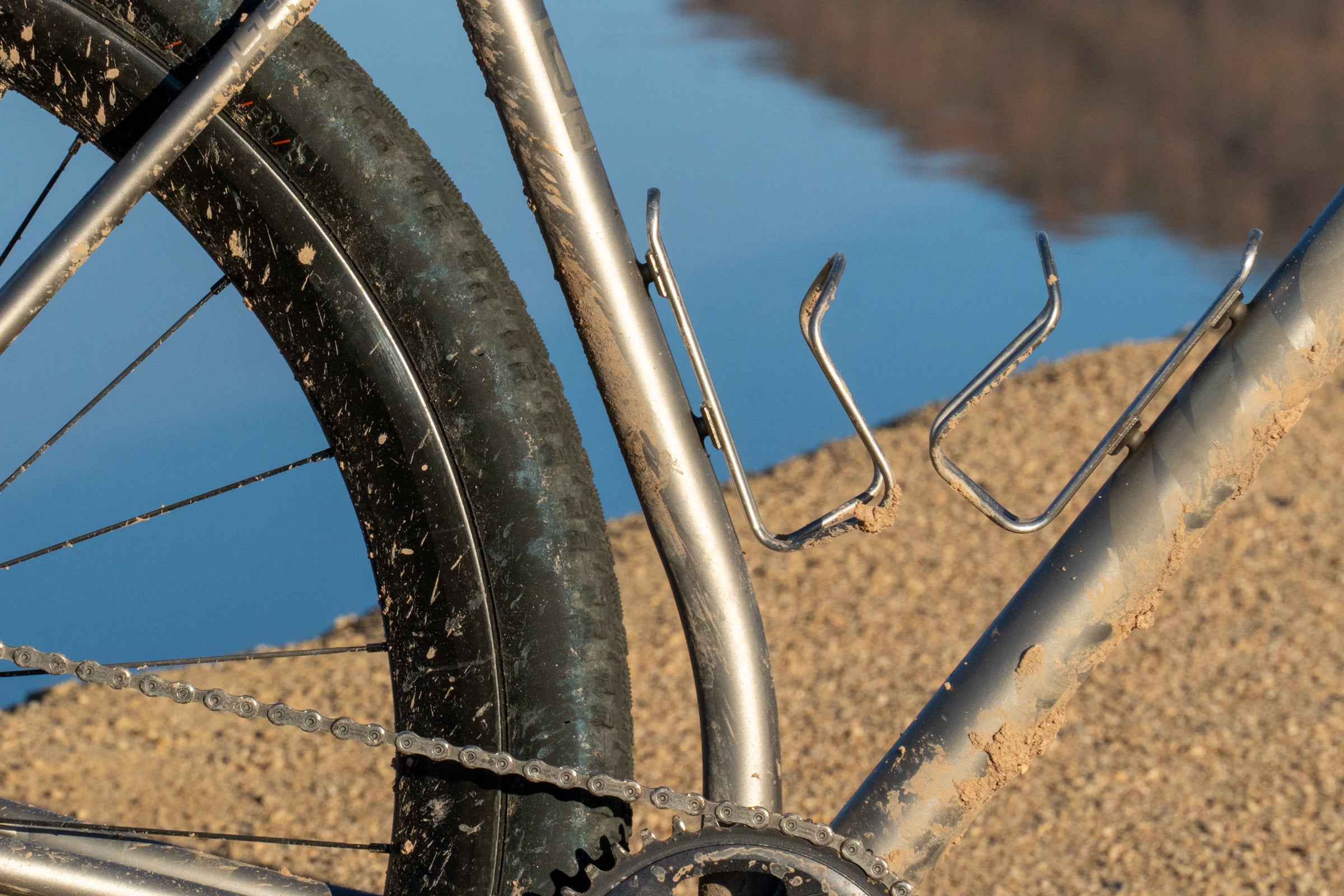
While the mounting points might be limited, the rest of the frame’s compatibility is up to par with most of the current standards for modern gravel race bikes. Both framesets are UDH-compatible and wireless-only, offer standard bottom bracket spacing and chain offset, and employ a 3D-printed titanium yoke to provide clearance for 55mm tires and 46t chainrings.
ADVERTISEMENT
46t might seem like it is on the small side for gravel racing; however, with larger wheels, smaller chainrings end up having the same gear ratio as larger rings due to the difference in the overall rollout length.
| Builds | GT-2 i55 32 | GT-1 i55 32 |
| Frame Tubing | Straight Gauge 3A/2.5V | Double Butted 3A/2.5V |
| Head Tube | IS52 | IS52 |
| Bottom Bracket | T68 | T47 |
| Brake Routing | Semi-integrated via Cane Creek HCR | Fully internal compatible (but not required) |
| Geometry | Standard Geometry | Rider-specific custom |
| Finish | Titanium Ghost Finish | Mosaic standard paint layouts |
| Starting Price | $4,250 | $8,250 |
Mosaic GT i55 32 build details
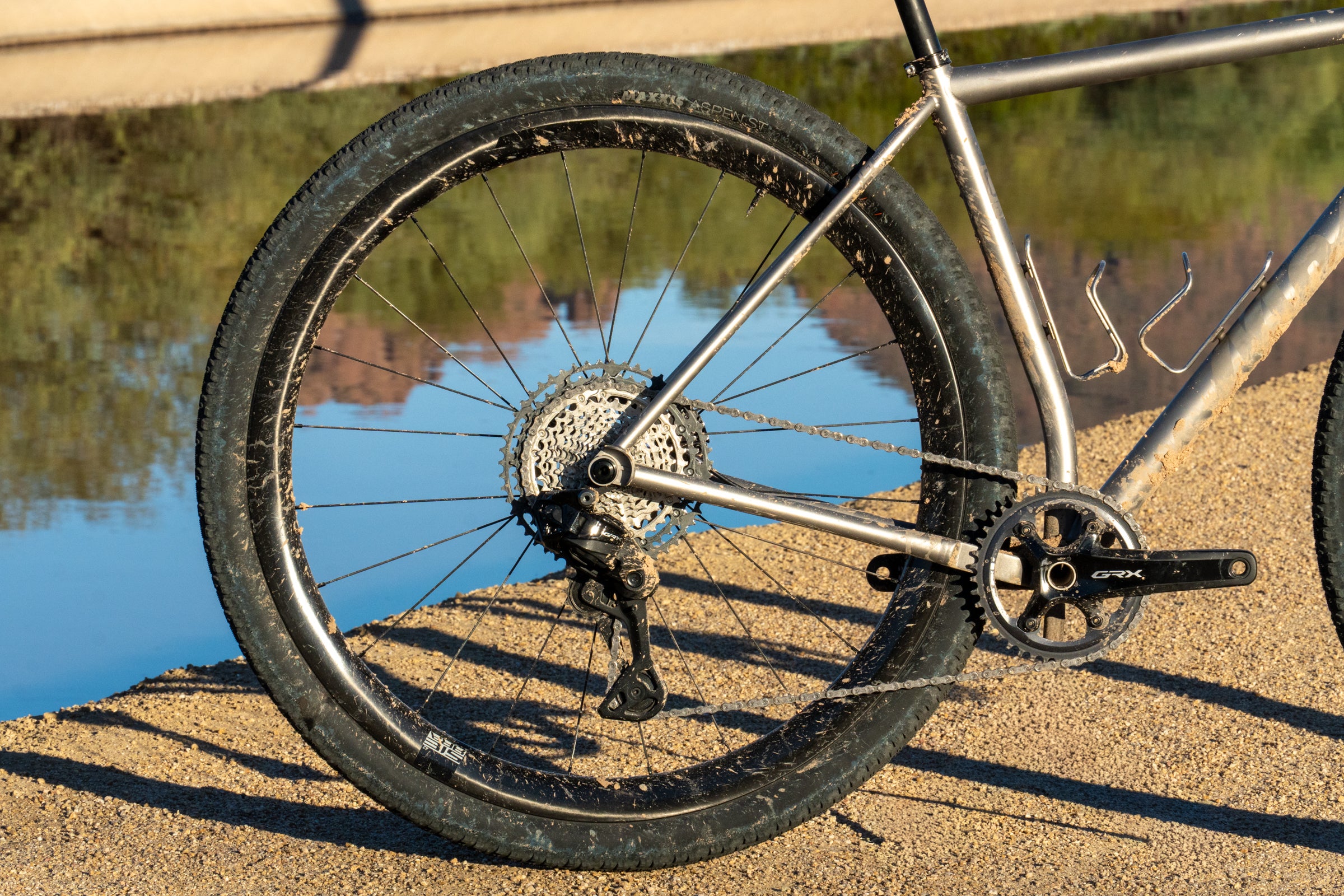
To complete the build I tested, Mosaic specced it with a mix of Shimano, Duke, I9, and Enve components.
The groupset was a full GRX Di2 groupset with a 42t chainring, 165mm cranks, and a 10-51t cassette. Generally, I am a fan of short cranks, but with 32-inch wheels it felt imperative to have the short cranks to prevent toe overlap, improve the bike’s fit, and improve the feeling of being “on top” of the gearing even with the bigger wheels that take a bit more power to get up to speed.
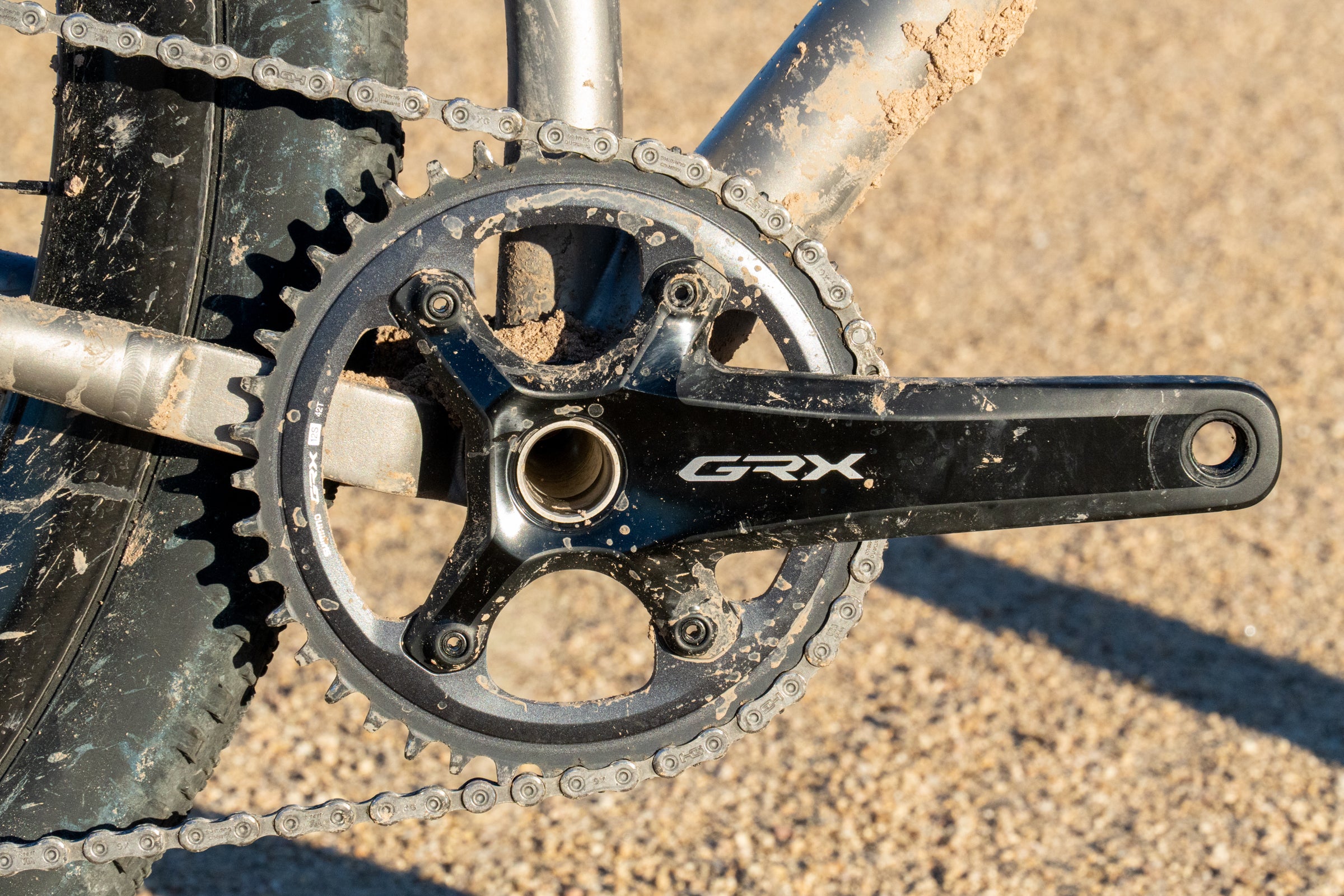
Similarly, it was key to have the wide range of the 10-51t cassette, especially over the steep terrain of Virginia and Arkansas where I did the bulk of the testing. The bike is heavier, which you do feel on the steeper climbs, especially since much of the added weight is rotational. Having easier bailout gears was much appreciated to keep the pace and avoid feeling bogged down by the bigger gradients.
ADVERTISEMENT
Speaking of those bigger wheels, my test bike was equipped with a set of Duke Sierra 42 32-inch rims and high-engagement I9 hubs. The wheelset is a top-spec combination that brings low weight and decent aerodynamics to the build.
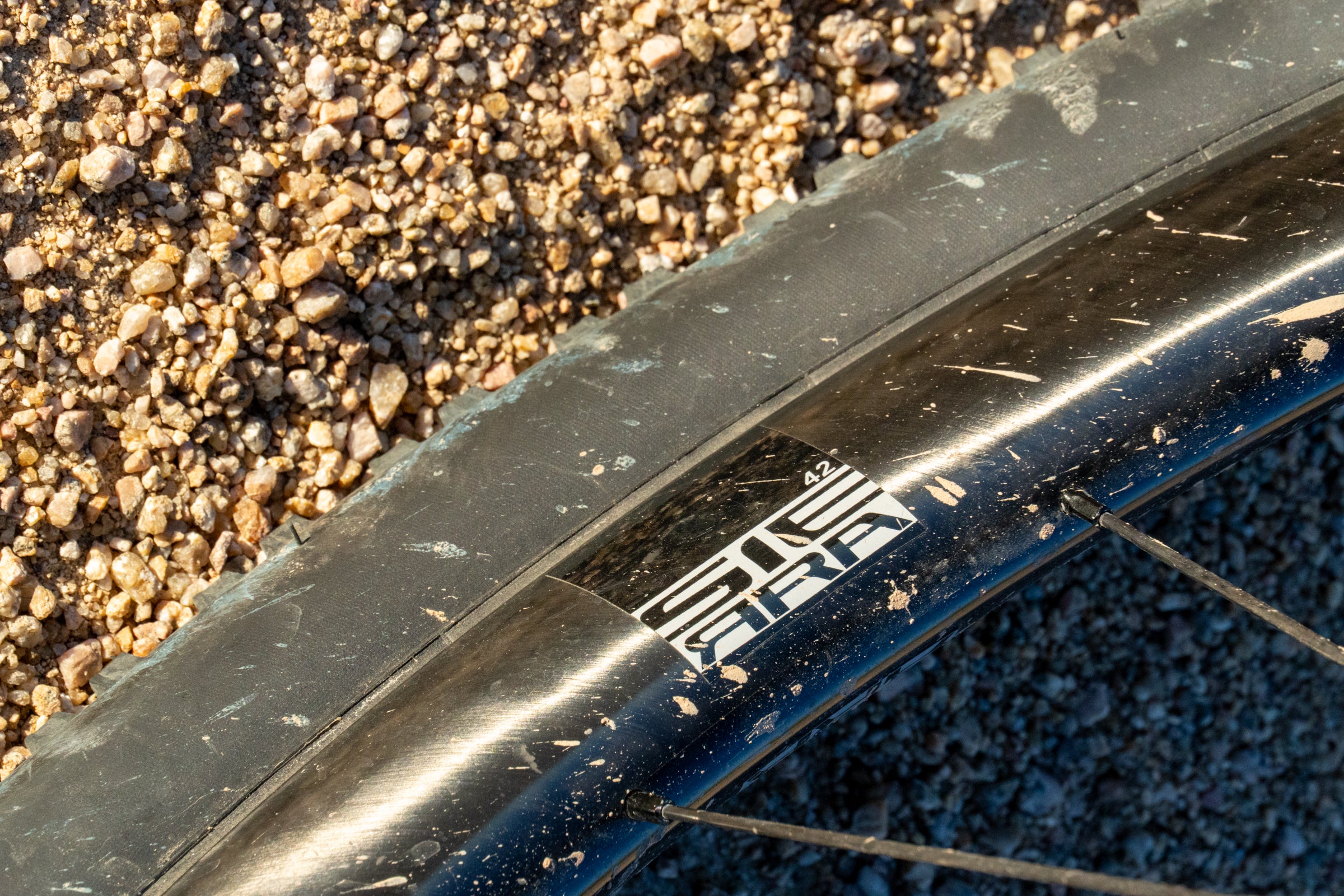
There aren’t tons of 32-inch wheelsets available from large brands, but the Duke Sierra 42 stands out as one of the top options for gravel racing performance. Another popular option will be the Berd Sparrow 50 Gold wheelset, which boasts added compliance to a light, aerodynamic package that will make the already versatile Gt i55 32 more compliant and smooth-rolling. Nevertheless, light wheels certainly make a difference in the overall speed equation of 32-inch bikes and proportionally could matter more than their 700c counterparts.
ADVERTISEMENT
Tires were the one area where I ran multiple options. To start, the bike came with a set of the WTB Course 52mm tires. I have enjoyed the new WTB tire offerings, but those are the new 700c, aerodynamically optimized version of the tires. The 32-inch version doesn’t have the same modern construction, and I don’t believe the Course 32 was a good option to start with.
Without side knobs, the tire didn’t have much bite, and cornering traction felt lacking. They also didn’t have much pace at all on pavement, where they were sorely lacking the aerodynamic treatment. That said, the wheel size did overcome some of that deficiency, and I was getting the hang of the tread before a flat in a race forced me to pivot.
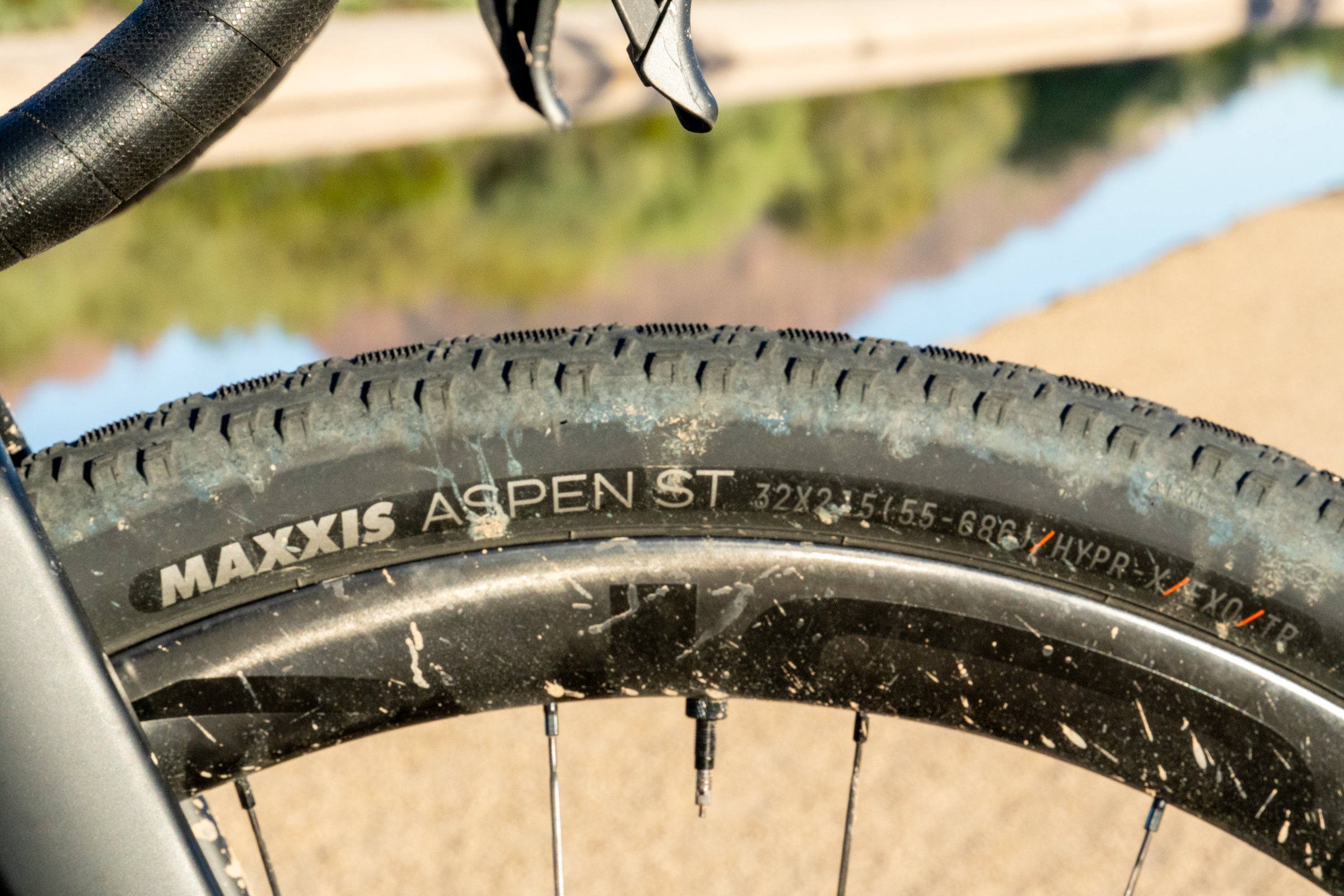
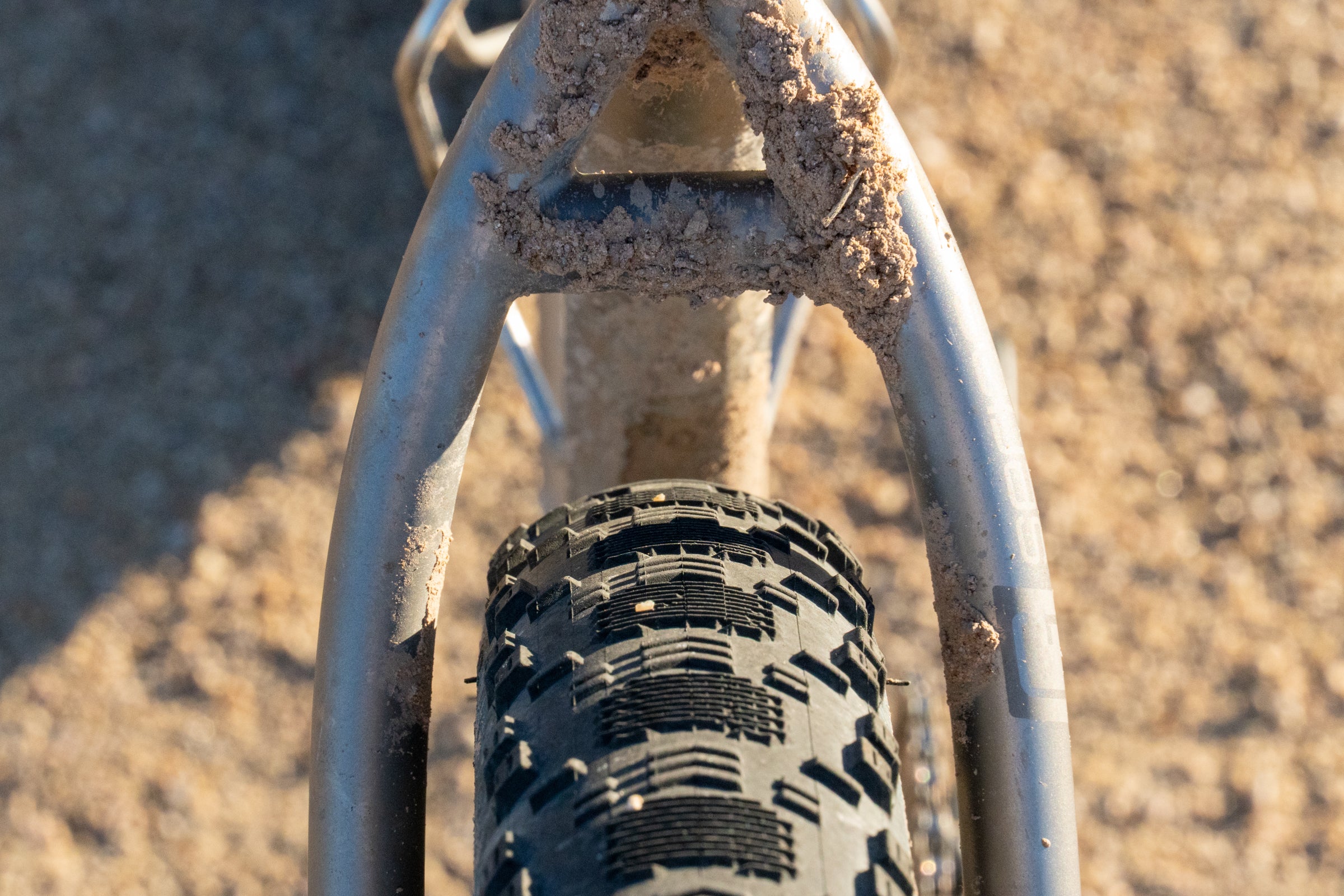
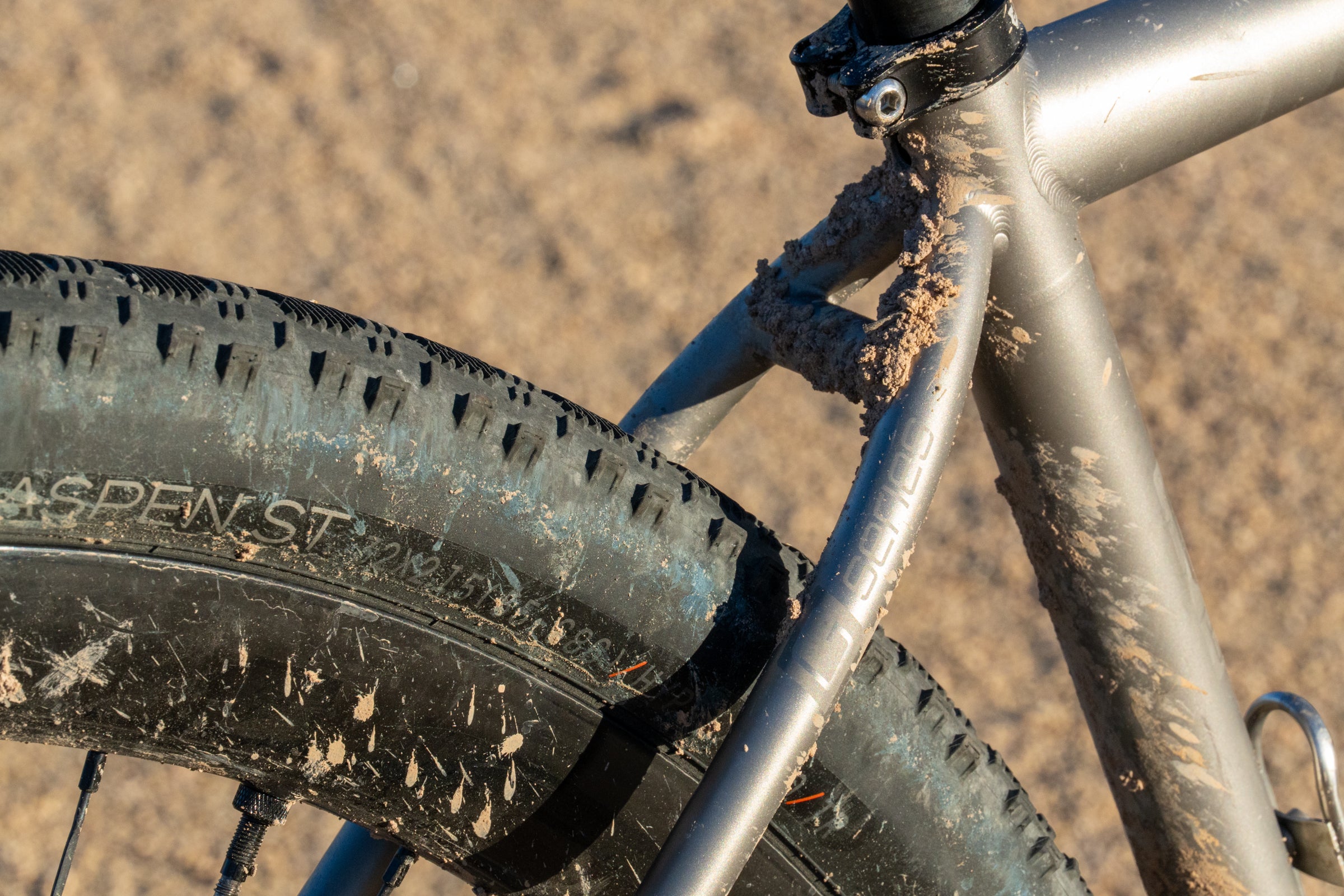
I replaced the Course 52 with a set of Maxxis Aspen ST tires in 55mm and immediately felt more comfort, traction, and speed. The tread was great for the longer contact patch of the 32-inch wheels, the side knob felt effective, and the tire played better at a lower pressure that allowed me to get the most out of the rubber.
ADVERTISEMENT
That was particularly noticeable in the Sonoran Desert portion of the testing, where they outperformed their 700c sibling, even though I have long been a fan of the Aspen ST at the correct pressure. It was the right call and one I wish I had made before the race, but in a world where 32-inch bikes, wheels, and tires are still sparse, beggars can’t always be choosers.
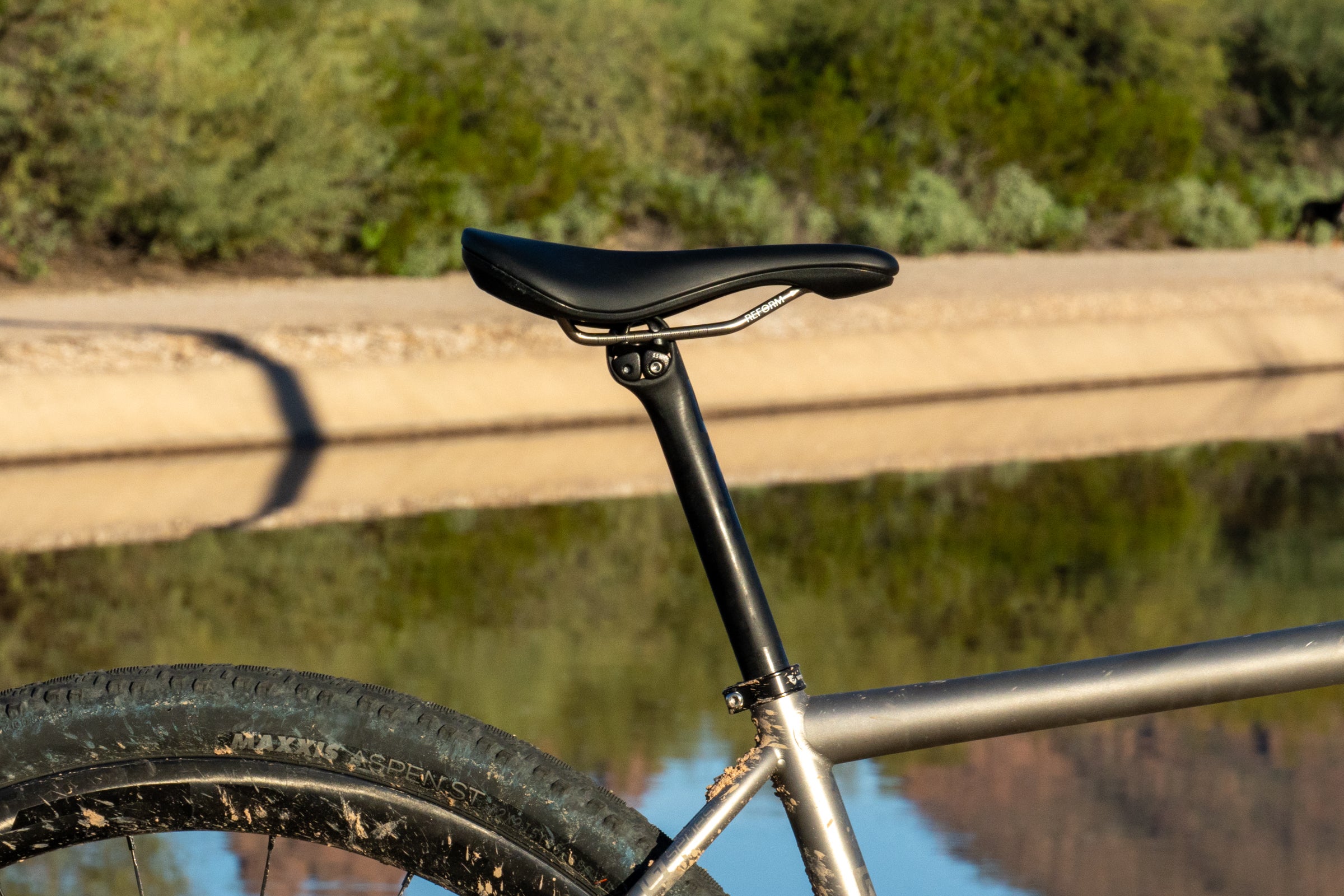
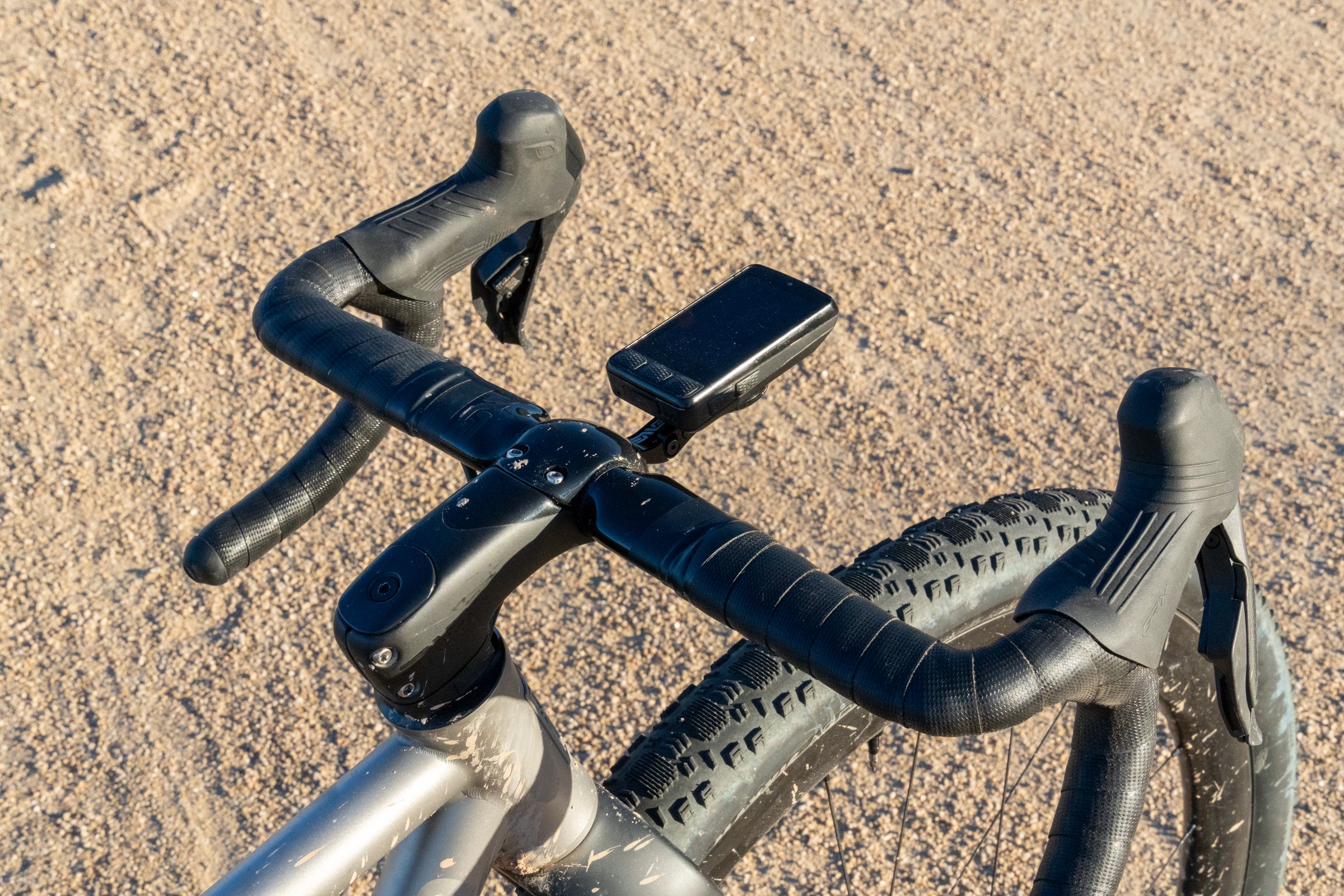
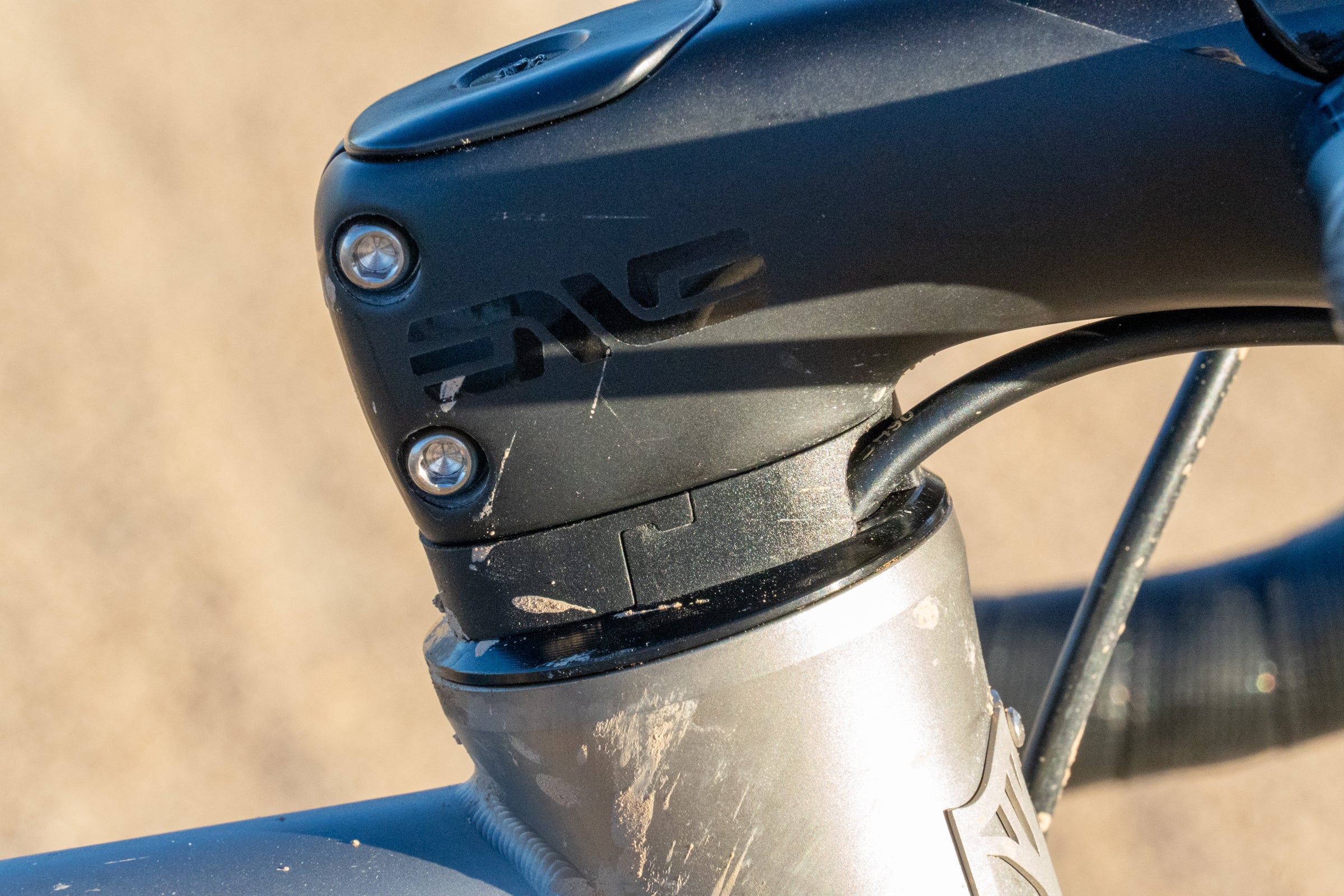
Lastly, Enve components tied the build together with a seatpost—I started with a -25 offset post before swapping to a zero-offset option—and a bar-stem combination. I opted for a shorter stem and wider bars than normal to quicken the steering and compensate for the slightly longer reach in the frame. Ultimately, I think this played well with the frame’s handling to create a balanced feeling that felt familiar to the narrower bars and longer stems I normally ride on gravel.
Mosaic GT i55 32 ride experience
Over the last month I have had the bike, I have made it my mission to ride the bike as much as possible across a wide range of terrain. For my fast road group riding, I have turned to alternatives, because it is really too fast for even a fast 29-inch gravel bike, but really everything else has been on the 32. I have wrapped up the season of travel with a trip to Virginia for a wedding and a quick two-day bike tour around my old home of the Piedmont, before heading to Arkansas to race and cover Big Sugar Gravel. Then, I brought it home to the Sonoran Desert of Arizona to test it on the twisty and loose gravel around my home terrain to see how it can handle more technical terrain. All things considered, in a month I have done virtually everything I would do on a gravel bike to try my best to get a full sense of the bike and the wheel standard in general.
ADVERTISEMENT
Racing 32-inch wheels at Big Sugar Gravel
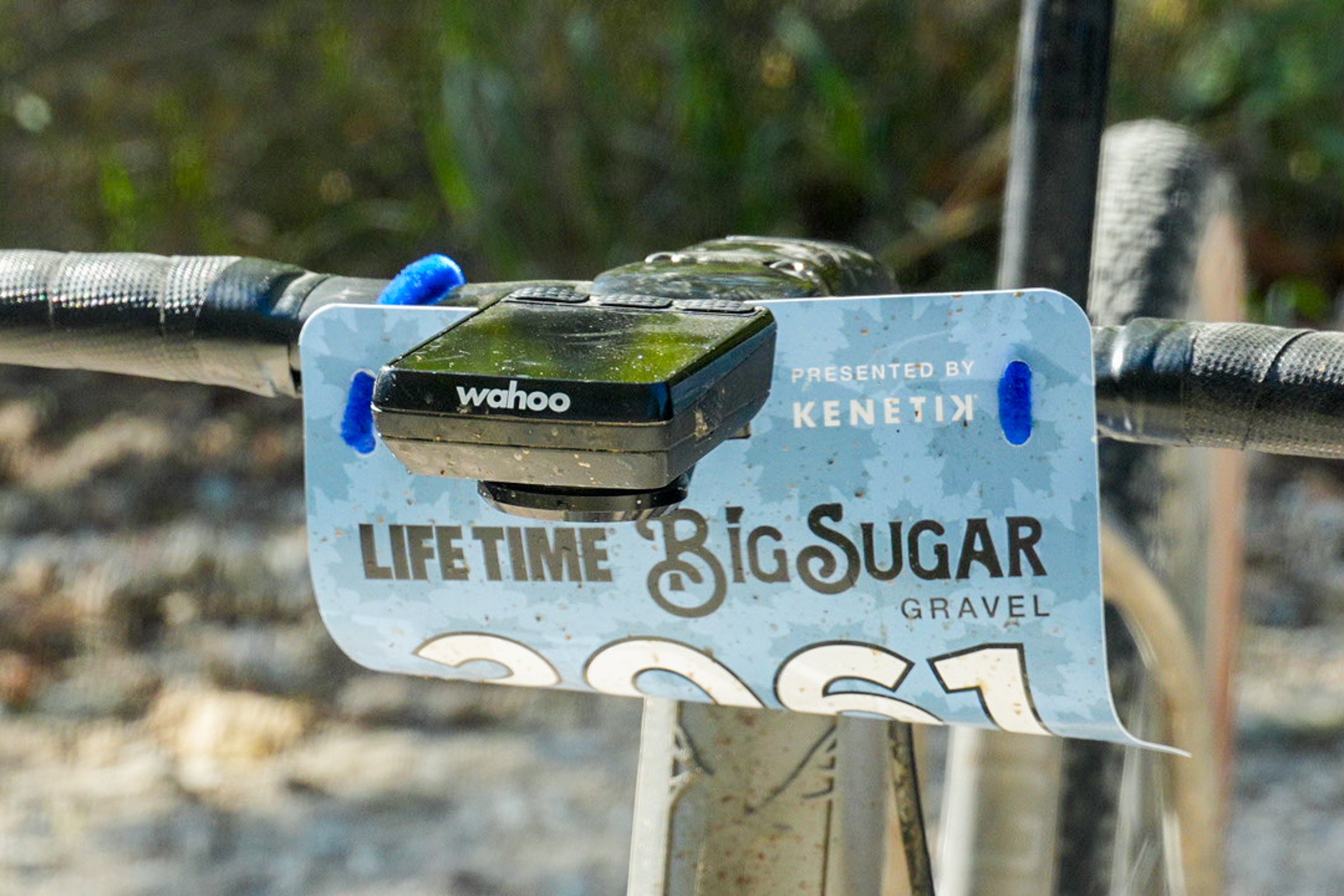
Let’s start with the biggest high of the test and the use case that I would say is clearly the best for 32-inch gravel: racing.
Big Sugar is the final race on the Life Time Grand Prix calendar and is a fantastic all-round race that captures so much of what American gravel is about. It has punchy hills, technical twisty roads, and constantly changing gravel surfaces. It is a beautiful mix of power and precision, all taking place under the changing foliage of Ozark forests. It is also notoriously hard on equipment, with flats and crashes a common occurrence.
ADVERTISEMENT
As I do when I have to split riding and reporting duties, I was racing the 60-mile race before turning around and reporting on the pro fields that would finish shortly after. I do regret slightly the cavalier approach the shorter course encouraged. I didn’t really apply a rigorous pre-race plan to the event and I paid for this at the start line. Getting there five minutes before the gun went off meant I had to queue all the way at the back of the paddock. I was far enough back that it took me a full five minutes to actually get through the start line after the race said go.
It was instant regret when I hit the dirt in 200th place and realized just how much the differential would be between myself and the other riders, no matter how hard or soft I pedaled. On the very first rough section, the big wheels ran like a hot knife through butter, and I would slingshot from one group to the next. All that free speed ended up being too tempting, and I made it my mission to go as hard as I could to see how far up the leaderboard I could travel.
ADVERTISEMENT
That free speed was most prominent whenever the road pointed down. Not only did the bike roll over rough terrain, but I could also take significantly more aggressive lines through sharp, loose turns. Even with tires that were less than ideal, I found much more traction than other riders lacked. They would swing wide, watching their speed, and I would dive on the inside, leaning more, braking less, and retaining more traction.
This remained true regardless of who I was around. A few times, riders would be able to follow my wheels on downhills, but the vast majority of the time I would cruise away from whoever I was with and either force them to chase, or jump to the next group on the climb. The rougher it was, the more pronounced this momentum differential would be.
Despite all of the effort chasing, by the end of the day I felt that I was just saving so much energy. On the climbs, I was perhaps having to push a bit harder, but all the micro efforts I saved and the momentum I preserved through key corners and short downhills outweighed the heavier bike uphill.
ADVERTISEMENT
If I was at the very front of the field, where the riders were more skilled and would be pushing harder up the hills, that calculus could change, but for the vast majority of riders the larger wheels paired with the design and handling of the Mosaic 32 would certainly boost their standing on courses like Big Sugar. For me, that led to a run from starting five minutes after the leaders to finishing 27th, even with a flat tire along the way. The bike played no small role in that overall performance. And most of all, it left me with a huge smile. The racing was just so much fun.
How the large wheels handle more technical trails
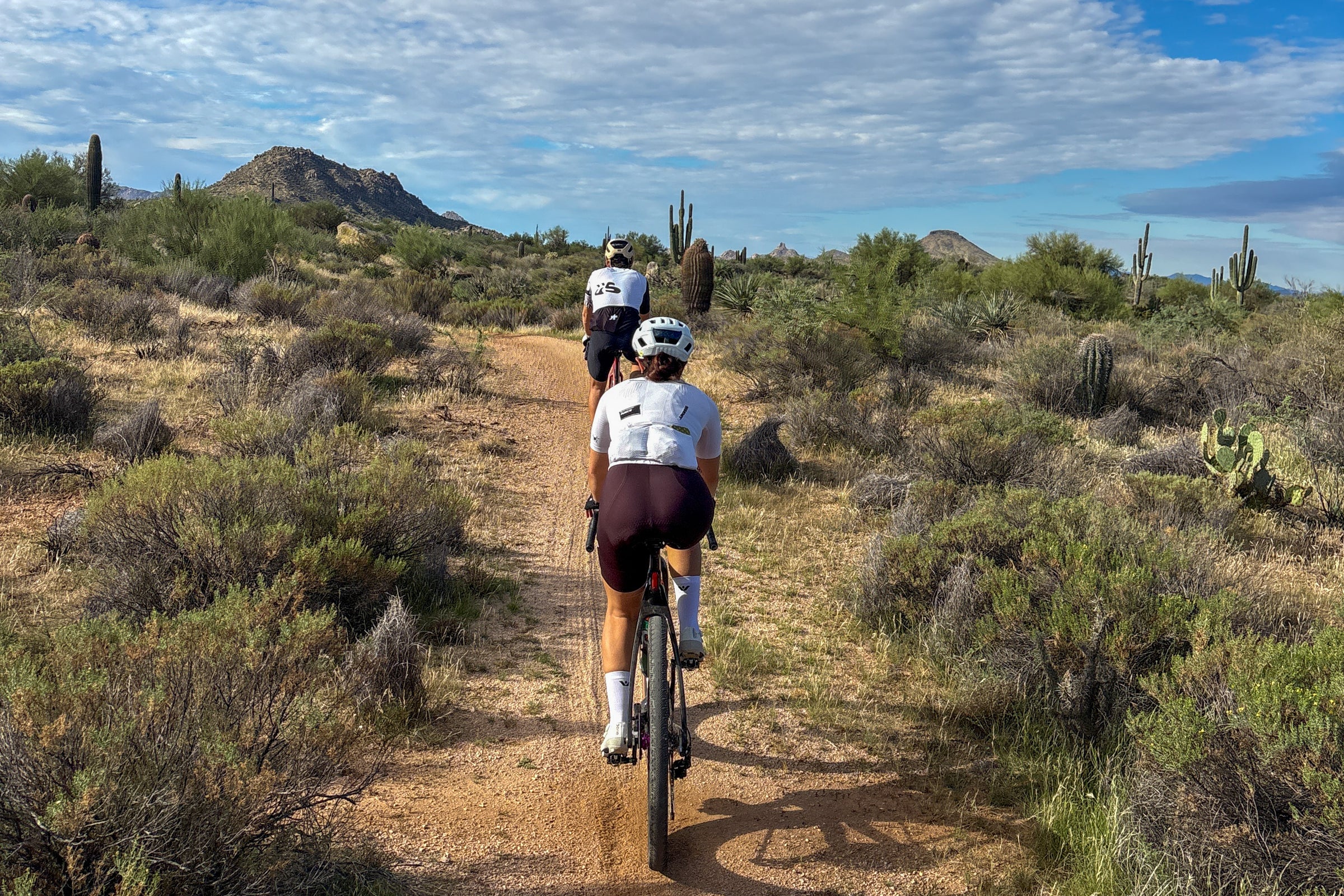
For those skeptical of 32-inch wheels, one of the biggest philosophical hurdles seems to be how these bigger, longer bikes would handle tight, twisty terrain. I was less concerned, so I thought to finish up my testing I would go to the twistiest gravel terrain I could find to see how that would shake out.
Throughout the ride, I was consistently impressed by just how nimble and precise the handling was. It wasn’t just the same traction; I could actually swing the bike around and lean it over on countless loose, tight switchbacks that cut through cactus forests and sharp yucca. This is terrain I ride constantly on gravel bikes, and the feeling was very familiar, even if there was a difference in the way the bike accelerated and the line I would take through the turns.
ADVERTISEMENT
Ultimately, the bike didn’t feel overwhelmingly more efficient like it felt at Big Sugar. With the amount of braking and acceleration, the weight of the bike didn’t always help. I also was more comfortable drifting the rear tire and really pushing 700c gravel bikes than the new-to-me 32-inch bike. Yet, I was learning quickly, and the bike sure felt more refined than I thought it would based upon the other 32-inch bikes I have ridden. Give me more time, and many of those segment times where I posted my second or third fastest times could easily flip to personal records.
250 miles of mostly-pavement in two days
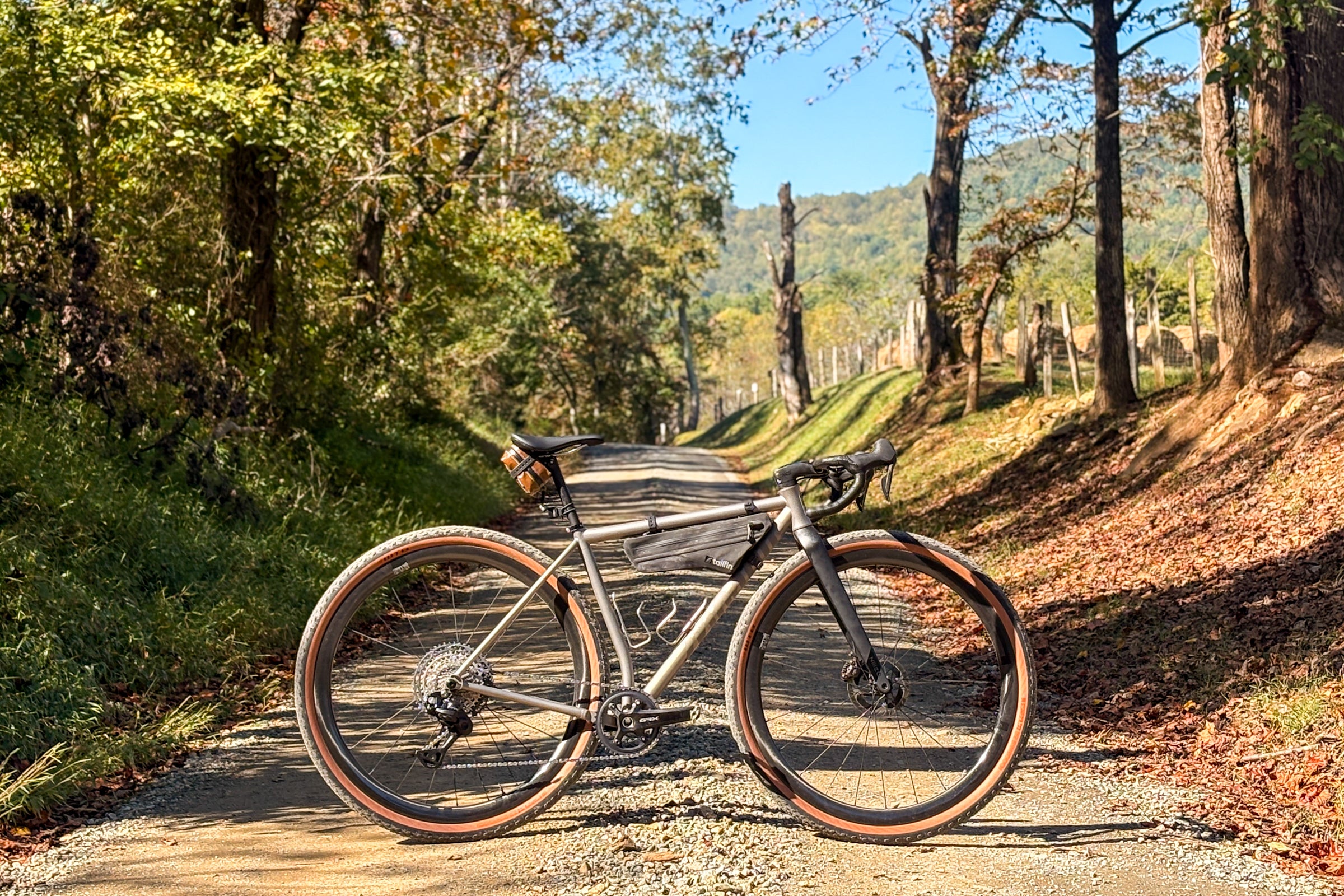
In terms of weaknesses, the obvious place where the Mosaic was slower was pavement. A surprising finding that has driven a lot of the buzz around 32-inch wheels was John Karrasch’s findings that 32-inch tires have around a 10% boost to rolling compared to the same tire tread and width even on pavement.
What that efficiency doesn’t include, however, is aerodynamic drag. Through the two-day, 250-mile tour I took in Virginia, the route I took was 90% paved. On the tarmac, it felt noticeably slower, especially into the wind. Even though my position was the same as the Crux 5, I couldn’t shake the feeling that over that mostly paved terrain, the Specialized gravel machine with 2.2×29-inch Pathfinder tires would be miles faster.
ADVERTISEMENT
Compounding that lack of aerodynamic efficiency was the weight penalty. At around 21 pounds, the GT i55 32 is not a featherweight, even with the refined titanium frame and carbon fork. 32-inch bikes will always be heavier; there is just more material, and it was noticeable uphill. On tarmac, the upsides that help the big wheels on downhills aren’t present, and the added momentum is less impactful. Instead, it is a 3- to 4-pound weight penalty with aerodynamic losses on top of that.
Not all of this is about the Mosaic frame. There will be more aerodynamic wheels that will come and, more importantly, more tire options. One of the biggest benefits of 32-inch wheels is that many of the added gains we have seen from wider tires can be found with the larger wheel. While wider tires make a wider contact patch, bigger wheels create a longer contact patch, adding to the gains in rolling resistance in a similar way.
What this means is a 40mm 32-inch tire could function similarly to a 45mm 29-inch tire. That means that for riding on more pavement or smooth gravel, a slick 40mm tire could still be an effective gravel tire, with much better aerodynamics.
ADVERTISEMENT
That said, currently, there are really not many 40, 45, or 50 mm 32-inch tires on the market. With 52 or 55mm tires, the weight and aero penalty certainly ding the tarmac efficiency of the Mosaic GT i55 32.
Usability
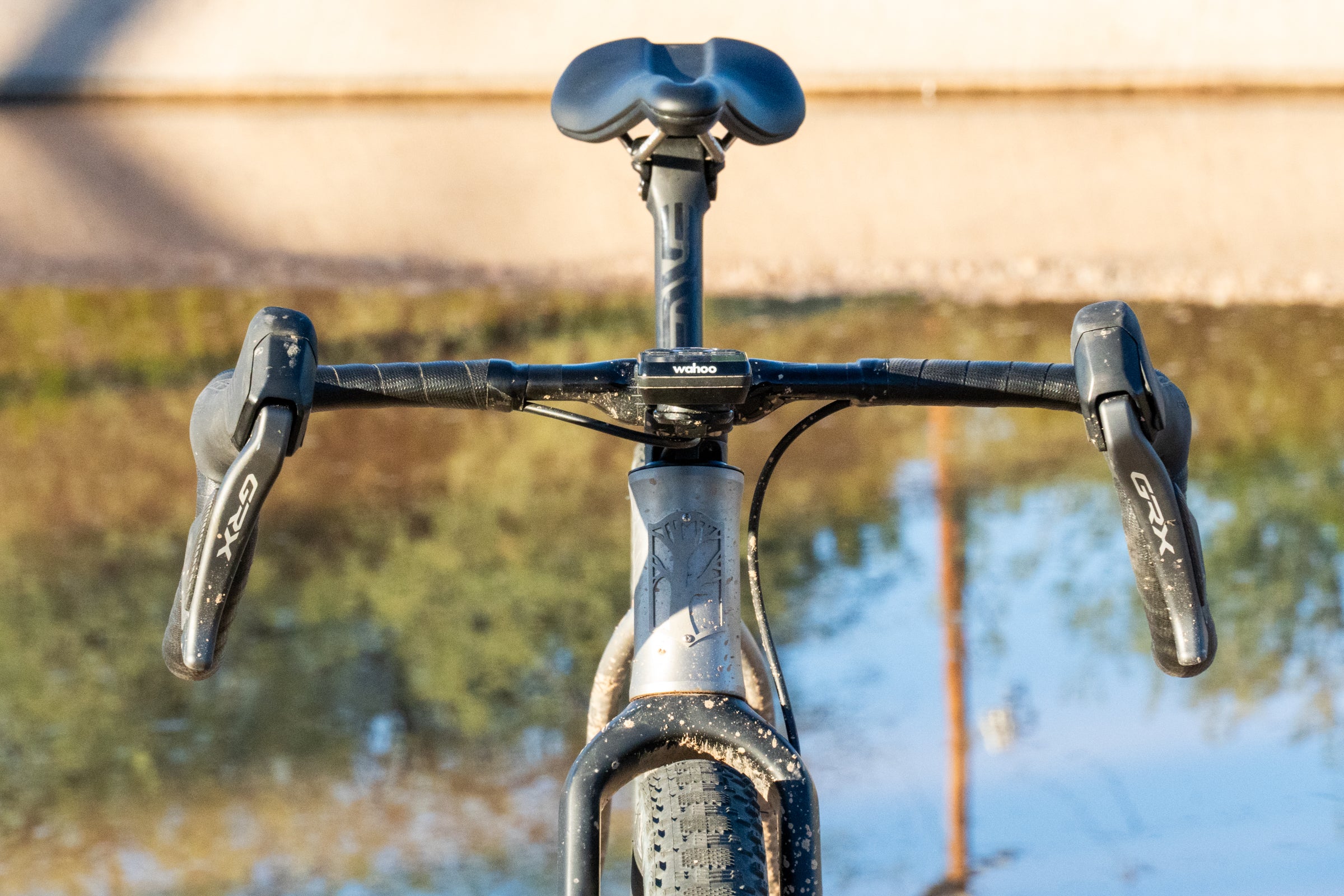
In many ways, the GT i55 32 is the same buying proposition as the 29-inch GT i55. Most of the components, brake routing, headset, bottom bracket, and functionality would be the same as its smaller-wheeled sibling.
Yes, the mounting flexibility is slightly different with the GT i55 32, but the overall proposition is the same. The bigger question of usability and livability for the bike is aspects like traveling. 32-inch bikes are much bigger, and many bike travel cases won’t be compatible with the new wheel standard. In total, I ended up flying with the bike three times, and each time I was successful.
ADVERTISEMENT
Using the Orucase Sentinel, I was able to fit the larger frame and wheels in the case when I removed most of the packing materials and took the wheels out of the bag. The travel case was durable enough to protect the bike, plus a few large pieces of strategically placed cardboard strips protected the wheels and frame from damaging one another. The weight was pushed all the way to the 50-pound limit each time, but each leg of the journey I managed to pay just the standard bag fee. The Sentinel is a premium-priced bike box, however, so this might be a necessary investment to travel with a 32-inch bike because smaller or more rigid bike travel cases might not be as forgiving.
Conclusion
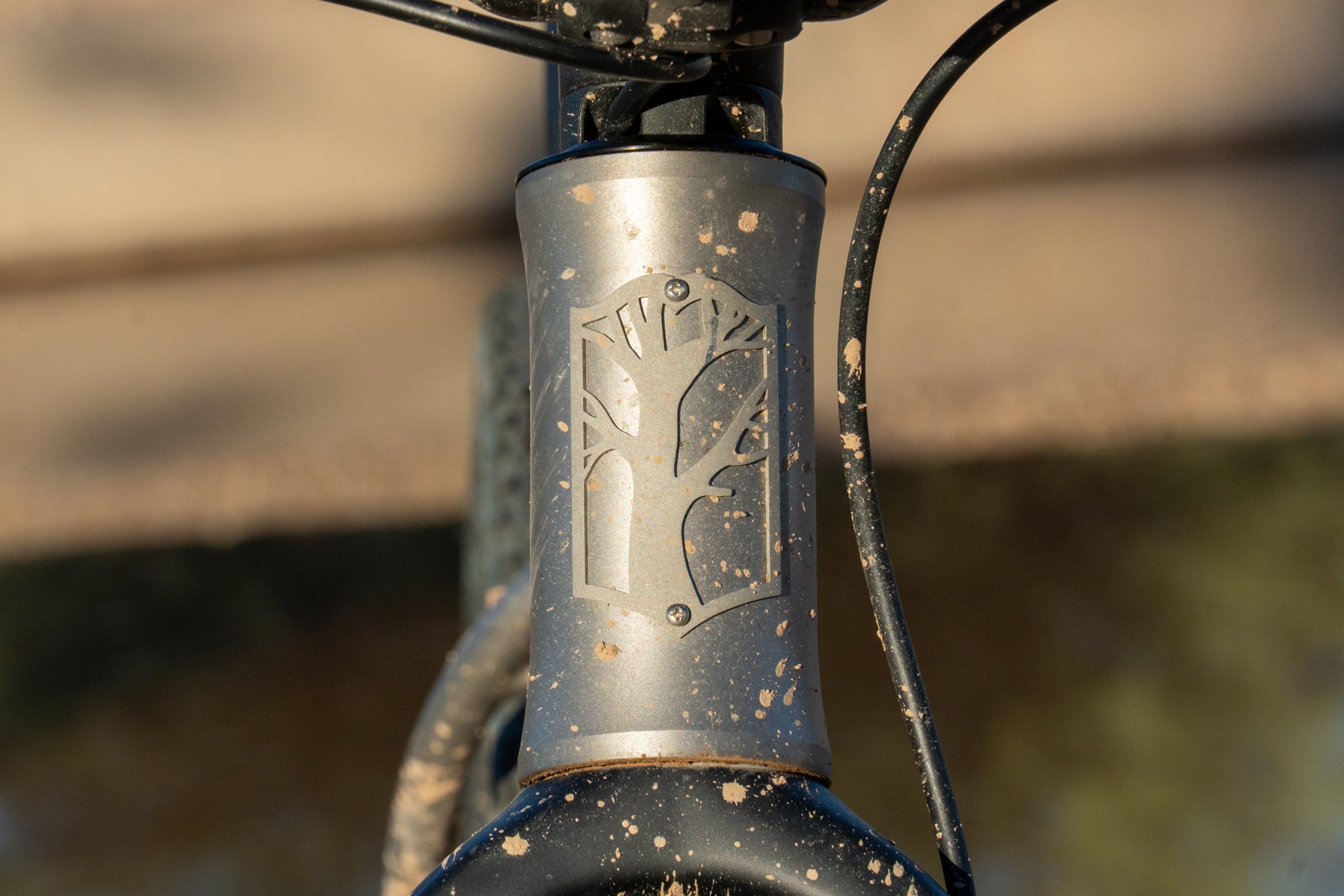
Even for bullish supporters of 32-inch wheels for gravel, there was some hesitation to fully endorse bikes with the bigger wheels. The Mosaic GT i55 32 is the type of bike that starts to make that perspective a reality.
This bike is here now, and it’s very good. Not just as a one-off 32 oddity or a mule that proves some of the concepts—it is a fully actualized bike that proves, for the right-sized people, the new wheel size has actual gains for gravel riding.
It might not be the silver bullet, and I cannot say definitively that it solves the central issue of 32-inch sizing for smaller riders, but I can say that it is a lot of fun and it has me more confident than ever that a 32-inch gravel bike can be the future of gravel.