Updated October 31, 2026 01:38PM
How Gravel Tech Changed in 2026
How much has gravel changed in 2026? Here are the key things we noticed at the biggest races in the world.
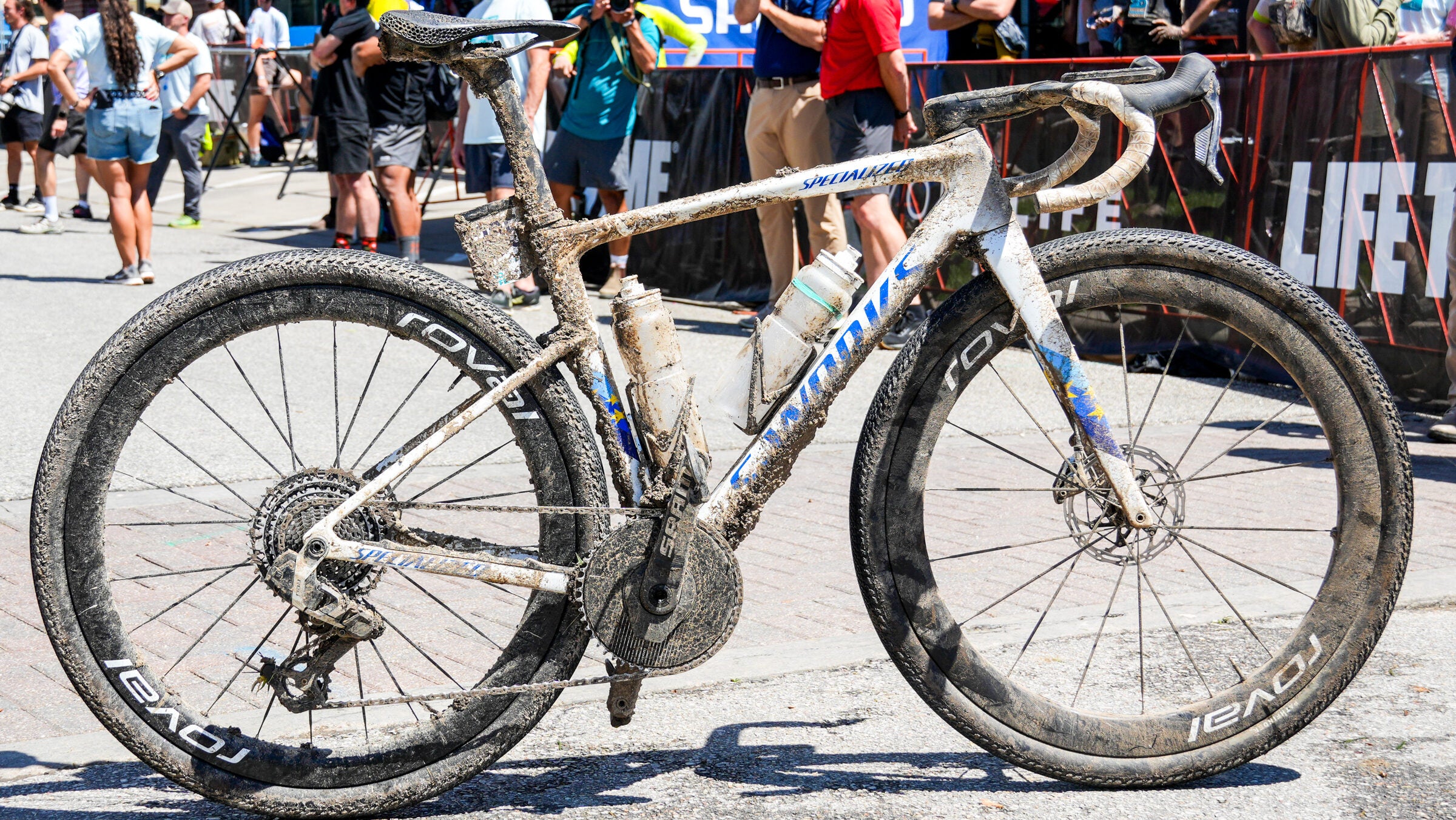
The Crux 5 stole the show in gravel racing this year, but there was a lot more to the tech than just one bike. (Photo: Logan Jones-Wilkins/Velo)
Welcome to Dropped, a new weekly road and gravel cycling newsletter from Velo that brings you the latest ideas we’re debating endlessly on group rides, and a look behind the scenes of our coverage.
The 2026 gravel season has come and gone, and I, for one, am tired. Since March, I have been on the gravel beat for Velo, covering all the tech and racing from the biggest gravel races in the United States.
It all started for me close to home at BWR Arizona and stretched out through the spring, summer, and early fall to Big Sugar Gravel in Bentonville just a few days ago.
While all this travel, writing, videos, and riding adds up—it’s also been a lot of fun. I have had a blast checking in with many of the riders, showcasing all of the new major gravel bike releases, and even jumping in the racing action a few times myself.
ADVERTISEMENT
At the end of the year, it’s clear that while gravel might not be growing at the same rate it was a few years ago, it’s still the playground of fun innovation and tech that keeps me and so many others coming back. The pro side of things especially continues to be interesting. In gravel racing, the pursuit of top-end speed has proved to trickle down throughout the industry since gravel speed increasingly equals gravel comfort.
To celebrate the season that was, and to survey where the discipline is after a half-decade of professional racing in the Life Time Grand Prix, here are my big takeaways from gravel tech in 2026:
Go ahead and get rid of your 45mm tires; they are not coming back
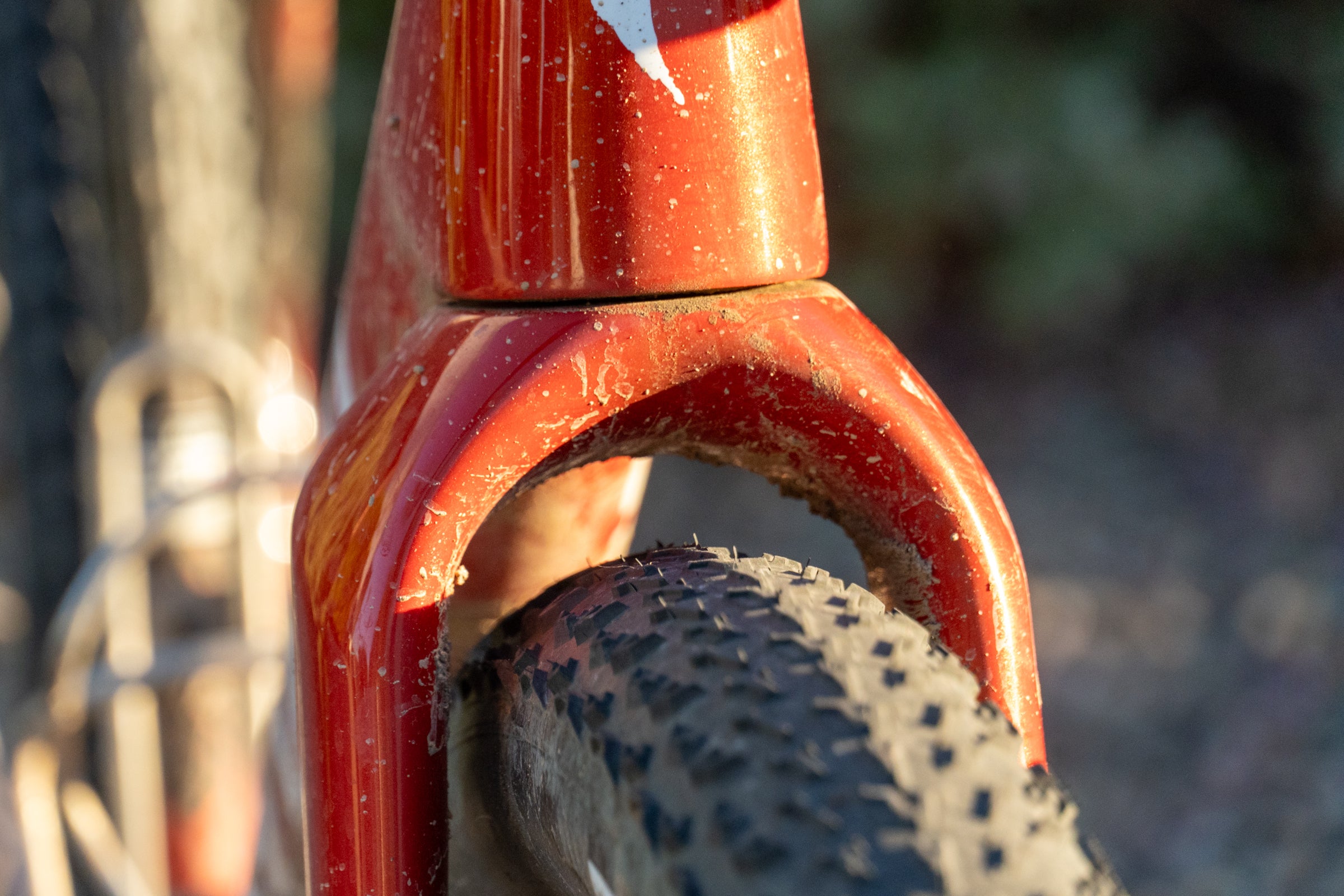
No matter how much some people argue, the cat is out of the bag: we are not going back to small gravel tires. Even on terrain with plenty of smooth tarmac, if there is enough dirt on a route to justify more than 40mm tires, the technology around tires has improved to where 50s are almost always faster.
There are a few outliers—Cobe Freeburn, for instance, has run 45s a few times this year, including his gravel nationals win on the Trek Domane—but largely it is now a choice between 50 and 55mm treads.
ADVERTISEMENT
For general riders, this is a really good thing. The falsehood that narrower gravel tires were faster held gravel back from having more comfortable setups. This new “bigger is better” mentality just makes sense across the board, and I can’t see 45s coming back.
Gravel suspension lost momentum
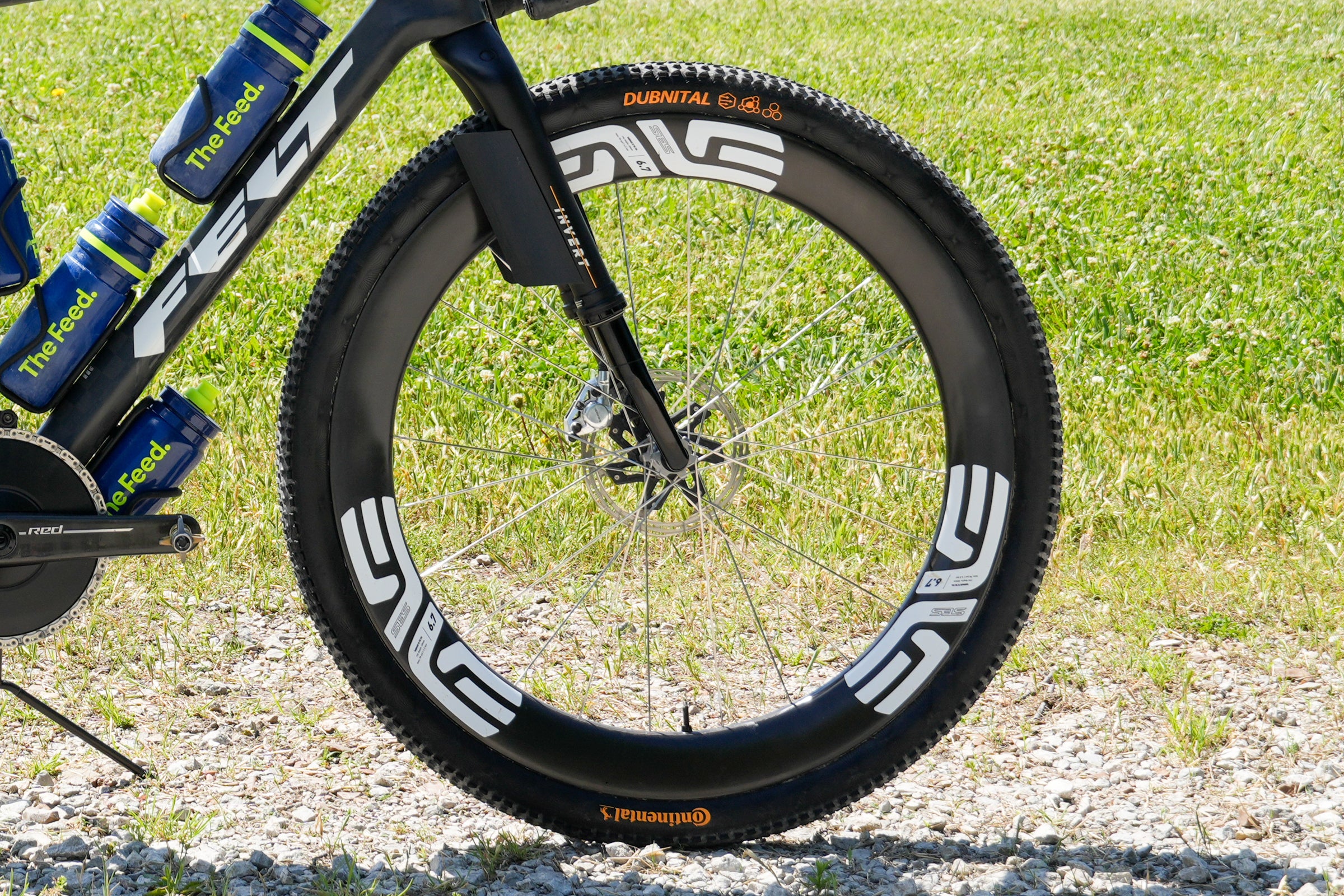
Last year, suspension had a moment. Throughout the year, gravel suspension seemed to be making a move to take over the gravel racing tech.
From a large portion of the pro peloton sporting the forks at BWR AZ, the first race of the year, to some notable testing that said suspension with narrower tires might be faster, gravel suspension seemed to be building momentum.
That didn’t continue this year. Overwhelmingly, racers cut back on how much they used suspension forks. At technical races like BWR AZ, there still were a few suspension forks, including Russell Finsterwald’s winning bike, but at events like the Traka and Unbound it was all rigid bikes and big tires.
ADVERTISEMENT
I still find there to be a great use case for suspension on gravel bikes, even with this pivot from racers. It can effectively bridge the gap between cross-country mountain bikes and race gravel bikes. Yet, tires have gotten better, and weight still matters in racing. Looking forward, gravel suspension forks likely will remain a small niche within the landscape of gravel race bikes.
Even with a decade of modern gravel bikes, the best geometry remains a moving target
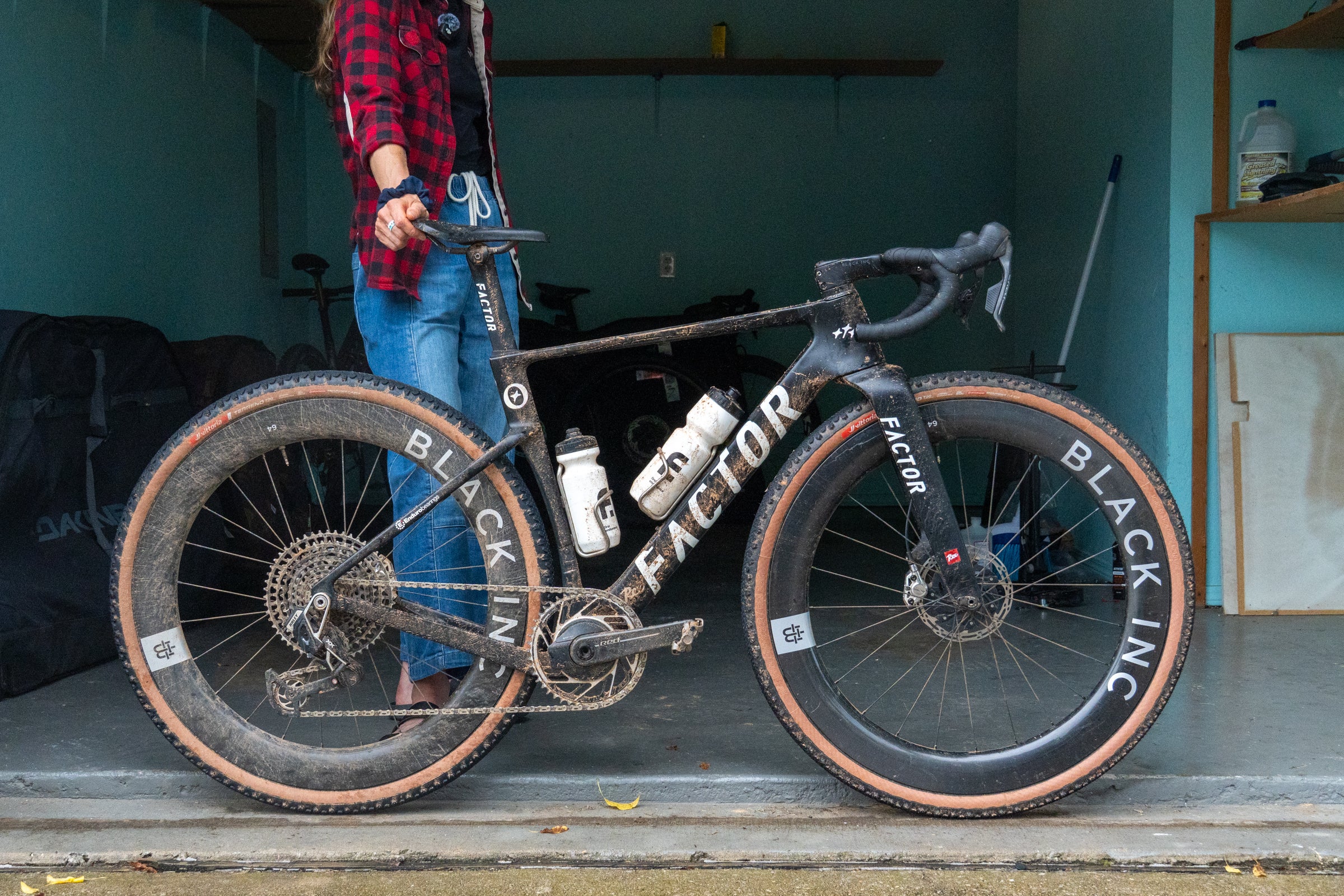
Even in the face of big gravel tires, there remains a push and pull in theories around gravel bike geometry.
For some, the goal is length, stability, and creating bikes meant to handle the 50-55mm tires of modern gravel in a way that resembles the tougher terrain gravel includes. Others are dead set on trying their very best to keep making road bikes that can hold 2.2-inch tires.
Personally, I find one of these geometries much more compelling than the other one, but many disagree with me. There remains a split, even among some of the biggest bike brands, of what is best. Ultimately, that could lead to some people having the “wrong” bike. But until then, there is more variety in ride experience than ever.
ADVERTISEMENT
32-inch is coming, but how much it takes over remains a mystery
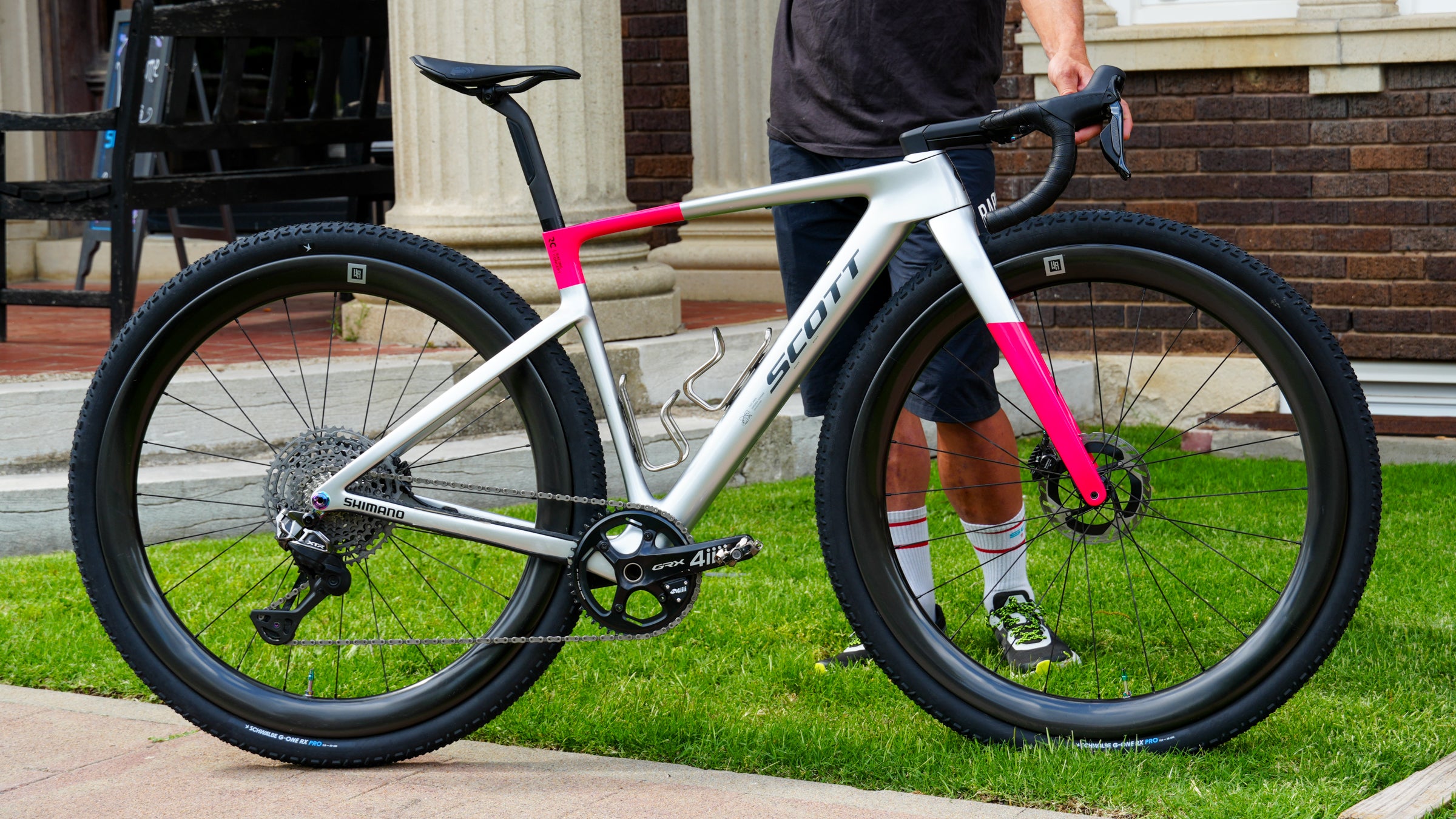
Speaking of ride experience, the last and perhaps most important gravel tech development in 2026 has been 32-inch gravel bikes. While this is not the year they have taken over, Cam Jones riding a prototype 32-inch Scott Addict Gravel—in the same year that Scott released a new 29-inch gravel bike—shows just how much attention the budding wheel size has commanded.
That will not stop next year. From sources inside the industry, Trek, Scott, and Specialized are among a large number of companies that plan to unveil 32-inch gravel bikes next year.
At this point, we don’t know when, nor do we know what will be available to buy. Nevertheless, what I can say is this is the last year when major releases won’t include 32-inch bikes. Over the next year, the whole landscape will change, even if there will still be 29 options.
ADVERTISEMENT
While all of this is speculative, it has been hanging over the gravel tech landscape this year almost as if it’s an impending attack from the Boogeyman. Personally, I just find it all very exciting, especially as I learn firsthand just how powerful a tool these new wheels are to ride.
Thanks for reading and, most of all, thanks for following our coverage from this year’s gravel racing season! We will be back for more in 2027. Yet, before that, let us know what you thought was the biggest gravel tech change in 2026 and what you predict will change in 2027.