Updated November 14, 2026 09:05AM
Bikes Brands Are Making It Harder to Swap Parts. We’re All Losing Because of It.
In a world of integrated and proprietary components, don’t be a sheep.
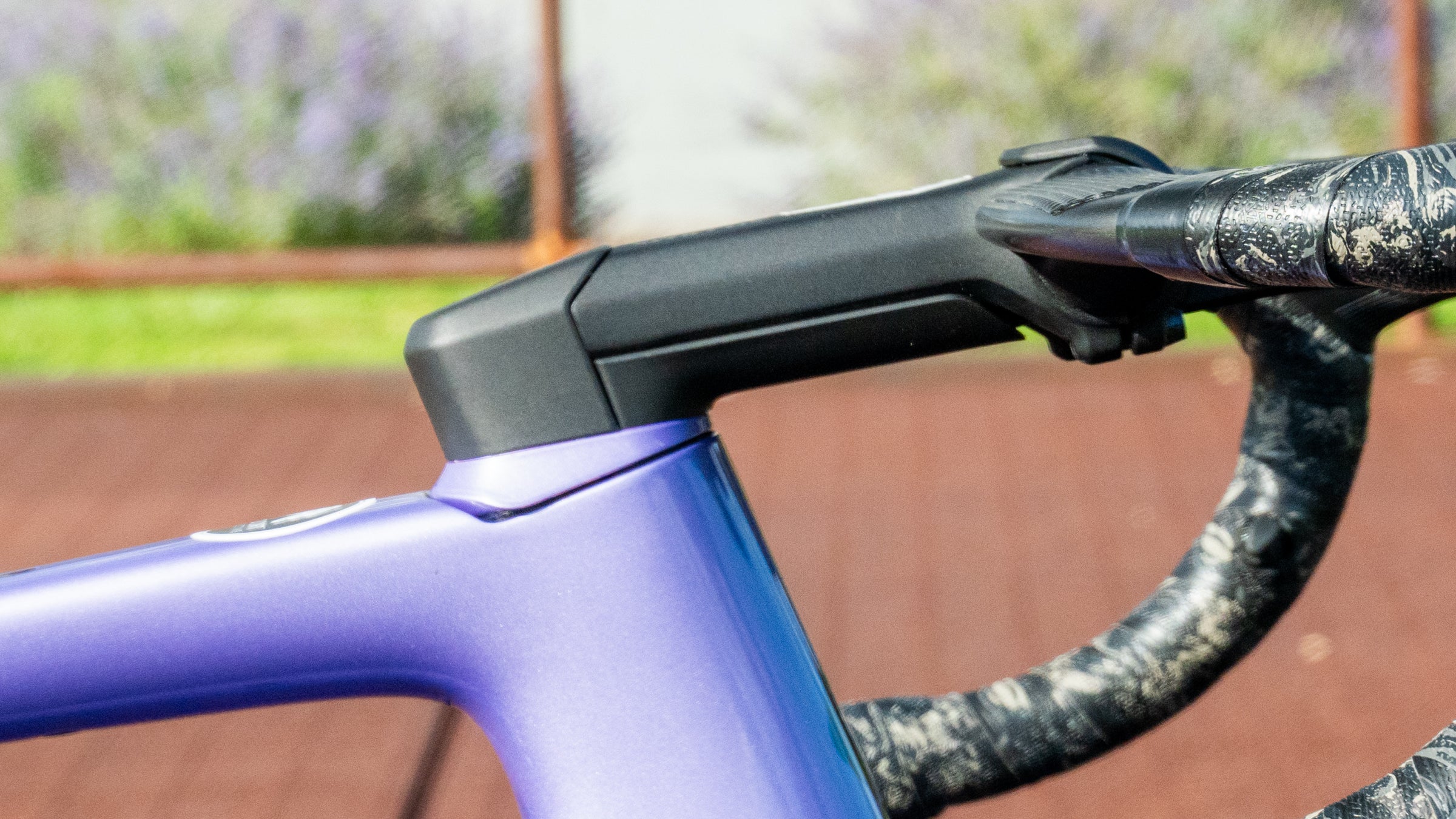
I was foiled by the Scott Addict Gravel having a proprietary steerer tube that is incompatible with most stems that are built around a 1-1/8 inch steerer tube. (Photo: Logan Jones-Wilkins/Velo)
You’re not tinkering with your bike nearly enough. I get it; it is really easy to set your bike and forget it. You make your choices when you purchase your bike (or at least accept whatever comes on it as good enough), and then ride it until something breaks.
Now, more than ever, that is a game plan that is understandable. Cockpits are getting complicated; seat tubes are getting more and more proprietary; it’s harder to trust that a new, specialized component will be compatible with what you already have.
Still, bikes are amazing machines because you can unlock them in so many special ways with small—often inexpensive—changes.
As a bike reviewer, this is second nature to me. But even before I had this job, I tinkered a ton. Gravel cycling was especially enlightening for me, as it gave me much bigger horizons for swapping components.
Given my experience and how much benefit I’ve had from tinkering and dialing in my setup over the years, it has baffled me to hear time and time again from folks in the industry that people “just don’t care” about changing their stuff.
ADVERTISEMENT
“Make it look good,” they say, “and people will buy it.”
Now, this isn’t universal. I hope many of you will hop into these comments and tell me all about how you tinker. But, anecdotally, this is the prevailing wisdom. And that prevailing wisdom is leaking into how companies are building bikes. In turn, that diminishes the tinkering that can be done in the future.
I, for one, am sick of it. We need to take a stand before it’s too late.
The problem with too many proprietary parts
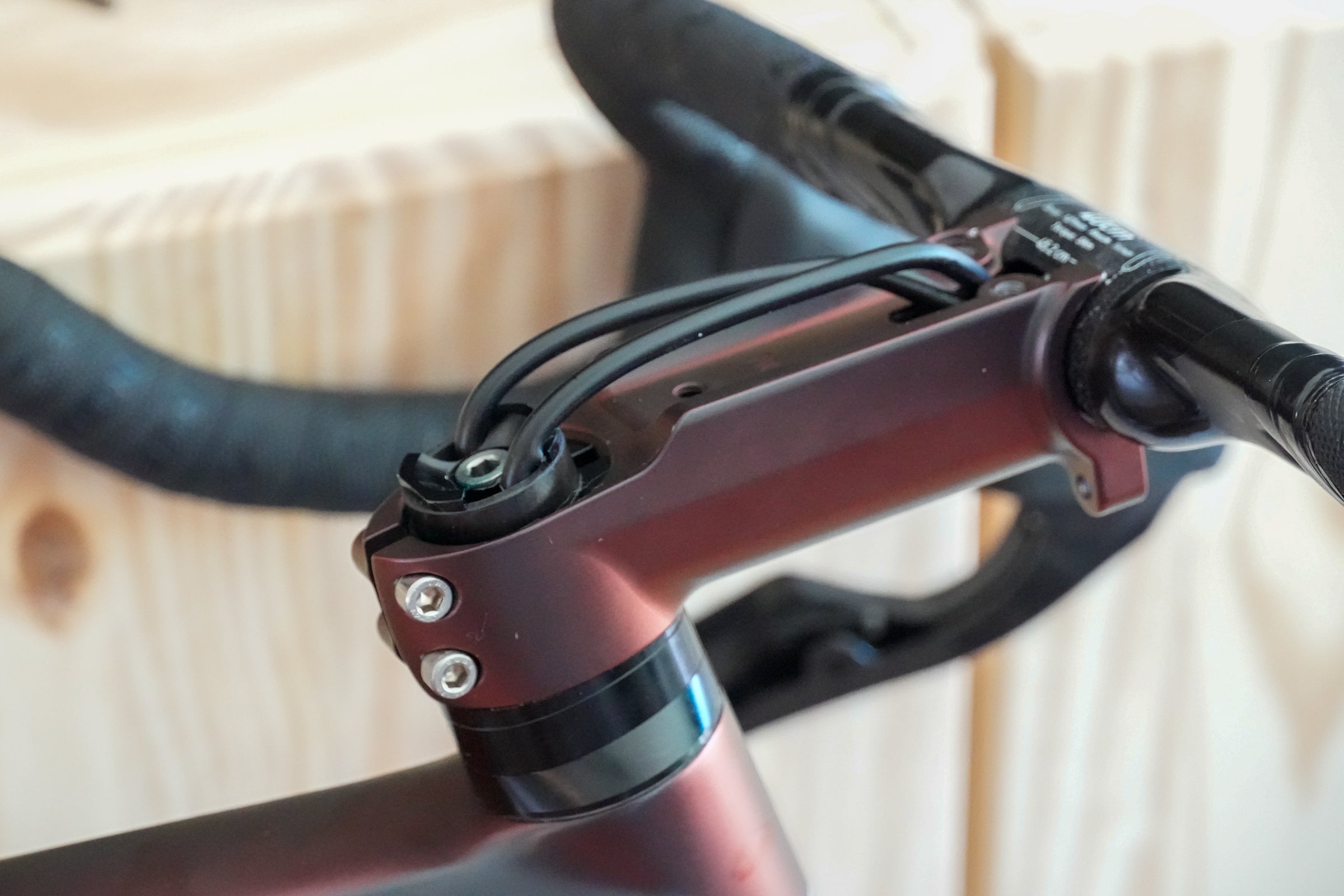
Of course, the main barriers to tinkering are integrated cockpits. Before I get too deep into old-man-yells-at-cloud land, I do appreciate how it has streamlined the look of high-end bikes. It also has made things marginally faster. But at lower spec levels, bikes should be built to be more approachable.
ADVERTISEMENT
Recently, I got my most recent test bike in for review. It is a Scott Addict Gravel—a beautiful bike that I have been looking forward to testing. I got it set up, and straight away I knew I needed longer reach.
“No big deal,” I thought, “it is the SRAM Rival build specced with a two-piece cockpit. This surely will be easy to adjust.”
Not so fast. Scott uses its own steerer tube diameter. My drawer full of 80-140 mm stems (ok, here is where maybe I am unique) is useless for this bike, despite the cable routing allowing such swaps.
Now, this isn’t a referendum on the bike. I’m super excited to try the new Scott Addict Gravel as it has massive tire clearance, broad handling, and a sleek aesthetic—all things I enjoy. Yet, I feel like my criticism here is more than justified since it speaks to a bigger issue of pigeonholing consumers to pre-packaged bikes rather than individual tools.
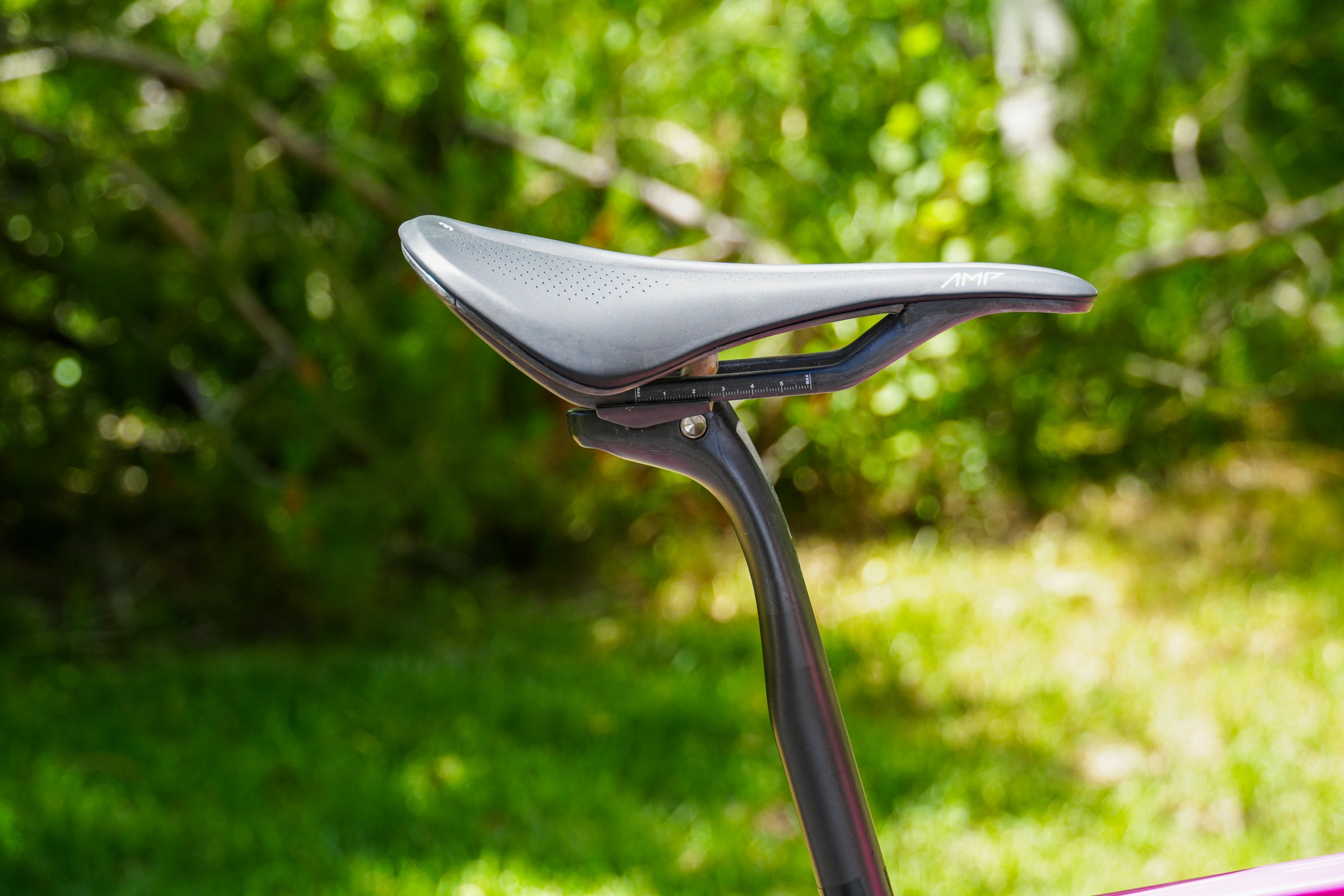
Scott isn’t alone on this front, either. The Giant Revolt Advanced SL is one of my favorite gravel bikes I have ever ridden. But dang, the proprietary setback seat post is a pain. It undoubtedly will force many riders to be further behind the bottom bracket than ideal. With that proprietary shape, swapping things is similarly difficult and limited to the offerings that Giant produces.
ADVERTISEMENT
This should not be accepted as standard practice, but because the consumer is perceived as not caring, the choice of swapping a stem easily is eliminated by bike designers. Sure, there could be some esoteric, performance-focused reason why Scott and Giant have made those choices, but that shouldn’t be worth it. It is not the same as super bikes with bayonet forks and barstems that help with the margins of aerodynamic gains.
Let cyclists tinker
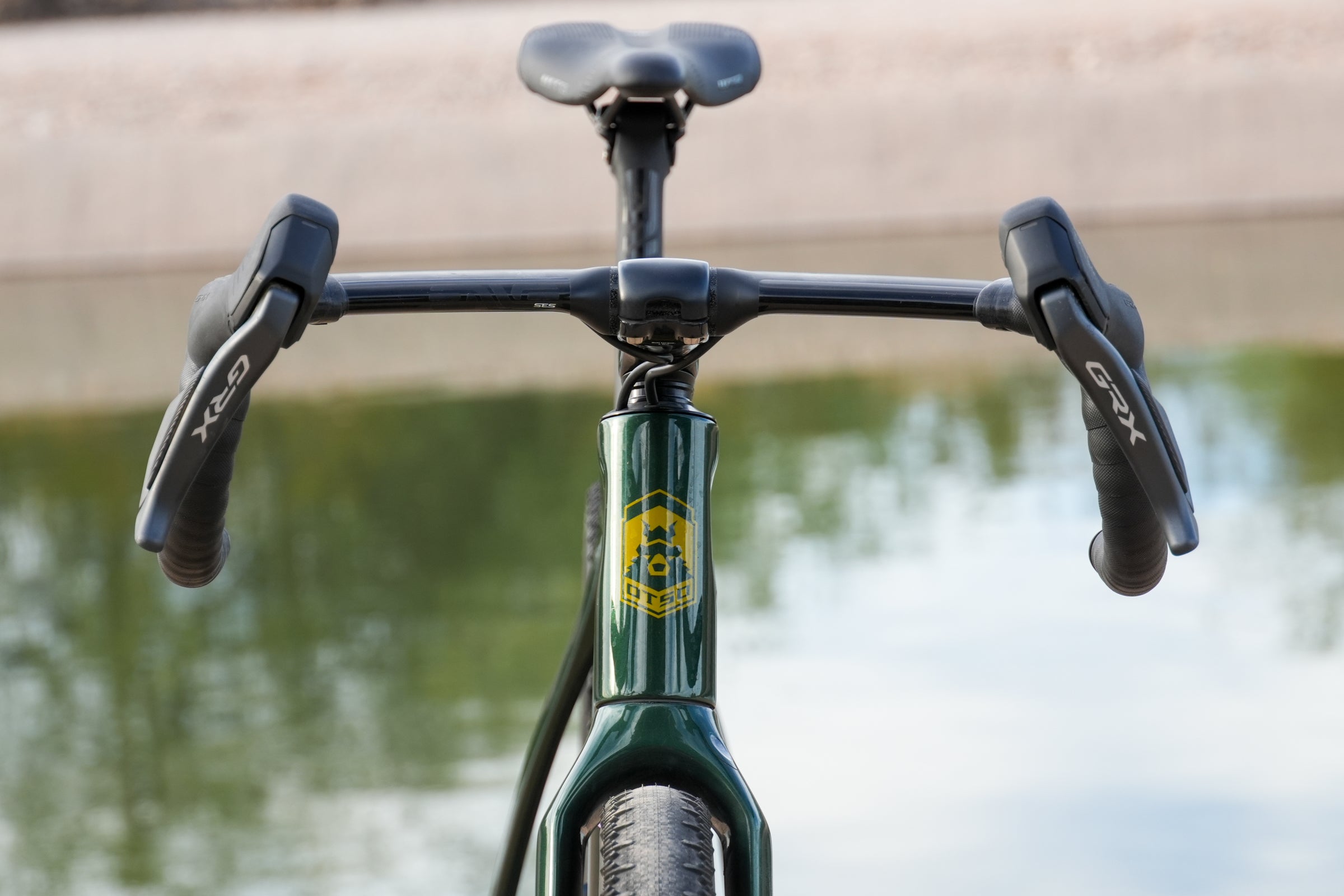
These gravel bikes, especially the Scott Addict Gravel with a Rival build spec, are supposed to be more approachable. There should be enough demand from a cycling public that stems—a component that will almost always get changed in bike fits—can be easily tinkered with.
So, despite the cadre of bike brands that are doubling down on the integration revolution, don’t be afraid to play around. Get a bike fit, get a couple of cheap stems (with the correct steerer diameter), get the perfect-sized chainring, perhaps shorter cranks, and find the setup that actually works for you. Demand that cycling brands continue to allow for tinkering in a world of optimization.
Cycling is better when you do.