Published November 3, 2026 11:52PM
Giant Revolt Advanced SL Review: A Gravel Race Bike Perfect for the Modern Era
Giant's new flagship gravel race bike is lighter, stiffer, and offers top-level handling in a bike built for 53mm tires.
Pros
Lightweight frame construction and build options
Aerodynamic shaping and components
Progressive geometry, including longer chainstays that promote strong handling characteristics
Increased horizontal stiffness to promote responsiveness and more precise control
Cons
A few wonky spec choices, including only a setback seat post
Fewer compliance features
Limited storage and mounts
No US availability
Giant Revolt Advanced SL Specifications
| Components | Details |
| Frameset | Giant Revolt Advanced SL |
| Drivetrain | SRAM Red XPLR |
| Gearing | SRAM RED XPLR 13-speed, 46×10–46T |
| Handlebar/Stem | Giant Contact SLR XR Integrated |
| Wheels | Easton EC90 ALX |
| Tires | Schwalbe G-ONE RX 50 (control) |
| Price | USD $12,000, AUD $13,999, CAD $15,999, and €9,999 |
| Weight | 17.3 pounds (7.84 kg) |
| More info | Visit Giant’s website to learn more. |
This bike was featured in the Velo Future of Gravel Field Test. Watch all 3 episodes, streaming now!
- Episode 1: First impressions
- Episode 2: Head to head challenges
- Episode 3: The big ride
The Giant Revolt Advanced SL is the latest update to the popular Revolt line. The new bike focuses on being a lighter bike with improved geometry, increased stiffness, and refined components. All of these qualities are geared to promote better handling and more speed over rough terrain with large tires.
The bike debuted as a prototype at Unbound 200, snagging a top-five finish in the men’s race. In a race where the rest of the top five was filled with the Specialized Crux 5—the other new release at Unbound—that initial showed the racing chops of the new offering from Giant.

While the Revolt Advanced SL has had quick success at the races, we were curious to see how the pure-bred racer would fare for more varied terrain. On paper, the Revolt was a bike that didn’t have the same compliance and suspension features as other bikes in our gravel bike Field Test. The gravel riding in Squamish would test the limits of what the bike could do away from the race course.
What we found was that the bike was not only fast, but through smart geometry decisions and lightweight, responsive terrain, the Giant Revolt outkicked expectations across even the rougher terrain we took on.
ADVERTISEMENT
What I like about the Giant Revolt
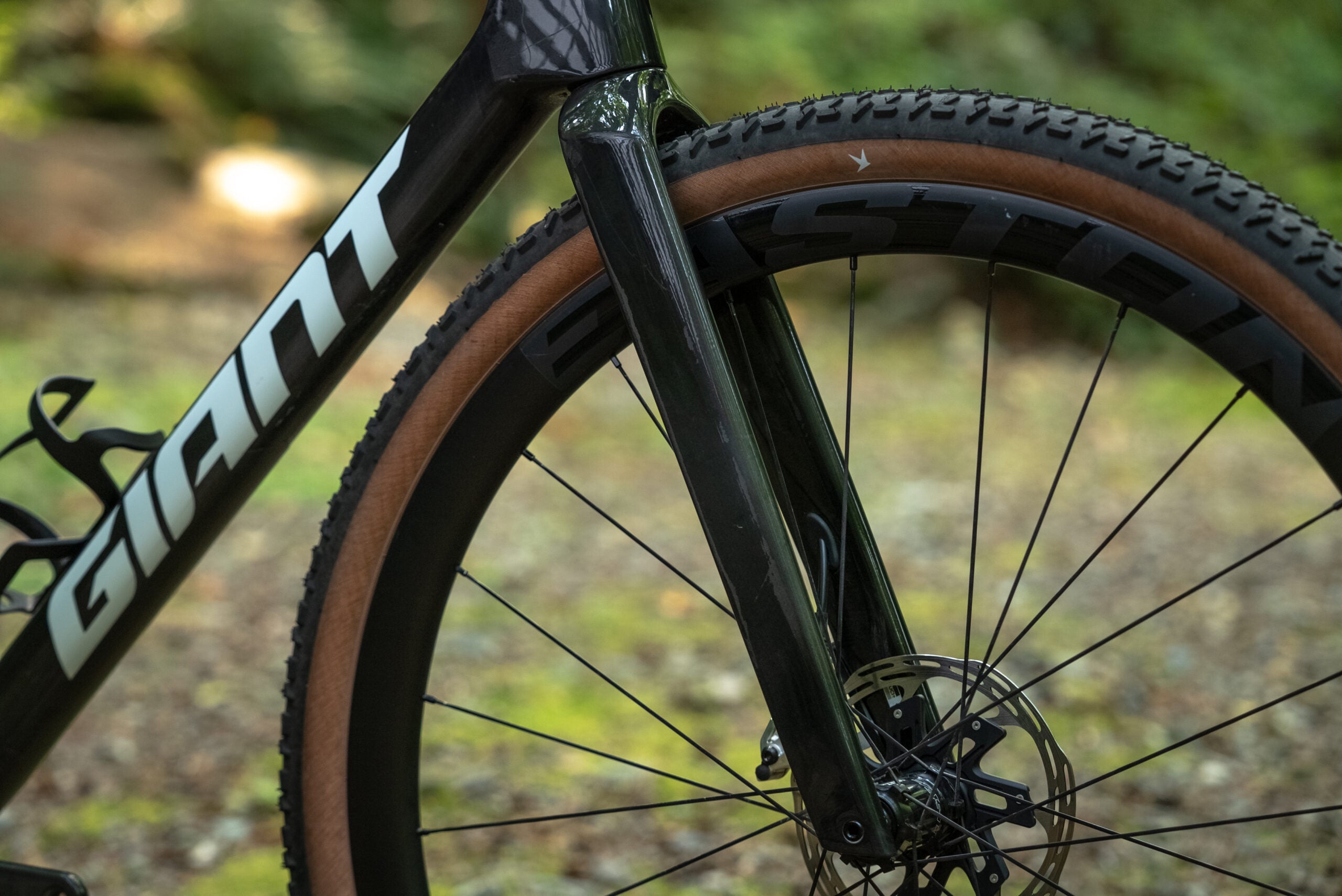
The Revolt has never been the most audacious gravel bike on the market, yet Giant has consistently been a standard bearer each time it gets updated. Even last year, the previous Revolt, already a few years old, stood out as one of the best options in our 2025 gravel bike field test.
This time around, the new and improved Revolt only impressed us more. The high points are things we have seen across the board in new gravel bikes this year: bigger tires, a lighter frame, more aerodynamic shaping. Yet, in a few key ways, it is the details and design beyond the big headlines that are the most exciting aspects of the new Revolt.
ADVERTISEMENT
That being said, straightaway, the lightweight frame and speed of the bike were the most obvious features. The bike we tested came in as the lightest bike of our test by a big margin. At just 17.3 pounds (7.84 kg), the bike accelerated fast and was able to hold speed well. Giant claims that the bike has a 13.81-watt aerodynamic improvement over the previous Revolt. With the low weight and the aero-shaping, the Revolt felt like a race bike, especially on smooth and uphill terrain.
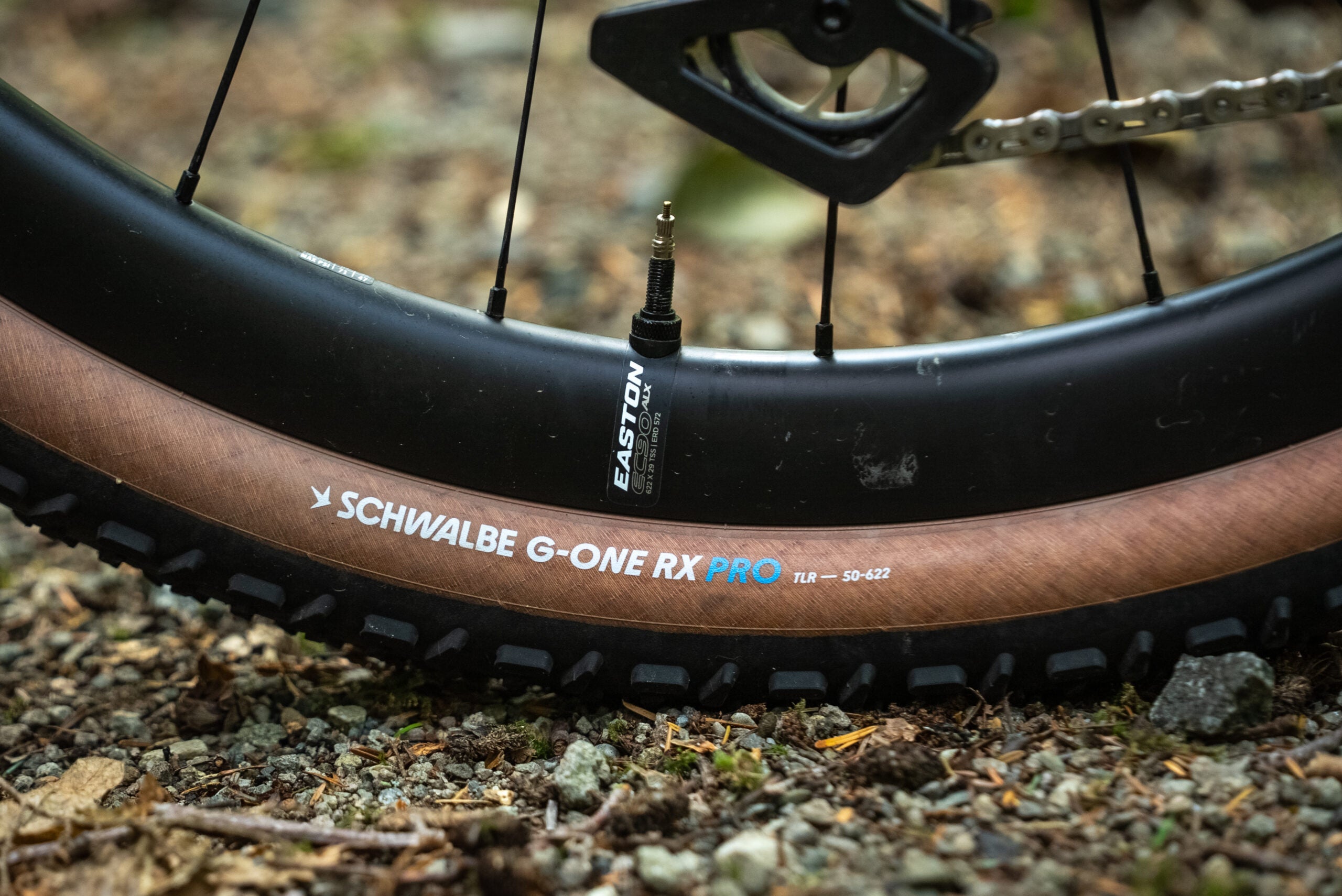
Adding to that racey feeling was the bike’s stiffness. In a bit of a zag compared to where most gravel bikes are headed, Giant made it a priority to boost the frame’s stiffness. The idea here is that compliance can be found in other components—more on that later—but a rock-solid power platform needs the grounding of a stiff frame and cockpit. The Revolt demonstrates that stiffness during moments of high power, both seated and standing. With tires that take advantage of the bike’s improved clearance, those qualities make the bike such a good climbing option.
The ability of the Revolt as a climbing bike seems obvious, even on paper. What was more surprising was how well the Revolt was able to handle descending and rougher terrain, even with a stiff, fully rigid setup.
ADVERTISEMENT
After a few miles to get used to the bike, I felt a ton of stability on a wide variety of terrain. At speed, I felt a ton of responsiveness, but not twitchy. It was easy to place the bike, yet unlike other shorter, steeper bikes, the bike was super balanced and tracked well around corners. The length of the rear end, especially, prevents the bike from understeering.
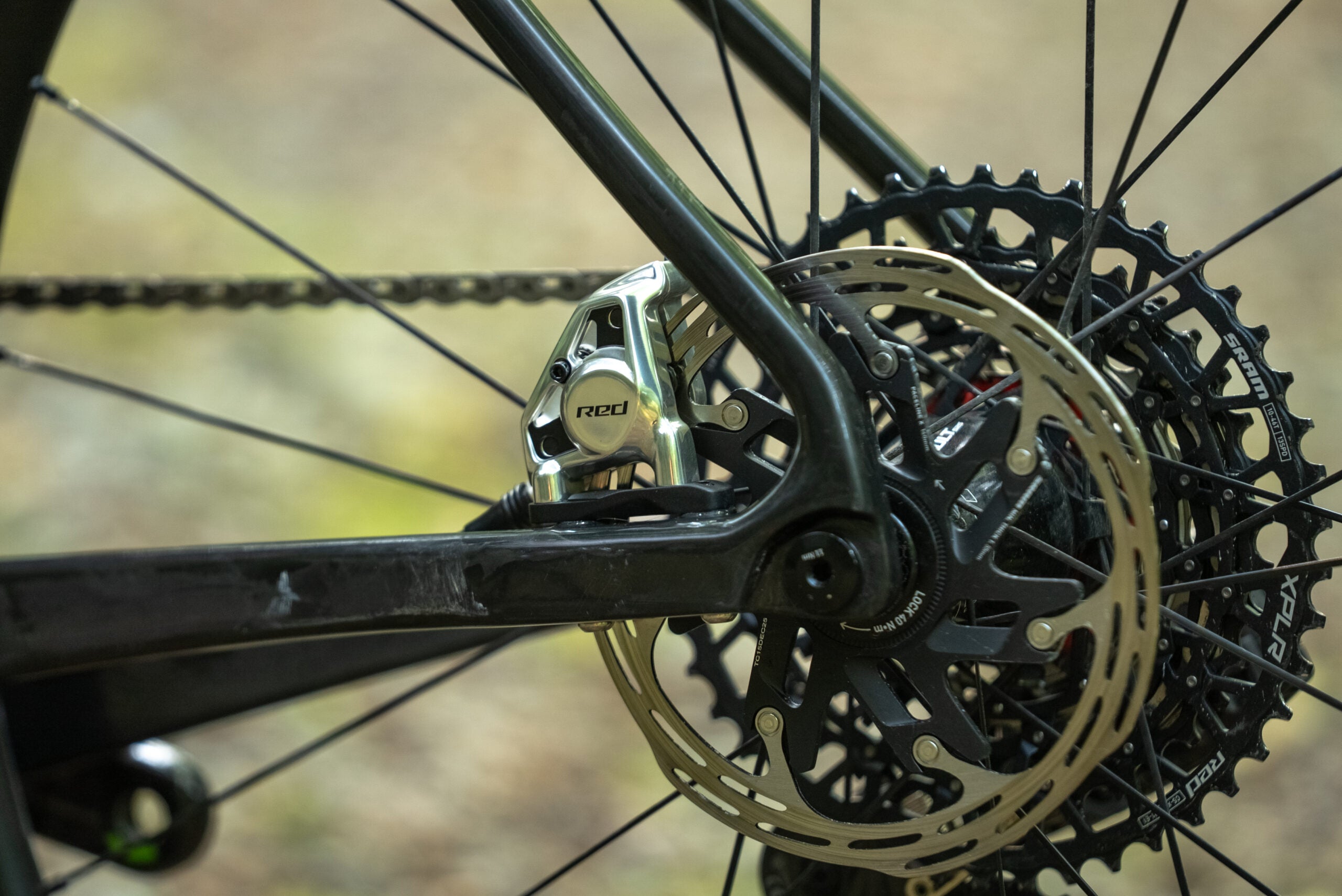
Understeering, which happens when the rear wheel tracks tighter than the front wheel, is a common attribute of many new bikes with slack front ends and short chainstays. I have found it increasingly frustrating since it really holds certain bikes back from getting the most out of bigger tires. With 430+ chainstays, the Revolt handles bigger tires in a much more predictable way, which in turn manages traction better through both the front and rear tires.
All of this added together makes for a lightweight gravel race bike, with solid do-it-all capability, that is simply a joy to ride across the full spectrum of what gravel riding is known for.
ADVERTISEMENT
What I don’t like about the Giant Revolt
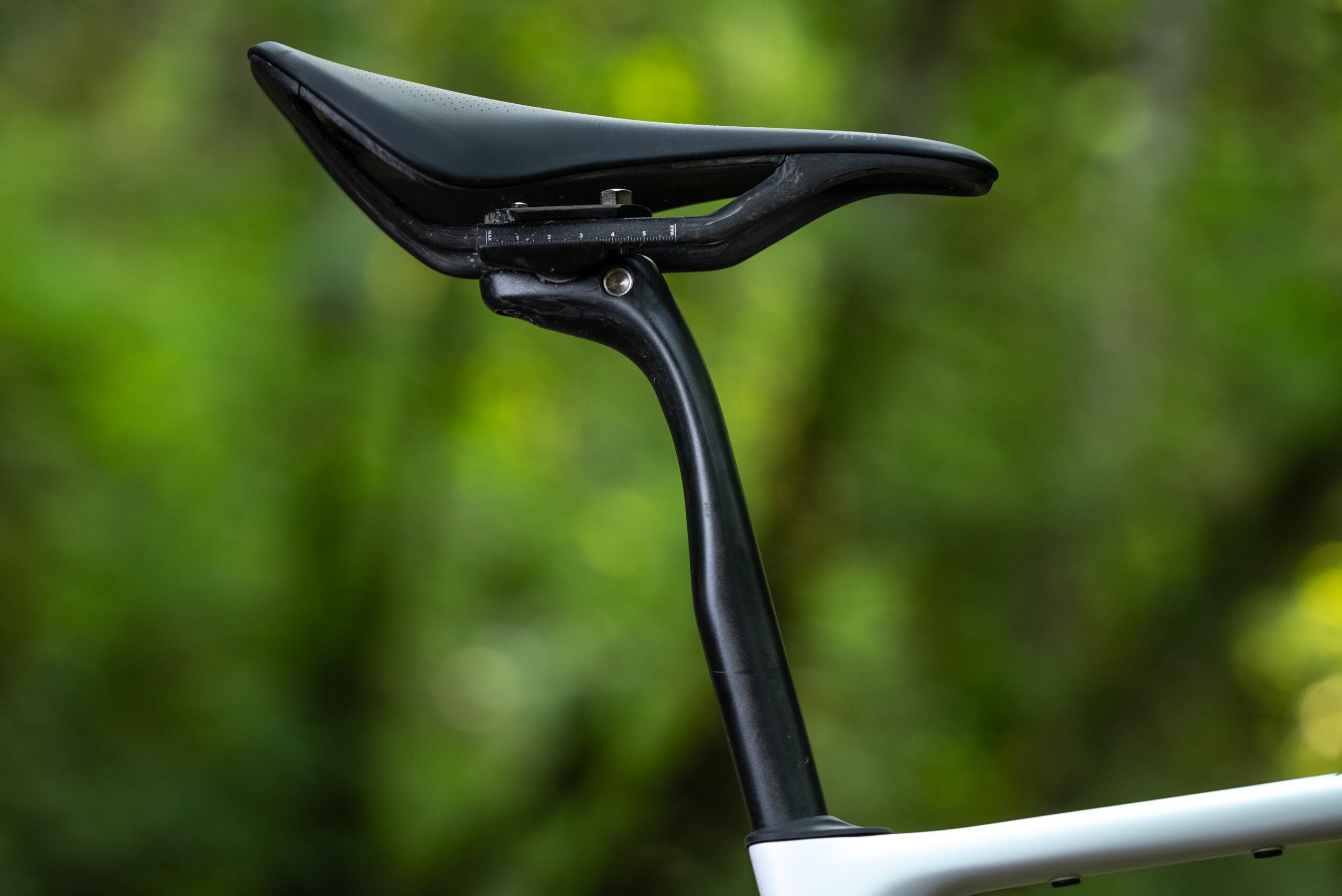
The main aspect that I found frustrating about the Revolt is the proprietary seat post. Instead of a standard round post, the bike comes standard with a sweeping set-back D-shaped seat post. While the post does allow for a bit of compliance in the rear of the bike, it does create a bit of positional inflexibility.
That said, the bike does have a fairly steep seat tube angle to counteract that setback. Additionally, the Revolt does lower the stack and extend the reach of the previous versions of the frame. Yet, unlike other new releases, the Revolt has kept the reach of the bike at just 401mm for the medium-large frame we tested.
ADVERTISEMENT
While Giant claims the seat post adds some compliance to the rear of the bike, overall, I was left wanting more compliance. The stiffness of the bike and the bars feels great at times, but over bumpier terrain the bike is less forgiving than I would like it to be. Bigger tires can certainly make up a lot of the difference, but pairing all of those stiff features with the very stiff Cadex wheels that come stock, and the stiffness adds up.
That said, it does give the bike a bit more upside as a do-it-all jack of all trades.
Lastly, while Giant argues that the bike’s components are updated to modern standards, I found that certain specs like crank length and bar width weren’t up to the standards of 2026. The 172.5mm cranks on our test bike were the longest in the Field Test, and I don’t think they reflect what most riders prefer to use.
ADVERTISEMENT
Livability
The biggest challenge with the Giant Revolt Advanced SL is the fact that, currently, it is unavailable to buy in the United States.
The Giant Revolt is only made in the Advanced SL construction. Since that type of frame construction comes from the GTM factory in Taiwan, the bike is currently not available in the US market. Due to the current Withhold Release Order (WRO) on goods from the GTM factory, all Advanced SL bikes, including these new gravel bikes, remain blocked from entering the United States market.
Yet, if or when the bike is able to be sold in the United States, the bike should be very easy to live with.
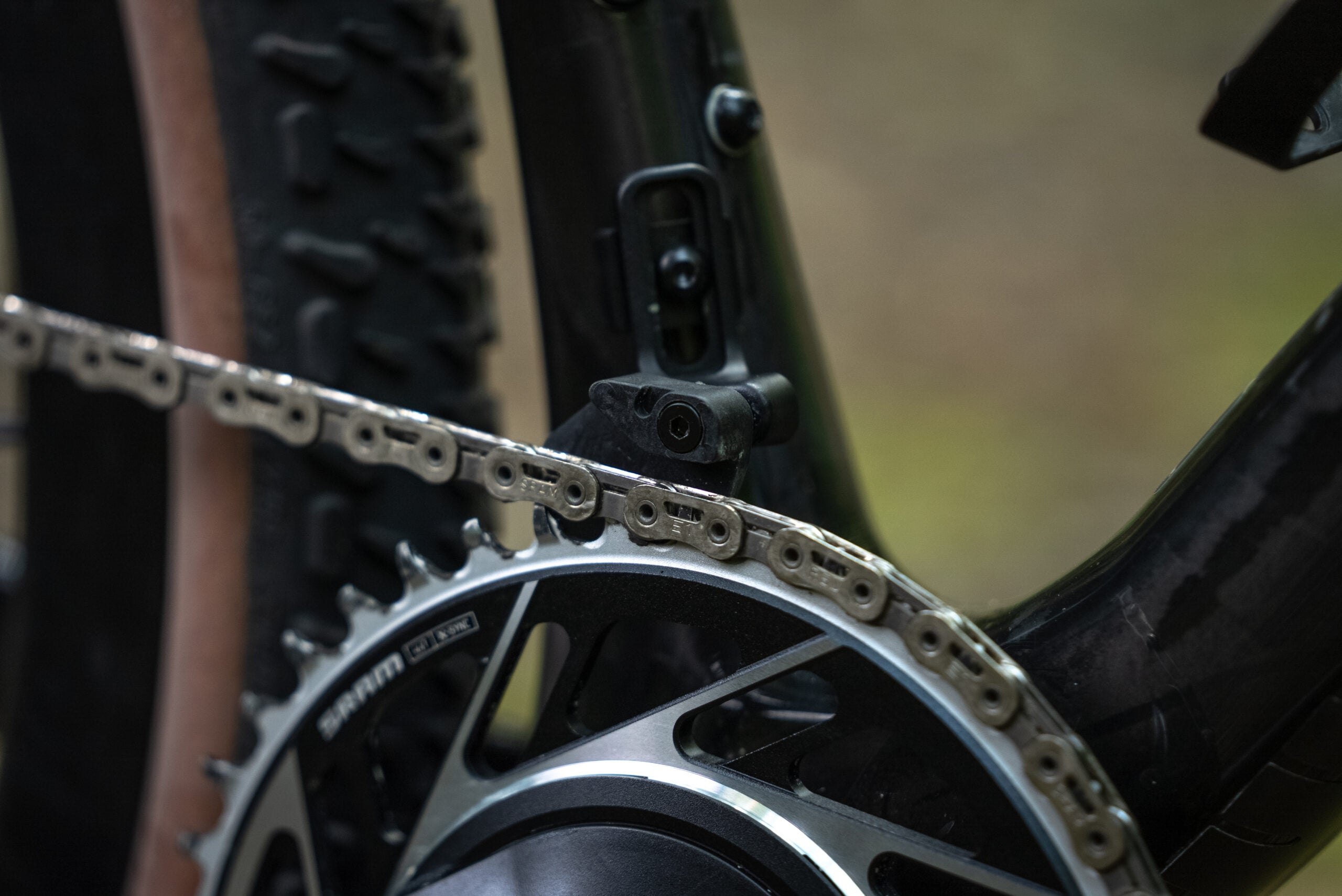
Beyond components, the Revolt Advanced SL frame has fairly broad functionality with mechanical, 2x, and Di2 compatibility. The bike is fully integrated, however, with fully internal cable routing through the Cadex bar-stem combo.
ADVERTISEMENT
Who is the Giant Revolt Advanced SL for?
Of all the gravel bikes released this year, the Giant Revolt is the best competitor to the Specialized Crux. While there are other out-and-out aero gravel bikes, very few other bikes have found a similar mix of speed and weight as Specialized’s flagship offering. Both bikes are more aerodynamic, lighter, and support bigger tires than their predecessors.
What’s more, while the Crux did get the better of the Revolt at Unbound, there are a few aspects of the Revolt that might provide upsides to general riders.
ADVERTISEMENT
The Crux, for all its upside, is a very aggressive bike. For all of its qualities, the bike has retained very steep angles and a short rear end. While that does play well on roads and makes the bike feel nimble in some circumstances, it can also make the bike feel unstable, as it is harder to balance the bike’s weight distribution between the front and rear.
After riding both bikes this year, it was clear that the Revolt offers more confidence and better traction control than more aggressive options like the Crux, without sacrificing a ton of speed. If you are looking for a race bike that plays well across the gravel spectrum, the Giant Revolt is one of the best options on the market—if you can actually buy the bike.